


Waterproof Plastic Bin for Biotech Export
Waterproof Plastic Bin for Biotech Export
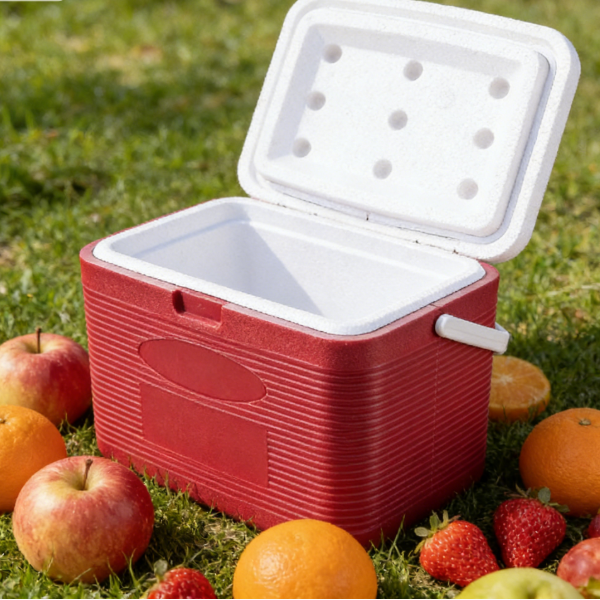
Updated On: May 26, 2026
Waterproof Plastic Bin Distributor for Biotech Export: How to Choose With Less Risk
A procurement team does not look for waterproof plastic bin distributor for biotech export because it wants another generic box; it looks for a container that can survive real biotech export work. The practical decision is whether the plastic bin fits the payload, workers, cleaning routine, return loop, and documentation expectations. A good choice should make loading faster and safer without creating hidden risks around hygiene, temperature exposure, wet handling, or customs review.
Practical answer
A waterproof plastic bin distributor for biotech export is suitable when the proposed container and supplier process support the payload, route, return process, cleaning method, and documentation expectations for biotech export. It should not be approved only because the feature sounds relevant. The safest purchase is the one backed by sample testing, clear supplier answers, and a realistic view of where the container stops and where the operating process begins.
The Real Buying Decision Behind This Search
A container choice should begin with the lane. Map where the payload is filled, where it waits, who touches it, how it is loaded, and where the receiver makes an acceptance decision. This turns a vague product request into a set of operating conditions. For biotech export, the important moments are often handovers: a pallet sits at a dock, a worker sorts returns, a carrier changes vehicles, or a receiver opens a load before moving it into controlled storage.
For export or import programs, the route includes administrative waiting time. Customs review, document checks, inspection holds, and carrier cut-off times can change how long the product stays outside ideal storage. The container cannot remove that risk alone, but it can make the process easier to inspect, segregate, relabel, and recover when a shipment is delayed.
A useful specification describes how the container moves through the system. Will it be lifted by hand or pushed on a dolly? Does it enter a washdown area? Will labels be scanned while the container is nested, stacked, or closed? Are loaded units exposed to sun, cold-room condensation, ice melt, or vehicle vibration? These details decide whether the waterproof design helps the operation or simply looks efficient in a product image.
The final supplier decision should be written as an operating assumption: this container will carry this payload, in this route, under these cleaning rules, with these labels, handled by these people, and accepted under these receiving checks. When the assumption is written down, the gaps become visible. If the container is expected to do more than its design supports, change the design, the process, or the expectation before placing a bulk order.
Fit the Container to Payload, Route, and Return Flow
In this application, the container has to help teams protect export loads from moisture, rough handling, label loss, and temperature exposure while maintaining documentation and quality review discipline. Waterproof or sealed containers can protect against wet handling, but they do not replace validated packouts, data loggers, customs documentation, or biological material shipping rules.
A buyer should also consider how workers behave under time pressure. If a container is hard to open, jams when empty, or requires a precise folding motion, people will find shortcuts. Shortcuts become quality risks. A practical design should be easy to use correctly during the busiest shift, not only during a sample review in a meeting room.
The strongest design decisions are usually small. Smooth internal corners speed cleaning. A textured exterior may help grip but can hold dirt if the texture is too aggressive. Color coding supports segregation but needs an ordering discipline. Molded label panels help traceability, but they must remain readable when containers are stacked, nested, or wrapped on a pallet.
Do not evaluate waterproof as a word on a datasheet. Ask how the geometry works. A rim can help stability but reduce usable space. A vent can improve airflow but expose product to dust or water. A seal can protect labels but trap condensation. A foldable wall can reduce return volume but add hinge areas that need inspection. The right answer depends on the payload and the cleaning routine.
The main feature checks for this search are lid gasket, closure pressure, drainage after washing, chemical compatibility, seal maintenance. These are not decorative details. They affect loading speed, cleaning confidence, pallet behavior, sample approval, and whether the container can be used repeatedly without creating hidden failure points.
What to Verify Before You Approve a Sample
A practical buyer review should translate the long-tail phrase into measurable questions. The table below keeps the discussion grounded without inventing universal performance numbers. Use it as a sample approval checklist and adjust it for your internal quality system.
| Buyer checkpoint | What to confirm | Why it matters |
|---|---|---|
| Payload fit | Confirm whether the plastic bin fits sample kits, reagents, diagnostic materials, packaged lab supplies, temperature-sensitive components, and export cartons without crushing, excessive headspace, or awkward lifting. | Product fit prevents damage and slow loading. |
| Feature fit | Check lid gasket, closure pressure, drainage after washing. | The waterproof design should solve a real workflow issue, not just add a catalog feature. |
| Cleaning and reuse | Define washing, drying, inspection, segregation, and retirement rules. | Reusable packaging becomes risky when the return loop is not controlled. |
| Documentation boundary | Identify whether food, chemical, medical, biotech, seafood, export, or temperature records are required. | A plastic container supports records but does not replace them. |
| Supplier readiness | Ask for samples, dimensions, material information, change-control approach, and bulk-order consistency. | Supplier discipline is part of the product performance. |
The table is deliberately framed around verification rather than promises. That is important because the same container can perform well in one route and poorly in another. Once a supplier answers these questions, the buyer can decide whether a standard model is enough or whether custom dimensions, inserts, labeling, insulation, or another packaging family is needed.
A practical shortlist has three levels. First, remove suppliers that cannot explain basic dimensions, material information, and sample controls. Second, test samples against your actual handling route. Third, review documentation and commercial stability before scaling. This sequence prevents a common problem: approving a nice-looking sample and discovering later that production units, documents, or lead times do not support the program.
When the Plastic Bin Is Not Enough
Compatibility should be checked against the actual product. Food packaging needs the right intended-use review. Chemical programs need SDS and material compatibility review. Lab and biotech programs need segregation and quality-system review. Seafood and meat workflows need hygiene and wet-handling checks. A universal container claim is not enough for any of these environments.
Cleaning is not a cosmetic issue. A reusable container that cannot be cleaned and dried consistently becomes a source of odor, residue, microbial risk, label failure, or cross-contact concern. Ask whether the supplier can describe acceptable cleaning methods, drying expectations, temperature limits for washing, and inspection points after reuse. When those answers are vague, the risk moves to your operation.
For regulated or safety-sensitive cargo, documents matter. Buyers may need SDS information, food-contact review, sanitary transport procedures, HACCP records, quality release rules, temperature records, or destination-market documentation depending on the product. The container should make those controls easier to apply: clear labels, visible lot separation, clean surfaces, predictable closures, and stable loads.
Temperature protection is often misunderstood. An insulated or thermal container slows heat transfer, but the final result depends on the starting temperature of the payload, the coolant or PCM plan, the headspace, the closure, the ambient exposure, and the time outside controlled storage. A vented or waterproof container may solve airflow or wet handling, but it should not be described as temperature controlled unless the full packout is defined.
If the shipment is temperature-sensitive, ask for the operating conditions behind any performance statement. A stated hold time has little value without the ambient profile, payload mass, packout layout, coolant type, acceptance criteria, and whether the test reflects the route. For pharma, lab, biotech, seafood, meat, or chilled beverage programs, the quality team should approve the temperature range and the evidence needed.
Official guidance and internal quality procedures should be used as boundary conditions rather than marketing claims. Requirements vary by product, route, transport mode, and market, so the buyer should verify the specific rules before turning a container feature into a compliance statement.
Supplier Review for Bulk or Custom Orders
Lead time, MOQ, and customization should be discussed as operational risks, not only commercial terms. A rush order that changes resin, colorant, hinge design, lid fit, or wall thickness may create a different container from the sample. When the container supports a quality or export process, change control is part of purchasing discipline.
Supplier proof should match the risk level. For ordinary warehouse handling, a datasheet and sample inspection may be enough. For food-contact, chemical, medical, biotech, or temperature-sensitive use, you may need more documentation. That might include material declarations, cleaning guidance, SDS-related compatibility review, test summaries, or packaging qualification evidence, depending on the application.
A supplier should be able to discuss more than the unit price. Ask for material information, dimensions, usable volume, tolerance expectations, sample policy, color options, closure details, cleaning guidance, labeling options, packing method, and how production units are checked against approved samples. If the product will be used repeatedly, ask how wear points are inspected and what damage should remove a unit from service.
The safest final article for a buyer is not one that says a specific container is always best. It is one that shows where the product fits and where the process must carry the remaining risk. For cold-chain and sensitive logistics, this distinction protects the buyer from overbuying, under-specifying, or asking a plastic container to solve problems that need packout design, monitoring, or route control.
Before approving a distributor, ask the supplier to confirm the intended use, material declaration, drawing or dimension sheet, packaging method for delivery, sample lead time, production lead time, QC checkpoints, and how nonconforming units are handled. For biotech export, add application-specific questions around biotech exporters should confirm classification, destination-market requirements, temperature range, monitoring, dangerous-goods or biological-material rules, and receiving review before selecting packaging.
Practical Example: Building a Safer Biotech Export Workflow
A typical scenario starts with a quality complaint: goods arrive wet, labels are unreadable, containers are hard to clean, or pallet stacks lean during staging. The procurement team might be tempted to switch suppliers immediately. A better first step is to document the failure point. If the issue is condensation, a sealed waterproof box may make it worse. If the issue is airflow, a vented design may help. If the issue is dwell time, insulation and coolant planning may matter more than container shape.
In a common shipment, the container is only one part of the acceptance decision. The receiver looks at the label, seal, external condition, temperature record if used, product appearance, and whether the load stayed separated from incompatible items. This is why the container specification should be written alongside the receiving checklist.
Imagine a buyer comparing two samples. One has thicker walls and a higher price; the other nests better and saves return space. The cheaper sample may be better if empty logistics dominate the cost. The stronger sample may be better if damage claims, rough handling, or export stacking are the main risk. The right decision is not the lowest unit price; it is the option that reduces total operating friction.
The example shows why a container specification should not be isolated from the receiving checklist. If the team cannot describe how the load is inspected, how reusable units are cleaned, and what evidence supports a temperature or safety decision, the supplier cannot solve the problem alone.
Procurement Notes for Bulk or Custom Projects
Bulk purchasing should define what cannot change. For a waterproof plastic bin distributor for biotech export, that may include external dimensions, internal usable space, lid design, nesting or stacking behavior, color, label area, material family, and packaging count per carton or pallet. When these items are treated as preferences rather than controlled requirements, a reorder can slowly drift away from the approved sample.
Custom projects should begin with a drawing or written requirement, not only a photo. If the plastic bin must fit a particular pallet, shelf, chilled room, truck route, or inspection step, write those constraints into the RFQ. If the design involves insulation, vents, gaskets, hinges, or special drainage, confirm how those elements are inspected after production.
For biotech export, the commercial decision should include return and retirement rules. Reusable containers need a method for counting assets, separating dirty returns, identifying damaged units, and deciding when to remove a unit from service. Without that discipline, the buyer may save on disposable packaging but lose control of quality and traceability.
A final quotation should identify what is included and what is not included. The container may not include coolant, liners, data loggers, pallet covers, labels, export documentation, or route qualification unless those items are specifically part of the order. Clear scope protects both buyer and supplier from later misunderstanding.
FAQ
Should I choose custom sizing or a standard model?
Standard models are usually easier to sample, reorder, and replace. Custom sizing makes sense when the payload, pallet footprint, automated handling, coolant layout, or branding requirement cannot be solved with a standard option. Before customizing, confirm the critical dimensions and how changes will be controlled during production.
What documentation matters for sensitive shipments?
Documentation depends on the cargo. Food programs may need food-contact and cleaning records. Chemical programs may require SDS and dangerous-goods review. Medical, lab, and biotech shipments may need temperature range, monitoring, and quality-system records. Seafood and meat programs may require hygiene, HACCP, inspection, or export-market documentation.
Is a waterproof plastic bin enough for biotech export?
Not by itself. It can support handling, protection, return efficiency, airflow, insulation, or moisture control depending on the design, but the full process still needs payload definition, cleaning rules, receiving checks, and any required temperature or documentation controls. For regulated products, the quality or compliance team should confirm the final requirements.
How do I compare unit price with total operating cost?
Look beyond the container price. Include return freight, damaged goods, cleaning time, lost labels, pallet stability, worker speed, storage space, and rejected loads. A more expensive unit can be cheaper in practice if it reduces handling failures. A lower-cost unit can be suitable when the route is simple and the risk is low.
What should I ask a distributor before ordering samples?
Ask for dimensions, usable volume, material information, load guidance, closure details, cleaning recommendations, labeling options, sample-to-production controls, and any application-specific documents. If the product is food, chemical, medical, biotech, seafood, or temperature-sensitive, add questions about compatibility, documentation, and test evidence that matches the intended route.
Conclusion
A waterproof plastic bin distributor for biotech export should be chosen only after the route, payload, cleaning routine, supplier proof, and documentation boundary are clear. The waterproof design can add real value for biotech export, especially when it supports better protection in wet docks, reduced label damage, cleaner secondary containment planning. It is not a substitute for product-specific requirements, temperature planning, SDS or food-safety review, or quality release decisions. The best next step is to write a short use-case specification, test samples under real handling conditions, and confirm what evidence is required before bulk ordering.
About Tempk
Tempk focuses on practical cold-chain packaging components such as gel packs, PCM-style cooling media, insulated boxes, EPP and VIP cooler options, liners, thermal bags, and pallet covers. A waterproof plastic bin may be only one part of a broader packout. Tempk can help buyers compare whether they need a handling container, an insulated shipper, a coolant plan, a pallet cover, or a combination that better fits the route and payload.
Prepare your payload details, route conditions, and documentation needs, then discuss the most suitable container, insulation, coolant, or pallet-protection option with Tempk.
Vented Plastic Tote for Beverage Distribution
Updated On: May 26, 2026
Vented Plastic Tote Company for Beverage Distribution: How to Choose With Less Risk
A vented plastic tote company for beverage distribution should be judged by the work it prevents as much as the work it performs. The right container reduces repacking, unstable staging, avoidable moisture damage, and unclear handling responsibility. The wrong one adds another object to manage while the real problems, such as cleaning, labeling, airflow, insulation, or documentation, remain unsolved.
Practical answer
A vented plastic tote company for beverage distribution is suitable when the proposed container and supplier process support the payload, route, return process, cleaning method, and documentation expectations for beverage distribution. It should not be approved only because the feature sounds relevant. The safest purchase is the one backed by sample testing, clear supplier answers, and a realistic view of where the container stops and where the operating process begins.
The Real Buying Decision Behind This Search
The route also determines the abuse profile. A clean storeroom needs different priorities from a wet dock, a mixed-return pool, or a cross-border export lane. Before you ask for a quotation, list the worst ordinary day rather than the best possible day. That means the longest wait, the roughest lift, the wettest floor, the most crowded pallet, and the least experienced handler who will still use the container correctly.
A useful specification describes how the container moves through the system. Will it be lifted by hand or pushed on a dolly? Does it enter a washdown area? Will labels be scanned while the container is nested, stacked, or closed? Are loaded units exposed to sun, cold-room condensation, ice melt, or vehicle vibration? These details decide whether the vented design helps the operation or simply looks efficient in a product image.
A container choice should begin with the lane. Map where the payload is filled, where it waits, who touches it, how it is loaded, and where the receiver makes an acceptance decision. This turns a vague product request into a set of operating conditions. For beverage distribution, the important moments are often handovers: a pallet sits at a dock, a worker sorts returns, a carrier changes vehicles, or a receiver opens a load before moving it into controlled storage.
The final supplier decision should be written as an operating assumption: this container will carry this payload, in this route, under these cleaning rules, with these labels, handled by these people, and accepted under these receiving checks. When the assumption is written down, the gaps become visible. If the container is expected to do more than its design supports, change the design, the process, or the expectation before placing a bulk order.
Fit the Container to Payload, Route, and Return Flow
In this application, the container has to help teams keep cases moving through picking, loading, store delivery, and return loops without slowing workers or damaging saleable packaging. The most common problems are not dramatic failures; they are repeated small frictions such as hard-to-clean corners, unstable stacks, and crates that waste return-truck space.
A buyer should also consider how workers behave under time pressure. If a container is hard to open, jams when empty, or requires a precise folding motion, people will find shortcuts. Shortcuts become quality risks. A practical design should be easy to use correctly during the busiest shift, not only during a sample review in a meeting room.
Do not evaluate vented as a word on a datasheet. Ask how the geometry works. A rim can help stability but reduce usable space. A vent can improve airflow but expose product to dust or water. A seal can protect labels but trap condensation. A foldable wall can reduce return volume but add hinge areas that need inspection. The right answer depends on the payload and the cleaning routine.
The strongest design decisions are usually small. Smooth internal corners speed cleaning. A textured exterior may help grip but can hold dirt if the texture is too aggressive. Color coding supports segregation but needs an ordering discipline. Molded label panels help traceability, but they must remain readable when containers are stacked, nested, or wrapped on a pallet.
The main feature checks for this search are vent size and placement, edge smoothness, sidewall rigidity, cleaning access, whether small items can escape or labels can abrade. These are not decorative details. They affect loading speed, cleaning confidence, pallet behavior, sample approval, and whether the container can be used repeatedly without creating hidden failure points.
What to Verify Before You Approve a Sample
A practical buyer review should translate the long-tail phrase into measurable questions. The table below keeps the discussion grounded without inventing universal performance numbers. Use it as a sample approval checklist and adjust it for your internal quality system.
| Buyer checkpoint | What to confirm | Why it matters |
|---|---|---|
| Payload fit | Confirm whether the plastic tote fits bottle packs, cans, chilled drinks, route-delivery cases, returned empties, and promotional mixed loads without crushing, excessive headspace, or awkward lifting. | Product fit prevents damage and slow loading. |
| Feature fit | Check vent size and placement, edge smoothness, sidewall rigidity. | The vented design should solve a real workflow issue, not just add a catalog feature. |
| Cleaning and reuse | Define washing, drying, inspection, segregation, and retirement rules. | Reusable packaging becomes risky when the return loop is not controlled. |
| Documentation boundary | Identify whether food, chemical, medical, biotech, seafood, export, or temperature records are required. | A plastic container supports records but does not replace them. |
| Supplier readiness | Ask for samples, dimensions, material information, change-control approach, and bulk-order consistency. | Supplier discipline is part of the product performance. |
The table is deliberately framed around verification rather than promises. That is important because the same container can perform well in one route and poorly in another. Once a supplier answers these questions, the buyer can decide whether a standard model is enough or whether custom dimensions, inserts, labeling, insulation, or another packaging family is needed.
A practical shortlist has three levels. First, remove suppliers that cannot explain basic dimensions, material information, and sample controls. Second, test samples against your actual handling route. Third, review documentation and commercial stability before scaling. This sequence prevents a common problem: approving a nice-looking sample and discovering later that production units, documents, or lead times do not support the program.
When the Plastic Tote Is Not Enough
Cleaning is not a cosmetic issue. A reusable container that cannot be cleaned and dried consistently becomes a source of odor, residue, microbial risk, label failure, or cross-contact concern. Ask whether the supplier can describe acceptable cleaning methods, drying expectations, temperature limits for washing, and inspection points after reuse. When those answers are vague, the risk moves to your operation.
For regulated or safety-sensitive cargo, documents matter. Buyers may need SDS information, food-contact review, sanitary transport procedures, HACCP records, quality release rules, temperature records, or destination-market documentation depending on the product. The container should make those controls easier to apply: clear labels, visible lot separation, clean surfaces, predictable closures, and stable loads.
Where packaging touches food or drink containers directly, buyers should verify food-contact and cleaning requirements for the market served. This is why a supplier conversation should separate container features from regulatory responsibility. A plastic box may support a documented process, but it does not prove that the product, lane, or consignee requirements are satisfied.
Temperature protection is often misunderstood. An insulated or thermal container slows heat transfer, but the final result depends on the starting temperature of the payload, the coolant or PCM plan, the headspace, the closure, the ambient exposure, and the time outside controlled storage. A vented or waterproof container may solve airflow or wet handling, but it should not be described as temperature controlled unless the full packout is defined.
For many buyers, the most useful question is: what decision will the receiver make when the shipment arrives? If the receiver checks external condition only, packaging evidence is limited. If the receiver checks product temperature, data logger records, label integrity, and carton condition, the container needs to support those checks without slowing unloading.
Official guidance and internal quality procedures should be used as boundary conditions rather than marketing claims. Requirements vary by product, route, transport mode, and market, so the buyer should verify the specific rules before turning a container feature into a compliance statement.
Supplier Review for Bulk or Custom Orders
A supplier should be able to discuss more than the unit price. Ask for material information, dimensions, usable volume, tolerance expectations, sample policy, color options, closure details, cleaning guidance, labeling options, packing method, and how production units are checked against approved samples. If the product will be used repeatedly, ask how wear points are inspected and what damage should remove a unit from service.
Lead time, MOQ, and customization should be discussed as operational risks, not only commercial terms. A rush order that changes resin, colorant, hinge design, lid fit, or wall thickness may create a different container from the sample. When the container supports a quality or export process, change control is part of purchasing discipline.
Supplier proof should match the risk level. For ordinary warehouse handling, a datasheet and sample inspection may be enough. For food-contact, chemical, medical, biotech, or temperature-sensitive use, you may need more documentation. That might include material declarations, cleaning guidance, SDS-related compatibility review, test summaries, or packaging qualification evidence, depending on the application.
The safest final article for a buyer is not one that says a specific container is always best. It is one that shows where the product fits and where the process must carry the remaining risk. For cold-chain and sensitive logistics, this distinction protects the buyer from overbuying, under-specifying, or asking a plastic container to solve problems that need packout design, monitoring, or route control.
Before approving a company, ask the supplier to confirm the intended use, material declaration, drawing or dimension sheet, packaging method for delivery, sample lead time, production lead time, QC checkpoints, and how nonconforming units are handled. For beverage distribution, add application-specific questions around where packaging touches food or drink containers directly, buyers should verify food-contact and cleaning requirements for the market served.
Practical Example: Building a Safer Beverage Distribution Workflow
Imagine a buyer comparing two samples. One has thicker walls and a higher price; the other nests better and saves return space. The cheaper sample may be better if empty logistics dominate the cost. The stronger sample may be better if damage claims, rough handling, or export stacking are the main risk. The right decision is not the lowest unit price; it is the option that reduces total operating friction.
In a common shipment, the container is only one part of the acceptance decision. The receiver looks at the label, seal, external condition, temperature record if used, product appearance, and whether the load stayed separated from incompatible items. This is why the container specification should be written alongside the receiving checklist.
A typical scenario starts with a quality complaint: goods arrive wet, labels are unreadable, containers are hard to clean, or pallet stacks lean during staging. The procurement team might be tempted to switch suppliers immediately. A better first step is to document the failure point. If the issue is condensation, a sealed waterproof box may make it worse. If the issue is airflow, a vented design may help. If the issue is dwell time, insulation and coolant planning may matter more than container shape.
The example shows why a container specification should not be isolated from the receiving checklist. If the team cannot describe how the load is inspected, how reusable units are cleaned, and what evidence supports a temperature or safety decision, the supplier cannot solve the problem alone.
Procurement Notes for Bulk or Custom Projects
Bulk purchasing should define what cannot change. For a vented plastic tote company for beverage distribution, that may include external dimensions, internal usable space, lid design, nesting or stacking behavior, color, label area, material family, and packaging count per carton or pallet. When these items are treated as preferences rather than controlled requirements, a reorder can slowly drift away from the approved sample.
Custom projects should begin with a drawing or written requirement, not only a photo. If the plastic tote must fit a particular pallet, shelf, chilled room, truck route, or inspection step, write those constraints into the RFQ. If the design involves insulation, vents, gaskets, hinges, or special drainage, confirm how those elements are inspected after production.
For beverage distribution, the commercial decision should include return and retirement rules. Reusable containers need a method for counting assets, separating dirty returns, identifying damaged units, and deciding when to remove a unit from service. Without that discipline, the buyer may save on disposable packaging but lose control of quality and traceability.
A final quotation should identify what is included and what is not included. The container may not include coolant, liners, data loggers, pallet covers, labels, export documentation, or route qualification unless those items are specifically part of the order. Clear scope protects both buyer and supplier from later misunderstanding.
FAQ
How do I compare unit price with total operating cost?
Look beyond the container price. Include return freight, damaged goods, cleaning time, lost labels, pallet stability, worker speed, storage space, and rejected loads. A more expensive unit can be cheaper in practice if it reduces handling failures. A lower-cost unit can be suitable when the route is simple and the risk is low.
What should I ask a company before ordering samples?
Ask for dimensions, usable volume, material information, load guidance, closure details, cleaning recommendations, labeling options, sample-to-production controls, and any application-specific documents. If the product is food, chemical, medical, biotech, seafood, or temperature-sensitive, add questions about compatibility, documentation, and test evidence that matches the intended route.
Should I choose custom sizing or a standard model?
Standard models are usually easier to sample, reorder, and replace. Custom sizing makes sense when the payload, pallet footprint, automated handling, coolant layout, or branding requirement cannot be solved with a standard option. Before customizing, confirm the critical dimensions and how changes will be controlled during production.
What documentation matters for sensitive shipments?
Documentation depends on the cargo. Food programs may need food-contact and cleaning records. Chemical programs may require SDS and dangerous-goods review. Medical, lab, and biotech shipments may need temperature range, monitoring, and quality-system records. Seafood and meat programs may require hygiene, HACCP, inspection, or export-market documentation.
Is a vented plastic tote enough for beverage distribution?
Not by itself. It can support handling, protection, return efficiency, airflow, insulation, or moisture control depending on the design, but the full process still needs payload definition, cleaning rules, receiving checks, and any required temperature or documentation controls. For regulated products, the quality or compliance team should confirm the final requirements.
Conclusion
A vented plastic tote company for beverage distribution should be chosen only after the route, payload, cleaning routine, supplier proof, and documentation boundary are clear. The vented design can add real value for beverage distribution, especially when it supports reduced trapped moisture, faster airflow around packaged units, easier visual inspection of contents. It is not a substitute for product-specific requirements, temperature planning, SDS or food-safety review, or quality release decisions. The best next step is to write a short use-case specification, test samples under real handling conditions, and confirm what evidence is required before bulk ordering.
About Tempk
Tempk focuses on practical cold-chain packaging components such as gel packs, PCM-style cooling media, insulated boxes, EPP and VIP cooler options, liners, thermal bags, and pallet covers. A vented plastic tote may be only one part of a broader packout. Tempk can help buyers compare whether they need a handling container, an insulated shipper, a coolant plan, a pallet cover, or a combination that better fits the route and payload.
Share your beverage distribution route, payload, storage conditions, and bulk or custom requirements with Tempk so the discussion can move from a generic plastic tote to a practical packaging recommendation.
Vented Plastic Box Provider for Medical Storage: Practical Buyer Guide

Updated On: May 26, 2026
Vented Plastic Box Provider for Medical Storage: How to Choose With Less Risk
A vented plastic box provider for medical storage should be judged by the work it prevents as much as the work it performs. The right container reduces repacking, unstable staging, avoidable moisture damage, and unclear handling responsibility. The wrong one adds another object to manage while the real problems, such as cleaning, labeling, airflow, insulation, or documentation, remain unsolved.
Practical answer
A vented plastic box provider for medical storage is suitable when the proposed container and supplier process support the payload, route, return process, cleaning method, and documentation expectations for medical storage. It should not be approved only because the feature sounds relevant. The safest purchase is the one backed by sample testing, clear supplier answers, and a realistic view of where the container stops and where the operating process begins.
The Real Buying Decision Behind This Search
A useful specification describes how the container moves through the system. Will it be lifted by hand or pushed on a dolly? Does it enter a washdown area? Will labels be scanned while the container is nested, stacked, or closed? Are loaded units exposed to sun, cold-room condensation, ice melt, or vehicle vibration? These details decide whether the vented design helps the operation or simply looks efficient in a product image.
A container choice should begin with the lane. Map where the payload is filled, where it waits, who touches it, how it is loaded, and where the receiver makes an acceptance decision. This turns a vague product request into a set of operating conditions. For medical storage, the important moments are often handovers: a pallet sits at a dock, a worker sorts returns, a carrier changes vehicles, or a receiver opens a load before moving it into controlled storage.
The route also determines the abuse profile. A clean storeroom needs different priorities from a wet dock, a mixed-return pool, or a cross-border export lane. Before you ask for a quotation, list the worst ordinary day rather than the best possible day. That means the longest wait, the roughest lift, the wettest floor, the most crowded pallet, and the least experienced handler who will still use the container correctly.
The final supplier decision should be written as an operating assumption: this container will carry this payload, in this route, under these cleaning rules, with these labels, handled by these people, and accepted under these receiving checks. When the assumption is written down, the gaps become visible. If the container is expected to do more than its design supports, change the design, the process, or the expectation before placing a bulk order.
Fit the Container to Payload, Route, and Return Flow
In this application, the container has to help teams keep stored medical items organized, inspectable, and protected from dust, moisture, temperature exposure, and mix-ups. A vented plastic box can support airflow and visibility, but it should not be presented as sterile packaging or as a validated refrigerated shipper.
A buyer should also consider how workers behave under time pressure. If a container is hard to open, jams when empty, or requires a precise folding motion, people will find shortcuts. Shortcuts become quality risks. A practical design should be easy to use correctly during the busiest shift, not only during a sample review in a meeting room.
Do not evaluate vented as a word on a datasheet. Ask how the geometry works. A rim can help stability but reduce usable space. A vent can improve airflow but expose product to dust or water. A seal can protect labels but trap condensation. A foldable wall can reduce return volume but add hinge areas that need inspection. The right answer depends on the payload and the cleaning routine.
The practical value of a vented design is that it solves one operational problem without creating another. In this application, it should support reduced trapped moisture, faster airflow around packaged units, and easier visual inspection of contents. Those benefits only appear when the sidewall, rim, base, closure, and label areas match the actual payload. A container that is excellent for one route may be awkward in another if the handling method changes.
The main feature checks for this search are vent size and placement, edge smoothness, sidewall rigidity, cleaning access, whether small items can escape or labels can abrade. These are not decorative details. They affect loading speed, cleaning confidence, pallet behavior, sample approval, and whether the container can be used repeatedly without creating hidden failure points.
What to Verify Before You Approve a Sample
A practical buyer review should translate the long-tail phrase into measurable questions. The table below keeps the discussion grounded without inventing universal performance numbers. Use it as a sample approval checklist and adjust it for your internal quality system.
| Buyer checkpoint | What to confirm | Why it matters |
|---|---|---|
| Payload fit | Confirm whether the plastic box fits medical consumables, kits, packaged devices, temperature-sensitive supplies, and labeled inventory bins without crushing, excessive headspace, or awkward lifting. | Product fit prevents damage and slow loading. |
| Feature fit | Check vent size and placement, edge smoothness, sidewall rigidity. | The vented design should solve a real workflow issue, not just add a catalog feature. |
| Cleaning and reuse | Define washing, drying, inspection, segregation, and retirement rules. | Reusable packaging becomes risky when the return loop is not controlled. |
| Documentation boundary | Identify whether food, chemical, medical, biotech, seafood, export, or temperature records are required. | A plastic container supports records but does not replace them. |
| Supplier readiness | Ask for samples, dimensions, material information, change-control approach, and bulk-order consistency. | Supplier discipline is part of the product performance. |
The table is deliberately framed around verification rather than promises. That is important because the same container can perform well in one route and poorly in another. Once a supplier answers these questions, the buyer can decide whether a standard model is enough or whether custom dimensions, inserts, labeling, insulation, or another packaging family is needed.
A practical shortlist has three levels. First, remove suppliers that cannot explain basic dimensions, material information, and sample controls. Second, test samples against your actual handling route. Third, review documentation and commercial stability before scaling. This sequence prevents a common problem: approving a nice-looking sample and discovering later that production units, documents, or lead times do not support the program.
When the Plastic Box Is Not Enough
Medical storage requirements vary by product category, labeling, and market; quality teams should confirm storage limits, cleaning, segregation, and documentation rules. This is why a supplier conversation should separate container features from regulatory responsibility. A plastic box may support a documented process, but it does not prove that the product, lane, or consignee requirements are satisfied.
Compatibility should be checked against the actual product. Food packaging needs the right intended-use review. Chemical programs need SDS and material compatibility review. Lab and biotech programs need segregation and quality-system review. Seafood and meat workflows need hygiene and wet-handling checks. A universal container claim is not enough for any of these environments.
Cleaning is not a cosmetic issue. A reusable container that cannot be cleaned and dried consistently becomes a source of odor, residue, microbial risk, label failure, or cross-contact concern. Ask whether the supplier can describe acceptable cleaning methods, drying expectations, temperature limits for washing, and inspection points after reuse. When those answers are vague, the risk moves to your operation.
For many buyers, the most useful question is: what decision will the receiver make when the shipment arrives? If the receiver checks external condition only, packaging evidence is limited. If the receiver checks product temperature, data logger records, label integrity, and carton condition, the container needs to support those checks without slowing unloading.
If the shipment is temperature-sensitive, ask for the operating conditions behind any performance statement. A stated hold time has little value without the ambient profile, payload mass, packout layout, coolant type, acceptance criteria, and whether the test reflects the route. For pharma, lab, biotech, seafood, meat, or chilled beverage programs, the quality team should approve the temperature range and the evidence needed.
Official guidance and internal quality procedures should be used as boundary conditions rather than marketing claims. Requirements vary by product, route, transport mode, and market, so the buyer should verify the specific rules before turning a container feature into a compliance statement.
Supplier Review for Bulk or Custom Orders
A supplier should be able to discuss more than the unit price. Ask for material information, dimensions, usable volume, tolerance expectations, sample policy, color options, closure details, cleaning guidance, labeling options, packing method, and how production units are checked against approved samples. If the product will be used repeatedly, ask how wear points are inspected and what damage should remove a unit from service.
For bulk or custom orders, sample-to-production consistency matters. A prototype may be produced carefully, while mass production depends on tooling control, resin consistency, cooling time, dimensional tolerance, and final inspection. Buyers should keep an approved sample, define critical dimensions, photograph label positions, and agree on how substitutions or design changes will be communicated before production.
Lead time, MOQ, and customization should be discussed as operational risks, not only commercial terms. A rush order that changes resin, colorant, hinge design, lid fit, or wall thickness may create a different container from the sample. When the container supports a quality or export process, change control is part of purchasing discipline.
The safest final article for a buyer is not one that says a specific container is always best. It is one that shows where the product fits and where the process must carry the remaining risk. For cold-chain and sensitive logistics, this distinction protects the buyer from overbuying, under-specifying, or asking a plastic container to solve problems that need packout design, monitoring, or route control.
Before approving a provider, ask the supplier to confirm the intended use, material declaration, drawing or dimension sheet, packaging method for delivery, sample lead time, production lead time, QC checkpoints, and how nonconforming units are handled. For medical storage, add application-specific questions around medical storage requirements vary by product category, labeling, and market; quality teams should confirm storage limits, cleaning, segregation, and documentation rules.
Practical Example: Building a Safer Medical Storage Workflow
A typical scenario starts with a quality complaint: goods arrive wet, labels are unreadable, containers are hard to clean, or pallet stacks lean during staging. The procurement team might be tempted to switch suppliers immediately. A better first step is to document the failure point. If the issue is condensation, a sealed waterproof box may make it worse. If the issue is airflow, a vented design may help. If the issue is dwell time, insulation and coolant planning may matter more than container shape.
In a common shipment, the container is only one part of the acceptance decision. The receiver looks at the label, seal, external condition, temperature record if used, product appearance, and whether the load stayed separated from incompatible items. This is why the container specification should be written alongside the receiving checklist.
For example, a buyer may need to move medical consumables, kits, packaged devices, temperature-sensitive supplies, and labeled inventory bins through a warehouse, a transport handover, and a receiver inspection. The team first defines the payload weight, carton shape, temperature sensitivity, cleaning method, label requirements, and return loop. Only then does it compare container features. In this sequence, the vented design becomes a tool for a known problem rather than a generic purchasing preference.
The example shows why a container specification should not be isolated from the receiving checklist. If the team cannot describe how the load is inspected, how reusable units are cleaned, and what evidence supports a temperature or safety decision, the supplier cannot solve the problem alone.
Procurement Notes for Bulk or Custom Projects
Bulk purchasing should define what cannot change. For a vented plastic box provider for medical storage, that may include external dimensions, internal usable space, lid design, nesting or stacking behavior, color, label area, material family, and packaging count per carton or pallet. When these items are treated as preferences rather than controlled requirements, a reorder can slowly drift away from the approved sample.
Custom projects should begin with a drawing or written requirement, not only a photo. If the plastic box must fit a particular pallet, shelf, chilled room, truck route, or inspection step, write those constraints into the RFQ. If the design involves insulation, vents, gaskets, hinges, or special drainage, confirm how those elements are inspected after production.
For medical storage, the commercial decision should include return and retirement rules. Reusable containers need a method for counting assets, separating dirty returns, identifying damaged units, and deciding when to remove a unit from service. Without that discipline, the buyer may save on disposable packaging but lose control of quality and traceability.
A final quotation should identify what is included and what is not included. The container may not include coolant, liners, data loggers, pallet covers, labels, export documentation, or route qualification unless those items are specifically part of the order. Clear scope protects both buyer and supplier from later misunderstanding.
FAQ
What should I ask a provider before ordering samples?
Ask for dimensions, usable volume, material information, load guidance, closure details, cleaning recommendations, labeling options, sample-to-production controls, and any application-specific documents. If the product is food, chemical, medical, biotech, seafood, or temperature-sensitive, add questions about compatibility, documentation, and test evidence that matches the intended route.
Should I choose custom sizing or a standard model?
Standard models are usually easier to sample, reorder, and replace. Custom sizing makes sense when the payload, pallet footprint, automated handling, coolant layout, or branding requirement cannot be solved with a standard option. Before customizing, confirm the critical dimensions and how changes will be controlled during production.
Is a vented plastic box enough for medical storage?
Not by itself. It can support handling, protection, return efficiency, airflow, insulation, or moisture control depending on the design, but the full process still needs payload definition, cleaning rules, receiving checks, and any required temperature or documentation controls. For regulated products, the quality or compliance team should confirm the final requirements.
What documentation matters for sensitive shipments?
Documentation depends on the cargo. Food programs may need food-contact and cleaning records. Chemical programs may require SDS and dangerous-goods review. Medical, lab, and biotech shipments may need temperature range, monitoring, and quality-system records. Seafood and meat programs may require hygiene, HACCP, inspection, or export-market documentation.
How do I compare unit price with total operating cost?
Look beyond the container price. Include return freight, damaged goods, cleaning time, lost labels, pallet stability, worker speed, storage space, and rejected loads. A more expensive unit can be cheaper in practice if it reduces handling failures. A lower-cost unit can be suitable when the route is simple and the risk is low.
Conclusion
A vented plastic box provider for medical storage should be chosen only after the route, payload, cleaning routine, supplier proof, and documentation boundary are clear. The vented design can add real value for medical storage, especially when it supports reduced trapped moisture, faster airflow around packaged units, easier visual inspection of contents. It is not a substitute for product-specific requirements, temperature planning, SDS or food-safety review, or quality release decisions. The best next step is to write a short use-case specification, test samples under real handling conditions, and confirm what evidence is required before bulk ordering.
About Tempk
Tempk focuses on practical cold-chain packaging components such as gel packs, PCM-style cooling media, insulated boxes, EPP and VIP cooler options, liners, thermal bags, and pallet covers. A vented plastic box may be only one part of a broader packout. Tempk can help buyers compare whether they need a handling container, an insulated shipper, a coolant plan, a pallet cover, or a combination that better fits the route and payload.
Prepare your payload details, route conditions, and documentation needs, then discuss the most suitable container, insulation, coolant, or pallet-protection option with Tempk.
Vented Plastic Bin for Agricultural Delivery
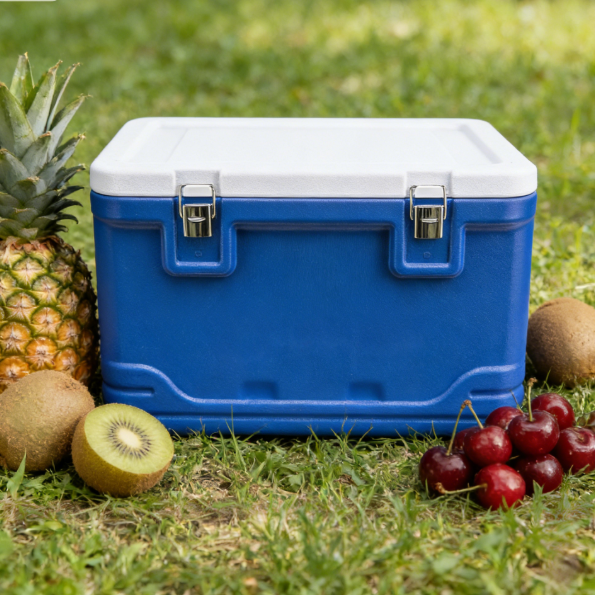
Updated On: May 26, 2026
Vented Plastic Bin Maker for Agricultural Delivery: How to Choose With Less Risk
A vented plastic bin maker for agricultural delivery should be judged by the work it prevents as much as the work it performs. The right container reduces repacking, unstable staging, avoidable moisture damage, and unclear handling responsibility. The wrong one adds another object to manage while the real problems, such as cleaning, labeling, airflow, insulation, or documentation, remain unsolved.
Practical answer
A vented plastic bin maker for agricultural delivery is suitable when the proposed container and supplier process support the payload, route, return process, cleaning method, and documentation expectations for agricultural delivery. It should not be approved only because the feature sounds relevant. The safest purchase is the one backed by sample testing, clear supplier answers, and a realistic view of where the container stops and where the operating process begins.
The Real Buying Decision Behind This Search
A useful specification describes how the container moves through the system. Will it be lifted by hand or pushed on a dolly? Does it enter a washdown area? Will labels be scanned while the container is nested, stacked, or closed? Are loaded units exposed to sun, cold-room condensation, ice melt, or vehicle vibration? These details decide whether the vented design helps the operation or simply looks efficient in a product image.
The route also determines the abuse profile. A clean storeroom needs different priorities from a wet dock, a mixed-return pool, or a cross-border export lane. Before you ask for a quotation, list the worst ordinary day rather than the best possible day. That means the longest wait, the roughest lift, the wettest floor, the most crowded pallet, and the least experienced handler who will still use the container correctly.
A container choice should begin with the lane. Map where the payload is filled, where it waits, who touches it, how it is loaded, and where the receiver makes an acceptance decision. This turns a vague product request into a set of operating conditions. For agricultural delivery, the important moments are often handovers: a pallet sits at a dock, a worker sorts returns, a carrier changes vehicles, or a receiver opens a load before moving it into controlled storage.
The final supplier decision should be written as an operating assumption: this container will carry this payload, in this route, under these cleaning rules, with these labels, handled by these people, and accepted under these receiving checks. When the assumption is written down, the gaps become visible. If the container is expected to do more than its design supports, change the design, the process, or the expectation before placing a bulk order.
Fit the Container to Payload, Route, and Return Flow
In this application, the container has to help teams deliver agricultural goods with airflow, worker speed, vehicle organization, and clean returns in balance. A vented bin helps airflow, but it also exposes goods to dust, rain, and handling abrasion if the route and packaging are not planned together.
A buyer should also consider how workers behave under time pressure. If a container is hard to open, jams when empty, or requires a precise folding motion, people will find shortcuts. Shortcuts become quality risks. A practical design should be easy to use correctly during the busiest shift, not only during a sample review in a meeting room.
The strongest design decisions are usually small. Smooth internal corners speed cleaning. A textured exterior may help grip but can hold dirt if the texture is too aggressive. Color coding supports segregation but needs an ordering discipline. Molded label panels help traceability, but they must remain readable when containers are stacked, nested, or wrapped on a pallet.
The practical value of a vented design is that it solves one operational problem without creating another. In this application, it should support reduced trapped moisture, faster airflow around packaged units, and easier visual inspection of contents. Those benefits only appear when the sidewall, rim, base, closure, and label areas match the actual payload. A container that is excellent for one route may be awkward in another if the handling method changes.
The main feature checks for this search are vent size and placement, edge smoothness, sidewall rigidity, cleaning access, whether small items can escape or labels can abrade. These are not decorative details. They affect loading speed, cleaning confidence, pallet behavior, sample approval, and whether the container can be used repeatedly without creating hidden failure points.
What to Verify Before You Approve a Sample
A practical buyer review should translate the long-tail phrase into measurable questions. The table below keeps the discussion grounded without inventing universal performance numbers. Use it as a sample approval checklist and adjust it for your internal quality system.
| Buyer checkpoint | What to confirm | Why it matters |
|---|---|---|
| Payload fit | Confirm whether the plastic bin fits leafy greens, fruit packs, vegetable cartons, nursery items, mixed farm orders, and returnable delivery bins without crushing, excessive headspace, or awkward lifting. | Product fit prevents damage and slow loading. |
| Feature fit | Check vent size and placement, edge smoothness, sidewall rigidity. | The vented design should solve a real workflow issue, not just add a catalog feature. |
| Cleaning and reuse | Define washing, drying, inspection, segregation, and retirement rules. | Reusable packaging becomes risky when the return loop is not controlled. |
| Documentation boundary | Identify whether food, chemical, medical, biotech, seafood, export, or temperature records are required. | A plastic container supports records but does not replace them. |
| Supplier readiness | Ask for samples, dimensions, material information, change-control approach, and bulk-order consistency. | Supplier discipline is part of the product performance. |
The table is deliberately framed around verification rather than promises. That is important because the same container can perform well in one route and poorly in another. Once a supplier answers these questions, the buyer can decide whether a standard model is enough or whether custom dimensions, inserts, labeling, insulation, or another packaging family is needed.
A practical shortlist has three levels. First, remove suppliers that cannot explain basic dimensions, material information, and sample controls. Second, test samples against your actual handling route. Third, review documentation and commercial stability before scaling. This sequence prevents a common problem: approving a nice-looking sample and discovering later that production units, documents, or lead times do not support the program.
When the Plastic Bin Is Not Enough
For regulated or safety-sensitive cargo, documents matter. Buyers may need SDS information, food-contact review, sanitary transport procedures, HACCP records, quality release rules, temperature records, or destination-market documentation depending on the product. The container should make those controls easier to apply: clear labels, visible lot separation, clean surfaces, predictable closures, and stable loads.
Compatibility should be checked against the actual product. Food packaging needs the right intended-use review. Chemical programs need SDS and material compatibility review. Lab and biotech programs need segregation and quality-system review. Seafood and meat workflows need hygiene and wet-handling checks. A universal container claim is not enough for any of these environments.
Cleaning is not a cosmetic issue. A reusable container that cannot be cleaned and dried consistently becomes a source of odor, residue, microbial risk, label failure, or cross-contact concern. Ask whether the supplier can describe acceptable cleaning methods, drying expectations, temperature limits for washing, and inspection points after reuse. When those answers are vague, the risk moves to your operation.
The container can support temperature control by reducing direct exposure, organizing coolant, preventing crushed insulation, or improving receiving inspection. It can also create problems if it traps warm air, blocks airflow, concentrates coolant against freeze-sensitive items, or makes temperature loggers hard to retrieve. The best packout is not the coldest; it is the one that fits the product requirement.
If the shipment is temperature-sensitive, ask for the operating conditions behind any performance statement. A stated hold time has little value without the ambient profile, payload mass, packout layout, coolant type, acceptance criteria, and whether the test reflects the route. For pharma, lab, biotech, seafood, meat, or chilled beverage programs, the quality team should approve the temperature range and the evidence needed.
Official guidance and internal quality procedures should be used as boundary conditions rather than marketing claims. Requirements vary by product, route, transport mode, and market, so the buyer should verify the specific rules before turning a container feature into a compliance statement.
Supplier Review for Bulk or Custom Orders
Lead time, MOQ, and customization should be discussed as operational risks, not only commercial terms. A rush order that changes resin, colorant, hinge design, lid fit, or wall thickness may create a different container from the sample. When the container supports a quality or export process, change control is part of purchasing discipline.
A supplier should be able to discuss more than the unit price. Ask for material information, dimensions, usable volume, tolerance expectations, sample policy, color options, closure details, cleaning guidance, labeling options, packing method, and how production units are checked against approved samples. If the product will be used repeatedly, ask how wear points are inspected and what damage should remove a unit from service.
For bulk or custom orders, sample-to-production consistency matters. A prototype may be produced carefully, while mass production depends on tooling control, resin consistency, cooling time, dimensional tolerance, and final inspection. Buyers should keep an approved sample, define critical dimensions, photograph label positions, and agree on how substitutions or design changes will be communicated before production.
The safest final article for a buyer is not one that says a specific container is always best. It is one that shows where the product fits and where the process must carry the remaining risk. For cold-chain and sensitive logistics, this distinction protects the buyer from overbuying, under-specifying, or asking a plastic container to solve problems that need packout design, monitoring, or route control.
Before approving a maker, ask the supplier to confirm the intended use, material declaration, drawing or dimension sheet, packaging method for delivery, sample lead time, production lead time, QC checkpoints, and how nonconforming units are handled. For agricultural delivery, add application-specific questions around food-contact suitability, cleaning, and local delivery hygiene should be verified where produce is exposed or packaged for direct sale.
Practical Example: Building a Safer Agricultural Delivery Workflow
A typical scenario starts with a quality complaint: goods arrive wet, labels are unreadable, containers are hard to clean, or pallet stacks lean during staging. The procurement team might be tempted to switch suppliers immediately. A better first step is to document the failure point. If the issue is condensation, a sealed waterproof box may make it worse. If the issue is airflow, a vented design may help. If the issue is dwell time, insulation and coolant planning may matter more than container shape.
Imagine a buyer comparing two samples. One has thicker walls and a higher price; the other nests better and saves return space. The cheaper sample may be better if empty logistics dominate the cost. The stronger sample may be better if damage claims, rough handling, or export stacking are the main risk. The right decision is not the lowest unit price; it is the option that reduces total operating friction.
For example, a buyer may need to move leafy greens, fruit packs, vegetable cartons, nursery items, mixed farm orders, and returnable delivery bins through a warehouse, a transport handover, and a receiver inspection. The team first defines the payload weight, carton shape, temperature sensitivity, cleaning method, label requirements, and return loop. Only then does it compare container features. In this sequence, the vented design becomes a tool for a known problem rather than a generic purchasing preference.
The example shows why a container specification should not be isolated from the receiving checklist. If the team cannot describe how the load is inspected, how reusable units are cleaned, and what evidence supports a temperature or safety decision, the supplier cannot solve the problem alone.
Procurement Notes for Bulk or Custom Projects
Bulk purchasing should define what cannot change. For a vented plastic bin maker for agricultural delivery, that may include external dimensions, internal usable space, lid design, nesting or stacking behavior, color, label area, material family, and packaging count per carton or pallet. When these items are treated as preferences rather than controlled requirements, a reorder can slowly drift away from the approved sample.
Custom projects should begin with a drawing or written requirement, not only a photo. If the plastic bin must fit a particular pallet, shelf, chilled room, truck route, or inspection step, write those constraints into the RFQ. If the design involves insulation, vents, gaskets, hinges, or special drainage, confirm how those elements are inspected after production.
For agricultural delivery, the commercial decision should include return and retirement rules. Reusable containers need a method for counting assets, separating dirty returns, identifying damaged units, and deciding when to remove a unit from service. Without that discipline, the buyer may save on disposable packaging but lose control of quality and traceability.
A final quotation should identify what is included and what is not included. The container may not include coolant, liners, data loggers, pallet covers, labels, export documentation, or route qualification unless those items are specifically part of the order. Clear scope protects both buyer and supplier from later misunderstanding.
FAQ
Is a vented plastic bin enough for agricultural delivery?
Not by itself. It can support handling, protection, return efficiency, airflow, insulation, or moisture control depending on the design, but the full process still needs payload definition, cleaning rules, receiving checks, and any required temperature or documentation controls. For regulated products, the quality or compliance team should confirm the final requirements.
What should I ask a maker before ordering samples?
Ask for dimensions, usable volume, material information, load guidance, closure details, cleaning recommendations, labeling options, sample-to-production controls, and any application-specific documents. If the product is food, chemical, medical, biotech, seafood, or temperature-sensitive, add questions about compatibility, documentation, and test evidence that matches the intended route.
What documentation matters for sensitive shipments?
Documentation depends on the cargo. Food programs may need food-contact and cleaning records. Chemical programs may require SDS and dangerous-goods review. Medical, lab, and biotech shipments may need temperature range, monitoring, and quality-system records. Seafood and meat programs may require hygiene, HACCP, inspection, or export-market documentation.
Should I choose custom sizing or a standard model?
Standard models are usually easier to sample, reorder, and replace. Custom sizing makes sense when the payload, pallet footprint, automated handling, coolant layout, or branding requirement cannot be solved with a standard option. Before customizing, confirm the critical dimensions and how changes will be controlled during production.
How do I compare unit price with total operating cost?
Look beyond the container price. Include return freight, damaged goods, cleaning time, lost labels, pallet stability, worker speed, storage space, and rejected loads. A more expensive unit can be cheaper in practice if it reduces handling failures. A lower-cost unit can be suitable when the route is simple and the risk is low.
Conclusion
A vented plastic bin maker for agricultural delivery should be chosen only after the route, payload, cleaning routine, supplier proof, and documentation boundary are clear. The vented design can add real value for agricultural delivery, especially when it supports reduced trapped moisture, faster airflow around packaged units, easier visual inspection of contents. It is not a substitute for product-specific requirements, temperature planning, SDS or food-safety review, or quality release decisions. The best next step is to write a short use-case specification, test samples under real handling conditions, and confirm what evidence is required before bulk ordering.
About Tempk
Tempk works with cold-chain packaging and related shipment-planning needs, including gel ice packs, dry ice packs, freezer ice bricks, EPP insulated boxes, cold shipping boxes, insulated box liners, thermal bags, and pallet covers. For buyers evaluating vented plastic bin maker for agricultural delivery, Tempk can help translate a packaging question into a route, payload, temperature, and handling discussion. The useful conversation is not simply which box looks suitable; it is whether the selected packaging family supports the product, route, cleaning process, and procurement stage.
Prepare your payload details, route conditions, and documentation needs, then discuss the most suitable container, insulation, coolant, or pallet-protection option with Tempk.
Thermal Plastic Box for Laboratory Storage

Updated On: May 26, 2026
Thermal Plastic Box Maker for Laboratory Storage: How to Choose With Less Risk
A thermal plastic box maker for laboratory storage should be judged by the work it prevents as much as the work it performs. The right container reduces repacking, unstable staging, avoidable moisture damage, and unclear handling responsibility. The wrong one adds another object to manage while the real problems, such as cleaning, labeling, airflow, insulation, or documentation, remain unsolved.
Practical answer
A thermal plastic box maker for laboratory storage is suitable when the proposed container and supplier process support the payload, route, return process, cleaning method, and documentation expectations for laboratory storage. It should not be approved only because the feature sounds relevant. The safest purchase is the one backed by sample testing, clear supplier answers, and a realistic view of where the container stops and where the operating process begins.
The Real Buying Decision Behind This Search
For export or import programs, the route includes administrative waiting time. Customs review, document checks, inspection holds, and carrier cut-off times can change how long the product stays outside ideal storage. The container cannot remove that risk alone, but it can make the process easier to inspect, segregate, relabel, and recover when a shipment is delayed.
A useful specification describes how the container moves through the system. Will it be lifted by hand or pushed on a dolly? Does it enter a washdown area? Will labels be scanned while the container is nested, stacked, or closed? Are loaded units exposed to sun, cold-room condensation, ice melt, or vehicle vibration? These details decide whether the thermal design helps the operation or simply looks efficient in a product image.
The route also determines the abuse profile. A clean storeroom needs different priorities from a wet dock, a mixed-return pool, or a cross-border export lane. Before you ask for a quotation, list the worst ordinary day rather than the best possible day. That means the longest wait, the roughest lift, the wettest floor, the most crowded pallet, and the least experienced handler who will still use the container correctly.
The final supplier decision should be written as an operating assumption: this container will carry this payload, in this route, under these cleaning rules, with these labels, handled by these people, and accepted under these receiving checks. When the assumption is written down, the gaps become visible. If the container is expected to do more than its design supports, change the design, the process, or the expectation before placing a bulk order.
Fit the Container to Payload, Route, and Return Flow
In this application, the container has to help teams stage lab materials in a way that supports inventory control, separation, short movement between rooms, and temperature-risk awareness. Thermal protection can slow temperature exposure during handling, but the storage program still needs defined limits, monitoring, and receiving or release decisions.
A buyer should also consider how workers behave under time pressure. If a container is hard to open, jams when empty, or requires a precise folding motion, people will find shortcuts. Shortcuts become quality risks. A practical design should be easy to use correctly during the busiest shift, not only during a sample review in a meeting room.
The practical value of a thermal design is that it solves one operational problem without creating another. In this application, it should support safer short staging windows, better buffer against door-open events, and more consistent storage routines. Those benefits only appear when the sidewall, rim, base, closure, and label areas match the actual payload. A container that is excellent for one route may be awkward in another if the handling method changes.
The strongest design decisions are usually small. Smooth internal corners speed cleaning. A textured exterior may help grip but can hold dirt if the texture is too aggressive. Color coding supports segregation but needs an ordering discipline. Molded label panels help traceability, but they must remain readable when containers are stacked, nested, or wrapped on a pallet.
The main feature checks for this search are thermal barrier design, lid closure, payload geometry, coolant or PCM fit, cleaning compatibility. These are not decorative details. They affect loading speed, cleaning confidence, pallet behavior, sample approval, and whether the container can be used repeatedly without creating hidden failure points.
What to Verify Before You Approve a Sample
A practical buyer review should translate the long-tail phrase into measurable questions. The table below keeps the discussion grounded without inventing universal performance numbers. Use it as a sample approval checklist and adjust it for your internal quality system.
| Buyer checkpoint | What to confirm | Why it matters |
|---|---|---|
| Payload fit | Confirm whether the plastic box fits temperature-sensitive reagents, samples, kits, consumables, retained materials, and controlled storage totes without crushing, excessive headspace, or awkward lifting. | Product fit prevents damage and slow loading. |
| Feature fit | Check thermal barrier design, lid closure, payload geometry. | The thermal design should solve a real workflow issue, not just add a catalog feature. |
| Cleaning and reuse | Define washing, drying, inspection, segregation, and retirement rules. | Reusable packaging becomes risky when the return loop is not controlled. |
| Documentation boundary | Identify whether food, chemical, medical, biotech, seafood, export, or temperature records are required. | A plastic container supports records but does not replace them. |
| Supplier readiness | Ask for samples, dimensions, material information, change-control approach, and bulk-order consistency. | Supplier discipline is part of the product performance. |
The table is deliberately framed around verification rather than promises. That is important because the same container can perform well in one route and poorly in another. Once a supplier answers these questions, the buyer can decide whether a standard model is enough or whether custom dimensions, inserts, labeling, insulation, or another packaging family is needed.
A practical shortlist has three levels. First, remove suppliers that cannot explain basic dimensions, material information, and sample controls. Second, test samples against your actual handling route. Third, review documentation and commercial stability before scaling. This sequence prevents a common problem: approving a nice-looking sample and discovering later that production units, documents, or lead times do not support the program.
When the Plastic Box Is Not Enough
Compatibility should be checked against the actual product. Food packaging needs the right intended-use review. Chemical programs need SDS and material compatibility review. Lab and biotech programs need segregation and quality-system review. Seafood and meat workflows need hygiene and wet-handling checks. A universal container claim is not enough for any of these environments.
Where materials are regulated, buyers should confirm storage range, monitoring, calibration, cleaning, and documentation expectations with the responsible quality team. This is why a supplier conversation should separate container features from regulatory responsibility. A plastic box may support a documented process, but it does not prove that the product, lane, or consignee requirements are satisfied.
For regulated or safety-sensitive cargo, documents matter. Buyers may need SDS information, food-contact review, sanitary transport procedures, HACCP records, quality release rules, temperature records, or destination-market documentation depending on the product. The container should make those controls easier to apply: clear labels, visible lot separation, clean surfaces, predictable closures, and stable loads.
If the shipment is temperature-sensitive, ask for the operating conditions behind any performance statement. A stated hold time has little value without the ambient profile, payload mass, packout layout, coolant type, acceptance criteria, and whether the test reflects the route. For pharma, lab, biotech, seafood, meat, or chilled beverage programs, the quality team should approve the temperature range and the evidence needed.
Temperature protection is often misunderstood. An insulated or thermal container slows heat transfer, but the final result depends on the starting temperature of the payload, the coolant or PCM plan, the headspace, the closure, the ambient exposure, and the time outside controlled storage. A vented or waterproof container may solve airflow or wet handling, but it should not be described as temperature controlled unless the full packout is defined.
Official guidance and internal quality procedures should be used as boundary conditions rather than marketing claims. Requirements vary by product, route, transport mode, and market, so the buyer should verify the specific rules before turning a container feature into a compliance statement.
Supplier Review for Bulk or Custom Orders
Lead time, MOQ, and customization should be discussed as operational risks, not only commercial terms. A rush order that changes resin, colorant, hinge design, lid fit, or wall thickness may create a different container from the sample. When the container supports a quality or export process, change control is part of purchasing discipline.
For bulk or custom orders, sample-to-production consistency matters. A prototype may be produced carefully, while mass production depends on tooling control, resin consistency, cooling time, dimensional tolerance, and final inspection. Buyers should keep an approved sample, define critical dimensions, photograph label positions, and agree on how substitutions or design changes will be communicated before production.
Supplier proof should match the risk level. For ordinary warehouse handling, a datasheet and sample inspection may be enough. For food-contact, chemical, medical, biotech, or temperature-sensitive use, you may need more documentation. That might include material declarations, cleaning guidance, SDS-related compatibility review, test summaries, or packaging qualification evidence, depending on the application.
The safest final article for a buyer is not one that says a specific container is always best. It is one that shows where the product fits and where the process must carry the remaining risk. For cold-chain and sensitive logistics, this distinction protects the buyer from overbuying, under-specifying, or asking a plastic container to solve problems that need packout design, monitoring, or route control.
Before approving a maker, ask the supplier to confirm the intended use, material declaration, drawing or dimension sheet, packaging method for delivery, sample lead time, production lead time, QC checkpoints, and how nonconforming units are handled. For laboratory storage, add application-specific questions around where materials are regulated, buyers should confirm storage range, monitoring, calibration, cleaning, and documentation expectations with the responsible quality team.
Practical Example: Building a Safer Laboratory Storage Workflow
A typical scenario starts with a quality complaint: goods arrive wet, labels are unreadable, containers are hard to clean, or pallet stacks lean during staging. The procurement team might be tempted to switch suppliers immediately. A better first step is to document the failure point. If the issue is condensation, a sealed waterproof box may make it worse. If the issue is airflow, a vented design may help. If the issue is dwell time, insulation and coolant planning may matter more than container shape.
In a common shipment, the container is only one part of the acceptance decision. The receiver looks at the label, seal, external condition, temperature record if used, product appearance, and whether the load stayed separated from incompatible items. This is why the container specification should be written alongside the receiving checklist.
For example, a buyer may need to move temperature-sensitive reagents, samples, kits, consumables, retained materials, and controlled storage totes through a warehouse, a transport handover, and a receiver inspection. The team first defines the payload weight, carton shape, temperature sensitivity, cleaning method, label requirements, and return loop. Only then does it compare container features. In this sequence, the thermal design becomes a tool for a known problem rather than a generic purchasing preference.
The example shows why a container specification should not be isolated from the receiving checklist. If the team cannot describe how the load is inspected, how reusable units are cleaned, and what evidence supports a temperature or safety decision, the supplier cannot solve the problem alone.
Procurement Notes for Bulk or Custom Projects
Bulk purchasing should define what cannot change. For a thermal plastic box maker for laboratory storage, that may include external dimensions, internal usable space, lid design, nesting or stacking behavior, color, label area, material family, and packaging count per carton or pallet. When these items are treated as preferences rather than controlled requirements, a reorder can slowly drift away from the approved sample.
Custom projects should begin with a drawing or written requirement, not only a photo. If the plastic box must fit a particular pallet, shelf, chilled room, truck route, or inspection step, write those constraints into the RFQ. If the design involves insulation, vents, gaskets, hinges, or special drainage, confirm how those elements are inspected after production.
For laboratory storage, the commercial decision should include return and retirement rules. Reusable containers need a method for counting assets, separating dirty returns, identifying damaged units, and deciding when to remove a unit from service. Without that discipline, the buyer may save on disposable packaging but lose control of quality and traceability.
A final quotation should identify what is included and what is not included. The container may not include coolant, liners, data loggers, pallet covers, labels, export documentation, or route qualification unless those items are specifically part of the order. Clear scope protects both buyer and supplier from later misunderstanding.
FAQ
What should I ask a maker before ordering samples?
Ask for dimensions, usable volume, material information, load guidance, closure details, cleaning recommendations, labeling options, sample-to-production controls, and any application-specific documents. If the product is food, chemical, medical, biotech, seafood, or temperature-sensitive, add questions about compatibility, documentation, and test evidence that matches the intended route.
What documentation matters for sensitive shipments?
Documentation depends on the cargo. Food programs may need food-contact and cleaning records. Chemical programs may require SDS and dangerous-goods review. Medical, lab, and biotech shipments may need temperature range, monitoring, and quality-system records. Seafood and meat programs may require hygiene, HACCP, inspection, or export-market documentation.
Should I choose custom sizing or a standard model?
Standard models are usually easier to sample, reorder, and replace. Custom sizing makes sense when the payload, pallet footprint, automated handling, coolant layout, or branding requirement cannot be solved with a standard option. Before customizing, confirm the critical dimensions and how changes will be controlled during production.
How do I compare unit price with total operating cost?
Look beyond the container price. Include return freight, damaged goods, cleaning time, lost labels, pallet stability, worker speed, storage space, and rejected loads. A more expensive unit can be cheaper in practice if it reduces handling failures. A lower-cost unit can be suitable when the route is simple and the risk is low.
Is a thermal plastic box enough for laboratory storage?
Not by itself. It can support handling, protection, return efficiency, airflow, insulation, or moisture control depending on the design, but the full process still needs payload definition, cleaning rules, receiving checks, and any required temperature or documentation controls. For regulated products, the quality or compliance team should confirm the final requirements.
Conclusion
A thermal plastic box maker for laboratory storage should be chosen only after the route, payload, cleaning routine, supplier proof, and documentation boundary are clear. The thermal design can add real value for laboratory storage, especially when it supports safer short staging windows, better buffer against door-open events, more consistent storage routines. It is not a substitute for product-specific requirements, temperature planning, SDS or food-safety review, or quality release decisions. The best next step is to write a short use-case specification, test samples under real handling conditions, and confirm what evidence is required before bulk ordering.
About Tempk
Tempk focuses on practical cold-chain packaging components such as gel packs, PCM-style cooling media, insulated boxes, EPP and VIP cooler options, liners, thermal bags, and pallet covers. A thermal plastic box may be only one part of a broader packout. Tempk can help buyers compare whether they need a handling container, an insulated shipper, a coolant plan, a pallet cover, or a combination that better fits the route and payload.
Prepare your payload details, route conditions, and documentation needs, then discuss the most suitable container, insulation, coolant, or pallet-protection option with Tempk.
Temperature-controlled Plastic Crate for Seafood Packaging

Updated On: May 26, 2026
Temperature-controlled Plastic Crate Service for Seafood Packaging: How to Choose With Less Risk
A temperature-controlled plastic crate service for seafood packaging should be judged by the work it prevents as much as the work it performs. The right container reduces repacking, unstable staging, avoidable moisture damage, and unclear handling responsibility. The wrong one adds another object to manage while the real problems, such as cleaning, labeling, airflow, insulation, or documentation, remain unsolved.
Practical answer
A temperature-controlled plastic crate service for seafood packaging is suitable when the proposed container and supplier process support the payload, route, return process, cleaning method, and documentation expectations for seafood packaging. It should not be approved only because the feature sounds relevant. The safest purchase is the one backed by sample testing, clear supplier answers, and a realistic view of where the container stops and where the operating process begins.
The Real Buying Decision Behind This Search
A useful specification describes how the container moves through the system. Will it be lifted by hand or pushed on a dolly? Does it enter a washdown area? Will labels be scanned while the container is nested, stacked, or closed? Are loaded units exposed to sun, cold-room condensation, ice melt, or vehicle vibration? These details decide whether the temperature-controlled design helps the operation or simply looks efficient in a product image.
A container choice should begin with the lane. Map where the payload is filled, where it waits, who touches it, how it is loaded, and where the receiver makes an acceptance decision. This turns a vague product request into a set of operating conditions. For seafood packaging, the important moments are often handovers: a pallet sits at a dock, a worker sorts returns, a carrier changes vehicles, or a receiver opens a load before moving it into controlled storage.
The route also determines the abuse profile. A clean storeroom needs different priorities from a wet dock, a mixed-return pool, or a cross-border export lane. Before you ask for a quotation, list the worst ordinary day rather than the best possible day. That means the longest wait, the roughest lift, the wettest floor, the most crowded pallet, and the least experienced handler who will still use the container correctly.
The final supplier decision should be written as an operating assumption: this container will carry this payload, in this route, under these cleaning rules, with these labels, handled by these people, and accepted under these receiving checks. When the assumption is written down, the gaps become visible. If the container is expected to do more than its design supports, change the design, the process, or the expectation before placing a bulk order.
Fit the Container to Payload, Route, and Return Flow
In this application, the container has to help teams build a package that manages liquid, odor, temperature exposure, labels, and receiving inspection without overpromising performance. A temperature-controlled crate service only works if the crate, coolant, packout, loading sequence, route, and receiving checks are defined together.
The practical value of a temperature-controlled design is that it solves one operational problem without creating another. In this application, it should support clearer lane planning, better excursion investigation, and more disciplined receiving checks. Those benefits only appear when the sidewall, rim, base, closure, and label areas match the actual payload. A container that is excellent for one route may be awkward in another if the handling method changes.
A buyer should also consider how workers behave under time pressure. If a container is hard to open, jams when empty, or requires a precise folding motion, people will find shortcuts. Shortcuts become quality risks. A practical design should be easy to use correctly during the busiest shift, not only during a sample review in a meeting room.
Do not evaluate temperature-controlled as a word on a datasheet. Ask how the geometry works. A rim can help stability but reduce usable space. A vent can improve airflow but expose product to dust or water. A seal can protect labels but trap condensation. A foldable wall can reduce return volume but add hinge areas that need inspection. The right answer depends on the payload and the cleaning routine.
The main feature checks for this search are target temperature range, preconditioning process, coolant plan, packing layout, data review process. These are not decorative details. They affect loading speed, cleaning confidence, pallet behavior, sample approval, and whether the container can be used repeatedly without creating hidden failure points.
What to Verify Before You Approve a Sample
A practical buyer review should translate the long-tail phrase into measurable questions. The table below keeps the discussion grounded without inventing universal performance numbers. Use it as a sample approval checklist and adjust it for your internal quality system.
| Buyer checkpoint | What to confirm | Why it matters |
|---|---|---|
| Payload fit | Confirm whether the plastic crate fits ice-packed seafood, frozen fillet cartons, shellfish trays, chilled boxes, and export-ready seafood loads without crushing, excessive headspace, or awkward lifting. | Product fit prevents damage and slow loading. |
| Feature fit | Check target temperature range, preconditioning process, coolant plan. | The temperature-controlled design should solve a real workflow issue, not just add a catalog feature. |
| Cleaning and reuse | Define washing, drying, inspection, segregation, and retirement rules. | Reusable packaging becomes risky when the return loop is not controlled. |
| Documentation boundary | Identify whether food, chemical, medical, biotech, seafood, export, or temperature records are required. | A plastic container supports records but does not replace them. |
| Supplier readiness | Ask for samples, dimensions, material information, change-control approach, and bulk-order consistency. | Supplier discipline is part of the product performance. |
The table is deliberately framed around verification rather than promises. That is important because the same container can perform well in one route and poorly in another. Once a supplier answers these questions, the buyer can decide whether a standard model is enough or whether custom dimensions, inserts, labeling, insulation, or another packaging family is needed.
A practical shortlist has three levels. First, remove suppliers that cannot explain basic dimensions, material information, and sample controls. Second, test samples against your actual handling route. Third, review documentation and commercial stability before scaling. This sequence prevents a common problem: approving a nice-looking sample and discovering later that production units, documents, or lead times do not support the program.
When the Plastic Crate Is Not Enough
HACCP controls, seafood hazard guidance, and destination-market requirements should guide the final packaging and handling process. This is why a supplier conversation should separate container features from regulatory responsibility. A plastic box may support a documented process, but it does not prove that the product, lane, or consignee requirements are satisfied.
Cleaning is not a cosmetic issue. A reusable container that cannot be cleaned and dried consistently becomes a source of odor, residue, microbial risk, label failure, or cross-contact concern. Ask whether the supplier can describe acceptable cleaning methods, drying expectations, temperature limits for washing, and inspection points after reuse. When those answers are vague, the risk moves to your operation.
Compatibility should be checked against the actual product. Food packaging needs the right intended-use review. Chemical programs need SDS and material compatibility review. Lab and biotech programs need segregation and quality-system review. Seafood and meat workflows need hygiene and wet-handling checks. A universal container claim is not enough for any of these environments.
For many buyers, the most useful question is: what decision will the receiver make when the shipment arrives? If the receiver checks external condition only, packaging evidence is limited. If the receiver checks product temperature, data logger records, label integrity, and carton condition, the container needs to support those checks without slowing unloading.
If the shipment is temperature-sensitive, ask for the operating conditions behind any performance statement. A stated hold time has little value without the ambient profile, payload mass, packout layout, coolant type, acceptance criteria, and whether the test reflects the route. For pharma, lab, biotech, seafood, meat, or chilled beverage programs, the quality team should approve the temperature range and the evidence needed.
Official guidance and internal quality procedures should be used as boundary conditions rather than marketing claims. Requirements vary by product, route, transport mode, and market, so the buyer should verify the specific rules before turning a container feature into a compliance statement.
Supplier Review for Bulk or Custom Orders
Supplier proof should match the risk level. For ordinary warehouse handling, a datasheet and sample inspection may be enough. For food-contact, chemical, medical, biotech, or temperature-sensitive use, you may need more documentation. That might include material declarations, cleaning guidance, SDS-related compatibility review, test summaries, or packaging qualification evidence, depending on the application.
Lead time, MOQ, and customization should be discussed as operational risks, not only commercial terms. A rush order that changes resin, colorant, hinge design, lid fit, or wall thickness may create a different container from the sample. When the container supports a quality or export process, change control is part of purchasing discipline.
For bulk or custom orders, sample-to-production consistency matters. A prototype may be produced carefully, while mass production depends on tooling control, resin consistency, cooling time, dimensional tolerance, and final inspection. Buyers should keep an approved sample, define critical dimensions, photograph label positions, and agree on how substitutions or design changes will be communicated before production.
The safest final article for a buyer is not one that says a specific container is always best. It is one that shows where the product fits and where the process must carry the remaining risk. For cold-chain and sensitive logistics, this distinction protects the buyer from overbuying, under-specifying, or asking a plastic container to solve problems that need packout design, monitoring, or route control.
Before approving a service, ask the supplier to confirm the intended use, material declaration, drawing or dimension sheet, packaging method for delivery, sample lead time, production lead time, QC checkpoints, and how nonconforming units are handled. For seafood packaging, add application-specific questions around haccp controls, seafood hazard guidance, and destination-market requirements should guide the final packaging and handling process.
Practical Example: Building a Safer Seafood Packaging Workflow
For example, a buyer may need to move ice-packed seafood, frozen fillet cartons, shellfish trays, chilled boxes, and export-ready seafood loads through a warehouse, a transport handover, and a receiver inspection. The team first defines the payload weight, carton shape, temperature sensitivity, cleaning method, label requirements, and return loop. Only then does it compare container features. In this sequence, the temperature-controlled design becomes a tool for a known problem rather than a generic purchasing preference.
A typical scenario starts with a quality complaint: goods arrive wet, labels are unreadable, containers are hard to clean, or pallet stacks lean during staging. The procurement team might be tempted to switch suppliers immediately. A better first step is to document the failure point. If the issue is condensation, a sealed waterproof box may make it worse. If the issue is airflow, a vented design may help. If the issue is dwell time, insulation and coolant planning may matter more than container shape.
In a common shipment, the container is only one part of the acceptance decision. The receiver looks at the label, seal, external condition, temperature record if used, product appearance, and whether the load stayed separated from incompatible items. This is why the container specification should be written alongside the receiving checklist.
The example shows why a container specification should not be isolated from the receiving checklist. If the team cannot describe how the load is inspected, how reusable units are cleaned, and what evidence supports a temperature or safety decision, the supplier cannot solve the problem alone.
Procurement Notes for Bulk or Custom Projects
Bulk purchasing should define what cannot change. For a temperature-controlled plastic crate service for seafood packaging, that may include external dimensions, internal usable space, lid design, nesting or stacking behavior, color, label area, material family, and packaging count per carton or pallet. When these items are treated as preferences rather than controlled requirements, a reorder can slowly drift away from the approved sample.
Custom projects should begin with a drawing or written requirement, not only a photo. If the plastic crate must fit a particular pallet, shelf, chilled room, truck route, or inspection step, write those constraints into the RFQ. If the design involves insulation, vents, gaskets, hinges, or special drainage, confirm how those elements are inspected after production.
For seafood packaging, the commercial decision should include return and retirement rules. Reusable containers need a method for counting assets, separating dirty returns, identifying damaged units, and deciding when to remove a unit from service. Without that discipline, the buyer may save on disposable packaging but lose control of quality and traceability.
A final quotation should identify what is included and what is not included. The container may not include coolant, liners, data loggers, pallet covers, labels, export documentation, or route qualification unless those items are specifically part of the order. Clear scope protects both buyer and supplier from later misunderstanding.
FAQ
Should I choose custom sizing or a standard model?
Standard models are usually easier to sample, reorder, and replace. Custom sizing makes sense when the payload, pallet footprint, automated handling, coolant layout, or branding requirement cannot be solved with a standard option. Before customizing, confirm the critical dimensions and how changes will be controlled during production.
How do I compare unit price with total operating cost?
Look beyond the container price. Include return freight, damaged goods, cleaning time, lost labels, pallet stability, worker speed, storage space, and rejected loads. A more expensive unit can be cheaper in practice if it reduces handling failures. A lower-cost unit can be suitable when the route is simple and the risk is low.
What should I ask a service before ordering samples?
Ask for dimensions, usable volume, material information, load guidance, closure details, cleaning recommendations, labeling options, sample-to-production controls, and any application-specific documents. If the product is food, chemical, medical, biotech, seafood, or temperature-sensitive, add questions about compatibility, documentation, and test evidence that matches the intended route.
What documentation matters for sensitive shipments?
Documentation depends on the cargo. Food programs may need food-contact and cleaning records. Chemical programs may require SDS and dangerous-goods review. Medical, lab, and biotech shipments may need temperature range, monitoring, and quality-system records. Seafood and meat programs may require hygiene, HACCP, inspection, or export-market documentation.
Is a temperature-controlled plastic crate enough for seafood packaging?
Not by itself. It can support handling, protection, return efficiency, airflow, insulation, or moisture control depending on the design, but the full process still needs payload definition, cleaning rules, receiving checks, and any required temperature or documentation controls. For regulated products, the quality or compliance team should confirm the final requirements.
Conclusion
A temperature-controlled plastic crate service for seafood packaging should be chosen only after the route, payload, cleaning routine, supplier proof, and documentation boundary are clear. The temperature-controlled design can add real value for seafood packaging, especially when it supports clearer lane planning, better excursion investigation, more disciplined receiving checks. It is not a substitute for product-specific requirements, temperature planning, SDS or food-safety review, or quality release decisions. The best next step is to write a short use-case specification, test samples under real handling conditions, and confirm what evidence is required before bulk ordering.
About Tempk
Tempk works with cold-chain packaging and related shipment-planning needs, including gel ice packs, dry ice packs, freezer ice bricks, EPP insulated boxes, cold shipping boxes, insulated box liners, thermal bags, and pallet covers. For buyers evaluating temperature-controlled plastic crate service for seafood packaging, Tempk can help translate a packaging question into a route, payload, temperature, and handling discussion. The useful conversation is not simply which box looks suitable; it is whether the selected packaging family supports the product, route, cleaning process, and procurement stage.
If you are comparing suppliers for a temperature-controlled plastic crate service for seafood packaging, ask Tempk to review the shipment context, temperature sensitivity, and handling process before you approve samples or scale to a bulk order.
Stackable Plastic Bin Custom for Seafood Supply: Practical Buyer Guide
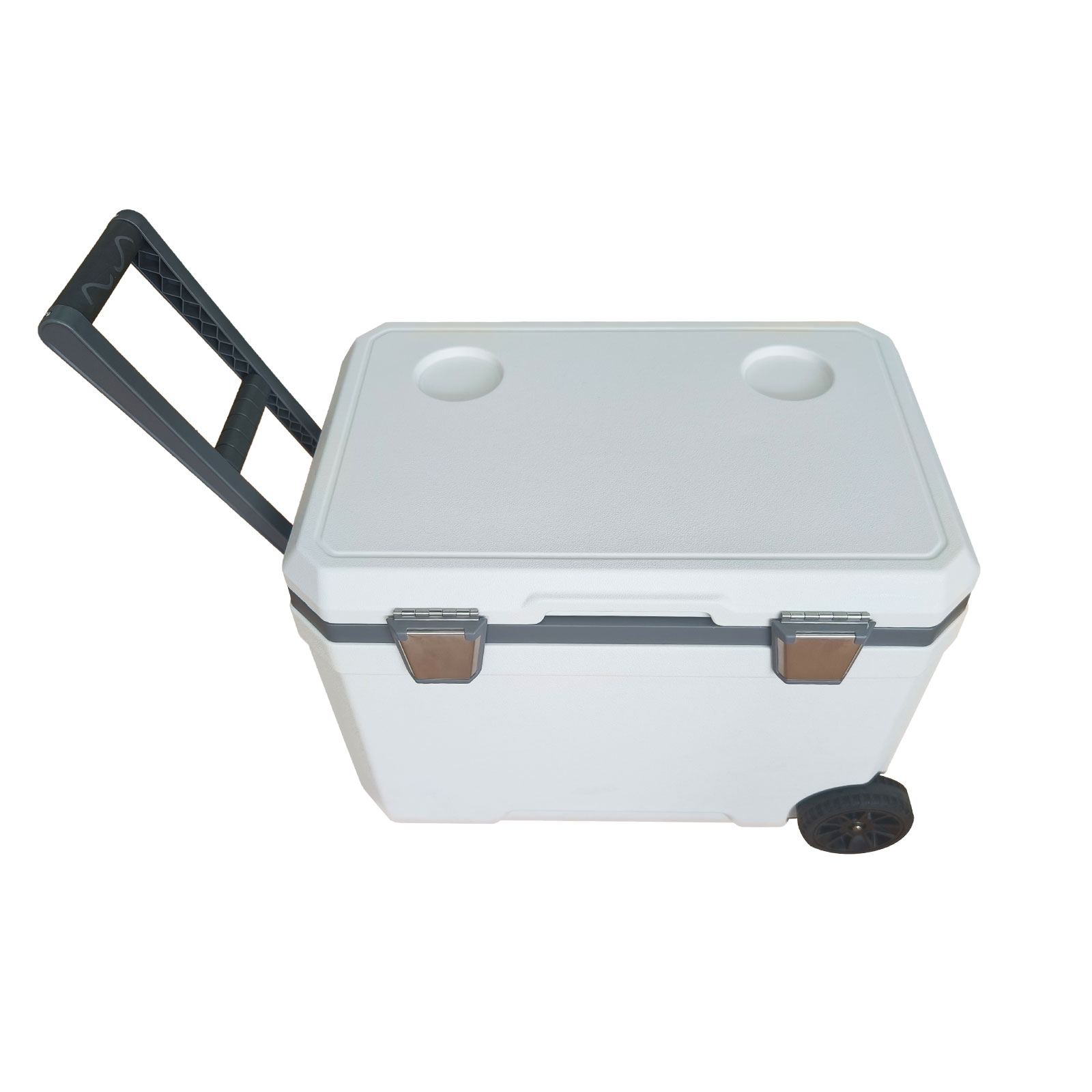
Updated On: May 26, 2026
Stackable Plastic Bin Custom for Seafood Supply: How to Choose With Less Risk
A stackable plastic bin custom for seafood supply should be judged by the work it prevents as much as the work it performs. The right container reduces repacking, unstable staging, avoidable moisture damage, and unclear handling responsibility. The wrong one adds another object to manage while the real problems, such as cleaning, labeling, airflow, insulation, or documentation, remain unsolved.
Practical answer
A stackable plastic bin custom for seafood supply is suitable when the proposed container and supplier process support the payload, route, return process, cleaning method, and documentation expectations for seafood supply. It should not be approved only because the feature sounds relevant. The safest purchase is the one backed by sample testing, clear supplier answers, and a realistic view of where the container stops and where the operating process begins.
The Real Buying Decision Behind This Search
A useful specification describes how the container moves through the system. Will it be lifted by hand or pushed on a dolly? Does it enter a washdown area? Will labels be scanned while the container is nested, stacked, or closed? Are loaded units exposed to sun, cold-room condensation, ice melt, or vehicle vibration? These details decide whether the stackable design helps the operation or simply looks efficient in a product image.
A container choice should begin with the lane. Map where the payload is filled, where it waits, who touches it, how it is loaded, and where the receiver makes an acceptance decision. This turns a vague product request into a set of operating conditions. For seafood supply, the important moments are often handovers: a pallet sits at a dock, a worker sorts returns, a carrier changes vehicles, or a receiver opens a load before moving it into controlled storage.
The route also determines the abuse profile. A clean storeroom needs different priorities from a wet dock, a mixed-return pool, or a cross-border export lane. Before you ask for a quotation, list the worst ordinary day rather than the best possible day. That means the longest wait, the roughest lift, the wettest floor, the most crowded pallet, and the least experienced handler who will still use the container correctly.
The final supplier decision should be written as an operating assumption: this container will carry this payload, in this route, under these cleaning rules, with these labels, handled by these people, and accepted under these receiving checks. When the assumption is written down, the gaps become visible. If the container is expected to do more than its design supports, change the design, the process, or the expectation before placing a bulk order.
Fit the Container to Payload, Route, and Return Flow
In this application, the container has to help teams handle wet, odorous, and temperature-sensitive product without leaking, crushing, losing traceability, or confusing a crate with the full cold-chain system. Seafood containers face wet floors, ice melt, repeated washdown, odor control, rough loading, and rapid receiving decisions.
Do not evaluate stackable as a word on a datasheet. Ask how the geometry works. A rim can help stability but reduce usable space. A vent can improve airflow but expose product to dust or water. A seal can protect labels but trap condensation. A foldable wall can reduce return volume but add hinge areas that need inspection. The right answer depends on the payload and the cleaning routine.
The strongest design decisions are usually small. Smooth internal corners speed cleaning. A textured exterior may help grip but can hold dirt if the texture is too aggressive. Color coding supports segregation but needs an ordering discipline. Molded label panels help traceability, but they must remain readable when containers are stacked, nested, or wrapped on a pallet.
The practical value of a stackable design is that it solves one operational problem without creating another. In this application, it should support better pallet density, safer warehouse staging, and more predictable truck loading. Those benefits only appear when the sidewall, rim, base, closure, and label areas match the actual payload. A container that is excellent for one route may be awkward in another if the handling method changes.
The main feature checks for this search are rim engagement, bottom footprint, sidewall deflection, label visibility, load limits from the supplier. These are not decorative details. They affect loading speed, cleaning confidence, pallet behavior, sample approval, and whether the container can be used repeatedly without creating hidden failure points.
What to Verify Before You Approve a Sample
A practical buyer review should translate the long-tail phrase into measurable questions. The table below keeps the discussion grounded without inventing universal performance numbers. Use it as a sample approval checklist and adjust it for your internal quality system.
| Buyer checkpoint | What to confirm | Why it matters |
|---|---|---|
| Payload fit | Confirm whether the plastic bin fits whole fish, chilled fillets, frozen seafood cartons, shellfish packs, ice-packed trays, and market delivery loads without crushing, excessive headspace, or awkward lifting. | Product fit prevents damage and slow loading. |
| Feature fit | Check rim engagement, bottom footprint, sidewall deflection. | The stackable design should solve a real workflow issue, not just add a catalog feature. |
| Cleaning and reuse | Define washing, drying, inspection, segregation, and retirement rules. | Reusable packaging becomes risky when the return loop is not controlled. |
| Documentation boundary | Identify whether food, chemical, medical, biotech, seafood, export, or temperature records are required. | A plastic container supports records but does not replace them. |
| Supplier readiness | Ask for samples, dimensions, material information, change-control approach, and bulk-order consistency. | Supplier discipline is part of the product performance. |
The table is deliberately framed around verification rather than promises. That is important because the same container can perform well in one route and poorly in another. Once a supplier answers these questions, the buyer can decide whether a standard model is enough or whether custom dimensions, inserts, labeling, insulation, or another packaging family is needed.
A practical shortlist has three levels. First, remove suppliers that cannot explain basic dimensions, material information, and sample controls. Second, test samples against your actual handling route. Third, review documentation and commercial stability before scaling. This sequence prevents a common problem: approving a nice-looking sample and discovering later that production units, documents, or lead times do not support the program.
When the Plastic Bin Is Not Enough
Cleaning is not a cosmetic issue. A reusable container that cannot be cleaned and dried consistently becomes a source of odor, residue, microbial risk, label failure, or cross-contact concern. Ask whether the supplier can describe acceptable cleaning methods, drying expectations, temperature limits for washing, and inspection points after reuse. When those answers are vague, the risk moves to your operation.
Compatibility should be checked against the actual product. Food packaging needs the right intended-use review. Chemical programs need SDS and material compatibility review. Lab and biotech programs need segregation and quality-system review. Seafood and meat workflows need hygiene and wet-handling checks. A universal container claim is not enough for any of these environments.
For regulated or safety-sensitive cargo, documents matter. Buyers may need SDS information, food-contact review, sanitary transport procedures, HACCP records, quality release rules, temperature records, or destination-market documentation depending on the product. The container should make those controls easier to apply: clear labels, visible lot separation, clean surfaces, predictable closures, and stable loads.
If the shipment is temperature-sensitive, ask for the operating conditions behind any performance statement. A stated hold time has little value without the ambient profile, payload mass, packout layout, coolant type, acceptance criteria, and whether the test reflects the route. For pharma, lab, biotech, seafood, meat, or chilled beverage programs, the quality team should approve the temperature range and the evidence needed.
Temperature protection is often misunderstood. An insulated or thermal container slows heat transfer, but the final result depends on the starting temperature of the payload, the coolant or PCM plan, the headspace, the closure, the ambient exposure, and the time outside controlled storage. A vented or waterproof container may solve airflow or wet handling, but it should not be described as temperature controlled unless the full packout is defined.
Official guidance and internal quality procedures should be used as boundary conditions rather than marketing claims. Requirements vary by product, route, transport mode, and market, so the buyer should verify the specific rules before turning a container feature into a compliance statement.
Supplier Review for Bulk or Custom Orders
A supplier should be able to discuss more than the unit price. Ask for material information, dimensions, usable volume, tolerance expectations, sample policy, color options, closure details, cleaning guidance, labeling options, packing method, and how production units are checked against approved samples. If the product will be used repeatedly, ask how wear points are inspected and what damage should remove a unit from service.
Supplier proof should match the risk level. For ordinary warehouse handling, a datasheet and sample inspection may be enough. For food-contact, chemical, medical, biotech, or temperature-sensitive use, you may need more documentation. That might include material declarations, cleaning guidance, SDS-related compatibility review, test summaries, or packaging qualification evidence, depending on the application.
For bulk or custom orders, sample-to-production consistency matters. A prototype may be produced carefully, while mass production depends on tooling control, resin consistency, cooling time, dimensional tolerance, and final inspection. Buyers should keep an approved sample, define critical dimensions, photograph label positions, and agree on how substitutions or design changes will be communicated before production.
The safest final article for a buyer is not one that says a specific container is always best. It is one that shows where the product fits and where the process must carry the remaining risk. For cold-chain and sensitive logistics, this distinction protects the buyer from overbuying, under-specifying, or asking a plastic container to solve problems that need packout design, monitoring, or route control.
Before approving a custom, ask the supplier to confirm the intended use, material declaration, drawing or dimension sheet, packaging method for delivery, sample lead time, production lead time, QC checkpoints, and how nonconforming units are handled. For seafood supply, add application-specific questions around seafood businesses should align container choice with haccp controls, receiving checks, hygiene, and market requirements.
Practical Example: Building a Safer Seafood Supply Workflow
Imagine a buyer comparing two samples. One has thicker walls and a higher price; the other nests better and saves return space. The cheaper sample may be better if empty logistics dominate the cost. The stronger sample may be better if damage claims, rough handling, or export stacking are the main risk. The right decision is not the lowest unit price; it is the option that reduces total operating friction.
In a common shipment, the container is only one part of the acceptance decision. The receiver looks at the label, seal, external condition, temperature record if used, product appearance, and whether the load stayed separated from incompatible items. This is why the container specification should be written alongside the receiving checklist.
For example, a buyer may need to move whole fish, chilled fillets, frozen seafood cartons, shellfish packs, ice-packed trays, and market delivery loads through a warehouse, a transport handover, and a receiver inspection. The team first defines the payload weight, carton shape, temperature sensitivity, cleaning method, label requirements, and return loop. Only then does it compare container features. In this sequence, the stackable design becomes a tool for a known problem rather than a generic purchasing preference.
The example shows why a container specification should not be isolated from the receiving checklist. If the team cannot describe how the load is inspected, how reusable units are cleaned, and what evidence supports a temperature or safety decision, the supplier cannot solve the problem alone.
Procurement Notes for Bulk or Custom Projects
Bulk purchasing should define what cannot change. For a stackable plastic bin custom for seafood supply, that may include external dimensions, internal usable space, lid design, nesting or stacking behavior, color, label area, material family, and packaging count per carton or pallet. When these items are treated as preferences rather than controlled requirements, a reorder can slowly drift away from the approved sample.
Custom projects should begin with a drawing or written requirement, not only a photo. If the plastic bin must fit a particular pallet, shelf, chilled room, truck route, or inspection step, write those constraints into the RFQ. If the design involves insulation, vents, gaskets, hinges, or special drainage, confirm how those elements are inspected after production.
For seafood supply, the commercial decision should include return and retirement rules. Reusable containers need a method for counting assets, separating dirty returns, identifying damaged units, and deciding when to remove a unit from service. Without that discipline, the buyer may save on disposable packaging but lose control of quality and traceability.
A final quotation should identify what is included and what is not included. The container may not include coolant, liners, data loggers, pallet covers, labels, export documentation, or route qualification unless those items are specifically part of the order. Clear scope protects both buyer and supplier from later misunderstanding.
FAQ
Should I choose custom sizing or a standard model?
Standard models are usually easier to sample, reorder, and replace. Custom sizing makes sense when the payload, pallet footprint, automated handling, coolant layout, or branding requirement cannot be solved with a standard option. Before customizing, confirm the critical dimensions and how changes will be controlled during production.
What documentation matters for sensitive shipments?
Documentation depends on the cargo. Food programs may need food-contact and cleaning records. Chemical programs may require SDS and dangerous-goods review. Medical, lab, and biotech shipments may need temperature range, monitoring, and quality-system records. Seafood and meat programs may require hygiene, HACCP, inspection, or export-market documentation.
How do I compare unit price with total operating cost?
Look beyond the container price. Include return freight, damaged goods, cleaning time, lost labels, pallet stability, worker speed, storage space, and rejected loads. A more expensive unit can be cheaper in practice if it reduces handling failures. A lower-cost unit can be suitable when the route is simple and the risk is low.
Is a stackable plastic bin enough for seafood supply?
Not by itself. It can support handling, protection, return efficiency, airflow, insulation, or moisture control depending on the design, but the full process still needs payload definition, cleaning rules, receiving checks, and any required temperature or documentation controls. For regulated products, the quality or compliance team should confirm the final requirements.
What should I ask a custom before ordering samples?
Ask for dimensions, usable volume, material information, load guidance, closure details, cleaning recommendations, labeling options, sample-to-production controls, and any application-specific documents. If the product is food, chemical, medical, biotech, seafood, or temperature-sensitive, add questions about compatibility, documentation, and test evidence that matches the intended route.
Conclusion
A stackable plastic bin custom for seafood supply should be chosen only after the route, payload, cleaning routine, supplier proof, and documentation boundary are clear. The stackable design can add real value for seafood supply, especially when it supports better pallet density, safer warehouse staging, more predictable truck loading. It is not a substitute for product-specific requirements, temperature planning, SDS or food-safety review, or quality release decisions. The best next step is to write a short use-case specification, test samples under real handling conditions, and confirm what evidence is required before bulk ordering.
About Tempk
Tempk supplies cold-chain packaging products and planning support for food delivery, pharmaceutical and lab sample shipment, seafood and frozen export, and palletized freight programs. When a buyer is considering a stackable plastic bin custom for seafood supply, our role is to help clarify the cold-chain part of the decision: insulation, cooling media, route exposure, pallet protection, sample review, and bulk or custom packaging requirements. That keeps the container discussion connected to real shipment conditions.
If you are comparing suppliers for a stackable plastic bin custom for seafood supply, ask Tempk to review the shipment context, temperature sensitivity, and handling process before you approve samples or scale to a bulk order.
Nestable Plastic Container for Laboratory Production
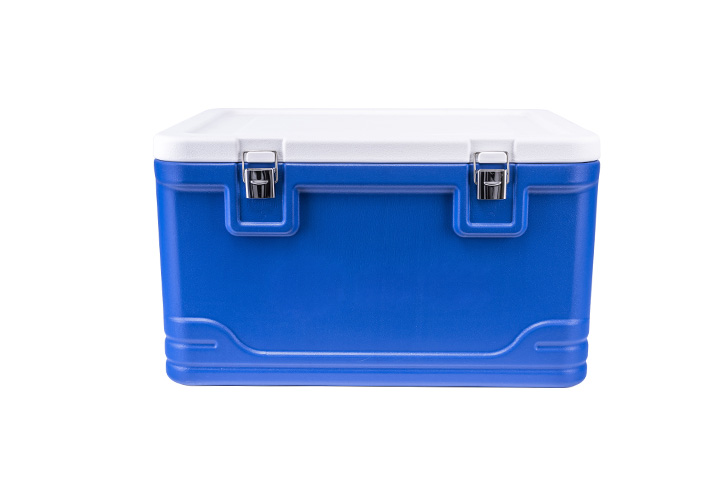
Updated On: May 26, 2026
Nestable Plastic Container Wholesaler for Laboratory Production: How to Choose With Less Risk
A nestable plastic container wholesaler for laboratory production should be judged by the work it prevents as much as the work it performs. The right container reduces repacking, unstable staging, avoidable moisture damage, and unclear handling responsibility. The wrong one adds another object to manage while the real problems, such as cleaning, labeling, airflow, insulation, or documentation, remain unsolved.
Practical answer
A nestable plastic container wholesaler for laboratory production is suitable when the proposed container and supplier process support the payload, route, return process, cleaning method, and documentation expectations for laboratory production. It should not be approved only because the feature sounds relevant. The safest purchase is the one backed by sample testing, clear supplier answers, and a realistic view of where the container stops and where the operating process begins.
The Real Buying Decision Behind This Search
For export or import programs, the route includes administrative waiting time. Customs review, document checks, inspection holds, and carrier cut-off times can change how long the product stays outside ideal storage. The container cannot remove that risk alone, but it can make the process easier to inspect, segregate, relabel, and recover when a shipment is delayed.
A useful specification describes how the container moves through the system. Will it be lifted by hand or pushed on a dolly? Does it enter a washdown area? Will labels be scanned while the container is nested, stacked, or closed? Are loaded units exposed to sun, cold-room condensation, ice melt, or vehicle vibration? These details decide whether the nestable design helps the operation or simply looks efficient in a product image.
A container choice should begin with the lane. Map where the payload is filled, where it waits, who touches it, how it is loaded, and where the receiver makes an acceptance decision. This turns a vague product request into a set of operating conditions. For laboratory production, the important moments are often handovers: a pallet sits at a dock, a worker sorts returns, a carrier changes vehicles, or a receiver opens a load before moving it into controlled storage.
The final supplier decision should be written as an operating assumption: this container will carry this payload, in this route, under these cleaning rules, with these labels, handled by these people, and accepted under these receiving checks. When the assumption is written down, the gaps become visible. If the container is expected to do more than its design supports, change the design, the process, or the expectation before placing a bulk order.
Fit the Container to Payload, Route, and Return Flow
In this application, the container has to help teams organize small and sensitive items through production, quarantine, sampling, and dispatch while keeping labels visible, lots separated, and storage routines consistent. A plastic container can improve housekeeping and traceability, but it does not replace validated storage, temperature monitoring, or quality release procedures.
The strongest design decisions are usually small. Smooth internal corners speed cleaning. A textured exterior may help grip but can hold dirt if the texture is too aggressive. Color coding supports segregation but needs an ordering discipline. Molded label panels help traceability, but they must remain readable when containers are stacked, nested, or wrapped on a pallet.
Do not evaluate nestable as a word on a datasheet. Ask how the geometry works. A rim can help stability but reduce usable space. A vent can improve airflow but expose product to dust or water. A seal can protect labels but trap condensation. A foldable wall can reduce return volume but add hinge areas that need inspection. The right answer depends on the payload and the cleaning routine.
The practical value of a nestable design is that it solves one operational problem without creating another. In this application, it should support lower return-volume pressure, easier empty-container staging, and cleaner rotation between filling and washing zones. Those benefits only appear when the sidewall, rim, base, closure, and label areas match the actual payload. A container that is excellent for one route may be awkward in another if the handling method changes.
The main feature checks for this search are anti-jam ribs, rim strength, usable internal volume after nesting features, stacking stability when loaded, label areas that remain visible in return loops. These are not decorative details. They affect loading speed, cleaning confidence, pallet behavior, sample approval, and whether the container can be used repeatedly without creating hidden failure points.
What to Verify Before You Approve a Sample
A practical buyer review should translate the long-tail phrase into measurable questions. The table below keeps the discussion grounded without inventing universal performance numbers. Use it as a sample approval checklist and adjust it for your internal quality system.
| Buyer checkpoint | What to confirm | Why it matters |
|---|---|---|
| Payload fit | Confirm whether the plastic container fits reagents, consumables, sample kits, in-process materials, lab tools, labeled subassemblies, and controlled storage batches without crushing, excessive headspace, or awkward lifting. | Product fit prevents damage and slow loading. |
| Feature fit | Check anti-jam ribs, rim strength, usable internal volume after nesting features. | The nestable design should solve a real workflow issue, not just add a catalog feature. |
| Cleaning and reuse | Define washing, drying, inspection, segregation, and retirement rules. | Reusable packaging becomes risky when the return loop is not controlled. |
| Documentation boundary | Identify whether food, chemical, medical, biotech, seafood, export, or temperature records are required. | A plastic container supports records but does not replace them. |
| Supplier readiness | Ask for samples, dimensions, material information, change-control approach, and bulk-order consistency. | Supplier discipline is part of the product performance. |
The table is deliberately framed around verification rather than promises. That is important because the same container can perform well in one route and poorly in another. Once a supplier answers these questions, the buyer can decide whether a standard model is enough or whether custom dimensions, inserts, labeling, insulation, or another packaging family is needed.
A practical shortlist has three levels. First, remove suppliers that cannot explain basic dimensions, material information, and sample controls. Second, test samples against your actual handling route. Third, review documentation and commercial stability before scaling. This sequence prevents a common problem: approving a nice-looking sample and discovering later that production units, documents, or lead times do not support the program.
When the Plastic Container Is Not Enough
For regulated or safety-sensitive cargo, documents matter. Buyers may need SDS information, food-contact review, sanitary transport procedures, HACCP records, quality release rules, temperature records, or destination-market documentation depending on the product. The container should make those controls easier to apply: clear labels, visible lot separation, clean surfaces, predictable closures, and stable loads.
Lab programs should verify compatibility, cleaning, segregation, lot traceability, and any quality-system documentation before using a reusable container. This is why a supplier conversation should separate container features from regulatory responsibility. A plastic box may support a documented process, but it does not prove that the product, lane, or consignee requirements are satisfied.
Compatibility should be checked against the actual product. Food packaging needs the right intended-use review. Chemical programs need SDS and material compatibility review. Lab and biotech programs need segregation and quality-system review. Seafood and meat workflows need hygiene and wet-handling checks. A universal container claim is not enough for any of these environments.
The container can support temperature control by reducing direct exposure, organizing coolant, preventing crushed insulation, or improving receiving inspection. It can also create problems if it traps warm air, blocks airflow, concentrates coolant against freeze-sensitive items, or makes temperature loggers hard to retrieve. The best packout is not the coldest; it is the one that fits the product requirement.
For many buyers, the most useful question is: what decision will the receiver make when the shipment arrives? If the receiver checks external condition only, packaging evidence is limited. If the receiver checks product temperature, data logger records, label integrity, and carton condition, the container needs to support those checks without slowing unloading.
Official guidance and internal quality procedures should be used as boundary conditions rather than marketing claims. Requirements vary by product, route, transport mode, and market, so the buyer should verify the specific rules before turning a container feature into a compliance statement.
Supplier Review for Bulk or Custom Orders
Lead time, MOQ, and customization should be discussed as operational risks, not only commercial terms. A rush order that changes resin, colorant, hinge design, lid fit, or wall thickness may create a different container from the sample. When the container supports a quality or export process, change control is part of purchasing discipline.
For bulk or custom orders, sample-to-production consistency matters. A prototype may be produced carefully, while mass production depends on tooling control, resin consistency, cooling time, dimensional tolerance, and final inspection. Buyers should keep an approved sample, define critical dimensions, photograph label positions, and agree on how substitutions or design changes will be communicated before production.
Supplier proof should match the risk level. For ordinary warehouse handling, a datasheet and sample inspection may be enough. For food-contact, chemical, medical, biotech, or temperature-sensitive use, you may need more documentation. That might include material declarations, cleaning guidance, SDS-related compatibility review, test summaries, or packaging qualification evidence, depending on the application.
The safest final article for a buyer is not one that says a specific container is always best. It is one that shows where the product fits and where the process must carry the remaining risk. For cold-chain and sensitive logistics, this distinction protects the buyer from overbuying, under-specifying, or asking a plastic container to solve problems that need packout design, monitoring, or route control.
Before approving a wholesaler, ask the supplier to confirm the intended use, material declaration, drawing or dimension sheet, packaging method for delivery, sample lead time, production lead time, QC checkpoints, and how nonconforming units are handled. For laboratory production, add application-specific questions around lab programs should verify compatibility, cleaning, segregation, lot traceability, and any quality-system documentation before using a reusable container.
Practical Example: Building a Safer Laboratory Production Workflow
For example, a buyer may need to move reagents, consumables, sample kits, in-process materials, lab tools, labeled subassemblies, and controlled storage batches through a warehouse, a transport handover, and a receiver inspection. The team first defines the payload weight, carton shape, temperature sensitivity, cleaning method, label requirements, and return loop. Only then does it compare container features. In this sequence, the nestable design becomes a tool for a known problem rather than a generic purchasing preference.
In a common shipment, the container is only one part of the acceptance decision. The receiver looks at the label, seal, external condition, temperature record if used, product appearance, and whether the load stayed separated from incompatible items. This is why the container specification should be written alongside the receiving checklist.
A typical scenario starts with a quality complaint: goods arrive wet, labels are unreadable, containers are hard to clean, or pallet stacks lean during staging. The procurement team might be tempted to switch suppliers immediately. A better first step is to document the failure point. If the issue is condensation, a sealed waterproof box may make it worse. If the issue is airflow, a vented design may help. If the issue is dwell time, insulation and coolant planning may matter more than container shape.
The example shows why a container specification should not be isolated from the receiving checklist. If the team cannot describe how the load is inspected, how reusable units are cleaned, and what evidence supports a temperature or safety decision, the supplier cannot solve the problem alone.
Procurement Notes for Bulk or Custom Projects
Bulk purchasing should define what cannot change. For a nestable plastic container wholesaler for laboratory production, that may include external dimensions, internal usable space, lid design, nesting or stacking behavior, color, label area, material family, and packaging count per carton or pallet. When these items are treated as preferences rather than controlled requirements, a reorder can slowly drift away from the approved sample.
Custom projects should begin with a drawing or written requirement, not only a photo. If the plastic container must fit a particular pallet, shelf, chilled room, truck route, or inspection step, write those constraints into the RFQ. If the design involves insulation, vents, gaskets, hinges, or special drainage, confirm how those elements are inspected after production.
For laboratory production, the commercial decision should include return and retirement rules. Reusable containers need a method for counting assets, separating dirty returns, identifying damaged units, and deciding when to remove a unit from service. Without that discipline, the buyer may save on disposable packaging but lose control of quality and traceability.
A final quotation should identify what is included and what is not included. The container may not include coolant, liners, data loggers, pallet covers, labels, export documentation, or route qualification unless those items are specifically part of the order. Clear scope protects both buyer and supplier from later misunderstanding.
FAQ
What should I ask a wholesaler before ordering samples?
Ask for dimensions, usable volume, material information, load guidance, closure details, cleaning recommendations, labeling options, sample-to-production controls, and any application-specific documents. If the product is food, chemical, medical, biotech, seafood, or temperature-sensitive, add questions about compatibility, documentation, and test evidence that matches the intended route.
Is a nestable plastic container enough for laboratory production?
Not by itself. It can support handling, protection, return efficiency, airflow, insulation, or moisture control depending on the design, but the full process still needs payload definition, cleaning rules, receiving checks, and any required temperature or documentation controls. For regulated products, the quality or compliance team should confirm the final requirements.
What documentation matters for sensitive shipments?
Documentation depends on the cargo. Food programs may need food-contact and cleaning records. Chemical programs may require SDS and dangerous-goods review. Medical, lab, and biotech shipments may need temperature range, monitoring, and quality-system records. Seafood and meat programs may require hygiene, HACCP, inspection, or export-market documentation.
How do I compare unit price with total operating cost?
Look beyond the container price. Include return freight, damaged goods, cleaning time, lost labels, pallet stability, worker speed, storage space, and rejected loads. A more expensive unit can be cheaper in practice if it reduces handling failures. A lower-cost unit can be suitable when the route is simple and the risk is low.
Should I choose custom sizing or a standard model?
Standard models are usually easier to sample, reorder, and replace. Custom sizing makes sense when the payload, pallet footprint, automated handling, coolant layout, or branding requirement cannot be solved with a standard option. Before customizing, confirm the critical dimensions and how changes will be controlled during production.
Conclusion
A nestable plastic container wholesaler for laboratory production should be chosen only after the route, payload, cleaning routine, supplier proof, and documentation boundary are clear. The nestable design can add real value for laboratory production, especially when it supports lower return-volume pressure, easier empty-container staging, cleaner rotation between filling and washing zones. It is not a substitute for product-specific requirements, temperature planning, SDS or food-safety review, or quality release decisions. The best next step is to write a short use-case specification, test samples under real handling conditions, and confirm what evidence is required before bulk ordering.
About Tempk
Tempk supplies cold-chain packaging products and planning support for food delivery, pharmaceutical and lab sample shipment, seafood and frozen export, and palletized freight programs. When a buyer is considering a nestable plastic container wholesaler for laboratory production, our role is to help clarify the cold-chain part of the decision: insulation, cooling media, route exposure, pallet protection, sample review, and bulk or custom packaging requirements. That keeps the container discussion connected to real shipment conditions.
If you are comparing suppliers for a nestable plastic container wholesaler for laboratory production, ask Tempk to review the shipment context, temperature sensitivity, and handling process before you approve samples or scale to a bulk order.
Nestable Plastic Container for Beverage Logistics
Updated On: May 26, 2026
Nestable Plastic Container Producer for Beverage Logistics: How to Choose With Less Risk
A procurement team does not look for nestable plastic container producer for beverage logistics because it wants another generic box; it looks for a container that can survive real beverage logistics work. The practical decision is whether the plastic container fits the payload, workers, cleaning routine, return loop, and documentation expectations. A good choice should make loading faster and safer without creating hidden risks around hygiene, temperature exposure, wet handling, or customs review.
Practical answer
A nestable plastic container producer for beverage logistics is suitable when the proposed container and supplier process support the payload, route, return process, cleaning method, and documentation expectations for beverage logistics. It should not be approved only because the feature sounds relevant. The safest purchase is the one backed by sample testing, clear supplier answers, and a realistic view of where the container stops and where the operating process begins.
The Real Buying Decision Behind This Search
A container choice should begin with the lane. Map where the payload is filled, where it waits, who touches it, how it is loaded, and where the receiver makes an acceptance decision. This turns a vague product request into a set of operating conditions. For beverage logistics, the important moments are often handovers: a pallet sits at a dock, a worker sorts returns, a carrier changes vehicles, or a receiver opens a load before moving it into controlled storage.
The route also determines the abuse profile. A clean storeroom needs different priorities from a wet dock, a mixed-return pool, or a cross-border export lane. Before you ask for a quotation, list the worst ordinary day rather than the best possible day. That means the longest wait, the roughest lift, the wettest floor, the most crowded pallet, and the least experienced handler who will still use the container correctly.
A useful specification describes how the container moves through the system. Will it be lifted by hand or pushed on a dolly? Does it enter a washdown area? Will labels be scanned while the container is nested, stacked, or closed? Are loaded units exposed to sun, cold-room condensation, ice melt, or vehicle vibration? These details decide whether the nestable design helps the operation or simply looks efficient in a product image.
The final supplier decision should be written as an operating assumption: this container will carry this payload, in this route, under these cleaning rules, with these labels, handled by these people, and accepted under these receiving checks. When the assumption is written down, the gaps become visible. If the container is expected to do more than its design supports, change the design, the process, or the expectation before placing a bulk order.
Fit the Container to Payload, Route, and Return Flow
In this application, the container has to help teams move high-volume beverage units through filling, staging, distribution, and returns without crushed corners, dirty containers, unstable pallets, or excessive empty-return cost. Spillage, condensation, broken labels, mixed-return pools, and wet dock handling often create more operational trouble than the container price itself.
The practical value of a nestable design is that it solves one operational problem without creating another. In this application, it should support lower return-volume pressure, easier empty-container staging, and cleaner rotation between filling and washing zones. Those benefits only appear when the sidewall, rim, base, closure, and label areas match the actual payload. A container that is excellent for one route may be awkward in another if the handling method changes.
A buyer should also consider how workers behave under time pressure. If a container is hard to open, jams when empty, or requires a precise folding motion, people will find shortcuts. Shortcuts become quality risks. A practical design should be easy to use correctly during the busiest shift, not only during a sample review in a meeting room.
Do not evaluate nestable as a word on a datasheet. Ask how the geometry works. A rim can help stability but reduce usable space. A vent can improve airflow but expose product to dust or water. A seal can protect labels but trap condensation. A foldable wall can reduce return volume but add hinge areas that need inspection. The right answer depends on the payload and the cleaning routine.
The main feature checks for this search are anti-jam ribs, rim strength, usable internal volume after nesting features, stacking stability when loaded, label areas that remain visible in return loops. These are not decorative details. They affect loading speed, cleaning confidence, pallet behavior, sample approval, and whether the container can be used repeatedly without creating hidden failure points.
What to Verify Before You Approve a Sample
A practical buyer review should translate the long-tail phrase into measurable questions. The table below keeps the discussion grounded without inventing universal performance numbers. Use it as a sample approval checklist and adjust it for your internal quality system.
| Buyer checkpoint | What to confirm | Why it matters |
|---|---|---|
| Payload fit | Confirm whether the plastic container fits bottled drinks, canned beverages, mixed multipacks, returnable crates, chilled beverages, and warehouse replenishment loads without crushing, excessive headspace, or awkward lifting. | Product fit prevents damage and slow loading. |
| Feature fit | Check anti-jam ribs, rim strength, usable internal volume after nesting features. | The nestable design should solve a real workflow issue, not just add a catalog feature. |
| Cleaning and reuse | Define washing, drying, inspection, segregation, and retirement rules. | Reusable packaging becomes risky when the return loop is not controlled. |
| Documentation boundary | Identify whether food, chemical, medical, biotech, seafood, export, or temperature records are required. | A plastic container supports records but does not replace them. |
| Supplier readiness | Ask for samples, dimensions, material information, change-control approach, and bulk-order consistency. | Supplier discipline is part of the product performance. |
The table is deliberately framed around verification rather than promises. That is important because the same container can perform well in one route and poorly in another. Once a supplier answers these questions, the buyer can decide whether a standard model is enough or whether custom dimensions, inserts, labeling, insulation, or another packaging family is needed.
A practical shortlist has three levels. First, remove suppliers that cannot explain basic dimensions, material information, and sample controls. Second, test samples against your actual handling route. Third, review documentation and commercial stability before scaling. This sequence prevents a common problem: approving a nice-looking sample and discovering later that production units, documents, or lead times do not support the program.
When the Plastic Container Is Not Enough
For regulated or safety-sensitive cargo, documents matter. Buyers may need SDS information, food-contact review, sanitary transport procedures, HACCP records, quality release rules, temperature records, or destination-market documentation depending on the product. The container should make those controls easier to apply: clear labels, visible lot separation, clean surfaces, predictable closures, and stable loads.
Compatibility should be checked against the actual product. Food packaging needs the right intended-use review. Chemical programs need SDS and material compatibility review. Lab and biotech programs need segregation and quality-system review. Seafood and meat workflows need hygiene and wet-handling checks. A universal container claim is not enough for any of these environments.
Cleaning is not a cosmetic issue. A reusable container that cannot be cleaned and dried consistently becomes a source of odor, residue, microbial risk, label failure, or cross-contact concern. Ask whether the supplier can describe acceptable cleaning methods, drying expectations, temperature limits for washing, and inspection points after reuse. When those answers are vague, the risk moves to your operation.
Temperature protection is often misunderstood. An insulated or thermal container slows heat transfer, but the final result depends on the starting temperature of the payload, the coolant or PCM plan, the headspace, the closure, the ambient exposure, and the time outside controlled storage. A vented or waterproof container may solve airflow or wet handling, but it should not be described as temperature controlled unless the full packout is defined.
If the shipment is temperature-sensitive, ask for the operating conditions behind any performance statement. A stated hold time has little value without the ambient profile, payload mass, packout layout, coolant type, acceptance criteria, and whether the test reflects the route. For pharma, lab, biotech, seafood, meat, or chilled beverage programs, the quality team should approve the temperature range and the evidence needed.
Official guidance and internal quality procedures should be used as boundary conditions rather than marketing claims. Requirements vary by product, route, transport mode, and market, so the buyer should verify the specific rules before turning a container feature into a compliance statement.
Supplier Review for Bulk or Custom Orders
For bulk or custom orders, sample-to-production consistency matters. A prototype may be produced carefully, while mass production depends on tooling control, resin consistency, cooling time, dimensional tolerance, and final inspection. Buyers should keep an approved sample, define critical dimensions, photograph label positions, and agree on how substitutions or design changes will be communicated before production.
Supplier proof should match the risk level. For ordinary warehouse handling, a datasheet and sample inspection may be enough. For food-contact, chemical, medical, biotech, or temperature-sensitive use, you may need more documentation. That might include material declarations, cleaning guidance, SDS-related compatibility review, test summaries, or packaging qualification evidence, depending on the application.
A supplier should be able to discuss more than the unit price. Ask for material information, dimensions, usable volume, tolerance expectations, sample policy, color options, closure details, cleaning guidance, labeling options, packing method, and how production units are checked against approved samples. If the product will be used repeatedly, ask how wear points are inspected and what damage should remove a unit from service.
The safest final article for a buyer is not one that says a specific container is always best. It is one that shows where the product fits and where the process must carry the remaining risk. For cold-chain and sensitive logistics, this distinction protects the buyer from overbuying, under-specifying, or asking a plastic container to solve problems that need packout design, monitoring, or route control.
Before approving a producer, ask the supplier to confirm the intended use, material declaration, drawing or dimension sheet, packaging method for delivery, sample lead time, production lead time, QC checkpoints, and how nonconforming units are handled. For beverage logistics, add application-specific questions around for beverage programs that involve food contact, buyers should confirm material suitability for the intended contact condition and review cleaning procedures against the applicable food-safety program.
Practical Example: Building a Safer Beverage Logistics Workflow
In a common shipment, the container is only one part of the acceptance decision. The receiver looks at the label, seal, external condition, temperature record if used, product appearance, and whether the load stayed separated from incompatible items. This is why the container specification should be written alongside the receiving checklist.
Imagine a buyer comparing two samples. One has thicker walls and a higher price; the other nests better and saves return space. The cheaper sample may be better if empty logistics dominate the cost. The stronger sample may be better if damage claims, rough handling, or export stacking are the main risk. The right decision is not the lowest unit price; it is the option that reduces total operating friction.
For example, a buyer may need to move bottled drinks, canned beverages, mixed multipacks, returnable crates, chilled beverages, and warehouse replenishment loads through a warehouse, a transport handover, and a receiver inspection. The team first defines the payload weight, carton shape, temperature sensitivity, cleaning method, label requirements, and return loop. Only then does it compare container features. In this sequence, the nestable design becomes a tool for a known problem rather than a generic purchasing preference.
The example shows why a container specification should not be isolated from the receiving checklist. If the team cannot describe how the load is inspected, how reusable units are cleaned, and what evidence supports a temperature or safety decision, the supplier cannot solve the problem alone.
Procurement Notes for Bulk or Custom Projects
Bulk purchasing should define what cannot change. For a nestable plastic container producer for beverage logistics, that may include external dimensions, internal usable space, lid design, nesting or stacking behavior, color, label area, material family, and packaging count per carton or pallet. When these items are treated as preferences rather than controlled requirements, a reorder can slowly drift away from the approved sample.
Custom projects should begin with a drawing or written requirement, not only a photo. If the plastic container must fit a particular pallet, shelf, chilled room, truck route, or inspection step, write those constraints into the RFQ. If the design involves insulation, vents, gaskets, hinges, or special drainage, confirm how those elements are inspected after production.
For beverage logistics, the commercial decision should include return and retirement rules. Reusable containers need a method for counting assets, separating dirty returns, identifying damaged units, and deciding when to remove a unit from service. Without that discipline, the buyer may save on disposable packaging but lose control of quality and traceability.
A final quotation should identify what is included and what is not included. The container may not include coolant, liners, data loggers, pallet covers, labels, export documentation, or route qualification unless those items are specifically part of the order. Clear scope protects both buyer and supplier from later misunderstanding.
FAQ
What should I ask a producer before ordering samples?
Ask for dimensions, usable volume, material information, load guidance, closure details, cleaning recommendations, labeling options, sample-to-production controls, and any application-specific documents. If the product is food, chemical, medical, biotech, seafood, or temperature-sensitive, add questions about compatibility, documentation, and test evidence that matches the intended route.
Should I choose custom sizing or a standard model?
Standard models are usually easier to sample, reorder, and replace. Custom sizing makes sense when the payload, pallet footprint, automated handling, coolant layout, or branding requirement cannot be solved with a standard option. Before customizing, confirm the critical dimensions and how changes will be controlled during production.
Is a nestable plastic container enough for beverage logistics?
Not by itself. It can support handling, protection, return efficiency, airflow, insulation, or moisture control depending on the design, but the full process still needs payload definition, cleaning rules, receiving checks, and any required temperature or documentation controls. For regulated products, the quality or compliance team should confirm the final requirements.
What documentation matters for sensitive shipments?
Documentation depends on the cargo. Food programs may need food-contact and cleaning records. Chemical programs may require SDS and dangerous-goods review. Medical, lab, and biotech shipments may need temperature range, monitoring, and quality-system records. Seafood and meat programs may require hygiene, HACCP, inspection, or export-market documentation.
How do I compare unit price with total operating cost?
Look beyond the container price. Include return freight, damaged goods, cleaning time, lost labels, pallet stability, worker speed, storage space, and rejected loads. A more expensive unit can be cheaper in practice if it reduces handling failures. A lower-cost unit can be suitable when the route is simple and the risk is low.
Conclusion
A nestable plastic container producer for beverage logistics should be chosen only after the route, payload, cleaning routine, supplier proof, and documentation boundary are clear. The nestable design can add real value for beverage logistics, especially when it supports lower return-volume pressure, easier empty-container staging, cleaner rotation between filling and washing zones. It is not a substitute for product-specific requirements, temperature planning, SDS or food-safety review, or quality release decisions. The best next step is to write a short use-case specification, test samples under real handling conditions, and confirm what evidence is required before bulk ordering.
About Tempk
Tempk supplies cold-chain packaging products and planning support for food delivery, pharmaceutical and lab sample shipment, seafood and frozen export, and palletized freight programs. When a buyer is considering a nestable plastic container producer for beverage logistics, our role is to help clarify the cold-chain part of the decision: insulation, cooling media, route exposure, pallet protection, sample review, and bulk or custom packaging requirements. That keeps the container discussion connected to real shipment conditions.
Share your beverage logistics route, payload, storage conditions, and bulk or custom requirements with Tempk so the discussion can move from a generic plastic container to a practical packaging recommendation.
Nestable Plastic Container for Agricultural Export
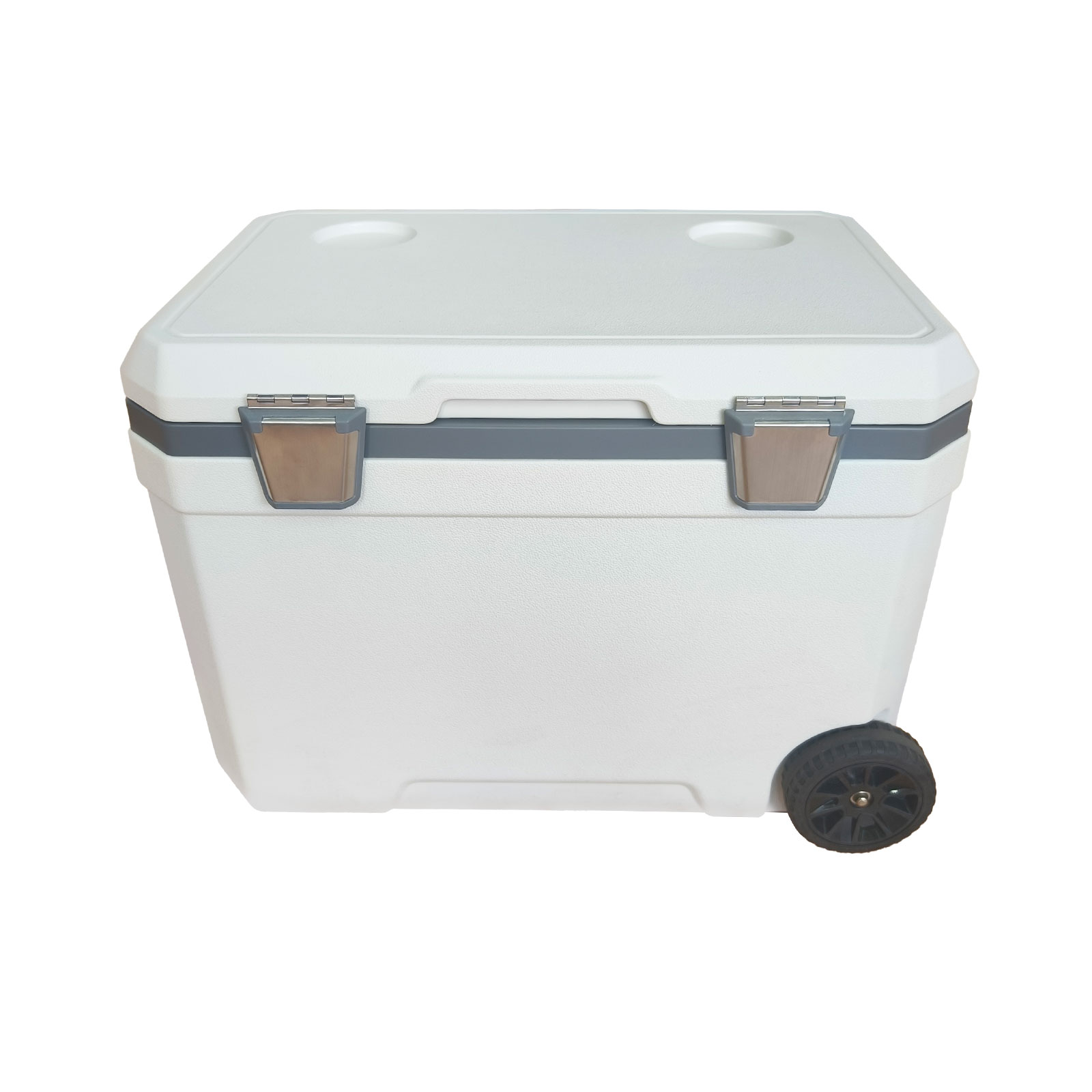
Updated On: May 26, 2026
Nestable Plastic Container Maker for Agricultural Export: How to Choose With Less Risk
A procurement team does not look for nestable plastic container maker for agricultural export because it wants another generic box; it looks for a container that can survive real agricultural export work. The practical decision is whether the plastic container fits the payload, workers, cleaning routine, return loop, and documentation expectations. A good choice should make loading faster and safer without creating hidden risks around hygiene, temperature exposure, wet handling, or customs review.
Practical answer
A nestable plastic container maker for agricultural export is suitable when the proposed container and supplier process support the payload, route, return process, cleaning method, and documentation expectations for agricultural export. It should not be approved only because the feature sounds relevant. The safest purchase is the one backed by sample testing, clear supplier answers, and a realistic view of where the container stops and where the operating process begins.
The Real Buying Decision Behind This Search
The route also determines the abuse profile. A clean storeroom needs different priorities from a wet dock, a mixed-return pool, or a cross-border export lane. Before you ask for a quotation, list the worst ordinary day rather than the best possible day. That means the longest wait, the roughest lift, the wettest floor, the most crowded pallet, and the least experienced handler who will still use the container correctly.
A useful specification describes how the container moves through the system. Will it be lifted by hand or pushed on a dolly? Does it enter a washdown area? Will labels be scanned while the container is nested, stacked, or closed? Are loaded units exposed to sun, cold-room condensation, ice melt, or vehicle vibration? These details decide whether the nestable design helps the operation or simply looks efficient in a product image.
A container choice should begin with the lane. Map where the payload is filled, where it waits, who touches it, how it is loaded, and where the receiver makes an acceptance decision. This turns a vague product request into a set of operating conditions. For agricultural export, the important moments are often handovers: a pallet sits at a dock, a worker sorts returns, a carrier changes vehicles, or a receiver opens a load before moving it into controlled storage.
The final supplier decision should be written as an operating assumption: this container will carry this payload, in this route, under these cleaning rules, with these labels, handled by these people, and accepted under these receiving checks. When the assumption is written down, the gaps become visible. If the container is expected to do more than its design supports, change the design, the process, or the expectation before placing a bulk order.
Fit the Container to Payload, Route, and Return Flow
In this application, the container has to help teams protect produce quality through airflow, moisture management, packhouse handling, container returns, and export documentation without overpacking or trapping condensation. Agricultural cargo often suffers from small handling gaps: a hot loading dock, poor airflow, excessive compression, or a wet container returned without proper cleaning.
The strongest design decisions are usually small. Smooth internal corners speed cleaning. A textured exterior may help grip but can hold dirt if the texture is too aggressive. Color coding supports segregation but needs an ordering discipline. Molded label panels help traceability, but they must remain readable when containers are stacked, nested, or wrapped on a pallet.
A buyer should also consider how workers behave under time pressure. If a container is hard to open, jams when empty, or requires a precise folding motion, people will find shortcuts. Shortcuts become quality risks. A practical design should be easy to use correctly during the busiest shift, not only during a sample review in a meeting room.
The practical value of a nestable design is that it solves one operational problem without creating another. In this application, it should support lower return-volume pressure, easier empty-container staging, and cleaner rotation between filling and washing zones. Those benefits only appear when the sidewall, rim, base, closure, and label areas match the actual payload. A container that is excellent for one route may be awkward in another if the handling method changes.
The main feature checks for this search are anti-jam ribs, rim strength, usable internal volume after nesting features, stacking stability when loaded, label areas that remain visible in return loops. These are not decorative details. They affect loading speed, cleaning confidence, pallet behavior, sample approval, and whether the container can be used repeatedly without creating hidden failure points.
What to Verify Before You Approve a Sample
A practical buyer review should translate the long-tail phrase into measurable questions. The table below keeps the discussion grounded without inventing universal performance numbers. Use it as a sample approval checklist and adjust it for your internal quality system.
| Buyer checkpoint | What to confirm | Why it matters |
|---|---|---|
| Payload fit | Confirm whether the plastic container fits packed produce, cartons of fruits or vegetables, harvest totes, returnable crates, and export staging loads without crushing, excessive headspace, or awkward lifting. | Product fit prevents damage and slow loading. |
| Feature fit | Check anti-jam ribs, rim strength, usable internal volume after nesting features. | The nestable design should solve a real workflow issue, not just add a catalog feature. |
| Cleaning and reuse | Define washing, drying, inspection, segregation, and retirement rules. | Reusable packaging becomes risky when the return loop is not controlled. |
| Documentation boundary | Identify whether food, chemical, medical, biotech, seafood, export, or temperature records are required. | A plastic container supports records but does not replace them. |
| Supplier readiness | Ask for samples, dimensions, material information, change-control approach, and bulk-order consistency. | Supplier discipline is part of the product performance. |
The table is deliberately framed around verification rather than promises. That is important because the same container can perform well in one route and poorly in another. Once a supplier answers these questions, the buyer can decide whether a standard model is enough or whether custom dimensions, inserts, labeling, insulation, or another packaging family is needed.
A practical shortlist has three levels. First, remove suppliers that cannot explain basic dimensions, material information, and sample controls. Second, test samples against your actual handling route. Third, review documentation and commercial stability before scaling. This sequence prevents a common problem: approving a nice-looking sample and discovering later that production units, documents, or lead times do not support the program.
When the Plastic Container Is Not Enough
Compatibility should be checked against the actual product. Food packaging needs the right intended-use review. Chemical programs need SDS and material compatibility review. Lab and biotech programs need segregation and quality-system review. Seafood and meat workflows need hygiene and wet-handling checks. A universal container claim is not enough for any of these environments.
Cleaning is not a cosmetic issue. A reusable container that cannot be cleaned and dried consistently becomes a source of odor, residue, microbial risk, label failure, or cross-contact concern. Ask whether the supplier can describe acceptable cleaning methods, drying expectations, temperature limits for washing, and inspection points after reuse. When those answers are vague, the risk moves to your operation.
For regulated or safety-sensitive cargo, documents matter. Buyers may need SDS information, food-contact review, sanitary transport procedures, HACCP records, quality release rules, temperature records, or destination-market documentation depending on the product. The container should make those controls easier to apply: clear labels, visible lot separation, clean surfaces, predictable closures, and stable loads.
Temperature protection is often misunderstood. An insulated or thermal container slows heat transfer, but the final result depends on the starting temperature of the payload, the coolant or PCM plan, the headspace, the closure, the ambient exposure, and the time outside controlled storage. A vented or waterproof container may solve airflow or wet handling, but it should not be described as temperature controlled unless the full packout is defined.
For many buyers, the most useful question is: what decision will the receiver make when the shipment arrives? If the receiver checks external condition only, packaging evidence is limited. If the receiver checks product temperature, data logger records, label integrity, and carton condition, the container needs to support those checks without slowing unloading.
Official guidance and internal quality procedures should be used as boundary conditions rather than marketing claims. Requirements vary by product, route, transport mode, and market, so the buyer should verify the specific rules before turning a container feature into a compliance statement.
Supplier Review for Bulk or Custom Orders
Supplier proof should match the risk level. For ordinary warehouse handling, a datasheet and sample inspection may be enough. For food-contact, chemical, medical, biotech, or temperature-sensitive use, you may need more documentation. That might include material declarations, cleaning guidance, SDS-related compatibility review, test summaries, or packaging qualification evidence, depending on the application.
For bulk or custom orders, sample-to-production consistency matters. A prototype may be produced carefully, while mass production depends on tooling control, resin consistency, cooling time, dimensional tolerance, and final inspection. Buyers should keep an approved sample, define critical dimensions, photograph label positions, and agree on how substitutions or design changes will be communicated before production.
Lead time, MOQ, and customization should be discussed as operational risks, not only commercial terms. A rush order that changes resin, colorant, hinge design, lid fit, or wall thickness may create a different container from the sample. When the container supports a quality or export process, change control is part of purchasing discipline.
The safest final article for a buyer is not one that says a specific container is always best. It is one that shows where the product fits and where the process must carry the remaining risk. For cold-chain and sensitive logistics, this distinction protects the buyer from overbuying, under-specifying, or asking a plastic container to solve problems that need packout design, monitoring, or route control.
Before approving a maker, ask the supplier to confirm the intended use, material declaration, drawing or dimension sheet, packaging method for delivery, sample lead time, production lead time, QC checkpoints, and how nonconforming units are handled. For agricultural export, add application-specific questions around exporters should confirm destination phytosanitary, food-contact, cleaning, and transport requirements rather than treating a plastic container as proof of compliance.
Practical Example: Building a Safer Agricultural Export Workflow
In a common shipment, the container is only one part of the acceptance decision. The receiver looks at the label, seal, external condition, temperature record if used, product appearance, and whether the load stayed separated from incompatible items. This is why the container specification should be written alongside the receiving checklist.
Imagine a buyer comparing two samples. One has thicker walls and a higher price; the other nests better and saves return space. The cheaper sample may be better if empty logistics dominate the cost. The stronger sample may be better if damage claims, rough handling, or export stacking are the main risk. The right decision is not the lowest unit price; it is the option that reduces total operating friction.
A typical scenario starts with a quality complaint: goods arrive wet, labels are unreadable, containers are hard to clean, or pallet stacks lean during staging. The procurement team might be tempted to switch suppliers immediately. A better first step is to document the failure point. If the issue is condensation, a sealed waterproof box may make it worse. If the issue is airflow, a vented design may help. If the issue is dwell time, insulation and coolant planning may matter more than container shape.
The example shows why a container specification should not be isolated from the receiving checklist. If the team cannot describe how the load is inspected, how reusable units are cleaned, and what evidence supports a temperature or safety decision, the supplier cannot solve the problem alone.
Procurement Notes for Bulk or Custom Projects
Bulk purchasing should define what cannot change. For a nestable plastic container maker for agricultural export, that may include external dimensions, internal usable space, lid design, nesting or stacking behavior, color, label area, material family, and packaging count per carton or pallet. When these items are treated as preferences rather than controlled requirements, a reorder can slowly drift away from the approved sample.
Custom projects should begin with a drawing or written requirement, not only a photo. If the plastic container must fit a particular pallet, shelf, chilled room, truck route, or inspection step, write those constraints into the RFQ. If the design involves insulation, vents, gaskets, hinges, or special drainage, confirm how those elements are inspected after production.
For agricultural export, the commercial decision should include return and retirement rules. Reusable containers need a method for counting assets, separating dirty returns, identifying damaged units, and deciding when to remove a unit from service. Without that discipline, the buyer may save on disposable packaging but lose control of quality and traceability.
A final quotation should identify what is included and what is not included. The container may not include coolant, liners, data loggers, pallet covers, labels, export documentation, or route qualification unless those items are specifically part of the order. Clear scope protects both buyer and supplier from later misunderstanding.
FAQ
What should I ask a maker before ordering samples?
Ask for dimensions, usable volume, material information, load guidance, closure details, cleaning recommendations, labeling options, sample-to-production controls, and any application-specific documents. If the product is food, chemical, medical, biotech, seafood, or temperature-sensitive, add questions about compatibility, documentation, and test evidence that matches the intended route.
Should I choose custom sizing or a standard model?
Standard models are usually easier to sample, reorder, and replace. Custom sizing makes sense when the payload, pallet footprint, automated handling, coolant layout, or branding requirement cannot be solved with a standard option. Before customizing, confirm the critical dimensions and how changes will be controlled during production.
What documentation matters for sensitive shipments?
Documentation depends on the cargo. Food programs may need food-contact and cleaning records. Chemical programs may require SDS and dangerous-goods review. Medical, lab, and biotech shipments may need temperature range, monitoring, and quality-system records. Seafood and meat programs may require hygiene, HACCP, inspection, or export-market documentation.
Is a nestable plastic container enough for agricultural export?
Not by itself. It can support handling, protection, return efficiency, airflow, insulation, or moisture control depending on the design, but the full process still needs payload definition, cleaning rules, receiving checks, and any required temperature or documentation controls. For regulated products, the quality or compliance team should confirm the final requirements.
How do I compare unit price with total operating cost?
Look beyond the container price. Include return freight, damaged goods, cleaning time, lost labels, pallet stability, worker speed, storage space, and rejected loads. A more expensive unit can be cheaper in practice if it reduces handling failures. A lower-cost unit can be suitable when the route is simple and the risk is low.
Conclusion
A nestable plastic container maker for agricultural export should be chosen only after the route, payload, cleaning routine, supplier proof, and documentation boundary are clear. The nestable design can add real value for agricultural export, especially when it supports lower return-volume pressure, easier empty-container staging, cleaner rotation between filling and washing zones. It is not a substitute for product-specific requirements, temperature planning, SDS or food-safety review, or quality release decisions. The best next step is to write a short use-case specification, test samples under real handling conditions, and confirm what evidence is required before bulk ordering.
About Tempk
Tempk supplies cold-chain packaging products and planning support for food delivery, pharmaceutical and lab sample shipment, seafood and frozen export, and palletized freight programs. When a buyer is considering a nestable plastic container maker for agricultural export, our role is to help clarify the cold-chain part of the decision: insulation, cooling media, route exposure, pallet protection, sample review, and bulk or custom packaging requirements. That keeps the container discussion connected to real shipment conditions.
If you are comparing suppliers for a nestable plastic container maker for agricultural export, ask Tempk to review the shipment context, temperature sensitivity, and handling process before you approve samples or scale to a bulk order.