


Practical Guide: VIP packaging for cold chain for payload protection
Practical Guide: VIP packaging for cold chain for payload protection

VIP packaging for cold chain for payload protection: Practical Selection Guide
The best use of a VIP packaging for cold chain for payload protection is to connect thermal protection with a clear operating plan. Start with the product requirement, then define the route, payload, coolant, monitoring evidence, and receiving decision. VIP insulation can be valuable for difficult or high-value cold-chain shipments, but it should be selected through evidence, not assumption. This publication-ready guide brings the buyer, technical, and operational questions into one practical framework.
Quick answer: use VIP packaging for cold chain for payload protection when the shipment needs stronger passive insulation, defined packout control, and practical evidence for the receiver. Do not use it as a substitute for route qualification, correct coolant conditioning, or quality review. The container should be judged as one component of a complete cold-chain system.
For most buyers, the practical question is: what evidence do we need before we trust this package at scale? That evidence may be a qualification summary, a supplier data sheet, a packout instruction, a sample review, a logger placement recommendation, or an internal quality approval. The goal is not to collect documents for their own sake. The goal is to reduce uncertainty before real product is placed at risk.
A practical decision path for the right VIP solution
The best decision path is neither purely technical nor purely commercial. A VIP packaging for cold chain for payload protection should be judged by how well it connects product requirements, lane exposure, packout repeatability, monitoring evidence, and supplier support. A premium material can still disappoint if the payload does not fit, the coolant is conditioned incorrectly, or the receiver cannot interpret the logger report. A simpler design can work well if the lane is short, stable, and documented.
VIP means vacuum insulated panel, a high-performance insulation component built around an evacuated core sealed inside a barrier envelope. In cold-chain packaging, VIP panels are usually protected by inner and outer structural layers because the panel itself is not meant to take abuse directly. The practical value is not that the panel is magical; it is that reduced heat transfer can give the packout more thermal margin or preserve more internal payload space than a thicker conventional foam wall. Buyers still need to confirm the complete packout, because insulation alone does not define the required temperature range, coolant conditioning, or receiving criteria.
Payload protection is broader than keeping the air cold. Sensitive products may be damaged by freezing contact, warm wall exposure, shifting during transport, compression, broken secondary packaging, or a receiver that cannot verify the condition on arrival. A good VIP packout uses separation, cushioning, coolant placement, and monitoring logic to protect the product as a physical payload and as a temperature-sensitive item.
Separate temperature protection, monitoring, and compliance proof
A VIP shipper is normally a passive temperature-controlled packaging component unless it is paired with powered refrigeration. Passive means the system relies on insulation, preconditioned coolant, phase change material, dry ice where appropriate, and a repeatable loading method. It does not actively cool itself after departure. This distinction matters in RFQs because some buyers use words such as refrigerated, smart, and temperature controlled in the same sentence. A supplier needs to know whether you expect passive protection, active refrigeration, temperature monitoring, or a hybrid logistics workflow.
Temperature monitoring should be treated as evidence, not as thermal protection. A logger can show whether a shipment stayed inside the required range and may help the team investigate a deviation, but it cannot correct a weak packout. Logger placement also matters. A sensor placed against a frozen coolant pack, near a warm wall, or in an air pocket may not represent the payload condition. For important shipments, the monitoring plan should be reviewed with the same care as the coolant map.
This separation prevents two common errors. The first is believing that a data logger protects the product. The second is believing that insulation alone proves a controlled shipment. Thermal protection, monitoring evidence, and compliance documentation are connected, but each has a different job. A strong packout should make these jobs visible.
Payload layout deserves the same attention as insulation. If a product is freeze-sensitive, direct contact with frozen coolant may be a bigger risk than ambient heat. If the product is fragile, internal movement can damage secondary packaging and disturb the logger location. If a receiver needs to release goods quickly, the arrival inspection should be simple enough to perform consistently.
Match the container to payload, lane, and receiving decision
For temperature-sensitive payloads that may be damaged by freezing, warming, impact, or poor placement, the container must match the payload and the lane at the same time. Payload review includes dimensions, mass, sensitivity, secondary packaging, and whether the product is damaged by freezing, warming, vibration, or contact with coolant. Lane review includes planned duration, handovers, ambient exposure, customs or hub dwell, and receiving readiness. If either side is vague, the packaging recommendation will be vague.
Payload protection is broader than keeping the air cold. Sensitive products may be damaged by freezing contact, warm wall exposure, shifting during transport, compression, broken secondary packaging, or a receiver that cannot verify the condition on arrival. A good VIP packout uses separation, cushioning, coolant placement, and monitoring logic to protect the product as a physical payload and as a temperature-sensitive item.
RFQ evidence table
| RFQ item | Minimum useful detail | Decision value |
|---|---|---|
| Payload description | Product type, mass, dimensions, and sensitivity | Helps size the container and prevent poor fit |
| Temperature requirement | Required range and excursion handling rule | Defines the acceptance target |
| Transport lane | Origin, destination, mode, season, and handovers | Links package choice to real exposure |
| Packout design | Coolant type, conditioning, placement, dividers, and closure | Makes the result repeatable |
| Monitoring workflow | Logger position, start/stop process, report format, and review owner | Turns temperature data into usable evidence |
| Scale-up controls | Sample equivalence, production consistency, and change notification | Reduces surprises after approval |
This table is useful because it turns a general product inquiry into verifiable questions. It also keeps buyers from treating a VIP container as a single specification when the real decision depends on the full route, payload, coolant, monitoring, and documentation workflow.
Evidence to request before scaling from sample to production
Qualification is the bridge between a product claim and a real shipment decision. It asks a simple question: under a defined profile, with a defined payload and a defined packout, did the system maintain the required conditions? If one of those inputs changes, the evidence may no longer be directly transferable. That is why buyers should ask whether the stated performance reflects their payload mass, internal layout, coolant quantity, route duration, and expected ambient conditions.
Before scaling, ask for evidence that reflects the approved configuration. The sample stage should test more than visual appearance. Confirm that the construction, closure, VIP panel protection, coolant plan, internal layout, and instructions can be repeated in production. If a supplier changes a material, wall structure, or component after approval, the buyer should know how that change is communicated and evaluated.
Operating discipline after the box leaves your facility
The box leaves your facility, but the process continues. Preconditioning, product staging, label placement, logger activation, lid closure, carrier pickup, in-transit handling, and receiving inspection all affect the result. A VIP container can slow heat transfer, yet it cannot correct a warm payload loaded late, a missed pickup, or a receiver that forgets to download the logger. Operating discipline turns packaging design into shipment control.
A good instruction set should be short enough to use and specific enough to prevent improvisation. It should show the order of packing, coolant placement, logger location, closure method, label position, and receiving checks. For reusable units, it should also show inspection and cleaning steps before the next shipment.
Final buyer notes for a safer RFQ
A safer RFQ states the conditions instead of asking for a generic premium box. Include the required range, payload, dimensions, route, duration, season, transport mode, monitoring needs, reuse expectations, and documentation needs. Ask suppliers to state the assumptions behind any performance claim. If they cannot state the assumptions, treat the claim as a starting point rather than a decision basis.
Finally, decide what would make the option unacceptable. It may be too little usable volume, unclear logger placement, weak panel protection, no packout instruction, no change-control conversation, or poor fit with the return loop. Rejection criteria make the evaluation more objective and prevent teams from approving a container simply because the material sounds advanced.
From Sample Approval to Repeatable Shipping
Sample approval for VIP packaging for cold chain for payload protection should not stop at appearance. The team should confirm that the sample can be packed by normal staff, that the payload fits after coolant and logger placement, that closure is repeatable, and that the receiver can inspect and document arrival without confusion. A strong sample that cannot be repeated in production is not a stable cold-chain solution.
When moving to repeat shipments, define change-control expectations. If the supplier changes panel material, shell design, lid structure, divider, or recommended packout, the buyer should be notified before the change affects real shipments. This is especially important for pharmaceutical, clinical, biological, and high-value products where small packaging changes may change the risk profile.
FAQ
What is the simplest way to start selecting a VIP container?
Start with the required product temperature range and the real lane. Then define payload mass, usable volume, duration, ambient exposure, coolant strategy, monitoring needs, and receiving acceptance rules. Only after those points are clear should you compare container style, dimensions, and price.
What evidence should a supplier provide?
Ask for evidence that matches your decision. This may include material information, packout instructions, test or qualification summaries, logger placement guidance, cleaning and reuse instructions, and sample-to-production controls. If a claim affects quality or compliance, ask what document supports it.
Is VIP packaging enough for clinical or pharmaceutical shipments?
VIP packaging may be one part of the answer, but the full system matters. Quality teams usually care about product temperature limits, qualification evidence, calibrated monitoring, route risk, SOP fit, and deviation handling. Packaging should be selected to support those controls, not replace them.
How should I compare two VIP box options?
Compare usable payload space, packout repeatability, coolant compatibility, panel protection, closure reliability, handling durability, monitoring layout, documentation support, and total operating cost. A lower unit price can be misleading if the box creates packing errors, extra freight, or weak receiving evidence.
Conclusion: Make the VIP Choice Evidence-Based
A VIP packaging for cold chain for payload protection is most valuable when the buyer links the container to product limits, route exposure, packout repeatability, monitoring evidence, and receiving decisions. VIP insulation is one strong component, but it is not the whole cold-chain process.
For a safer RFQ, ask for the evidence behind each claim and confirm how the sample will scale into repeat shipments. The final choice should be practical for the people who pack, transport, receive, inspect, and approve the product.
Additional Notes for Internal Review
Another point worth checking for VIP packaging for cold chain for payload protection is receiving behavior. A shipment is not complete when it reaches the address; it is complete when the receiver can inspect it, interpret the temperature evidence, and make the correct acceptance decision. If the package design makes logger retrieval difficult or hides the payload condition, the receiver may create a deviation even when the thermal design was adequate. Simple receiving instructions reduce this risk.
Storage before shipment is also part of the cold-chain process. Coolant conditioning, product staging, empty box storage, and packing room temperature can influence the starting condition. If one site packs in a controlled room and another packs beside a loading dock, the same box may begin the lane with different thermal conditions. Buyers should standardize the preparation steps before judging container performance.
Finally, consider how changes will be handled after approval. Substituting a divider, changing a lid component, using a different coolant source, or altering the logger location may seem minor, but each change can affect the way heat moves through the packout or how evidence is interpreted. A clear change conversation between buyer and supplier is especially important when shipments are regulated, high value, or repeated across multiple locations.
About Tempk
Tempk offers cold-chain packaging solutions that include VIP cooler boxes and removable vacuum insulation panel cooler box options for medical, pharmaceutical, food, and other temperature-sensitive logistics needs. The relevant value for buyers is not only the insulated shell, but also the practical conversation around payload fit, coolant use, reusable handling, and documentation expectations. For VIP projects, Tempk can help buyers translate a route, product type, and temperature requirement into a packaging discussion that is more specific than a general cooler inquiry.
Ask Tempk to review the payload geometry and temperature limits before choosing a VIP packaging configuration.
Practical Guide: VIP insulated shipping container for worldwide distribution

VIP insulated shipping container for worldwide distribution: Practical Selection Guide
The best use of a VIP insulated shipping container for worldwide distribution is to connect thermal protection with a clear operating plan. Start with the product requirement, then define the route, payload, coolant, monitoring evidence, and receiving decision. VIP insulation can be valuable for difficult or high-value cold-chain shipments, but it should be selected through evidence, not assumption. This publication-ready guide brings the buyer, technical, and operational questions into one practical framework.
Quick answer: use VIP insulated shipping container for worldwide distribution when the shipment needs stronger passive insulation, defined packout control, and practical evidence for the receiver. Do not use it as a substitute for route qualification, correct coolant conditioning, or quality review. The container should be judged as one component of a complete cold-chain system.
For most buyers, the practical question is: what evidence do we need before we trust this package at scale? That evidence may be a qualification summary, a supplier data sheet, a packout instruction, a sample review, a logger placement recommendation, or an internal quality approval. The goal is not to collect documents for their own sake. The goal is to reduce uncertainty before real product is placed at risk.
A practical decision path for the right VIP solution
The best decision path is neither purely technical nor purely commercial. A VIP insulated shipping container for worldwide distribution should be judged by how well it connects product requirements, lane exposure, packout repeatability, monitoring evidence, and supplier support. A premium material can still disappoint if the payload does not fit, the coolant is conditioned incorrectly, or the receiver cannot interpret the logger report. A simpler design can work well if the lane is short, stable, and documented.
VIP means vacuum insulated panel, a high-performance insulation component built around an evacuated core sealed inside a barrier envelope. In cold-chain packaging, VIP panels are usually protected by inner and outer structural layers because the panel itself is not meant to take abuse directly. The practical value is not that the panel is magical; it is that reduced heat transfer can give the packout more thermal margin or preserve more internal payload space than a thicker conventional foam wall. Buyers still need to confirm the complete packout, because insulation alone does not define the required temperature range, coolant conditioning, or receiving criteria.
Worldwide distribution magnifies small uncertainties. A package can leave a qualified warehouse, pass through an airline hub, sit in a customs queue, move through a regional courier network, and arrive at a receiver with different inspection habits. Each handover adds a chance for delay, misrouting, incorrect storage, or incomplete records. VIP packaging can improve passive thermal margin, but it should be selected with the entire distribution path in mind.
Separate temperature protection, monitoring, and compliance proof
A VIP shipper is normally a passive temperature-controlled packaging component unless it is paired with powered refrigeration. Passive means the system relies on insulation, preconditioned coolant, phase change material, dry ice where appropriate, and a repeatable loading method. It does not actively cool itself after departure. This distinction matters in RFQs because some buyers use words such as refrigerated, smart, and temperature controlled in the same sentence. A supplier needs to know whether you expect passive protection, active refrigeration, temperature monitoring, or a hybrid logistics workflow.
Temperature monitoring should be treated as evidence, not as thermal protection. A logger can show whether a shipment stayed inside the required range and may help the team investigate a deviation, but it cannot correct a weak packout. Logger placement also matters. A sensor placed against a frozen coolant pack, near a warm wall, or in an air pocket may not represent the payload condition. For important shipments, the monitoring plan should be reviewed with the same care as the coolant map.
This separation prevents two common errors. The first is believing that a data logger protects the product. The second is believing that insulation alone proves a controlled shipment. Thermal protection, monitoring evidence, and compliance documentation are connected, but each has a different job. A strong packout should make these jobs visible.
For worldwide distribution, packaging evidence should be portable across teams. A receiver in another region may not know the original packing conditions, so the shipment needs understandable labels, packout instructions, and temperature records. This is especially important when the lane includes a forwarder, airline, customs broker, local courier, and end customer.
Match the container to payload, lane, and receiving decision
For temperature-sensitive products distributed across multiple countries or regions, the container must match the payload and the lane at the same time. Payload review includes dimensions, mass, sensitivity, secondary packaging, and whether the product is damaged by freezing, warming, vibration, or contact with coolant. Lane review includes planned duration, handovers, ambient exposure, customs or hub dwell, and receiving readiness. If either side is vague, the packaging recommendation will be vague.
Worldwide distribution magnifies small uncertainties. A package can leave a qualified warehouse, pass through an airline hub, sit in a customs queue, move through a regional courier network, and arrive at a receiver with different inspection habits. Each handover adds a chance for delay, misrouting, incorrect storage, or incomplete records. VIP packaging can improve passive thermal margin, but it should be selected with the entire distribution path in mind.
RFQ evidence table
| RFQ item | Minimum useful detail | Decision value |
|---|---|---|
| Payload description | Product type, mass, dimensions, and sensitivity | Helps size the container and prevent poor fit |
| Temperature requirement | Required range and excursion handling rule | Defines the acceptance target |
| Transport lane | Origin, destination, mode, season, and handovers | Links package choice to real exposure |
| Packout design | Coolant type, conditioning, placement, dividers, and closure | Makes the result repeatable |
| Monitoring workflow | Logger position, start/stop process, report format, and review owner | Turns temperature data into usable evidence |
| Scale-up controls | Sample equivalence, production consistency, and change notification | Reduces surprises after approval |
This table is useful because it turns a general product inquiry into verifiable questions. It also keeps buyers from treating a VIP container as a single specification when the real decision depends on the full route, payload, coolant, monitoring, and documentation workflow.
Evidence to request before scaling from sample to production
Qualification is the bridge between a product claim and a real shipment decision. It asks a simple question: under a defined profile, with a defined payload and a defined packout, did the system maintain the required conditions? If one of those inputs changes, the evidence may no longer be directly transferable. That is why buyers should ask whether the stated performance reflects their payload mass, internal layout, coolant quantity, route duration, and expected ambient conditions.
Before scaling, ask for evidence that reflects the approved configuration. The sample stage should test more than visual appearance. Confirm that the construction, closure, VIP panel protection, coolant plan, internal layout, and instructions can be repeated in production. If a supplier changes a material, wall structure, or component after approval, the buyer should know how that change is communicated and evaluated.
Operating discipline after the box leaves your facility
The box leaves your facility, but the process continues. Preconditioning, product staging, label placement, logger activation, lid closure, carrier pickup, in-transit handling, and receiving inspection all affect the result. A VIP container can slow heat transfer, yet it cannot correct a warm payload loaded late, a missed pickup, or a receiver that forgets to download the logger. Operating discipline turns packaging design into shipment control.
A good instruction set should be short enough to use and specific enough to prevent improvisation. It should show the order of packing, coolant placement, logger location, closure method, label position, and receiving checks. For reusable units, it should also show inspection and cleaning steps before the next shipment.
Final buyer notes for a safer RFQ
A safer RFQ states the conditions instead of asking for a generic premium box. Include the required range, payload, dimensions, route, duration, season, transport mode, monitoring needs, reuse expectations, and documentation needs. Ask suppliers to state the assumptions behind any performance claim. If they cannot state the assumptions, treat the claim as a starting point rather than a decision basis.
Finally, decide what would make the option unacceptable. It may be too little usable volume, unclear logger placement, weak panel protection, no packout instruction, no change-control conversation, or poor fit with the return loop. Rejection criteria make the evaluation more objective and prevent teams from approving a container simply because the material sounds advanced.
From Sample Approval to Repeatable Shipping
Sample approval for VIP insulated shipping container for worldwide distribution should not stop at appearance. The team should confirm that the sample can be packed by normal staff, that the payload fits after coolant and logger placement, that closure is repeatable, and that the receiver can inspect and document arrival without confusion. A strong sample that cannot be repeated in production is not a stable cold-chain solution.
When moving to repeat shipments, define change-control expectations. If the supplier changes panel material, shell design, lid structure, divider, or recommended packout, the buyer should be notified before the change affects real shipments. This is especially important for pharmaceutical, clinical, biological, and high-value products where small packaging changes may change the risk profile.
FAQ
What is the simplest way to start selecting a VIP container?
Start with the required product temperature range and the real lane. Then define payload mass, usable volume, duration, ambient exposure, coolant strategy, monitoring needs, and receiving acceptance rules. Only after those points are clear should you compare container style, dimensions, and price.
What evidence should a supplier provide?
Ask for evidence that matches your decision. This may include material information, packout instructions, test or qualification summaries, logger placement guidance, cleaning and reuse instructions, and sample-to-production controls. If a claim affects quality or compliance, ask what document supports it.
Is VIP packaging enough for clinical or pharmaceutical shipments?
VIP packaging may be one part of the answer, but the full system matters. Quality teams usually care about product temperature limits, qualification evidence, calibrated monitoring, route risk, SOP fit, and deviation handling. Packaging should be selected to support those controls, not replace them.
How should I compare two VIP box options?
Compare usable payload space, packout repeatability, coolant compatibility, panel protection, closure reliability, handling durability, monitoring layout, documentation support, and total operating cost. A lower unit price can be misleading if the box creates packing errors, extra freight, or weak receiving evidence.
Conclusion: Make the VIP Choice Evidence-Based
A VIP insulated shipping container for worldwide distribution is most valuable when the buyer links the container to product limits, route exposure, packout repeatability, monitoring evidence, and receiving decisions. VIP insulation is one strong component, but it is not the whole cold-chain process.
For a safer RFQ, ask for the evidence behind each claim and confirm how the sample will scale into repeat shipments. The final choice should be practical for the people who pack, transport, receive, inspect, and approve the product.
Additional Notes for Internal Review
Another point worth checking for VIP insulated shipping container for worldwide distribution is receiving behavior. A shipment is not complete when it reaches the address; it is complete when the receiver can inspect it, interpret the temperature evidence, and make the correct acceptance decision. If the package design makes logger retrieval difficult or hides the payload condition, the receiver may create a deviation even when the thermal design was adequate. Simple receiving instructions reduce this risk.
Storage before shipment is also part of the cold-chain process. Coolant conditioning, product staging, empty box storage, and packing room temperature can influence the starting condition. If one site packs in a controlled room and another packs beside a loading dock, the same box may begin the lane with different thermal conditions. Buyers should standardize the preparation steps before judging container performance.
Finally, consider how changes will be handled after approval. Substituting a divider, changing a lid component, using a different coolant source, or altering the logger location may seem minor, but each change can affect the way heat moves through the packout or how evidence is interpreted. A clear change conversation between buyer and supplier is especially important when shipments are regulated, high value, or repeated across multiple locations.
About Tempk
Tempk offers cold-chain packaging solutions that include VIP cooler boxes and removable vacuum insulation panel cooler box options for medical, pharmaceutical, food, and other temperature-sensitive logistics needs. The relevant value for buyers is not only the insulated shell, but also the practical conversation around payload fit, coolant use, reusable handling, and documentation expectations. For VIP projects, Tempk can help buyers translate a route, product type, and temperature requirement into a packaging discussion that is more specific than a general cooler inquiry.
Share your distribution countries, lane timing, and product limits with Tempk before scaling a VIP packaging program.
Practical Guide: VIP insulated shipping container for long duration shipping
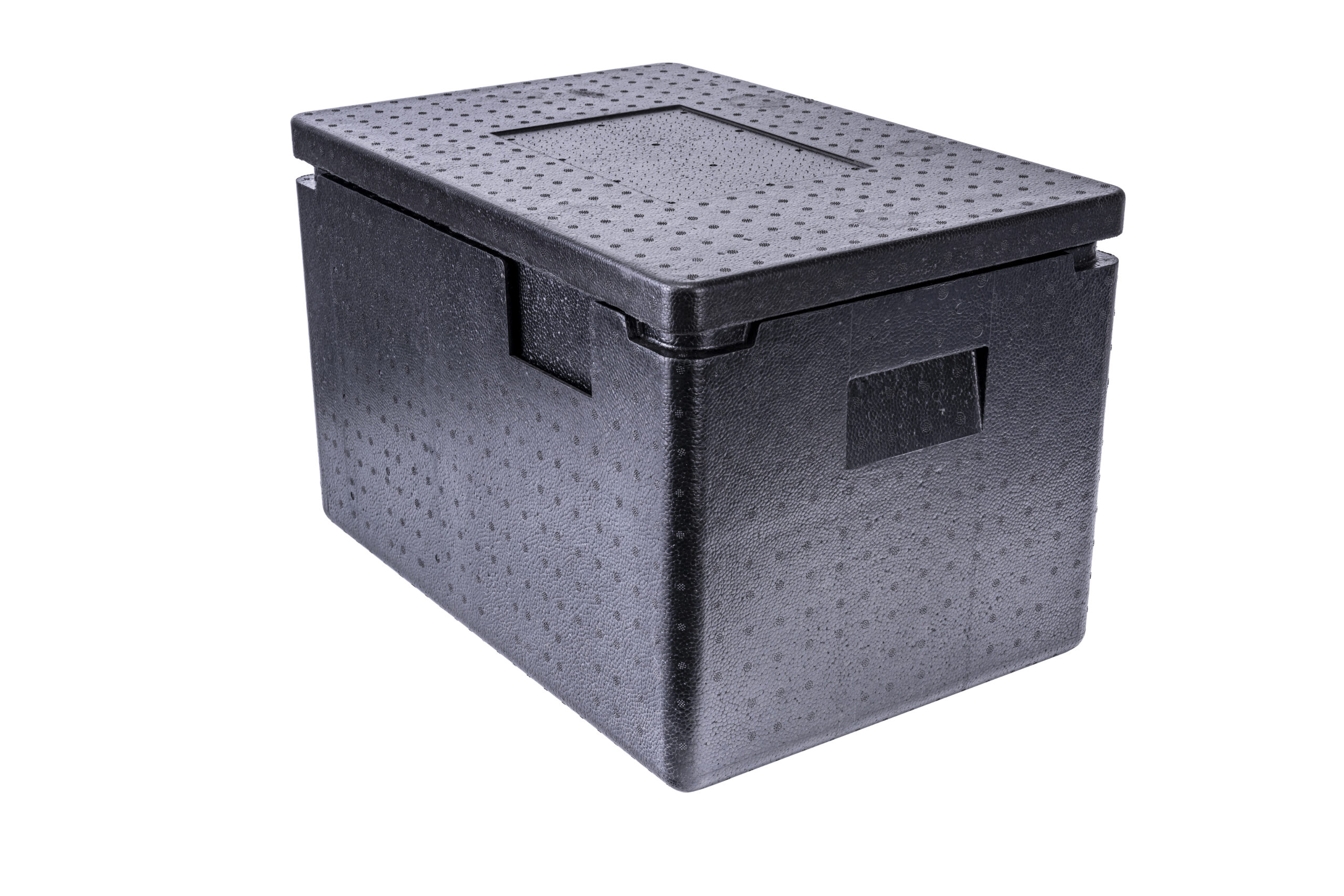
VIP insulated shipping container for long duration shipping: Practical Selection Guide
The best use of a VIP insulated shipping container for long duration shipping is to connect thermal protection with a clear operating plan. Start with the product requirement, then define the route, payload, coolant, monitoring evidence, and receiving decision. VIP insulation can be valuable for difficult or high-value cold-chain shipments, but it should be selected through evidence, not assumption. This publication-ready guide brings the buyer, technical, and operational questions into one practical framework.
Quick answer: use VIP insulated shipping container for long duration shipping when the shipment needs stronger passive insulation, defined packout control, and practical evidence for the receiver. Do not use it as a substitute for route qualification, correct coolant conditioning, or quality review. The container should be judged as one component of a complete cold-chain system.
For most buyers, the practical question is: what evidence do we need before we trust this package at scale? That evidence may be a qualification summary, a supplier data sheet, a packout instruction, a sample review, a logger placement recommendation, or an internal quality approval. The goal is not to collect documents for their own sake. The goal is to reduce uncertainty before real product is placed at risk.
A practical decision path for the right VIP solution
The best decision path is neither purely technical nor purely commercial. A VIP insulated shipping container for long duration shipping should be judged by how well it connects product requirements, lane exposure, packout repeatability, monitoring evidence, and supplier support. A premium material can still disappoint if the payload does not fit, the coolant is conditioned incorrectly, or the receiver cannot interpret the logger report. A simpler design can work well if the lane is short, stable, and documented.
VIP means vacuum insulated panel, a high-performance insulation component built around an evacuated core sealed inside a barrier envelope. In cold-chain packaging, VIP panels are usually protected by inner and outer structural layers because the panel itself is not meant to take abuse directly. The practical value is not that the panel is magical; it is that reduced heat transfer can give the packout more thermal margin or preserve more internal payload space than a thicker conventional foam wall. Buyers still need to confirm the complete packout, because insulation alone does not define the required temperature range, coolant conditioning, or receiving criteria.
Long-duration shipping is not only a question of adding more insulation or more coolant. More coolant can reduce payload space, increase weight, complicate conditioning, and create freeze risk for sensitive goods. A VIP insulated shipping container can improve thermal efficiency, but duration still depends on product mass, coolant type, ambient exposure, closure discipline, and the test profile used to support the packout.
Separate temperature protection, monitoring, and compliance proof
A VIP shipper is normally a passive temperature-controlled packaging component unless it is paired with powered refrigeration. Passive means the system relies on insulation, preconditioned coolant, phase change material, dry ice where appropriate, and a repeatable loading method. It does not actively cool itself after departure. This distinction matters in RFQs because some buyers use words such as refrigerated, smart, and temperature controlled in the same sentence. A supplier needs to know whether you expect passive protection, active refrigeration, temperature monitoring, or a hybrid logistics workflow.
Temperature monitoring should be treated as evidence, not as thermal protection. A logger can show whether a shipment stayed inside the required range and may help the team investigate a deviation, but it cannot correct a weak packout. Logger placement also matters. A sensor placed against a frozen coolant pack, near a warm wall, or in an air pocket may not represent the payload condition. For important shipments, the monitoring plan should be reviewed with the same care as the coolant map.
This separation prevents two common errors. The first is believing that a data logger protects the product. The second is believing that insulation alone proves a controlled shipment. Thermal protection, monitoring evidence, and compliance documentation are connected, but each has a different job. A strong packout should make these jobs visible.
Delay planning should be explicit. If a shipment may sit in a hub over a weekend, experience a customs hold, or miss a delivery window, that exposure should be part of the risk discussion. The buyer should define what happens when transit extends beyond the planned window and what evidence the receiver needs before accepting the goods.
Match the container to payload, lane, and receiving decision
For high-value temperature-sensitive goods with limited tolerance for thermal excursions, the container must match the payload and the lane at the same time. Payload review includes dimensions, mass, sensitivity, secondary packaging, and whether the product is damaged by freezing, warming, vibration, or contact with coolant. Lane review includes planned duration, handovers, ambient exposure, customs or hub dwell, and receiving readiness. If either side is vague, the packaging recommendation will be vague.
Long-duration shipping is not only a question of adding more insulation or more coolant. More coolant can reduce payload space, increase weight, complicate conditioning, and create freeze risk for sensitive goods. A VIP insulated shipping container can improve thermal efficiency, but duration still depends on product mass, coolant type, ambient exposure, closure discipline, and the test profile used to support the packout.
RFQ evidence table
| RFQ item | Minimum useful detail | Decision value |
|---|---|---|
| Payload description | Product type, mass, dimensions, and sensitivity | Helps size the container and prevent poor fit |
| Temperature requirement | Required range and excursion handling rule | Defines the acceptance target |
| Transport lane | Origin, destination, mode, season, and handovers | Links package choice to real exposure |
| Packout design | Coolant type, conditioning, placement, dividers, and closure | Makes the result repeatable |
| Monitoring workflow | Logger position, start/stop process, report format, and review owner | Turns temperature data into usable evidence |
| Scale-up controls | Sample equivalence, production consistency, and change notification | Reduces surprises after approval |
This table is useful because it turns a general product inquiry into verifiable questions. It also keeps buyers from treating a VIP container as a single specification when the real decision depends on the full route, payload, coolant, monitoring, and documentation workflow.
Evidence to request before scaling from sample to production
Qualification is the bridge between a product claim and a real shipment decision. It asks a simple question: under a defined profile, with a defined payload and a defined packout, did the system maintain the required conditions? If one of those inputs changes, the evidence may no longer be directly transferable. That is why buyers should ask whether the stated performance reflects their payload mass, internal layout, coolant quantity, route duration, and expected ambient conditions.
Before scaling, ask for evidence that reflects the approved configuration. The sample stage should test more than visual appearance. Confirm that the construction, closure, VIP panel protection, coolant plan, internal layout, and instructions can be repeated in production. If a supplier changes a material, wall structure, or component after approval, the buyer should know how that change is communicated and evaluated.
Operating discipline after the box leaves your facility
The box leaves your facility, but the process continues. Preconditioning, product staging, label placement, logger activation, lid closure, carrier pickup, in-transit handling, and receiving inspection all affect the result. A VIP container can slow heat transfer, yet it cannot correct a warm payload loaded late, a missed pickup, or a receiver that forgets to download the logger. Operating discipline turns packaging design into shipment control.
A good instruction set should be short enough to use and specific enough to prevent improvisation. It should show the order of packing, coolant placement, logger location, closure method, label position, and receiving checks. For reusable units, it should also show inspection and cleaning steps before the next shipment.
Final buyer notes for a safer RFQ
A safer RFQ states the conditions instead of asking for a generic premium box. Include the required range, payload, dimensions, route, duration, season, transport mode, monitoring needs, reuse expectations, and documentation needs. Ask suppliers to state the assumptions behind any performance claim. If they cannot state the assumptions, treat the claim as a starting point rather than a decision basis.
Finally, decide what would make the option unacceptable. It may be too little usable volume, unclear logger placement, weak panel protection, no packout instruction, no change-control conversation, or poor fit with the return loop. Rejection criteria make the evaluation more objective and prevent teams from approving a container simply because the material sounds advanced.
From Sample Approval to Repeatable Shipping
Sample approval for VIP insulated shipping container for long duration shipping should not stop at appearance. The team should confirm that the sample can be packed by normal staff, that the payload fits after coolant and logger placement, that closure is repeatable, and that the receiver can inspect and document arrival without confusion. A strong sample that cannot be repeated in production is not a stable cold-chain solution.
When moving to repeat shipments, define change-control expectations. If the supplier changes panel material, shell design, lid structure, divider, or recommended packout, the buyer should be notified before the change affects real shipments. This is especially important for pharmaceutical, clinical, biological, and high-value products where small packaging changes may change the risk profile.
FAQ
How should buyers evaluate long-duration claims?
Ask which test profile, ambient exposure, payload, coolant configuration, and acceptance criteria support the duration claim. A long-duration result is not automatically transferable to another lane. Buyers should also define delay scenarios and receiving decision rules before relying on a VIP container for extended transit.
What evidence should a supplier provide?
Ask for evidence that matches your decision. This may include material information, packout instructions, test or qualification summaries, logger placement guidance, cleaning and reuse instructions, and sample-to-production controls. If a claim affects quality or compliance, ask what document supports it.
Is VIP packaging enough for clinical or pharmaceutical shipments?
VIP packaging may be one part of the answer, but the full system matters. Quality teams usually care about product temperature limits, qualification evidence, calibrated monitoring, route risk, SOP fit, and deviation handling. Packaging should be selected to support those controls, not replace them.
How should I compare two VIP box options?
Compare usable payload space, packout repeatability, coolant compatibility, panel protection, closure reliability, handling durability, monitoring layout, documentation support, and total operating cost. A lower unit price can be misleading if the box creates packing errors, extra freight, or weak receiving evidence.
Conclusion: Make the VIP Choice Evidence-Based
A VIP insulated shipping container for long duration shipping is most valuable when the buyer links the container to product limits, route exposure, packout repeatability, monitoring evidence, and receiving decisions. VIP insulation is one strong component, but it is not the whole cold-chain process.
For a safer RFQ, ask for the evidence behind each claim and confirm how the sample will scale into repeat shipments. The final choice should be practical for the people who pack, transport, receive, inspect, and approve the product.
Additional Notes for Internal Review
Another point worth checking for VIP insulated shipping container for long duration shipping is receiving behavior. A shipment is not complete when it reaches the address; it is complete when the receiver can inspect it, interpret the temperature evidence, and make the correct acceptance decision. If the package design makes logger retrieval difficult or hides the payload condition, the receiver may create a deviation even when the thermal design was adequate. Simple receiving instructions reduce this risk.
Storage before shipment is also part of the cold-chain process. Coolant conditioning, product staging, empty box storage, and packing room temperature can influence the starting condition. If one site packs in a controlled room and another packs beside a loading dock, the same box may begin the lane with different thermal conditions. Buyers should standardize the preparation steps before judging container performance.
Finally, consider how changes will be handled after approval. Substituting a divider, changing a lid component, using a different coolant source, or altering the logger location may seem minor, but each change can affect the way heat moves through the packout or how evidence is interpreted. A clear change conversation between buyer and supplier is especially important when shipments are regulated, high value, or repeated across multiple locations.
About Tempk
Tempk offers cold-chain packaging solutions that include VIP cooler boxes and removable vacuum insulation panel cooler box options for medical, pharmaceutical, food, and other temperature-sensitive logistics needs. The relevant value for buyers is not only the insulated shell, but also the practical conversation around payload fit, coolant use, reusable handling, and documentation expectations. For VIP projects, Tempk can help buyers translate a route, product type, and temperature requirement into a packaging discussion that is more specific than a general cooler inquiry.
Ask Tempk to review the actual lane and payload before shortlisting a VIP container for long-duration shipping.
Practical Guide: VIP insulated packaging for smart shipping container
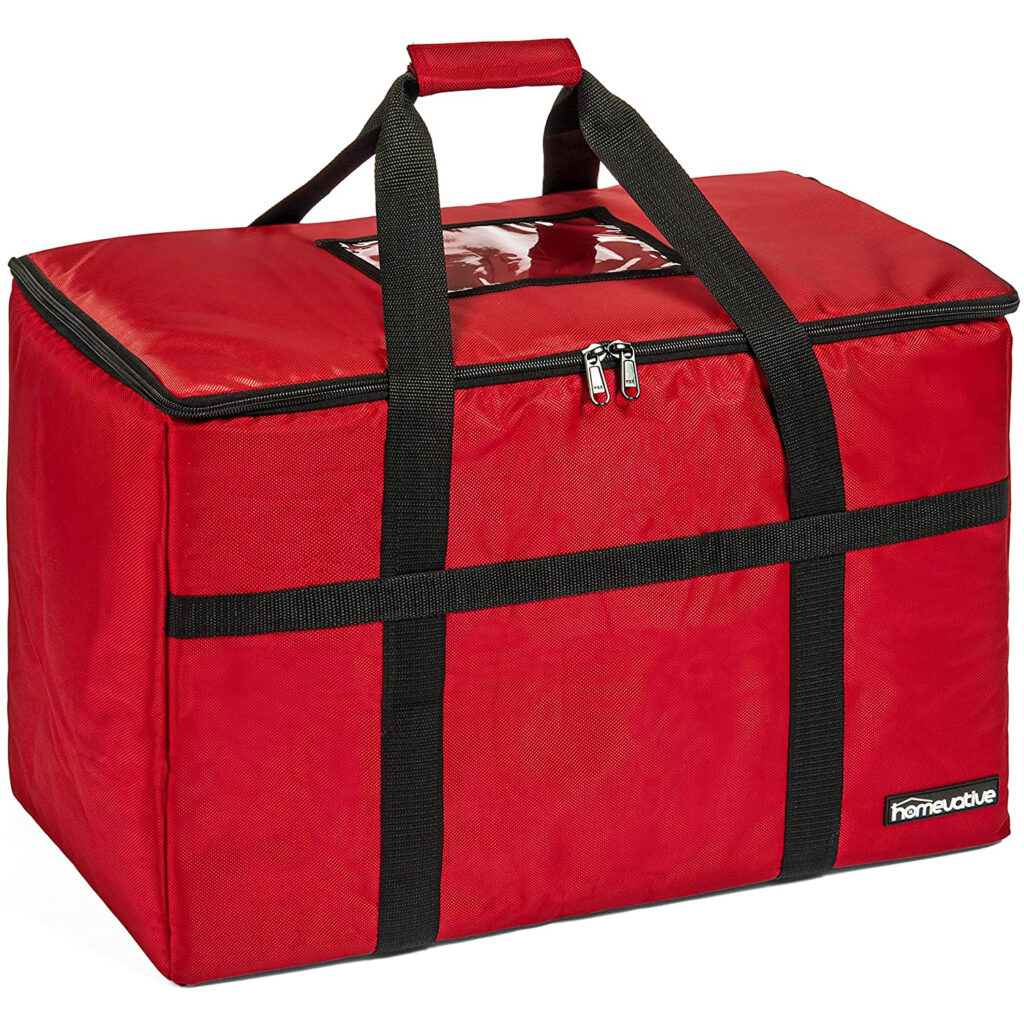
VIP insulated packaging for smart shipping container: Practical Selection Guide
The best use of a VIP insulated packaging for smart shipping container is to connect thermal protection with a clear operating plan. Start with the product requirement, then define the route, payload, coolant, monitoring evidence, and receiving decision. VIP insulation can be valuable for difficult or high-value cold-chain shipments, but it should be selected through evidence, not assumption. This publication-ready guide brings the buyer, technical, and operational questions into one practical framework.
Quick answer: use VIP insulated packaging for smart shipping container when the shipment needs stronger passive insulation, defined packout control, and practical evidence for the receiver. Do not use it as a substitute for route qualification, correct coolant conditioning, or quality review. The container should be judged as one component of a complete cold-chain system.
For most buyers, the practical question is: what evidence do we need before we trust this package at scale? That evidence may be a qualification summary, a supplier data sheet, a packout instruction, a sample review, a logger placement recommendation, or an internal quality approval. The goal is not to collect documents for their own sake. The goal is to reduce uncertainty before real product is placed at risk.
A practical decision path for the right VIP solution
The best decision path is neither purely technical nor purely commercial. A VIP insulated packaging for smart shipping container should be judged by how well it connects product requirements, lane exposure, packout repeatability, monitoring evidence, and supplier support. A premium material can still disappoint if the payload does not fit, the coolant is conditioned incorrectly, or the receiver cannot interpret the logger report. A simpler design can work well if the lane is short, stable, and documented.
VIP means vacuum insulated panel, a high-performance insulation component built around an evacuated core sealed inside a barrier envelope. In cold-chain packaging, VIP panels are usually protected by inner and outer structural layers because the panel itself is not meant to take abuse directly. The practical value is not that the panel is magical; it is that reduced heat transfer can give the packout more thermal margin or preserve more internal payload space than a thicker conventional foam wall. Buyers still need to confirm the complete packout, because insulation alone does not define the required temperature range, coolant conditioning, or receiving criteria.
Smart shipping adds a useful layer of visibility. Sensors, tracking devices, and platform alerts can help teams see when a shipment is delayed or exposed to risk. The packaging still needs enough passive margin to protect the payload until somebody can act. If alerts arrive after the package has already exceeded its limit, the monitoring system becomes a record of failure rather than a prevention tool. This is why smart workflows and VIP packout design should be planned together.
Separate temperature protection, monitoring, and compliance proof
A VIP shipper is normally a passive temperature-controlled packaging component unless it is paired with powered refrigeration. Passive means the system relies on insulation, preconditioned coolant, phase change material, dry ice where appropriate, and a repeatable loading method. It does not actively cool itself after departure. This distinction matters in RFQs because some buyers use words such as refrigerated, smart, and temperature controlled in the same sentence. A supplier needs to know whether you expect passive protection, active refrigeration, temperature monitoring, or a hybrid logistics workflow.
Temperature monitoring should be treated as evidence, not as thermal protection. A logger can show whether a shipment stayed inside the required range and may help the team investigate a deviation, but it cannot correct a weak packout. Logger placement also matters. A sensor placed against a frozen coolant pack, near a warm wall, or in an air pocket may not represent the payload condition. For important shipments, the monitoring plan should be reviewed with the same care as the coolant map.
This separation prevents two common errors. The first is believing that a data logger protects the product. The second is believing that insulation alone proves a controlled shipment. Thermal protection, monitoring evidence, and compliance documentation are connected, but each has a different job. A strong packout should make these jobs visible.
For a smart container project, the most useful question is not whether the package can carry a sensor. The question is whether the data will support an action. If the alert threshold, escalation owner, and intervention window are unclear, real-time visibility may add noise rather than control. A VIP package should be designed so sensor readings are interpretable and so the physical packout can survive the time needed to intervene.
Match the container to payload, lane, and receiving decision
For temperature-sensitive medicines, diagnostics, specialty foods, or high-value samples, the container must match the payload and the lane at the same time. Payload review includes dimensions, mass, sensitivity, secondary packaging, and whether the product is damaged by freezing, warming, vibration, or contact with coolant. Lane review includes planned duration, handovers, ambient exposure, customs or hub dwell, and receiving readiness. If either side is vague, the packaging recommendation will be vague.
Smart shipping adds a useful layer of visibility. Sensors, tracking devices, and platform alerts can help teams see when a shipment is delayed or exposed to risk. The packaging still needs enough passive margin to protect the payload until somebody can act. If alerts arrive after the package has already exceeded its limit, the monitoring system becomes a record of failure rather than a prevention tool. This is why smart workflows and VIP packout design should be planned together.
RFQ evidence table
| RFQ item | Minimum useful detail | Decision value |
|---|---|---|
| Payload description | Product type, mass, dimensions, and sensitivity | Helps size the container and prevent poor fit |
| Temperature requirement | Required range and excursion handling rule | Defines the acceptance target |
| Transport lane | Origin, destination, mode, season, and handovers | Links package choice to real exposure |
| Packout design | Coolant type, conditioning, placement, dividers, and closure | Makes the result repeatable |
| Monitoring workflow | Logger position, start/stop process, report format, and review owner | Turns temperature data into usable evidence |
| Scale-up controls | Sample equivalence, production consistency, and change notification | Reduces surprises after approval |
This table is useful because it turns a general product inquiry into verifiable questions. It also keeps buyers from treating a VIP container as a single specification when the real decision depends on the full route, payload, coolant, monitoring, and documentation workflow.
Evidence to request before scaling from sample to production
Qualification is the bridge between a product claim and a real shipment decision. It asks a simple question: under a defined profile, with a defined payload and a defined packout, did the system maintain the required conditions? If one of those inputs changes, the evidence may no longer be directly transferable. That is why buyers should ask whether the stated performance reflects their payload mass, internal layout, coolant quantity, route duration, and expected ambient conditions.
Before scaling, ask for evidence that reflects the approved configuration. The sample stage should test more than visual appearance. Confirm that the construction, closure, VIP panel protection, coolant plan, internal layout, and instructions can be repeated in production. If a supplier changes a material, wall structure, or component after approval, the buyer should know how that change is communicated and evaluated.
Operating discipline after the box leaves your facility
The box leaves your facility, but the process continues. Preconditioning, product staging, label placement, logger activation, lid closure, carrier pickup, in-transit handling, and receiving inspection all affect the result. A VIP container can slow heat transfer, yet it cannot correct a warm payload loaded late, a missed pickup, or a receiver that forgets to download the logger. Operating discipline turns packaging design into shipment control.
A good instruction set should be short enough to use and specific enough to prevent improvisation. It should show the order of packing, coolant placement, logger location, closure method, label position, and receiving checks. For reusable units, it should also show inspection and cleaning steps before the next shipment.
Final buyer notes for a safer RFQ
A safer RFQ states the conditions instead of asking for a generic premium box. Include the required range, payload, dimensions, route, duration, season, transport mode, monitoring needs, reuse expectations, and documentation needs. Ask suppliers to state the assumptions behind any performance claim. If they cannot state the assumptions, treat the claim as a starting point rather than a decision basis.
Finally, decide what would make the option unacceptable. It may be too little usable volume, unclear logger placement, weak panel protection, no packout instruction, no change-control conversation, or poor fit with the return loop. Rejection criteria make the evaluation more objective and prevent teams from approving a container simply because the material sounds advanced.
From Sample Approval to Repeatable Shipping
Sample approval for VIP insulated packaging for smart shipping container should not stop at appearance. The team should confirm that the sample can be packed by normal staff, that the payload fits after coolant and logger placement, that closure is repeatable, and that the receiver can inspect and document arrival without confusion. A strong sample that cannot be repeated in production is not a stable cold-chain solution.
When moving to repeat shipments, define change-control expectations. If the supplier changes panel material, shell design, lid structure, divider, or recommended packout, the buyer should be notified before the change affects real shipments. This is especially important for pharmaceutical, clinical, biological, and high-value products where small packaging changes may change the risk profile.
FAQ
Does smart tracking reduce the need for VIP insulation?
Not usually. Smart tracking improves visibility, but insulation provides passive thermal margin. The two roles are different. If the route has delays or limited intervention options, smart data may show risk while the VIP packout buys time. The best design aligns sensors, alerts, escalation, and thermal margin.
What evidence should a supplier provide?
Ask for evidence that matches your decision. This may include material information, packout instructions, test or qualification summaries, logger placement guidance, cleaning and reuse instructions, and sample-to-production controls. If a claim affects quality or compliance, ask what document supports it.
Is VIP packaging enough for clinical or pharmaceutical shipments?
VIP packaging may be one part of the answer, but the full system matters. Quality teams usually care about product temperature limits, qualification evidence, calibrated monitoring, route risk, SOP fit, and deviation handling. Packaging should be selected to support those controls, not replace them.
How should I compare two VIP box options?
Compare usable payload space, packout repeatability, coolant compatibility, panel protection, closure reliability, handling durability, monitoring layout, documentation support, and total operating cost. A lower unit price can be misleading if the box creates packing errors, extra freight, or weak receiving evidence.
Conclusion: Make the VIP Choice Evidence-Based
A VIP insulated packaging for smart shipping container is most valuable when the buyer links the container to product limits, route exposure, packout repeatability, monitoring evidence, and receiving decisions. VIP insulation is one strong component, but it is not the whole cold-chain process.
For a safer RFQ, ask for the evidence behind each claim and confirm how the sample will scale into repeat shipments. The final choice should be practical for the people who pack, transport, receive, inspect, and approve the product.
Additional Notes for Internal Review
Another point worth checking for VIP insulated packaging for smart shipping container is receiving behavior. A shipment is not complete when it reaches the address; it is complete when the receiver can inspect it, interpret the temperature evidence, and make the correct acceptance decision. If the package design makes logger retrieval difficult or hides the payload condition, the receiver may create a deviation even when the thermal design was adequate. Simple receiving instructions reduce this risk.
Storage before shipment is also part of the cold-chain process. Coolant conditioning, product staging, empty box storage, and packing room temperature can influence the starting condition. If one site packs in a controlled room and another packs beside a loading dock, the same box may begin the lane with different thermal conditions. Buyers should standardize the preparation steps before judging container performance.
About Tempk
Tempk offers cold-chain packaging solutions that include VIP cooler boxes and removable vacuum insulation panel cooler box options for medical, pharmaceutical, food, and other temperature-sensitive logistics needs. The relevant value for buyers is not only the insulated shell, but also the practical conversation around payload fit, coolant use, reusable handling, and documentation expectations. For VIP projects, Tempk can help buyers translate a route, product type, and temperature requirement into a packaging discussion that is more specific than a general cooler inquiry.
Share your payload, lane, temperature range, and monitoring plan with Tempk for a practical packaging recommendation.
Practical Guide: VIP insulated crate for reusable thermal container
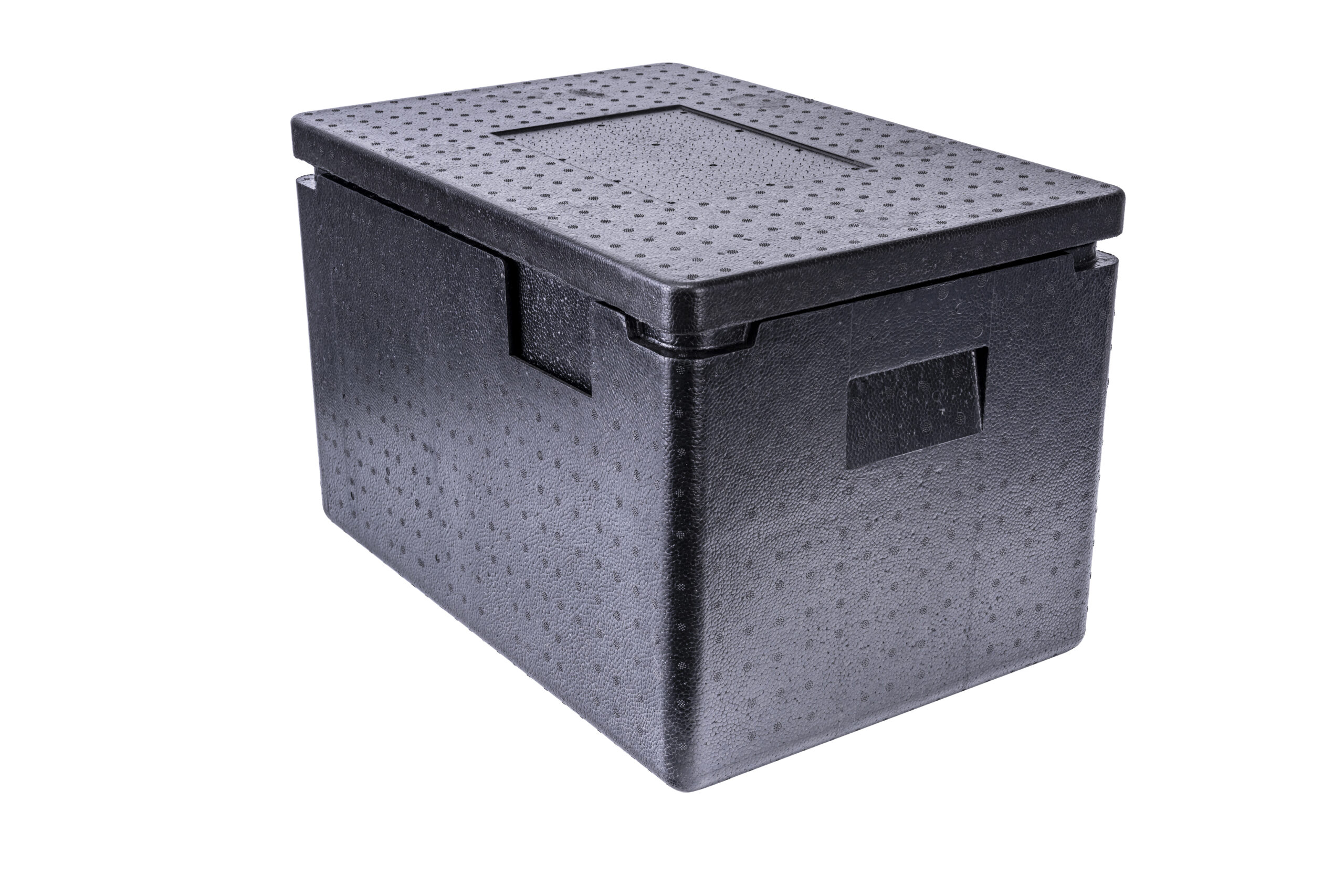
VIP insulated crate for reusable thermal container: Practical Selection Guide
The best use of a VIP insulated crate for reusable thermal container is to connect thermal protection with a clear operating plan. Start with the product requirement, then define the route, payload, coolant, monitoring evidence, and receiving decision. VIP insulation can be valuable for difficult or high-value cold-chain shipments, but it should be selected through evidence, not assumption. This publication-ready guide brings the buyer, technical, and operational questions into one practical framework.
Quick answer: use VIP insulated crate for reusable thermal container when the shipment needs stronger passive insulation, defined packout control, and practical evidence for the receiver. Do not use it as a substitute for route qualification, correct coolant conditioning, or quality review. The container should be judged as one component of a complete cold-chain system.
For most buyers, the practical question is: what evidence do we need before we trust this package at scale? That evidence may be a qualification summary, a supplier data sheet, a packout instruction, a sample review, a logger placement recommendation, or an internal quality approval. The goal is not to collect documents for their own sake. The goal is to reduce uncertainty before real product is placed at risk.
A practical decision path for the right VIP solution
The best decision path is neither purely technical nor purely commercial. A VIP insulated crate for reusable thermal container should be judged by how well it connects product requirements, lane exposure, packout repeatability, monitoring evidence, and supplier support. A premium material can still disappoint if the payload does not fit, the coolant is conditioned incorrectly, or the receiver cannot interpret the logger report. A simpler design can work well if the lane is short, stable, and documented.
VIP means vacuum insulated panel, a high-performance insulation component built around an evacuated core sealed inside a barrier envelope. In cold-chain packaging, VIP panels are usually protected by inner and outer structural layers because the panel itself is not meant to take abuse directly. The practical value is not that the panel is magical; it is that reduced heat transfer can give the packout more thermal margin or preserve more internal payload space than a thicker conventional foam wall. Buyers still need to confirm the complete packout, because insulation alone does not define the required temperature range, coolant conditioning, or receiving criteria.
Reusable thermal containers need an operating system. The box must return, be inspected, be cleaned, be stored correctly, and be packed the same way for the next shipment. VIP panels also need protection from puncture and crushing. If the reverse logistics process is weak, a reusable crate can become expensive or inconsistent. If the loop is disciplined, reusable VIP packaging can support better standardization across repeated routes.
Separate temperature protection, monitoring, and compliance proof
A VIP shipper is normally a passive temperature-controlled packaging component unless it is paired with powered refrigeration. Passive means the system relies on insulation, preconditioned coolant, phase change material, dry ice where appropriate, and a repeatable loading method. It does not actively cool itself after departure. This distinction matters in RFQs because some buyers use words such as refrigerated, smart, and temperature controlled in the same sentence. A supplier needs to know whether you expect passive protection, active refrigeration, temperature monitoring, or a hybrid logistics workflow.
Temperature monitoring should be treated as evidence, not as thermal protection. A logger can show whether a shipment stayed inside the required range and may help the team investigate a deviation, but it cannot correct a weak packout. Logger placement also matters. A sensor placed against a frozen coolant pack, near a warm wall, or in an air pocket may not represent the payload condition. For important shipments, the monitoring plan should be reviewed with the same care as the coolant map.
This separation prevents two common errors. The first is believing that a data logger protects the product. The second is believing that insulation alone proves a controlled shipment. Thermal protection, monitoring evidence, and compliance documentation are connected, but each has a different job. A strong packout should make these jobs visible.
The first reusable shipment is usually not the test of the program. The test comes after multiple returns, cleaning cycles, handovers, and repacks. A procurement team should ask how damage is detected, how missing components are replaced, and how a box is removed from service when it no longer matches the approved configuration.
Match the container to payload, lane, and receiving decision
For products that move through repeated lanes, return loops, or internal distribution networks, the container must match the payload and the lane at the same time. Payload review includes dimensions, mass, sensitivity, secondary packaging, and whether the product is damaged by freezing, warming, vibration, or contact with coolant. Lane review includes planned duration, handovers, ambient exposure, customs or hub dwell, and receiving readiness. If either side is vague, the packaging recommendation will be vague.
Reusable thermal containers need an operating system. The box must return, be inspected, be cleaned, be stored correctly, and be packed the same way for the next shipment. VIP panels also need protection from puncture and crushing. If the reverse logistics process is weak, a reusable crate can become expensive or inconsistent. If the loop is disciplined, reusable VIP packaging can support better standardization across repeated routes.
RFQ evidence table
| RFQ item | Minimum useful detail | Decision value |
|---|---|---|
| Payload description | Product type, mass, dimensions, and sensitivity | Helps size the container and prevent poor fit |
| Temperature requirement | Required range and excursion handling rule | Defines the acceptance target |
| Transport lane | Origin, destination, mode, season, and handovers | Links package choice to real exposure |
| Packout design | Coolant type, conditioning, placement, dividers, and closure | Makes the result repeatable |
| Monitoring workflow | Logger position, start/stop process, report format, and review owner | Turns temperature data into usable evidence |
| Scale-up controls | Sample equivalence, production consistency, and change notification | Reduces surprises after approval |
This table is useful because it turns a general product inquiry into verifiable questions. It also keeps buyers from treating a VIP container as a single specification when the real decision depends on the full route, payload, coolant, monitoring, and documentation workflow.
Evidence to request before scaling from sample to production
Qualification is the bridge between a product claim and a real shipment decision. It asks a simple question: under a defined profile, with a defined payload and a defined packout, did the system maintain the required conditions? If one of those inputs changes, the evidence may no longer be directly transferable. That is why buyers should ask whether the stated performance reflects their payload mass, internal layout, coolant quantity, route duration, and expected ambient conditions.
Before scaling, ask for evidence that reflects the approved configuration. The sample stage should test more than visual appearance. Confirm that the construction, closure, VIP panel protection, coolant plan, internal layout, and instructions can be repeated in production. If a supplier changes a material, wall structure, or component after approval, the buyer should know how that change is communicated and evaluated.
Operating discipline after the box leaves your facility
The box leaves your facility, but the process continues. Preconditioning, product staging, label placement, logger activation, lid closure, carrier pickup, in-transit handling, and receiving inspection all affect the result. A VIP container can slow heat transfer, yet it cannot correct a warm payload loaded late, a missed pickup, or a receiver that forgets to download the logger. Operating discipline turns packaging design into shipment control.
A good instruction set should be short enough to use and specific enough to prevent improvisation. It should show the order of packing, coolant placement, logger location, closure method, label position, and receiving checks. For reusable units, it should also show inspection and cleaning steps before the next shipment.
Final buyer notes for a safer RFQ
A safer RFQ states the conditions instead of asking for a generic premium box. Include the required range, payload, dimensions, route, duration, season, transport mode, monitoring needs, reuse expectations, and documentation needs. Ask suppliers to state the assumptions behind any performance claim. If they cannot state the assumptions, treat the claim as a starting point rather than a decision basis.
Finally, decide what would make the option unacceptable. It may be too little usable volume, unclear logger placement, weak panel protection, no packout instruction, no change-control conversation, or poor fit with the return loop. Rejection criteria make the evaluation more objective and prevent teams from approving a container simply because the material sounds advanced.
From Sample Approval to Repeatable Shipping
Sample approval for VIP insulated crate for reusable thermal container should not stop at appearance. The team should confirm that the sample can be packed by normal staff, that the payload fits after coolant and logger placement, that closure is repeatable, and that the receiver can inspect and document arrival without confusion. A strong sample that cannot be repeated in production is not a stable cold-chain solution.
When moving to repeat shipments, define change-control expectations. If the supplier changes panel material, shell design, lid structure, divider, or recommended packout, the buyer should be notified before the change affects real shipments. This is especially important for pharmaceutical, clinical, biological, and high-value products where small packaging changes may change the risk profile.
Because this topic involves reusable thermal containers, ask how each container is identified, returned, inspected, cleaned, stored, and removed from service. Reuse only works when the container you approve is the container you continue to ship, not a damaged or incomplete version of it.
FAQ
What makes a reusable VIP crate successful?
The crate must return reliably, be inspected for damage, be cleaned correctly, and be packed the same way each time. Panel protection and closure condition matter. A reusable system can improve standardization, but only when asset control and reverse logistics are practical.
What evidence should a supplier provide?
Ask for evidence that matches your decision. This may include material information, packout instructions, test or qualification summaries, logger placement guidance, cleaning and reuse instructions, and sample-to-production controls. If a claim affects quality or compliance, ask what document supports it.
Is VIP packaging enough for clinical or pharmaceutical shipments?
VIP packaging may be one part of the answer, but the full system matters. Quality teams usually care about product temperature limits, qualification evidence, calibrated monitoring, route risk, SOP fit, and deviation handling. Packaging should be selected to support those controls, not replace them.
How should I compare two VIP box options?
Compare usable payload space, packout repeatability, coolant compatibility, panel protection, closure reliability, handling durability, monitoring layout, documentation support, and total operating cost. A lower unit price can be misleading if the box creates packing errors, extra freight, or weak receiving evidence.
Conclusion: Make the VIP Choice Evidence-Based
A VIP insulated crate for reusable thermal container is most valuable when the buyer links the container to product limits, route exposure, packout repeatability, monitoring evidence, and receiving decisions. VIP insulation is one strong component, but it is not the whole cold-chain process.
For a safer RFQ, ask for the evidence behind each claim and confirm how the sample will scale into repeat shipments. The final choice should be practical for the people who pack, transport, receive, inspect, and approve the product.
Additional Notes for Internal Review
Another point worth checking for VIP insulated crate for reusable thermal container is receiving behavior. A shipment is not complete when it reaches the address; it is complete when the receiver can inspect it, interpret the temperature evidence, and make the correct acceptance decision. If the package design makes logger retrieval difficult or hides the payload condition, the receiver may create a deviation even when the thermal design was adequate. Simple receiving instructions reduce this risk.
Storage before shipment is also part of the cold-chain process. Coolant conditioning, product staging, empty box storage, and packing room temperature can influence the starting condition. If one site packs in a controlled room and another packs beside a loading dock, the same box may begin the lane with different thermal conditions. Buyers should standardize the preparation steps before judging container performance.
About Tempk
Tempk provides cold-chain packaging solutions including VIP cooler boxes and reusable insulation concepts for temperature-sensitive logistics. For buyers exploring lower-waste or reusable programs, the relevant support is practical: payload fit, return handling, cleaning expectations, panel protection, and repeatable packout. Tempk can help frame the packaging discussion around the route and reuse model instead of relying on broad environmental claims.
Ask Tempk to review your reuse loop, payload, and inspection process before selecting a reusable VIP crate.
Practical Guide: VIP insulated container for compliance packaging
VIP insulated container for compliance packaging: Practical Selection Guide
The best use of a VIP insulated container for compliance packaging is to connect thermal protection with a clear operating plan. Start with the product requirement, then define the route, payload, coolant, monitoring evidence, and receiving decision. VIP insulation can be valuable for difficult or high-value cold-chain shipments, but it should be selected through evidence, not assumption. This publication-ready guide brings the buyer, technical, and operational questions into one practical framework.
Quick answer: use VIP insulated container for compliance packaging when the shipment needs stronger passive insulation, defined packout control, and practical evidence for the receiver. Do not use it as a substitute for route qualification, correct coolant conditioning, or quality review. The container should be judged as one component of a complete cold-chain system.
For most buyers, the practical question is: what evidence do we need before we trust this package at scale? That evidence may be a qualification summary, a supplier data sheet, a packout instruction, a sample review, a logger placement recommendation, or an internal quality approval. The goal is not to collect documents for their own sake. The goal is to reduce uncertainty before real product is placed at risk.
A practical decision path for the right VIP solution
The best decision path is neither purely technical nor purely commercial. A VIP insulated container for compliance packaging should be judged by how well it connects product requirements, lane exposure, packout repeatability, monitoring evidence, and supplier support. A premium material can still disappoint if the payload does not fit, the coolant is conditioned incorrectly, or the receiver cannot interpret the logger report. A simpler design can work well if the lane is short, stable, and documented.
VIP means vacuum insulated panel, a high-performance insulation component built around an evacuated core sealed inside a barrier envelope. In cold-chain packaging, VIP panels are usually protected by inner and outer structural layers because the panel itself is not meant to take abuse directly. The practical value is not that the panel is magical; it is that reduced heat transfer can give the packout more thermal margin or preserve more internal payload space than a thicker conventional foam wall. Buyers still need to confirm the complete packout, because insulation alone does not define the required temperature range, coolant conditioning, or receiving criteria.
For pharmaceutical, biological, and clinical shipments, compliance wording should be careful. GDP, GMP, IATA, CDC, WHO, and local rules may influence how a shipment is packed, monitored, labeled, and documented. A container can support a compliant process, but the process also includes product specifications, qualified procedures, training, calibration, deviation review, and records. Buyers should confirm the applicable requirements with their quality team and avoid treating any box as universally compliant for every product or market.
Separate temperature protection, monitoring, and compliance proof
A VIP shipper is normally a passive temperature-controlled packaging component unless it is paired with powered refrigeration. Passive means the system relies on insulation, preconditioned coolant, phase change material, dry ice where appropriate, and a repeatable loading method. It does not actively cool itself after departure. This distinction matters in RFQs because some buyers use words such as refrigerated, smart, and temperature controlled in the same sentence. A supplier needs to know whether you expect passive protection, active refrigeration, temperature monitoring, or a hybrid logistics workflow.
Temperature monitoring should be treated as evidence, not as thermal protection. A logger can show whether a shipment stayed inside the required range and may help the team investigate a deviation, but it cannot correct a weak packout. Logger placement also matters. A sensor placed against a frozen coolant pack, near a warm wall, or in an air pocket may not represent the payload condition. For important shipments, the monitoring plan should be reviewed with the same care as the coolant map.
This separation prevents two common errors. The first is believing that a data logger protects the product. The second is believing that insulation alone proves a controlled shipment. Thermal protection, monitoring evidence, and compliance documentation are connected, but each has a different job. A strong packout should make these jobs visible.
Compliance packaging is best understood as packaging that supports documented control. It should help the organization follow its SOPs, record the right information, and investigate deviations. It should not be described as a standalone legal solution. Buyers should ask what evidence the supplier can provide and then decide, with the quality team, whether that evidence is enough for the specific product and market.
Match the container to payload, lane, and receiving decision
For medicinal products, biologics, clinical supplies, or other controlled-temperature goods, the container must match the payload and the lane at the same time. Payload review includes dimensions, mass, sensitivity, secondary packaging, and whether the product is damaged by freezing, warming, vibration, or contact with coolant. Lane review includes planned duration, handovers, ambient exposure, customs or hub dwell, and receiving readiness. If either side is vague, the packaging recommendation will be vague.
For pharmaceutical, biological, and clinical shipments, compliance wording should be careful. GDP, GMP, IATA, CDC, WHO, and local rules may influence how a shipment is packed, monitored, labeled, and documented. A container can support a compliant process, but the process also includes product specifications, qualified procedures, training, calibration, deviation review, and records. Buyers should confirm the applicable requirements with their quality team and avoid treating any box as universally compliant for every product or market.
RFQ evidence table
| RFQ item | Minimum useful detail | Decision value |
|---|---|---|
| Payload description | Product type, mass, dimensions, and sensitivity | Helps size the container and prevent poor fit |
| Temperature requirement | Required range and excursion handling rule | Defines the acceptance target |
| Transport lane | Origin, destination, mode, season, and handovers | Links package choice to real exposure |
| Packout design | Coolant type, conditioning, placement, dividers, and closure | Makes the result repeatable |
| Monitoring workflow | Logger position, start/stop process, report format, and review owner | Turns temperature data into usable evidence |
| Scale-up controls | Sample equivalence, production consistency, and change notification | Reduces surprises after approval |
This table is useful because it turns a general product inquiry into verifiable questions. It also keeps buyers from treating a VIP container as a single specification when the real decision depends on the full route, payload, coolant, monitoring, and documentation workflow.
Evidence to request before scaling from sample to production
Qualification is the bridge between a product claim and a real shipment decision. It asks a simple question: under a defined profile, with a defined payload and a defined packout, did the system maintain the required conditions? If one of those inputs changes, the evidence may no longer be directly transferable. That is why buyers should ask whether the stated performance reflects their payload mass, internal layout, coolant quantity, route duration, and expected ambient conditions.
Before scaling, ask for evidence that reflects the approved configuration. The sample stage should test more than visual appearance. Confirm that the construction, closure, VIP panel protection, coolant plan, internal layout, and instructions can be repeated in production. If a supplier changes a material, wall structure, or component after approval, the buyer should know how that change is communicated and evaluated.
Operating discipline after the box leaves your facility
The box leaves your facility, but the process continues. Preconditioning, product staging, label placement, logger activation, lid closure, carrier pickup, in-transit handling, and receiving inspection all affect the result. A VIP container can slow heat transfer, yet it cannot correct a warm payload loaded late, a missed pickup, or a receiver that forgets to download the logger. Operating discipline turns packaging design into shipment control.
A good instruction set should be short enough to use and specific enough to prevent improvisation. It should show the order of packing, coolant placement, logger location, closure method, label position, and receiving checks. For reusable units, it should also show inspection and cleaning steps before the next shipment.
Final buyer notes for a safer RFQ
A safer RFQ states the conditions instead of asking for a generic premium box. Include the required range, payload, dimensions, route, duration, season, transport mode, monitoring needs, reuse expectations, and documentation needs. Ask suppliers to state the assumptions behind any performance claim. If they cannot state the assumptions, treat the claim as a starting point rather than a decision basis.
Finally, decide what would make the option unacceptable. It may be too little usable volume, unclear logger placement, weak panel protection, no packout instruction, no change-control conversation, or poor fit with the return loop. Rejection criteria make the evaluation more objective and prevent teams from approving a container simply because the material sounds advanced.
From Sample Approval to Repeatable Shipping
Sample approval for VIP insulated container for compliance packaging should not stop at appearance. The team should confirm that the sample can be packed by normal staff, that the payload fits after coolant and logger placement, that closure is repeatable, and that the receiver can inspect and document arrival without confusion. A strong sample that cannot be repeated in production is not a stable cold-chain solution.
When moving to repeat shipments, define change-control expectations. If the supplier changes panel material, shell design, lid structure, divider, or recommended packout, the buyer should be notified before the change affects real shipments. This is especially important for pharmaceutical, clinical, biological, and high-value products where small packaging changes may change the risk profile.
Because this topic involves compliance packaging, involve the quality team early. Ask which documents are required for internal release, supplier approval, qualification review, calibration evidence, and deviation investigation. The packaging supplier can support these conversations, but the organization must decide what is sufficient for its product and market.
FAQ
What is the simplest way to start selecting a VIP container?
Start with the required product temperature range and the real lane. Then define payload mass, usable volume, duration, ambient exposure, coolant strategy, monitoring needs, and receiving acceptance rules. Only after those points are clear should you compare container style, dimensions, and price.
What evidence should a supplier provide?
Ask for evidence that matches your decision. This may include material information, packout instructions, test or qualification summaries, logger placement guidance, cleaning and reuse instructions, and sample-to-production controls. If a claim affects quality or compliance, ask what document supports it.
Is VIP packaging enough for clinical or pharmaceutical shipments?
VIP packaging may be one part of the answer, but the full system matters. Quality teams usually care about product temperature limits, qualification evidence, calibrated monitoring, route risk, SOP fit, and deviation handling. Packaging should be selected to support those controls, not replace them.
How should I compare two VIP box options?
Compare usable payload space, packout repeatability, coolant compatibility, panel protection, closure reliability, handling durability, monitoring layout, documentation support, and total operating cost. A lower unit price can be misleading if the box creates packing errors, extra freight, or weak receiving evidence.
Conclusion: Make the VIP Choice Evidence-Based
A VIP insulated container for compliance packaging is most valuable when the buyer links the container to product limits, route exposure, packout repeatability, monitoring evidence, and receiving decisions. VIP insulation is one strong component, but it is not the whole cold-chain process.
For a safer RFQ, ask for the evidence behind each claim and confirm how the sample will scale into repeat shipments. The final choice should be practical for the people who pack, transport, receive, inspect, and approve the product.
Additional Notes for Internal Review
Another point worth checking for VIP insulated container for compliance packaging is receiving behavior. A shipment is not complete when it reaches the address; it is complete when the receiver can inspect it, interpret the temperature evidence, and make the correct acceptance decision. If the package design makes logger retrieval difficult or hides the payload condition, the receiver may create a deviation even when the thermal design was adequate. Simple receiving instructions reduce this risk.
Storage before shipment is also part of the cold-chain process. Coolant conditioning, product staging, empty box storage, and packing room temperature can influence the starting condition. If one site packs in a controlled room and another packs beside a loading dock, the same box may begin the lane with different thermal conditions. Buyers should standardize the preparation steps before judging container performance.
About Tempk
Tempk offers cold-chain packaging solutions that include VIP cooler boxes and removable vacuum insulation panel cooler box options for medical, pharmaceutical, food, and other temperature-sensitive logistics needs. The relevant value for buyers is not only the insulated shell, but also the practical conversation around payload fit, coolant use, reusable handling, and documentation expectations. For VIP projects, Tempk can help buyers translate a route, product type, and temperature requirement into a packaging discussion that is more specific than a general cooler inquiry.
Ask Tempk to help align the VIP container choice with your required temperature range and documentation workflow.
VIP box for eco-friendly packaging: Practical Selection Guide

VIP box for eco-friendly packaging: Practical Selection Guide
A VIP box for eco-friendly packaging is worth considering when ordinary insulation leaves too little margin for the payload, route, or handling risk. It is not a substitute for route planning, coolant selection, temperature monitoring, or quality review. The right way to buy it is to treat the box as one part of a passive temperature-control system and verify how that system behaves with your actual shipment.
Start with the shipment job, not the box description
The phrase VIP box for eco-friendly packaging describes a container category, but it does not define the job. The job is defined by the cargo, the required temperature range, the length of exposure, the payload volume, the number of handovers, and the condition in which the shipment will be accepted at receipt. For temperature-sensitive food, healthcare products, laboratory kits, and premium samples, those variables can differ sharply from one route to another. A container that works for a short planned delivery may be a poor fit for a delayed parcel lane or a mixed-temperature route.
A practical selection process begins with five pieces of information: what the payload is, how much usable internal space it needs, which temperature range must be protected, how long the shipment may be outside controlled storage, and who will inspect the package at the destination. The term refrigerated should also be interpreted carefully. In many buying searches it means a passive box intended for refrigerated payloads, not a powered unit that actively chills the contents.
This distinction matters because a VIP box slows heat transfer; it does not create a correct temperature by itself. The cold source, the preconditioning method, the payload temperature before packing, the way the lid is closed, and the receiving procedure all influence the final outcome. If those steps are not controlled, higher insulation can hide weak operations until a temperature record or product rejection reveals the problem.
Where VIP insulation helps and where it does not
Vacuum insulated panels are used because removing much of the air from the panel core can reduce convective heat transfer through the insulation layer. In practice, the panel is only one part of the box. Heat can still enter through the lid, seams, corners, latch areas, damaged panels, and air exchanged when the box is opened. That is why the finished container and the packout should be evaluated together.
For temperature-sensitive food, healthcare products, laboratory kits, and premium samples, the benefit is usually extra thermal margin in a smaller or lighter package, more usable payload space than some bulky insulation formats, or better protection during short periods of ambient exposure. The risk is treating the VIP label as a promise. A supplier's stated performance should be checked against test conditions, payload assumptions, ambient profile, coolant configuration, and acceptance criteria.
VIP systems also require handling awareness. A punctured or crushed panel can lose performance. A poorly protected edge may become a thermal bridge. A lid that does not close the same way every time can create inconsistent results. These are not reasons to avoid VIP technology; they are reasons to include inspection, training, and sample-to-production consistency in the buying decision.
The most useful mindset is to ask what the insulation is solving. In this topic, the primary risk is overstating sustainability claims, undersized payload space, return losses, unmanaged coolant waste, and performance assumptions without route testing. If the box does not directly reduce those risks, a simpler insulated container, a refrigerated vehicle, an active container, or a different packout may be more appropriate.
When this type of container is the wrong answer
A VIP box for eco-friendly packaging is not automatically the safest or most economical choice. It may be the wrong answer when there is no return loop, the shipment is single-use by design, the payload can tolerate normal ambient conditions, or the supplier cannot support test evidence. It may also be a poor fit if the team needs a disposable sterile barrier, if the customer refuses to return packaging, or if the cold source required for the payload cannot be handled safely in the route.
This negative-fit check is valuable because it prevents overbuying. Some shipments only need a simple insulated liner, a refrigerated vehicle, a thermal pallet cover, or a change in handover procedure. Other shipments need a qualified thermal shipping system with monitoring and documented acceptance criteria. The container should be selected after the risk is defined, not before.
Buyers should ask suppliers to state the intended use as clearly as the product advantages. A helpful supplier can explain what the box is designed to do, what assumptions support its performance, and which conditions require additional testing. That type of boundary-setting is often more useful than a long list of promotional features.
The specifications that actually change the buying decision
A VIP box for eco-friendly packaging can look technically strong and still fail in a real route if the packout does not match the payload. The internal space must allow the product, coolant, separators, documentation, and any data logger to fit without forcing the lid or placing the product against a warm wall. Buyers should ask for usable volume, not only outside dimensions.
Route exposure should be broken into practical pieces: pre-cooling, packing, first pickup, vehicle transfer, warehouse staging, air or parcel handling, delivery attempt, and receiving inspection. Many excursions occur at these interfaces because responsibility changes hands. The box selection should therefore be connected to route mapping, not only to a nominal shipping duration.
| Buyer checkpoint | What to confirm | Why it affects performance |
|---|---|---|
| Cargo sensitivity | Product-specific temperature and handling limits | Prevents using one packout for incompatible products |
| Route exposure | Expected time outside controlled storage and likely dwell points | Determines thermal margin needed beyond normal transit time |
| Payload fit | Usable volume after coolant, liners, and dividers | Avoids crushing cargo or reducing cooling airflow |
| Coolant plan | Gel pack, PCM, dry ice, or other cold source if appropriate | The box slows heat gain; coolant supplies the thermal energy |
| Evidence | Test report, sample trial, or lane qualification information | Reduces reliance on marketing claims |
The table is deliberately framed as verification rather than guaranteed performance. That is the safest way to compare suppliers. If a supplier can explain the assumptions behind a claim, buyers can decide whether those assumptions resemble their route. If the assumptions are missing, the claim should be treated as a starting point for questions, not a purchase basis.
For parcel, regional distribution, sample delivery, and repeated B2B routes, the receiving process also matters. A well-built box can lose value if the consignee leaves it unopened in a warm area, discards the temperature record, or returns the container without inspection. Include the destination team when the packout is being designed.
Documentation turns a box into a controllable process
For temperature-sensitive shipments, packaging decisions are rarely judged only by appearance. The buyer usually needs evidence that the shipment was packed correctly, moved under expected conditions, and received in a state that supports release or acceptance. Documentation does not have to be complex for every lane, but it should be proportional to risk. The higher the value or sensitivity of the payload, the more important it becomes to record the packout, temperature evidence, handovers, and deviation response.
A passive VIP container can support this process, but it does not automatically make the shipment compliant, qualified, or acceptable for every market. Compliance depends on the product category, route, carrier, shipper procedures, local regulations, and the quality agreement between parties. This is why cautious wording is important: the box may be suitable for a defined use after review, but it should not be described as universally approved.
Useful documents may include a product specification sheet, material description, cleaning guidance, packout instruction, preconditioning instruction, test summary, logger placement map, receiving checklist, and a process for reporting excursions or damage. For a low-risk food sample, this may be simple. For biologics or vaccines, the documentation burden is often much higher and should be reviewed by the quality team.
The practical goal is not paperwork for its own sake. It is to prevent disputes when overstating sustainability claims, undersized payload space, return losses, unmanaged coolant waste, and performance assumptions without route testing. A clear process tells the warehouse, carrier, receiver, and purchasing team what must happen before the box is considered ready for repeat use.
What to confirm before scaling from sample to production
For bulk buyers comparing lower waste against return logistics, cleaning, and replacement parts, the purchase decision should include operational questions that are easy to overlook during sample comparison. A sample that looks strong on a desk may behave differently after repeated courier handling, cold-room staging, condensation, or return transport.
- Ask whether the supplier can explain the packout for temperature-sensitive food, healthcare products, laboratory kits, and premium samples rather than only quote outside dimensions.
- Confirm whether stated performance is based on a specific test profile, payload, coolant quantity, and acceptance criterion.
- Compare internal usable space with the actual payload after coolant, dividers, and monitoring devices are included.
- Review how lids, hinges, seals, corners, and handles survive repeated handling if the container will be reused.
- Define who inspects returned containers and what damage requires repair or removal from service.
- Check whether production units match the approved sample in insulation structure, closure design, material, and labeling area.
These questions are intentionally practical. Buyers do not need every supplier to make the same design choice. They need enough clarity to compare risk. A slightly heavier container may be acceptable if it improves return durability. A more compact box may be better if freight cost matters, but only if coolant and payload still fit without compression. A premium VIP structure may be justified for high-value cargo, but only if the operation can protect the panels during reuse.
Sample approval should also include a change-control expectation. If the supplier later changes panel layout, liner material, latch style, foam insert, or coolant recommendation, the buyer should know before production lots are delivered. For regulated or high-value shipments, even small physical changes may require review.
Practical example: how a buyer can use the checklist
Imagine a subscription sample program changing from disposable foam shippers to a recoverable VIP box with documented packout steps. The team may begin by asking for a VIP box for eco-friendly packaging, but the container name is only the first layer of the decision. They need to decide how much product goes into each shipment, where coolant will be positioned, how the box will be preconditioned, how long it may wait during handover, and what record the receiver must keep.
During the first sample review, the team should pack the container exactly as it would be packed in operation. That means using the real product load or a reasonable thermal equivalent, the actual coolant configuration, the same liner or divider, and the data logger position planned for production. If a courier or warehouse team will handle the shipment, they should be included in the trial because lid-open time and rough handling can change results.
The decision may reveal trade-offs. The VIP box may protect temperature better than a basic foam shipper, but it may need return labels, cleaning space, and a way to replace worn components. A smaller container may reduce freight cost, but if it leaves no room for coolant or creates pressure on the payload, the apparent saving is false. The strongest choice is the one that matches both thermal evidence and daily operating behavior.
Mistakes that create cold-chain risk after the purchase order
Many failures connected with a VIP box for eco-friendly packaging are not caused by the insulation material itself. They come from decisions made around the box: rushed packing, weak labeling, missing preconditioning, no ownership of returns, or no plan for delayed delivery. These are manageable risks if they are visible early.
- Treating a published hold time as a universal promise instead of asking which ambient profile, payload, and packout were used.
- Ignoring payload temperature before packing. Warm product placed into a passive box can consume thermal capacity quickly.
- Assuming a data logger or GPS tracker protects temperature. Monitoring provides evidence and alerts; it does not replace insulation or coolant.
- Using a reusable box without a return inspection rule. A damaged VIP panel or missing lid component can change performance.
- Choosing outside dimensions before checking usable space. Coolant and internal dividers can reduce payload room significantly.
- Letting the receiving team decide acceptance informally. Receiving checks should be defined before the shipment leaves origin.
The common thread is assumption. A buyer assumes the box will cover route uncertainty, the warehouse assumes the coolant has been conditioned correctly, the courier assumes the consignee will be ready, and the receiver assumes the logger data is someone else's responsibility. For parcel, regional distribution, sample delivery, and repeated B2B routes, each assumption should be converted into a simple step, owner, or acceptance rule.
FAQ
Is a VIP box for eco-friendly packaging the same as an active refrigerated container?
No. In most cold-chain buying contexts, a VIP box or VIP refrigerated shipping container is a passive insulated package. It slows heat transfer and works with a conditioned payload, coolant, PCM, gel packs, dry ice where appropriate, or a controlled route. It does not actively cool like a powered refrigerator unless a separate active system is specified.
What information should I give a supplier before asking for a quote?
Share the payload type, required temperature range, shipment duration, expected ambient exposure, payload dimensions, route handovers, reuse plan, and receiving requirements. For temperature-sensitive food, healthcare products, laboratory kits, and premium samples, the supplier also needs to understand whether the shipment is low-risk, food-related, healthcare-related, or subject to quality review.
Can a VIP container guarantee cold-chain compliance?
No packaging component can guarantee compliance by itself. Compliance depends on product requirements, shipper procedures, carrier handling, monitoring, documentation, and local rules. A VIP container can be part of a compliant or qualified process when it is selected, tested, packed, and used under defined conditions.
How should reusable VIP boxes be inspected?
Returned boxes should be checked for damaged panels, cracked shells, broken latches, dirty liners, missing labels, odor, wet areas, and changes that could affect closure. Inspection rules should be simple enough for warehouse teams to follow, and any damaged unit should be repaired, tested if needed, or removed from service.
What is the safest way to compare two suppliers?
Ask both suppliers to explain test assumptions, payload fit, material structure, sample-to-production consistency, cleaning or reuse guidance, and what they will not claim without route data. The clearer answer is often more valuable than the strongest marketing statement.
Conclusion
A VIP box for eco-friendly packaging should be chosen as a shipment system, not as a standalone object. Start with the payload, required temperature range, route exposure, handovers, coolant plan, and receiving process. Then compare suppliers by evidence, usable volume, packout clarity, and consistency from sample to production.
The strongest decision is usually conservative: verify the claims that affect product safety or acceptance, avoid universal promises, and define how the container will be packed, monitored, received, cleaned, and reused. A better box can create more thermal margin, but only a controlled process turns that margin into reliable cold-chain performance.
About Tempk
Tempk supports cold-chain packaging discussions for buyers who need practical passive thermal protection rather than generic packaging language. For this topic, our role is to help teams review reusable passive insulated boxes and coolant matching for buyers trying to reduce waste without weakening temperature control. We can discuss payload size, route exposure, coolant or PCM fit, reusable handling, and what should be verified before a sample or bulk order is approved. The goal is not to claim that one box fits every shipment, but to help you narrow the container and packout that match your real operating conditions.
Share your route, payload, target temperature range, and reuse expectations with Tempk. We can help you compare whether a VIP box for eco-friendly packaging is a sensible option or whether another passive packaging approach should be reviewed first.
Vacuum insulated panel container for last mile delivery: Practical Selection Guide

Vacuum insulated panel container for last mile delivery: Practical Selection Guide
A vacuum insulated panel container for last mile delivery is worth considering when ordinary insulation leaves too little margin for the payload, route, or handling risk. It is not a substitute for route planning, coolant selection, temperature monitoring, or quality review. The right way to buy it is to treat the box as one part of a passive temperature-control system and verify how that system behaves with your actual shipment.
Start with the shipment job, not the box description
The phrase vacuum insulated panel container for last mile delivery describes a container category, but it does not define the job. The job is defined by the cargo, the required temperature range, the length of exposure, the payload volume, the number of handovers, and the condition in which the shipment will be accepted at receipt. For pharmacy deliveries, meal kits, chilled groceries, lab pickups, specialty foods, and small healthcare shipments, those variables can differ sharply from one route to another. A container that works for a short planned delivery may be a poor fit for a delayed parcel lane or a mixed-temperature route.
A practical selection process begins with five pieces of information: what the payload is, how much usable internal space it needs, which temperature range must be protected, how long the shipment may be outside controlled storage, and who will inspect the package at the destination. The term refrigerated should also be interpreted carefully. In many buying searches it means a passive box intended for refrigerated payloads, not a powered unit that actively chills the contents.
This distinction matters because a VIP box slows heat transfer; it does not create a correct temperature by itself. The cold source, the preconditioning method, the payload temperature before packing, the way the lid is closed, and the receiving procedure all influence the final outcome. If those steps are not controlled, higher insulation can hide weak operations until a temperature record or product rejection reveals the problem.
Where VIP insulation helps and where it does not
Vacuum insulated panels are used because removing much of the air from the panel core can reduce convective heat transfer through the insulation layer. In practice, the panel is only one part of the box. Heat can still enter through the lid, seams, corners, latch areas, damaged panels, and air exchanged when the box is opened. That is why the finished container and the packout should be evaluated together.
For pharmacy deliveries, meal kits, chilled groceries, lab pickups, specialty foods, and small healthcare shipments, the benefit is usually extra thermal margin in a smaller or lighter package, more usable payload space than some bulky insulation formats, or better protection during short periods of ambient exposure. The risk is treating the VIP label as a promise. A supplier's stated performance should be checked against test conditions, payload assumptions, ambient profile, coolant configuration, and acceptance criteria.
VIP systems also require handling awareness. A punctured or crushed panel can lose performance. A poorly protected edge may become a thermal bridge. A lid that does not close the same way every time can create inconsistent results. These are not reasons to avoid VIP technology; they are reasons to include inspection, training, and sample-to-production consistency in the buying decision.
The most useful mindset is to ask what the insulation is solving. In this topic, the primary risk is frequent lid openings, mixed-temperature orders, rider behavior, hot vehicle dwell time, failed delivery attempts, and missing proof at handoff. If the box does not directly reduce those risks, a simpler insulated container, a refrigerated vehicle, an active container, or a different packout may be more appropriate.
When this type of container is the wrong answer
A vacuum insulated panel container for last mile delivery is not automatically the safest or most economical choice. It may be the wrong answer when the driver opens the container too often, the order mix requires different temperature zones, or no one owns the receiving and return process. It may also be a poor fit if the team needs a disposable sterile barrier, if the customer refuses to return packaging, or if the cold source required for the payload cannot be handled safely in the route.
This negative-fit check is valuable because it prevents overbuying. Some shipments only need a simple insulated liner, a refrigerated vehicle, a thermal pallet cover, or a change in handover procedure. Other shipments need a qualified thermal shipping system with monitoring and documented acceptance criteria. The container should be selected after the risk is defined, not before.
Buyers should ask suppliers to state the intended use as clearly as the product advantages. A helpful supplier can explain what the box is designed to do, what assumptions support its performance, and which conditions require additional testing. That type of boundary-setting is often more useful than a long list of promotional features.
The specifications that actually change the buying decision
A vacuum insulated panel container for last mile delivery can look technically strong and still fail in a real route if the packout does not match the payload. The internal space must allow the product, coolant, separators, documentation, and any data logger to fit without forcing the lid or placing the product against a warm wall. Buyers should ask for usable volume, not only outside dimensions.
Route exposure should be broken into practical pieces: pre-cooling, packing, first pickup, vehicle transfer, warehouse staging, air or parcel handling, delivery attempt, and receiving inspection. Many excursions occur at these interfaces because responsibility changes hands. The box selection should therefore be connected to route mapping, not only to a nominal shipping duration.
| Buyer checkpoint | What to confirm | Why it affects performance |
|---|---|---|
| Cargo sensitivity | Product-specific temperature and handling limits | Prevents using one packout for incompatible products |
| Route exposure | Expected time outside controlled storage and likely dwell points | Determines thermal margin needed beyond normal transit time |
| Payload fit | Usable volume after coolant, liners, and dividers | Avoids crushing cargo or reducing cooling airflow |
| Coolant plan | Gel pack, PCM, dry ice, or other cold source if appropriate | The box slows heat gain; coolant supplies the thermal energy |
| Evidence | Test report, sample trial, or lane qualification information | Reduces reliance on marketing claims |
The table is deliberately framed as verification rather than guaranteed performance. That is the safest way to compare suppliers. If a supplier can explain the assumptions behind a claim, buyers can decide whether those assumptions resemble their route. If the assumptions are missing, the claim should be treated as a starting point for questions, not a purchase basis.
For multi-drop van routes, courier delivery, bike or scooter delivery, doorstep handoff, and click-and-collect transfers, the receiving process also matters. A well-built box can lose value if the consignee leaves it unopened in a warm area, discards the temperature record, or returns the container without inspection. Include the destination team when the packout is being designed.
Documentation turns a box into a controllable process
For temperature-sensitive shipments, packaging decisions are rarely judged only by appearance. The buyer usually needs evidence that the shipment was packed correctly, moved under expected conditions, and received in a state that supports release or acceptance. Documentation does not have to be complex for every lane, but it should be proportional to risk. The higher the value or sensitivity of the payload, the more important it becomes to record the packout, temperature evidence, handovers, and deviation response.
A passive VIP container can support this process, but it does not automatically make the shipment compliant, qualified, or acceptable for every market. Compliance depends on the product category, route, carrier, shipper procedures, local regulations, and the quality agreement between parties. This is why cautious wording is important: the box may be suitable for a defined use after review, but it should not be described as universally approved.
Useful documents may include a product specification sheet, material description, cleaning guidance, packout instruction, preconditioning instruction, test summary, logger placement map, receiving checklist, and a process for reporting excursions or damage. For a low-risk food sample, this may be simple. For biologics or vaccines, the documentation burden is often much higher and should be reviewed by the quality team.
The practical goal is not paperwork for its own sake. It is to prevent disputes when frequent lid openings, mixed-temperature orders, rider behavior, hot vehicle dwell time, failed delivery attempts, and missing proof at handoff. A clear process tells the warehouse, carrier, receiver, and purchasing team what must happen before the box is considered ready for repeat use.
What to confirm before scaling from sample to production
For buyers testing route rhythm, open-close behavior, payload fit, and device recovery before rolling out a container fleet, the purchase decision should include operational questions that are easy to overlook during sample comparison. A sample that looks strong on a desk may behave differently after repeated courier handling, cold-room staging, condensation, or return transport.
- Ask whether the supplier can explain the packout for pharmacy deliveries, meal kits, chilled groceries, lab pickups, specialty foods, and small healthcare shipments rather than only quote outside dimensions.
- Confirm whether stated performance is based on a specific test profile, payload, coolant quantity, and acceptance criterion.
- Compare internal usable space with the actual payload after coolant, dividers, and monitoring devices are included.
- Review how lids, hinges, seals, corners, and handles survive repeated handling if the container will be reused.
- Define who inspects returned containers and what damage requires repair or removal from service.
- Check whether production units match the approved sample in insulation structure, closure design, material, and labeling area.
These questions are intentionally practical. Buyers do not need every supplier to make the same design choice. They need enough clarity to compare risk. A slightly heavier container may be acceptable if it improves return durability. A more compact box may be better if freight cost matters, but only if coolant and payload still fit without compression. A premium VIP structure may be justified for high-value cargo, but only if the operation can protect the panels during reuse.
Sample approval should also include a change-control expectation. If the supplier later changes panel layout, liner material, latch style, foam insert, or coolant recommendation, the buyer should know before production lots are delivered. For regulated or high-value shipments, even small physical changes may require review.
Practical example: how a buyer can use the checklist
Imagine a pharmacy last-mile route where the courier carries several temperature-sensitive parcels through multiple stops and occasional failed handoffs. The team may begin by asking for a vacuum insulated panel container for last mile delivery, but the container name is only the first layer of the decision. They need to decide how much product goes into each shipment, where coolant will be positioned, how the box will be preconditioned, how long it may wait during handover, and what record the receiver must keep.
During the first sample review, the team should pack the container exactly as it would be packed in operation. That means using the real product load or a reasonable thermal equivalent, the actual coolant configuration, the same liner or divider, and the data logger position planned for production. If a courier or warehouse team will handle the shipment, they should be included in the trial because lid-open time and rough handling can change results.
The decision may reveal trade-offs. The VIP box may protect temperature better than a basic foam shipper, but it may need return labels, cleaning space, and a way to replace worn components. A smaller container may reduce freight cost, but if it leaves no room for coolant or creates pressure on the payload, the apparent saving is false. The strongest choice is the one that matches both thermal evidence and daily operating behavior.
Mistakes that create cold-chain risk after the purchase order
Many failures connected with a vacuum insulated panel container for last mile delivery are not caused by the insulation material itself. They come from decisions made around the box: rushed packing, weak labeling, missing preconditioning, no ownership of returns, or no plan for delayed delivery. These are manageable risks if they are visible early.
- Treating a published hold time as a universal promise instead of asking which ambient profile, payload, and packout were used.
- Ignoring payload temperature before packing. Warm product placed into a passive box can consume thermal capacity quickly.
- Assuming a data logger or GPS tracker protects temperature. Monitoring provides evidence and alerts; it does not replace insulation or coolant.
- Using a reusable box without a return inspection rule. A damaged VIP panel or missing lid component can change performance.
- Choosing outside dimensions before checking usable space. Coolant and internal dividers can reduce payload room significantly.
- Letting the receiving team decide acceptance informally. Receiving checks should be defined before the shipment leaves origin.
The common thread is assumption. A buyer assumes the box will cover route uncertainty, the warehouse assumes the coolant has been conditioned correctly, the courier assumes the consignee will be ready, and the receiver assumes the logger data is someone else's responsibility. For multi-drop van routes, courier delivery, bike or scooter delivery, doorstep handoff, and click-and-collect transfers, each assumption should be converted into a simple step, owner, or acceptance rule.
FAQ
Is a vacuum insulated panel container for last mile delivery the same as an active refrigerated container?
No. In most cold-chain buying contexts, a VIP box or VIP refrigerated shipping container is a passive insulated package. It slows heat transfer and works with a conditioned payload, coolant, PCM, gel packs, dry ice where appropriate, or a controlled route. It does not actively cool like a powered refrigerator unless a separate active system is specified.
What information should I give a supplier before asking for a quote?
Share the payload type, required temperature range, shipment duration, expected ambient exposure, payload dimensions, route handovers, reuse plan, and receiving requirements. For pharmacy deliveries, meal kits, chilled groceries, lab pickups, specialty foods, and small healthcare shipments, the supplier also needs to understand whether the shipment is low-risk, food-related, healthcare-related, or subject to quality review.
Can a VIP container guarantee cold-chain compliance?
No packaging component can guarantee compliance by itself. Compliance depends on product requirements, shipper procedures, carrier handling, monitoring, documentation, and local rules. A VIP container can be part of a compliant or qualified process when it is selected, tested, packed, and used under defined conditions.
How should reusable VIP boxes be inspected?
Returned boxes should be checked for damaged panels, cracked shells, broken latches, dirty liners, missing labels, odor, wet areas, and changes that could affect closure. Inspection rules should be simple enough for warehouse teams to follow, and any damaged unit should be repaired, tested if needed, or removed from service.
What is the safest way to compare two suppliers?
Ask both suppliers to explain test assumptions, payload fit, material structure, sample-to-production consistency, cleaning or reuse guidance, and what they will not claim without route data. The clearer answer is often more valuable than the strongest marketing statement.
Conclusion
A vacuum insulated panel container for last mile delivery should be chosen as a shipment system, not as a standalone object. Start with the payload, required temperature range, route exposure, handovers, coolant plan, and receiving process. Then compare suppliers by evidence, usable volume, packout clarity, and consistency from sample to production.
The strongest decision is usually conservative: verify the claims that affect product safety or acceptance, avoid universal promises, and define how the container will be packed, monitored, received, cleaned, and reused. A better box can create more thermal margin, but only a controlled process turns that margin into reliable cold-chain performance.
About Tempk
Tempk supports cold-chain packaging discussions for buyers who need practical passive thermal protection rather than generic packaging language. For this topic, our role is to help teams review supporting last-mile teams that need passive insulated containers matched to real delivery routes. We can discuss payload size, route exposure, coolant or PCM fit, reusable handling, and what should be verified before a sample or bulk order is approved. The goal is not to claim that one box fits every shipment, but to help you narrow the container and packout that match your real operating conditions.
Share your route, payload, target temperature range, and reuse expectations with Tempk. We can help you compare whether a vacuum insulated panel container for last mile delivery is a sensible option or whether another passive packaging approach should be reviewed first.
VIP thermal box for insulated pallet shipper: Practical Selection Guide
VIP thermal box for insulated pallet shipper: Practical Selection Guide
A VIP thermal box for insulated pallet shipper is worth considering when ordinary insulation leaves too little margin for the payload, route, or handling risk. It is not a substitute for route planning, coolant selection, temperature monitoring, or quality review. The right way to buy it is to treat the box as one part of a passive temperature-control system and verify how that system behaves with your actual shipment.
Start with the shipment job, not the box description
The phrase VIP thermal box for insulated pallet shipper describes a container category, but it does not define the job. The job is defined by the cargo, the required temperature range, the length of exposure, the payload volume, the number of handovers, and the condition in which the shipment will be accepted at receipt. For palletized pharmaceuticals, biologics, perishables, frozen or chilled food, diagnostic materials, and high-value export freight, those variables can differ sharply from one route to another. A container that works for a short planned delivery may be a poor fit for a delayed parcel lane or a mixed-temperature route.
A practical selection process begins with five pieces of information: what the payload is, how much usable internal space it needs, which temperature range must be protected, how long the shipment may be outside controlled storage, and who will inspect the package at the destination. The term refrigerated should also be interpreted carefully. In many buying searches it means a passive box intended for refrigerated payloads, not a powered unit that actively chills the contents.
This distinction matters because a VIP box slows heat transfer; it does not create a correct temperature by itself. The cold source, the preconditioning method, the payload temperature before packing, the way the lid is closed, and the receiving procedure all influence the final outcome. If those steps are not controlled, higher insulation can hide weak operations until a temperature record or product rejection reveals the problem.
Where VIP insulation helps and where it does not
Vacuum insulated panels are used because removing much of the air from the panel core can reduce convective heat transfer through the insulation layer. In practice, the panel is only one part of the box. Heat can still enter through the lid, seams, corners, latch areas, damaged panels, and air exchanged when the box is opened. That is why the finished container and the packout should be evaluated together.
For palletized pharmaceuticals, biologics, perishables, frozen or chilled food, diagnostic materials, and high-value export freight, the benefit is usually extra thermal margin in a smaller or lighter package, more usable payload space than some bulky insulation formats, or better protection during short periods of ambient exposure. The risk is treating the VIP label as a promise. A supplier's stated performance should be checked against test conditions, payload assumptions, ambient profile, coolant configuration, and acceptance criteria.
VIP systems also require handling awareness. A punctured or crushed panel can lose performance. A poorly protected edge may become a thermal bridge. A lid that does not close the same way every time can create inconsistent results. These are not reasons to avoid VIP technology; they are reasons to include inspection, training, and sample-to-production consistency in the buying decision.
The most useful mindset is to ask what the insulation is solving. In this topic, the primary risk is hot tarmac exposure, uneven pallet temperatures, damaged corner cartons, stretch-wrap blocking access, poor cover fit, and overreliance on a box without lane testing. If the box does not directly reduce those risks, a simpler insulated container, a refrigerated vehicle, an active container, or a different packout may be more appropriate.
When this type of container is the wrong answer
A VIP thermal box for insulated pallet shipper is not automatically the safest or most economical choice. It may be the wrong answer when the pallet has mixed products, needs active temperature control, uses dry ice or hazardous goods controls, or cannot be monitored at critical positions. It may also be a poor fit if the team needs a disposable sterile barrier, if the customer refuses to return packaging, or if the cold source required for the payload cannot be handled safely in the route.
This negative-fit check is valuable because it prevents overbuying. Some shipments only need a simple insulated liner, a refrigerated vehicle, a thermal pallet cover, or a change in handover procedure. Other shipments need a qualified thermal shipping system with monitoring and documented acceptance criteria. The container should be selected after the risk is defined, not before.
Buyers should ask suppliers to state the intended use as clearly as the product advantages. A helpful supplier can explain what the box is designed to do, what assumptions support its performance, and which conditions require additional testing. That type of boundary-setting is often more useful than a long list of promotional features.
The specifications that actually change the buying decision
A VIP thermal box for insulated pallet shipper can look technically strong and still fail in a real route if the packout does not match the payload. The internal space must allow the product, coolant, separators, documentation, and any data logger to fit without forcing the lid or placing the product against a warm wall. Buyers should ask for usable volume, not only outside dimensions.
Route exposure should be broken into practical pieces: pre-cooling, packing, first pickup, vehicle transfer, warehouse staging, air or parcel handling, delivery attempt, and receiving inspection. Many excursions occur at these interfaces because responsibility changes hands. The box selection should therefore be connected to route mapping, not only to a nominal shipping duration.
| Buyer checkpoint | What to confirm | Why it affects performance |
|---|---|---|
| Cargo sensitivity | Product-specific temperature and handling limits | Prevents using one packout for incompatible products |
| Route exposure | Expected time outside controlled storage and likely dwell points | Determines thermal margin needed beyond normal transit time |
| Payload fit | Usable volume after coolant, liners, and dividers | Avoids crushing cargo or reducing cooling airflow |
| Coolant plan | Gel pack, PCM, dry ice, or other cold source if appropriate | The box slows heat gain; coolant supplies the thermal energy |
| Evidence | Test report, sample trial, or lane qualification information | Reduces reliance on marketing claims |
The table is deliberately framed as verification rather than guaranteed performance. That is the safest way to compare suppliers. If a supplier can explain the assumptions behind a claim, buyers can decide whether those assumptions resemble their route. If the assumptions are missing, the claim should be treated as a starting point for questions, not a purchase basis.
For air cargo, export staging, warehouse-to-airport trucking, cross-dock handling, and bulk regional distribution, the receiving process also matters. A well-built box can lose value if the consignee leaves it unopened in a warm area, discards the temperature record, or returns the container without inspection. Include the destination team when the packout is being designed.
Documentation turns a box into a controllable process
For healthcare and life-science shipments, packaging decisions are rarely judged only by appearance. The buyer usually needs evidence that the shipment was packed correctly, moved under expected conditions, and received in a state that supports release or acceptance. Quality teams may expect documented temperature conditions, deviation procedures, route-risk review, and monitoring records. Air cargo may also involve time-and-temperature sensitive labels and acceptance checks when shipments are booked under healthcare cargo services.
A passive VIP container can support this process, but it does not automatically make the shipment compliant, qualified, or acceptable for every market. Compliance depends on the product category, route, carrier, shipper procedures, local regulations, and the quality agreement between parties. This is why cautious wording is important: the box may be suitable for a defined use after review, but it should not be described as universally approved.
Useful documents may include a product specification sheet, material description, cleaning guidance, packout instruction, preconditioning instruction, test summary, logger placement map, receiving checklist, and a process for reporting excursions or damage. For a low-risk food sample, this may be simple. For biologics or vaccines, the documentation burden is often much higher and should be reviewed by the quality team.
The practical goal is not paperwork for its own sake. It is to prevent disputes when hot tarmac exposure, uneven pallet temperatures, damaged corner cartons, stretch-wrap blocking access, poor cover fit, and overreliance on a box without lane testing. A clear process tells the warehouse, carrier, receiver, and purchasing team what must happen before the box is considered ready for repeat use.
What to confirm before scaling from sample to production
For buyers comparing pallet box geometry, cover fit, access, monitoring positions, and qualification evidence before ordering, the purchase decision should include operational questions that are easy to overlook during sample comparison. A sample that looks strong on a desk may behave differently after repeated courier handling, cold-room staging, condensation, or return transport.
- Ask whether the supplier can explain the packout for palletized pharmaceuticals, biologics, perishables, frozen or chilled food, diagnostic materials, and high-value export freight rather than only quote outside dimensions.
- Confirm whether stated performance is based on a specific test profile, payload, coolant quantity, and acceptance criterion.
- Compare internal usable space with the actual payload after coolant, dividers, and monitoring devices are included.
- Review how lids, hinges, seals, corners, and handles survive repeated handling if the container will be reused.
- Define who inspects returned containers and what damage requires repair or removal from service.
- Check whether production units match the approved sample in insulation structure, closure design, material, and labeling area.
These questions are intentionally practical. Buyers do not need every supplier to make the same design choice. They need enough clarity to compare risk. A slightly heavier container may be acceptable if it improves return durability. A more compact box may be better if freight cost matters, but only if coolant and payload still fit without compression. A premium VIP structure may be justified for high-value cargo, but only if the operation can protect the panels during reuse.
Sample approval should also include a change-control expectation. If the supplier later changes panel layout, liner material, latch style, foam insert, or coolant recommendation, the buyer should know before production lots are delivered. For regulated or high-value shipments, even small physical changes may require review.
Practical example: how a buyer can use the checklist
Imagine an exporter staging a pallet of refrigerated healthcare products at an airport where the edge cartons experience more ambient exposure than the center cartons. The team may begin by asking for a VIP thermal box for insulated pallet shipper, but the container name is only the first layer of the decision. They need to decide how much product goes into each shipment, where coolant will be positioned, how the box will be preconditioned, how long it may wait during handover, and what record the receiver must keep.
During the first sample review, the team should pack the container exactly as it would be packed in operation. That means using the real product load or a reasonable thermal equivalent, the actual coolant configuration, the same liner or divider, and the data logger position planned for production. If a courier or warehouse team will handle the shipment, they should be included in the trial because lid-open time and rough handling can change results.
The decision may reveal trade-offs. The VIP box may protect temperature better than a basic foam shipper, but it may need return labels, cleaning space, and a way to replace worn components. A smaller container may reduce freight cost, but if it leaves no room for coolant or creates pressure on the payload, the apparent saving is false. The strongest choice is the one that matches both thermal evidence and daily operating behavior.
Mistakes that create cold-chain risk after the purchase order
Many failures connected with a VIP thermal box for insulated pallet shipper are not caused by the insulation material itself. They come from decisions made around the box: rushed packing, weak labeling, missing preconditioning, no ownership of returns, or no plan for delayed delivery. These are manageable risks if they are visible early.
- Treating a published hold time as a universal promise instead of asking which ambient profile, payload, and packout were used.
- Ignoring payload temperature before packing. Warm product placed into a passive box can consume thermal capacity quickly.
- Assuming a data logger or GPS tracker protects temperature. Monitoring provides evidence and alerts; it does not replace insulation or coolant.
- Using a reusable box without a return inspection rule. A damaged VIP panel or missing lid component can change performance.
- Choosing outside dimensions before checking usable space. Coolant and internal dividers can reduce payload room significantly.
- Letting the receiving team decide acceptance informally. Receiving checks should be defined before the shipment leaves origin.
The common thread is assumption. A buyer assumes the box will cover route uncertainty, the warehouse assumes the coolant has been conditioned correctly, the courier assumes the consignee will be ready, and the receiver assumes the logger data is someone else's responsibility. For air cargo, export staging, warehouse-to-airport trucking, cross-dock handling, and bulk regional distribution, each assumption should be converted into a simple step, owner, or acceptance rule.
FAQ
Is a VIP thermal box for insulated pallet shipper the same as an active refrigerated container?
No. In most cold-chain buying contexts, a VIP box or VIP refrigerated shipping container is a passive insulated package. It slows heat transfer and works with a conditioned payload, coolant, PCM, gel packs, dry ice where appropriate, or a controlled route. It does not actively cool like a powered refrigerator unless a separate active system is specified.
What information should I give a supplier before asking for a quote?
Share the payload type, required temperature range, shipment duration, expected ambient exposure, payload dimensions, route handovers, reuse plan, and receiving requirements. For palletized pharmaceuticals, biologics, perishables, frozen or chilled food, diagnostic materials, and high-value export freight, the supplier also needs to understand whether the shipment is low-risk, food-related, healthcare-related, or subject to quality review.
Can a VIP container guarantee cold-chain compliance?
No packaging component can guarantee compliance by itself. Compliance depends on product requirements, shipper procedures, carrier handling, monitoring, documentation, and local rules. A VIP container can be part of a compliant or qualified process when it is selected, tested, packed, and used under defined conditions.
How should reusable VIP boxes be inspected?
Returned boxes should be checked for damaged panels, cracked shells, broken latches, dirty liners, missing labels, odor, wet areas, and changes that could affect closure. Inspection rules should be simple enough for warehouse teams to follow, and any damaged unit should be repaired, tested if needed, or removed from service.
What is the safest way to compare two suppliers?
Ask both suppliers to explain test assumptions, payload fit, material structure, sample-to-production consistency, cleaning or reuse guidance, and what they will not claim without route data. The clearer answer is often more valuable than the strongest marketing statement.
Conclusion
A VIP thermal box for insulated pallet shipper should be chosen as a shipment system, not as a standalone object. Start with the payload, required temperature range, route exposure, handovers, coolant plan, and receiving process. Then compare suppliers by evidence, usable volume, packout clarity, and consistency from sample to production.
The strongest decision is usually conservative: verify the claims that affect product safety or acceptance, avoid universal promises, and define how the container will be packed, monitored, received, cleaned, and reused. A better box can create more thermal margin, but only a controlled process turns that margin into reliable cold-chain performance.
About Tempk
Tempk supports cold-chain packaging discussions for buyers who need practical passive thermal protection rather than generic packaging language. For this topic, our role is to help teams review helping buyers discuss pallet-level passive insulation, thermal covers, and VIP box options for real air-cargo and warehouse exposure. We can discuss payload size, route exposure, coolant or PCM fit, reusable handling, and what should be verified before a sample or bulk order is approved. The goal is not to claim that one box fits every shipment, but to help you narrow the container and packout that match your real operating conditions.
Share your route, payload, target temperature range, and reuse expectations with Tempk. We can help you compare whether a VIP thermal box for insulated pallet shipper is a sensible option or whether another passive packaging approach should be reviewed first.
VIP shipping box for organic produce transport: Practical Selection Guide

VIP shipping box for organic produce transport: Practical Selection Guide
A VIP shipping box for organic produce transport is worth considering when ordinary insulation leaves too little margin for the payload, route, or handling risk. It is not a substitute for route planning, coolant selection, temperature monitoring, or quality review. The right way to buy it is to treat the box as one part of a passive temperature-control system and verify how that system behaves with your actual shipment.
Start with the shipment job, not the box description
The phrase VIP shipping box for organic produce transport describes a container category, but it does not define the job. The job is defined by the cargo, the required temperature range, the length of exposure, the payload volume, the number of handovers, and the condition in which the shipment will be accepted at receipt. For organic berries, leafy greens, mushrooms, herbs, prepared produce kits, and premium fresh produce samples, those variables can differ sharply from one route to another. A container that works for a short planned delivery may be a poor fit for a delayed parcel lane or a mixed-temperature route.
A practical selection process begins with five pieces of information: what the payload is, how much usable internal space it needs, which temperature range must be protected, how long the shipment may be outside controlled storage, and who will inspect the package at the destination. The term refrigerated should also be interpreted carefully. In many buying searches it means a passive box intended for refrigerated payloads, not a powered unit that actively chills the contents.
This distinction matters because a VIP box slows heat transfer; it does not create a correct temperature by itself. The cold source, the preconditioning method, the payload temperature before packing, the way the lid is closed, and the receiving procedure all influence the final outcome. If those steps are not controlled, higher insulation can hide weak operations until a temperature record or product rejection reveals the problem.
Where VIP insulation helps and where it does not
Vacuum insulated panels are used because removing much of the air from the panel core can reduce convective heat transfer through the insulation layer. In practice, the panel is only one part of the box. Heat can still enter through the lid, seams, corners, latch areas, damaged panels, and air exchanged when the box is opened. That is why the finished container and the packout should be evaluated together.
For organic berries, leafy greens, mushrooms, herbs, prepared produce kits, and premium fresh produce samples, the benefit is usually extra thermal margin in a smaller or lighter package, more usable payload space than some bulky insulation formats, or better protection during short periods of ambient exposure. The risk is treating the VIP label as a promise. A supplier's stated performance should be checked against test conditions, payload assumptions, ambient profile, coolant configuration, and acceptance criteria.
VIP systems also require handling awareness. A punctured or crushed panel can lose performance. A poorly protected edge may become a thermal bridge. A lid that does not close the same way every time can create inconsistent results. These are not reasons to avoid VIP technology; they are reasons to include inspection, training, and sample-to-production consistency in the buying decision.
The most useful mindset is to ask what the insulation is solving. In this topic, the primary risk is condensation, bruising, ethylene-sensitive mixing, sanitation gaps, uncertified handling claims, poor segregation, and overcooling sensitive produce. If the box does not directly reduce those risks, a simpler insulated container, a refrigerated vehicle, an active container, or a different packout may be more appropriate.
When this type of container is the wrong answer
A VIP shipping box for organic produce transport is not automatically the safest or most economical choice. It may be the wrong answer when commodity respiration or humidity requirements are not understood, the route needs active refrigeration, or organic segregation and cleaning are not controlled. It may also be a poor fit if the team needs a disposable sterile barrier, if the customer refuses to return packaging, or if the cold source required for the payload cannot be handled safely in the route.
This negative-fit check is valuable because it prevents overbuying. Some shipments only need a simple insulated liner, a refrigerated vehicle, a thermal pallet cover, or a change in handover procedure. Other shipments need a qualified thermal shipping system with monitoring and documented acceptance criteria. The container should be selected after the risk is defined, not before.
Buyers should ask suppliers to state the intended use as clearly as the product advantages. A helpful supplier can explain what the box is designed to do, what assumptions support its performance, and which conditions require additional testing. That type of boundary-setting is often more useful than a long list of promotional features.
The specifications that actually change the buying decision
A VIP shipping box for organic produce transport can look technically strong and still fail in a real route if the packout does not match the payload. The internal space must allow the product, coolant, separators, documentation, and any data logger to fit without forcing the lid or placing the product against a warm wall. Buyers should ask for usable volume, not only outside dimensions.
Route exposure should be broken into practical pieces: pre-cooling, packing, first pickup, vehicle transfer, warehouse staging, air or parcel handling, delivery attempt, and receiving inspection. Many excursions occur at these interfaces because responsibility changes hands. The box selection should therefore be connected to route mapping, not only to a nominal shipping duration.
| Buyer checkpoint | What to confirm | Why it affects performance |
|---|---|---|
| Cargo sensitivity | Product-specific temperature and handling limits | Prevents using one packout for incompatible products |
| Route exposure | Expected time outside controlled storage and likely dwell points | Determines thermal margin needed beyond normal transit time |
| Payload fit | Usable volume after coolant, liners, and dividers | Avoids crushing cargo or reducing cooling airflow |
| Coolant plan | Gel pack, PCM, dry ice, or other cold source if appropriate | The box slows heat gain; coolant supplies the thermal energy |
| Evidence | Test report, sample trial, or lane qualification information | Reduces reliance on marketing claims |
The table is deliberately framed as verification rather than guaranteed performance. That is the safest way to compare suppliers. If a supplier can explain the assumptions behind a claim, buyers can decide whether those assumptions resemble their route. If the assumptions are missing, the claim should be treated as a starting point for questions, not a purchase basis.
For farm-to-distributor, e-commerce produce boxes, export samples, urban grocery delivery, and regional cold-chain lanes, the receiving process also matters. A well-built box can lose value if the consignee leaves it unopened in a warm area, discards the temperature record, or returns the container without inspection. Include the destination team when the packout is being designed.
Documentation turns a box into a controllable process
For food shipments, packaging decisions are rarely judged only by appearance. The buyer usually needs evidence that the shipment was packed correctly, moved under expected conditions, and received in a state that supports release or acceptance. Food buyers should consider sanitary transportation practices, cleanable surfaces, segregation, leakage control, and temperature practices that prevent the food from becoming unsafe or unacceptable. Organic produce also needs handling discipline that protects organic integrity and avoids contamination with non-organic residues.
A passive VIP container can support this process, but it does not automatically make the shipment compliant, qualified, or acceptable for every market. Compliance depends on the product category, route, carrier, shipper procedures, local regulations, and the quality agreement between parties. This is why cautious wording is important: the box may be suitable for a defined use after review, but it should not be described as universally approved.
Useful documents may include a product specification sheet, material description, cleaning guidance, packout instruction, preconditioning instruction, test summary, logger placement map, receiving checklist, and a process for reporting excursions or damage. For a low-risk food sample, this may be simple. For biologics or vaccines, the documentation burden is often much higher and should be reviewed by the quality team.
The practical goal is not paperwork for its own sake. It is to prevent disputes when condensation, bruising, ethylene-sensitive mixing, sanitation gaps, uncertified handling claims, poor segregation, and overcooling sensitive produce. A clear process tells the warehouse, carrier, receiver, and purchasing team what must happen before the box is considered ready for repeat use.
What to confirm before scaling from sample to production
For produce buyers confirming cleanability, liner choice, airflow limits, coolant isolation, box recovery, and commodity-specific handling, the purchase decision should include operational questions that are easy to overlook during sample comparison. A sample that looks strong on a desk may behave differently after repeated courier handling, cold-room staging, condensation, or return transport.
- Ask whether the supplier can explain the packout for organic berries, leafy greens, mushrooms, herbs, prepared produce kits, and premium fresh produce samples rather than only quote outside dimensions.
- Confirm whether stated performance is based on a specific test profile, payload, coolant quantity, and acceptance criterion.
- Compare internal usable space with the actual payload after coolant, dividers, and monitoring devices are included.
- Review how lids, hinges, seals, corners, and handles survive repeated handling if the container will be reused.
- Define who inspects returned containers and what damage requires repair or removal from service.
- Check whether production units match the approved sample in insulation structure, closure design, material, and labeling area.
These questions are intentionally practical. Buyers do not need every supplier to make the same design choice. They need enough clarity to compare risk. A slightly heavier container may be acceptable if it improves return durability. A more compact box may be better if freight cost matters, but only if coolant and payload still fit without compression. A premium VIP structure may be justified for high-value cargo, but only if the operation can protect the panels during reuse.
Sample approval should also include a change-control expectation. If the supplier later changes panel layout, liner material, latch style, foam insert, or coolant recommendation, the buyer should know before production lots are delivered. For regulated or high-value shipments, even small physical changes may require review.
Practical example: how a buyer can use the checklist
Imagine an organic berry supplier shipping samples to a buyer without crushing fruit, trapping condensation, or mixing with non-organic handling residues. The team may begin by asking for a VIP shipping box for organic produce transport, but the container name is only the first layer of the decision. They need to decide how much product goes into each shipment, where coolant will be positioned, how the box will be preconditioned, how long it may wait during handover, and what record the receiver must keep.
During the first sample review, the team should pack the container exactly as it would be packed in operation. That means using the real product load or a reasonable thermal equivalent, the actual coolant configuration, the same liner or divider, and the data logger position planned for production. If a courier or warehouse team will handle the shipment, they should be included in the trial because lid-open time and rough handling can change results.
The decision may reveal trade-offs. The VIP box may protect temperature better than a basic foam shipper, but it may need return labels, cleaning space, and a way to replace worn components. A smaller container may reduce freight cost, but if it leaves no room for coolant or creates pressure on the payload, the apparent saving is false. The strongest choice is the one that matches both thermal evidence and daily operating behavior.
Mistakes that create cold-chain risk after the purchase order
Many failures connected with a VIP shipping box for organic produce transport are not caused by the insulation material itself. They come from decisions made around the box: rushed packing, weak labeling, missing preconditioning, no ownership of returns, or no plan for delayed delivery. These are manageable risks if they are visible early.
- Treating a published hold time as a universal promise instead of asking which ambient profile, payload, and packout were used.
- Ignoring payload temperature before packing. Warm product placed into a passive box can consume thermal capacity quickly.
- Assuming a data logger or GPS tracker protects temperature. Monitoring provides evidence and alerts; it does not replace insulation or coolant.
- Using a reusable box without a return inspection rule. A damaged VIP panel or missing lid component can change performance.
- Choosing outside dimensions before checking usable space. Coolant and internal dividers can reduce payload room significantly.
- Letting the receiving team decide acceptance informally. Receiving checks should be defined before the shipment leaves origin.
The common thread is assumption. A buyer assumes the box will cover route uncertainty, the warehouse assumes the coolant has been conditioned correctly, the courier assumes the consignee will be ready, and the receiver assumes the logger data is someone else's responsibility. For farm-to-distributor, e-commerce produce boxes, export samples, urban grocery delivery, and regional cold-chain lanes, each assumption should be converted into a simple step, owner, or acceptance rule.
FAQ
Is a VIP shipping box for organic produce transport the same as an active refrigerated container?
No. In most cold-chain buying contexts, a VIP box or VIP refrigerated shipping container is a passive insulated package. It slows heat transfer and works with a conditioned payload, coolant, PCM, gel packs, dry ice where appropriate, or a controlled route. It does not actively cool like a powered refrigerator unless a separate active system is specified.
What information should I give a supplier before asking for a quote?
Share the payload type, required temperature range, shipment duration, expected ambient exposure, payload dimensions, route handovers, reuse plan, and receiving requirements. For organic berries, leafy greens, mushrooms, herbs, prepared produce kits, and premium fresh produce samples, the supplier also needs to understand whether the shipment is low-risk, food-related, healthcare-related, or subject to quality review.
Can a VIP container guarantee cold-chain compliance?
No packaging component can guarantee compliance by itself. Compliance depends on product requirements, shipper procedures, carrier handling, monitoring, documentation, and local rules. A VIP container can be part of a compliant or qualified process when it is selected, tested, packed, and used under defined conditions.
How should reusable VIP boxes be inspected?
Returned boxes should be checked for damaged panels, cracked shells, broken latches, dirty liners, missing labels, odor, wet areas, and changes that could affect closure. Inspection rules should be simple enough for warehouse teams to follow, and any damaged unit should be repaired, tested if needed, or removed from service.
What makes organic produce shipping different?
Organic produce shipments need temperature protection plus handling discipline that protects organic integrity. Buyers should confirm cleanable surfaces, segregation practices, liner choice, condensation control, and whether the packaging process fits their certified operation and buyer requirements.
Conclusion
A VIP shipping box for organic produce transport should be chosen as a shipment system, not as a standalone object. Start with the payload, required temperature range, route exposure, handovers, coolant plan, and receiving process. Then compare suppliers by evidence, usable volume, packout clarity, and consistency from sample to production.
The strongest decision is usually conservative: verify the claims that affect product safety or acceptance, avoid universal promises, and define how the container will be packed, monitored, received, cleaned, and reused. A better box can create more thermal margin, but only a controlled process turns that margin into reliable cold-chain performance.
About Tempk
Tempk supports cold-chain packaging discussions for buyers who need practical passive thermal protection rather than generic packaging language. For this topic, our role is to help teams review passive insulated box and coolant fit for fresh produce routes where temperature, moisture, and hygiene must be balanced. We can discuss payload size, route exposure, coolant or PCM fit, reusable handling, and what should be verified before a sample or bulk order is approved. The goal is not to claim that one box fits every shipment, but to help you narrow the container and packout that match your real operating conditions.
Share your route, payload, target temperature range, and reuse expectations with Tempk. We can help you compare whether a VIP shipping box for organic produce transport is a sensible option or whether another passive packaging approach should be reviewed first.