


VIP refrigerated shipping container for GPS tracking: Practical Selection Guide
VIP refrigerated shipping container for GPS tracking: Practical Selection Guide

VIP refrigerated shipping container for GPS tracking: Practical Selection Guide
A VIP refrigerated shipping container for GPS tracking is worth considering when ordinary insulation leaves too little margin for the payload, route, or handling risk. It is not a substitute for route planning, coolant selection, temperature monitoring, or quality review. The right way to buy it is to treat the box as one part of a passive temperature-control system and verify how that system behaves with your actual shipment.
Start with the shipment job, not the box description
The phrase VIP refrigerated shipping container for GPS tracking describes a container category, but it does not define the job. The job is defined by the cargo, the required temperature range, the length of exposure, the payload volume, the number of handovers, and the condition in which the shipment will be accepted at receipt. For temperature-sensitive parcels, biologics, vaccines, premium food, lab samples, and high-value replenishment shipments, those variables can differ sharply from one route to another. A container that works for a short planned delivery may be a poor fit for a delayed parcel lane or a mixed-temperature route.
A practical selection process begins with five pieces of information: what the payload is, how much usable internal space it needs, which temperature range must be protected, how long the shipment may be outside controlled storage, and who will inspect the package at the destination. The term refrigerated should also be interpreted carefully. In many buying searches it means a passive box intended for refrigerated payloads, not a powered unit that actively chills the contents.
This distinction matters because a VIP box slows heat transfer; it does not create a correct temperature by itself. The cold source, the preconditioning method, the payload temperature before packing, the way the lid is closed, and the receiving procedure all influence the final outcome. If those steps are not controlled, higher insulation can hide weak operations until a temperature record or product rejection reveals the problem.
Where VIP insulation helps and where it does not
Vacuum insulated panels are used because removing much of the air from the panel core can reduce convective heat transfer through the insulation layer. In practice, the panel is only one part of the box. Heat can still enter through the lid, seams, corners, latch areas, damaged panels, and air exchanged when the box is opened. That is why the finished container and the packout should be evaluated together.
For temperature-sensitive parcels, biologics, vaccines, premium food, lab samples, and high-value replenishment shipments, the benefit is usually extra thermal margin in a smaller or lighter package, more usable payload space than some bulky insulation formats, or better protection during short periods of ambient exposure. The risk is treating the VIP label as a promise. A supplier's stated performance should be checked against test conditions, payload assumptions, ambient profile, coolant configuration, and acceptance criteria.
VIP systems also require handling awareness. A punctured or crushed panel can lose performance. A poorly protected edge may become a thermal bridge. A lid that does not close the same way every time can create inconsistent results. These are not reasons to avoid VIP technology; they are reasons to include inspection, training, and sample-to-production consistency in the buying decision.
The most useful mindset is to ask what the insulation is solving. In this topic, the primary risk is assuming GPS equals temperature proof, weak cellular coverage, battery mismatch, data silos, logger placement errors, and alarm fatigue. If the box does not directly reduce those risks, a simpler insulated container, a refrigerated vehicle, an active container, or a different packout may be more appropriate.
When this type of container is the wrong answer
A VIP refrigerated shipping container for GPS tracking is not automatically the safest or most economical choice. It may be the wrong answer when temperature protection is untested, the route has no response process, tracking devices cannot transmit in key handover points, or data ownership is unclear. It may also be a poor fit if the team needs a disposable sterile barrier, if the customer refuses to return packaging, or if the cold source required for the payload cannot be handled safely in the route.
This negative-fit check is valuable because it prevents overbuying. Some shipments only need a simple insulated liner, a refrigerated vehicle, a thermal pallet cover, or a change in handover procedure. Other shipments need a qualified thermal shipping system with monitoring and documented acceptance criteria. The container should be selected after the risk is defined, not before.
Buyers should ask suppliers to state the intended use as clearly as the product advantages. A helpful supplier can explain what the box is designed to do, what assumptions support its performance, and which conditions require additional testing. That type of boundary-setting is often more useful than a long list of promotional features.
The specifications that actually change the buying decision
A VIP refrigerated shipping container for GPS tracking can look technically strong and still fail in a real route if the packout does not match the payload. The internal space must allow the product, coolant, separators, documentation, and any data logger to fit without forcing the lid or placing the product against a warm wall. Buyers should ask for usable volume, not only outside dimensions.
Route exposure should be broken into practical pieces: pre-cooling, packing, first pickup, vehicle transfer, warehouse staging, air or parcel handling, delivery attempt, and receiving inspection. Many excursions occur at these interfaces because responsibility changes hands. The box selection should therefore be connected to route mapping, not only to a nominal shipping duration.
| Buyer checkpoint | What to confirm | Why it affects performance |
|---|---|---|
| Cargo sensitivity | Product-specific temperature and handling limits | Prevents using one packout for incompatible products |
| Route exposure | Expected time outside controlled storage and likely dwell points | Determines thermal margin needed beyond normal transit time |
| Payload fit | Usable volume after coolant, liners, and dividers | Avoids crushing cargo or reducing cooling airflow |
| Coolant plan | Gel pack, PCM, dry ice, or other cold source if appropriate | The box slows heat gain; coolant supplies the thermal energy |
| Evidence | Test report, sample trial, or lane qualification information | Reduces reliance on marketing claims |
The table is deliberately framed as verification rather than guaranteed performance. That is the safest way to compare suppliers. If a supplier can explain the assumptions behind a claim, buyers can decide whether those assumptions resemble their route. If the assumptions are missing, the claim should be treated as a starting point for questions, not a purchase basis.
For multi-stop parcel lanes, air cargo handovers, last-mile delivery, cross-border freight, and high-risk staging locations, the receiving process also matters. A well-built box can lose value if the consignee leaves it unopened in a warm area, discards the temperature record, or returns the container without inspection. Include the destination team when the packout is being designed.
Documentation turns a box into a controllable process
For healthcare and life-science shipments, packaging decisions are rarely judged only by appearance. The buyer usually needs evidence that the shipment was packed correctly, moved under expected conditions, and received in a state that supports release or acceptance. Quality teams may expect documented temperature conditions, deviation procedures, route-risk review, and monitoring records. Air cargo may also involve time-and-temperature sensitive labels and acceptance checks when shipments are booked under healthcare cargo services.
A passive VIP container can support this process, but it does not automatically make the shipment compliant, qualified, or acceptable for every market. Compliance depends on the product category, route, carrier, shipper procedures, local regulations, and the quality agreement between parties. This is why cautious wording is important: the box may be suitable for a defined use after review, but it should not be described as universally approved.
Useful documents may include a product specification sheet, material description, cleaning guidance, packout instruction, preconditioning instruction, test summary, logger placement map, receiving checklist, and a process for reporting excursions or damage. For a low-risk food sample, this may be simple. For biologics or vaccines, the documentation burden is often much higher and should be reviewed by the quality team.
The practical goal is not paperwork for its own sake. It is to prevent disputes when assuming GPS equals temperature proof, weak cellular coverage, battery mismatch, data silos, logger placement errors, and alarm fatigue. A clear process tells the warehouse, carrier, receiver, and purchasing team what must happen before the box is considered ready for repeat use.
What to confirm before scaling from sample to production
For buyers comparing GPS, temperature logging, battery life questions, alert ownership, and reusable container operations, the purchase decision should include operational questions that are easy to overlook during sample comparison. A sample that looks strong on a desk may behave differently after repeated courier handling, cold-room staging, condensation, or return transport.
- Ask whether the supplier can explain the packout for temperature-sensitive parcels, biologics, vaccines, premium food, lab samples, and high-value replenishment shipments rather than only quote outside dimensions.
- Confirm whether stated performance is based on a specific test profile, payload, coolant quantity, and acceptance criterion.
- Compare internal usable space with the actual payload after coolant, dividers, and monitoring devices are included.
- Review how lids, hinges, seals, corners, and handles survive repeated handling if the container will be reused.
- Define who inspects returned containers and what damage requires repair or removal from service.
- Check whether production units match the approved sample in insulation structure, closure design, material, and labeling area.
These questions are intentionally practical. Buyers do not need every supplier to make the same design choice. They need enough clarity to compare risk. A slightly heavier container may be acceptable if it improves return durability. A more compact box may be better if freight cost matters, but only if coolant and payload still fit without compression. A premium VIP structure may be justified for high-value cargo, but only if the operation can protect the panels during reuse.
Sample approval should also include a change-control expectation. If the supplier later changes panel layout, liner material, latch style, foam insert, or coolant recommendation, the buyer should know before production lots are delivered. For regulated or high-value shipments, even small physical changes may require review.
Practical example: how a buyer can use the checklist
Imagine a control-tower team tracking a VIP refrigerated shipping container through airport handover and last-mile delivery while a separate temperature logger records payload conditions. The team may begin by asking for a VIP refrigerated shipping container for GPS tracking, but the container name is only the first layer of the decision. They need to decide how much product goes into each shipment, where coolant will be positioned, how the box will be preconditioned, how long it may wait during handover, and what record the receiver must keep.
During the first sample review, the team should pack the container exactly as it would be packed in operation. That means using the real product load or a reasonable thermal equivalent, the actual coolant configuration, the same liner or divider, and the data logger position planned for production. If a courier or warehouse team will handle the shipment, they should be included in the trial because lid-open time and rough handling can change results.
The decision may reveal trade-offs. The VIP box may protect temperature better than a basic foam shipper, but it may need return labels, cleaning space, and a way to replace worn components. A smaller container may reduce freight cost, but if it leaves no room for coolant or creates pressure on the payload, the apparent saving is false. The strongest choice is the one that matches both thermal evidence and daily operating behavior.
Mistakes that create cold-chain risk after the purchase order
Many failures connected with a VIP refrigerated shipping container for GPS tracking are not caused by the insulation material itself. They come from decisions made around the box: rushed packing, weak labeling, missing preconditioning, no ownership of returns, or no plan for delayed delivery. These are manageable risks if they are visible early.
- Treating a published hold time as a universal promise instead of asking which ambient profile, payload, and packout were used.
- Ignoring payload temperature before packing. Warm product placed into a passive box can consume thermal capacity quickly.
- Assuming a data logger or GPS tracker protects temperature. Monitoring provides evidence and alerts; it does not replace insulation or coolant.
- Using a reusable box without a return inspection rule. A damaged VIP panel or missing lid component can change performance.
- Choosing outside dimensions before checking usable space. Coolant and internal dividers can reduce payload room significantly.
- Letting the receiving team decide acceptance informally. Receiving checks should be defined before the shipment leaves origin.
The common thread is assumption. A buyer assumes the box will cover route uncertainty, the warehouse assumes the coolant has been conditioned correctly, the courier assumes the consignee will be ready, and the receiver assumes the logger data is someone else's responsibility. For multi-stop parcel lanes, air cargo handovers, last-mile delivery, cross-border freight, and high-risk staging locations, each assumption should be converted into a simple step, owner, or acceptance rule.
FAQ
Is a VIP refrigerated shipping container for GPS tracking the same as an active refrigerated container?
No. In most cold-chain buying contexts, a VIP box or VIP refrigerated shipping container is a passive insulated package. It slows heat transfer and works with a conditioned payload, coolant, PCM, gel packs, dry ice where appropriate, or a controlled route. It does not actively cool like a powered refrigerator unless a separate active system is specified.
What information should I give a supplier before asking for a quote?
Share the payload type, required temperature range, shipment duration, expected ambient exposure, payload dimensions, route handovers, reuse plan, and receiving requirements. For temperature-sensitive parcels, biologics, vaccines, premium food, lab samples, and high-value replenishment shipments, the supplier also needs to understand whether the shipment is low-risk, food-related, healthcare-related, or subject to quality review.
Can a VIP container guarantee cold-chain compliance?
No packaging component can guarantee compliance by itself. Compliance depends on product requirements, shipper procedures, carrier handling, monitoring, documentation, and local rules. A VIP container can be part of a compliant or qualified process when it is selected, tested, packed, and used under defined conditions.
How should reusable VIP boxes be inspected?
Returned boxes should be checked for damaged panels, cracked shells, broken latches, dirty liners, missing labels, odor, wet areas, and changes that could affect closure. Inspection rules should be simple enough for warehouse teams to follow, and any damaged unit should be repaired, tested if needed, or removed from service.
Does GPS tracking replace a temperature data logger?
No. GPS tracking shows location and movement, while a temperature logger records thermal conditions near the payload. Some devices combine functions, but buyers should still confirm sensor accuracy, calibration, placement, battery life, data access, and the response process for alarms.
Conclusion
A VIP refrigerated shipping container for GPS tracking should be chosen as a shipment system, not as a standalone object. Start with the payload, required temperature range, route exposure, handovers, coolant plan, and receiving process. Then compare suppliers by evidence, usable volume, packout clarity, and consistency from sample to production.
The strongest decision is usually conservative: verify the claims that affect product safety or acceptance, avoid universal promises, and define how the container will be packed, monitored, received, cleaned, and reused. A better box can create more thermal margin, but only a controlled process turns that margin into reliable cold-chain performance.
About Tempk
Tempk supports cold-chain packaging discussions for buyers who need practical passive thermal protection rather than generic packaging language. For this topic, our role is to help teams review passive insulated packaging discussions where tracking, packout, and intervention planning must work together. We can discuss payload size, route exposure, coolant or PCM fit, reusable handling, and what should be verified before a sample or bulk order is approved. The goal is not to claim that one box fits every shipment, but to help you narrow the container and packout that match your real operating conditions.
Share your route, payload, target temperature range, and reuse expectations with Tempk. We can help you compare whether a VIP refrigerated shipping container for GPS tracking is a sensible option or whether another passive packaging approach should be reviewed first.
VIP refrigerated shipping container for biologics transport: Practical Selection Guide

VIP refrigerated shipping container for biologics transport: Practical Selection Guide
A VIP refrigerated shipping container for biologics transport is worth considering when ordinary insulation leaves too little margin for the payload, route, or handling risk. It is not a substitute for route planning, coolant selection, temperature monitoring, or quality review. The right way to buy it is to treat the box as one part of a passive temperature-control system and verify how that system behaves with your actual shipment.
Start with the shipment job, not the box description
The phrase VIP refrigerated shipping container for biologics transport describes a container category, but it does not define the job. The job is defined by the cargo, the required temperature range, the length of exposure, the payload volume, the number of handovers, and the condition in which the shipment will be accepted at receipt. For biologics, clinical trial materials, specialty pharmaceuticals, diagnostic reagents, and temperature-sensitive life-science payloads, those variables can differ sharply from one route to another. A container that works for a short planned delivery may be a poor fit for a delayed parcel lane or a mixed-temperature route.
A practical selection process begins with five pieces of information: what the payload is, how much usable internal space it needs, which temperature range must be protected, how long the shipment may be outside controlled storage, and who will inspect the package at the destination. The term refrigerated should also be interpreted carefully. In many buying searches it means a passive box intended for refrigerated payloads, not a powered unit that actively chills the contents.
This distinction matters because a VIP box slows heat transfer; it does not create a correct temperature by itself. The cold source, the preconditioning method, the payload temperature before packing, the way the lid is closed, and the receiving procedure all influence the final outcome. If those steps are not controlled, higher insulation can hide weak operations until a temperature record or product rejection reveals the problem.
Where VIP insulation helps and where it does not
Vacuum insulated panels are used because removing much of the air from the panel core can reduce convective heat transfer through the insulation layer. In practice, the panel is only one part of the box. Heat can still enter through the lid, seams, corners, latch areas, damaged panels, and air exchanged when the box is opened. That is why the finished container and the packout should be evaluated together.
For biologics, clinical trial materials, specialty pharmaceuticals, diagnostic reagents, and temperature-sensitive life-science payloads, the benefit is usually extra thermal margin in a smaller or lighter package, more usable payload space than some bulky insulation formats, or better protection during short periods of ambient exposure. The risk is treating the VIP label as a promise. A supplier's stated performance should be checked against test conditions, payload assumptions, ambient profile, coolant configuration, and acceptance criteria.
VIP systems also require handling awareness. A punctured or crushed panel can lose performance. A poorly protected edge may become a thermal bridge. A lid that does not close the same way every time can create inconsistent results. These are not reasons to avoid VIP technology; they are reasons to include inspection, training, and sample-to-production consistency in the buying decision.
The most useful mindset is to ask what the insulation is solving. In this topic, the primary risk is unqualified packout changes, confusing hold time with route proof, inadequate logger placement, airport dwell time, customs delay, and poor excursion investigation. If the box does not directly reduce those risks, a simpler insulated container, a refrigerated vehicle, an active container, or a different packout may be more appropriate.
When this type of container is the wrong answer
A VIP refrigerated shipping container for biologics transport is not automatically the safest or most economical choice. It may be the wrong answer when the shipment needs active refrigeration, ultra-low-temperature handling, dry ice controls, or a lane-specific qualification package that the box alone cannot provide. It may also be a poor fit if the team needs a disposable sterile barrier, if the customer refuses to return packaging, or if the cold source required for the payload cannot be handled safely in the route.
This negative-fit check is valuable because it prevents overbuying. Some shipments only need a simple insulated liner, a refrigerated vehicle, a thermal pallet cover, or a change in handover procedure. Other shipments need a qualified thermal shipping system with monitoring and documented acceptance criteria. The container should be selected after the risk is defined, not before.
Buyers should ask suppliers to state the intended use as clearly as the product advantages. A helpful supplier can explain what the box is designed to do, what assumptions support its performance, and which conditions require additional testing. That type of boundary-setting is often more useful than a long list of promotional features.
The specifications that actually change the buying decision
A VIP refrigerated shipping container for biologics transport can look technically strong and still fail in a real route if the packout does not match the payload. The internal space must allow the product, coolant, separators, documentation, and any data logger to fit without forcing the lid or placing the product against a warm wall. Buyers should ask for usable volume, not only outside dimensions.
Route exposure should be broken into practical pieces: pre-cooling, packing, first pickup, vehicle transfer, warehouse staging, air or parcel handling, delivery attempt, and receiving inspection. Many excursions occur at these interfaces because responsibility changes hands. The box selection should therefore be connected to route mapping, not only to a nominal shipping duration.
| Buyer checkpoint | What to confirm | Why it affects performance |
|---|---|---|
| Cargo sensitivity | Product-specific temperature and handling limits | Prevents using one packout for incompatible products |
| Route exposure | Expected time outside controlled storage and likely dwell points | Determines thermal margin needed beyond normal transit time |
| Payload fit | Usable volume after coolant, liners, and dividers | Avoids crushing cargo or reducing cooling airflow |
| Coolant plan | Gel pack, PCM, dry ice, or other cold source if appropriate | The box slows heat gain; coolant supplies the thermal energy |
| Evidence | Test report, sample trial, or lane qualification information | Reduces reliance on marketing claims |
The table is deliberately framed as verification rather than guaranteed performance. That is the safest way to compare suppliers. If a supplier can explain the assumptions behind a claim, buyers can decide whether those assumptions resemble their route. If the assumptions are missing, the claim should be treated as a starting point for questions, not a purchase basis.
For pharma parcel lanes, air cargo handovers, clinical supply distribution, specialty pharmacy delivery, and cross-border healthcare logistics, the receiving process also matters. A well-built box can lose value if the consignee leaves it unopened in a warm area, discards the temperature record, or returns the container without inspection. Include the destination team when the packout is being designed.
Documentation turns a box into a controllable process
For healthcare and life-science shipments, packaging decisions are rarely judged only by appearance. The buyer usually needs evidence that the shipment was packed correctly, moved under expected conditions, and received in a state that supports release or acceptance. Quality teams may expect documented temperature conditions, deviation procedures, route-risk review, and monitoring records. Air cargo may also involve time-and-temperature sensitive labels and acceptance checks when shipments are booked under healthcare cargo services.
A passive VIP container can support this process, but it does not automatically make the shipment compliant, qualified, or acceptable for every market. Compliance depends on the product category, route, carrier, shipper procedures, local regulations, and the quality agreement between parties. This is why cautious wording is important: the box may be suitable for a defined use after review, but it should not be described as universally approved.
Useful documents may include a product specification sheet, material description, cleaning guidance, packout instruction, preconditioning instruction, test summary, logger placement map, receiving checklist, and a process for reporting excursions or damage. For a low-risk food sample, this may be simple. For biologics or vaccines, the documentation burden is often much higher and should be reviewed by the quality team.
The practical goal is not paperwork for its own sake. It is to prevent disputes when unqualified packout changes, confusing hold time with route proof, inadequate logger placement, airport dwell time, customs delay, and poor excursion investigation. A clear process tells the warehouse, carrier, receiver, and purchasing team what must happen before the box is considered ready for repeat use.
What to confirm before scaling from sample to production
For pharma buyers asking for test profiles, payload assumptions, logger maps, calibration records, and change-control discipline, the purchase decision should include operational questions that are easy to overlook during sample comparison. A sample that looks strong on a desk may behave differently after repeated courier handling, cold-room staging, condensation, or return transport.
- Ask whether the supplier can explain the packout for biologics, clinical trial materials, specialty pharmaceuticals, diagnostic reagents, and temperature-sensitive life-science payloads rather than only quote outside dimensions.
- Confirm whether stated performance is based on a specific test profile, payload, coolant quantity, and acceptance criterion.
- Compare internal usable space with the actual payload after coolant, dividers, and monitoring devices are included.
- Review how lids, hinges, seals, corners, and handles survive repeated handling if the container will be reused.
- Define who inspects returned containers and what damage requires repair or removal from service.
- Check whether production units match the approved sample in insulation structure, closure design, material, and labeling area.
These questions are intentionally practical. Buyers do not need every supplier to make the same design choice. They need enough clarity to compare risk. A slightly heavier container may be acceptable if it improves return durability. A more compact box may be better if freight cost matters, but only if coolant and payload still fit without compression. A premium VIP structure may be justified for high-value cargo, but only if the operation can protect the panels during reuse.
Sample approval should also include a change-control expectation. If the supplier later changes panel layout, liner material, latch style, foam insert, or coolant recommendation, the buyer should know before production lots are delivered. For regulated or high-value shipments, even small physical changes may require review.
Practical example: how a buyer can use the checklist
Imagine a clinical supply team validating whether a passive VIP container can support a refrigerated biologic shipment through parcel and airport handovers. The team may begin by asking for a VIP refrigerated shipping container for biologics transport, but the container name is only the first layer of the decision. They need to decide how much product goes into each shipment, where coolant will be positioned, how the box will be preconditioned, how long it may wait during handover, and what record the receiver must keep.
During the first sample review, the team should pack the container exactly as it would be packed in operation. That means using the real product load or a reasonable thermal equivalent, the actual coolant configuration, the same liner or divider, and the data logger position planned for production. If a courier or warehouse team will handle the shipment, they should be included in the trial because lid-open time and rough handling can change results.
The decision may reveal trade-offs. The VIP box may protect temperature better than a basic foam shipper, but it may need return labels, cleaning space, and a way to replace worn components. A smaller container may reduce freight cost, but if it leaves no room for coolant or creates pressure on the payload, the apparent saving is false. The strongest choice is the one that matches both thermal evidence and daily operating behavior.
Mistakes that create cold-chain risk after the purchase order
Many failures connected with a VIP refrigerated shipping container for biologics transport are not caused by the insulation material itself. They come from decisions made around the box: rushed packing, weak labeling, missing preconditioning, no ownership of returns, or no plan for delayed delivery. These are manageable risks if they are visible early.
- Treating a published hold time as a universal promise instead of asking which ambient profile, payload, and packout were used.
- Ignoring payload temperature before packing. Warm product placed into a passive box can consume thermal capacity quickly.
- Assuming a data logger or GPS tracker protects temperature. Monitoring provides evidence and alerts; it does not replace insulation or coolant.
- Using a reusable box without a return inspection rule. A damaged VIP panel or missing lid component can change performance.
- Choosing outside dimensions before checking usable space. Coolant and internal dividers can reduce payload room significantly.
- Letting the receiving team decide acceptance informally. Receiving checks should be defined before the shipment leaves origin.
The common thread is assumption. A buyer assumes the box will cover route uncertainty, the warehouse assumes the coolant has been conditioned correctly, the courier assumes the consignee will be ready, and the receiver assumes the logger data is someone else's responsibility. For pharma parcel lanes, air cargo handovers, clinical supply distribution, specialty pharmacy delivery, and cross-border healthcare logistics, each assumption should be converted into a simple step, owner, or acceptance rule.
FAQ
Is a VIP refrigerated shipping container for biologics transport the same as an active refrigerated container?
No. In most cold-chain buying contexts, a VIP box or VIP refrigerated shipping container is a passive insulated package. It slows heat transfer and works with a conditioned payload, coolant, PCM, gel packs, dry ice where appropriate, or a controlled route. It does not actively cool like a powered refrigerator unless a separate active system is specified.
What information should I give a supplier before asking for a quote?
Share the payload type, required temperature range, shipment duration, expected ambient exposure, payload dimensions, route handovers, reuse plan, and receiving requirements. For biologics, clinical trial materials, specialty pharmaceuticals, diagnostic reagents, and temperature-sensitive life-science payloads, the supplier also needs to understand whether the shipment is low-risk, food-related, healthcare-related, or subject to quality review.
Can a VIP container guarantee cold-chain compliance?
No packaging component can guarantee compliance by itself. Compliance depends on product requirements, shipper procedures, carrier handling, monitoring, documentation, and local rules. A VIP container can be part of a compliant or qualified process when it is selected, tested, packed, and used under defined conditions.
How should reusable VIP boxes be inspected?
Returned boxes should be checked for damaged panels, cracked shells, broken latches, dirty liners, missing labels, odor, wet areas, and changes that could affect closure. Inspection rules should be simple enough for warehouse teams to follow, and any damaged unit should be repaired, tested if needed, or removed from service.
What is the safest way to compare two suppliers?
Ask both suppliers to explain test assumptions, payload fit, material structure, sample-to-production consistency, cleaning or reuse guidance, and what they will not claim without route data. The clearer answer is often more valuable than the strongest marketing statement.
Conclusion
A VIP refrigerated shipping container for biologics transport should be chosen as a shipment system, not as a standalone object. Start with the payload, required temperature range, route exposure, handovers, coolant plan, and receiving process. Then compare suppliers by evidence, usable volume, packout clarity, and consistency from sample to production.
The strongest decision is usually conservative: verify the claims that affect product safety or acceptance, avoid universal promises, and define how the container will be packed, monitored, received, cleaned, and reused. A better box can create more thermal margin, but only a controlled process turns that margin into reliable cold-chain performance.
About Tempk
Tempk supports cold-chain packaging discussions for buyers who need practical passive thermal protection rather than generic packaging language. For this topic, our role is to help teams review helping life-science buyers compare passive insulated box options and identify what must be verified before ordering. We can discuss payload size, route exposure, coolant or PCM fit, reusable handling, and what should be verified before a sample or bulk order is approved. The goal is not to claim that one box fits every shipment, but to help you narrow the container and packout that match your real operating conditions.
Share your route, payload, target temperature range, and reuse expectations with Tempk. We can help you compare whether a VIP refrigerated shipping container for biologics transport is a sensible option or whether another passive packaging approach should be reviewed first.
VIP refrigerated shipping box for reusable thermal container: Practical Selection Guide
VIP refrigerated shipping box for reusable thermal container: Practical Selection Guide
A VIP refrigerated shipping box for reusable thermal container is worth considering when ordinary insulation leaves too little margin for the payload, route, or handling risk. It is not a substitute for route planning, coolant selection, temperature monitoring, or quality review. The right way to buy it is to treat the box as one part of a passive temperature-control system and verify how that system behaves with your actual shipment.
Start with the shipment job, not the box description
The phrase VIP refrigerated shipping box for reusable thermal container describes a container category, but it does not define the job. The job is defined by the cargo, the required temperature range, the length of exposure, the payload volume, the number of handovers, and the condition in which the shipment will be accepted at receipt. For pharmaceutical parcels, diagnostic kits, premium food, trial samples, and repeated high-value cold-chain shipments, those variables can differ sharply from one route to another. A container that works for a short planned delivery may be a poor fit for a delayed parcel lane or a mixed-temperature route.
A practical selection process begins with five pieces of information: what the payload is, how much usable internal space it needs, which temperature range must be protected, how long the shipment may be outside controlled storage, and who will inspect the package at the destination. The term refrigerated should also be interpreted carefully. In many buying searches it means a passive box intended for refrigerated payloads, not a powered unit that actively chills the contents.
This distinction matters because a VIP box slows heat transfer; it does not create a correct temperature by itself. The cold source, the preconditioning method, the payload temperature before packing, the way the lid is closed, and the receiving procedure all influence the final outcome. If those steps are not controlled, higher insulation can hide weak operations until a temperature record or product rejection reveals the problem.
Where VIP insulation helps and where it does not
Vacuum insulated panels are used because removing much of the air from the panel core can reduce convective heat transfer through the insulation layer. In practice, the panel is only one part of the box. Heat can still enter through the lid, seams, corners, latch areas, damaged panels, and air exchanged when the box is opened. That is why the finished container and the packout should be evaluated together.
For pharmaceutical parcels, diagnostic kits, premium food, trial samples, and repeated high-value cold-chain shipments, the benefit is usually extra thermal margin in a smaller or lighter package, more usable payload space than some bulky insulation formats, or better protection during short periods of ambient exposure. The risk is treating the VIP label as a promise. A supplier's stated performance should be checked against test conditions, payload assumptions, ambient profile, coolant configuration, and acceptance criteria.
VIP systems also require handling awareness. A punctured or crushed panel can lose performance. A poorly protected edge may become a thermal bridge. A lid that does not close the same way every time can create inconsistent results. These are not reasons to avoid VIP technology; they are reasons to include inspection, training, and sample-to-production consistency in the buying decision.
The most useful mindset is to ask what the insulation is solving. In this topic, the primary risk is buying a durable box without return control, losing lids or panels, cleaning inconsistencies, sample-to-production changes, and unverified payload changes. If the box does not directly reduce those risks, a simpler insulated container, a refrigerated vehicle, an active container, or a different packout may be more appropriate.
When this type of container is the wrong answer
A VIP refrigerated shipping box for reusable thermal container is not automatically the safest or most economical choice. It may be the wrong answer when the route is open-loop, customers do not return packaging, the cleaning workflow is undefined, or the product requires single-use sterile packaging. It may also be a poor fit if the team needs a disposable sterile barrier, if the customer refuses to return packaging, or if the cold source required for the payload cannot be handled safely in the route.
This negative-fit check is valuable because it prevents overbuying. Some shipments only need a simple insulated liner, a refrigerated vehicle, a thermal pallet cover, or a change in handover procedure. Other shipments need a qualified thermal shipping system with monitoring and documented acceptance criteria. The container should be selected after the risk is defined, not before.
Buyers should ask suppliers to state the intended use as clearly as the product advantages. A helpful supplier can explain what the box is designed to do, what assumptions support its performance, and which conditions require additional testing. That type of boundary-setting is often more useful than a long list of promotional features.
The specifications that actually change the buying decision
A VIP refrigerated shipping box for reusable thermal container can look technically strong and still fail in a real route if the packout does not match the payload. The internal space must allow the product, coolant, separators, documentation, and any data logger to fit without forcing the lid or placing the product against a warm wall. Buyers should ask for usable volume, not only outside dimensions.
Route exposure should be broken into practical pieces: pre-cooling, packing, first pickup, vehicle transfer, warehouse staging, air or parcel handling, delivery attempt, and receiving inspection. Many excursions occur at these interfaces because responsibility changes hands. The box selection should therefore be connected to route mapping, not only to a nominal shipping duration.
| Buyer checkpoint | What to confirm | Why it affects performance |
|---|---|---|
| Cargo sensitivity | Product-specific temperature and handling limits | Prevents using one packout for incompatible products |
| Route exposure | Expected time outside controlled storage and likely dwell points | Determines thermal margin needed beyond normal transit time |
| Payload fit | Usable volume after coolant, liners, and dividers | Avoids crushing cargo or reducing cooling airflow |
| Coolant plan | Gel pack, PCM, dry ice, or other cold source if appropriate | The box slows heat gain; coolant supplies the thermal energy |
| Evidence | Test report, sample trial, or lane qualification information | Reduces reliance on marketing claims |
The table is deliberately framed as verification rather than guaranteed performance. That is the safest way to compare suppliers. If a supplier can explain the assumptions behind a claim, buyers can decide whether those assumptions resemble their route. If the assumptions are missing, the claim should be treated as a starting point for questions, not a purchase basis.
For closed-loop distribution, branch replenishment, sample collection, regional healthcare logistics, and subscription cold-chain programs, the receiving process also matters. A well-built box can lose value if the consignee leaves it unopened in a warm area, discards the temperature record, or returns the container without inspection. Include the destination team when the packout is being designed.
Documentation turns a box into a controllable process
For temperature-sensitive shipments, packaging decisions are rarely judged only by appearance. The buyer usually needs evidence that the shipment was packed correctly, moved under expected conditions, and received in a state that supports release or acceptance. Documentation does not have to be complex for every lane, but it should be proportional to risk. The higher the value or sensitivity of the payload, the more important it becomes to record the packout, temperature evidence, handovers, and deviation response.
A passive VIP container can support this process, but it does not automatically make the shipment compliant, qualified, or acceptable for every market. Compliance depends on the product category, route, carrier, shipper procedures, local regulations, and the quality agreement between parties. This is why cautious wording is important: the box may be suitable for a defined use after review, but it should not be described as universally approved.
Useful documents may include a product specification sheet, material description, cleaning guidance, packout instruction, preconditioning instruction, test summary, logger placement map, receiving checklist, and a process for reporting excursions or damage. For a low-risk food sample, this may be simple. For biologics or vaccines, the documentation burden is often much higher and should be reviewed by the quality team.
The practical goal is not paperwork for its own sake. It is to prevent disputes when buying a durable box without return control, losing lids or panels, cleaning inconsistencies, sample-to-production changes, and unverified payload changes. A clear process tells the warehouse, carrier, receiver, and purchasing team what must happen before the box is considered ready for repeat use.
What to confirm before scaling from sample to production
For buyers preparing sample approval, production consistency checks, return labels, cleaning SOPs, and damaged-box retirement rules, the purchase decision should include operational questions that are easy to overlook during sample comparison. A sample that looks strong on a desk may behave differently after repeated courier handling, cold-room staging, condensation, or return transport.
- Ask whether the supplier can explain the packout for pharmaceutical parcels, diagnostic kits, premium food, trial samples, and repeated high-value cold-chain shipments rather than only quote outside dimensions.
- Confirm whether stated performance is based on a specific test profile, payload, coolant quantity, and acceptance criterion.
- Compare internal usable space with the actual payload after coolant, dividers, and monitoring devices are included.
- Review how lids, hinges, seals, corners, and handles survive repeated handling if the container will be reused.
- Define who inspects returned containers and what damage requires repair or removal from service.
- Check whether production units match the approved sample in insulation structure, closure design, material, and labeling area.
These questions are intentionally practical. Buyers do not need every supplier to make the same design choice. They need enough clarity to compare risk. A slightly heavier container may be acceptable if it improves return durability. A more compact box may be better if freight cost matters, but only if coolant and payload still fit without compression. A premium VIP structure may be justified for high-value cargo, but only if the operation can protect the panels during reuse.
Sample approval should also include a change-control expectation. If the supplier later changes panel layout, liner material, latch style, foam insert, or coolant recommendation, the buyer should know before production lots are delivered. For regulated or high-value shipments, even small physical changes may require review.
Practical example: how a buyer can use the checklist
Imagine a healthcare distributor moving from one-way foam shippers to a recoverable VIP refrigerated shipping box for scheduled branch deliveries. The team may begin by asking for a VIP refrigerated shipping box for reusable thermal container, but the container name is only the first layer of the decision. They need to decide how much product goes into each shipment, where coolant will be positioned, how the box will be preconditioned, how long it may wait during handover, and what record the receiver must keep.
During the first sample review, the team should pack the container exactly as it would be packed in operation. That means using the real product load or a reasonable thermal equivalent, the actual coolant configuration, the same liner or divider, and the data logger position planned for production. If a courier or warehouse team will handle the shipment, they should be included in the trial because lid-open time and rough handling can change results.
The decision may reveal trade-offs. The VIP box may protect temperature better than a basic foam shipper, but it may need return labels, cleaning space, and a way to replace worn components. A smaller container may reduce freight cost, but if it leaves no room for coolant or creates pressure on the payload, the apparent saving is false. The strongest choice is the one that matches both thermal evidence and daily operating behavior.
Mistakes that create cold-chain risk after the purchase order
Many failures connected with a VIP refrigerated shipping box for reusable thermal container are not caused by the insulation material itself. They come from decisions made around the box: rushed packing, weak labeling, missing preconditioning, no ownership of returns, or no plan for delayed delivery. These are manageable risks if they are visible early.
- Treating a published hold time as a universal promise instead of asking which ambient profile, payload, and packout were used.
- Ignoring payload temperature before packing. Warm product placed into a passive box can consume thermal capacity quickly.
- Assuming a data logger or GPS tracker protects temperature. Monitoring provides evidence and alerts; it does not replace insulation or coolant.
- Using a reusable box without a return inspection rule. A damaged VIP panel or missing lid component can change performance.
- Choosing outside dimensions before checking usable space. Coolant and internal dividers can reduce payload room significantly.
- Letting the receiving team decide acceptance informally. Receiving checks should be defined before the shipment leaves origin.
The common thread is assumption. A buyer assumes the box will cover route uncertainty, the warehouse assumes the coolant has been conditioned correctly, the courier assumes the consignee will be ready, and the receiver assumes the logger data is someone else's responsibility. For closed-loop distribution, branch replenishment, sample collection, regional healthcare logistics, and subscription cold-chain programs, each assumption should be converted into a simple step, owner, or acceptance rule.
FAQ
Is a VIP refrigerated shipping box for reusable thermal container the same as an active refrigerated container?
No. In most cold-chain buying contexts, a VIP box or VIP refrigerated shipping container is a passive insulated package. It slows heat transfer and works with a conditioned payload, coolant, PCM, gel packs, dry ice where appropriate, or a controlled route. It does not actively cool like a powered refrigerator unless a separate active system is specified.
What information should I give a supplier before asking for a quote?
Share the payload type, required temperature range, shipment duration, expected ambient exposure, payload dimensions, route handovers, reuse plan, and receiving requirements. For pharmaceutical parcels, diagnostic kits, premium food, trial samples, and repeated high-value cold-chain shipments, the supplier also needs to understand whether the shipment is low-risk, food-related, healthcare-related, or subject to quality review.
Can a VIP container guarantee cold-chain compliance?
No packaging component can guarantee compliance by itself. Compliance depends on product requirements, shipper procedures, carrier handling, monitoring, documentation, and local rules. A VIP container can be part of a compliant or qualified process when it is selected, tested, packed, and used under defined conditions.
How should reusable VIP boxes be inspected?
Returned boxes should be checked for damaged panels, cracked shells, broken latches, dirty liners, missing labels, odor, wet areas, and changes that could affect closure. Inspection rules should be simple enough for warehouse teams to follow, and any damaged unit should be repaired, tested if needed, or removed from service.
What is the safest way to compare two suppliers?
Ask both suppliers to explain test assumptions, payload fit, material structure, sample-to-production consistency, cleaning or reuse guidance, and what they will not claim without route data. The clearer answer is often more valuable than the strongest marketing statement.
Conclusion
A VIP refrigerated shipping box for reusable thermal container should be chosen as a shipment system, not as a standalone object. Start with the payload, required temperature range, route exposure, handovers, coolant plan, and receiving process. Then compare suppliers by evidence, usable volume, packout clarity, and consistency from sample to production.
The strongest decision is usually conservative: verify the claims that affect product safety or acceptance, avoid universal promises, and define how the container will be packed, monitored, received, cleaned, and reused. A better box can create more thermal margin, but only a controlled process turns that margin into reliable cold-chain performance.
About Tempk
Tempk supports cold-chain packaging discussions for buyers who need practical passive thermal protection rather than generic packaging language. For this topic, our role is to help teams review supporting reusable thermal container discussions around passive insulation, coolant fit, and route-specific packaging review. We can discuss payload size, route exposure, coolant or PCM fit, reusable handling, and what should be verified before a sample or bulk order is approved. The goal is not to claim that one box fits every shipment, but to help you narrow the container and packout that match your real operating conditions.
Share your route, payload, target temperature range, and reuse expectations with Tempk. We can help you compare whether a VIP refrigerated shipping box for reusable thermal container is a sensible option or whether another passive packaging approach should be reviewed first.
VIP refrigerated box for milk shipping: Practical Selection Guide
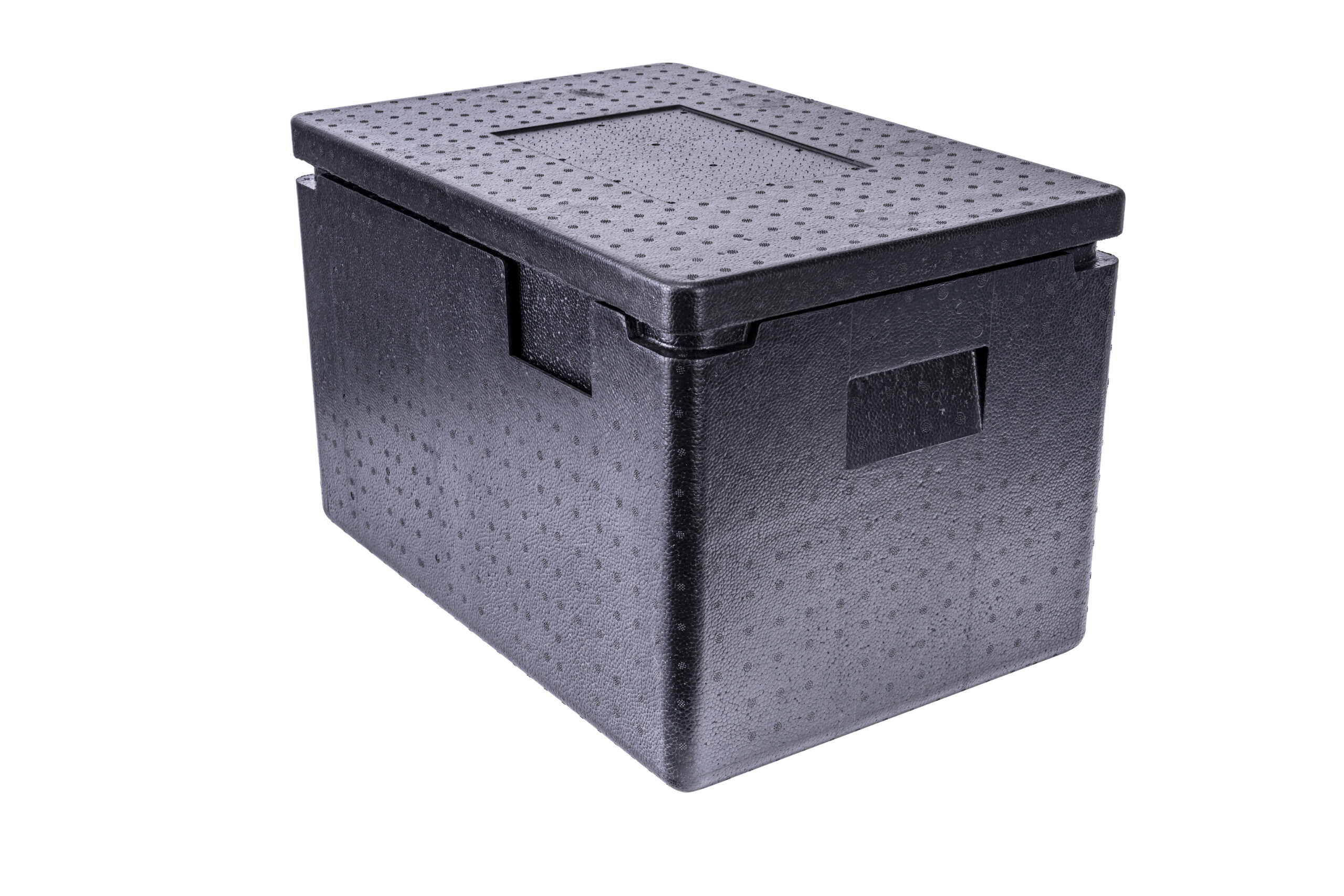
VIP refrigerated box for milk shipping: Practical Selection Guide
A VIP refrigerated box for milk shipping is worth considering when ordinary insulation leaves too little margin for the payload, route, or handling risk. It is not a substitute for route planning, coolant selection, temperature monitoring, or quality review. The right way to buy it is to treat the box as one part of a passive temperature-control system and verify how that system behaves with your actual shipment.
Start with the shipment job, not the box description
The phrase VIP refrigerated box for milk shipping describes a container category, but it does not define the job. The job is defined by the cargo, the required temperature range, the length of exposure, the payload volume, the number of handovers, and the condition in which the shipment will be accepted at receipt. For fresh milk, dairy samples, premium dairy orders, chilled ingredients, and small-batch refrigerated food shipments, those variables can differ sharply from one route to another. A container that works for a short planned delivery may be a poor fit for a delayed parcel lane or a mixed-temperature route.
A practical selection process begins with five pieces of information: what the payload is, how much usable internal space it needs, which temperature range must be protected, how long the shipment may be outside controlled storage, and who will inspect the package at the destination. The term refrigerated should also be interpreted carefully. In many buying searches it means a passive box intended for refrigerated payloads, not a powered unit that actively chills the contents.
This distinction matters because a VIP box slows heat transfer; it does not create a correct temperature by itself. The cold source, the preconditioning method, the payload temperature before packing, the way the lid is closed, and the receiving procedure all influence the final outcome. If those steps are not controlled, higher insulation can hide weak operations until a temperature record or product rejection reveals the problem.
Where VIP insulation helps and where it does not
Vacuum insulated panels are used because removing much of the air from the panel core can reduce convective heat transfer through the insulation layer. In practice, the panel is only one part of the box. Heat can still enter through the lid, seams, corners, latch areas, damaged panels, and air exchanged when the box is opened. That is why the finished container and the packout should be evaluated together.
For fresh milk, dairy samples, premium dairy orders, chilled ingredients, and small-batch refrigerated food shipments, the benefit is usually extra thermal margin in a smaller or lighter package, more usable payload space than some bulky insulation formats, or better protection during short periods of ambient exposure. The risk is treating the VIP label as a promise. A supplier's stated performance should be checked against test conditions, payload assumptions, ambient profile, coolant configuration, and acceptance criteria.
VIP systems also require handling awareness. A punctured or crushed panel can lose performance. A poorly protected edge may become a thermal bridge. A lid that does not close the same way every time can create inconsistent results. These are not reasons to avoid VIP technology; they are reasons to include inspection, training, and sample-to-production consistency in the buying decision.
The most useful mindset is to ask what the insulation is solving. In this topic, the primary risk is confusing insulation with active refrigeration, poor pre-chilling, condensation damage, odor retention, difficult cleaning, insufficient gel pack conditioning, and delayed receiving. If the box does not directly reduce those risks, a simpler insulated container, a refrigerated vehicle, an active container, or a different packout may be more appropriate.
When this type of container is the wrong answer
A VIP refrigerated box for milk shipping is not automatically the safest or most economical choice. It may be the wrong answer when long unrefrigerated lanes, warm loading docks, open package staging, or milk shipped without product-specific food-safety review. It may also be a poor fit if the team needs a disposable sterile barrier, if the customer refuses to return packaging, or if the cold source required for the payload cannot be handled safely in the route.
This negative-fit check is valuable because it prevents overbuying. Some shipments only need a simple insulated liner, a refrigerated vehicle, a thermal pallet cover, or a change in handover procedure. Other shipments need a qualified thermal shipping system with monitoring and documented acceptance criteria. The container should be selected after the risk is defined, not before.
Buyers should ask suppliers to state the intended use as clearly as the product advantages. A helpful supplier can explain what the box is designed to do, what assumptions support its performance, and which conditions require additional testing. That type of boundary-setting is often more useful than a long list of promotional features.
The specifications that actually change the buying decision
A VIP refrigerated box for milk shipping can look technically strong and still fail in a real route if the packout does not match the payload. The internal space must allow the product, coolant, separators, documentation, and any data logger to fit without forcing the lid or placing the product against a warm wall. Buyers should ask for usable volume, not only outside dimensions.
Route exposure should be broken into practical pieces: pre-cooling, packing, first pickup, vehicle transfer, warehouse staging, air or parcel handling, delivery attempt, and receiving inspection. Many excursions occur at these interfaces because responsibility changes hands. The box selection should therefore be connected to route mapping, not only to a nominal shipping duration.
| Buyer checkpoint | What to confirm | Why it affects performance |
|---|---|---|
| Cargo sensitivity | Product-specific temperature and handling limits | Prevents using one packout for incompatible products |
| Route exposure | Expected time outside controlled storage and likely dwell points | Determines thermal margin needed beyond normal transit time |
| Payload fit | Usable volume after coolant, liners, and dividers | Avoids crushing cargo or reducing cooling airflow |
| Coolant plan | Gel pack, PCM, dry ice, or other cold source if appropriate | The box slows heat gain; coolant supplies the thermal energy |
| Evidence | Test report, sample trial, or lane qualification information | Reduces reliance on marketing claims |
The table is deliberately framed as verification rather than guaranteed performance. That is the safest way to compare suppliers. If a supplier can explain the assumptions behind a claim, buyers can decide whether those assumptions resemble their route. If the assumptions are missing, the claim should be treated as a starting point for questions, not a purchase basis.
For short parcel lanes, lab sample moves, local refrigerated delivery, and direct-to-consumer chilled dairy shipments, the receiving process also matters. A well-built box can lose value if the consignee leaves it unopened in a warm area, discards the temperature record, or returns the container without inspection. Include the destination team when the packout is being designed.
Documentation turns a box into a controllable process
For food shipments, packaging decisions are rarely judged only by appearance. The buyer usually needs evidence that the shipment was packed correctly, moved under expected conditions, and received in a state that supports release or acceptance. Food buyers should consider sanitary transportation practices, cleanable surfaces, segregation, leakage control, and temperature practices that prevent the food from becoming unsafe or unacceptable. Organic produce also needs handling discipline that protects organic integrity and avoids contamination with non-organic residues.
A passive VIP container can support this process, but it does not automatically make the shipment compliant, qualified, or acceptable for every market. Compliance depends on the product category, route, carrier, shipper procedures, local regulations, and the quality agreement between parties. This is why cautious wording is important: the box may be suitable for a defined use after review, but it should not be described as universally approved.
Useful documents may include a product specification sheet, material description, cleaning guidance, packout instruction, preconditioning instruction, test summary, logger placement map, receiving checklist, and a process for reporting excursions or damage. For a low-risk food sample, this may be simple. For biologics or vaccines, the documentation burden is often much higher and should be reviewed by the quality team.
The practical goal is not paperwork for its own sake. It is to prevent disputes when confusing insulation with active refrigeration, poor pre-chilling, condensation damage, odor retention, difficult cleaning, insufficient gel pack conditioning, and delayed receiving. A clear process tells the warehouse, carrier, receiver, and purchasing team what must happen before the box is considered ready for repeat use.
What to confirm before scaling from sample to production
For food buyers comparing passive VIP shippers against refrigerated vehicles, insulated bags, and single-use foam boxes, the purchase decision should include operational questions that are easy to overlook during sample comparison. A sample that looks strong on a desk may behave differently after repeated courier handling, cold-room staging, condensation, or return transport.
- Ask whether the supplier can explain the packout for fresh milk, dairy samples, premium dairy orders, chilled ingredients, and small-batch refrigerated food shipments rather than only quote outside dimensions.
- Confirm whether stated performance is based on a specific test profile, payload, coolant quantity, and acceptance criterion.
- Compare internal usable space with the actual payload after coolant, dividers, and monitoring devices are included.
- Review how lids, hinges, seals, corners, and handles survive repeated handling if the container will be reused.
- Define who inspects returned containers and what damage requires repair or removal from service.
- Check whether production units match the approved sample in insulation structure, closure design, material, and labeling area.
These questions are intentionally practical. Buyers do not need every supplier to make the same design choice. They need enough clarity to compare risk. A slightly heavier container may be acceptable if it improves return durability. A more compact box may be better if freight cost matters, but only if coolant and payload still fit without compression. A premium VIP structure may be justified for high-value cargo, but only if the operation can protect the panels during reuse.
Sample approval should also include a change-control expectation. If the supplier later changes panel layout, liner material, latch style, foam insert, or coolant recommendation, the buyer should know before production lots are delivered. For regulated or high-value shipments, even small physical changes may require review.
Practical example: how a buyer can use the checklist
Imagine a dairy QA team sending chilled milk samples to a regional lab while trying to avoid water leakage and odor carryover in reusable boxes. The team may begin by asking for a VIP refrigerated box for milk shipping, but the container name is only the first layer of the decision. They need to decide how much product goes into each shipment, where coolant will be positioned, how the box will be preconditioned, how long it may wait during handover, and what record the receiver must keep.
During the first sample review, the team should pack the container exactly as it would be packed in operation. That means using the real product load or a reasonable thermal equivalent, the actual coolant configuration, the same liner or divider, and the data logger position planned for production. If a courier or warehouse team will handle the shipment, they should be included in the trial because lid-open time and rough handling can change results.
The decision may reveal trade-offs. The VIP box may protect temperature better than a basic foam shipper, but it may need return labels, cleaning space, and a way to replace worn components. A smaller container may reduce freight cost, but if it leaves no room for coolant or creates pressure on the payload, the apparent saving is false. The strongest choice is the one that matches both thermal evidence and daily operating behavior.
Mistakes that create cold-chain risk after the purchase order
Many failures connected with a VIP refrigerated box for milk shipping are not caused by the insulation material itself. They come from decisions made around the box: rushed packing, weak labeling, missing preconditioning, no ownership of returns, or no plan for delayed delivery. These are manageable risks if they are visible early.
- Treating a published hold time as a universal promise instead of asking which ambient profile, payload, and packout were used.
- Ignoring payload temperature before packing. Warm product placed into a passive box can consume thermal capacity quickly.
- Assuming a data logger or GPS tracker protects temperature. Monitoring provides evidence and alerts; it does not replace insulation or coolant.
- Using a reusable box without a return inspection rule. A damaged VIP panel or missing lid component can change performance.
- Choosing outside dimensions before checking usable space. Coolant and internal dividers can reduce payload room significantly.
- Letting the receiving team decide acceptance informally. Receiving checks should be defined before the shipment leaves origin.
The common thread is assumption. A buyer assumes the box will cover route uncertainty, the warehouse assumes the coolant has been conditioned correctly, the courier assumes the consignee will be ready, and the receiver assumes the logger data is someone else's responsibility. For short parcel lanes, lab sample moves, local refrigerated delivery, and direct-to-consumer chilled dairy shipments, each assumption should be converted into a simple step, owner, or acceptance rule.
FAQ
Is a VIP refrigerated box for milk shipping the same as an active refrigerated container?
No. In most cold-chain buying contexts, a VIP box or VIP refrigerated shipping container is a passive insulated package. It slows heat transfer and works with a conditioned payload, coolant, PCM, gel packs, dry ice where appropriate, or a controlled route. It does not actively cool like a powered refrigerator unless a separate active system is specified.
What information should I give a supplier before asking for a quote?
Share the payload type, required temperature range, shipment duration, expected ambient exposure, payload dimensions, route handovers, reuse plan, and receiving requirements. For fresh milk, dairy samples, premium dairy orders, chilled ingredients, and small-batch refrigerated food shipments, the supplier also needs to understand whether the shipment is low-risk, food-related, healthcare-related, or subject to quality review.
Can a VIP container guarantee cold-chain compliance?
No packaging component can guarantee compliance by itself. Compliance depends on product requirements, shipper procedures, carrier handling, monitoring, documentation, and local rules. A VIP container can be part of a compliant or qualified process when it is selected, tested, packed, and used under defined conditions.
How should reusable VIP boxes be inspected?
Returned boxes should be checked for damaged panels, cracked shells, broken latches, dirty liners, missing labels, odor, wet areas, and changes that could affect closure. Inspection rules should be simple enough for warehouse teams to follow, and any damaged unit should be repaired, tested if needed, or removed from service.
What matters most for milk shipping besides temperature?
Hygiene, leakage control, odor control, rapid loading, cleanable surfaces, and receiving inspection all matter. Milk and dairy residues can create practical reuse problems, so a reusable VIP box should include liners, cleaning instructions, and a process for retiring boxes that cannot be cleaned properly.
Conclusion
A VIP refrigerated box for milk shipping should be chosen as a shipment system, not as a standalone object. Start with the payload, required temperature range, route exposure, handovers, coolant plan, and receiving process. Then compare suppliers by evidence, usable volume, packout clarity, and consistency from sample to production.
The strongest decision is usually conservative: verify the claims that affect product safety or acceptance, avoid universal promises, and define how the container will be packed, monitored, received, cleaned, and reused. A better box can create more thermal margin, but only a controlled process turns that margin into reliable cold-chain performance.
About Tempk
Tempk supports cold-chain packaging discussions for buyers who need practical passive thermal protection rather than generic packaging language. For this topic, our role is to help teams review passive insulated box and coolant selection for chilled dairy shipments that need practical temperature protection and clean handling. We can discuss payload size, route exposure, coolant or PCM fit, reusable handling, and what should be verified before a sample or bulk order is approved. The goal is not to claim that one box fits every shipment, but to help you narrow the container and packout that match your real operating conditions.
Share your route, payload, target temperature range, and reuse expectations with Tempk. We can help you compare whether a VIP refrigerated box for milk shipping is a sensible option or whether another passive packaging approach should be reviewed first.
VIP cooler container for veterinary vaccines transport: Practical Selection Guide
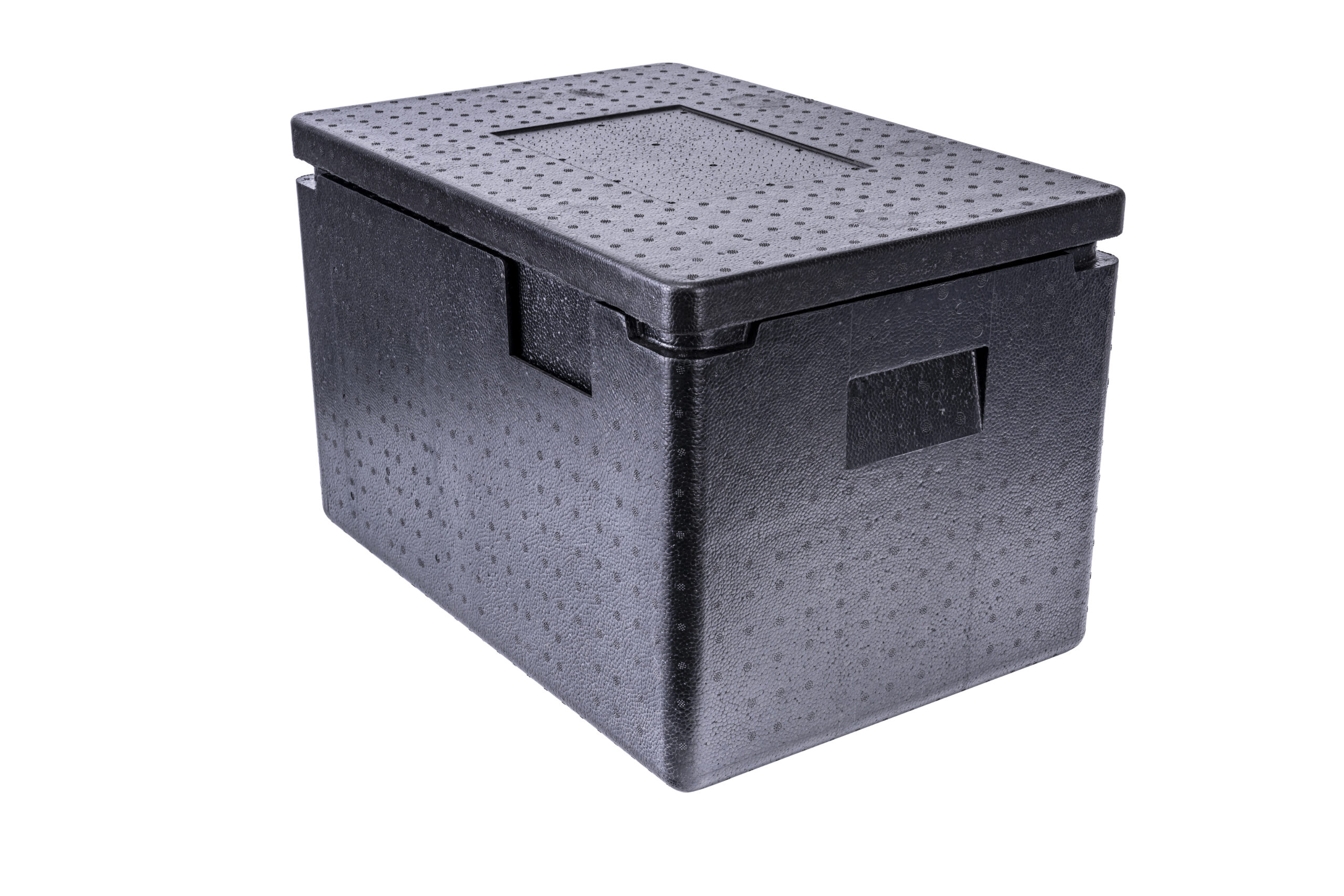
VIP cooler container for veterinary vaccines transport: Practical Selection Guide
A VIP cooler container for veterinary vaccines transport is worth considering when ordinary insulation leaves too little margin for the payload, route, or handling risk. It is not a substitute for route planning, coolant selection, temperature monitoring, or quality review. The right way to buy it is to treat the box as one part of a passive temperature-control system and verify how that system behaves with your actual shipment.
Start with the shipment job, not the box description
The phrase VIP cooler container for veterinary vaccines transport describes a container category, but it does not define the job. The job is defined by the cargo, the required temperature range, the length of exposure, the payload volume, the number of handovers, and the condition in which the shipment will be accepted at receipt. For veterinary vaccines, diluents where applicable, animal-health biologics, and clinic replenishment orders, those variables can differ sharply from one route to another. A container that works for a short planned delivery may be a poor fit for a delayed parcel lane or a mixed-temperature route.
A practical selection process begins with five pieces of information: what the payload is, how much usable internal space it needs, which temperature range must be protected, how long the shipment may be outside controlled storage, and who will inspect the package at the destination. The term refrigerated should also be interpreted carefully. In many buying searches it means a passive box intended for refrigerated payloads, not a powered unit that actively chills the contents.
This distinction matters because a VIP box slows heat transfer; it does not create a correct temperature by itself. The cold source, the preconditioning method, the payload temperature before packing, the way the lid is closed, and the receiving procedure all influence the final outcome. If those steps are not controlled, higher insulation can hide weak operations until a temperature record or product rejection reveals the problem.
Where VIP insulation helps and where it does not
Vacuum insulated panels are used because removing much of the air from the panel core can reduce convective heat transfer through the insulation layer. In practice, the panel is only one part of the box. Heat can still enter through the lid, seams, corners, latch areas, damaged panels, and air exchanged when the box is opened. That is why the finished container and the packout should be evaluated together.
For veterinary vaccines, diluents where applicable, animal-health biologics, and clinic replenishment orders, the benefit is usually extra thermal margin in a smaller or lighter package, more usable payload space than some bulky insulation formats, or better protection during short periods of ambient exposure. The risk is treating the VIP label as a promise. A supplier's stated performance should be checked against test conditions, payload assumptions, ambient profile, coolant configuration, and acceptance criteria.
VIP systems also require handling awareness. A punctured or crushed panel can lose performance. A poorly protected edge may become a thermal bridge. A lid that does not close the same way every time can create inconsistent results. These are not reasons to avoid VIP technology; they are reasons to include inspection, training, and sample-to-production consistency in the buying decision.
The most useful mindset is to ask what the insulation is solving. In this topic, the primary risk is using a food cooler as a vaccine system, freezing sensitive products, mixed-product packing, long door-open time, missing receiving records, and unmanaged handovers. If the box does not directly reduce those risks, a simpler insulated container, a refrigerated vehicle, an active container, or a different packout may be more appropriate.
When this type of container is the wrong answer
A VIP cooler container for veterinary vaccines transport is not automatically the safest or most economical choice. It may be the wrong answer when the vaccine requires a manufacturer-specific shipper, the lane includes extreme ambient exposure, or the packout has not been checked for freezing risk. It may also be a poor fit if the team needs a disposable sterile barrier, if the customer refuses to return packaging, or if the cold source required for the payload cannot be handled safely in the route.
This negative-fit check is valuable because it prevents overbuying. Some shipments only need a simple insulated liner, a refrigerated vehicle, a thermal pallet cover, or a change in handover procedure. Other shipments need a qualified thermal shipping system with monitoring and documented acceptance criteria. The container should be selected after the risk is defined, not before.
Buyers should ask suppliers to state the intended use as clearly as the product advantages. A helpful supplier can explain what the box is designed to do, what assumptions support its performance, and which conditions require additional testing. That type of boundary-setting is often more useful than a long list of promotional features.
The specifications that actually change the buying decision
A VIP cooler container for veterinary vaccines transport can look technically strong and still fail in a real route if the packout does not match the payload. The internal space must allow the product, coolant, separators, documentation, and any data logger to fit without forcing the lid or placing the product against a warm wall. Buyers should ask for usable volume, not only outside dimensions.
Route exposure should be broken into practical pieces: pre-cooling, packing, first pickup, vehicle transfer, warehouse staging, air or parcel handling, delivery attempt, and receiving inspection. Many excursions occur at these interfaces because responsibility changes hands. The box selection should therefore be connected to route mapping, not only to a nominal shipping duration.
| Buyer checkpoint | What to confirm | Why it affects performance |
|---|---|---|
| Cargo sensitivity | Product-specific temperature and handling limits | Prevents using one packout for incompatible products |
| Route exposure | Expected time outside controlled storage and likely dwell points | Determines thermal margin needed beyond normal transit time |
| Payload fit | Usable volume after coolant, liners, and dividers | Avoids crushing cargo or reducing cooling airflow |
| Coolant plan | Gel pack, PCM, dry ice, or other cold source if appropriate | The box slows heat gain; coolant supplies the thermal energy |
| Evidence | Test report, sample trial, or lane qualification information | Reduces reliance on marketing claims |
The table is deliberately framed as verification rather than guaranteed performance. That is the safest way to compare suppliers. If a supplier can explain the assumptions behind a claim, buyers can decide whether those assumptions resemble their route. If the assumptions are missing, the claim should be treated as a starting point for questions, not a purchase basis.
For warehouse-to-clinic delivery, rural veterinary routes, distributor transfer, and field vaccination programs, the receiving process also matters. A well-built box can lose value if the consignee leaves it unopened in a warm area, discards the temperature record, or returns the container without inspection. Include the destination team when the packout is being designed.
Documentation turns a box into a controllable process
For healthcare and life-science shipments, packaging decisions are rarely judged only by appearance. The buyer usually needs evidence that the shipment was packed correctly, moved under expected conditions, and received in a state that supports release or acceptance. Quality teams may expect documented temperature conditions, deviation procedures, route-risk review, and monitoring records. Air cargo may also involve time-and-temperature sensitive labels and acceptance checks when shipments are booked under healthcare cargo services.
A passive VIP container can support this process, but it does not automatically make the shipment compliant, qualified, or acceptable for every market. Compliance depends on the product category, route, carrier, shipper procedures, local regulations, and the quality agreement between parties. This is why cautious wording is important: the box may be suitable for a defined use after review, but it should not be described as universally approved.
Useful documents may include a product specification sheet, material description, cleaning guidance, packout instruction, preconditioning instruction, test summary, logger placement map, receiving checklist, and a process for reporting excursions or damage. For a low-risk food sample, this may be simple. For biologics or vaccines, the documentation burden is often much higher and should be reviewed by the quality team.
The practical goal is not paperwork for its own sake. It is to prevent disputes when using a food cooler as a vaccine system, freezing sensitive products, mixed-product packing, long door-open time, missing receiving records, and unmanaged handovers. A clear process tells the warehouse, carrier, receiver, and purchasing team what must happen before the box is considered ready for repeat use.
What to confirm before scaling from sample to production
For animal-health buyers who need supplier questions around temperature range, coolant selection, packout maps, and documentation, the purchase decision should include operational questions that are easy to overlook during sample comparison. A sample that looks strong on a desk may behave differently after repeated courier handling, cold-room staging, condensation, or return transport.
- Ask whether the supplier can explain the packout for veterinary vaccines, diluents where applicable, animal-health biologics, and clinic replenishment orders rather than only quote outside dimensions.
- Confirm whether stated performance is based on a specific test profile, payload, coolant quantity, and acceptance criterion.
- Compare internal usable space with the actual payload after coolant, dividers, and monitoring devices are included.
- Review how lids, hinges, seals, corners, and handles survive repeated handling if the container will be reused.
- Define who inspects returned containers and what damage requires repair or removal from service.
- Check whether production units match the approved sample in insulation structure, closure design, material, and labeling area.
These questions are intentionally practical. Buyers do not need every supplier to make the same design choice. They need enough clarity to compare risk. A slightly heavier container may be acceptable if it improves return durability. A more compact box may be better if freight cost matters, but only if coolant and payload still fit without compression. A premium VIP structure may be justified for high-value cargo, but only if the operation can protect the panels during reuse.
Sample approval should also include a change-control expectation. If the supplier later changes panel layout, liner material, latch style, foam insert, or coolant recommendation, the buyer should know before production lots are delivered. For regulated or high-value shipments, even small physical changes may require review.
Practical example: how a buyer can use the checklist
Imagine a distributor shipping mixed veterinary vaccine orders to several clinics over a route with one depot stop and two receiving windows. The team may begin by asking for a VIP cooler container for veterinary vaccines transport, but the container name is only the first layer of the decision. They need to decide how much product goes into each shipment, where coolant will be positioned, how the box will be preconditioned, how long it may wait during handover, and what record the receiver must keep.
During the first sample review, the team should pack the container exactly as it would be packed in operation. That means using the real product load or a reasonable thermal equivalent, the actual coolant configuration, the same liner or divider, and the data logger position planned for production. If a courier or warehouse team will handle the shipment, they should be included in the trial because lid-open time and rough handling can change results.
The decision may reveal trade-offs. The VIP box may protect temperature better than a basic foam shipper, but it may need return labels, cleaning space, and a way to replace worn components. A smaller container may reduce freight cost, but if it leaves no room for coolant or creates pressure on the payload, the apparent saving is false. The strongest choice is the one that matches both thermal evidence and daily operating behavior.
Mistakes that create cold-chain risk after the purchase order
Many failures connected with a VIP cooler container for veterinary vaccines transport are not caused by the insulation material itself. They come from decisions made around the box: rushed packing, weak labeling, missing preconditioning, no ownership of returns, or no plan for delayed delivery. These are manageable risks if they are visible early.
- Treating a published hold time as a universal promise instead of asking which ambient profile, payload, and packout were used.
- Ignoring payload temperature before packing. Warm product placed into a passive box can consume thermal capacity quickly.
- Assuming a data logger or GPS tracker protects temperature. Monitoring provides evidence and alerts; it does not replace insulation or coolant.
- Using a reusable box without a return inspection rule. A damaged VIP panel or missing lid component can change performance.
- Choosing outside dimensions before checking usable space. Coolant and internal dividers can reduce payload room significantly.
- Letting the receiving team decide acceptance informally. Receiving checks should be defined before the shipment leaves origin.
The common thread is assumption. A buyer assumes the box will cover route uncertainty, the warehouse assumes the coolant has been conditioned correctly, the courier assumes the consignee will be ready, and the receiver assumes the logger data is someone else's responsibility. For warehouse-to-clinic delivery, rural veterinary routes, distributor transfer, and field vaccination programs, each assumption should be converted into a simple step, owner, or acceptance rule.
FAQ
Is a VIP cooler container for veterinary vaccines transport the same as an active refrigerated container?
No. In most cold-chain buying contexts, a VIP box or VIP refrigerated shipping container is a passive insulated package. It slows heat transfer and works with a conditioned payload, coolant, PCM, gel packs, dry ice where appropriate, or a controlled route. It does not actively cool like a powered refrigerator unless a separate active system is specified.
What information should I give a supplier before asking for a quote?
Share the payload type, required temperature range, shipment duration, expected ambient exposure, payload dimensions, route handovers, reuse plan, and receiving requirements. For veterinary vaccines, diluents where applicable, animal-health biologics, and clinic replenishment orders, the supplier also needs to understand whether the shipment is low-risk, food-related, healthcare-related, or subject to quality review.
Can a VIP container guarantee cold-chain compliance?
No packaging component can guarantee compliance by itself. Compliance depends on product requirements, shipper procedures, carrier handling, monitoring, documentation, and local rules. A VIP container can be part of a compliant or qualified process when it is selected, tested, packed, and used under defined conditions.
How should reusable VIP boxes be inspected?
Returned boxes should be checked for damaged panels, cracked shells, broken latches, dirty liners, missing labels, odor, wet areas, and changes that could affect closure. Inspection rules should be simple enough for warehouse teams to follow, and any damaged unit should be repaired, tested if needed, or removed from service.
What is the safest way to compare two suppliers?
Ask both suppliers to explain test assumptions, payload fit, material structure, sample-to-production consistency, cleaning or reuse guidance, and what they will not claim without route data. The clearer answer is often more valuable than the strongest marketing statement.
Conclusion
A VIP cooler container for veterinary vaccines transport should be chosen as a shipment system, not as a standalone object. Start with the payload, required temperature range, route exposure, handovers, coolant plan, and receiving process. Then compare suppliers by evidence, usable volume, packout clarity, and consistency from sample to production.
The strongest decision is usually conservative: verify the claims that affect product safety or acceptance, avoid universal promises, and define how the container will be packed, monitored, received, cleaned, and reused. A better box can create more thermal margin, but only a controlled process turns that margin into reliable cold-chain performance.
About Tempk
Tempk supports cold-chain packaging discussions for buyers who need practical passive thermal protection rather than generic packaging language. For this topic, our role is to help teams review VIP cooler-box selection for veterinary vaccine routes where payload, coolant, and receiving discipline must be aligned. We can discuss payload size, route exposure, coolant or PCM fit, reusable handling, and what should be verified before a sample or bulk order is approved. The goal is not to claim that one box fits every shipment, but to help you narrow the container and packout that match your real operating conditions.
Share your route, payload, target temperature range, and reuse expectations with Tempk. We can help you compare whether a VIP cooler container for veterinary vaccines transport is a sensible option or whether another passive packaging approach should be reviewed first.
VIP box for payload protection: Practical Selection Guide
VIP box for payload protection: Practical Selection Guide
A VIP box for payload protection is worth considering when ordinary insulation leaves too little margin for the payload, route, or handling risk. It is not a substitute for route planning, coolant selection, temperature monitoring, or quality review. The right way to buy it is to treat the box as one part of a passive temperature-control system and verify how that system behaves with your actual shipment.
Start with the shipment job, not the box description
The phrase VIP box for payload protection describes a container category, but it does not define the job. The job is defined by the cargo, the required temperature range, the length of exposure, the payload volume, the number of handovers, and the condition in which the shipment will be accepted at receipt. For high-value samples, lab kits, sensitive instruments, temperature-sensitive components, and specialty food or healthcare shipments, those variables can differ sharply from one route to another. A container that works for a short planned delivery may be a poor fit for a delayed parcel lane or a mixed-temperature route.
A practical selection process begins with five pieces of information: what the payload is, how much usable internal space it needs, which temperature range must be protected, how long the shipment may be outside controlled storage, and who will inspect the package at the destination. The term refrigerated should also be interpreted carefully. In many buying searches it means a passive box intended for refrigerated payloads, not a powered unit that actively chills the contents.
This distinction matters because a VIP box slows heat transfer; it does not create a correct temperature by itself. The cold source, the preconditioning method, the payload temperature before packing, the way the lid is closed, and the receiving procedure all influence the final outcome. If those steps are not controlled, higher insulation can hide weak operations until a temperature record or product rejection reveals the problem.
Where VIP insulation helps and where it does not
Vacuum insulated panels are used because removing much of the air from the panel core can reduce convective heat transfer through the insulation layer. In practice, the panel is only one part of the box. Heat can still enter through the lid, seams, corners, latch areas, damaged panels, and air exchanged when the box is opened. That is why the finished container and the packout should be evaluated together.
For high-value samples, lab kits, sensitive instruments, temperature-sensitive components, and specialty food or healthcare shipments, the benefit is usually extra thermal margin in a smaller or lighter package, more usable payload space than some bulky insulation formats, or better protection during short periods of ambient exposure. The risk is treating the VIP label as a promise. A supplier's stated performance should be checked against test conditions, payload assumptions, ambient profile, coolant configuration, and acceptance criteria.
VIP systems also require handling awareness. A punctured or crushed panel can lose performance. A poorly protected edge may become a thermal bridge. A lid that does not close the same way every time can create inconsistent results. These are not reasons to avoid VIP technology; they are reasons to include inspection, training, and sample-to-production consistency in the buying decision.
The most useful mindset is to ask what the insulation is solving. In this topic, the primary risk is oversized coolant crushing payloads, thermal bridges around lids, poor internal fit, condensation on labels or instruments, rough handling, and unclear receiving inspection. If the box does not directly reduce those risks, a simpler insulated container, a refrigerated vehicle, an active container, or a different packout may be more appropriate.
When this type of container is the wrong answer
A VIP box for payload protection is not automatically the safest or most economical choice. It may be the wrong answer when the main risk is mechanical shock beyond the box design, sterile barrier integrity, hazardous goods compliance, or active temperature control. It may also be a poor fit if the team needs a disposable sterile barrier, if the customer refuses to return packaging, or if the cold source required for the payload cannot be handled safely in the route.
This negative-fit check is valuable because it prevents overbuying. Some shipments only need a simple insulated liner, a refrigerated vehicle, a thermal pallet cover, or a change in handover procedure. Other shipments need a qualified thermal shipping system with monitoring and documented acceptance criteria. The container should be selected after the risk is defined, not before.
Buyers should ask suppliers to state the intended use as clearly as the product advantages. A helpful supplier can explain what the box is designed to do, what assumptions support its performance, and which conditions require additional testing. That type of boundary-setting is often more useful than a long list of promotional features.
The specifications that actually change the buying decision
A VIP box for payload protection can look technically strong and still fail in a real route if the packout does not match the payload. The internal space must allow the product, coolant, separators, documentation, and any data logger to fit without forcing the lid or placing the product against a warm wall. Buyers should ask for usable volume, not only outside dimensions.
Route exposure should be broken into practical pieces: pre-cooling, packing, first pickup, vehicle transfer, warehouse staging, air or parcel handling, delivery attempt, and receiving inspection. Many excursions occur at these interfaces because responsibility changes hands. The box selection should therefore be connected to route mapping, not only to a nominal shipping duration.
| Buyer checkpoint | What to confirm | Why it affects performance |
|---|---|---|
| Cargo sensitivity | Product-specific temperature and handling limits | Prevents using one packout for incompatible products |
| Route exposure | Expected time outside controlled storage and likely dwell points | Determines thermal margin needed beyond normal transit time |
| Payload fit | Usable volume after coolant, liners, and dividers | Avoids crushing cargo or reducing cooling airflow |
| Coolant plan | Gel pack, PCM, dry ice, or other cold source if appropriate | The box slows heat gain; coolant supplies the thermal energy |
| Evidence | Test report, sample trial, or lane qualification information | Reduces reliance on marketing claims |
The table is deliberately framed as verification rather than guaranteed performance. That is the safest way to compare suppliers. If a supplier can explain the assumptions behind a claim, buyers can decide whether those assumptions resemble their route. If the assumptions are missing, the claim should be treated as a starting point for questions, not a purchase basis.
For parcel networks, sales sample shipping, laboratory transfers, air cargo, and regional distributor deliveries, the receiving process also matters. A well-built box can lose value if the consignee leaves it unopened in a warm area, discards the temperature record, or returns the container without inspection. Include the destination team when the packout is being designed.
Documentation turns a box into a controllable process
For temperature-sensitive shipments, packaging decisions are rarely judged only by appearance. The buyer usually needs evidence that the shipment was packed correctly, moved under expected conditions, and received in a state that supports release or acceptance. Documentation does not have to be complex for every lane, but it should be proportional to risk. The higher the value or sensitivity of the payload, the more important it becomes to record the packout, temperature evidence, handovers, and deviation response.
A passive VIP container can support this process, but it does not automatically make the shipment compliant, qualified, or acceptable for every market. Compliance depends on the product category, route, carrier, shipper procedures, local regulations, and the quality agreement between parties. This is why cautious wording is important: the box may be suitable for a defined use after review, but it should not be described as universally approved.
Useful documents may include a product specification sheet, material description, cleaning guidance, packout instruction, preconditioning instruction, test summary, logger placement map, receiving checklist, and a process for reporting excursions or damage. For a low-risk food sample, this may be simple. For biologics or vaccines, the documentation burden is often much higher and should be reviewed by the quality team.
The practical goal is not paperwork for its own sake. It is to prevent disputes when oversized coolant crushing payloads, thermal bridges around lids, poor internal fit, condensation on labels or instruments, rough handling, and unclear receiving inspection. A clear process tells the warehouse, carrier, receiver, and purchasing team what must happen before the box is considered ready for repeat use.
What to confirm before scaling from sample to production
For buyers deciding how much internal protection, divider design, label area, and temperature buffer they need before scaling orders, the purchase decision should include operational questions that are easy to overlook during sample comparison. A sample that looks strong on a desk may behave differently after repeated courier handling, cold-room staging, condensation, or return transport.
- Ask whether the supplier can explain the packout for high-value samples, lab kits, sensitive instruments, temperature-sensitive components, and specialty food or healthcare shipments rather than only quote outside dimensions.
- Confirm whether stated performance is based on a specific test profile, payload, coolant quantity, and acceptance criterion.
- Compare internal usable space with the actual payload after coolant, dividers, and monitoring devices are included.
- Review how lids, hinges, seals, corners, and handles survive repeated handling if the container will be reused.
- Define who inspects returned containers and what damage requires repair or removal from service.
- Check whether production units match the approved sample in insulation structure, closure design, material, and labeling area.
These questions are intentionally practical. Buyers do not need every supplier to make the same design choice. They need enough clarity to compare risk. A slightly heavier container may be acceptable if it improves return durability. A more compact box may be better if freight cost matters, but only if coolant and payload still fit without compression. A premium VIP structure may be justified for high-value cargo, but only if the operation can protect the panels during reuse.
Sample approval should also include a change-control expectation. If the supplier later changes panel layout, liner material, latch style, foam insert, or coolant recommendation, the buyer should know before production lots are delivered. For regulated or high-value shipments, even small physical changes may require review.
Practical example: how a buyer can use the checklist
Imagine a laboratory supplier shipping calibrated sample kits where broken vials, wet labels, and temperature exposure would all create rejection risk. The team may begin by asking for a VIP box for payload protection, but the container name is only the first layer of the decision. They need to decide how much product goes into each shipment, where coolant will be positioned, how the box will be preconditioned, how long it may wait during handover, and what record the receiver must keep.
During the first sample review, the team should pack the container exactly as it would be packed in operation. That means using the real product load or a reasonable thermal equivalent, the actual coolant configuration, the same liner or divider, and the data logger position planned for production. If a courier or warehouse team will handle the shipment, they should be included in the trial because lid-open time and rough handling can change results.
The decision may reveal trade-offs. The VIP box may protect temperature better than a basic foam shipper, but it may need return labels, cleaning space, and a way to replace worn components. A smaller container may reduce freight cost, but if it leaves no room for coolant or creates pressure on the payload, the apparent saving is false. The strongest choice is the one that matches both thermal evidence and daily operating behavior.
Mistakes that create cold-chain risk after the purchase order
Many failures connected with a VIP box for payload protection are not caused by the insulation material itself. They come from decisions made around the box: rushed packing, weak labeling, missing preconditioning, no ownership of returns, or no plan for delayed delivery. These are manageable risks if they are visible early.
- Treating a published hold time as a universal promise instead of asking which ambient profile, payload, and packout were used.
- Ignoring payload temperature before packing. Warm product placed into a passive box can consume thermal capacity quickly.
- Assuming a data logger or GPS tracker protects temperature. Monitoring provides evidence and alerts; it does not replace insulation or coolant.
- Using a reusable box without a return inspection rule. A damaged VIP panel or missing lid component can change performance.
- Choosing outside dimensions before checking usable space. Coolant and internal dividers can reduce payload room significantly.
- Letting the receiving team decide acceptance informally. Receiving checks should be defined before the shipment leaves origin.
The common thread is assumption. A buyer assumes the box will cover route uncertainty, the warehouse assumes the coolant has been conditioned correctly, the courier assumes the consignee will be ready, and the receiver assumes the logger data is someone else's responsibility. For parcel networks, sales sample shipping, laboratory transfers, air cargo, and regional distributor deliveries, each assumption should be converted into a simple step, owner, or acceptance rule.
FAQ
Is a VIP box for payload protection the same as an active refrigerated container?
No. In most cold-chain buying contexts, a VIP box or VIP refrigerated shipping container is a passive insulated package. It slows heat transfer and works with a conditioned payload, coolant, PCM, gel packs, dry ice where appropriate, or a controlled route. It does not actively cool like a powered refrigerator unless a separate active system is specified.
What information should I give a supplier before asking for a quote?
Share the payload type, required temperature range, shipment duration, expected ambient exposure, payload dimensions, route handovers, reuse plan, and receiving requirements. For high-value samples, lab kits, sensitive instruments, temperature-sensitive components, and specialty food or healthcare shipments, the supplier also needs to understand whether the shipment is low-risk, food-related, healthcare-related, or subject to quality review.
Can a VIP container guarantee cold-chain compliance?
No packaging component can guarantee compliance by itself. Compliance depends on product requirements, shipper procedures, carrier handling, monitoring, documentation, and local rules. A VIP container can be part of a compliant or qualified process when it is selected, tested, packed, and used under defined conditions.
How should reusable VIP boxes be inspected?
Returned boxes should be checked for damaged panels, cracked shells, broken latches, dirty liners, missing labels, odor, wet areas, and changes that could affect closure. Inspection rules should be simple enough for warehouse teams to follow, and any damaged unit should be repaired, tested if needed, or removed from service.
What is the safest way to compare two suppliers?
Ask both suppliers to explain test assumptions, payload fit, material structure, sample-to-production consistency, cleaning or reuse guidance, and what they will not claim without route data. The clearer answer is often more valuable than the strongest marketing statement.
Conclusion
A VIP box for payload protection should be chosen as a shipment system, not as a standalone object. Start with the payload, required temperature range, route exposure, handovers, coolant plan, and receiving process. Then compare suppliers by evidence, usable volume, packout clarity, and consistency from sample to production.
The strongest decision is usually conservative: verify the claims that affect product safety or acceptance, avoid universal promises, and define how the container will be packed, monitored, received, cleaned, and reused. A better box can create more thermal margin, but only a controlled process turns that margin into reliable cold-chain performance.
About Tempk
Tempk supports cold-chain packaging discussions for buyers who need practical passive thermal protection rather than generic packaging language. For this topic, our role is to help teams review helping buyers evaluate passive insulated boxes as part of a broader payload-protection plan. We can discuss payload size, route exposure, coolant or PCM fit, reusable handling, and what should be verified before a sample or bulk order is approved. The goal is not to claim that one box fits every shipment, but to help you narrow the container and packout that match your real operating conditions.
Share your route, payload, target temperature range, and reuse expectations with Tempk. We can help you compare whether a VIP box for payload protection is a sensible option or whether another passive packaging approach should be reviewed first.
vacuum panel box for life science packaging: Practical Selection Guide

vacuum panel box for life science packaging: How to Choose a Defensible Shipping Setup
A receiving team rarely rejects a shipment because the carton looked ordinary; it rejects it because the handling record, temperature evidence, or product condition no longer supports release. A vacuum panel box for life science packaging can be a strong option for life science packaging when the packaging plan starts with the product requirement and ends with a repeatable receiving process. Life science materials may require different conditions even when they look similar on a packing list; confirm the protocol, product insert, or study requirement before selecting packaging. This edited version focuses on the practical decision path: requirement, route, payload, packout, monitoring, and supplier evidence. The goal is not to assume that VIP insulation solves every problem, but to help you ask better questions before the first shipment leaves the dock.
Decision answer: choose the vacuum panel box for life science packaging only when it fits the product requirement, route risk, payload geometry, coolant plan, monitoring objective, and receiving procedure. A VIP design is not a standalone guarantee; it is a component in a controlled shipping process.
Start with the risk you are trying to control
The risk behind life science packaging is rarely one-dimensional. the main risk is assuming one insulated box can cover every material, temperature range, documentation need, and lane exposure. A vacuum panel box for life science packaging is useful only when that risk has been translated into a requirement: product condition, route exposure, payload size, monitoring need, and receiving action. Without those inputs, the buyer is selecting a container by appearance and hope.
Write the risk in plain language. For example: 'protect the payload from warming during an overnight route with two handovers,' or 'avoid direct freezing while keeping a refrigerated condition through parcel delivery.' This wording makes it easier to choose coolant, sensor placement, and packout controls. It also gives suppliers a better basis for recommendation.
The decision should also define what counts as acceptable evidence. A visual check may be enough for some low-risk goods. A temperature record, packing record, and quality review may be necessary for regulated, high-value, or patient-related shipments.
Evaluate the container without relying on brochure claims
| Decision point | Good evidence to request | How to use the answer |
|---|---|---|
| Temperature requirement | Product instruction, protocol, or quality-approved shipping range. | Use it to choose coolant and acceptance criteria. |
| Route exposure | Lane map, seasonal risk, handover points, and expected dwell time. | Use it to judge whether the test profile is relevant. |
| Payload fit | Usable internal layout with coolant and monitoring included. | Avoid overfilling or excessive air space. |
| Packout evidence | Written configuration, sensor location, and test assumptions. | Turn a sample into a repeatable operation. |
| Supplier change control | How component or design changes are communicated. | Protect routine shipments from silent specification drift. |
The purpose of this table is to turn a product conversation into an evidence conversation. A vacuum panel box for life science packaging can sound impressive, but the buyer still needs to know what was tested, what was assumed, and what remains to be confirmed. If the supplier's answer is vague, treat the claim as unverified until the lane is reviewed.
For life science packaging, the most useful evidence connects the payload, coolant, ambient profile, and acceptance criteria. Evidence from a different payload or route may still be informative, but it should not be copied into your quality file without review.
Packout is the operating system
A passive container has no compressor or active control loop. The packout acts as the operating system. It determines where the coolant sits, how the payload is separated, how the lid is closed, where the logger is placed, and how quickly the shipment moves from packing to pickup. Small changes can matter. A missing separator, a warmer starting payload, or an extended staging period may change the temperature story.
A good packout for life science packaging should be clear enough for a new worker to follow. Photos, orientation marks, coolant counts, conditioning instructions, and receiving steps can reduce variation. The buyer should ask whether the supplier can help translate the design into a routine packing instruction rather than leaving operators to improvise.
When a data logger or IoT sensor is used, its role should be written into the plan. The logger documents conditions; it does not protect the payload. Real-time alerts can support intervention, but only if someone is responsible for receiving the alert and taking action.
When VIP is a strong fit and when it is not
A VIP solution is a strong candidate when payload space is valuable, route exposure is meaningful, and the buyer needs a compact insulated design with disciplined handling. It can also fit high-value lanes where a smaller box footprint or stronger thermal resistance supports operational goals. For research materials, reagents, biologics, specimens, and other life science products with defined handling requirements, the fit improves when the temperature range, packout, and receiving criteria are well defined.
It may not be the right first choice when the shipment is low value, the route is very short and controlled, the return loop cannot protect the panels, or the team cannot repeat the packout. It may also be unsuitable if the payload has incompatible temperature needs or if dry ice, PCM, or gel packs are chosen without testing. VIP insulation is powerful, but it is not a substitute for process control.
This balanced view helps procurement avoid both under-buying and over-buying. The goal is not the most advanced container on paper. The goal is the most defensible system for the shipment's risk.
Receiving and change-control details buyers often miss
Receiving is part of the cold chain, not an administrative afterthought. The destination team should know when to open the box, how to read the logger, what condition to check, how to document exceptions, and who decides whether the shipment can be accepted. A well-designed container cannot compensate for a receiving process that leaves the payload waiting in an uncontrolled area.
For life science packaging, change control should also be explicit. If the payload changes, if the route changes, if a carrier is replaced, if the coolant source changes, or if the box design is modified, the original assumptions may no longer apply. Buyers should ask suppliers how they communicate product or component changes and what review is recommended before continued use.
This is especially important for repeat shipments. The first shipment may be watched closely; the hundredth shipment depends on routine discipline. Documentation, inspection, and feedback loops keep the system from drifting.
A short approval path for B2B buyers
Do not treat a supplier's catalog as a quality file. Catalogs help shortlist options, but routine use should be supported by the buyer's own requirements, supplier evidence, internal approval, and route-specific judgement. This is especially important where release decisions depend on traceable records.
Training is often overlooked. The best packout document is the one staff can follow without interpretation. If the loading sequence, coolant orientation, logger placement, or closure method can be misunderstood, add photos or labels. For life science packaging, clarity often protects performance as much as material selection does.
Cost should be evaluated as risk-adjusted cost. A lower-cost container can be appropriate for controlled, low-risk shipments. A higher-cost VIP design may be reasonable when payload value, rejection risk, freight space, or documentation demands justify it. The point is to compare total operating risk, not only purchase price.
Pre-shipment review and change control
A pre-shipment review should also decide what information must travel with the load. For life science packaging, that may include a packing record, logger ID, product lot, required condition, handover note, or receiving checklist. The goal is to remove uncertainty when the shipment arrives, because a good container is less useful if the destination team does not know how to interpret it.
Buyers should review the route after the first few shipments rather than assuming the first approval ends the work. If the vacuum panel box for life science packaging repeatedly returns with condensation, difficult unpacking, damaged corners, unexpected logger patterns, or receiver questions, those findings should be used to refine the packout or the supplier conversation. Practical cold-chain control improves through feedback, not only through the initial purchase order.
Component consistency is another practical concern. A change in liner, panel source, closure, coolant pack, divider, or outer carton can alter daily use. The buyer does not need to reject every change, but should know when a change requires review. This is especially important for repeatable B2B lanes where quality teams expect traceability and controlled decisions.
The packaging team should also define damage inspection rules. For life science packaging, a box may be rejected from reuse because of cracked corners, crushed panel areas, damaged hinges, loose closures, odor, residue, or signs that the panel envelope has been compromised. These rules protect the shipment and prevent operators from guessing under pressure.
Finally, the buying team should keep the language in supplier documents precise. Terms such as refrigerated, validated, qualified, reusable, and compliant can mean different things unless the evidence and limits are stated. A careful buyer asks what was tested, under what conditions, with which payload, and what still needs internal approval.
A receiving checklist should be written before the first shipment, not after a dispute. For life science packaging, the checklist can state who opens the container, who retrieves the logger, what visual condition is recorded, how exceptions are escalated, and where the shipment waits while the decision is made. This protects the value of the packaging investment.
FAQ
Is a vacuum panel box for life science packaging automatically qualified for my shipment?
No. A vacuum panel box for life science packaging may be a strong component, but suitability depends on the required product condition, route, payload, coolant configuration, monitoring plan, and receiving process. Ask for evidence that matches your lane or plan an internal review before routine use.
Does VIP insulation replace gel packs, PCM packs, or dry ice?
No. VIP insulation slows heat transfer through the container wall. It does not create the required temperature condition by itself. Coolant or refrigerant selection still depends on the product requirement, payload mass, route exposure, and whether the product must avoid direct contact or freezing.
What should I ask a supplier before ordering samples?
Share the product condition, payload size, route duration, ambient risk, handover pattern, and documentation need. Then ask what test evidence, packout instructions, sensor placement guidance, and limitations apply. This conversation is more useful than asking only for a box size and a price.
Can I use the same packout for different products?
Sometimes, but it should not be assumed. Different products may have different starting temperatures, payload masses, shapes, acceptable ranges, and sensitivity to freezing or warming. A packout that works for one product may need review before it is used for another.
Where should the temperature logger be placed?
Logger placement should match the monitoring objective. A logger near the payload can better represent product exposure, while a logger near a lid or wall may show external handling effects. The quality or operations team should define placement before the shipment is reviewed.
Operational details that protect repeatability
Repeatability is the difference between a promising sample and a working lane. A vacuum panel box for life science packaging should be evaluated with the people who will actually pack, move, receive, and review the shipment. If they cannot repeat the coolant conditioning, payload orientation, logger placement, and closing step, the design needs simplification before it scales.
For life science packaging, a clean instruction can prevent avoidable deviations. It should show the packout sequence, identify components by name, explain what to do if a component is missing or damaged, and state when the shipment should not be released. The instruction should also make clear whether the container is single-use, reusable, returnable, or subject to inspection before reuse.
This operational layer is not paperwork for its own sake. It protects the buyer from silent variation. When each shipment is packed and reviewed the same way, temperature data becomes easier to interpret and supplier conversations become more precise.
Conclusion
The safest buying decision is not the most expensive box or the longest advertised duration. For life science packaging, the right decision is the packaging system that fits the product, lane, payload, documentation need, and operating team. Use the container specification as one input, then verify the packout and the process before scaling.
About Tempk
Tempk works with cold-chain packaging for food, pharmaceutical, medical, and logistics applications, including gel ice packs, PCM-related cooling packs, EPP insulated boxes, cold shipping boxes, insulated liners, and pallet protection solutions. For life science packaging, the useful starting point is to share your payload type, required condition, route, expected handling time, and documentation needs so the packaging recommendation can be matched to the real shipment.
Before moving from sample to routine shipping, ask Tempk for a practical packout discussion based on your payload, lane, and receiving process.
vacuum insulation panel box for fresh flower shipping: Practical Selection Guide
vacuum insulation panel box for fresh flower shipping: How to Choose a Defensible Shipping Setup
A box choice becomes a cold-chain decision the moment the payload can lose value before anyone sees visible damage. A vacuum insulation panel box for fresh flower shipping can be a strong option for fresh flower shipping when the packaging plan starts with the product requirement and ends with a repeatable receiving process. Fresh flowers usually need cool, stable handling without freezing injury, but the target condition depends on the flower type, harvest stage, transit time, and destination handling. This edited version focuses on the practical decision path: requirement, route, payload, packout, monitoring, and supplier evidence. The goal is not to assume that VIP insulation solves every problem, but to help you ask better questions before the first shipment leaves the dock.
Decision answer: choose the vacuum insulation panel box for fresh flower shipping only when it fits the product requirement, route risk, payload geometry, coolant plan, monitoring objective, and receiving procedure. A VIP design is not a standalone guarantee; it is a component in a controlled shipping process.
Map the journey before selecting the container
A vacuum insulation panel box for fresh flower shipping should be chosen after the journey is mapped from preparation to receipt. The map should include preconditioning, packing time, pickup window, carrier handover, air or ground transfer, destination receiving, and any planned or unplanned waiting. This is where many cold-chain plans become more realistic.
For fresh flower shipping, the most vulnerable step may not be the longest step. flowers can lose value through condensation, dehydration, bruising, petal damage, stem stress, or warming during handover before a temperature alarm appears. A short wait in a hot loading area or a delayed receiving appointment can create more risk than hours in a controlled vehicle. Mapping the journey helps buyers ask for the right packout evidence.
The map should also mark who owns each step. Packaging, logistics, quality, and receiving teams may each control a different part of the risk. A container selection made by procurement alone can miss this ownership structure.
Turn requirements into a packaging brief
A packaging brief is a short document that tells suppliers what problem the shipment needs to solve. For fresh flower shipping, it should include payload description, required condition, route duration, ambient exposure, quantity, internal dimension needs, monitoring expectations, and receiving process. The brief does not need to be long; it needs to be specific.
The brief should avoid unsupported assumptions. Do not write that the shipment needs a fixed hold time unless the route, ambient profile, payload, and acceptance criteria have been defined. Do not write that a solution must be compliant with every market. Instead, state the quality or regulatory review process that applies to your shipment and ask what evidence the supplier can provide.
This approach helps a supplier recommend a VIP, EPP, PU, EPS, PCM, gel pack, active container, or hybrid solution based on evidence rather than product category alone.
Evidence checkpoints for procurement and quality
| Decision point | Good evidence to request | How to use the answer |
|---|---|---|
| Temperature requirement | Product instruction, protocol, or quality-approved shipping range. | Use it to choose coolant and acceptance criteria. |
| Route exposure | Lane map, seasonal risk, handover points, and expected dwell time. | Use it to judge whether the test profile is relevant. |
| Payload fit | Usable internal layout with coolant and monitoring included. | Avoid overfilling or excessive air space. |
| Packout evidence | Written configuration, sensor location, and test assumptions. | Turn a sample into a repeatable operation. |
| Supplier change control | How component or design changes are communicated. | Protect routine shipments from silent specification drift. |
These checkpoints help the buyer separate a useful product claim from an unsupported promise. Strong suppliers can usually explain the test context, packout assumptions, and limits of use. That transparency is more valuable than a slogan about long performance.
For fresh cut flowers, floral arrangements, buds, stems, and temperature-sensitive horticultural products, the evidence should be reviewed by the people who will release, receive, or investigate the shipment. A procurement-only review may miss quality and operational implications.
Design choices that affect daily handling
Daily handling determines whether a thermal design survives real use. The lid must be easy to close correctly. The payload should fit without crushing or forcing. Coolant positions should be obvious. Labels should remain visible. The box should be easy to inspect for damage. Cleaning should not threaten the VIP panel envelope or the closure system.
For fresh flower shipping, these handling details can decide whether the solution is accepted by warehouse staff. A design that requires perfect memory or unusual manual skill may work in a test and fail during peak shipping. Buyers should ask to see the packout procedure, not only the empty box.
If the container is reusable, the return loop becomes part of the design. Who collects it? How is it cleaned? How is damage checked? How are missing components replaced? Reuse should be planned as an operating process, not assumed because the material looks durable.
When to add monitoring or IoT visibility
Monitoring should be matched to shipment risk. A simple logger may be enough when the receiving team only needs a post-delivery record. Real-time IoT visibility may be useful when intervention is possible and someone is assigned to act on alerts. Neither option changes the thermal capacity of the packaging. It only changes what the team can see and how quickly it can respond.
For fresh flower shipping, sensor placement and alarm thresholds should be discussed with quality or operations. A sensor against coolant may not represent payload exposure. A sensor near the lid may capture worst-case opening effects. Alarm settings should reflect the product's interpretation plan and the action the team can realistically take.
A short approval path for B2B buyers
Cost should be evaluated as risk-adjusted cost. A lower-cost container can be appropriate for controlled, low-risk shipments. A higher-cost VIP design may be reasonable when payload value, rejection risk, freight space, or documentation demands justify it. The point is to compare total operating risk, not only purchase price.
A vacuum insulation panel box for fresh flower shipping should also be reviewed for compatibility with secondary packaging. Vials, cartons, pouches, trays, absorbent systems, and protective wraps can change the internal geometry. If secondary packaging changes, the thermal and handling assumptions may also change.
Receiving feedback should be collected. If receivers report condensation, label damage, difficult opening, inconsistent logger readings, or frequent paperwork questions, those signals should flow back into packaging review. Cold-chain control improves when shipment data and receiving observations are used together.
Pre-shipment review and change control
A pre-shipment review should also decide what information must travel with the load. For fresh flower shipping, that may include a packing record, logger ID, product lot, required condition, handover note, or receiving checklist. The goal is to remove uncertainty when the shipment arrives, because a good container is less useful if the destination team does not know how to interpret it.
Buyers should review the route after the first few shipments rather than assuming the first approval ends the work. If the vacuum insulation panel box for fresh flower shipping repeatedly returns with condensation, difficult unpacking, damaged corners, unexpected logger patterns, or receiver questions, those findings should be used to refine the packout or the supplier conversation. Practical cold-chain control improves through feedback, not only through the initial purchase order.
Component consistency is another practical concern. A change in liner, panel source, closure, coolant pack, divider, or outer carton can alter daily use. The buyer does not need to reject every change, but should know when a change requires review. This is especially important for repeatable B2B lanes where quality teams expect traceability and controlled decisions.
The packaging team should also define damage inspection rules. For fresh flower shipping, a box may be rejected from reuse because of cracked corners, crushed panel areas, damaged hinges, loose closures, odor, residue, or signs that the panel envelope has been compromised. These rules protect the shipment and prevent operators from guessing under pressure.
Finally, the buying team should keep the language in supplier documents precise. Terms such as refrigerated, validated, qualified, reusable, and compliant can mean different things unless the evidence and limits are stated. A careful buyer asks what was tested, under what conditions, with which payload, and what still needs internal approval.
A receiving checklist should be written before the first shipment, not after a dispute. For fresh flower shipping, the checklist can state who opens the container, who retrieves the logger, what visual condition is recorded, how exceptions are escalated, and where the shipment waits while the decision is made. This protects the value of the packaging investment.
The team should also decide how to handle partial loads. A vacuum insulation panel box for fresh flower shipping that performs well with a full payload may behave differently when the payload is smaller or arranged unevenly. If partial loads are common, the packout should explain whether extra dunnage, separators, or a revised coolant layout is needed.
Supplier support should be practical rather than promotional. Useful support includes answering packout questions, explaining test assumptions, discussing component changes, and helping the buyer prepare a repeatable operating instruction. General claims about premium materials are less useful than clear limits and review points.
For long-term use, assign ownership of the packaging file. Someone should keep the supplier specification, packout instruction, test summary, training notes, and receiving feedback together. That file helps new staff understand why the vacuum insulation panel box for fresh flower shipping was selected and what conditions must not change without review.
FAQ
Is a vacuum insulation panel box for fresh flower shipping automatically qualified for my shipment?
No. A vacuum insulation panel box for fresh flower shipping may be a strong component, but suitability depends on the required product condition, route, payload, coolant configuration, monitoring plan, and receiving process. Ask for evidence that matches your lane or plan an internal review before routine use.
Does VIP insulation replace gel packs, PCM packs, or dry ice?
No. VIP insulation slows heat transfer through the container wall. It does not create the required temperature condition by itself. Coolant or refrigerant selection still depends on the product requirement, payload mass, route exposure, and whether the product must avoid direct contact or freezing.
What should I ask a supplier before ordering samples?
Share the product condition, payload size, route duration, ambient risk, handover pattern, and documentation need. Then ask what test evidence, packout instructions, sensor placement guidance, and limitations apply. This conversation is more useful than asking only for a box size and a price.
Can I use the same packout for different products?
Sometimes, but it should not be assumed. Different products may have different starting temperatures, payload masses, shapes, acceptable ranges, and sensitivity to freezing or warming. A packout that works for one product may need review before it is used for another.
Where should the temperature logger be placed?
Logger placement should match the monitoring objective. A logger near the payload can better represent product exposure, while a logger near a lid or wall may show external handling effects. The quality or operations team should define placement before the shipment is reviewed.
Operational details that protect repeatability
Repeatability is the difference between a promising sample and a working lane. A vacuum insulation panel box for fresh flower shipping should be evaluated with the people who will actually pack, move, receive, and review the shipment. If they cannot repeat the coolant conditioning, payload orientation, logger placement, and closing step, the design needs simplification before it scales.
For fresh flower shipping, a clean instruction can prevent avoidable deviations. It should show the packout sequence, identify components by name, explain what to do if a component is missing or damaged, and state when the shipment should not be released. The instruction should also make clear whether the container is single-use, reusable, returnable, or subject to inspection before reuse.
This operational layer is not paperwork for its own sake. It protects the buyer from silent variation. When each shipment is packed and reviewed the same way, temperature data becomes easier to interpret and supplier conversations become more precise.
Conclusion
The safest buying decision is not the most expensive box or the longest advertised duration. For fresh flower shipping, the right decision is the packaging system that fits the product, lane, payload, documentation need, and operating team. Use the container specification as one input, then verify the packout and the process before scaling.
About Tempk
Tempk supports B2B buyers who need to compare insulated packaging components, coolant choices, and packout options for temperature-sensitive shipments across food, medical, and life science use cases. For fresh flower shipping, the useful starting point is to share your payload type, required condition, route, expected handling time, and documentation needs so the packaging recommendation can be matched to the real shipment.
Before moving from sample to routine shipping, ask Tempk for a practical packout discussion based on your payload, lane, and receiving process.
VIP transport container for biological samples shipping: Practical Selection Guide
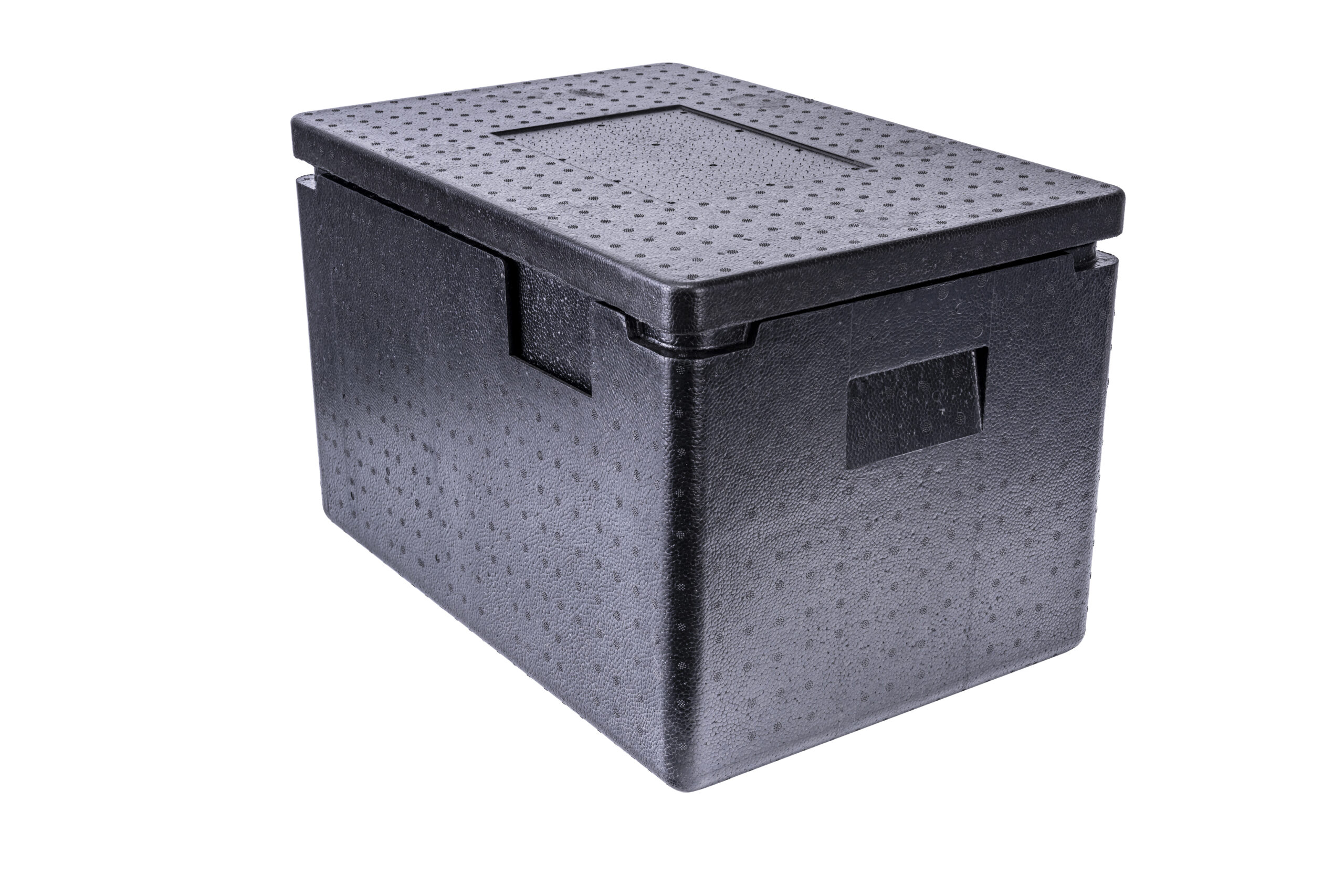
VIP transport container for biological samples shipping: How to Choose a Defensible Shipping Setup
A box choice becomes a cold-chain decision the moment the payload can lose value before anyone sees visible damage. A VIP transport container for biological samples shipping can be a strong option for biological samples shipping when the packaging plan starts with the product requirement and ends with a repeatable receiving process. Biological sample shipments should follow the collection protocol, biosafety rules, required temperature condition, and destination receiving procedure. This edited version focuses on the practical decision path: requirement, route, payload, packout, monitoring, and supplier evidence. The goal is not to assume that VIP insulation solves every problem, but to help you ask better questions before the first shipment leaves the dock.
Decision answer: choose the VIP transport container for biological samples shipping only when it fits the product requirement, route risk, payload geometry, coolant plan, monitoring objective, and receiving procedure. A VIP design is not a standalone guarantee; it is a component in a controlled shipping process.
Start with the risk you are trying to control
The risk behind biological samples shipping is rarely one-dimensional. temperature protection is only one part of the decision; leakage containment, labeling, chain of custody, and receiving inspection also matter. A VIP transport container for biological samples shipping is useful only when that risk has been translated into a requirement: product condition, route exposure, payload size, monitoring need, and receiving action. Without those inputs, the buyer is selecting a container by appearance and hope.
Write the risk in plain language. For example: 'protect the payload from warming during an overnight route with two handovers,' or 'avoid direct freezing while keeping a refrigerated condition through parcel delivery.' This wording makes it easier to choose coolant, sensor placement, and packout controls. It also gives suppliers a better basis for recommendation.
The decision should also define what counts as acceptable evidence. A visual check may be enough for some low-risk goods. A temperature record, packing record, and quality review may be necessary for regulated, high-value, or patient-related shipments.
Evaluate the container without relying on brochure claims
| Decision point | Good evidence to request | How to use the answer |
|---|---|---|
| Temperature requirement | Product instruction, protocol, or quality-approved shipping range. | Use it to choose coolant and acceptance criteria. |
| Route exposure | Lane map, seasonal risk, handover points, and expected dwell time. | Use it to judge whether the test profile is relevant. |
| Payload fit | Usable internal layout with coolant and monitoring included. | Avoid overfilling or excessive air space. |
| Packout evidence | Written configuration, sensor location, and test assumptions. | Turn a sample into a repeatable operation. |
| Supplier change control | How component or design changes are communicated. | Protect routine shipments from silent specification drift. |
The purpose of this table is to turn a product conversation into an evidence conversation. A VIP transport container for biological samples shipping can sound impressive, but the buyer still needs to know what was tested, what was assumed, and what remains to be confirmed. If the supplier's answer is vague, treat the claim as unverified until the lane is reviewed.
For biological samples shipping, the most useful evidence connects the payload, coolant, ambient profile, and acceptance criteria. Evidence from a different payload or route may still be informative, but it should not be copied into your quality file without review.
Packout is the operating system
A passive container has no compressor or active control loop. The packout acts as the operating system. It determines where the coolant sits, how the payload is separated, how the lid is closed, where the logger is placed, and how quickly the shipment moves from packing to pickup. Small changes can matter. A missing separator, a warmer starting payload, or an extended staging period may change the temperature story.
A good packout for biological samples shipping should be clear enough for a new worker to follow. Photos, orientation marks, coolant counts, conditioning instructions, and receiving steps can reduce variation. The buyer should ask whether the supplier can help translate the design into a routine packing instruction rather than leaving operators to improvise.
When a data logger or IoT sensor is used, its role should be written into the plan. The logger documents conditions; it does not protect the payload. Real-time alerts can support intervention, but only if someone is responsible for receiving the alert and taking action.
When VIP is a strong fit and when it is not
A VIP solution is a strong candidate when payload space is valuable, route exposure is meaningful, and the buyer needs a compact insulated design with disciplined handling. It can also fit high-value lanes where a smaller box footprint or stronger thermal resistance supports operational goals. For biological samples, diagnostic specimens, clinical materials, swabs, vials, and research samples, the fit improves when the temperature range, packout, and receiving criteria are well defined.
It may not be the right first choice when the shipment is low value, the route is very short and controlled, the return loop cannot protect the panels, or the team cannot repeat the packout. It may also be unsuitable if the payload has incompatible temperature needs or if dry ice, PCM, or gel packs are chosen without testing. VIP insulation is powerful, but it is not a substitute for process control.
This balanced view helps procurement avoid both under-buying and over-buying. The goal is not the most advanced container on paper. The goal is the most defensible system for the shipment's risk.
Receiving and change-control details buyers often miss
Receiving is part of the cold chain, not an administrative afterthought. The destination team should know when to open the box, how to read the logger, what condition to check, how to document exceptions, and who decides whether the shipment can be accepted. A well-designed container cannot compensate for a receiving process that leaves the payload waiting in an uncontrolled area.
For biological samples shipping, change control should also be explicit. If the payload changes, if the route changes, if a carrier is replaced, if the coolant source changes, or if the box design is modified, the original assumptions may no longer apply. Buyers should ask suppliers how they communicate product or component changes and what review is recommended before continued use.
This is especially important for repeat shipments. The first shipment may be watched closely; the hundredth shipment depends on routine discipline. Documentation, inspection, and feedback loops keep the system from drifting.
A short approval path for B2B buyers
Seasonality should be handled with care. A route that works in a mild season may face very different exposure during a heat wave, winter cold snap, airport delay, or holiday congestion. This does not mean every shipment needs a new box. It means the buyer should know which route assumptions were used and when a review is triggered.
A VIP transport container for biological samples shipping should also be reviewed for compatibility with secondary packaging. Vials, cartons, pouches, trays, absorbent systems, and protective wraps can change the internal geometry. If secondary packaging changes, the thermal and handling assumptions may also change.
Receiving feedback should be collected. If receivers report condensation, label damage, difficult opening, inconsistent logger readings, or frequent paperwork questions, those signals should flow back into packaging review. Cold-chain control improves when shipment data and receiving observations are used together.
Pre-shipment review and change control
A pre-shipment review should also decide what information must travel with the load. For biological samples shipping, that may include a packing record, logger ID, product lot, required condition, handover note, or receiving checklist. The goal is to remove uncertainty when the shipment arrives, because a good container is less useful if the destination team does not know how to interpret it.
Buyers should review the route after the first few shipments rather than assuming the first approval ends the work. If the VIP transport container for biological samples shipping repeatedly returns with condensation, difficult unpacking, damaged corners, unexpected logger patterns, or receiver questions, those findings should be used to refine the packout or the supplier conversation. Practical cold-chain control improves through feedback, not only through the initial purchase order.
Component consistency is another practical concern. A change in liner, panel source, closure, coolant pack, divider, or outer carton can alter daily use. The buyer does not need to reject every change, but should know when a change requires review. This is especially important for repeatable B2B lanes where quality teams expect traceability and controlled decisions.
The packaging team should also define damage inspection rules. For biological samples shipping, a box may be rejected from reuse because of cracked corners, crushed panel areas, damaged hinges, loose closures, odor, residue, or signs that the panel envelope has been compromised. These rules protect the shipment and prevent operators from guessing under pressure.
Finally, the buying team should keep the language in supplier documents precise. Terms such as refrigerated, validated, qualified, reusable, and compliant can mean different things unless the evidence and limits are stated. A careful buyer asks what was tested, under what conditions, with which payload, and what still needs internal approval.
A receiving checklist should be written before the first shipment, not after a dispute. For biological samples shipping, the checklist can state who opens the container, who retrieves the logger, what visual condition is recorded, how exceptions are escalated, and where the shipment waits while the decision is made. This protects the value of the packaging investment.
The team should also decide how to handle partial loads. A VIP transport container for biological samples shipping that performs well with a full payload may behave differently when the payload is smaller or arranged unevenly. If partial loads are common, the packout should explain whether extra dunnage, separators, or a revised coolant layout is needed.
FAQ
Is a VIP transport container for biological samples shipping automatically qualified for my shipment?
No. A VIP transport container for biological samples shipping may be a strong component, but suitability depends on the required product condition, route, payload, coolant configuration, monitoring plan, and receiving process. Ask for evidence that matches your lane or plan an internal review before routine use.
Does VIP insulation replace gel packs, PCM packs, or dry ice?
No. VIP insulation slows heat transfer through the container wall. It does not create the required temperature condition by itself. Coolant or refrigerant selection still depends on the product requirement, payload mass, route exposure, and whether the product must avoid direct contact or freezing.
What should I ask a supplier before ordering samples?
Share the product condition, payload size, route duration, ambient risk, handover pattern, and documentation need. Then ask what test evidence, packout instructions, sensor placement guidance, and limitations apply. This conversation is more useful than asking only for a box size and a price.
Can I use the same packout for different products?
Sometimes, but it should not be assumed. Different products may have different starting temperatures, payload masses, shapes, acceptable ranges, and sensitivity to freezing or warming. A packout that works for one product may need review before it is used for another.
Where should the temperature logger be placed?
Logger placement should match the monitoring objective. A logger near the payload can better represent product exposure, while a logger near a lid or wall may show external handling effects. The quality or operations team should define placement before the shipment is reviewed.
Operational details that protect repeatability
Repeatability is the difference between a promising sample and a working lane. A VIP transport container for biological samples shipping should be evaluated with the people who will actually pack, move, receive, and review the shipment. If they cannot repeat the coolant conditioning, payload orientation, logger placement, and closing step, the design needs simplification before it scales.
For biological samples shipping, a clean instruction can prevent avoidable deviations. It should show the packout sequence, identify components by name, explain what to do if a component is missing or damaged, and state when the shipment should not be released. The instruction should also make clear whether the container is single-use, reusable, returnable, or subject to inspection before reuse.
This operational layer is not paperwork for its own sake. It protects the buyer from silent variation. When each shipment is packed and reviewed the same way, temperature data becomes easier to interpret and supplier conversations become more precise.
Conclusion
If your shipment carries sensitive or high-value goods, do not judge the VIP transport container for biological samples shipping by appearance alone. Confirm the temperature requirement, test context, coolant configuration, sensor placement, and change-control process. Those details turn a thermal container into a defensible shipping setup.
About Tempk
Tempk focuses on practical temperature-controlled packaging discussions rather than box selection by name alone, especially when payload, route, temperature target, and operating model need to be reviewed together. For biological samples shipping, the useful starting point is to share your payload type, required condition, route, expected handling time, and documentation needs so the packaging recommendation can be matched to the real shipment.
Before moving from sample to routine shipping, ask Tempk for a practical packout discussion based on your payload, lane, and receiving process.
VIP thermal shipping box for antibody transport: Practical Selection Guide

VIP thermal shipping box for antibody transport: How to Choose a Defensible Shipping Setup
A VIP container can protect valuable payload space, but it cannot compensate for a poorly defined temperature requirement or an improvised packout. A VIP thermal shipping box for antibody transport can be a strong option for antibody transport when the packaging plan starts with the product requirement and ends with a repeatable receiving process. Antibody transport conditions vary by formulation, buffer, stability profile, and downstream use; confirm the required condition instead of assuming every antibody ships the same way. This edited version focuses on the practical decision path: requirement, route, payload, packout, monitoring, and supplier evidence. The goal is not to assume that VIP insulation solves every problem, but to help you ask better questions before the first shipment leaves the dock.
Decision answer: choose the VIP thermal shipping box for antibody transport only when it fits the product requirement, route risk, payload geometry, coolant plan, monitoring objective, and receiving procedure. A VIP design is not a standalone guarantee; it is a component in a controlled shipping process.
Map the journey before selecting the container
A VIP thermal shipping box for antibody transport should be chosen after the journey is mapped from preparation to receipt. The map should include preconditioning, packing time, pickup window, carrier handover, air or ground transfer, destination receiving, and any planned or unplanned waiting. This is where many cold-chain plans become more realistic.
For antibody transport, the most vulnerable step may not be the longest step. thermal exposure, freeze-thaw stress, vibration, leakage, and weak receiving records can all affect confidence in the shipment. A short wait in a hot loading area or a delayed receiving appointment can create more risk than hours in a controlled vehicle. Mapping the journey helps buyers ask for the right packout evidence.
The map should also mark who owns each step. Packaging, logistics, quality, and receiving teams may each control a different part of the risk. A container selection made by procurement alone can miss this ownership structure.
Turn requirements into a packaging brief
A packaging brief is a short document that tells suppliers what problem the shipment needs to solve. For antibody transport, it should include payload description, required condition, route duration, ambient exposure, quantity, internal dimension needs, monitoring expectations, and receiving process. The brief does not need to be long; it needs to be specific.
The brief should avoid unsupported assumptions. Do not write that the shipment needs a fixed hold time unless the route, ambient profile, payload, and acceptance criteria have been defined. Do not write that a solution must be compliant with every market. Instead, state the quality or regulatory review process that applies to your shipment and ask what evidence the supplier can provide.
This approach helps a supplier recommend a VIP, EPP, PU, EPS, PCM, gel pack, active container, or hybrid solution based on evidence rather than product category alone.
Evidence checkpoints for procurement and quality
| Decision point | Good evidence to request | How to use the answer |
|---|---|---|
| Temperature requirement | Product instruction, protocol, or quality-approved shipping range. | Use it to choose coolant and acceptance criteria. |
| Route exposure | Lane map, seasonal risk, handover points, and expected dwell time. | Use it to judge whether the test profile is relevant. |
| Payload fit | Usable internal layout with coolant and monitoring included. | Avoid overfilling or excessive air space. |
| Packout evidence | Written configuration, sensor location, and test assumptions. | Turn a sample into a repeatable operation. |
| Supplier change control | How component or design changes are communicated. | Protect routine shipments from silent specification drift. |
These checkpoints help the buyer separate a useful product claim from an unsupported promise. Strong suppliers can usually explain the test context, packout assumptions, and limits of use. That transparency is more valuable than a slogan about long performance.
For antibodies, reference materials, biologic samples, and temperature-sensitive protein products, the evidence should be reviewed by the people who will release, receive, or investigate the shipment. A procurement-only review may miss quality and operational implications.
Design choices that affect daily handling
Daily handling determines whether a thermal design survives real use. The lid must be easy to close correctly. The payload should fit without crushing or forcing. Coolant positions should be obvious. Labels should remain visible. The box should be easy to inspect for damage. Cleaning should not threaten the VIP panel envelope or the closure system.
For antibody transport, these handling details can decide whether the solution is accepted by warehouse staff. A design that requires perfect memory or unusual manual skill may work in a test and fail during peak shipping. Buyers should ask to see the packout procedure, not only the empty box.
If the container is reusable, the return loop becomes part of the design. Who collects it? How is it cleaned? How is damage checked? How are missing components replaced? Reuse should be planned as an operating process, not assumed because the material looks durable.
When to add monitoring or IoT visibility
Monitoring should be matched to shipment risk. A simple logger may be enough when the receiving team only needs a post-delivery record. Real-time IoT visibility may be useful when intervention is possible and someone is assigned to act on alerts. Neither option changes the thermal capacity of the packaging. It only changes what the team can see and how quickly it can respond.
For antibody transport, sensor placement and alarm thresholds should be discussed with quality or operations. A sensor against coolant may not represent payload exposure. A sensor near the lid may capture worst-case opening effects. Alarm settings should reflect the product's interpretation plan and the action the team can realistically take.
A short approval path for B2B buyers
Cost should be evaluated as risk-adjusted cost. A lower-cost container can be appropriate for controlled, low-risk shipments. A higher-cost VIP design may be reasonable when payload value, rejection risk, freight space, or documentation demands justify it. The point is to compare total operating risk, not only purchase price.
Do not treat a supplier's catalog as a quality file. Catalogs help shortlist options, but routine use should be supported by the buyer's own requirements, supplier evidence, internal approval, and route-specific judgement. This is especially important where release decisions depend on traceable records.
Training is often overlooked. The best packout document is the one staff can follow without interpretation. If the loading sequence, coolant orientation, logger placement, or closure method can be misunderstood, add photos or labels. For antibody transport, clarity often protects performance as much as material selection does.
Pre-shipment review and change control
A pre-shipment review should also decide what information must travel with the load. For antibody transport, that may include a packing record, logger ID, product lot, required condition, handover note, or receiving checklist. The goal is to remove uncertainty when the shipment arrives, because a good container is less useful if the destination team does not know how to interpret it.
Buyers should review the route after the first few shipments rather than assuming the first approval ends the work. If the VIP thermal shipping box for antibody transport repeatedly returns with condensation, difficult unpacking, damaged corners, unexpected logger patterns, or receiver questions, those findings should be used to refine the packout or the supplier conversation. Practical cold-chain control improves through feedback, not only through the initial purchase order.
Component consistency is another practical concern. A change in liner, panel source, closure, coolant pack, divider, or outer carton can alter daily use. The buyer does not need to reject every change, but should know when a change requires review. This is especially important for repeatable B2B lanes where quality teams expect traceability and controlled decisions.
The packaging team should also define damage inspection rules. For antibody transport, a box may be rejected from reuse because of cracked corners, crushed panel areas, damaged hinges, loose closures, odor, residue, or signs that the panel envelope has been compromised. These rules protect the shipment and prevent operators from guessing under pressure.
Finally, the buying team should keep the language in supplier documents precise. Terms such as refrigerated, validated, qualified, reusable, and compliant can mean different things unless the evidence and limits are stated. A careful buyer asks what was tested, under what conditions, with which payload, and what still needs internal approval.
A receiving checklist should be written before the first shipment, not after a dispute. For antibody transport, the checklist can state who opens the container, who retrieves the logger, what visual condition is recorded, how exceptions are escalated, and where the shipment waits while the decision is made. This protects the value of the packaging investment.
The team should also decide how to handle partial loads. A VIP thermal shipping box for antibody transport that performs well with a full payload may behave differently when the payload is smaller or arranged unevenly. If partial loads are common, the packout should explain whether extra dunnage, separators, or a revised coolant layout is needed.
Supplier support should be practical rather than promotional. Useful support includes answering packout questions, explaining test assumptions, discussing component changes, and helping the buyer prepare a repeatable operating instruction. General claims about premium materials are less useful than clear limits and review points.
For long-term use, assign ownership of the packaging file. Someone should keep the supplier specification, packout instruction, test summary, training notes, and receiving feedback together. That file helps new staff understand why the VIP thermal shipping box for antibody transport was selected and what conditions must not change without review.
FAQ
Is a VIP thermal shipping box for antibody transport automatically qualified for my shipment?
No. A VIP thermal shipping box for antibody transport may be a strong component, but suitability depends on the required product condition, route, payload, coolant configuration, monitoring plan, and receiving process. Ask for evidence that matches your lane or plan an internal review before routine use.
Does VIP insulation replace gel packs, PCM packs, or dry ice?
No. VIP insulation slows heat transfer through the container wall. It does not create the required temperature condition by itself. Coolant or refrigerant selection still depends on the product requirement, payload mass, route exposure, and whether the product must avoid direct contact or freezing.
What should I ask a supplier before ordering samples?
Share the product condition, payload size, route duration, ambient risk, handover pattern, and documentation need. Then ask what test evidence, packout instructions, sensor placement guidance, and limitations apply. This conversation is more useful than asking only for a box size and a price.
Can I use the same packout for different products?
Sometimes, but it should not be assumed. Different products may have different starting temperatures, payload masses, shapes, acceptable ranges, and sensitivity to freezing or warming. A packout that works for one product may need review before it is used for another.
Where should the temperature logger be placed?
Logger placement should match the monitoring objective. A logger near the payload can better represent product exposure, while a logger near a lid or wall may show external handling effects. The quality or operations team should define placement before the shipment is reviewed.
Operational details that protect repeatability
Repeatability is the difference between a promising sample and a working lane. A VIP thermal shipping box for antibody transport should be evaluated with the people who will actually pack, move, receive, and review the shipment. If they cannot repeat the coolant conditioning, payload orientation, logger placement, and closing step, the design needs simplification before it scales.
For antibody transport, a clean instruction can prevent avoidable deviations. It should show the packout sequence, identify components by name, explain what to do if a component is missing or damaged, and state when the shipment should not be released. The instruction should also make clear whether the container is single-use, reusable, returnable, or subject to inspection before reuse.
This operational layer is not paperwork for its own sake. It protects the buyer from silent variation. When each shipment is packed and reviewed the same way, temperature data becomes easier to interpret and supplier conversations become more precise.
Conclusion
The safest buying decision is not the most expensive box or the longest advertised duration. For antibody transport, the right decision is the packaging system that fits the product, lane, payload, documentation need, and operating team. Use the container specification as one input, then verify the packout and the process before scaling.
About Tempk
Tempk works with cold-chain packaging for food, pharmaceutical, medical, and logistics applications, including gel ice packs, PCM-related cooling packs, EPP insulated boxes, cold shipping boxes, insulated liners, and pallet protection solutions. For antibody transport, the useful starting point is to share your payload type, required condition, route, expected handling time, and documentation needs so the packaging recommendation can be matched to the real shipment.
Share your route, payload, and temperature requirement with Tempk to discuss whether a VIP thermal shipping box for antibody transport or another insulated packaging option fits your shipment.