


VIP thermal container for IoT enabled cold chain: Practical Selection Guide
VIP thermal container for IoT enabled cold chain: Practical Selection Guide

VIP thermal container for IoT enabled cold chain: How to Choose a Defensible Shipping Setup
The buyer's risk usually sits in the gaps between specification sheets: loading time, handover delay, payload fit, coolant conditioning, and the way the shipment is inspected on arrival. A VIP thermal container for IoT enabled cold chain can be a strong option for IoT enabled cold chain when the packaging plan starts with the product requirement and ends with a repeatable receiving process. An IoT layer does not decide the temperature range; it documents and alerts around the range defined by the product, route, and quality team. This edited version focuses on the practical decision path: requirement, route, payload, packout, monitoring, and supplier evidence. The goal is not to assume that VIP insulation solves every problem, but to help you ask better questions before the first shipment leaves the dock.
Decision answer: choose the VIP thermal container for IoT enabled cold chain only when it fits the product requirement, route risk, payload geometry, coolant plan, monitoring objective, and receiving procedure. A VIP design is not a standalone guarantee; it is a component in a controlled shipping process.
Start with the risk you are trying to control
The risk behind IoT enabled cold chain is rarely one-dimensional. data can reveal an excursion, but it cannot repair poor insulation, weak packout, late handover, or an unconditioned coolant configuration. A VIP thermal container for IoT enabled cold chain is useful only when that risk has been translated into a requirement: product condition, route exposure, payload size, monitoring need, and receiving action. Without those inputs, the buyer is selecting a container by appearance and hope.
Write the risk in plain language. For example: 'protect the payload from warming during an overnight route with two handovers,' or 'avoid direct freezing while keeping a refrigerated condition through parcel delivery.' This wording makes it easier to choose coolant, sensor placement, and packout controls. It also gives suppliers a better basis for recommendation.
The decision should also define what counts as acceptable evidence. A visual check may be enough for some low-risk goods. A temperature record, packing record, and quality review may be necessary for regulated, high-value, or patient-related shipments.
Evaluate the container without relying on brochure claims
| Decision point | Good evidence to request | How to use the answer |
|---|---|---|
| Temperature requirement | Product instruction, protocol, or quality-approved shipping range. | Use it to choose coolant and acceptance criteria. |
| Route exposure | Lane map, seasonal risk, handover points, and expected dwell time. | Use it to judge whether the test profile is relevant. |
| Payload fit | Usable internal layout with coolant and monitoring included. | Avoid overfilling or excessive air space. |
| Packout evidence | Written configuration, sensor location, and test assumptions. | Turn a sample into a repeatable operation. |
| Supplier change control | How component or design changes are communicated. | Protect routine shipments from silent specification drift. |
The purpose of this table is to turn a product conversation into an evidence conversation. A VIP thermal container for IoT enabled cold chain can sound impressive, but the buyer still needs to know what was tested, what was assumed, and what remains to be confirmed. If the supplier's answer is vague, treat the claim as unverified until the lane is reviewed.
For IoT enabled cold chain, the most useful evidence connects the payload, coolant, ambient profile, and acceptance criteria. Evidence from a different payload or route may still be informative, but it should not be copied into your quality file without review.
Packout is the operating system
A passive container has no compressor or active control loop. The packout acts as the operating system. It determines where the coolant sits, how the payload is separated, how the lid is closed, where the logger is placed, and how quickly the shipment moves from packing to pickup. Small changes can matter. A missing separator, a warmer starting payload, or an extended staging period may change the temperature story.
A good packout for IoT enabled cold chain should be clear enough for a new worker to follow. Photos, orientation marks, coolant counts, conditioning instructions, and receiving steps can reduce variation. The buyer should ask whether the supplier can help translate the design into a routine packing instruction rather than leaving operators to improvise.
When a data logger or IoT sensor is used, its role should be written into the plan. The logger documents conditions; it does not protect the payload. Real-time alerts can support intervention, but only if someone is responsible for receiving the alert and taking action.
When VIP is a strong fit and when it is not
A VIP solution is a strong candidate when payload space is valuable, route exposure is meaningful, and the buyer needs a compact insulated design with disciplined handling. It can also fit high-value lanes where a smaller box footprint or stronger thermal resistance supports operational goals. For temperature-sensitive goods moving with data loggers, sensors, gateways, or location-aware monitoring workflows, the fit improves when the temperature range, packout, and receiving criteria are well defined.
It may not be the right first choice when the shipment is low value, the route is very short and controlled, the return loop cannot protect the panels, or the team cannot repeat the packout. It may also be unsuitable if the payload has incompatible temperature needs or if dry ice, PCM, or gel packs are chosen without testing. VIP insulation is powerful, but it is not a substitute for process control.
This balanced view helps procurement avoid both under-buying and over-buying. The goal is not the most advanced container on paper. The goal is the most defensible system for the shipment's risk.
Receiving and change-control details buyers often miss
Receiving is part of the cold chain, not an administrative afterthought. The destination team should know when to open the box, how to read the logger, what condition to check, how to document exceptions, and who decides whether the shipment can be accepted. A well-designed container cannot compensate for a receiving process that leaves the payload waiting in an uncontrolled area.
For IoT enabled cold chain, change control should also be explicit. If the payload changes, if the route changes, if a carrier is replaced, if the coolant source changes, or if the box design is modified, the original assumptions may no longer apply. Buyers should ask suppliers how they communicate product or component changes and what review is recommended before continued use.
This is especially important for repeat shipments. The first shipment may be watched closely; the hundredth shipment depends on routine discipline. Documentation, inspection, and feedback loops keep the system from drifting.
A short approval path for B2B buyers
A useful internal review separates decision rights. Procurement can compare cost, availability, and supplier responsiveness. Operations can judge whether the packout is practical during peak workload. Quality can decide whether the evidence, monitoring, and exception process are sufficient. When these roles are mixed together, a VIP thermal container for IoT enabled cold chain may be approved for the wrong reason.
A VIP thermal container for IoT enabled cold chain should also be reviewed for compatibility with secondary packaging. Vials, cartons, pouches, trays, absorbent systems, and protective wraps can change the internal geometry. If secondary packaging changes, the thermal and handling assumptions may also change.
Cost should be evaluated as risk-adjusted cost. A lower-cost container can be appropriate for controlled, low-risk shipments. A higher-cost VIP design may be reasonable when payload value, rejection risk, freight space, or documentation demands justify it. The point is to compare total operating risk, not only purchase price.
Pre-shipment review and change control
A pre-shipment review should also decide what information must travel with the load. For IoT enabled cold chain, that may include a packing record, logger ID, product lot, required condition, handover note, or receiving checklist. The goal is to remove uncertainty when the shipment arrives, because a good container is less useful if the destination team does not know how to interpret it.
Buyers should review the route after the first few shipments rather than assuming the first approval ends the work. If the VIP thermal container for IoT enabled cold chain repeatedly returns with condensation, difficult unpacking, damaged corners, unexpected logger patterns, or receiver questions, those findings should be used to refine the packout or the supplier conversation. Practical cold-chain control improves through feedback, not only through the initial purchase order.
Component consistency is another practical concern. A change in liner, panel source, closure, coolant pack, divider, or outer carton can alter daily use. The buyer does not need to reject every change, but should know when a change requires review. This is especially important for repeatable B2B lanes where quality teams expect traceability and controlled decisions.
The packaging team should also define damage inspection rules. For IoT enabled cold chain, a box may be rejected from reuse because of cracked corners, crushed panel areas, damaged hinges, loose closures, odor, residue, or signs that the panel envelope has been compromised. These rules protect the shipment and prevent operators from guessing under pressure.
Finally, the buying team should keep the language in supplier documents precise. Terms such as refrigerated, validated, qualified, reusable, and compliant can mean different things unless the evidence and limits are stated. A careful buyer asks what was tested, under what conditions, with which payload, and what still needs internal approval.
FAQ
Is a VIP thermal container for IoT enabled cold chain automatically qualified for my shipment?
No. A VIP thermal container for IoT enabled cold chain may be a strong component, but suitability depends on the required product condition, route, payload, coolant configuration, monitoring plan, and receiving process. Ask for evidence that matches your lane or plan an internal review before routine use.
Does VIP insulation replace gel packs, PCM packs, or dry ice?
No. VIP insulation slows heat transfer through the container wall. It does not create the required temperature condition by itself. Coolant or refrigerant selection still depends on the product requirement, payload mass, route exposure, and whether the product must avoid direct contact or freezing.
What should I ask a supplier before ordering samples?
Share the product condition, payload size, route duration, ambient risk, handover pattern, and documentation need. Then ask what test evidence, packout instructions, sensor placement guidance, and limitations apply. This conversation is more useful than asking only for a box size and a price.
Can I use the same packout for different products?
Sometimes, but it should not be assumed. Different products may have different starting temperatures, payload masses, shapes, acceptable ranges, and sensitivity to freezing or warming. A packout that works for one product may need review before it is used for another.
Where should the temperature logger be placed?
Logger placement should match the monitoring objective. A logger near the payload can better represent product exposure, while a logger near a lid or wall may show external handling effects. The quality or operations team should define placement before the shipment is reviewed.
Does IoT monitoring make the shipment temperature controlled?
No. IoT monitoring can record, alert, and support faster intervention, but it does not provide insulation or cooling. The packaging and packout still need to protect the payload, and the team must define who responds to alerts.
Operational details that protect repeatability
Repeatability is the difference between a promising sample and a working lane. A VIP thermal container for IoT enabled cold chain should be evaluated with the people who will actually pack, move, receive, and review the shipment. If they cannot repeat the coolant conditioning, payload orientation, logger placement, and closing step, the design needs simplification before it scales.
For IoT enabled cold chain, a clean instruction can prevent avoidable deviations. It should show the packout sequence, identify components by name, explain what to do if a component is missing or damaged, and state when the shipment should not be released. The instruction should also make clear whether the container is single-use, reusable, returnable, or subject to inspection before reuse.
This operational layer is not paperwork for its own sake. It protects the buyer from silent variation. When each shipment is packed and reviewed the same way, temperature data becomes easier to interpret and supplier conversations become more precise.
Conclusion
If your shipment carries sensitive or high-value goods, do not judge the VIP thermal container for IoT enabled cold chain by appearance alone. Confirm the temperature requirement, test context, coolant configuration, sensor placement, and change-control process. Those details turn a thermal container into a defensible shipping setup.
About Tempk
Tempk works with cold-chain packaging for food, pharmaceutical, medical, and logistics applications, including gel ice packs, PCM-related cooling packs, EPP insulated boxes, cold shipping boxes, insulated liners, and pallet protection solutions. For IoT enabled cold chain, the useful starting point is to share your payload type, required condition, route, expected handling time, and documentation needs so the packaging recommendation can be matched to the real shipment.
Contact Tempk with your product condition, route exposure, and documentation needs to compare suitable VIP, EPP, PCM, gel pack, or hybrid packaging options.
VIP temperature controlled container for vaccine transport: Practical Selection

VIP temperature controlled container for vaccine transport: How to Choose a Defensible Shipping Setup
The first question is not whether the container looks strong. It is whether the container, coolant, payload, route, and receiving process work as one controlled setup. A VIP temperature controlled container for vaccine transport can be a strong option for vaccine transport when the packaging plan starts with the product requirement and ends with a repeatable receiving process. Many refrigerated vaccine workflows are planned around 2°C to 8°C, but the required storage and transport range must be confirmed for each vaccine, diluent, program rule, and route. This edited version focuses on the practical decision path: requirement, route, payload, packout, monitoring, and supplier evidence. The goal is not to assume that VIP insulation solves every problem, but to help you ask better questions before the first shipment leaves the dock.
Decision answer: choose the VIP temperature controlled container for vaccine transport only when it fits the product requirement, route risk, payload geometry, coolant plan, monitoring objective, and receiving procedure. A VIP design is not a standalone guarantee; it is a component in a controlled shipping process.
Start with the risk you are trying to control
The risk behind vaccine transport is rarely one-dimensional. a vaccine shipment can look physically intact while still needing review if a temperature record, handover step, or receiving procedure is incomplete. A VIP temperature controlled container for vaccine transport is useful only when that risk has been translated into a requirement: product condition, route exposure, payload size, monitoring need, and receiving action. Without those inputs, the buyer is selecting a container by appearance and hope.
Write the risk in plain language. For example: 'protect the payload from warming during an overnight route with two handovers,' or 'avoid direct freezing while keeping a refrigerated condition through parcel delivery.' This wording makes it easier to choose coolant, sensor placement, and packout controls. It also gives suppliers a better basis for recommendation.
The decision should also define what counts as acceptable evidence. A visual check may be enough for some low-risk goods. A temperature record, packing record, and quality review may be necessary for regulated, high-value, or patient-related shipments.
Evaluate the container without relying on brochure claims
| Decision point | Good evidence to request | How to use the answer |
|---|---|---|
| Temperature requirement | Product instruction, protocol, or quality-approved shipping range. | Use it to choose coolant and acceptance criteria. |
| Route exposure | Lane map, seasonal risk, handover points, and expected dwell time. | Use it to judge whether the test profile is relevant. |
| Payload fit | Usable internal layout with coolant and monitoring included. | Avoid overfilling or excessive air space. |
| Packout evidence | Written configuration, sensor location, and test assumptions. | Turn a sample into a repeatable operation. |
| Supplier change control | How component or design changes are communicated. | Protect routine shipments from silent specification drift. |
The purpose of this table is to turn a product conversation into an evidence conversation. A VIP temperature controlled container for vaccine transport can sound impressive, but the buyer still needs to know what was tested, what was assumed, and what remains to be confirmed. If the supplier's answer is vague, treat the claim as unverified until the lane is reviewed.
For vaccine transport, the most useful evidence connects the payload, coolant, ambient profile, and acceptance criteria. Evidence from a different payload or route may still be informative, but it should not be copied into your quality file without review.
Packout is the operating system
A passive container has no compressor or active control loop. The packout acts as the operating system. It determines where the coolant sits, how the payload is separated, how the lid is closed, where the logger is placed, and how quickly the shipment moves from packing to pickup. Small changes can matter. A missing separator, a warmer starting payload, or an extended staging period may change the temperature story.
A good packout for vaccine transport should be clear enough for a new worker to follow. Photos, orientation marks, coolant counts, conditioning instructions, and receiving steps can reduce variation. The buyer should ask whether the supplier can help translate the design into a routine packing instruction rather than leaving operators to improvise.
When a data logger or IoT sensor is used, its role should be written into the plan. The logger documents conditions; it does not protect the payload. Real-time alerts can support intervention, but only if someone is responsible for receiving the alert and taking action.
When VIP is a strong fit and when it is not
A VIP solution is a strong candidate when payload space is valuable, route exposure is meaningful, and the buyer needs a compact insulated design with disciplined handling. It can also fit high-value lanes where a smaller box footprint or stronger thermal resistance supports operational goals. For vaccines, diluents, outreach stock, and other temperature-sensitive immunization products, the fit improves when the temperature range, packout, and receiving criteria are well defined.
It may not be the right first choice when the shipment is low value, the route is very short and controlled, the return loop cannot protect the panels, or the team cannot repeat the packout. It may also be unsuitable if the payload has incompatible temperature needs or if dry ice, PCM, or gel packs are chosen without testing. VIP insulation is powerful, but it is not a substitute for process control.
This balanced view helps procurement avoid both under-buying and over-buying. The goal is not the most advanced container on paper. The goal is the most defensible system for the shipment's risk.
Receiving and change-control details buyers often miss
Receiving is part of the cold chain, not an administrative afterthought. The destination team should know when to open the box, how to read the logger, what condition to check, how to document exceptions, and who decides whether the shipment can be accepted. A well-designed container cannot compensate for a receiving process that leaves the payload waiting in an uncontrolled area.
For vaccine transport, change control should also be explicit. If the payload changes, if the route changes, if a carrier is replaced, if the coolant source changes, or if the box design is modified, the original assumptions may no longer apply. Buyers should ask suppliers how they communicate product or component changes and what review is recommended before continued use.
This is especially important for repeat shipments. The first shipment may be watched closely; the hundredth shipment depends on routine discipline. Documentation, inspection, and feedback loops keep the system from drifting.
A short approval path for B2B buyers
Receiving feedback should be collected. If receivers report condensation, label damage, difficult opening, inconsistent logger readings, or frequent paperwork questions, those signals should flow back into packaging review. Cold-chain control improves when shipment data and receiving observations are used together.
Seasonality should be handled with care. A route that works in a mild season may face very different exposure during a heat wave, winter cold snap, airport delay, or holiday congestion. This does not mean every shipment needs a new box. It means the buyer should know which route assumptions were used and when a review is triggered.
Training is often overlooked. The best packout document is the one staff can follow without interpretation. If the loading sequence, coolant orientation, logger placement, or closure method can be misunderstood, add photos or labels. For vaccine transport, clarity often protects performance as much as material selection does.
Pre-shipment review and change control
A pre-shipment review should also decide what information must travel with the load. For vaccine transport, that may include a packing record, logger ID, product lot, required condition, handover note, or receiving checklist. The goal is to remove uncertainty when the shipment arrives, because a good container is less useful if the destination team does not know how to interpret it.
Buyers should review the route after the first few shipments rather than assuming the first approval ends the work. If the VIP temperature controlled container for vaccine transport repeatedly returns with condensation, difficult unpacking, damaged corners, unexpected logger patterns, or receiver questions, those findings should be used to refine the packout or the supplier conversation. Practical cold-chain control improves through feedback, not only through the initial purchase order.
Component consistency is another practical concern. A change in liner, panel source, closure, coolant pack, divider, or outer carton can alter daily use. The buyer does not need to reject every change, but should know when a change requires review. This is especially important for repeatable B2B lanes where quality teams expect traceability and controlled decisions.
The packaging team should also define damage inspection rules. For vaccine transport, a box may be rejected from reuse because of cracked corners, crushed panel areas, damaged hinges, loose closures, odor, residue, or signs that the panel envelope has been compromised. These rules protect the shipment and prevent operators from guessing under pressure.
Finally, the buying team should keep the language in supplier documents precise. Terms such as refrigerated, validated, qualified, reusable, and compliant can mean different things unless the evidence and limits are stated. A careful buyer asks what was tested, under what conditions, with which payload, and what still needs internal approval.
A receiving checklist should be written before the first shipment, not after a dispute. For vaccine transport, the checklist can state who opens the container, who retrieves the logger, what visual condition is recorded, how exceptions are escalated, and where the shipment waits while the decision is made. This protects the value of the packaging investment.
FAQ
Is a VIP temperature controlled container for vaccine transport automatically qualified for my shipment?
No. A VIP temperature controlled container for vaccine transport may be a strong component, but suitability depends on the required product condition, route, payload, coolant configuration, monitoring plan, and receiving process. Ask for evidence that matches your lane or plan an internal review before routine use.
Does VIP insulation replace gel packs, PCM packs, or dry ice?
No. VIP insulation slows heat transfer through the container wall. It does not create the required temperature condition by itself. Coolant or refrigerant selection still depends on the product requirement, payload mass, route exposure, and whether the product must avoid direct contact or freezing.
What should I ask a supplier before ordering samples?
Share the product condition, payload size, route duration, ambient risk, handover pattern, and documentation need. Then ask what test evidence, packout instructions, sensor placement guidance, and limitations apply. This conversation is more useful than asking only for a box size and a price.
Can I use the same packout for different products?
Sometimes, but it should not be assumed. Different products may have different starting temperatures, payload masses, shapes, acceptable ranges, and sensitivity to freezing or warming. A packout that works for one product may need review before it is used for another.
Where should the temperature logger be placed?
Logger placement should match the monitoring objective. A logger near the payload can better represent product exposure, while a logger near a lid or wall may show external handling effects. The quality or operations team should define placement before the shipment is reviewed.
Can all vaccines be shipped under the same refrigerated range?
No. Many refrigerated vaccine workflows use 2°C to 8°C, but vaccines and diluents should be handled according to their specific instructions and program requirements. Some products are freeze-sensitive, while others may have different storage or transport rules.
Operational details that protect repeatability
Repeatability is the difference between a promising sample and a working lane. A VIP temperature controlled container for vaccine transport should be evaluated with the people who will actually pack, move, receive, and review the shipment. If they cannot repeat the coolant conditioning, payload orientation, logger placement, and closing step, the design needs simplification before it scales.
For vaccine transport, a clean instruction can prevent avoidable deviations. It should show the packout sequence, identify components by name, explain what to do if a component is missing or damaged, and state when the shipment should not be released. The instruction should also make clear whether the container is single-use, reusable, returnable, or subject to inspection before reuse.
This operational layer is not paperwork for its own sake. It protects the buyer from silent variation. When each shipment is packed and reviewed the same way, temperature data becomes easier to interpret and supplier conversations become more precise.
Conclusion
If your shipment carries sensitive or high-value goods, do not judge the VIP temperature controlled container for vaccine transport by appearance alone. Confirm the temperature requirement, test context, coolant configuration, sensor placement, and change-control process. Those details turn a thermal container into a defensible shipping setup.
About Tempk
Tempk focuses on practical temperature-controlled packaging discussions rather than box selection by name alone, especially when payload, route, temperature target, and operating model need to be reviewed together. For vaccine transport, the useful starting point is to share your payload type, required condition, route, expected handling time, and documentation needs so the packaging recommendation can be matched to the real shipment.
Share your route, payload, and temperature requirement with Tempk to discuss whether a VIP temperature controlled container for vaccine transport or another insulated packaging option fits your shipment.
VIP shipping container for medical device transport: Practical Selection Guide

VIP shipping container for medical device transport: How to Choose a Defensible Shipping Setup
The buyer's risk usually sits in the gaps between specification sheets: loading time, handover delay, payload fit, coolant conditioning, and the way the shipment is inspected on arrival. A VIP shipping container for medical device transport can be a strong option for medical device transport when the packaging plan starts with the product requirement and ends with a repeatable receiving process. A medical device may require controlled transport because of reagents, electronics, sterile barrier integrity, or labeling instructions; the IFU and quality file should guide the decision. This edited version focuses on the practical decision path: requirement, route, payload, packout, monitoring, and supplier evidence. The goal is not to assume that VIP insulation solves every problem, but to help you ask better questions before the first shipment leaves the dock.
Decision answer: choose the VIP shipping container for medical device transport only when it fits the product requirement, route risk, payload geometry, coolant plan, monitoring objective, and receiving procedure. A VIP design is not a standalone guarantee; it is a component in a controlled shipping process.
Map the journey before selecting the container
A VIP shipping container for medical device transport should be chosen after the journey is mapped from preparation to receipt. The map should include preconditioning, packing time, pickup window, carrier handover, air or ground transfer, destination receiving, and any planned or unplanned waiting. This is where many cold-chain plans become more realistic.
For medical device transport, the most vulnerable step may not be the longest step. device shipments can fail because of shock, condensation, label damage, accessory mismatch, or temperature record gaps even when the outer box looks undamaged. A short wait in a hot loading area or a delayed receiving appointment can create more risk than hours in a controlled vehicle. Mapping the journey helps buyers ask for the right packout evidence.
The map should also mark who owns each step. Packaging, logistics, quality, and receiving teams may each control a different part of the risk. A container selection made by procurement alone can miss this ownership structure.
Turn requirements into a packaging brief
A packaging brief is a short document that tells suppliers what problem the shipment needs to solve. For medical device transport, it should include payload description, required condition, route duration, ambient exposure, quantity, internal dimension needs, monitoring expectations, and receiving process. The brief does not need to be long; it needs to be specific.
The brief should avoid unsupported assumptions. Do not write that the shipment needs a fixed hold time unless the route, ambient profile, payload, and acceptance criteria have been defined. Do not write that a solution must be compliant with every market. Instead, state the quality or regulatory review process that applies to your shipment and ask what evidence the supplier can provide.
This approach helps a supplier recommend a VIP, EPP, PU, EPS, PCM, gel pack, active container, or hybrid solution based on evidence rather than product category alone.
Evidence checkpoints for procurement and quality
| Decision point | Good evidence to request | How to use the answer |
|---|---|---|
| Temperature requirement | Product instruction, protocol, or quality-approved shipping range. | Use it to choose coolant and acceptance criteria. |
| Route exposure | Lane map, seasonal risk, handover points, and expected dwell time. | Use it to judge whether the test profile is relevant. |
| Payload fit | Usable internal layout with coolant and monitoring included. | Avoid overfilling or excessive air space. |
| Packout evidence | Written configuration, sensor location, and test assumptions. | Turn a sample into a repeatable operation. |
| Supplier change control | How component or design changes are communicated. | Protect routine shipments from silent specification drift. |
These checkpoints help the buyer separate a useful product claim from an unsupported promise. Strong suppliers can usually explain the test context, packout assumptions, and limits of use. That transparency is more valuable than a slogan about long performance.
For temperature-sensitive medical devices, device kits with reagents, sterile components, electronics, and diagnostic accessories, the evidence should be reviewed by the people who will release, receive, or investigate the shipment. A procurement-only review may miss quality and operational implications.
Design choices that affect daily handling
Daily handling determines whether a thermal design survives real use. The lid must be easy to close correctly. The payload should fit without crushing or forcing. Coolant positions should be obvious. Labels should remain visible. The box should be easy to inspect for damage. Cleaning should not threaten the VIP panel envelope or the closure system.
For medical device transport, these handling details can decide whether the solution is accepted by warehouse staff. A design that requires perfect memory or unusual manual skill may work in a test and fail during peak shipping. Buyers should ask to see the packout procedure, not only the empty box.
If the container is reusable, the return loop becomes part of the design. Who collects it? How is it cleaned? How is damage checked? How are missing components replaced? Reuse should be planned as an operating process, not assumed because the material looks durable.
When to add monitoring or IoT visibility
Monitoring should be matched to shipment risk. A simple logger may be enough when the receiving team only needs a post-delivery record. Real-time IoT visibility may be useful when intervention is possible and someone is assigned to act on alerts. Neither option changes the thermal capacity of the packaging. It only changes what the team can see and how quickly it can respond.
For medical device transport, sensor placement and alarm thresholds should be discussed with quality or operations. A sensor against coolant may not represent payload exposure. A sensor near the lid may capture worst-case opening effects. Alarm settings should reflect the product's interpretation plan and the action the team can realistically take.
A short approval path for B2B buyers
Seasonality should be handled with care. A route that works in a mild season may face very different exposure during a heat wave, winter cold snap, airport delay, or holiday congestion. This does not mean every shipment needs a new box. It means the buyer should know which route assumptions were used and when a review is triggered.
Cost should be evaluated as risk-adjusted cost. A lower-cost container can be appropriate for controlled, low-risk shipments. A higher-cost VIP design may be reasonable when payload value, rejection risk, freight space, or documentation demands justify it. The point is to compare total operating risk, not only purchase price.
Receiving feedback should be collected. If receivers report condensation, label damage, difficult opening, inconsistent logger readings, or frequent paperwork questions, those signals should flow back into packaging review. Cold-chain control improves when shipment data and receiving observations are used together.
Pre-shipment review and change control
A pre-shipment review should also decide what information must travel with the load. For medical device transport, that may include a packing record, logger ID, product lot, required condition, handover note, or receiving checklist. The goal is to remove uncertainty when the shipment arrives, because a good container is less useful if the destination team does not know how to interpret it.
Buyers should review the route after the first few shipments rather than assuming the first approval ends the work. If the VIP shipping container for medical device transport repeatedly returns with condensation, difficult unpacking, damaged corners, unexpected logger patterns, or receiver questions, those findings should be used to refine the packout or the supplier conversation. Practical cold-chain control improves through feedback, not only through the initial purchase order.
Component consistency is another practical concern. A change in liner, panel source, closure, coolant pack, divider, or outer carton can alter daily use. The buyer does not need to reject every change, but should know when a change requires review. This is especially important for repeatable B2B lanes where quality teams expect traceability and controlled decisions.
The packaging team should also define damage inspection rules. For medical device transport, a box may be rejected from reuse because of cracked corners, crushed panel areas, damaged hinges, loose closures, odor, residue, or signs that the panel envelope has been compromised. These rules protect the shipment and prevent operators from guessing under pressure.
Finally, the buying team should keep the language in supplier documents precise. Terms such as refrigerated, validated, qualified, reusable, and compliant can mean different things unless the evidence and limits are stated. A careful buyer asks what was tested, under what conditions, with which payload, and what still needs internal approval.
A receiving checklist should be written before the first shipment, not after a dispute. For medical device transport, the checklist can state who opens the container, who retrieves the logger, what visual condition is recorded, how exceptions are escalated, and where the shipment waits while the decision is made. This protects the value of the packaging investment.
The team should also decide how to handle partial loads. A VIP shipping container for medical device transport that performs well with a full payload may behave differently when the payload is smaller or arranged unevenly. If partial loads are common, the packout should explain whether extra dunnage, separators, or a revised coolant layout is needed.
Supplier support should be practical rather than promotional. Useful support includes answering packout questions, explaining test assumptions, discussing component changes, and helping the buyer prepare a repeatable operating instruction. General claims about premium materials are less useful than clear limits and review points.
For long-term use, assign ownership of the packaging file. Someone should keep the supplier specification, packout instruction, test summary, training notes, and receiving feedback together. That file helps new staff understand why the VIP shipping container for medical device transport was selected and what conditions must not change without review.
FAQ
Is a VIP shipping container for medical device transport automatically qualified for my shipment?
No. A VIP shipping container for medical device transport may be a strong component, but suitability depends on the required product condition, route, payload, coolant configuration, monitoring plan, and receiving process. Ask for evidence that matches your lane or plan an internal review before routine use.
Does VIP insulation replace gel packs, PCM packs, or dry ice?
No. VIP insulation slows heat transfer through the container wall. It does not create the required temperature condition by itself. Coolant or refrigerant selection still depends on the product requirement, payload mass, route exposure, and whether the product must avoid direct contact or freezing.
What should I ask a supplier before ordering samples?
Share the product condition, payload size, route duration, ambient risk, handover pattern, and documentation need. Then ask what test evidence, packout instructions, sensor placement guidance, and limitations apply. This conversation is more useful than asking only for a box size and a price.
Can I use the same packout for different products?
Sometimes, but it should not be assumed. Different products may have different starting temperatures, payload masses, shapes, acceptable ranges, and sensitivity to freezing or warming. A packout that works for one product may need review before it is used for another.
Where should the temperature logger be placed?
Logger placement should match the monitoring objective. A logger near the payload can better represent product exposure, while a logger near a lid or wall may show external handling effects. The quality or operations team should define placement before the shipment is reviewed.
Operational details that protect repeatability
Repeatability is the difference between a promising sample and a working lane. A VIP shipping container for medical device transport should be evaluated with the people who will actually pack, move, receive, and review the shipment. If they cannot repeat the coolant conditioning, payload orientation, logger placement, and closing step, the design needs simplification before it scales.
For medical device transport, a clean instruction can prevent avoidable deviations. It should show the packout sequence, identify components by name, explain what to do if a component is missing or damaged, and state when the shipment should not be released. The instruction should also make clear whether the container is single-use, reusable, returnable, or subject to inspection before reuse.
This operational layer is not paperwork for its own sake. It protects the buyer from silent variation. When each shipment is packed and reviewed the same way, temperature data becomes easier to interpret and supplier conversations become more precise.
Conclusion
The safest buying decision is not the most expensive box or the longest advertised duration. For medical device transport, the right decision is the packaging system that fits the product, lane, payload, documentation need, and operating team. Use the container specification as one input, then verify the packout and the process before scaling.
About Tempk
Tempk works with cold-chain packaging for food, pharmaceutical, medical, and logistics applications, including gel ice packs, PCM-related cooling packs, EPP insulated boxes, cold shipping boxes, insulated liners, and pallet protection solutions. For medical device transport, the useful starting point is to share your payload type, required condition, route, expected handling time, and documentation needs so the packaging recommendation can be matched to the real shipment.
Contact Tempk with your product condition, route exposure, and documentation needs to compare suitable VIP, EPP, PCM, gel pack, or hybrid packaging options.
VIP shipping case for pharmaceutical shipping: Practical Selection Guide
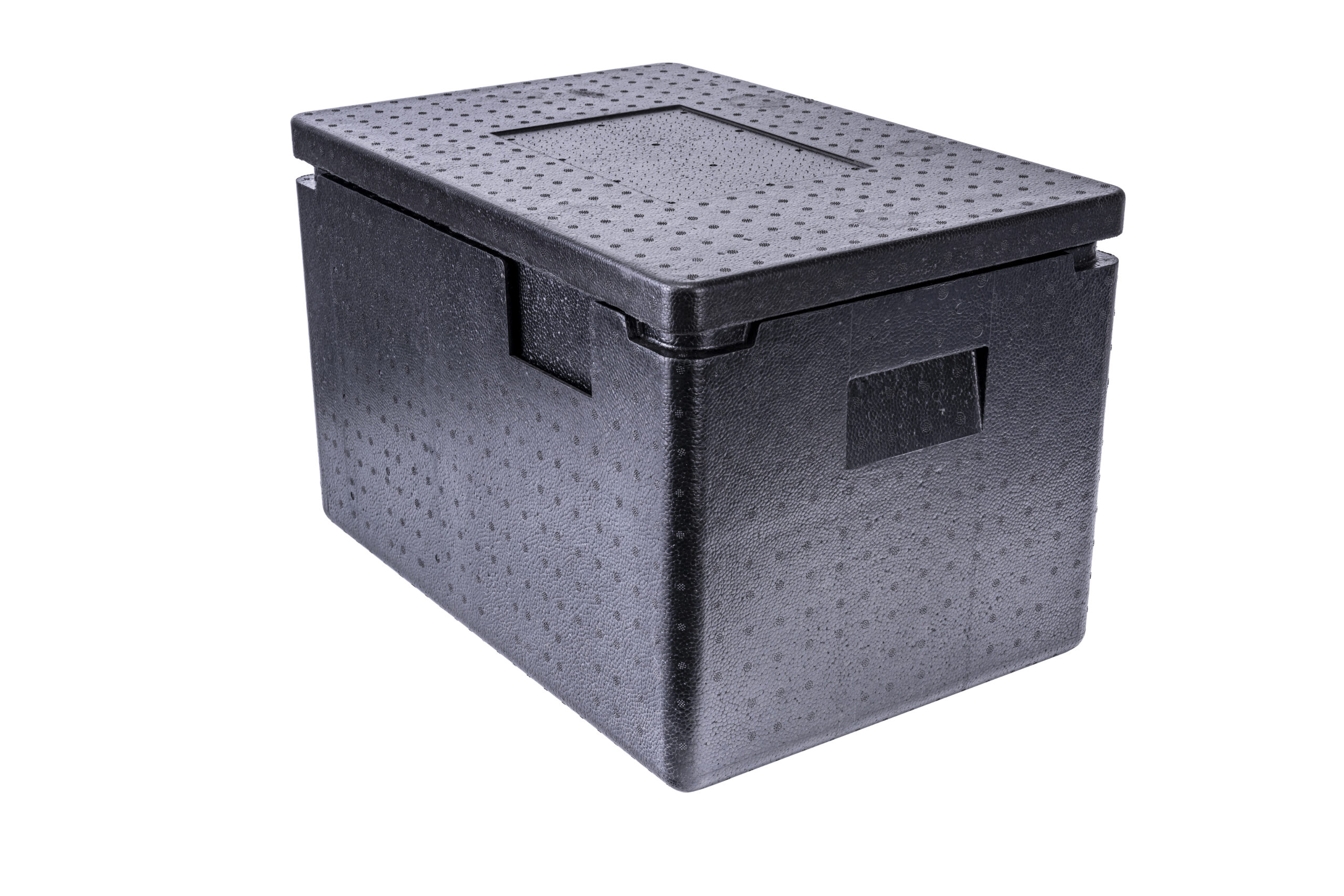
VIP shipping case for pharmaceutical shipping: How to Choose a Defensible Shipping Setup
A receiving team rarely rejects a shipment because the carton looked ordinary; it rejects it because the handling record, temperature evidence, or product condition no longer supports release. A VIP shipping case for pharmaceutical shipping can be a strong option for pharmaceutical shipping when the packaging plan starts with the product requirement and ends with a repeatable receiving process. Pharmaceutical shipping conditions should follow the product label, approved shipping instruction, stability data, and market-specific GDP expectations. This edited version focuses on the practical decision path: requirement, route, payload, packout, monitoring, and supplier evidence. The goal is not to assume that VIP insulation solves every problem, but to help you ask better questions before the first shipment leaves the dock.
Decision answer: choose the VIP shipping case for pharmaceutical shipping only when it fits the product requirement, route risk, payload geometry, coolant plan, monitoring objective, and receiving procedure. A VIP design is not a standalone guarantee; it is a component in a controlled shipping process.
Start with the risk you are trying to control
The risk behind pharmaceutical shipping is rarely one-dimensional. a case that looks strong can still be unsuitable if it lacks a tested packout, documented lane assumptions, receiving procedure, or change-control path. A VIP shipping case for pharmaceutical shipping is useful only when that risk has been translated into a requirement: product condition, route exposure, payload size, monitoring need, and receiving action. Without those inputs, the buyer is selecting a container by appearance and hope.
Write the risk in plain language. For example: 'protect the payload from warming during an overnight route with two handovers,' or 'avoid direct freezing while keeping a refrigerated condition through parcel delivery.' This wording makes it easier to choose coolant, sensor placement, and packout controls. It also gives suppliers a better basis for recommendation.
The decision should also define what counts as acceptable evidence. A visual check may be enough for some low-risk goods. A temperature record, packing record, and quality review may be necessary for regulated, high-value, or patient-related shipments.
Evaluate the container without relying on brochure claims
| Decision point | Good evidence to request | How to use the answer |
|---|---|---|
| Temperature requirement | Product instruction, protocol, or quality-approved shipping range. | Use it to choose coolant and acceptance criteria. |
| Route exposure | Lane map, seasonal risk, handover points, and expected dwell time. | Use it to judge whether the test profile is relevant. |
| Payload fit | Usable internal layout with coolant and monitoring included. | Avoid overfilling or excessive air space. |
| Packout evidence | Written configuration, sensor location, and test assumptions. | Turn a sample into a repeatable operation. |
| Supplier change control | How component or design changes are communicated. | Protect routine shipments from silent specification drift. |
The purpose of this table is to turn a product conversation into an evidence conversation. A VIP shipping case for pharmaceutical shipping can sound impressive, but the buyer still needs to know what was tested, what was assumed, and what remains to be confirmed. If the supplier's answer is vague, treat the claim as unverified until the lane is reviewed.
For pharmaceutical shipping, the most useful evidence connects the payload, coolant, ambient profile, and acceptance criteria. Evidence from a different payload or route may still be informative, but it should not be copied into your quality file without review.
Packout is the operating system
A passive container has no compressor or active control loop. The packout acts as the operating system. It determines where the coolant sits, how the payload is separated, how the lid is closed, where the logger is placed, and how quickly the shipment moves from packing to pickup. Small changes can matter. A missing separator, a warmer starting payload, or an extended staging period may change the temperature story.
A good packout for pharmaceutical shipping should be clear enough for a new worker to follow. Photos, orientation marks, coolant counts, conditioning instructions, and receiving steps can reduce variation. The buyer should ask whether the supplier can help translate the design into a routine packing instruction rather than leaving operators to improvise.
When a data logger or IoT sensor is used, its role should be written into the plan. The logger documents conditions; it does not protect the payload. Real-time alerts can support intervention, but only if someone is responsible for receiving the alert and taking action.
When VIP is a strong fit and when it is not
A VIP solution is a strong candidate when payload space is valuable, route exposure is meaningful, and the buyer needs a compact insulated design with disciplined handling. It can also fit high-value lanes where a smaller box footprint or stronger thermal resistance supports operational goals. For finished medicines, clinical trial materials, APIs in controlled logistics, and pharmaceutical samples, the fit improves when the temperature range, packout, and receiving criteria are well defined.
It may not be the right first choice when the shipment is low value, the route is very short and controlled, the return loop cannot protect the panels, or the team cannot repeat the packout. It may also be unsuitable if the payload has incompatible temperature needs or if dry ice, PCM, or gel packs are chosen without testing. VIP insulation is powerful, but it is not a substitute for process control.
This balanced view helps procurement avoid both under-buying and over-buying. The goal is not the most advanced container on paper. The goal is the most defensible system for the shipment's risk.
Receiving and change-control details buyers often miss
Receiving is part of the cold chain, not an administrative afterthought. The destination team should know when to open the box, how to read the logger, what condition to check, how to document exceptions, and who decides whether the shipment can be accepted. A well-designed container cannot compensate for a receiving process that leaves the payload waiting in an uncontrolled area.
For pharmaceutical shipping, change control should also be explicit. If the payload changes, if the route changes, if a carrier is replaced, if the coolant source changes, or if the box design is modified, the original assumptions may no longer apply. Buyers should ask suppliers how they communicate product or component changes and what review is recommended before continued use.
This is especially important for repeat shipments. The first shipment may be watched closely; the hundredth shipment depends on routine discipline. Documentation, inspection, and feedback loops keep the system from drifting.
A short approval path for B2B buyers
A VIP shipping case for pharmaceutical shipping should also be reviewed for compatibility with secondary packaging. Vials, cartons, pouches, trays, absorbent systems, and protective wraps can change the internal geometry. If secondary packaging changes, the thermal and handling assumptions may also change.
Cost should be evaluated as risk-adjusted cost. A lower-cost container can be appropriate for controlled, low-risk shipments. A higher-cost VIP design may be reasonable when payload value, rejection risk, freight space, or documentation demands justify it. The point is to compare total operating risk, not only purchase price.
Do not treat a supplier's catalog as a quality file. Catalogs help shortlist options, but routine use should be supported by the buyer's own requirements, supplier evidence, internal approval, and route-specific judgement. This is especially important where release decisions depend on traceable records.
Pre-shipment review and change control
A pre-shipment review should also decide what information must travel with the load. For pharmaceutical shipping, that may include a packing record, logger ID, product lot, required condition, handover note, or receiving checklist. The goal is to remove uncertainty when the shipment arrives, because a good container is less useful if the destination team does not know how to interpret it.
Buyers should review the route after the first few shipments rather than assuming the first approval ends the work. If the VIP shipping case for pharmaceutical shipping repeatedly returns with condensation, difficult unpacking, damaged corners, unexpected logger patterns, or receiver questions, those findings should be used to refine the packout or the supplier conversation. Practical cold-chain control improves through feedback, not only through the initial purchase order.
Component consistency is another practical concern. A change in liner, panel source, closure, coolant pack, divider, or outer carton can alter daily use. The buyer does not need to reject every change, but should know when a change requires review. This is especially important for repeatable B2B lanes where quality teams expect traceability and controlled decisions.
The packaging team should also define damage inspection rules. For pharmaceutical shipping, a box may be rejected from reuse because of cracked corners, crushed panel areas, damaged hinges, loose closures, odor, residue, or signs that the panel envelope has been compromised. These rules protect the shipment and prevent operators from guessing under pressure.
Finally, the buying team should keep the language in supplier documents precise. Terms such as refrigerated, validated, qualified, reusable, and compliant can mean different things unless the evidence and limits are stated. A careful buyer asks what was tested, under what conditions, with which payload, and what still needs internal approval.
A receiving checklist should be written before the first shipment, not after a dispute. For pharmaceutical shipping, the checklist can state who opens the container, who retrieves the logger, what visual condition is recorded, how exceptions are escalated, and where the shipment waits while the decision is made. This protects the value of the packaging investment.
The team should also decide how to handle partial loads. A VIP shipping case for pharmaceutical shipping that performs well with a full payload may behave differently when the payload is smaller or arranged unevenly. If partial loads are common, the packout should explain whether extra dunnage, separators, or a revised coolant layout is needed.
FAQ
Is a VIP shipping case for pharmaceutical shipping automatically qualified for my shipment?
No. A VIP shipping case for pharmaceutical shipping may be a strong component, but suitability depends on the required product condition, route, payload, coolant configuration, monitoring plan, and receiving process. Ask for evidence that matches your lane or plan an internal review before routine use.
Does VIP insulation replace gel packs, PCM packs, or dry ice?
No. VIP insulation slows heat transfer through the container wall. It does not create the required temperature condition by itself. Coolant or refrigerant selection still depends on the product requirement, payload mass, route exposure, and whether the product must avoid direct contact or freezing.
What should I ask a supplier before ordering samples?
Share the product condition, payload size, route duration, ambient risk, handover pattern, and documentation need. Then ask what test evidence, packout instructions, sensor placement guidance, and limitations apply. This conversation is more useful than asking only for a box size and a price.
Can I use the same packout for different products?
Sometimes, but it should not be assumed. Different products may have different starting temperatures, payload masses, shapes, acceptable ranges, and sensitivity to freezing or warming. A packout that works for one product may need review before it is used for another.
Where should the temperature logger be placed?
Logger placement should match the monitoring objective. A logger near the payload can better represent product exposure, while a logger near a lid or wall may show external handling effects. The quality or operations team should define placement before the shipment is reviewed.
Operational details that protect repeatability
Repeatability is the difference between a promising sample and a working lane. A VIP shipping case for pharmaceutical shipping should be evaluated with the people who will actually pack, move, receive, and review the shipment. If they cannot repeat the coolant conditioning, payload orientation, logger placement, and closing step, the design needs simplification before it scales.
For pharmaceutical shipping, a clean instruction can prevent avoidable deviations. It should show the packout sequence, identify components by name, explain what to do if a component is missing or damaged, and state when the shipment should not be released. The instruction should also make clear whether the container is single-use, reusable, returnable, or subject to inspection before reuse.
This operational layer is not paperwork for its own sake. It protects the buyer from silent variation. When each shipment is packed and reviewed the same way, temperature data becomes easier to interpret and supplier conversations become more precise.
Conclusion
If your shipment carries sensitive or high-value goods, do not judge the VIP shipping case for pharmaceutical shipping by appearance alone. Confirm the temperature requirement, test context, coolant configuration, sensor placement, and change-control process. Those details turn a thermal container into a defensible shipping setup.
About Tempk
Tempk supports B2B buyers who need to compare insulated packaging components, coolant choices, and packout options for temperature-sensitive shipments across food, medical, and life science use cases. For pharmaceutical shipping, the useful starting point is to share your payload type, required condition, route, expected handling time, and documentation needs so the packaging recommendation can be matched to the real shipment.
Before moving from sample to routine shipping, ask Tempk for a practical packout discussion based on your payload, lane, and receiving process.
VIP shipping case for pack out optimization: Practical Selection Guide

VIP shipping case for pack out optimization: How to Choose a Defensible Shipping Setup
The first question is not whether the container looks strong. It is whether the container, coolant, payload, route, and receiving process work as one controlled setup. A VIP shipping case for pack out optimization can be a strong option for pack out optimization when the packaging plan starts with the product requirement and ends with a repeatable receiving process. Packout optimization starts with the required product condition and route exposure, then adjusts coolant mass, payload placement, dunnage, monitoring position, and handling discipline. This edited version focuses on the practical decision path: requirement, route, payload, packout, monitoring, and supplier evidence. The goal is not to assume that VIP insulation solves every problem, but to help you ask better questions before the first shipment leaves the dock.
Decision answer: choose the VIP shipping case for pack out optimization only when it fits the product requirement, route risk, payload geometry, coolant plan, monitoring objective, and receiving procedure. A VIP design is not a standalone guarantee; it is a component in a controlled shipping process.
Map the journey before selecting the container
A VIP shipping case for pack out optimization should be chosen after the journey is mapped from preparation to receipt. The map should include preconditioning, packing time, pickup window, carrier handover, air or ground transfer, destination receiving, and any planned or unplanned waiting. This is where many cold-chain plans become more realistic.
For pack out optimization, the most vulnerable step may not be the longest step. small changes in payload mass, coolant conditioning, air space, lid time, and box orientation can change performance more than a buyer expects. A short wait in a hot loading area or a delayed receiving appointment can create more risk than hours in a controlled vehicle. Mapping the journey helps buyers ask for the right packout evidence.
The map should also mark who owns each step. Packaging, logistics, quality, and receiving teams may each control a different part of the risk. A container selection made by procurement alone can miss this ownership structure.
Turn requirements into a packaging brief
A packaging brief is a short document that tells suppliers what problem the shipment needs to solve. For pack out optimization, it should include payload description, required condition, route duration, ambient exposure, quantity, internal dimension needs, monitoring expectations, and receiving process. The brief does not need to be long; it needs to be specific.
The brief should avoid unsupported assumptions. Do not write that the shipment needs a fixed hold time unless the route, ambient profile, payload, and acceptance criteria have been defined. Do not write that a solution must be compliant with every market. Instead, state the quality or regulatory review process that applies to your shipment and ask what evidence the supplier can provide.
This approach helps a supplier recommend a VIP, EPP, PU, EPS, PCM, gel pack, active container, or hybrid solution based on evidence rather than product category alone.
Evidence checkpoints for procurement and quality
| Decision point | Good evidence to request | How to use the answer |
|---|---|---|
| Temperature requirement | Product instruction, protocol, or quality-approved shipping range. | Use it to choose coolant and acceptance criteria. |
| Route exposure | Lane map, seasonal risk, handover points, and expected dwell time. | Use it to judge whether the test profile is relevant. |
| Payload fit | Usable internal layout with coolant and monitoring included. | Avoid overfilling or excessive air space. |
| Packout evidence | Written configuration, sensor location, and test assumptions. | Turn a sample into a repeatable operation. |
| Supplier change control | How component or design changes are communicated. | Protect routine shipments from silent specification drift. |
These checkpoints help the buyer separate a useful product claim from an unsupported promise. Strong suppliers can usually explain the test context, packout assumptions, and limits of use. That transparency is more valuable than a slogan about long performance.
For temperature-sensitive payloads that need a better balance of internal volume, coolant layout, handling time, and qualification evidence, the evidence should be reviewed by the people who will release, receive, or investigate the shipment. A procurement-only review may miss quality and operational implications.
Design choices that affect daily handling
Daily handling determines whether a thermal design survives real use. The lid must be easy to close correctly. The payload should fit without crushing or forcing. Coolant positions should be obvious. Labels should remain visible. The box should be easy to inspect for damage. Cleaning should not threaten the VIP panel envelope or the closure system.
For pack out optimization, these handling details can decide whether the solution is accepted by warehouse staff. A design that requires perfect memory or unusual manual skill may work in a test and fail during peak shipping. Buyers should ask to see the packout procedure, not only the empty box.
If the container is reusable, the return loop becomes part of the design. Who collects it? How is it cleaned? How is damage checked? How are missing components replaced? Reuse should be planned as an operating process, not assumed because the material looks durable.
When to add monitoring or IoT visibility
Monitoring should be matched to shipment risk. A simple logger may be enough when the receiving team only needs a post-delivery record. Real-time IoT visibility may be useful when intervention is possible and someone is assigned to act on alerts. Neither option changes the thermal capacity of the packaging. It only changes what the team can see and how quickly it can respond.
For pack out optimization, sensor placement and alarm thresholds should be discussed with quality or operations. A sensor against coolant may not represent payload exposure. A sensor near the lid may capture worst-case opening effects. Alarm settings should reflect the product's interpretation plan and the action the team can realistically take.
A short approval path for B2B buyers
A useful internal review separates decision rights. Procurement can compare cost, availability, and supplier responsiveness. Operations can judge whether the packout is practical during peak workload. Quality can decide whether the evidence, monitoring, and exception process are sufficient. When these roles are mixed together, a VIP shipping case for pack out optimization may be approved for the wrong reason.
Training is often overlooked. The best packout document is the one staff can follow without interpretation. If the loading sequence, coolant orientation, logger placement, or closure method can be misunderstood, add photos or labels. For pack out optimization, clarity often protects performance as much as material selection does.
Do not treat a supplier's catalog as a quality file. Catalogs help shortlist options, but routine use should be supported by the buyer's own requirements, supplier evidence, internal approval, and route-specific judgement. This is especially important where release decisions depend on traceable records.
Pre-shipment review and change control
A pre-shipment review should also decide what information must travel with the load. For pack out optimization, that may include a packing record, logger ID, product lot, required condition, handover note, or receiving checklist. The goal is to remove uncertainty when the shipment arrives, because a good container is less useful if the destination team does not know how to interpret it.
Buyers should review the route after the first few shipments rather than assuming the first approval ends the work. If the VIP shipping case for pack out optimization repeatedly returns with condensation, difficult unpacking, damaged corners, unexpected logger patterns, or receiver questions, those findings should be used to refine the packout or the supplier conversation. Practical cold-chain control improves through feedback, not only through the initial purchase order.
Component consistency is another practical concern. A change in liner, panel source, closure, coolant pack, divider, or outer carton can alter daily use. The buyer does not need to reject every change, but should know when a change requires review. This is especially important for repeatable B2B lanes where quality teams expect traceability and controlled decisions.
The packaging team should also define damage inspection rules. For pack out optimization, a box may be rejected from reuse because of cracked corners, crushed panel areas, damaged hinges, loose closures, odor, residue, or signs that the panel envelope has been compromised. These rules protect the shipment and prevent operators from guessing under pressure.
Finally, the buying team should keep the language in supplier documents precise. Terms such as refrigerated, validated, qualified, reusable, and compliant can mean different things unless the evidence and limits are stated. A careful buyer asks what was tested, under what conditions, with which payload, and what still needs internal approval.
A receiving checklist should be written before the first shipment, not after a dispute. For pack out optimization, the checklist can state who opens the container, who retrieves the logger, what visual condition is recorded, how exceptions are escalated, and where the shipment waits while the decision is made. This protects the value of the packaging investment.
The team should also decide how to handle partial loads. A VIP shipping case for pack out optimization that performs well with a full payload may behave differently when the payload is smaller or arranged unevenly. If partial loads are common, the packout should explain whether extra dunnage, separators, or a revised coolant layout is needed.
Supplier support should be practical rather than promotional. Useful support includes answering packout questions, explaining test assumptions, discussing component changes, and helping the buyer prepare a repeatable operating instruction. General claims about premium materials are less useful than clear limits and review points.
For long-term use, assign ownership of the packaging file. Someone should keep the supplier specification, packout instruction, test summary, training notes, and receiving feedback together. That file helps new staff understand why the VIP shipping case for pack out optimization was selected and what conditions must not change without review.
FAQ
Is a VIP shipping case for pack out optimization automatically qualified for my shipment?
No. A VIP shipping case for pack out optimization may be a strong component, but suitability depends on the required product condition, route, payload, coolant configuration, monitoring plan, and receiving process. Ask for evidence that matches your lane or plan an internal review before routine use.
Does VIP insulation replace gel packs, PCM packs, or dry ice?
No. VIP insulation slows heat transfer through the container wall. It does not create the required temperature condition by itself. Coolant or refrigerant selection still depends on the product requirement, payload mass, route exposure, and whether the product must avoid direct contact or freezing.
What should I ask a supplier before ordering samples?
Share the product condition, payload size, route duration, ambient risk, handover pattern, and documentation need. Then ask what test evidence, packout instructions, sensor placement guidance, and limitations apply. This conversation is more useful than asking only for a box size and a price.
Can I use the same packout for different products?
Sometimes, but it should not be assumed. Different products may have different starting temperatures, payload masses, shapes, acceptable ranges, and sensitivity to freezing or warming. A packout that works for one product may need review before it is used for another.
Where should the temperature logger be placed?
Logger placement should match the monitoring objective. A logger near the payload can better represent product exposure, while a logger near a lid or wall may show external handling effects. The quality or operations team should define placement before the shipment is reviewed.
Operational details that protect repeatability
Repeatability is the difference between a promising sample and a working lane. A VIP shipping case for pack out optimization should be evaluated with the people who will actually pack, move, receive, and review the shipment. If they cannot repeat the coolant conditioning, payload orientation, logger placement, and closing step, the design needs simplification before it scales.
For pack out optimization, a clean instruction can prevent avoidable deviations. It should show the packout sequence, identify components by name, explain what to do if a component is missing or damaged, and state when the shipment should not be released. The instruction should also make clear whether the container is single-use, reusable, returnable, or subject to inspection before reuse.
This operational layer is not paperwork for its own sake. It protects the buyer from silent variation. When each shipment is packed and reviewed the same way, temperature data becomes easier to interpret and supplier conversations become more precise.
Conclusion
If your shipment carries sensitive or high-value goods, do not judge the VIP shipping case for pack out optimization by appearance alone. Confirm the temperature requirement, test context, coolant configuration, sensor placement, and change-control process. Those details turn a thermal container into a defensible shipping setup.
About Tempk
Tempk supports B2B buyers who need to compare insulated packaging components, coolant choices, and packout options for temperature-sensitive shipments across food, medical, and life science use cases. For pack out optimization, the useful starting point is to share your payload type, required condition, route, expected handling time, and documentation needs so the packaging recommendation can be matched to the real shipment.
Contact Tempk with your product condition, route exposure, and documentation needs to compare suitable VIP, EPP, PCM, gel pack, or hybrid packaging options.
VIP refrigerated container for high value shipments: Practical Selection Guide
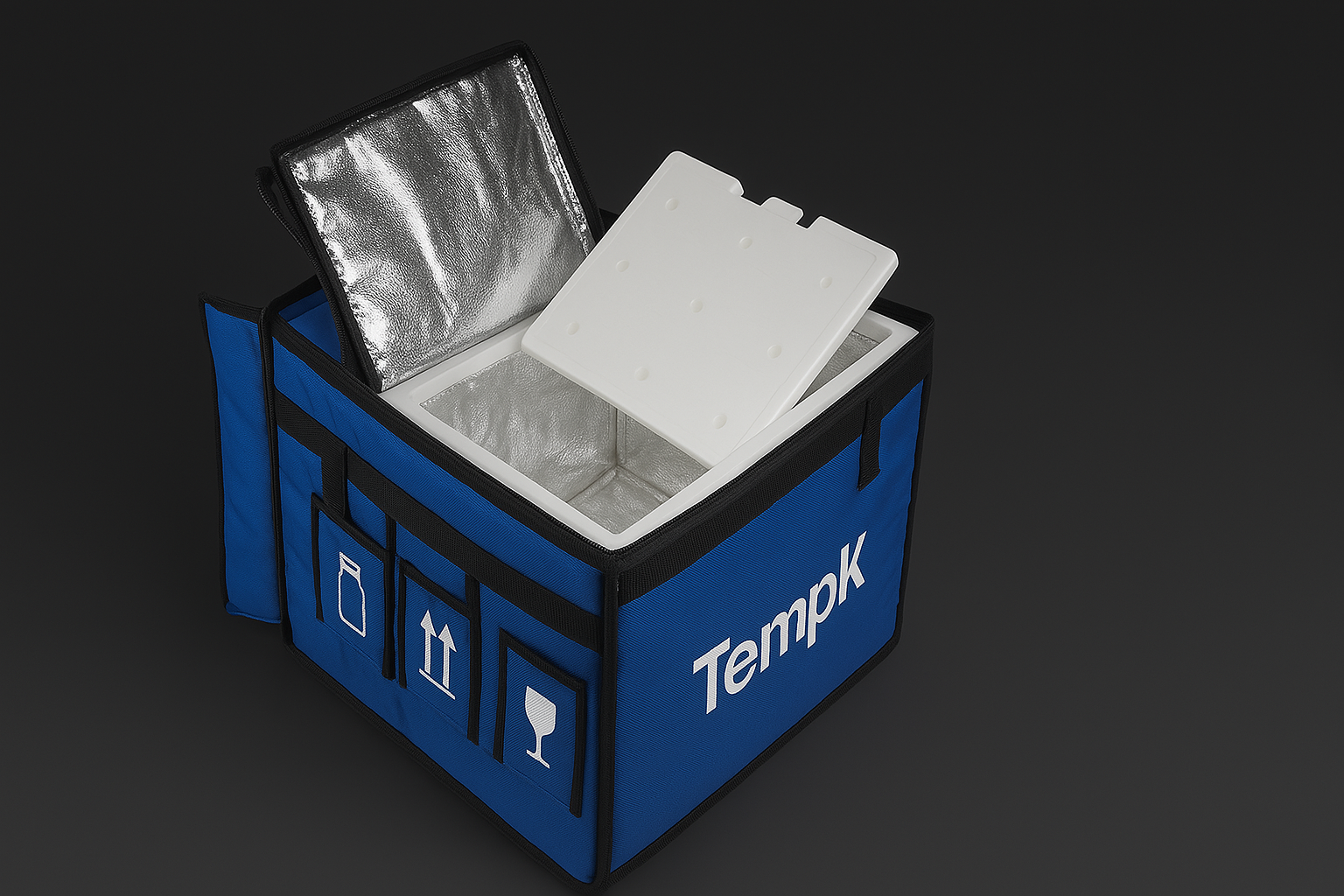
VIP refrigerated container for high value shipments: How to Choose a Defensible Shipping Setup
A VIP container can protect valuable payload space, but it cannot compensate for a poorly defined temperature requirement or an improvised packout. A VIP refrigerated container for high value shipments can be a strong option for high value shipments when the packaging plan starts with the product requirement and ends with a repeatable receiving process. High value shipments can have very different temperature requirements, so value alone should not define the packaging system. This edited version focuses on the practical decision path: requirement, route, payload, packout, monitoring, and supplier evidence. The goal is not to assume that VIP insulation solves every problem, but to help you ask better questions before the first shipment leaves the dock.
Decision answer: choose the VIP refrigerated container for high value shipments only when it fits the product requirement, route risk, payload geometry, coolant plan, monitoring objective, and receiving procedure. A VIP design is not a standalone guarantee; it is a component in a controlled shipping process.
Start with the risk you are trying to control
The risk behind high value shipments is rarely one-dimensional. financial loss may come from rejected delivery, missing proof, delayed recovery action, insurance dispute, or replacement lead time, not only from visible product damage. A VIP refrigerated container for high value shipments is useful only when that risk has been translated into a requirement: product condition, route exposure, payload size, monitoring need, and receiving action. Without those inputs, the buyer is selecting a container by appearance and hope.
Write the risk in plain language. For example: 'protect the payload from warming during an overnight route with two handovers,' or 'avoid direct freezing while keeping a refrigerated condition through parcel delivery.' This wording makes it easier to choose coolant, sensor placement, and packout controls. It also gives suppliers a better basis for recommendation.
The decision should also define what counts as acceptable evidence. A visual check may be enough for some low-risk goods. A temperature record, packing record, and quality review may be necessary for regulated, high-value, or patient-related shipments.
Evaluate the container without relying on brochure claims
| Decision point | Good evidence to request | How to use the answer |
|---|---|---|
| Temperature requirement | Product instruction, protocol, or quality-approved shipping range. | Use it to choose coolant and acceptance criteria. |
| Route exposure | Lane map, seasonal risk, handover points, and expected dwell time. | Use it to judge whether the test profile is relevant. |
| Payload fit | Usable internal layout with coolant and monitoring included. | Avoid overfilling or excessive air space. |
| Packout evidence | Written configuration, sensor location, and test assumptions. | Turn a sample into a repeatable operation. |
| Supplier change control | How component or design changes are communicated. | Protect routine shipments from silent specification drift. |
The purpose of this table is to turn a product conversation into an evidence conversation. A VIP refrigerated container for high value shipments can sound impressive, but the buyer still needs to know what was tested, what was assumed, and what remains to be confirmed. If the supplier's answer is vague, treat the claim as unverified until the lane is reviewed.
For high value shipments, the most useful evidence connects the payload, coolant, ambient profile, and acceptance criteria. Evidence from a different payload or route may still be informative, but it should not be copied into your quality file without review.
Packout is the operating system
A passive container has no compressor or active control loop. The packout acts as the operating system. It determines where the coolant sits, how the payload is separated, how the lid is closed, where the logger is placed, and how quickly the shipment moves from packing to pickup. Small changes can matter. A missing separator, a warmer starting payload, or an extended staging period may change the temperature story.
A good packout for high value shipments should be clear enough for a new worker to follow. Photos, orientation marks, coolant counts, conditioning instructions, and receiving steps can reduce variation. The buyer should ask whether the supplier can help translate the design into a routine packing instruction rather than leaving operators to improvise.
When a data logger or IoT sensor is used, its role should be written into the plan. The logger documents conditions; it does not protect the payload. Real-time alerts can support intervention, but only if someone is responsible for receiving the alert and taking action.
When VIP is a strong fit and when it is not
A VIP solution is a strong candidate when payload space is valuable, route exposure is meaningful, and the buyer needs a compact insulated design with disciplined handling. It can also fit high-value lanes where a smaller box footprint or stronger thermal resistance supports operational goals. For expensive medicines, prototypes, biologics, specialty chemicals, diagnostics, devices, and critical inventory, the fit improves when the temperature range, packout, and receiving criteria are well defined.
It may not be the right first choice when the shipment is low value, the route is very short and controlled, the return loop cannot protect the panels, or the team cannot repeat the packout. It may also be unsuitable if the payload has incompatible temperature needs or if dry ice, PCM, or gel packs are chosen without testing. VIP insulation is powerful, but it is not a substitute for process control.
This balanced view helps procurement avoid both under-buying and over-buying. The goal is not the most advanced container on paper. The goal is the most defensible system for the shipment's risk.
Receiving and change-control details buyers often miss
Receiving is part of the cold chain, not an administrative afterthought. The destination team should know when to open the box, how to read the logger, what condition to check, how to document exceptions, and who decides whether the shipment can be accepted. A well-designed container cannot compensate for a receiving process that leaves the payload waiting in an uncontrolled area.
For high value shipments, change control should also be explicit. If the payload changes, if the route changes, if a carrier is replaced, if the coolant source changes, or if the box design is modified, the original assumptions may no longer apply. Buyers should ask suppliers how they communicate product or component changes and what review is recommended before continued use.
This is especially important for repeat shipments. The first shipment may be watched closely; the hundredth shipment depends on routine discipline. Documentation, inspection, and feedback loops keep the system from drifting.
A short approval path for B2B buyers
Seasonality should be handled with care. A route that works in a mild season may face very different exposure during a heat wave, winter cold snap, airport delay, or holiday congestion. This does not mean every shipment needs a new box. It means the buyer should know which route assumptions were used and when a review is triggered.
A VIP refrigerated container for high value shipments should also be reviewed for compatibility with secondary packaging. Vials, cartons, pouches, trays, absorbent systems, and protective wraps can change the internal geometry. If secondary packaging changes, the thermal and handling assumptions may also change.
Do not treat a supplier's catalog as a quality file. Catalogs help shortlist options, but routine use should be supported by the buyer's own requirements, supplier evidence, internal approval, and route-specific judgement. This is especially important where release decisions depend on traceable records.
Pre-shipment review and change control
A pre-shipment review should also decide what information must travel with the load. For high value shipments, that may include a packing record, logger ID, product lot, required condition, handover note, or receiving checklist. The goal is to remove uncertainty when the shipment arrives, because a good container is less useful if the destination team does not know how to interpret it.
Buyers should review the route after the first few shipments rather than assuming the first approval ends the work. If the VIP refrigerated container for high value shipments repeatedly returns with condensation, difficult unpacking, damaged corners, unexpected logger patterns, or receiver questions, those findings should be used to refine the packout or the supplier conversation. Practical cold-chain control improves through feedback, not only through the initial purchase order.
Component consistency is another practical concern. A change in liner, panel source, closure, coolant pack, divider, or outer carton can alter daily use. The buyer does not need to reject every change, but should know when a change requires review. This is especially important for repeatable B2B lanes where quality teams expect traceability and controlled decisions.
The packaging team should also define damage inspection rules. For high value shipments, a box may be rejected from reuse because of cracked corners, crushed panel areas, damaged hinges, loose closures, odor, residue, or signs that the panel envelope has been compromised. These rules protect the shipment and prevent operators from guessing under pressure.
Finally, the buying team should keep the language in supplier documents precise. Terms such as refrigerated, validated, qualified, reusable, and compliant can mean different things unless the evidence and limits are stated. A careful buyer asks what was tested, under what conditions, with which payload, and what still needs internal approval.
A receiving checklist should be written before the first shipment, not after a dispute. For high value shipments, the checklist can state who opens the container, who retrieves the logger, what visual condition is recorded, how exceptions are escalated, and where the shipment waits while the decision is made. This protects the value of the packaging investment.
The team should also decide how to handle partial loads. A VIP refrigerated container for high value shipments that performs well with a full payload may behave differently when the payload is smaller or arranged unevenly. If partial loads are common, the packout should explain whether extra dunnage, separators, or a revised coolant layout is needed.
FAQ
Is a VIP refrigerated container for high value shipments automatically qualified for my shipment?
No. A VIP refrigerated container for high value shipments may be a strong component, but suitability depends on the required product condition, route, payload, coolant configuration, monitoring plan, and receiving process. Ask for evidence that matches your lane or plan an internal review before routine use.
Does VIP insulation replace gel packs, PCM packs, or dry ice?
No. VIP insulation slows heat transfer through the container wall. It does not create the required temperature condition by itself. Coolant or refrigerant selection still depends on the product requirement, payload mass, route exposure, and whether the product must avoid direct contact or freezing.
What should I ask a supplier before ordering samples?
Share the product condition, payload size, route duration, ambient risk, handover pattern, and documentation need. Then ask what test evidence, packout instructions, sensor placement guidance, and limitations apply. This conversation is more useful than asking only for a box size and a price.
Can I use the same packout for different products?
Sometimes, but it should not be assumed. Different products may have different starting temperatures, payload masses, shapes, acceptable ranges, and sensitivity to freezing or warming. A packout that works for one product may need review before it is used for another.
Where should the temperature logger be placed?
Logger placement should match the monitoring objective. A logger near the payload can better represent product exposure, while a logger near a lid or wall may show external handling effects. The quality or operations team should define placement before the shipment is reviewed.
Operational details that protect repeatability
Repeatability is the difference between a promising sample and a working lane. A VIP refrigerated container for high value shipments should be evaluated with the people who will actually pack, move, receive, and review the shipment. If they cannot repeat the coolant conditioning, payload orientation, logger placement, and closing step, the design needs simplification before it scales.
For high value shipments, a clean instruction can prevent avoidable deviations. It should show the packout sequence, identify components by name, explain what to do if a component is missing or damaged, and state when the shipment should not be released. The instruction should also make clear whether the container is single-use, reusable, returnable, or subject to inspection before reuse.
This operational layer is not paperwork for its own sake. It protects the buyer from silent variation. When each shipment is packed and reviewed the same way, temperature data becomes easier to interpret and supplier conversations become more precise.
Conclusion
If your shipment carries sensitive or high-value goods, do not judge the VIP refrigerated container for high value shipments by appearance alone. Confirm the temperature requirement, test context, coolant configuration, sensor placement, and change-control process. Those details turn a thermal container into a defensible shipping setup.
About Tempk
Tempk works with cold-chain packaging for food, pharmaceutical, medical, and logistics applications, including gel ice packs, PCM-related cooling packs, EPP insulated boxes, cold shipping boxes, insulated liners, and pallet protection solutions. For high value shipments, the useful starting point is to share your payload type, required condition, route, expected handling time, and documentation needs so the packaging recommendation can be matched to the real shipment.
Before moving from sample to routine shipping, ask Tempk for a practical packout discussion based on your payload, lane, and receiving process.
VIP refrigerated box for research reagent shipping: Practical Selection Guide
VIP refrigerated box for research reagent shipping: How to Choose a Defensible Shipping Setup
The buyer's risk usually sits in the gaps between specification sheets: loading time, handover delay, payload fit, coolant conditioning, and the way the shipment is inspected on arrival. A VIP refrigerated box for research reagent shipping can be a strong option for research reagent shipping when the packaging plan starts with the product requirement and ends with a repeatable receiving process. Research reagents can require refrigerated, frozen, ambient, or protected-from-freeze handling depending on the formulation and manufacturer instructions. This edited version focuses on the practical decision path: requirement, route, payload, packout, monitoring, and supplier evidence. The goal is not to assume that VIP insulation solves every problem, but to help you ask better questions before the first shipment leaves the dock.
Decision answer: choose the VIP refrigerated box for research reagent shipping only when it fits the product requirement, route risk, payload geometry, coolant plan, monitoring objective, and receiving procedure. A VIP design is not a standalone guarantee; it is a component in a controlled shipping process.
Map the journey before selecting the container
A VIP refrigerated box for research reagent shipping should be chosen after the journey is mapped from preparation to receipt. The map should include preconditioning, packing time, pickup window, carrier handover, air or ground transfer, destination receiving, and any planned or unplanned waiting. This is where many cold-chain plans become more realistic.
For research reagent shipping, the most vulnerable step may not be the longest step. a reagent shipment may be rejected because the paperwork, temperature record, or packout evidence does not match the promised handling condition. A short wait in a hot loading area or a delayed receiving appointment can create more risk than hours in a controlled vehicle. Mapping the journey helps buyers ask for the right packout evidence.
The map should also mark who owns each step. Packaging, logistics, quality, and receiving teams may each control a different part of the risk. A container selection made by procurement alone can miss this ownership structure.
Turn requirements into a packaging brief
A packaging brief is a short document that tells suppliers what problem the shipment needs to solve. For research reagent shipping, it should include payload description, required condition, route duration, ambient exposure, quantity, internal dimension needs, monitoring expectations, and receiving process. The brief does not need to be long; it needs to be specific.
The brief should avoid unsupported assumptions. Do not write that the shipment needs a fixed hold time unless the route, ambient profile, payload, and acceptance criteria have been defined. Do not write that a solution must be compliant with every market. Instead, state the quality or regulatory review process that applies to your shipment and ask what evidence the supplier can provide.
This approach helps a supplier recommend a VIP, EPP, PU, EPS, PCM, gel pack, active container, or hybrid solution based on evidence rather than product category alone.
Evidence checkpoints for procurement and quality
| Decision point | Good evidence to request | How to use the answer |
|---|---|---|
| Temperature requirement | Product instruction, protocol, or quality-approved shipping range. | Use it to choose coolant and acceptance criteria. |
| Route exposure | Lane map, seasonal risk, handover points, and expected dwell time. | Use it to judge whether the test profile is relevant. |
| Payload fit | Usable internal layout with coolant and monitoring included. | Avoid overfilling or excessive air space. |
| Packout evidence | Written configuration, sensor location, and test assumptions. | Turn a sample into a repeatable operation. |
| Supplier change control | How component or design changes are communicated. | Protect routine shipments from silent specification drift. |
These checkpoints help the buyer separate a useful product claim from an unsupported promise. Strong suppliers can usually explain the test context, packout assumptions, and limits of use. That transparency is more valuable than a slogan about long performance.
For enzymes, buffers, kits, reference materials, stains, controls, and other research reagents, the evidence should be reviewed by the people who will release, receive, or investigate the shipment. A procurement-only review may miss quality and operational implications.
Design choices that affect daily handling
Daily handling determines whether a thermal design survives real use. The lid must be easy to close correctly. The payload should fit without crushing or forcing. Coolant positions should be obvious. Labels should remain visible. The box should be easy to inspect for damage. Cleaning should not threaten the VIP panel envelope or the closure system.
For research reagent shipping, these handling details can decide whether the solution is accepted by warehouse staff. A design that requires perfect memory or unusual manual skill may work in a test and fail during peak shipping. Buyers should ask to see the packout procedure, not only the empty box.
If the container is reusable, the return loop becomes part of the design. Who collects it? How is it cleaned? How is damage checked? How are missing components replaced? Reuse should be planned as an operating process, not assumed because the material looks durable.
When to add monitoring or IoT visibility
Monitoring should be matched to shipment risk. A simple logger may be enough when the receiving team only needs a post-delivery record. Real-time IoT visibility may be useful when intervention is possible and someone is assigned to act on alerts. Neither option changes the thermal capacity of the packaging. It only changes what the team can see and how quickly it can respond.
For research reagent shipping, sensor placement and alarm thresholds should be discussed with quality or operations. A sensor against coolant may not represent payload exposure. A sensor near the lid may capture worst-case opening effects. Alarm settings should reflect the product's interpretation plan and the action the team can realistically take.
A short approval path for B2B buyers
Training is often overlooked. The best packout document is the one staff can follow without interpretation. If the loading sequence, coolant orientation, logger placement, or closure method can be misunderstood, add photos or labels. For research reagent shipping, clarity often protects performance as much as material selection does.
Seasonality should be handled with care. A route that works in a mild season may face very different exposure during a heat wave, winter cold snap, airport delay, or holiday congestion. This does not mean every shipment needs a new box. It means the buyer should know which route assumptions were used and when a review is triggered.
A VIP refrigerated box for research reagent shipping should also be reviewed for compatibility with secondary packaging. Vials, cartons, pouches, trays, absorbent systems, and protective wraps can change the internal geometry. If secondary packaging changes, the thermal and handling assumptions may also change.
Pre-shipment review and change control
A pre-shipment review should also decide what information must travel with the load. For research reagent shipping, that may include a packing record, logger ID, product lot, required condition, handover note, or receiving checklist. The goal is to remove uncertainty when the shipment arrives, because a good container is less useful if the destination team does not know how to interpret it.
Buyers should review the route after the first few shipments rather than assuming the first approval ends the work. If the VIP refrigerated box for research reagent shipping repeatedly returns with condensation, difficult unpacking, damaged corners, unexpected logger patterns, or receiver questions, those findings should be used to refine the packout or the supplier conversation. Practical cold-chain control improves through feedback, not only through the initial purchase order.
Component consistency is another practical concern. A change in liner, panel source, closure, coolant pack, divider, or outer carton can alter daily use. The buyer does not need to reject every change, but should know when a change requires review. This is especially important for repeatable B2B lanes where quality teams expect traceability and controlled decisions.
The packaging team should also define damage inspection rules. For research reagent shipping, a box may be rejected from reuse because of cracked corners, crushed panel areas, damaged hinges, loose closures, odor, residue, or signs that the panel envelope has been compromised. These rules protect the shipment and prevent operators from guessing under pressure.
Finally, the buying team should keep the language in supplier documents precise. Terms such as refrigerated, validated, qualified, reusable, and compliant can mean different things unless the evidence and limits are stated. A careful buyer asks what was tested, under what conditions, with which payload, and what still needs internal approval.
A receiving checklist should be written before the first shipment, not after a dispute. For research reagent shipping, the checklist can state who opens the container, who retrieves the logger, what visual condition is recorded, how exceptions are escalated, and where the shipment waits while the decision is made. This protects the value of the packaging investment.
The team should also decide how to handle partial loads. A VIP refrigerated box for research reagent shipping that performs well with a full payload may behave differently when the payload is smaller or arranged unevenly. If partial loads are common, the packout should explain whether extra dunnage, separators, or a revised coolant layout is needed.
Supplier support should be practical rather than promotional. Useful support includes answering packout questions, explaining test assumptions, discussing component changes, and helping the buyer prepare a repeatable operating instruction. General claims about premium materials are less useful than clear limits and review points.
For long-term use, assign ownership of the packaging file. Someone should keep the supplier specification, packout instruction, test summary, training notes, and receiving feedback together. That file helps new staff understand why the VIP refrigerated box for research reagent shipping was selected and what conditions must not change without review.
FAQ
Is a VIP refrigerated box for research reagent shipping automatically qualified for my shipment?
No. A VIP refrigerated box for research reagent shipping may be a strong component, but suitability depends on the required product condition, route, payload, coolant configuration, monitoring plan, and receiving process. Ask for evidence that matches your lane or plan an internal review before routine use.
Does VIP insulation replace gel packs, PCM packs, or dry ice?
No. VIP insulation slows heat transfer through the container wall. It does not create the required temperature condition by itself. Coolant or refrigerant selection still depends on the product requirement, payload mass, route exposure, and whether the product must avoid direct contact or freezing.
What should I ask a supplier before ordering samples?
Share the product condition, payload size, route duration, ambient risk, handover pattern, and documentation need. Then ask what test evidence, packout instructions, sensor placement guidance, and limitations apply. This conversation is more useful than asking only for a box size and a price.
Can I use the same packout for different products?
Sometimes, but it should not be assumed. Different products may have different starting temperatures, payload masses, shapes, acceptable ranges, and sensitivity to freezing or warming. A packout that works for one product may need review before it is used for another.
Where should the temperature logger be placed?
Logger placement should match the monitoring objective. A logger near the payload can better represent product exposure, while a logger near a lid or wall may show external handling effects. The quality or operations team should define placement before the shipment is reviewed.
Operational details that protect repeatability
Repeatability is the difference between a promising sample and a working lane. A VIP refrigerated box for research reagent shipping should be evaluated with the people who will actually pack, move, receive, and review the shipment. If they cannot repeat the coolant conditioning, payload orientation, logger placement, and closing step, the design needs simplification before it scales.
For research reagent shipping, a clean instruction can prevent avoidable deviations. It should show the packout sequence, identify components by name, explain what to do if a component is missing or damaged, and state when the shipment should not be released. The instruction should also make clear whether the container is single-use, reusable, returnable, or subject to inspection before reuse.
This operational layer is not paperwork for its own sake. It protects the buyer from silent variation. When each shipment is packed and reviewed the same way, temperature data becomes easier to interpret and supplier conversations become more precise.
Conclusion
A VIP refrigerated box for research reagent shipping is most useful when it is selected as part of a defined cold-chain process. Start with the product condition, map the route, confirm usable payload space, review the coolant plan, and ask for evidence that matches your shipment. VIP insulation can be valuable, but it should be supported by packout discipline, monitoring, and receiving procedures.
About Tempk
Tempk focuses on practical temperature-controlled packaging discussions rather than box selection by name alone, especially when payload, route, temperature target, and operating model need to be reviewed together. For research reagent shipping, the useful starting point is to share your payload type, required condition, route, expected handling time, and documentation needs so the packaging recommendation can be matched to the real shipment.
Contact Tempk with your product condition, route exposure, and documentation needs to compare suitable VIP, EPP, PCM, gel pack, or hybrid packaging options.
VIP insulated packaging for patient-specific therapy transport: Practical Selection

VIP insulated packaging for patient-specific therapy transport: How to Choose a Defensible Shipping Setup
The first question is not whether the container looks strong. It is whether the container, coolant, payload, route, and receiving process work as one controlled setup. A VIP insulated packaging for patient-specific therapy transport can be a strong option for patient-specific therapy transport when the packaging plan starts with the product requirement and ends with a repeatable receiving process. Patient-specific therapy shipments must be planned from the therapy protocol, treatment schedule, approved route, and quality requirements rather than a generic box specification. This edited version focuses on the practical decision path: requirement, route, payload, packout, monitoring, and supplier evidence. The goal is not to assume that VIP insulation solves every problem, but to help you ask better questions before the first shipment leaves the dock.
Decision answer: choose the VIP insulated packaging for patient-specific therapy transport only when it fits the product requirement, route risk, payload geometry, coolant plan, monitoring objective, and receiving procedure. A VIP design is not a standalone guarantee; it is a component in a controlled shipping process.
Start with the risk you are trying to control
The risk behind patient-specific therapy transport is rarely one-dimensional. a delay, identity mix-up, missing temperature record, or receiving uncertainty can be as serious as a thermal excursion. A VIP insulated packaging for patient-specific therapy transport is useful only when that risk has been translated into a requirement: product condition, route exposure, payload size, monitoring need, and receiving action. Without those inputs, the buyer is selecting a container by appearance and hope.
Write the risk in plain language. For example: 'protect the payload from warming during an overnight route with two handovers,' or 'avoid direct freezing while keeping a refrigerated condition through parcel delivery.' This wording makes it easier to choose coolant, sensor placement, and packout controls. It also gives suppliers a better basis for recommendation.
The decision should also define what counts as acceptable evidence. A visual check may be enough for some low-risk goods. A temperature record, packing record, and quality review may be necessary for regulated, high-value, or patient-related shipments.
Evaluate the container without relying on brochure claims
| Decision point | Good evidence to request | How to use the answer |
|---|---|---|
| Temperature requirement | Product instruction, protocol, or quality-approved shipping range. | Use it to choose coolant and acceptance criteria. |
| Route exposure | Lane map, seasonal risk, handover points, and expected dwell time. | Use it to judge whether the test profile is relevant. |
| Payload fit | Usable internal layout with coolant and monitoring included. | Avoid overfilling or excessive air space. |
| Packout evidence | Written configuration, sensor location, and test assumptions. | Turn a sample into a repeatable operation. |
| Supplier change control | How component or design changes are communicated. | Protect routine shipments from silent specification drift. |
The purpose of this table is to turn a product conversation into an evidence conversation. A VIP insulated packaging for patient-specific therapy transport can sound impressive, but the buyer still needs to know what was tested, what was assumed, and what remains to be confirmed. If the supplier's answer is vague, treat the claim as unverified until the lane is reviewed.
For patient-specific therapy transport, the most useful evidence connects the payload, coolant, ambient profile, and acceptance criteria. Evidence from a different payload or route may still be informative, but it should not be copied into your quality file without review.
Packout is the operating system
A passive container has no compressor or active control loop. The packout acts as the operating system. It determines where the coolant sits, how the payload is separated, how the lid is closed, where the logger is placed, and how quickly the shipment moves from packing to pickup. Small changes can matter. A missing separator, a warmer starting payload, or an extended staging period may change the temperature story.
A good packout for patient-specific therapy transport should be clear enough for a new worker to follow. Photos, orientation marks, coolant counts, conditioning instructions, and receiving steps can reduce variation. The buyer should ask whether the supplier can help translate the design into a routine packing instruction rather than leaving operators to improvise.
When a data logger or IoT sensor is used, its role should be written into the plan. The logger documents conditions; it does not protect the payload. Real-time alerts can support intervention, but only if someone is responsible for receiving the alert and taking action.
When VIP is a strong fit and when it is not
A VIP solution is a strong candidate when payload space is valuable, route exposure is meaningful, and the buyer needs a compact insulated design with disciplined handling. It can also fit high-value lanes where a smaller box footprint or stronger thermal resistance supports operational goals. For patient-specific therapies, individualized clinical materials, autologous workflows, and time-sensitive treatment shipments, the fit improves when the temperature range, packout, and receiving criteria are well defined.
It may not be the right first choice when the shipment is low value, the route is very short and controlled, the return loop cannot protect the panels, or the team cannot repeat the packout. It may also be unsuitable if the payload has incompatible temperature needs or if dry ice, PCM, or gel packs are chosen without testing. VIP insulation is powerful, but it is not a substitute for process control.
This balanced view helps procurement avoid both under-buying and over-buying. The goal is not the most advanced container on paper. The goal is the most defensible system for the shipment's risk.
Receiving and change-control details buyers often miss
Receiving is part of the cold chain, not an administrative afterthought. The destination team should know when to open the box, how to read the logger, what condition to check, how to document exceptions, and who decides whether the shipment can be accepted. A well-designed container cannot compensate for a receiving process that leaves the payload waiting in an uncontrolled area.
For patient-specific therapy transport, change control should also be explicit. If the payload changes, if the route changes, if a carrier is replaced, if the coolant source changes, or if the box design is modified, the original assumptions may no longer apply. Buyers should ask suppliers how they communicate product or component changes and what review is recommended before continued use.
This is especially important for repeat shipments. The first shipment may be watched closely; the hundredth shipment depends on routine discipline. Documentation, inspection, and feedback loops keep the system from drifting.
A short approval path for B2B buyers
A useful internal review separates decision rights. Procurement can compare cost, availability, and supplier responsiveness. Operations can judge whether the packout is practical during peak workload. Quality can decide whether the evidence, monitoring, and exception process are sufficient. When these roles are mixed together, a VIP insulated packaging for patient-specific therapy transport may be approved for the wrong reason.
Cost should be evaluated as risk-adjusted cost. A lower-cost container can be appropriate for controlled, low-risk shipments. A higher-cost VIP design may be reasonable when payload value, rejection risk, freight space, or documentation demands justify it. The point is to compare total operating risk, not only purchase price.
Do not treat a supplier's catalog as a quality file. Catalogs help shortlist options, but routine use should be supported by the buyer's own requirements, supplier evidence, internal approval, and route-specific judgement. This is especially important where release decisions depend on traceable records.
Pre-shipment review and change control
A pre-shipment review should also decide what information must travel with the load. For patient-specific therapy transport, that may include a packing record, logger ID, product lot, required condition, handover note, or receiving checklist. The goal is to remove uncertainty when the shipment arrives, because a good container is less useful if the destination team does not know how to interpret it.
Buyers should review the route after the first few shipments rather than assuming the first approval ends the work. If the VIP insulated packaging for patient-specific therapy transport repeatedly returns with condensation, difficult unpacking, damaged corners, unexpected logger patterns, or receiver questions, those findings should be used to refine the packout or the supplier conversation. Practical cold-chain control improves through feedback, not only through the initial purchase order.
Component consistency is another practical concern. A change in liner, panel source, closure, coolant pack, divider, or outer carton can alter daily use. The buyer does not need to reject every change, but should know when a change requires review. This is especially important for repeatable B2B lanes where quality teams expect traceability and controlled decisions.
The packaging team should also define damage inspection rules. For patient-specific therapy transport, a box may be rejected from reuse because of cracked corners, crushed panel areas, damaged hinges, loose closures, odor, residue, or signs that the panel envelope has been compromised. These rules protect the shipment and prevent operators from guessing under pressure.
Finally, the buying team should keep the language in supplier documents precise. Terms such as refrigerated, validated, qualified, reusable, and compliant can mean different things unless the evidence and limits are stated. A careful buyer asks what was tested, under what conditions, with which payload, and what still needs internal approval.
A receiving checklist should be written before the first shipment, not after a dispute. For patient-specific therapy transport, the checklist can state who opens the container, who retrieves the logger, what visual condition is recorded, how exceptions are escalated, and where the shipment waits while the decision is made. This protects the value of the packaging investment.
FAQ
Is a VIP insulated packaging for patient-specific therapy transport automatically qualified for my shipment?
No. A VIP insulated packaging for patient-specific therapy transport may be a strong component, but suitability depends on the required product condition, route, payload, coolant configuration, monitoring plan, and receiving process. Ask for evidence that matches your lane or plan an internal review before routine use.
Does VIP insulation replace gel packs, PCM packs, or dry ice?
No. VIP insulation slows heat transfer through the container wall. It does not create the required temperature condition by itself. Coolant or refrigerant selection still depends on the product requirement, payload mass, route exposure, and whether the product must avoid direct contact or freezing.
What should I ask a supplier before ordering samples?
Share the product condition, payload size, route duration, ambient risk, handover pattern, and documentation need. Then ask what test evidence, packout instructions, sensor placement guidance, and limitations apply. This conversation is more useful than asking only for a box size and a price.
Can I use the same packout for different products?
Sometimes, but it should not be assumed. Different products may have different starting temperatures, payload masses, shapes, acceptable ranges, and sensitivity to freezing or warming. A packout that works for one product may need review before it is used for another.
Where should the temperature logger be placed?
Logger placement should match the monitoring objective. A logger near the payload can better represent product exposure, while a logger near a lid or wall may show external handling effects. The quality or operations team should define placement before the shipment is reviewed.
Operational details that protect repeatability
Repeatability is the difference between a promising sample and a working lane. A VIP insulated packaging for patient-specific therapy transport should be evaluated with the people who will actually pack, move, receive, and review the shipment. If they cannot repeat the coolant conditioning, payload orientation, logger placement, and closing step, the design needs simplification before it scales.
For patient-specific therapy transport, a clean instruction can prevent avoidable deviations. It should show the packout sequence, identify components by name, explain what to do if a component is missing or damaged, and state when the shipment should not be released. The instruction should also make clear whether the container is single-use, reusable, returnable, or subject to inspection before reuse.
This operational layer is not paperwork for its own sake. It protects the buyer from silent variation. When each shipment is packed and reviewed the same way, temperature data becomes easier to interpret and supplier conversations become more precise.
Conclusion
If your shipment carries sensitive or high-value goods, do not judge the VIP insulated packaging for patient-specific therapy transport by appearance alone. Confirm the temperature requirement, test context, coolant configuration, sensor placement, and change-control process. Those details turn a thermal container into a defensible shipping setup.
About Tempk
Tempk supports B2B buyers who need to compare insulated packaging components, coolant choices, and packout options for temperature-sensitive shipments across food, medical, and life science use cases. For patient-specific therapy transport, the useful starting point is to share your payload type, required condition, route, expected handling time, and documentation needs so the packaging recommendation can be matched to the real shipment.
Before moving from sample to routine shipping, ask Tempk for a practical packout discussion based on your payload, lane, and receiving process.
VIP cooler box for medical cold chain: Practical Selection Guide
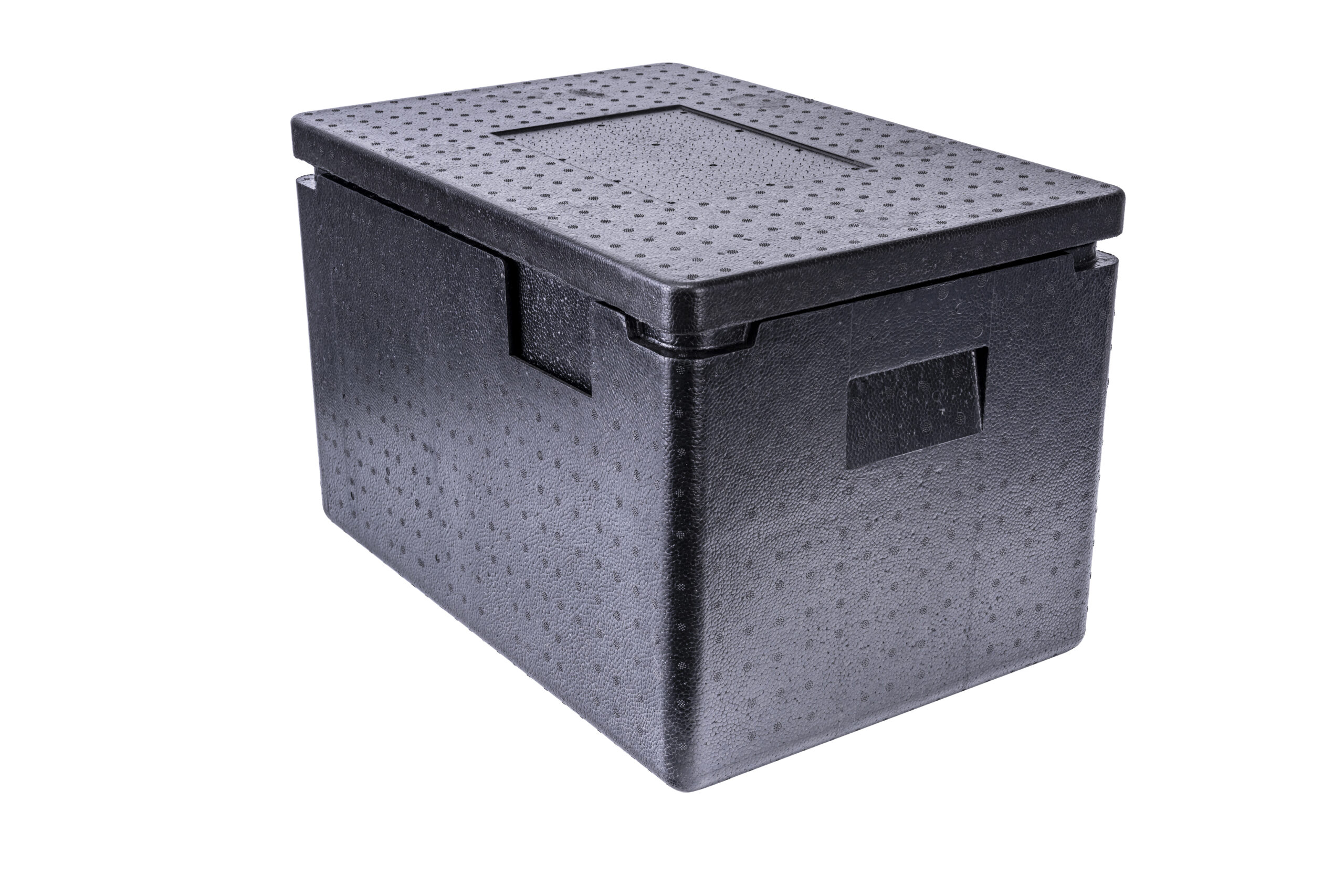
VIP cooler box for medical cold chain: How to Choose a Defensible Shipping Setup
A VIP container can protect valuable payload space, but it cannot compensate for a poorly defined temperature requirement or an improvised packout. A VIP cooler box for medical cold chain can be a strong option for medical cold chain when the packaging plan starts with the product requirement and ends with a repeatable receiving process. Medical cold-chain shipments may be refrigerated, frozen, controlled room temperature, or route-specific; the product requirement must lead the packaging decision. This edited version focuses on the practical decision path: requirement, route, payload, packout, monitoring, and supplier evidence. The goal is not to assume that VIP insulation solves every problem, but to help you ask better questions before the first shipment leaves the dock.
Decision answer: choose the VIP cooler box for medical cold chain only when it fits the product requirement, route risk, payload geometry, coolant plan, monitoring objective, and receiving procedure. A VIP design is not a standalone guarantee; it is a component in a controlled shipping process.
Map the journey before selecting the container
A VIP cooler box for medical cold chain should be chosen after the journey is mapped from preparation to receipt. The map should include preconditioning, packing time, pickup window, carrier handover, air or ground transfer, destination receiving, and any planned or unplanned waiting. This is where many cold-chain plans become more realistic.
For medical cold chain, the most vulnerable step may not be the longest step. the practical risk is not only heat exposure, but also mismatched payload volume, poor coolant conditioning, unclear documentation, and handover gaps. A short wait in a hot loading area or a delayed receiving appointment can create more risk than hours in a controlled vehicle. Mapping the journey helps buyers ask for the right packout evidence.
The map should also mark who owns each step. Packaging, logistics, quality, and receiving teams may each control a different part of the risk. A container selection made by procurement alone can miss this ownership structure.
Turn requirements into a packaging brief
A packaging brief is a short document that tells suppliers what problem the shipment needs to solve. For medical cold chain, it should include payload description, required condition, route duration, ambient exposure, quantity, internal dimension needs, monitoring expectations, and receiving process. The brief does not need to be long; it needs to be specific.
The brief should avoid unsupported assumptions. Do not write that the shipment needs a fixed hold time unless the route, ambient profile, payload, and acceptance criteria have been defined. Do not write that a solution must be compliant with every market. Instead, state the quality or regulatory review process that applies to your shipment and ask what evidence the supplier can provide.
This approach helps a supplier recommend a VIP, EPP, PU, EPS, PCM, gel pack, active container, or hybrid solution based on evidence rather than product category alone.
Evidence checkpoints for procurement and quality
| Decision point | Good evidence to request | How to use the answer |
|---|---|---|
| Temperature requirement | Product instruction, protocol, or quality-approved shipping range. | Use it to choose coolant and acceptance criteria. |
| Route exposure | Lane map, seasonal risk, handover points, and expected dwell time. | Use it to judge whether the test profile is relevant. |
| Payload fit | Usable internal layout with coolant and monitoring included. | Avoid overfilling or excessive air space. |
| Packout evidence | Written configuration, sensor location, and test assumptions. | Turn a sample into a repeatable operation. |
| Supplier change control | How component or design changes are communicated. | Protect routine shipments from silent specification drift. |
These checkpoints help the buyer separate a useful product claim from an unsupported promise. Strong suppliers can usually explain the test context, packout assumptions, and limits of use. That transparency is more valuable than a slogan about long performance.
For medicines, lab materials, clinical samples, vaccines, and other medical products that need controlled transport conditions, the evidence should be reviewed by the people who will release, receive, or investigate the shipment. A procurement-only review may miss quality and operational implications.
Design choices that affect daily handling
Daily handling determines whether a thermal design survives real use. The lid must be easy to close correctly. The payload should fit without crushing or forcing. Coolant positions should be obvious. Labels should remain visible. The box should be easy to inspect for damage. Cleaning should not threaten the VIP panel envelope or the closure system.
For medical cold chain, these handling details can decide whether the solution is accepted by warehouse staff. A design that requires perfect memory or unusual manual skill may work in a test and fail during peak shipping. Buyers should ask to see the packout procedure, not only the empty box.
If the container is reusable, the return loop becomes part of the design. Who collects it? How is it cleaned? How is damage checked? How are missing components replaced? Reuse should be planned as an operating process, not assumed because the material looks durable.
When to add monitoring or IoT visibility
Monitoring should be matched to shipment risk. A simple logger may be enough when the receiving team only needs a post-delivery record. Real-time IoT visibility may be useful when intervention is possible and someone is assigned to act on alerts. Neither option changes the thermal capacity of the packaging. It only changes what the team can see and how quickly it can respond.
For medical cold chain, sensor placement and alarm thresholds should be discussed with quality or operations. A sensor against coolant may not represent payload exposure. A sensor near the lid may capture worst-case opening effects. Alarm settings should reflect the product's interpretation plan and the action the team can realistically take.
A short approval path for B2B buyers
Do not treat a supplier's catalog as a quality file. Catalogs help shortlist options, but routine use should be supported by the buyer's own requirements, supplier evidence, internal approval, and route-specific judgement. This is especially important where release decisions depend on traceable records.
Training is often overlooked. The best packout document is the one staff can follow without interpretation. If the loading sequence, coolant orientation, logger placement, or closure method can be misunderstood, add photos or labels. For medical cold chain, clarity often protects performance as much as material selection does.
A useful internal review separates decision rights. Procurement can compare cost, availability, and supplier responsiveness. Operations can judge whether the packout is practical during peak workload. Quality can decide whether the evidence, monitoring, and exception process are sufficient. When these roles are mixed together, a VIP cooler box for medical cold chain may be approved for the wrong reason.
Pre-shipment review and change control
A pre-shipment review should also decide what information must travel with the load. For medical cold chain, that may include a packing record, logger ID, product lot, required condition, handover note, or receiving checklist. The goal is to remove uncertainty when the shipment arrives, because a good container is less useful if the destination team does not know how to interpret it.
Buyers should review the route after the first few shipments rather than assuming the first approval ends the work. If the VIP cooler box for medical cold chain repeatedly returns with condensation, difficult unpacking, damaged corners, unexpected logger patterns, or receiver questions, those findings should be used to refine the packout or the supplier conversation. Practical cold-chain control improves through feedback, not only through the initial purchase order.
Component consistency is another practical concern. A change in liner, panel source, closure, coolant pack, divider, or outer carton can alter daily use. The buyer does not need to reject every change, but should know when a change requires review. This is especially important for repeatable B2B lanes where quality teams expect traceability and controlled decisions.
The packaging team should also define damage inspection rules. For medical cold chain, a box may be rejected from reuse because of cracked corners, crushed panel areas, damaged hinges, loose closures, odor, residue, or signs that the panel envelope has been compromised. These rules protect the shipment and prevent operators from guessing under pressure.
Finally, the buying team should keep the language in supplier documents precise. Terms such as refrigerated, validated, qualified, reusable, and compliant can mean different things unless the evidence and limits are stated. A careful buyer asks what was tested, under what conditions, with which payload, and what still needs internal approval.
A receiving checklist should be written before the first shipment, not after a dispute. For medical cold chain, the checklist can state who opens the container, who retrieves the logger, what visual condition is recorded, how exceptions are escalated, and where the shipment waits while the decision is made. This protects the value of the packaging investment.
The team should also decide how to handle partial loads. A VIP cooler box for medical cold chain that performs well with a full payload may behave differently when the payload is smaller or arranged unevenly. If partial loads are common, the packout should explain whether extra dunnage, separators, or a revised coolant layout is needed.
Supplier support should be practical rather than promotional. Useful support includes answering packout questions, explaining test assumptions, discussing component changes, and helping the buyer prepare a repeatable operating instruction. General claims about premium materials are less useful than clear limits and review points.
FAQ
Is a VIP cooler box for medical cold chain automatically qualified for my shipment?
No. A VIP cooler box for medical cold chain may be a strong component, but suitability depends on the required product condition, route, payload, coolant configuration, monitoring plan, and receiving process. Ask for evidence that matches your lane or plan an internal review before routine use.
Does VIP insulation replace gel packs, PCM packs, or dry ice?
No. VIP insulation slows heat transfer through the container wall. It does not create the required temperature condition by itself. Coolant or refrigerant selection still depends on the product requirement, payload mass, route exposure, and whether the product must avoid direct contact or freezing.
What should I ask a supplier before ordering samples?
Share the product condition, payload size, route duration, ambient risk, handover pattern, and documentation need. Then ask what test evidence, packout instructions, sensor placement guidance, and limitations apply. This conversation is more useful than asking only for a box size and a price.
Can I use the same packout for different products?
Sometimes, but it should not be assumed. Different products may have different starting temperatures, payload masses, shapes, acceptable ranges, and sensitivity to freezing or warming. A packout that works for one product may need review before it is used for another.
Where should the temperature logger be placed?
Logger placement should match the monitoring objective. A logger near the payload can better represent product exposure, while a logger near a lid or wall may show external handling effects. The quality or operations team should define placement before the shipment is reviewed.
Operational details that protect repeatability
Repeatability is the difference between a promising sample and a working lane. A VIP cooler box for medical cold chain should be evaluated with the people who will actually pack, move, receive, and review the shipment. If they cannot repeat the coolant conditioning, payload orientation, logger placement, and closing step, the design needs simplification before it scales.
For medical cold chain, a clean instruction can prevent avoidable deviations. It should show the packout sequence, identify components by name, explain what to do if a component is missing or damaged, and state when the shipment should not be released. The instruction should also make clear whether the container is single-use, reusable, returnable, or subject to inspection before reuse.
This operational layer is not paperwork for its own sake. It protects the buyer from silent variation. When each shipment is packed and reviewed the same way, temperature data becomes easier to interpret and supplier conversations become more precise.
Conclusion
A VIP cooler box for medical cold chain is most useful when it is selected as part of a defined cold-chain process. Start with the product condition, map the route, confirm usable payload space, review the coolant plan, and ask for evidence that matches your shipment. VIP insulation can be valuable, but it should be supported by packout discipline, monitoring, and receiving procedures.
About Tempk
Tempk works with cold-chain packaging for food, pharmaceutical, medical, and logistics applications, including gel ice packs, PCM-related cooling packs, EPP insulated boxes, cold shipping boxes, insulated liners, and pallet protection solutions. For medical cold chain, the useful starting point is to share your payload type, required condition, route, expected handling time, and documentation needs so the packaging recommendation can be matched to the real shipment.
Share your route, payload, and temperature requirement with Tempk to discuss whether a VIP cooler box for medical cold chain or another insulated packaging option fits your shipment.
VIP cold shipping box for perishable goods shipping: Practical Selection Guide
VIP cold shipping box for perishable goods shipping: How to Choose a Defensible Shipping Setup
A receiving team rarely rejects a shipment because the carton looked ordinary; it rejects it because the handling record, temperature evidence, or product condition no longer supports release. A VIP cold shipping box for perishable goods shipping can be a strong option for perishable goods shipping when the packaging plan starts with the product requirement and ends with a repeatable receiving process. The required range depends on the product: chilled food, frozen food, and temperature-sensitive ingredients should not be treated as one category. This edited version focuses on the practical decision path: requirement, route, payload, packout, monitoring, and supplier evidence. The goal is not to assume that VIP insulation solves every problem, but to help you ask better questions before the first shipment leaves the dock.
Decision answer: choose the VIP cold shipping box for perishable goods shipping only when it fits the product requirement, route risk, payload geometry, coolant plan, monitoring objective, and receiving procedure. A VIP design is not a standalone guarantee; it is a component in a controlled shipping process.
Start with the risk you are trying to control
The risk behind perishable goods shipping is rarely one-dimensional. quality loss can show up as texture changes, thaw marks, condensation, odor, rejected delivery, or a weak receiving record rather than a single obvious failure. A VIP cold shipping box for perishable goods shipping is useful only when that risk has been translated into a requirement: product condition, route exposure, payload size, monitoring need, and receiving action. Without those inputs, the buyer is selecting a container by appearance and hope.
Write the risk in plain language. For example: 'protect the payload from warming during an overnight route with two handovers,' or 'avoid direct freezing while keeping a refrigerated condition through parcel delivery.' This wording makes it easier to choose coolant, sensor placement, and packout controls. It also gives suppliers a better basis for recommendation.
The decision should also define what counts as acceptable evidence. A visual check may be enough for some low-risk goods. A temperature record, packing record, and quality review may be necessary for regulated, high-value, or patient-related shipments.
Evaluate the container without relying on brochure claims
| Decision point | Good evidence to request | How to use the answer |
|---|---|---|
| Temperature requirement | Product instruction, protocol, or quality-approved shipping range. | Use it to choose coolant and acceptance criteria. |
| Route exposure | Lane map, seasonal risk, handover points, and expected dwell time. | Use it to judge whether the test profile is relevant. |
| Payload fit | Usable internal layout with coolant and monitoring included. | Avoid overfilling or excessive air space. |
| Packout evidence | Written configuration, sensor location, and test assumptions. | Turn a sample into a repeatable operation. |
| Supplier change control | How component or design changes are communicated. | Protect routine shipments from silent specification drift. |
The purpose of this table is to turn a product conversation into an evidence conversation. A VIP cold shipping box for perishable goods shipping can sound impressive, but the buyer still needs to know what was tested, what was assumed, and what remains to be confirmed. If the supplier's answer is vague, treat the claim as unverified until the lane is reviewed.
For perishable goods, the most useful evidence connects the payload, coolant, ambient profile, and acceptance criteria. Evidence from a different payload or route may still be informative, but it should not be copied into your quality file without review.
Packout is the operating system
A passive container has no compressor or active control loop. The packout acts as the operating system. It determines where the coolant sits, how the payload is separated, how the lid is closed, where the logger is placed, and how quickly the shipment moves from packing to pickup. Small changes can matter. A missing separator, a warmer starting payload, or an extended staging period may change the temperature story.
A good packout for perishable goods shipping should be clear enough for a new worker to follow. Photos, orientation marks, coolant counts, conditioning instructions, and receiving steps can reduce variation. The buyer should ask whether the supplier can help translate the design into a routine packing instruction rather than leaving operators to improvise.
When a data logger or IoT sensor is used, its role should be written into the plan. The logger documents conditions; it does not protect the payload. Real-time alerts can support intervention, but only if someone is responsible for receiving the alert and taking action.
When VIP is a strong fit and when it is not
A VIP solution is a strong candidate when payload space is valuable, route exposure is meaningful, and the buyer needs a compact insulated design with disciplined handling. It can also fit high-value lanes where a smaller box footprint or stronger thermal resistance supports operational goals. For seafood, chilled meal kits, specialty foods, fresh ingredients, and other products that lose value when temperature drifts, the fit improves when the temperature range, packout, and receiving criteria are well defined.
It may not be the right first choice when the shipment is low value, the route is very short and controlled, the return loop cannot protect the panels, or the team cannot repeat the packout. It may also be unsuitable if the payload has incompatible temperature needs or if dry ice, PCM, or gel packs are chosen without testing. VIP insulation is powerful, but it is not a substitute for process control.
This balanced view helps procurement avoid both under-buying and over-buying. The goal is not the most advanced container on paper. The goal is the most defensible system for the shipment's risk.
Receiving and change-control details buyers often miss
Receiving is part of the cold chain, not an administrative afterthought. The destination team should know when to open the box, how to read the logger, what condition to check, how to document exceptions, and who decides whether the shipment can be accepted. A well-designed container cannot compensate for a receiving process that leaves the payload waiting in an uncontrolled area.
For perishable goods shipping, change control should also be explicit. If the payload changes, if the route changes, if a carrier is replaced, if the coolant source changes, or if the box design is modified, the original assumptions may no longer apply. Buyers should ask suppliers how they communicate product or component changes and what review is recommended before continued use.
This is especially important for repeat shipments. The first shipment may be watched closely; the hundredth shipment depends on routine discipline. Documentation, inspection, and feedback loops keep the system from drifting.
A short approval path for B2B buyers
A useful internal review separates decision rights. Procurement can compare cost, availability, and supplier responsiveness. Operations can judge whether the packout is practical during peak workload. Quality can decide whether the evidence, monitoring, and exception process are sufficient. When these roles are mixed together, a VIP cold shipping box for perishable goods shipping may be approved for the wrong reason.
Do not treat a supplier's catalog as a quality file. Catalogs help shortlist options, but routine use should be supported by the buyer's own requirements, supplier evidence, internal approval, and route-specific judgement. This is especially important where release decisions depend on traceable records.
A VIP cold shipping box for perishable goods shipping should also be reviewed for compatibility with secondary packaging. Vials, cartons, pouches, trays, absorbent systems, and protective wraps can change the internal geometry. If secondary packaging changes, the thermal and handling assumptions may also change.
Pre-shipment review and change control
A pre-shipment review should also decide what information must travel with the load. For perishable goods shipping, that may include a packing record, logger ID, product lot, required condition, handover note, or receiving checklist. The goal is to remove uncertainty when the shipment arrives, because a good container is less useful if the destination team does not know how to interpret it.
Buyers should review the route after the first few shipments rather than assuming the first approval ends the work. If the VIP cold shipping box for perishable goods shipping repeatedly returns with condensation, difficult unpacking, damaged corners, unexpected logger patterns, or receiver questions, those findings should be used to refine the packout or the supplier conversation. Practical cold-chain control improves through feedback, not only through the initial purchase order.
Component consistency is another practical concern. A change in liner, panel source, closure, coolant pack, divider, or outer carton can alter daily use. The buyer does not need to reject every change, but should know when a change requires review. This is especially important for repeatable B2B lanes where quality teams expect traceability and controlled decisions.
The packaging team should also define damage inspection rules. For perishable goods, a box may be rejected from reuse because of cracked corners, crushed panel areas, damaged hinges, loose closures, odor, residue, or signs that the panel envelope has been compromised. These rules protect the shipment and prevent operators from guessing under pressure.
Finally, the buying team should keep the language in supplier documents precise. Terms such as refrigerated, validated, qualified, reusable, and compliant can mean different things unless the evidence and limits are stated. A careful buyer asks what was tested, under what conditions, with which payload, and what still needs internal approval.
A receiving checklist should be written before the first shipment, not after a dispute. For perishable goods shipping, the checklist can state who opens the container, who retrieves the logger, what visual condition is recorded, how exceptions are escalated, and where the shipment waits while the decision is made. This protects the value of the packaging investment.
FAQ
Is a VIP cold shipping box for perishable goods shipping automatically qualified for my shipment?
No. A VIP cold shipping box for perishable goods shipping may be a strong component, but suitability depends on the required product condition, route, payload, coolant configuration, monitoring plan, and receiving process. Ask for evidence that matches your lane or plan an internal review before routine use.
Does VIP insulation replace gel packs, PCM packs, or dry ice?
No. VIP insulation slows heat transfer through the container wall. It does not create the required temperature condition by itself. Coolant or refrigerant selection still depends on the product requirement, payload mass, route exposure, and whether the product must avoid direct contact or freezing.
What should I ask a supplier before ordering samples?
Share the product condition, payload size, route duration, ambient risk, handover pattern, and documentation need. Then ask what test evidence, packout instructions, sensor placement guidance, and limitations apply. This conversation is more useful than asking only for a box size and a price.
Can I use the same packout for different products?
Sometimes, but it should not be assumed. Different products may have different starting temperatures, payload masses, shapes, acceptable ranges, and sensitivity to freezing or warming. A packout that works for one product may need review before it is used for another.
Where should the temperature logger be placed?
Logger placement should match the monitoring objective. A logger near the payload can better represent product exposure, while a logger near a lid or wall may show external handling effects. The quality or operations team should define placement before the shipment is reviewed.
Operational details that protect repeatability
Repeatability is the difference between a promising sample and a working lane. A VIP cold shipping box for perishable goods shipping should be evaluated with the people who will actually pack, move, receive, and review the shipment. If they cannot repeat the coolant conditioning, payload orientation, logger placement, and closing step, the design needs simplification before it scales.
For perishable goods, a clean instruction can prevent avoidable deviations. It should show the packout sequence, identify components by name, explain what to do if a component is missing or damaged, and state when the shipment should not be released. The instruction should also make clear whether the container is single-use, reusable, returnable, or subject to inspection before reuse.
This operational layer is not paperwork for its own sake. It protects the buyer from silent variation. When each shipment is packed and reviewed the same way, temperature data becomes easier to interpret and supplier conversations become more precise.
Conclusion
If your shipment carries sensitive or high-value goods, do not judge the VIP cold shipping box for perishable goods shipping by appearance alone. Confirm the temperature requirement, test context, coolant configuration, sensor placement, and change-control process. Those details turn a thermal container into a defensible shipping setup.
About Tempk
Tempk focuses on practical temperature-controlled packaging discussions rather than box selection by name alone, especially when payload, route, temperature target, and operating model need to be reviewed together. For perishable goods shipping, the useful starting point is to share your payload type, required condition, route, expected handling time, and documentation needs so the packaging recommendation can be matched to the real shipment.
Share your route, payload, and temperature requirement with Tempk to discuss whether a VIP cold shipping box for perishable goods shipping or another insulated packaging option fits your shipment.