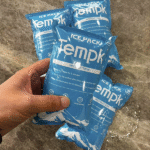
Keeping chocolates and pralines fresh and delectable during shipping can be a challenge because cocoa butter begins to soften around 72°F (22°C) and melts completely between 86°F and 90°F. If you’re shipping premium pralines to customers or transporting large chocolate batches to stores, the goal is to maintain a controlled environment — typically 54–68°F (12–20°C) with relative humidity below 50%. This updated 2025 guide demystifies the science behind refrigerated chocolates shipping and shows how to implement a robust cold chain strategy from packaging to final delivery. Through this article, you’ll discover why temperature and humidity management are crucial, how modern technologies like IoT, AI and sustainable packaging are reshaping the industry, and actionable steps to ensure your chocolate shipments arrive in perfect condition.
Article Overview

Optimal Temperature & Humidity Control: Understand the melting points of different chocolate types, safe temperature ranges (12–20°C), and humidity thresholds <50%.
Cold Chain Packaging Strategies: Learn about insulation materials, phase-change coolants and multi-layer packaging to maintain stable temperatures.
Operational Best Practices: Explore pre-cooling, route planning, real-time monitoring and scheduling tips to avoid heat spikes.
2025 Trends & Technologies: Discover the impact of IoT sensors, AI-driven logistics, sustainability initiatives and regulatory shifts on cold chain operations.
FAQ & Real-World Examples: Get answers to common questions and see case studies showing how proper procedures prevent chocolate bloom.
What Temperature and Humidity Are Safe for Chocolates?
Understanding Chocolate Melting Points
Different chocolates melt at slightly different temperatures. Dark chocolate stays firm a bit longer, melting at roughly 86–90°F (30–32°C), while milk chocolate softens around 84–88°F (29–31°C) and white chocolate begins to melt at just 82–84°F (28–29°C). These temperatures are lower than average room temperature, making chocolate vulnerable during shipping.
Commercial chocolatiers often temper chocolate to create a glossy finish and satisfying snap; however, temperature spikes above 86°F cause fat bloom — an unattractive grey film from cocoa butter crystallizing on the surface. Similarly, sugar bloom occurs when moisture condenses and dissolves sugar, leaving behind gritty white spots. Preventing these defects means keeping chocolates cool (12–20°C) and dry (humidity under 50%).
Why Relative Humidity Matters
Excess moisture accelerates sugar bloom and fosters mold growth. Studies recommend a relative humidity below 50% to maintain chocolate integrity. Some suppliers maintain humidity ranges between 15–75%, but dropping below 50% ensures quality and extends shelf life. Desiccant packs, moisture absorbing papers and multi layer wraps provide additional barriers against humidity infiltration.
Ideal Range by Chocolate Type
| Chocolate Type | Safe Temperature (°C) | Safe Temperature (°F) | Notes | Practical Meaning |
| Dark chocolate | 14–20 | 57–68 | Tolerates cooler end of range; slight bitter notes can mask some bloom effects. | You can ship dark chocolates in colder conditions (around 14°C) without compromising texture. |
| Milk chocolate | 15–20 | 59–68 | Contains milk fat that melts sooner than cocoa solids. | Keep milk chocolates closer to 18°C to avoid softening. |
| White chocolate | 16–20 | 61–68 | Highly sensitive due to cocoa butter and milk solids. | Maintain near 18–20°C with strict humidity control to prevent sugar bloom. |
| Filled/cream pralines | 16–20 | 61–68 | Contain water-rich fillings; require consistent temperature and moisture barriers. | Ensure packaging insulates both chocolate and fillings; consider refrigerated shipping. |
How Do You Select and Prepare Packaging for Cold Chain Chocolate Shipping?
Insulation Materials and Containers
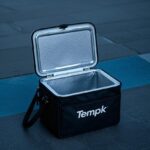
To keep chocolates within the safe temperature range, packaging must slow heat transfer. Insulated containers made of polystyrene foam (EPS), cotton fibre, starch-based foam or recycled paper help maintain cool conditions. Each material offers trade-offs in insulation performance, cost and sustainability:
EPS Foam Coolers – Provide excellent insulation and structural integrity. They’re popular for long-haul shipping; however, they’re not environmentally friendly.
Cotton Fibre or Recycled Paper Liners – Offer moderate insulation with improved sustainability. Recycled paper liners can be composted and are often used for eco conscious deliveries.
Starch-based Foam or Biodegradable Materials – Reduce environmental impact and are ideal for brands prioritising sustainability.
For higher value shipments or extended travel times, active containers with built-in refrigeration units provide precise temperature control and can be powered by batteries or electricity. Hybrid solutions combine insulated liners with phase-change materials or gel packs to create a flexible yet reliable cooling system.
Cooling Agents: Gel Packs, Dry Ice and Phase-Change Materials (PCMs)
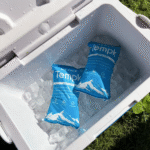
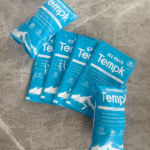
Gel packs filled with water or polymers absorb heat as they thaw, maintaining a temperature near the pack’s freezing point. They’re widely used due to ease of handling and reusability. Dry ice (solid CO₂) sublimates at -78.5°C (-109.3°F) and provides extremely cold temperatures; it’s effective for frozen goods but may cause chocolate to become too cold and lose texture. Use dry ice only when shipping to extremely hot climates and combine it with insulation to prevent over-cooling.
Phase-change materials (PCMs) are engineered substances that absorb or release thermal energy at specific transition temperatures. When shipping chocolates, PCMs set to melt at 18°C (64°F) keep the interior environment stable around that temperature, often for longer durations than gel packs. While PCMs are more expensive up front, they can be reused and offer consistent performance for multi-day shipments.
The Multi-Layer Packaging Approach
A robust shipping kit typically includes an outer corrugated box, an inner insulated liner, cooling agents, moisture barriers, and primary packaging. Primary packaging should be moisture-resistant and composed of materials like foil-lined boxes or tins. Pre-condition both the chocolates and packaging to 18–20°C to prevent condensation when sealed. Steps for assembling a reliable package include:
Pre-cool chocolates and packaging – Keep chocolates at ~18°C for 24 hours and chill gel packs to the target temperature.
Prepare the primary container – Use moisture-resistant boxes or tins lined with plastic or foil. Add desiccant sachets or moisture-absorbing paper.
Place cooling agents around the product – Distribute gel packs or PCMs evenly along the sides and top; avoid direct contact between gels and chocolates by using separation layers such as cardboard or bubble wrap.
Insert an insulated liner – Fit an EPS or eco-friendly liner inside the outer box to reduce heat exchange.
Seal the box tightly – Fill any void space with crumpled paper or filler to minimize air pockets, then tape all seams securely to reduce convective heat transfer.
Packaging Selection by Season
| Season | Recommended Packaging | Reason | Benefits |
| Winter (Ambient <15°C) | Insulated liner + 1–2 gel packs | Low ambient temperatures help maintain the safe range. Over-insulation may cause condensation. | Lower shipping cost; minimal risk of overheating. |
| Spring/Autumn (15–25°C) | Insulated liner + 2–3 gel packs or PCMs | Temperature fluctuations require moderate cooling support; PCMs maintain stable environment. | Balanced cost and performance; reduces risk of sudden spikes. |
| Summer (Ambient >25°C) | Heavy insulation + 3–4 gel packs or PCMs + possible dry ice for extremely hot zones | High ambient temperatures and sun exposure demand robust cooling; active containers for long distances. | Ensures chocolates stay below 20°C even during heat waves; may need overnight or express shipping. |
Why Pre-Cooling and Moisture Control Are Essential
Pre-Cooling Prevents Thermal Shock
Putting warm chocolates into a refrigerated container causes rapid cooling, which can create condensation and sugar bloom. Pre-cooling the product and packaging at 18–20°C for at least 24 hours ensures that the chocolate and the cooling system start at the same temperature, minimizing temperature gradients. Pre-cooling also reduces the load on gel packs or PCMs, extending their effective duration.
Humidity Management and Desiccants
Controlling humidity is equally critical. Relative humidity above 50% encourages sugar bloom and microbial growth. Place desiccant packs or moisture-absorbing papers between layers to absorb moisture released during transit. Another effective technique is to wrap the chocolates in multiple layers — such as an inner plastic film and an outer foil — to create a moisture barrier. This multi-layer approach reduces oxygen penetration and protects against odor absorption from other products.
Case Study: Sugar Bloom Reduction
A chocolate manufacturer observed high rates of sugar bloom during summer deliveries. After implementing pre-cooling at 18°C and adding moisture-absorbing paper inside the primary packaging, bloom occurrences decreased significantly. This demonstrates that minor adjustments to temperature conditioning and humidity control can dramatically improve product appearance and shelf stability.
How to Plan Transportation and Delivery Routes for Refrigerated Chocolates
Choosing the Right Shipping Time and Service
Transit time is one of the most critical factors. Chocolates begin to soften within a day if exposed to high ambient temperatures and prolonged transit. Therefore, overnight or two-day shipping is preferred. Avoid shipping over weekends or public holidays to reduce time spent in unregulated warehouses. In addition:
Schedule pickups early in the week (Monday or Tuesday) so packages aren’t held over the weekend.
Check weather forecasts along the route and for the destination to adjust packaging and timing.
Ship to physical addresses instead of P.O. boxes to ensure a person can receive the package immediately and minimize exposure to high temperatures.
Route Optimization and Real-Time Monitoring
Smart route planning mitigates exposure to extreme temperatures. Avoid leaving shipments in hot delivery vans or unshaded drop points. Use route optimization software to limit time spent in traffic and deliver during cooler parts of the day (early morning or late evening). Modern logistics partners employ real-time GPS and temperature sensors to monitor conditions and adjust routes dynamically.
Maintain Temperature Control During Distribution
When shipping large volumes, consider refrigerated trucks or containers that maintain a controlled environment throughout transit. For last-mile deliveries, drivers should keep the cargo area cool, minimize door openings and deliver packages quickly. Some companies provide smart lockers with built-in refrigeration for e-commerce deliveries so customers can pick up orders at their convenience without compromising product quality.
Handling and Delivery Tips
Minimize handling steps — Each transfer between warehouses, sorting centers and vehicles increases risk. Consolidate shipments and limit intermediate stops.
Instruct couriers clearly — Provide “Keep Refrigerated” labels and instructions for handling packages, including orientation (upright vs. flat) and stacking limitations.
Train staff — Educate employees on the importance of temperature control and proper loading/unloading procedures to maintain product integrity.
How Do IoT, AI and Sustainability Shape Cold Chain Logistics in 2025?
Internet of Things (IoT) Sensors and Real-Time Data
The proliferation of IoT devices in cold chain logistics is a game changer for 2025. Sensors monitor temperature, humidity, light exposure and shock, transmitting data continuously to cloud platforms. This visibility enables shippers to detect deviations quickly and take corrective action — such as adding gel packs, rerouting shipments or alerting drivers. Real-time alerts also support compliance with regulations and give customers peace of mind.
Artificial Intelligence and Predictive Analytics
Advanced analytics platforms use AI to forecast temperature risks and optimize routes. By analyzing historical weather patterns, vehicle performance and packaging performance, AI systems recommend the best packaging configurations, coolant quantities and delivery schedules. Predictive maintenance identifies potential equipment failures (such as refrigeration unit malfunctions) before they occur, reducing spoilage and delays.
Automation and Robotics
Cold chain warehouses increasingly employ robotic picking and automated storage systems to reduce human contact with temperature-sensitive products. Robots operate in low temperatures without fatigue, ensuring consistent handling. Automation improves efficiency and accuracy while lowering labor costs.
Eco-Friendly Packaging and Carbon Neutrality
Sustainability is now a core component of supply chain strategies. Companies are replacing single-use foam coolers with reusable insulated packaging made from biodegradable or recyclable materials. Carbon-neutral shipping programs offset transportation emissions by investing in renewable energy or reforestation projects. Additionally, eco-design principles encourage lightweight packaging to reduce transport-related emissions. When selecting packaging, weigh insulation performance against environmental impact and communicate sustainable practices to customers.
Regulatory and Compliance Considerations
Food safety regulations require comprehensive documentation and traceability. Manufacturers must label packages with storage temperature requirements, expiration dates and allergen information. Many jurisdictions require Hazard Analysis and Critical Control Point (HACCP) plans or similar frameworks to ensure consistent temperature monitoring. Real-time data loggers provide evidence of compliance and help identify deviations. Stay informed about evolving regulations in 2025, especially regarding cross-border shipments and e-commerce.
Frequently Asked Questions (FAQ)
Q1: What is the optimal shipping temperature for chocolates?
The ideal shipping temperature is 12–20°C (54–68°F), with dark chocolate tolerating the lower end and white or filled chocolates requiring temperatures closer to 18–20°C.
Q2: How long can chocolates stay in transit?
Chocolates shipped within the correct temperature range can withstand transit of 24–72 hours. Use overnight or two-day shipping and monitor conditions continuously. Beyond three days, quality declines unless active refrigeration is used.
Q3: Why is humidity control important?
Humidity above 50% causes sugar bloom and microbial growth. Keeping relative humidity below this threshold preserves texture and flavor.
Q4: Can I use dry ice when shipping chocolates?
Dry ice is effective but extremely cold. Use it only when ambient temperatures exceed 35°C or shipping time is very long. Combine dry ice with insulation to avoid over-cooling the chocolate.
Q5: How do I prepare packages for international shipping?
Follow the multi-layer packaging approach, use PCMs or gel packs rated for the expected climate, choose express delivery and prepare documentation for customs. Confirm the destination country’s import regulations and labeling requirements.
Q6: What should I do if the package might be delayed?
Inform customers of potential delays, add extra cooling agents, and track the shipment’s temperature remotely. Consider using active containers for longer stability. Maintain open communication with your logistics partner to reroute or expedite as necessary.
2025 Trends and Market Insights for Refrigerated Chocolates Shipping
Trends Overview
The global cold chain market continues to expand rapidly. Demand for premium chocolates and pralines is rising due to increasing disposable income and e-commerce growth. As of 2025, the cold chain logistics sector is valued at USD 436.30 billion and is projected to reach USD 1,359.78 billion by 2034, reflecting annual growth fueled by food and pharmaceuticals. Key trends shaping refrigerated chocolates shipping include:
Proliferation of IoT sensors and data analytics: Real-time monitoring improves visibility and responsiveness.
AI-driven logistics optimization: Predictive algorithms reduce energy use and packaging waste.
Sustainable and eco-friendly packaging: Reusable insulation materials reduce environmental impact.
Regulatory harmonization and digital traceability: Stricter controls and documentation ensure food safety.
Latest Progress Snapshot
Improved PCM technology: New PCMs maintain stable temperatures for up to 96 hours, reducing the need for dry ice and enabling longer shipments.
Blockchain integration: Some cold chain providers now use blockchain to record temperature and location data, enhancing transparency and preventing tampering.
Solar-powered refrigerated lockers: E-commerce retailers in hot climates deploy solar-powered lockers to keep packages cool until customers collect them.
Market Insights
In 2025, Asia-Pacific leads the growth in refrigerated transport due to rising confectionery consumption and infrastructure investments. North America and Europe show strong demand for premium artisan chocolates and subscription boxes, driving the need for efficient last-mile cold chain solutions. Regulatory tightening in both regions ensures that manufacturers follow strict HACCP guidelines and maintain end-to-end traceability.
Consumers are more sustainability-conscious, prompting brands to adopt recycled materials, carbon-neutral shipping programs and ethical sourcing. Logistics providers who invest in green technologies and offer transparent data gain a competitive advantage.
Summary and Recommendations
Key Takeaways
Maintain Temperature & Humidity: Keep chocolates between 12–20°C (54–68°F) and relative humidity below 50% to avoid melting, fat bloom and sugar bloom. Dark chocolate tolerates cooler conditions; milk, white and filled pralines require more stringent control.
Use Robust Packaging: Choose insulated boxes, gel packs, PCMs and moisture barriers. Pre-cool products and packaging to 18–20°C and adopt a multi-layer approach to maintain stability.
Plan Routes Carefully: Ship early in the week, avoid weekends, check weather forecasts, and use express shipping. Leverage GPS and IoT sensors to monitor temperature and adjust routes.
Implement Real-Time Monitoring & AI: Integrate IoT sensors, cloud dashboards and predictive analytics to detect deviations and optimize packaging, routes and maintenance.
Adopt Eco-Friendly Practices: Use recyclable insulation, biodegradable materials and carbon offset programs to meet consumer expectations and environmental regulations.
Actionable Next Steps
Evaluate Current Practices: Assess your existing supply chain for temperature control, packaging effectiveness and route planning. Identify weak points in humidity control or transit time.
Invest in Technology: Equip shipments with IoT data loggers and integrate the data with an AI-driven dashboard to monitor temperature, humidity and location in real-time. Use predictive analytics to adjust packaging quantities.
Upgrade Packaging: Transition to multi-layer packaging with PCMs tailored for 18°C when shipping to hot climates. For eco-conscious brands, explore recyclable or compostable insulation materials.
Train Staff and Partners: Educate employees and logistics partners on cold chain protocols. Provide clear handling instructions and set up checklists for loading, unloading and temperature verification.
Communicate with Customers: Provide shipping notifications with expected delivery times and instructions to store chocolates promptly upon arrival. Offer temperature guarantees or satisfaction policies to build trust.
Stay Informed: Monitor regulatory updates and industry trends. Collaborate with cold chain experts and participate in industry forums to stay at the forefront of technological advances.
About Tempk
Tempk is a global leader in cold chain solutions, specializing in temperature-controlled packaging, IoT monitoring and supply chain optimization. We combine industry expertise with advanced technology to ensure that products like chocolates, pharmaceuticals and perishables arrive safely and sustainably. Our solutions include high-performance insulated containers, phase-change materials, real-time temperature monitoring devices and analytics platforms. We’re committed to sustainability by offering reusable packaging and carbon-neutral shipping options. To learn more about how we can help your chocolate shipments arrive flawlessly, contact our team today.