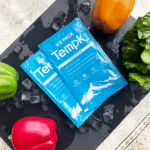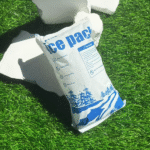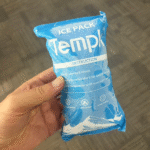
Keeping meat safe and delicious during transport is a challenge. Reusable dry ice wrap for meat provides a reliable solution by combining an insulating wrap with reusable dry ice packs to maintain temperatures as low as −78.5 °C, far colder than water based ice. This article explores how these wraps work, their benefits over traditional cooling methods, and why they are integral to cold chain logistics and sustainability trends in 2025. By the end, you’ll know how to select, use, and optimize reusable dry ice wrap to protect your meat shipments—whether you’re a home cook mailing steaks or a logistics manager overseeing perishable supply chains.

How does reusable dry ice wrap keep meat frozen? Explore the science behind sublimation and insulation while integrating long tail keywords like how to keep meat frozen in transit.
What advantages does reusable dry ice wrap offer compared to gel packs and ice? Understand cost savings, temperature stability, and environmental benefits using phrases such as dry ice wrap versus gel packs.
How do you properly use reusable dry ice wrap for meat shipping? Learn step by step instructions and get tips on ventilation and layering, key aspects covered in best practice guidelines.
What innovations and trends are shaping reusable dry ice wrap in 2025? Discover how AI, IoT, and sustainable materials are transforming cold chain logistics.
What are the most common questions about reusable dry ice wrap for meat? Get answers to practical concerns, like how long the packs last and how many you need.
How Does Reusable Dry Ice Wrap Keep Meat Frozen?
Reusable dry ice wrap works by combining an insulating wrap with reusable dry ice packs that sublimate at −78.5 °C (−109 °F) to maintain a freezer like environment around the meat. Unlike water based ice that melts into liquid, dry ice turns directly into carbon dioxide gas—a process called sublimation—so it leaves no residue and avoids soggy packaging. The wrap, often made from high insulation materials such as fiber based reflective laminates or vacuum insulation panels, traps the cold gas and slows heat transfer. This synergy keeps meat at safe temperatures for extended periods.
The Science of Sublimation and Insulation
When solid carbon dioxide warms up, it doesn’t melt; it turns directly into gas. This sublimation keeps the environment extremely cold because the dry ice absorbs heat from the surroundings as it changes state. A reusable dry ice pack maintains temperatures well below freezing for 24–72 hours or more, depending on the quantity of dry ice and insulation quality. Because there is no liquid water, the meat stays dry and doesn’t risk spoilage from moisture.
The wrap adds another layer of protection. New wraps use materials such as cross linked polyacrylate polymers encapsulated in textile layers (e.g., the four ply design in Techni Ice packs) that can be frozen to −190 °C without cracking. Reflective outer surfaces reduce radiant heat, while vacuum insulation panels minimise conduction. Some manufacturers integrate biodegradable coatings and fiber based reflective wraps for curbside recycling.
Key Benefits of Sublimation Wrap
| Feature | Description | Real World Benefit |
| Ultra low temperature | Dry ice sublimates at −78.5 °C (−109 °F), keeping meat frozen far longer than ice or gel packs. | Your meat stays rock solid during long shipments, ensuring food safety and flavor. |
| No liquid residue | Sublimation means gas, not meltwater. | Packaging stays dry, preventing bacterial growth and cross contamination. |
| Reusable packs | Many dry ice packs can be recharged by freezing; some withstand −190 °C. | Reduces packaging costs over time and supports sustainability goals. |
| Insulating wrap | Reflective and vacuum insulated wraps reduce heat gain. | Allows smaller amounts of dry ice to maintain low temperature, saving weight. |
Practical Insights
Pre cool everything: Chill meat and the wrap before packing to extend cooling duration. A cool start means less dry ice is consumed to lower temperatures.
Layer properly: Place frozen meat at the bottom, dry ice packs above it, and wrap tightly to minimize air gaps. This configuration ensures cold gas flows downward, covering the meat.
Ventilation is essential: Dry ice releases carbon dioxide gas. Provide small vents or use breathable wraps to prevent pressure build up inside sealed containers.
Follow shipping regulations: Carriers like USPS limit dry ice shipments to 5 lb (2.3 kg) per parcel, while FedEx allows up to 200 kg in certain containers. Always label packages “Dry Ice (UN 1845)” with net weight.
Case Study: A craft butcher subscription service switched from gel packs to reusable dry ice wrap. They reported a 25% reduction in spoilage claims thanks to stable sub zero temperatures and reduced moisture during transit. This case highlights the effectiveness of sublimation cooling in preserving meat quality.
What Advantages Does Reusable Dry Ice Wrap Offer Compared to Gel Packs and Ice?
Traditional ice and gel packs have long been the default for shipping meat, but reusable dry ice wrap offers superior cooling, cost savings, and environmental benefits. The table below illustrates key differences.
| Cooling Method | Temperature Range | Cooling Duration | Reusability | Impact on Meat |
| Dry ice wrap | −109 °F to −120 °F (−78.5 °C to −84 °C) | 24–72 hours or more (depends on quantity) | Yes (packs can be recharged) | Keeps meat rock solid without moisture |
| Gel packs | 20 °F to 32 °F (−6 °C to 0 °C) | 12–48 hours | Some packs are reusable | Suitable for chilled but not frozen meats; risk of partial thawing |
| Frozen water/ice | 32 °F (0 °C) | Up to 24 hours | Not typically reusable | High risk of melting and bacterial growth |
Why Dry Ice Wrap Outperforms Gel Packs
Longer cooling: Dry ice absorbs more heat per kilogram than water because sublimation requires more energy than melting. That means less material can keep meat frozen longer—ideal for cross country shipping or remote delivery.
No water damage: Gel packs can leak if punctured; ice melts into water. Dry ice leaves only gas, preventing messy packages and avoiding contamination. For premium meats where appearance and safety matter, this is crucial.
Cost and sustainability: While dry ice may initially cost more per pack, reusable dry ice wraps pay off over time because they can be recharged in a freezer. Innovations like biodegradable coatings and sustainable insulation further reduce environmental impact. According to market reports, the reusable cold chain packaging market is projected to grow from $4.97 billion in 2025 to $9.13 billion by 2034 (CAGR 6.98%), driven by sustainability demands.
Considerations and Limitations
Dry ice requires special handling. Because it releases carbon dioxide gas, packages must be vented to prevent pressure build up, and handlers should wear gloves to avoid frostbite. Some carriers have restrictions on the weight of dry ice allowed per shipment. In high volume shipping, you may need dedicated storage facilities and safety training. Additionally, while dry ice is recyclable, its production uses CO₂; however, newer methods utilize captured CO₂ from industrial processes, making it more sustainable.
Decision Tool
| Scenario | Recommended Cooling | Why |
| Shipping frozen steak across the country | Reusable dry ice wrap | Maintains sub zero temps for days and prevents thawing. |
| Delivering fresh, not frozen meat locally | Gel or PCM packs | Chilled conditions suffice; less stringent regulations. |
| Long-term storage without leaks | Reusable dry ice wrap with vacuum insulation | Stable temperatures and no liquid residue; ideal for premium cuts. |
How to Properly Use Reusable Dry Ice Wrap for Meat Shipping
Even the best cooling technology can fail if used incorrectly. Follow these step by step instructions to ensure safe, efficient shipping with reusable dry ice wrap.
Step 1: Select the Right Pack and Wrap
Choose pack size based on shipment duration: A common rule of thumb is 5–10 lb (2.3–4.5 kg) of dry ice per 24 hour period for a 10 L void space. Adjust upward for larger shipments or extreme conditions.
Check meat type and packaging: Thicker cuts or dense meats retain cold better. Use vacuum sealed bags to reduce air pockets.
Inspect your wrap: Opt for high R value wraps with reflective or fiber based layers. Some advanced wraps feature smart sensors that monitor temperature and transmit data in real time.
Step 2: Pre Cool and Prepare Materials
Freeze the dry ice packs: Hydrate and freeze them at least 24 hours before shipping. Many packs, like Techni Ice sheets, are activated by soaking in water and then freezing to −190 °C.
Pre chill the wrap and contents: Place the wrap and meat in a freezer prior to packing. A cold starting temperature reduces the amount of dry ice needed.
Step 3: Pack Strategically
Place meat at the bottom: Use an insulating base or foam to cushion the meat.
Layer dry ice packs above the meat: Since cold gas sinks, placing the dry ice on top ensures the gas descends over the meat. If shipping multiple layers, alternate meat and ice.
Fill voids: Use insulated fillers or crumpled paper to minimize air gaps that cause heat leaks.
Wrap tightly: Enclose everything with the dry ice wrap, ensuring edges overlap. Tape seams lightly to keep gas from escaping too quickly but allow some ventilation.
Step 4: Label and Ship
Use proper labels: Mark the package as containing “Dry Ice (UN 1845)” with net weight. Indicate the temperature range and special handling instructions.
Choose rapid shipping: Whenever possible, select overnight or two day shipping to minimize risk. Inform carriers about the shipment so they handle it properly.
Monitor temperature: Use a temperature data logger or Bluetooth mini logger to record internal temperatures and ensure compliance.
Safety and Compliance Tips
Ventilation: Do not seal the package airtight. Provide vent holes or use breathable materials to release carbon dioxide gas.
Protective gear: Always handle dry ice with gloves to avoid frostbite. Use goggles when breaking or distributing the ice.
Regulations: Check guidelines from carriers and regulatory agencies. The U.S. Department of Transportation requires training for shipments over certain weights. USPS restricts dry ice to 5 lb per package, while FedEx allows up to 200 kg with appropriate packaging.
What Innovations Are Transforming Reusable Dry Ice Wrap and Cold Chain Logistics in 2025?
The cold chain industry is evolving quickly, driven by technology, sustainability, and the need for safer, more reliable transport. Reusable dry ice wrap is at the forefront of this transformation, thanks to several key innovations.
IoT Enabled Smart Sensors
Smart sensors integrated into reusable dry ice wraps continuously monitor temperature, humidity, shock, vibration, and location. They transmit data via cellular or Bluetooth networks to cloud platforms, enabling real time visibility and automatic alerts. If the temperature drifts out of range or a package is dropped, the system notifies the shipper, allowing corrective actions before spoilage occurs. GPS tracking ensures transparency and accountability, providing end to end traceability for high value meat shipments.
Artificial Intelligence and Predictive Analytics
AI systems analyze sensor data along with external variables (e.g., weather, traffic) to predict potential temperature excursions and equipment failure. Algorithms recommend route adjustments or dynamic re allocation of dry ice to maintain safe conditions. Some platforms pair AI with machine learning models that learn from previous shipments, improving accuracy over time. This reduces waste, ensures regulatory compliance, and enhances customer satisfaction.
Sustainable Materials and Manufacturing
Consumers and businesses demand greener packaging. Reusable dry ice wraps in 2025 often incorporate biodegradable coatings, recyclable containers, and fiber based reflective materials. Innovations include curbside recyclable liners and lighter boxes with high R values. Additionally, dry ice production increasingly uses captured CO₂, offsetting emissions and reducing reliance on fossil fuel sources.
Vacuum Insulation Panels (VIPs) and Phase Change Materials (PCMs)
VIPs offer superior insulation with thin profiles, allowing smaller packages with the same thermal performance. Phase change materials, such as paraffin or salt hydrates, absorb and release heat at specific temperatures, helping maintain a stable range. Combining VIPs, PCMs, and dry ice provides more efficient temperature control, extending shipping times and enabling hybrid cooling solutions.
Portable Cryogenic Freezers
While not strictly “wraps,” portable cryogenic freezers are part of the evolving toolkit. They maintain temperatures between −80 °C and −150 °C and are essential for cell therapies and biologics. Some are powered by batteries or solar energy and can be combined with dry ice wrap to ensure redundancy during long haul shipments.
2025 Cold Chain Logistics and Packaging Trends
Trend Overview
Cold chain logistics in 2025 is defined by data driven oversight, sustainability, and risk mitigation. The integration of IoT sensors and smart packaging enables real time monitoring of temperature, humidity, and other conditions. AI and predictive analytics help anticipate equipment failure and route variability, leading to proactive interventions. Sustainability is at the heart of these innovations, with energy efficient refrigeration, solar supported warehouses, and optimised load planning. Table 1 compares traditional cold storage with modern, technology enabled systems.
| Characteristic | Traditional Cold Storage | Tech Enabled Cold Chain | What It Means for You |
| Temperature monitoring | Manual checks and paper logs | Real time IoT sensor data | Continuous visibility ensures meat quality and compliance. |
| Alert system | Reactive responses after deviation | AI alerts and predictive analytics | Prevents spoilage through proactive actions. |
| Reporting | Periodic reports | Digital dashboards with live inventory and expiry data | Greater efficiency and better planning for inventory and shipping. |
| Environmental impact | High energy usage, foam based insulation | Optimized energy use, recyclable materials | Reduces carbon footprint and appeals to eco conscious consumers. |
Latest Developments at a Glance
Real time IoT monitoring: Widespread deployment of sensors across trucks and warehouses provides continuous data streams to central dashboards.
AI driven logistics: Predictive algorithms optimize routes, maintenance schedules, and inventory to prevent temperature excursions.
Sustainability innovations: Recyclable and biodegradable materials in wraps and containers are gaining traction. Carbon neutral dry ice production ensures eco friendly cooling.
Market Insights
The market for reusable cold chain packaging is booming. According to industry research, the global reusable cold chain packaging market is projected to grow from $4.97 billion in 2025 to $9.13 billion by 2034, driven by sustainability demands and the rise of e commerce. In addition, the cold chain monitoring market will expand from $8.31 billion in 2025 to $15.04 billion by 2030 (CAGR 12.6%), reflecting investments in IoT sensors and predictive analytics. North America currently dominates, but Asia Pacific is the fastest growing region due to urbanisation and infrastructure investments.
Frequently Asked Questions
Q: How long does reusable dry ice wrap keep meat frozen?
Typically 24–72 hours, depending on the amount of dry ice, the insulation quality, and external conditions. Using more dry ice and high performance wraps extends the cooling duration.
Q: How many dry ice packs do I need?
As a rule, use 5–10 lb (2.3–4.5 kg) of dry ice for each 24 hour period per 10 L of packaging space. Adjust for ambient temperature and meat density.
Q: Are reusable dry ice wraps safe for air travel?
Yes, but carriers enforce strict weight limits and ventilation requirements. USPS limits dry ice to 5 lb per parcel, while FedEx allows up to 200 kg with proper packaging. Always check current regulations.
Q: Can dry ice wrap be used with gel packs?
Absolutely. Many shippers adopt hybrid cooling strategies combining dry ice, gel packs, and PCMs for different temperature zones. This ensures both frozen and chilled items remain within safe ranges.
Q: How should I dispose of dry ice?
Allow leftover dry ice to sublimate in a well ventilated area away from children and pets. Avoid disposing of it in a sink or toilet, as the extreme cold can damage plumbing. Some suppliers accept returns of reusable packs for recharging.
Summary and Recommendations
Reusable dry ice wrap offers unparalleled performance for shipping meat safely, keeping it frozen for days without mess or moisture. By combining ultra cold reusable dry ice packs with high insulation wraps, you can maintain temperatures below −78.5 °C. Compared to gel packs and water ice, dry ice wrap provides longer cooling duration, less risk of contamination, and better cost efficiency through reusability. Innovations in 2025, including IoT sensors, AI driven logistics, and sustainable materials, elevate the reliability and environmental friendliness of cold chain packaging. By following best practices—proper layering, ventilation, and compliance—you can protect your meat shipments and contribute to a greener future.
Actionable Next Steps
Assess your shipping needs: Consider volume, distance, and desired temperature range. Decide whether a full dry ice wrap or a hybrid solution fits best.
Source high quality reusable wraps: Look for products with proven insulation, like cross linked polyacrylate polymer packs, and confirm they meet regulatory standards.
Implement smart monitoring: Invest in Bluetooth or IoT temperature loggers to track conditions and receive alerts.
Train staff and follow regulations: Ensure handlers know how to pack, vent, and label shipments correctly. Adhere to USPS, FedEx, and DOT guidelines for weight and handling.
Explore sustainable options: Choose wraps with recyclable liners and carbon neutral dry ice to reduce your environmental footprint.
About Tempk
At Tempk, we specialize in innovative cold chain solutions that keep your products safe and sustainable. Our reusable dry ice wraps are engineered with high performance materials and smart sensors to deliver consistent ultra low temperatures. We continuously invest in research and development to integrate biodegradable coatings, IoT tracking, and energy efficient insulation. With our products, you can ship meat confidently, reduce spoilage, and align with eco friendly goals. We’re committed to providing the best cold chain technology backed by expert support.
Call to Action: Want to ensure your meat arrives perfectly frozen every time? Contact us today to discuss your specific needs and see how Tempk’s reusable dry ice wrap can transform your cold chain logistics.