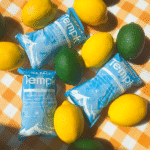
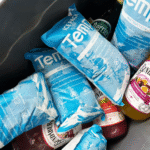
Is the Trader Joe’s Mini Insulated Bag Worth It?
Last updated: December 10, 2025
If you’re wondering whether the trader joe’s mini insulated bag is truly useful, the answer is yes—for short, real-life cooling jobs like lunch, quick grocery runs, and errands. In-store pricing has been listed at $3.99 for limited-time drops, which is why it sells fast. Perishable food safety still matters, though: keep cold foods at 40°F (4°C) or below, and don’t let them sit out too long.
This guide will answer:
How the reusable insulated shopping bag size compares to a normal lunch bag
How long the trader joe’s mini insulated bag can help keep food cold in everyday use
The simplest way to pack it as an insulated bag for frozen food
A quick self-test to see if it’s the best lunch bag for groceries for your routine
Cleaning habits that keep your trader joe’s mini insulated bag fresh and odor-free
Why is the trader joe’s mini insulated bag so popular in 2025?
The trader joe’s mini insulated bag is popular because it’s cheap, compact, and genuinely practical for “small cold” moments. It has been sold as a limited-time item for around $3.99, and stores may set purchase limits when demand spikes. That combination creates the perfect storm: people want something useful, but they also don’t want to miss the drop.
The other reason is emotional, not technical. The trader joe’s mini insulated bag feels like the “right size” for modern life: one meal, one errand, one quick stop. It’s like having a tiny fridge shelf you can carry. And because Trader Joe’s releases limited-time colors, shoppers treat it like a functional collectible.
Which versions of the trader joe’s mini insulated bag show up most?
You’ll commonly see limited-time color pairs listed on Trader Joe’s product pages, including teal/magenta, lavender/pink, peach/blue, and red/emerald—often at $3.99. Availability can vary by store, and purchase limits are often set locally when shelves get rushed.
| Color drop theme | What it signals | What you should do | What it means for you |
| Seasonal colors | Short supply windows | Buy when you see it | Less chasing later |
| Store purchase limits | High local demand | Go early, shop calmly | Better odds, less stress |
| Multiple releases | Ongoing popularity | Don’t overpay resale | Save money, same function |
Practical tips you can use today
If you only need “snacks cold,” the trader joe’s mini insulated bag is usually enough with one small ice pack.
If you need “raw meat safe,” use more cold sources and shorten your trip time.
If you’re buying frozen items, treat the bag like a cold battery: pre-chill it and pack tight.
Real-life scenario: You grab yogurt, deli turkey, and frozen dumplings. With one frozen gel pack, your trader joe’s mini insulated bag buys you a safer, less-stress ride home.
How big is the trader joe’s mini insulated bag for real life?
In real life, the trader joe’s mini insulated bag is “lunchbox-plus” sized—big enough for a few groceries, not a full haul. Trader Joe’s has described it as great for lunches, travel, and outdoor activities, and it’s been reported to hold up to 1.5 gallons. That’s why it feels so usable: it’s not bulky, and it won’t tempt you to overbuy.
Think of the trader joe’s mini insulated bag like a small backpack’s main compartment. It’s ideal for the stuff you actually regret warming up: dairy, chilled drinks, cut fruit, sushi, or ice cream bars. If you’re trying to replace a trunk cooler, it’s the wrong tool. But if you want a light, grab-and-go mini cooler bag for road trips, it fits the job.
What fits inside a trader joe’s mini insulated bag without forcing it?
Here are “everyday realistic” loads that usually make sense:
2–3 chilled drinks + a sandwich box
A salad kit + protein + yogurt
One small frozen entrée + frozen fruit + an ice pack
Cheese + hummus + grapes for a picnic
| Packing goal | Example items | Space reality | What it means for you |
| Lunch for one | sandwich, fruit, drink | comfortable | easy daily habit |
| Quick cold groceries | milk alternative, yogurt, berries | snug but doable | fewer warm surprises |
| Frozen add-ons | dumplings, ice cream bars | needs ice pack | safer “last items” pickup |
| Picnic snacks | cheese, dips, drinks | best use case | feels effortless |
Practical tips you can use today
Use flat containers: They stack like books and waste less space.
Avoid round jars unless you’re packing only one category.
Leave room for cold sources or you’ll lose the main benefit.
Real-life scenario: You keep the trader joe’s mini insulated bag folded in your car. When you spot frozen treats, you’re ready.
How long does the trader joe’s mini insulated bag keep food cold?
The trader joe’s mini insulated bag can help keep food cold for short trips, but safety depends on your ice packs, outside heat, and time. Food safety guidance is clear: cold foods should be kept at 40°F (4°C) or below, because bacteria grow faster in the “danger zone.” And once perishable foods sit out too long, risk climbs quickly.
Here’s the simple way to think about it: the trader joe’s mini insulated bag slows heat down, like a sweater slows cold air. But the “cold battery” is what matters most. That battery is your gel packs, ice, and frozen items. If you skip them, the bag becomes a nice tote that feels cooler, not a true cooling system.
The key safety rule you should remember (and why it matters)
Don’t leave perishable food out more than 2 hours.
If it’s above 90°F (32°C), cut that to 1 hour.
This rule isn’t random. USDA explains that bacteria can multiply rapidly in the danger zone, even doubling fast under the right conditions. Your goal is simple: keep food out of that zone as much as possible.
Cold-Run Scorecard (interactive self-check)
Give yourself 1 point for each “yes”:
Do you add at least one frozen gel pack or ice source?
Is your total errand time under 60 minutes?
Do you store the bag indoors (not a hot car) before leaving?
Do you pack frozen items next to chilled items to share cold?
Do you open the bag no more than twice during the trip?
Your score:
0–1: The trader joe’s mini insulated bag helps, but your routine is high-risk in heat.
2–3: Good for most quick runs if you stay on schedule.
4–5: You’re using the trader joe’s mini insulated bag like a pro.
A practical “how long” guide (not a promise)
Because every trip is different, use ranges—not guarantees.
| Setup | What you use | Typical real-world result | What it means for you |
| No cold source | just the bag | slows warming a bit | fine for chips, not dairy |
| 1 small gel pack | lunch-size pack | strong for short errands | best daily routine |
| 2 gel packs + tight packing | pack like a puzzle | noticeably longer cooling | safer for frozen add-ons |
| Frozen items as “cold battery” | frozen fruit + pack | helps stabilize temperature | great for mixed loads |
To keep foods at 40°F or below, public health guidance commonly recommends adding ice or frozen gel packs in a cooler setup.
Practical tips you can use today
Pre-chill the bag: Put the trader joe’s mini insulated bag in a cool room before you go.
Pack tight: Air is the enemy; tight packing reduces warm air pockets.
Add a tiny thermometer if you pack meat or dairy often (cheap and calming).
Real-life scenario: You shop after the gym. With one gel pack and a tight load, your trader joe’s mini insulated bag keeps yogurt and berries far more stable on the ride home.
How do you pack the trader joe’s mini insulated bag for frozen food?
To use the trader joe’s mini insulated bag as an insulated bag for frozen food, pack like you’re building a cold sandwich. Frozen items go in the middle, cold sources press against them, and warm items stay out. This keeps the cold concentrated instead of “leaking” into empty space.
If you’ve ever watched ice melt faster in a wide glass than a narrow cup, you already get it. More exposed surface means faster warming. Your trader joe’s mini insulated bag works best when items touch, like puzzle pieces.
The “cold sandwich” method (fast and effective)
Bottom layer: one gel pack (flat is best)
Middle: frozen items (dumplings, fruit, ice cream bars)
Top layer: chilled items (cheese, yogurt)
Side gaps: fill with a small towel or napkins to reduce air
| Packing choice | Better option | Worse option | What it means for you |
| Cold source | flat gel pack | loose cubes in a bag | more consistent cooling |
| Space usage | snug fill | big air gaps | longer chill time |
| Order | frozen in center | frozen on top | slower melt, safer food |
| Final step | close quickly | frequent opening | less temperature swing |
Practical tips you can use today
If you buy ice cream: make it the very last aisle stop.
If you’re doing multiple stores: keep frozen items in the trader joe’s mini insulated bag, not the trunk.
If it’s hot outside: add a second gel pack or reduce your route.
Real-life scenario: You grab frozen gnocchi and a tub of ice cream. Packed in the center with two gel packs, the trader joe’s mini insulated bag buys you time for one extra stop.
Can the trader joe’s mini insulated bag replace a lunch box?
Yes—if your lunch is simple and you want an easy, reusable mini cooler bag for road trips or commuting. Many people use the trader joe’s mini insulated bag exactly like a lunch box because it’s structured, easy to carry, and sized for one person. It’s also sold at a price point that makes it feel low-risk to try.
But here’s the honest limit: if you pack multiple meal containers, a big water bottle, and snacks for a whole day, you may outgrow it. In that case, keep the trader joe’s mini insulated bag as a “cold add-on” and use a larger tote for dry goods.
Best lunch bag for groceries? It depends on your routine
Use this quick match:
Perfect match: you carry 1–2 containers + drink + fruit
Good match: you need cold for 2–3 hours with an ice pack
Not ideal: you pack food for a family, or you need all-day cooling
| Your day | What you carry | Fit with this bag | What it means for you |
| Office commute | lunch + drink | excellent | simple daily habit |
| School pickup | snacks + yogurt | excellent | fewer melted surprises |
| Long shift | multiple meals | mixed | may need a larger bag |
| Road trip | drinks + chilled bites | excellent | fast access, less mess |
Practical tips you can use today
Use one rectangular container instead of two round ones.
Freeze a small water bottle and use it as both drink and ice.
Put wet items in a washable pouch to prevent lingering odors.
Real-life scenario: You pack a bento, grapes, and a cold tea. The trader joe’s mini insulated bag makes lunch feel organized instead of chaotic.
How do you clean and deodorize the trader joe’s mini insulated bag?
To keep the trader joe’s mini insulated bag fresh, clean it lightly and regularly instead of waiting for “the smell.” Small insulated bags trap moisture, and moisture turns into odor fast. A quick wipe after messy trips beats a deep clean every few months.
Think of it like a reusable water bottle. If you rinse it right away, it stays pleasant. If you ignore it, you’ll regret it.
A simple HowTo routine you’ll actually follow
Empty it immediately when you get home.
Wipe the inside with mild soap and warm water.
Air dry fully with the top open.
Deodorize weekly with a baking soda sprinkle (then wipe out).
This routine supports the “reduce bounce rate” goal too: it’s easy, fast, and realistic.
| Problem | What causes it | Fast fix | What it means for you |
| Sour smell | trapped moisture | air dry overnight | no repeat odors |
| Sticky lining | spills + heat | soap wipe in 60 seconds | cleaner lunches |
| Crumbs | loose snacks | shake + wipe | fewer pests risks |
| Mold spots | closed, wet storage | dry fully, store open | protects your bag |
Practical tips you can use today
Dry time rule: if it’s still damp, it’s not done—leave it open.
Car rule: don’t store the trader joe’s mini insulated bag in a hot trunk long-term.
Spill rule: wipe the same day, even if you’re tired.
Real-life scenario: A yogurt spill smells awful after one day. A 60-second wipe and full air dry keeps the trader joe’s mini insulated bag usable.
Is the trader joe’s mini insulated bag safe for raw meat and dairy?
It can be safe if you treat it like a real cooler: use cold sources, limit time, and avoid cross-contamination. Food safety guidance warns that bacteria multiply rapidly in the danger zone between 40°F and 140°F. That’s why dairy and meat deserve extra care.
Also remember the time rule: 2 hours max at normal temps, 1 hour if it’s above 90°F. The trader joe’s mini insulated bag can help you stay inside that window, but only if you plan your trip.
The “no-drip, no-touch” rule for meat
Put raw meat in a sealed plastic bag or container.
Keep it separate from ready-to-eat items like fruit or sandwiches.
Put a cold pack next to the meat, not across the bag.
| Risk | What causes it | What to do | What it means for you |
| Leaks | raw packaging drips | double-bag it | protects everything else |
| Warm dairy | long errands | add a gel pack | safer yogurt, milk, cheese |
| Cross-contact | meat touches snacks | separate zones | reduces illness risk |
| Hot car | heat spikes fast | keep it with you | more stable temperature |
Practical tips you can use today
If you buy chicken, go straight home—or use more cold packs.
If your trip is long, use a bigger cooler for raw proteins.
If you’re unsure, prioritize safety over saving a few minutes.
Real-life scenario: You buy chicken and cheese in the same trip. With separation and ice packs, the trader joe’s mini insulated bag keeps your food safer and cleaner.
2025 Developments and Trends: where does the trader joe’s mini insulated bag fit?
In 2025, small-format cooling is trending because people shop more often and carry less each trip. Limited-time mini insulated totes at low prices keep showing up, which suggests strong demand for compact, reusable cooler bags.
At the same time, food safety messaging keeps getting refreshed. CDC pages updated as recently as November 24, 2025 emphasize keeping perishables cold and limiting time out of refrigeration. That matters because the trader joe’s mini insulated bag is often used for exactly the foods that spoil fastest.
Latest developments at a glance
More limited-time color drops: different pairs appear as “limited time” listings.
More store-level purchase limits: retailers manage demand by limiting quantities per person.
More “small cooler” use cases: commuting, picnics, and quick frozen pickups keep driving interest.
Market insight you can actually use
People don’t just want “insulated.” They want portable, cute, and cheap—and they want it now. That’s why the trader joe’s mini insulated bag is a strong match for 2025 shopping habits. But the smartest users pair it with food safety basics: cold packs, short time windows, and tight packing.
Common Questions (FAQ)
Q1: How long does a mini insulated bag keep food cold without an ice pack?
Usually not long enough for perishables. Insulation slows warming, but a cold source is what keeps food near 40°F or below.
Q2: Is the trader joe’s mini insulated bag really $3.99?
It has been listed at $3.99 during limited-time releases, and availability can vary by store.
Q3: How much can the trader joe’s mini insulated bag hold?
It has been reported to hold up to 1.5 gallons, which works well for lunch or a few cold groceries.
Q4: Can I put hot food in the trader joe’s mini insulated bag?
You can, but be careful. Food safety guidance focuses on keeping foods out of the 40°F–140°F danger zone. ()
Q5: What’s the safest way to carry dairy in the trader joe’s mini insulated bag?
Use a frozen gel pack, pack dairy tight, and keep total time short—especially in summer heat. ()
Q6: How do I stop my trader joe’s mini insulated bag from smelling?
Wipe spills the same day and air dry fully with the top open. Moisture is the main odor driver.
Summary and next-step advice
The trader joe’s mini insulated bag is worth it if you want a compact, reusable cooler for daily life. It shines for lunches, quick grocery runs, and short trips—especially when you add a cold source. Keep food safety simple: aim for 40°F or below, avoid the danger zone, and remember the 2-hour (or 1-hour in extreme heat) rule. ()
Your next step:
Do the Cold-Run Scorecard above, then build your “default packing kit” (one gel pack + a small towel + a wipe). If your errands often exceed an hour in summer, upgrade to a larger cooler for perishables and keep the trader joe’s mini insulated bag as your grab-and-go helper.
Internal linking suggestions (no external links)
Use these as on-site internal pages to strengthen topical authority:
“Cold Chain Basics for Everyday Grocery Runs” (educates new readers, reduces bounce)
“How to Pack Frozen Food for a 30–60 Minute Commute” (supports insulated bag for frozen food searches)
“Gel Packs vs Ice: What Works Best for Small Coolers?” (answers common comparison intent)
“Food Safety Temperature Guide: 40°F, 140°F, and the 2-Hour Rule” (E-E-A-T booster content)
“Insulated Packaging 101 for Home and Business” (bridges consumer and pro use cases)
About Tempk
At Tempk, we work in cold chain thinking every day: how temperature changes, why it changes, and how to keep sensitive products safer. We focus on practical guidance and tools that help you reduce temperature risk—whether you’re carrying groceries home or managing temperature-controlled shipments. The same basics apply in both worlds: limit time in the danger zone, use reliable cold sources, and verify conditions when it matters. ()
CTA: If you want help designing a more reliable cold chain process—packing, monitoring, or improving temperature stability—reach out to Tempk for practical recommendations you can implement quickly.