Dry Ice Packs 24 Cells: The Ultimate Solution for Temperature-Controlled Shipping in 2025
In temperature-sensitive industries like pharmaceuticals, food, and biotechnology, maintaining the integrity of products during transit is essential. Dry ice packs 24 cells offer an efficient and cost-effective way to ensure temperature control, keeping goods at the right temperature throughout long shipments. In this article, we will dive into the features, benefits, and applications of these versatile cooling packs, providing you with everything you need to know to optimize your cold chain logistics.
What are Dry Ice Packs 24 Cells, and how do they function?
Why should you use Dry Ice Packs 24 Cells for temperature-sensitive shipping?
How do Dry Ice Packs 24 Cells compare to other cooling solutions?
What industries benefit most from using Dry Ice Packs 24 Cells?
How to choose the right Dry Ice Pack for your needs?
What are the latest trends in cold chain logistics for 2025?
What are Dry Ice Packs 24 Cells and How Do They Function?
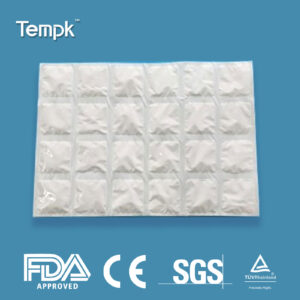
Dry ice packs 24 cells are flexible, modular cooling solutions designed to keep temperature-sensitive products chilled during transit. These packs consist of 24 individual pockets that are filled with dry ice or phase change material (PCM), which keeps items cold for an extended period. The packs are designed for flexibility and efficiency, maintaining consistent cooling throughout the journey.
The individual cells ensure uniform cooling, while their flexible design allows them to conform to the shape of the products inside. This eliminates the risk of cold spots and ensures a consistent temperature throughout the shipment.
Why are Dry Ice Packs 24 Cells Effective?
Dry ice packs 24 cells are superior to traditional ice packs in several ways:
Extended Cooling Duration: These packs can provide up to 72 hours of cooling, making them ideal for longer shipments. Unlike traditional ice packs that melt and raise the temperature of the package, dry ice remains cold throughout the journey.
Temperature Consistency: The evenly distributed cooling ensures that products remain within the required temperature range, preventing spoilage or degradation.
Lightweight and Compact: These packs are easy to handle, store, and transport, reducing shipping weight and improving efficiency.
Comparison Table: Dry Ice Packs vs Traditional Ice Packs
| Feature | Dry Ice Packs 24 Cells | Traditional Ice Packs |
|---|---|---|
| Cooling Duration | Up to 72 hours | Less than 24 hours |
| Temperature Consistency | Even and stable | May fluctuate |
| Storage Space | Compact and space-saving | Bulky and space-consuming |
Practical Example: Pharmaceutical companies shipping temperature-sensitive biologics benefit from dry ice packs 24 cells as they ensure consistent low temperatures for longer durations, keeping products safe throughout transit.
Why Should You Consider Dry Ice Packs 24 Cells for Temperature-Sensitive Shipping?
Temperature-sensitive shipping is essential for maintaining the quality of products in industries such as pharmaceuticals, biotechnology, and food and beverage. Dry ice packs 24 cells offer several key advantages for businesses in these sectors.
Key Benefits for Businesses
Reliable Cooling: With their ability to maintain near-freezing temperatures, dry ice packs 24 cells are ideal for pharmaceutical shipments such as vaccines, biologics, and medications, ensuring that the efficacy of these products is preserved.
Cost-Effectiveness: Although dry ice packs might come at a slightly higher initial cost, their longer cooling duration reduces the risk of product spoilage, making them more cost-effective in the long run.
Sustainability: Some dry ice packs 24 cells come with biodegradable packaging, offering an eco-friendly solution for temperature-sensitive shipments.
Helpful decision tools
Check the details before you choose packaging
These quick tools can help you compare route risk, sizing needs, coolant choices, and packaging details before you request a quote.
01Ice pack estimateIce Pack Calculator
Estimate gel ice pack quantity for chilled shipments and practical route planning.
Estimate ice packs02Sizing supportBox Liner & Pallet Cover Sizing
Check box liner and pallet cover sizing logic for insulated packaging projects.
Estimate sizing03Coolant choiceCoolant & PCM Reference
Compare coolant and PCM options when a route needs added temperature support.
Compare options
Helpful Tip: If you’re in the food or pharmaceutical industry, investing in dry ice packs 24 cells can significantly reduce spoilage rates and improve the efficiency of your shipping process.
How Do Dry Ice Packs Compare to Other Cooling Solutions?
When comparing dry ice packs 24 cells to traditional gel packs or liquid ice, several factors make them stand out:
Dry Ice vs Gel Ice Packs
| Aspect | Dry Ice Packs 24 Cells | Gel Ice Packs |
|---|---|---|
| Cooling Efficiency | Superior, near-freezing | Shorter cooling period |
| Weight | Lighter and more compact | Bulkier and heavier |
| Cost | Higher upfront cost but cost-effective in the long run | Lower initial cost, but less effective |
When to Use Dry Ice Packs Over Gel Packs: If you are shipping biological samples that require a constant sub-zero temperature, dry ice packs are the best option. On the other hand, for less sensitive products, gel packs may suffice.
How to Choose the Right Dry Ice Pack for Your Needs
Choosing the appropriate dry ice pack for your shipment is crucial. Here are a few factors to consider:
1. Size and Weight of Shipment
For larger shipments, you may need more cells or bigger packs to ensure consistent cooling throughout the transit period.
2. Duration of Transport
If your shipment will take more than 48 hours, choose a larger pack or additional cells to ensure adequate cooling.
3. Temperature Requirements
Certain items like vaccines or biological research samples may require specific temperature ranges. Ensure the pack you choose matches the required cooling capacity.
Practical Tip: If you’re shipping over long distances, consider using multiple dry ice packs to maintain consistent temperatures and avoid temperature fluctuations.
2025 Trends in Cold Chain Logistics
Innovations Shaping Cold Chain Logistics
As we move into 2025, the cold chain logistics industry is undergoing significant transformations. Emerging technologies are enabling better control, efficiency, and sustainability in the shipping of temperature-sensitive products.
Key Developments:
Smart Sensors: These sensors track temperature fluctuations in real-time, ensuring that temperature-sensitive goods are kept within the required range throughout the shipment.
Eco-Friendly Alternatives: Companies are investing in biodegradable dry ice packs and other sustainable packaging options to reduce the environmental impact of cold chain logistics.
Market Insights
The global cold chain logistics market is experiencing rapid growth, driven by the increasing demand for temperature-sensitive goods, particularly in the pharmaceutical and food sectors. Innovations like dry ice packs 24 cells are at the forefront of this growth, providing an efficient, eco-friendly solution to meet the rising demand for high-quality cold chain services.
Frequently Asked Questions
Q1: How long do dry ice packs 24 cells last?
Dry ice packs typically last between 48-72 hours, depending on the environment, insulation, and the number of packs used.
Q2: Can dry ice packs be reused?
No, dry ice packs are not reusable, as the dry ice sublimates after use. However, the packaging can often be recycled.
Conclusion and Recommendations
Dry ice packs 24 cells are a reliable, efficient, and cost-effective solution for businesses in industries requiring temperature-sensitive shipping. By maintaining a consistent low temperature for extended periods, these packs help ensure that products arrive in optimal condition. Investing in dry ice packs can reduce spoilage, lower shipping costs, and improve your cold chain logistics.
Actionable Tip: If you’re looking to improve your cold chain logistics, consider integrating dry ice packs 24 cells into your shipping processes to optimize temperature control and ensure your products are safely delivered.
About Tempk
At Tempk, we specialize in providing high-quality cold chain solutions, including dry ice packs 24 cells, to industries such as pharmaceuticals, food, and biotechnology. With years of expertise, we ensure that your products are transported safely, efficiently, and in compliance with all regulations.
Contact us today to learn more about how we can help optimize your cold chain logistics and improve your shipping reliability!