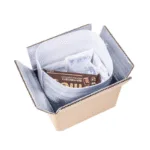
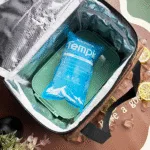
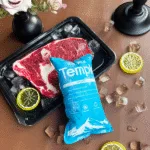
The demand for ultra-low temperature storage in pharmaceuticals, gourmet foods, and biologics has driven innovation in cold pack freezers—portable systems that combine deep-freeze capabilities with eco-conscious design. This article explores material breakthroughs, smart technologies, and Tempk’s cutting-edge dry ice solutions reshaping sub-zero logistics.

1. Advanced Materials for Extreme Cold Retention
Modern freezer packs leverage novel materials to achieve ultra-low temperatures sustainably:
Cryogenic PCMs: Bio-based phase-change materials like eutectic salt solutions stabilize -80°C for 96+ hours, replacing hazardous liquid nitrogen in vaccine transport.
Aerogel-EPP Hybrids: Silica aerogel-infused EPP foam reduces heat transfer by 70% while maintaining 95% recyclability.
Biodegradable Cryo Shells: PLA-starch composites withstand -100°C and decompose in 180 days, eliminating microplastics.
2. Critical Applications in Precision Cold Chains
mRNA Vaccines: WHO PQS-compliant packs maintain -70°C for 120+ hours, ensuring vaccine efficacy in last-mile delivery.
Cellular Therapies: Dry ice-free systems using CO₂ hydrate PCMs preserve cell viability at -150°C during air freight.
Premium Seafood: Gel-free packs with nano-reflective layers sustain -40°C for transoceanic shipments, preventing freezer burn.
3. Sustainability Challenges and Tech Solutions
Energy Intensity: Traditional freezer packs consume 3 kWh/day. Solar-charged VIP systems cut energy use by 60%.
Helpful decision tools
Check the details before you choose packaging
These quick tools can help you compare route risk, sizing needs, coolant choices, and packaging details before you request a quote.
01Packaging choicePackaging Selector
Compare insulated packaging options by product, route, and temperature need.
Find packaging02Coolant choiceCoolant & PCM Reference
Compare coolant and PCM options when a route needs added temperature support.
Compare options03Ice pack estimateIce Pack Calculator
Estimate gel ice pack quantity for chilled shipments and practical route planning.
Estimate ice packsRecycling Barriers: <10% of cryogenic packs are recycled. Tempk’s mono-material design achieves 100% closed-loop recovery.
Regulatory Shifts: FDA’s CARES Act and EU’s F-Gas Regulation phase out synthetic refrigerants, accelerating bio-PCM adoption.
4. Smart Technologies Elevating Cold Pack Efficiency
IoT-Enabled Monitoring: Embedded graphene sensors track temps to ±0.1°C, streaming data to blockchain for audit compliance.
AI-Driven Predictive Cooling: Machine learning adjusts PCM melting points based on real-time weather, extending cold duration by 50%.
Self-Heating/Cooling Dual Modes: Lithium-free batteries activate heating (40°C) or cooling (-80°C) on demand for hybrid shipments.
5. Tempk’s Dry Ice Packs: The Sub-Zero Game Changer
Tempk’s ArcticZero Series redefines ultra-cold logistics with:
CO₂-Neutral Dry Ice: Sourced from captured emissions, these packs hit -109°F (-78°C) without toxic residues.
Reusable Durability: Withstands 1,000+ freeze-thaw cycles (5x industry average) via carbon-fiber reinforced shells.
Closed-Loop Ecosystem: Join Tempk’s ZeroWaste Cryo Program—return used packs for CO₂ recapture and remanufacturing, achieving 99% circularity.
By merging cryogenic performance with radical sustainability, Tempk enables reliable deep-freeze transport while advancing net-zero goals.