Imagine investing millions in a lifesaving biologic only to have it degrade because it left the fridge for too long. Pharmaceutical cold chain management keeps vaccines, biologics and cell therapies within strict temperature ranges so they remain potent when they reach you. In 2025 the market for pharmaceutical cold chains is expected to grow from USD 6.4 billion in 2024 to USD 6.6 billion, driven by rising demand for personalized medicine and regulatory scrutiny. This guide uses plain language, uptodate data and realworld examples to help you understand, evaluate and improve your pharmaceutical cold chain.

Why is pharmaceutical cold chain management essential for patient safety? Explore temperature sensitivity, degradation risks and the ethical duty to protect medicines.
What components build an effective pharmaceutical cold chain? Learn about packaging, storage, transport and monitoring systems.
How do regulations and compliance requirements shape your cold chain? Understand GDP, FDA and WHO guidelines.
Which technologies are transforming pharmaceutical cold chains in 2025? Discover IoT sensors, AI analytics, blockchain and portable cryogenic freezers.
What challenges remain and how can you overcome them? Identify obstacles like equipment failures, high costs and lastmile issues, with practical solutions.
What are the latest trends in cold chain logistics? Review market growth, sustainability, visibility and emerging products.
Why Is Pharmaceutical Cold Chain Management Essential for Patient Safety?
Direct Answer
Effective pharmaceutical cold chain management protects patient safety because many therapies lose potency or become unsafe when exposed to temperatures outside their specified range. Biologics, vaccines and gene therapies contain delicate proteins and nucleic acids that degrade when they get too warm or too cold. A single temperature excursion during manufacturing, storage or transport can render a batch worthless and put patients at risk. By maintaining strict temperature ranges and providing realtime monitoring, you ensure that every dose you administer works as intended and meets regulatory standards.
Expanded Explanation
You might wonder why temperature control is so critical. Most biologic drugs are large, complex molecules that rely on precise threedimensional structures. Heat can denature these proteins, while freezing can cause aggregation or ice crystal damage. For example, mRNA vaccines require ultracold storage between –80 °C and –60 °C, and some gene therapies need cryogenic temperatures below –150 °C. Even smallmolecule drugs can degrade when exposed to excessive heat or humidity. Without proper cold chain management, these products lose efficacy or become toxic, undermining patient trust and public health. Investing in temperature control not only protects patients but also saves money by preventing costly recalls and waste.
What Temperature Ranges Do Different Therapies Require?
Therapies vary widely in their temperature needs. The table below summarizes common ranges and what they mean for your operations.
| Temperature Range | Example Therapies | Shipping Modes | Practical Significance |
| –150 °C and below (cryogenic) | Gene therapies, some cellbased treatments | Liquid nitrogen tanks, dry ice | Requires specialized containers and rapid transport to prevent thawing. Ensure handling protocols and staff training because mistakes are costly. |
| –80 °C to –60 °C (ultracold) | mRNA vaccines (e.g., PfizerBioNTech) | Ultracold freezers, dry ice shippers | Realtime monitoring is essential; use IoT sensors to detect deviations. |
| –20 °C (frozen) | Moderna vaccine, some biologics | Freezers, insulated boxes with ice packs | Validated packaging and consistent temperature verification are needed; dry ice must not damage packaging. |
| 2 °C–8 °C (refrigerated) | Most vaccines, monoclonal antibodies, insulin | Refrigerated trucks, passive shippers | This is the most common range. Uniform temperature maintenance across storage and transport is critical. |
| 15 °C–25 °C (controlled room temperature) | Oral formulations, some injectables | Insulated cartons, standard containers | Still requires monitoring to avoid extremes, especially in warm climates. |
Practical Tips and Advice
Map the thermal profile of each product: Document the specific temperature limits based on stability data and labelled requirements. This step informs packaging selection and route planning.
Choose validated containers: Use qualified packaging designed to maintain internal temperatures despite ambient extremes. Reusable insulated boxes with vacuuminsulated panels reduce waste and cost.
Plan for contingencies: Develop standard operating procedures covering delays, route changes and power failures. Include instructions for adding dry ice or transferring products if temperatures drift.
RealWorld Case: During the global COVID19 vaccine rollout, mRNA vaccines had to remain at –70 °C. By placing data loggers with realtime alerts inside containers, staff noticed a slight rise to –60 °C and added dry ice to restore the proper temperature. The quick response saved the shipment and prevented a costly loss.
What Are the Components of an Effective Pharmaceutical Cold Chain?
Direct Answer
A robust pharmaceutical cold chain integrates specialized infrastructure, validated packaging, realtime monitoring and trained personnel to maintain temperature integrity throughout manufacturing, storage and distribution. Without these components working together, even the best storage facility will fail if the shipment is packed incorrectly or if data aren’t monitored.
Expanded Explanation
A pharmaceutical cold chain is more than a refrigerator. It encompasses all the infrastructure, equipment and processes required to protect temperaturesensitive products from the factory to the patient. You need temperaturecontrolled manufacturing suites, cold storage warehouses with backup systems and quality control labs to maintain product integrity. Specialized equipment includes cryogenic freezers, liquid nitrogen storage and temperature mapping systems that ensure uniform conditions. Equally important are the processes: Standard operating procedures for handling, packaging, transport and monitoring; training programs for staff; and documentation for audits. Realtime monitoring uses IoT sensors and data loggers to capture temperature, humidity and location, enabling immediate intervention when deviations occur.
Which Packaging Solutions Suit Different Temperature Ranges?
Choosing the right packaging is critical because it directly impacts temperature stability. There are two main categories:
| Packaging Type | Benefits | Considerations | How It Helps You |
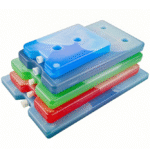
| Passive containers | Lightweight and costeffective; suitable for short to medium transit. Reusable options reduce waste. | Limited duration; performance depends on ambient conditions. Requires proper preconditioning of ice packs and careful packing. | Ideal for routine shipments within 24–72 hours. Use them when shipping vaccines or biologics across short distances. |
| Active containers | Provide continuous cooling or heating using electric systems or dry ice; suitable for ultracold or longhaul shipments. | More expensive and heavier; require power sources and maintenance. | Choose them for highvalue biologics, long-distance flights or shipments susceptible to delays. |
| Reusable insulated boxes with phasechange materials (PCMs) | Combine vacuuminsulated panels and PCMs to maintain stable temperatures; reduce environmental impact. | Require cleaning and periodic validation. Upfront cost is higher, but lifetime value is greater. | Use for ecofriendly shipping when you need consistent performance and sustainability. |
| Portable cryogenic freezers | Maintain ultralow temperatures (–80 °C to –150 °C) in challenging environments. | Bulky and require energy or dry ice; high capital expense. | Essential for cell and gene therapies and personalized medicine in remote locations. |
Storage Facilities and Inventory Management
Cold chain storage facilities must maintain validated temperature ranges and include backup systems. Warehouses need segregated zones for different temperature requirements and advanced inventory management systems to track location, temperature history and expiration dates. Automation and robotics can improve accuracy and reduce human error. For example, a biologics manufacturer implemented an automated cold storage system with robotic retrieval; this reduced product handling time by 30 % and cut temperature excursions during staging by 40 %, saving money and improving compliance.
Practical Tips and Advice
Calibrate monitoring devices regularly: Maintain calibration certificates to satisfy audits.
Employ continuous temperature recording: Use alarms and automated notifications to detect deviations. Backup power ensures equipment continues during outages.
Train personnel: Teach proper loading and unloading procedures to minimize exposure to ambient temperatures.
RealWorld Case: A midsize dairy cooperative installed IoT sensors in refrigerated trucks. When sensors detected a temperature spike during a heat wave, drivers adjusted refrigeration and avoided spoilage, reducing product loss by 15 %. Although this case involves food, the same principles apply to pharmaceuticals.
How Do Regulations Shape Pharmaceutical Cold Chain Management?
Direct Answer
Regulations like WHO Good Distribution Practices (GDP), FDA guidelines and national standards ensure that every step of the pharmaceutical cold chain maintains product quality and patient safety. Compliance protects patients, prevents counterfeit products and keeps you auditready.
Expanded Explanation
Governments and international organisations impose strict requirements for cold chain management because the stakes are high. The World Health Organization’s GDP guidelines emphasise quality management, suitable premises and equipment, documentation and counterfeit prevention. Facilities must be designed to prevent contamination and maintain temperature control; vehicles should be appropriate for temperaturesensitive goods. National guidelines, such as those issued by the Lebanese Ministry of Health, expand on these principles, insisting that shipping containers be qualified to withstand ambient extremes and labelled clearly, e.g., “Do Not Freeze”. Regulators also demand robust documentation and recordkeeping. For instance, the FDA’s 21 CFR Part 11 and GDP rules require electronic records and realtime monitoring. Failure to comply can result in rejected shipments, recalls or legal penalties.
Key Regulatory Frameworks and Their Requirements
| Framework / Standard | Key Requirements | How It Affects Your Logistics |
| WHO Good Distribution Practices (GDP) | Quality management system; qualified premises and equipment; documentation; counterfeit prevention | Requires continuous temperature logging, equipment calibration and thorough training. Must maintain chain of custody and document every step. |
| FDA Cold Chain Guidance (21 CFR Part 11) | Ensures temperature remains within specified ranges; mandates electronic recordkeeping and reliable monitoring systems | Noncompliance can lead to rejected shipments or product recalls. Use validated sensors and automated alerts to satisfy these requirements. |
| European Medicines Agency (EMA) | Similar to FDA regulations with strict temperature specifications for intraEU transport | Requires crossborder documentation, validated packaging and local transport compliance. |
| Good Manufacturing Practice (GMP) | Covers manufacturing operations, including cryogenic storage and cold room design | Enforces validated processes across manufacturing steps. You must maintain consistency from raw material receipt to fillfinish. |
| Food Safety Modernization Act (FSMA) Rule 204 | Demands highrisk foods be traceable within 24 hours; relevant because many providers handle food and pharma | Requires interoperable systems that manage both food and pharmaceutical requirements. |
Practical Tips and Advice
Conduct regular training: Ensure all personnel understand GDP requirements and the consequences of noncompliance.
Validate packaging and transport routes: Perform performance qualification under worstcase ambient conditions.
Maintain documentation: Keep records that support stability claims and justify acceptance of minor temperature excursions.
RealWorld Case: A national public health program digitised documentation across its vaccine distribution network. Realtime records of temperature and handling improved compliance and reduced product loss by 25 %.
Which Technologies Are Transforming Pharmaceutical Cold Chain Management in 2025?
Direct Answer
In 2025 the pharmaceutical cold chain is being revolutionized by IoT sensors, predictive analytics, blockchain, automation and sustainable packaging. These technologies provide realtime visibility, proactive decisionmaking and greater traceability, helping you prevent excursions, optimise routes and enhance sustainability.
Expanded Explanation
Technological innovation is the most exciting aspect of modern pharmaceutical cold chains. Realtime IoT monitoring replaces reactive data loggers. Sensors track temperature, humidity and location and send alerts when conditions deviate. Predictive analytics and AI use historical and live data to forecast risks, such as delays, equipment failures and weather disruptions. Blockchain technology creates immutable records of temperature data and chainofcustody events, providing endtoend traceability. Automation and robotics are improving cold storage and distribution, while drones enable lastmile delivery to remote areas. Finally, portable cryogenic freezers and sustainable packaging are enabling safe transport of cell therapies and ecofriendly solutions.
RealTime IoT Monitoring
IoT sensors give you continuous visibility. Sensors transmit data via lowpower networks like cellular, LoRaWAN or LTEM to cloud platformsi. If temperatures deviate from safe thresholds, alerts allow you to intervene quicklyi. Realtime monitoring simplifies compliance by automatically logging data and generating auditready reportsi. Monitoring the last mile ensures that medicines remain within specification until handoffi.
Benefits of RealTime IoT Sensors
| Benefit | Example | What It Means for Your Business |
| Prevention of spoilage | Realtime alerts trigger corrective actions (adding dry ice, rerouting shipments) before products are damaged. | Avoid product loss and protect patient safety. |
| Regulatory compliance | Automated data logging meets FDA 21 CFR Part 11 and GDP requirements. | Reduces administrative burden and audit stress. |
| Lastmile security | Sensors monitor conditions until the moment of handoffi. | Eliminates blind spots in the supply chain and improves accountability. |
| Predictive maintenance & route optimisation | AI algorithms detect abnormal patterns and recommend optimal routes. | Reduces downtime and ensures faster deliveries. |
| Sustainability metrics | Integrated analytics track energy use and carbon emissions. | Helps you meet environmental goals and communicate progress to stakeholders. |
Predictive Analytics and AI
AI leverages historical and realtime data to predict potential disruptions, such as traffic delays, temperature spikes and equipment failures. It can suggest optimal routes, schedule maintenance for refrigeration units and even adjust packaging strategies. In one realworld case, a pharmaceutical distributor in Southeast Asia used AIassisted route optimisation. By combining GPS data with weather forecasts, the company shortened delivery routes by 12 % and reduced fuel consumption.
Blockchain for Traceability
Blockchain provides an immutable, decentralized record of temperature data and chainofcustody events. Smart contracts can automate compliance checks and release conditions; for example, they can ensure that a shipment is only accepted if the temperature remained within range. Blockchain is particularly useful for highvalue products and crossborder shipments because it builds trust among multiple stakeholders.
Automation, Robotics and Drones
Automation is transforming cold storage and distribution. Robotic pickers and autonomous guided vehicles reduce human exposure to cold environments and speed up processing. Drones equipped with temperaturecontrolled payloads are being piloted for lastmile delivery to remote locations. These innovations improve access to medicines in rural areas while reducing delivery times.
Portable Cryogenic Freezers and Sustainable Packaging
Portable cryogenic freezers maintain temperatures as low as –80 °C to –150 °C, even in challenging environments. They provide realtime temperature tracking and warning notifications, safeguarding ultracold products like cell therapies. Sustainable packaging—such as recyclable insulated containers and biodegradable thermal wraps—reduces environmental impact while protecting products.
Practical Tips and Advice
Start with scalable platforms: Choose IoT systems that support multiple sensor types and can grow with your operations.
Invest in data security: Ensure that vendors use encryption, regular firmware updates and access controls.
Helpful decision tools
Check the details before you choose packaging
These quick tools can help you compare route risk, sizing needs, coolant choices, and packaging details before you request a quote.
Packaging Selector
Compare insulated packaging options by product, route, and temperature need.
Find packagingInsulation Material Drop Resistance
Review drop resistance and handling factors before choosing insulation materials.
Check resistanceBox Liner & Pallet Cover Sizing
Check box liner and pallet cover sizing logic for insulated packaging projects.
Estimate sizingUse AI for decision support: Deploy predictive analytics to forecast temperature excursions and optimize maintenance schedules.
RealWorld Case: A biotech company shipping cell therapies used IoT sensors and AI to monitor shipments. During a traffic delay, the system alerted the team, who moved the shipment to a temperaturecontrolled van and saved a batch worth millions.
What Challenges and Solutions Exist for Maintaining Temperature Integrity?
Direct Answer
Pharmaceutical cold chains face challenges such as equipment failures, infrastructure gaps, rising energy costs, complex lastmile delivery and regulatory burdens; each requires targeted solutions like IoT monitoring, microfulfilment centers and training.
Expanded Explanation
Keeping medicines within their required temperature ranges is easier said than done. Temperature excursions often occur during loading and unloading, especially when manual logging is used or lastmile infrastructure is inadequate. Equipment failures, such as power outages or malfunctioning freezers, are another major risk. High energy costs and unreliable electricity supply can make ultralow temperature storage prohibitively expensive. Additionally, crossborder transport introduces complexity through varying regulations and customs delays. To overcome these challenges, companies are investing in portable cryogenic technology, microfulfilment centers, route optimization and training programs.
Common Challenges and Practical Solutions
| Temperature Range & Product | Primary Challenges | Practical Solutions & Benefits |
| 2 °C–8 °C (vaccines, biologics) | Risk of excursions during loading/unloading; manual logging; insufficient lastmile infrastructure | Use insulated containers and gel packs; implement realtime tracking; utilize microfulfilment centers for lastmile delivery; train staff on handling procedures. |
| –20 °C to –80 °C (frozen vaccines) | Equipment failures and high energy costs; complexity of crossborder transit | Deploy refrigerated trucks with IoT sensors; optimize routes to reduce transit time; invest in energyefficient refrigeration units. |
| –80 °C to –150 °C (cell & gene therapies) | Ultralow temperatures require specialized containers; infrastructure is expensive | Use portable cryogenic freezers with integrated sensors; choose dewars with digital tracking; plan shipments to minimize handling. |
Strategies to Mitigate Temperature Risks
Deploy portable cryogenic technology: Portable cryogenic freezers ensure safe transport of cell and gene therapies, maintaining ultralow temperatures even in remote areas.
Optimize routes with AI: Route optimization reduces travel time, energy consumption and risk of excursions.
Integrate microfulfilment centers: Shorten lastmile distances by staging shipments in local microfulfilment hubs, reducing exposure to ambient conditions.
Train your team: Many excursions result from human error; regular training empowers staff to respond quickly when alarms sound.
RealWorld Case: During the pandemic, distribution of mRNA vaccines required ultralow temperatures. Companies deployed IoTenabled freezers and cloud platforms. When sensors flagged deviations, teams rerouted trucks or replenished dry ice to maintain potency. The experience accelerated investment in predictive analytics and digital infrastructure across the pharmaceutical cold chain.
2025 Trends and Market Insights in Pharmaceutical Cold Chain Management
Trend Overview
Demand for vaccines, biologics and personalized medicine is propelling rapid growth in pharmaceutical cold chains. The market is projected to grow from USD 6.4 billion in 2024 to USD 6.6 billion in 2025 and USD 9.6 billion by 2035. The broader cold chain logistics sector—including food and pharmaceuticals—is forecast to surge from USD 293.58 billion in 2023 to USD 862.33 billion by 2032. Meanwhile, realtime monitoring systems and AI analytics are becoming standard, and sustainability is a growing priority. Companies are forming strategic partnerships to expand networks and improve resilience.
Latest Developments at a Glance
Market Changes: Geopolitical unrest and blackswan events have strained logistics capacity, but the cold chain sector has shown resilience with capacity building and diversification across transport modes.
Greater Visibility: Investments in software and digital platforms provide endtoend visibility, enabling uninterrupted data flow and temperature monitoring.
Sustainability Upgrades: Aging cold storage infrastructure is being replaced with energyefficient facilities. Regulations are phasing out highglobalwarmingpotential refrigerants, pushing companies to adopt ecofriendly technologies.
Emerging Products: The rise of cell and gene therapies, plantbased vaccines and biologics demands cold chain solutions tailored to ultracold and cryogenic ranges.
Portable Cryogenic Freezers: Portable cryogenic freezers preserve biologics and cell therapies at –80 °C to –150 °C, enabling safe transport to remote areas.
SolarPowered Cold Storage: Solarpowered cold storage units reduce energy costs and provide sustainable temperature control in regions with unreliable electricity supply.
AIPowered Route Optimisation: AI algorithms adjust routes in real time based on traffic and weather, reducing transit time and improving reliability.
Blockchain Traceability: Blockchain systems ensure transparency and tamperproof records, enhancing compliance and trust.
Market Insights
The pharmaceutical sector’s revenue is projected to reach USD 1.454 trillion by 2029, with a CAGR of 4.71 %. Growing demand for complex biologics and personalized medicine is driving investments in scalable, compliant cold chain solutions. Supplychain resilience remains a priority after pandemicrelated disruptions; diversification of logistics strategies and strengthened partnerships are helping companies withstand future shocks.
Practical Tips and Recommendations for Staying Ahead
Perform a gap analysis: Evaluate your current cold chain operations to identify weak points in packaging, storage, transport and documentation.
Validate packaging under worstcase conditions: Confirm that containers and shippers perform during temperature extremes and delays.
Implement realtime monitoring: IoT sensors and cloud platforms provide endtoend visibility and proactive control.
Invest in sustainability: Adopt reusable packaging, energyefficient refrigeration and lowGWP refrigerants to meet regulatory and environmental requirements.
Collaborate with experienced partners: External cold chain specialists often have validated equipment and global reach, ensuring compliance and reducing risk.
Frequently Asked Questions (FAQ)
Q1: What is a temperature excursion in pharmaceutical cold chain management?
A temperature excursion occurs when a pharmaceutical product is exposed to temperatures outside its prescribed range. Minor excursions may be acceptable if supported by stability data, but significant deviations compromise product quality. Always evaluate excursions with your quality team and document the outcome.
Q2: How do I decide between passive and active packaging?
Passive packaging is lightweight and costeffective, ideal for shipments up to 72 hours. Active packaging offers continuous cooling or heating but is heavier and more expensive. Base your choice on shipment duration, product sensitivity and ambient conditions.
Q3: Why is realtime monitoring better than traditional data loggers?
Traditional data loggers provide information only after transit, making it too late to act. Realtime IoT sensors transmit data continuously, trigger alerts when deviations occur and facilitate immediate intervention, reducing spoilage and ensuring compliance.
Q4: How can cold chain operations become more sustainable?
Sustainability involves using reusable packaging materials, energyefficient refrigeration and alternative refrigerants with low global warming potential. Portable cryogenic freezers, solarpowered storage and biodegradable insulation help reduce environmental impact.
Q5: What are common regulatory documents I need to maintain?
Regulators require records of temperature, handling and distribution to ensure traceability. Electronic documentation under FDA 21 CFR Part 11 and GDP guidelines provides proof of compliance and facilitates auditsi.
Summary and Recommendations
In 2025 pharmaceutical cold chain management remains the guardian of medicine quality and patient safety. By controlling temperatures from manufacturing to lastmile delivery, you protect delicate biologics, vaccines and gene therapies from degradation. A robust cold chain requires integrated infrastructure, validated packaging, realtime monitoring and regulatory compliance. Emerging technologies like IoT sensors, AI, blockchain and portable cryogenic freezers provide unprecedented visibility and predictive power. Challenges such as equipment failures, high costs and complex lastmile logistics can be overcome through route optimization, microfulfilment centers and staff training. Market trends point to rapid growth, greater sustainability and heightened visibility.
Actionable Next Steps
Assess your current cold chain: Conduct a thorough audit of temperature controls, documentation, training and equipment. Identify gaps and prioritize improvements.
Implement realtime monitoring: Deploy IoT sensors and cloud dashboards to gain continuous visibility and automated alertsi.
Validate and upgrade packaging: Select packaging solutions based on product sensitivity and shipping duration, and ensure they are qualified under worstcase conditions.
Train your team: Provide ongoing education on handling procedures, regulatory requirements and emergency responses.
Invest in sustainability: Choose reusable containers, energyefficient refrigeration and lowGWP refrigerants. Consider solarpowered storage and biodegradable insulation.
Collaborate with experts: Partner with experienced cold chain providers and leverage AI and blockchain technologies for optimized routes and traceability.
About Tempk
Tempk is a leader in cold chain solutions, specializing in temperaturecontrolled packaging, realtime monitoring and logistics consulting. We design insulated boxes with vacuuminsulated panels and phasechange materials, develop IoT monitoring platforms and partner with carriers to ensure compliance with GDP and FDA regulations. Our solutions help you protect product integrity, reduce waste and streamline operations. Whether you need passive shippers for routine vaccines or portable cryogenic freezers for gene therapies, we have the experience and technology to support your pharmaceutical cold chain.
Call to Action: Ready to enhance your cold chain strategy? Contact Tempk’s experts for a tailored assessment and discover how our innovative solutions can optimize your pharmaceutical logistics.