The cold chain keeps your vegetables crisp and safe from farm to fork. In 2025, the food cold chain market is valued at about US $65.8 billion, and the global cold chain logistics market has climbed to roughly US $436 billion. As demand for fresh, minimally processed foods surges and food safety laws tighten, vegetables travel farther and require precise temperature control. Yet around 526 million tonnes of food—12 % of global production—are lost annually due to the lack of cold chains, and vegetables can suffer postharvest losses of more than 50 % in some regions. This guide explains the trends transforming vegetable logistics in 2025 and offers practical strategies to improve quality, sustainability and profitability.
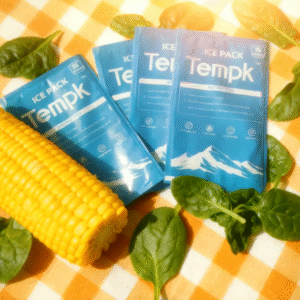
Understand why the cold chain matters to vegetables – explain how proper temperature management reduces food loss and preserves nutrition.
Explore growth drivers – review consumer trends, crossborder trade and regulations boosting cold chain investment.
Learn about cuttingedge technologies – discover how AI, IoT and blockchain improve traceability and efficiency.
Implement best practices – find recommended temperature ranges, packaging and handling guidelines for various vegetables.
Prepare for sustainability and future trends – see how energyefficient systems and greener logistics address climate goals.
Why the Cold Chain Matters for Vegetables
Food loss and nutrition. Without refrigeration, vegetables spoil quickly. About 13 % of all food produced is lost because of insufficient cold chains, and smallholder farmers in SubSaharan Africa lose over 50 % of vegetable harvests. Proper cold chains reduce microbial growth and enzymatic reactions, extending shelf life and protecting nutrients.
Safety and compliance. Regulations such as the U.S. Food Safety Modernization Act (FSMA) Rule 204 require 24hour traceability for highrisk foods. Maintaining vegetables at 0–5 °C (32–41 °F) preserves texture and prevents pathogens. Realtime monitoring ensures compliance and reduces recalls.
Economic and social impact. Food loss and waste account for 8–10 % of global greenhousegas emissions. By improving cold chains, we can feed more than 1 billion people currently affected by food insecurity. Efficient logistics also increase farmer incomes and create jobs.
A closer look at vegetable losses
| Issue | Evidence | Impact on vegetables | Why it matters to you |
| Postharvest loss | Up to 50 % of vegetable yields lost in SubSaharan Africa due to inadequate cold chains | Waste reduces farmer incomes and consumer supply | Improved cold chain storage can halve postharvest losses, increasing profits and food availability |
| Food loss vs. waste | 526 million tonnes of food lost annually because of missing or broken cold chains | High nutrient loss for vegetables; wasted energy | Investing in refrigeration infrastructure reduces loss and improves sustainability |
| Temperature abuse | Frozen vegetables require −18 °C to −23 °C; fresh vegetables need 0–13 °C depending on variety | Deviations lead to ice crystals, texture damage and spoilage | Maintaining correct ranges ensures quality and reduces complaints |
Tips for reducing vegetable loss
Precool quickly: Rapidly cool vegetables after harvest using blast chillers or forcedair cooling. Slow cooling allows ice crystals to form and reduces quality.
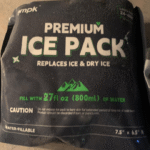
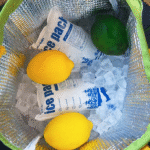
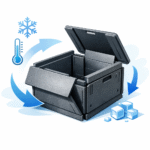
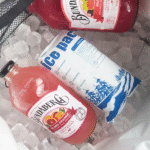
Use proper packaging: Insulated foam containers, vacuumsealed bags and gel packs help maintain temperature.
Monitor humidity: Balanced humidity prevents wilting; breathable films allow gas exchange while retaining moisture.
Install sensors: IoT loggers and data loggers provide continuous temperature and humidity data, alerting operators to deviations.
Case in point: A Southeast Asian distributor that installed solarpowered cold storage and IoT monitoring cut energy costs from 13.10 cents per kWh to 3.2 cents, while maintaining vaccines at –80 °C to –150 °C. Similar systems for vegetables can slash energy bills and preserve product quality.
Drivers of Growth in the 2025 Cold Chain Vegetables Industry
Rising demand for frozen and processed foods
Urban lifestyles and busy schedules have increased consumption of frozen meals, meat and seafood. Persistence Market Research reports the global food cold chain market at US $65.8 billion in 2025 and projects it to reach US $205.3 billion by 2032, growing at 17.5 % annually. Meal kits, readytoeat foods and online grocery services require reliable refrigerated logistics.
The frozen vegetable market itself is worth US $57 billion in 2025 and is forecast to reach US $102.3 billion by 2035 (CAGR 6 %). Retail customers account for 65 % of the market. The popularity of plantbased diets and the convenience of readytocook vegetables drive this segment.
Stricter food safety regulations
Governments are enforcing temperature control and traceability across supply chains. The FSMA Rule 204 mandates digital records and 24hour traceability for highrisk foods. In Europe, the Move to –15 °C coalition encourages raising freezer temperatures from –18 °C to –15 °C, delivering 10–15 % energy savings while preserving food. The EU Packaging & Waste Directive requires recyclable and reusable packaging, pushing companies to adopt ecofriendly materials.
Growth of crossborder trade and infrastructure
Perishable exports such as meat, seafood and fresh produce have grown 5.6 % annually since 2018. Emerging economies are expanding refrigerated warehouse capacity—India’s cold storage capacity grew 35 % between 2020 and 2024, while China’s capacity exceeds 200 million m³. The Asia Pacific cold chain market is expected to grow 11 % by 2025, yet uneven infrastructure creates regional disparities. Countries like the Philippines aim to increase cold storage capacity by 10–15 % annually to support exports.
Digitalization and sensor technology
IoT platforms and predictive analytics help reduce product loss and optimize routes. Digital solutions can cut downtime by up to 50 %, reduce repair costs 10–20 % and save 10–30 % of energy. Realtime tracking satisfies regulatory demands and builds consumer trust. Blockchain provides tamperproof records of each handoff, ensuring endtoend traceability.
Consumer preferences for quality and convenience
Consumers want fresh, minimally processed vegetables but also value convenience. Mealkit subscriptions, online grocery services and quickservice restaurants rely on chilled logistics. In India, the quickservice restaurant sector is projected to grow 20–25 % annually, underscoring the need for reliable cold chains.
Technology Innovations Transforming Vegetable Cold Chains
Artificial Intelligence and route optimization
AI is revolutionizing cold chain logistics by optimizing routes based on traffic patterns, weather and delivery windows. This reduces fuel consumption and ensures timely deliveries. Warehouse AI platforms predict equipment failures, schedule maintenance and provide inventory forecasts. Automated storage systems improve safety and reduce labour costs.
Blockchain for traceability
Blockchain creates immutable records of product journeys. It enhances transparency, ensures compliance with food safety regulations and builds consumer trust. By recording each handoff in the supply chain, blockchain prevents counterfeit products and simplifies audits.
IoTenabled monitoring
The Internet of Things allows continuous tracking of temperaturesensitive products. Sensors provide realtime data on temperature, humidity and location. Immediate alerts enable corrective actions when deviations occur, reducing spoilage and waste. GPS integration helps adjust routes for traffic and weather.
Solarpowered and renewable refrigeration
Solarpowered refrigeration units are gaining traction in regions with limited electricity. Companies like EjaIce Nigeria deploy solarpowered cold storage to reduce food waste and improve food security. Renewable energy solutions lower operating costs and emissions, making cold chains more sustainable.
Lightweight smart containers
Lightweight insulated containers with embedded sensors monitor temperature, humidity and location. These containers improve efficiency and reduce weight, lowering transport costs. Reusable smart packaging reduces waste and supports circular supply chains.
Temperature management for different vegetables
Temperature control varies by product:
Frozen vegetables: require –18 °C to –23 °C to stop bacterial growth and enzymatic reactions. Any fluctuation can form ice crystals and damage cell structures.
Fresh leafy greens: need 0–4 °C and high humidity to prevent wilting.
Root vegetables (potatoes, onions): tolerate 10–13 °C. Warmer temperatures prevent chilling injury.
Tropical vegetables (tomatoes, cucumbers): prefer 10–13 °C and moderate humidity.
Maintaining optimal humidity is crucial; containers must balance moisture to avoid dehydration or rot.
Practical handling tips
Use reefer containers: Set accurate temperature and humidity controls. Fresh vegetables need 32–40 °F (0–4 °C), while tropical varieties need 50–55 °F (10–13 °C).
Plan loading and unloading: Rapid transfers minimize exposure to ambient temperatures.
Implement realtime monitoring: Sensors and GPS provide continuous data and alert handlers to deviations.
Have backup power: Generators prevent disruptions during outages.
Realworld example: In July 2025 UNICEF shipped over 500 000 doses of pneumococcal vaccine by sea. Careful route planning and green logistics reduced greenhousegas emissions by 90 % and cut freight costs by 50 % compared with air freight. Similar strategies can be applied to vegetable shipments to save money and reduce climate impact.
Sustainability and Environmental Impact
Cold chain’s carbon footprint
The food cold chain accounts for 4 % of global greenhousegas emissions. Energy consumption for refrigeration, refrigerant leakage and food loss due to inadequate cooling are the main sources. Cold chain operations also consume 17 % of the world’s electricity. Tackling these emissions is essential for meeting climate goals.
Food loss and climate change
In 2022 more than 1.05 billion tonnes of food were wasted, while 783 million people went hungry. Food loss and waste contribute 8–10 % of annual global greenhousegas emissions—nearly five times the emissions from aviation. Reducing cold chain losses can therefore deliver significant environmental and social benefits.
Helpful decision tools
Check the details before you choose packaging
These quick tools can help you compare route risk, sizing needs, coolant choices, and packaging details before you request a quote.
Coolant & PCM Reference
Compare coolant and PCM options when a route needs added temperature support.
Compare optionsBox Liner & Pallet Cover Sizing
Check box liner and pallet cover sizing logic for insulated packaging projects.
Estimate sizingPackaging Selector
Compare insulated packaging options by product, route, and temperature need.
Find packagingSustainable strategies
| Strategy | Description | Benefit to you |
| Renewable energy | Install solar panels or wind turbines to power cold storage and transport equipment. Use electric vehicles for lastmile delivery. | Reduces emissions and energy costs; increases resilience to power price volatility. |
| Natural refrigerants | Replace highGWP refrigerants with CO₂, ammonia or hydrocarbons, in line with the Kigali Amendment and EPA regulations. | Cuts direct greenhousegas emissions and futureproofs equipment against regulation. |
| Energyefficient operations | Adopt the Move to –15 °C initiative, raising freezer temperatures from –18 °C to –15 °C to save 10–15 % of energy. Use vacuuminsulated panels and phasechange materials to improve insulation. | Lower operating costs and extend equipment life; maintain quality and reduce waste. |
| Green logistics | Use AI for route optimization and load consolidation; shift to lowercarbon transport modes (rail or sea). Implement microfulfillment centers to reduce travel distance. | Cuts fuel consumption and emissions; improves delivery speed and reliability. |
| Circular packaging | Switch to recyclable and reusable containers. The EU Packaging Directive mandates such materials. Smart containers with sensors can be reused multiple times. | Reduces packaging waste and complies with legislation; lowers longterm costs. |
Market Trends and Consumption Patterns
Price and supply dynamics
The U.S. Economic Research Service reports that retail fresh vegetable prices increased by 2.8 % from July 2025 to August 2025 and were 2.9 % higher than a year earlier. Despite seasonal fluctuations due to weather events in California and Florida, fresh vegetables are predicted to cost about the same in 2025 as in 2024, with a prediction interval of –1.3 % to 1.3 %. At the farm level, vegetable prices are expected to decrease by 14.1 % in 2025 because of improved yields and stabilizing supply. Stable retail prices benefit consumers but may pressure growers, emphasizing the need for efficient logistics to maintain margins.
Regional growth and consumption
The AsiaPacific cold chain market is expected to grow 11 % by 2025, driven by rising incomes and urbanization. However, uneven infrastructure and climate conditions mean that some countries lag behind, creating opportunities for investment in sustainable cold storage facilities.
Per capita consumption of frozen vegetables varies. Developed countries such as the United States, United Kingdom and Germany report higher consumption because of busy lifestyles and widespread cold storage. Emerging markets, including India, Brazil and South Africa, show rising consumption as cold chain infrastructure improves. East Asia, particularly Japan, is projected to be the fastestgrowing market with a 6.1 % CAGR.
Valueadded produce and automation
The freshcut and valueadded produce market has grown as consumers demand convenience. Valueadded produce reached a 15.4 % share of fresh produce sales in 2025. Automation technology such as robotic corers and peelers can process 2 500 pieces per hour, improving efficiency and reducing labour costs. These innovations require precise cold chain management to maintain quality after cutting.
Table: Key Market and Sustainability Metrics
| Metric | 2025 Value | Forecast / Impact | Practical significance |
| Global cold chain logistics market | US $436 billion | Expected to exceed US $1.36 trillion by 2034 | Shows rapid growth; investment opportunities in logistics and infrastructure |
| Food cold chain market (overall) | US $65.8 billion | Projected to reach US $205.3 billion by 2032 (CAGR 17.5 %) | Highlights strong demand for cold chain services across food categories |
| Frozen vegetable market | US $57 billion | Expected to reach US $102.3 billion by 2035 (CAGR 6 %) | Indicates rising demand for frozen vegetables; opportunities for processors and retailers |
| Share of food lost due to lack of cold chain | 12 % (526 million t) | Enough food to feed 1 billion people | Emphasizes social impact of investing in cold chain infrastructure |
| Cold chain’s share of global GHG emissions | 4 % | Related energy consumption is 17 % of global electricity | Highlights environmental cost; sustainability measures are essential |
| Fresh vegetable price forecast (US) | Unchanged (–1.3 % to 1.3 % change) in 2025 | Farmlevel prices expected to decrease by 14.1 % | Stable retail prices benefit consumers; efficient cold chains help growers remain profitable |
Challenges and Risk Management
Common challenges
Temperature control and stability. Fluctuations during transport cause ice crystallization, texture deterioration and spoilage. Power failures and inefficient cooling systems lead to temperature excursions.
Lack of visibility and communication. Gaps in monitoring make it hard to identify where temperature abuse occurs. Poor coordination between suppliers, carriers and retailers results in delays and product damage.
Packaging waste and planning errors. Over or underusing gel packs wastes materials and increases risk of temperature deviations.
Regulatory noncompliance. Missing records or improper storage conditions can lead to fines and recalls.
Infrastructure and supply chain gaps. Outdated facilities, poor transport routes and high energy costs hinder efficiency.
Strategies for risk management
Realtime monitoring and alerting: Deploy IoT sensors and GPS trackers to monitor temperature, humidity and location continuously.
Predictive maintenance: Use AIdriven analytics to schedule repairs before breakdowns, reducing downtime by up to 50 % and repair costs by 10–20 %.
Endtoend visibility: Integrate Transportation Management Systems (TMS) with ERP software to track shipments and inventory. RFID and barcode technologies help maintain optimum stock levels.
Route optimization: Use AI to optimize delivery routes, reducing delays and fuel consumption.
Training and communication: Standardize procedures for loading, unloading and monitoring; conduct regular training and drills.
Backup power and renewable energy: Install generators and adopt solar or wind power to ensure uninterrupted refrigeration.
Sustainable packaging: Calibrate packaging sizes to shipment volume; adopt reusable containers and closedloop pooling systems.
Practical tips and recommendations
Small batch meal kits: Use insulated containers and gel packs that maintain 0–5 °C, combined with IoT loggers for lastmile delivery monitoring.
Longhaul frozen shipments: Maintain –18 °C or lower; employ smart containers with sensors and route optimization. Consider sea freight to reduce emissions and costs.
Freshcut processing: Apply robotic corers and peelers to minimize handling time, then package in breathable films and cool quickly.
Resilient infrastructure: Invest in multitemperature zones, solar or wind power, and microfulfillment centers.
Collaborative programs: Educate small farmers and cooperatives about temperature control and provide access to affordable cold storage.
Practical scenario: A Southeast Asian frozenvegetable exporter installed IoT sensors and backup power systems. Temperature excursions decreased by 90 %, and shelflife complaints dropped dramatically. They also adopted the Move to –15 °C guideline, cutting energy costs by 10–15 % while maintaining quality.
2025 Trends and Future Outlook
Sustainability at the heart of operations
Environmental sustainability is now a requirement rather than an option. Cold chain operations are pressured to adopt greener practices, reduce carbon footprints and maintain efficiency. Innovations in green logistics, energy management and resilience are leading the way. Companies are integrating solar and wind energy into facilities and using biofuels for transport. Certification systems like EDGE Advanced (exemplified by Emergent Cold’s zerocarbon plant in Chile) showcase the shift to greener operations.
Artificial Intelligence and automation
AI provides predictive insights that optimize warehouse operations, forecast demand and schedule maintenance. Robots improve space utilization and safety. AIenabled route optimization reduces delays and fuel costs, while realtime monitoring ensures optimum conditions.
Green logistics and builttosuit facilities
Sustainable logistics emphasize renewable energy sources and efficient facility design. Builttosuit solutions customize capacity and improve energy efficiency, helping companies manage costs while meeting regulatory requirements. Outsourcing to specialized cold storage providers can further reduce capital expenditures.
Move to –15 °C initiative
The Move to –15 °C coalition promotes raising standard freezer temperatures from –18 °C to –15 °C, delivering 10–15 % energy savings and extending equipment life. Large corporations are aligning operations with this initiative to meet sustainability goals.
Reducing food loss and waste
More than 1 billion tonnes of food are wasted annually, contributing to 8–10 % of global greenhousegas emissions. Cold chain improvements reduce postharvest losses and preserve product quality, helping to feed more people and decrease emissions.
Expansion of cold storage capacity and resilience
Demand for cold storage is increasing due to climate variability and supply chain disruptions. Companies are expanding or outsourcing storage and using microfulfillment centers to improve lastmile delivery. Building strategic stocks and diversifying suppliers enhances resilience to events like canal closures or climateinduced disruptions.
Frequently Asked Questions
- What temperature should fresh vegetables be stored at during transport?
Fresh vegetables generally require 0–4 °C (32–40 °F), while tropical vegetables such as tomatoes and cucumbers need 10–13 °C (50–55 °F). Maintain humidity to prevent wilting and avoid condensation. - How does AI improve cold chain logistics for vegetables?
AI optimizes delivery routes, predicts equipment failures and provides realtime inventory and demand forecasts. These insights reduce fuel consumption, minimize downtime and enhance product freshness. - What are the biggest challenges in shipping frozen vegetables internationally?
Maintaining –18 °C to –23 °Cthroughout the journey is critical. Challenges include temperature fluctuations, power outages, regulatory compliance and visibility gaps. Realtime monitoring, backup power and trained handling help overcome these issues. - Why is the Move to –15 °C initiative important?
Raising standard freezer temperatures from –18 °C to –15 °Ccan save 10–15 %of energy and extend equipment life. It reduces emissions without compromising food safety. - How can small farmers benefit from improved cold chain systems?
Access to affordable cold storage reduces postharvest losses, increases income and enables farmers to reach distant markets. Cooperative programs and solarpowered systems make cold chains accessible in offgrid areas.
Summary and Recommendations
Effective cold chain management is crucial for the vegetable industry. Key takeaways include:
Market growth: The food cold chain market is projected to grow from US $65.8 billion in 2025 to US $205.3 billion by 2032, while the frozen vegetable market is expected to reach US $102.3 billion by 2035.
Loss reduction: Inadequate cold chains lead to 526 million tonnes of food loss annually; proper refrigeration can halve postharvest losses and feed more people.
Technology innovation: AI, IoT, blockchain and renewable energy improve traceability, efficiency and sustainability.
Sustainability: The cold chain accounts for 4 % of global GHG emissions and 17 % of global electricity consumption. Energyefficient practices and green logistics reduce environmental impact.
Stable prices: Retail fresh vegetable prices are forecast to remain stable in 2025; efficient cold chains help maintain profitability despite lower farmlevel prices.
Action plan
Invest in digital monitoring: Deploy IoT sensors, GPS trackers and blockchain for realtime monitoring and traceability. Choose solutions that provide 1–5 minute data updates for proactive interventions.
Implement predictive analytics: Use AI tools to forecast demand and schedule maintenance, reducing downtime by up to 50 % and cutting repair costs.
Adopt energyefficient practices: Raise freezer temperatures to –15 °C, install renewable energy systems and adopt reusable packaging. These steps save 10–15 % of energy.
Strengthen lastmile logistics: Build microfulfillment centers, use threetemperature vehicles and optimize routes for speed and efficiency.
Educate and collaborate: Train staff on proper handling and emergency procedures, and collaborate with farmers and cooperatives to provide affordable cold storage.
About Tempk
Tempk is a trusted innovator in cold chain packaging and logistics solutions. We design insulated boxes, ice packs, thermal bags and medical cold boxes to keep your vegetables and other temperaturesensitive products safe. Our products are reusable, recyclable and engineered for energy efficiency. Backed by a dedicated R&D center and strict quality control, we help clients meet regulatory requirements and sustainability goals.
Ready to optimize your vegetable cold chain?
Visit Tempk’s knowledge center for more insights and tools, or get in touch with our experts for a personalized consultation. We’re here to support your journey toward fresher products, reduced waste and a greener supply chain.