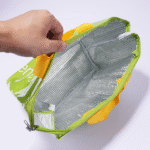
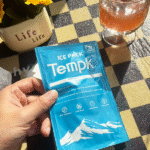
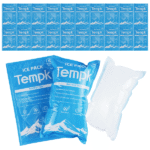
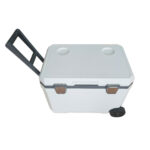
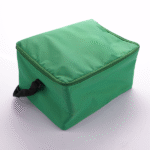
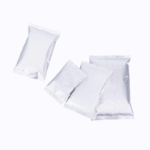
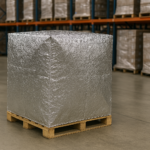
A vacuuminsulated panel (VIP) insulated container is more than a cooler. It’s designed for highvalue shipments that can’t afford spoilage — like your meat products. A reliable VIP insulated container maintains internal temperatures to keep meat under 40 °F, uses less coolant, weighs less than foam boxes and can protect a shipment for 72 hours or more. This guide explains how the technology works, why it outperforms traditional foam packaging and what you need to know to choose the right container for your business in 2025.
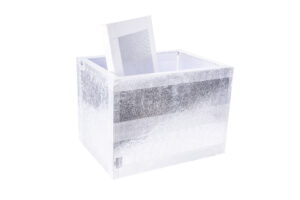
Understand VIP containers: learn why VIP insulated containers are the premium option for meat shipping and how they reduce heat transfer.
Master the technology: explore the science behind vacuum insulation panels, how they remove nearly all air to create an effective thermal barrier and why this matters for meat quality.
Select and use containers: get practical tips on sizing, packing and refrigerant choices that maximize performance while keeping your meat below 40 °F.
Compare materials: see how VIP containers stack up against foam and other insulators in terms of thermal resistance, weight, cost and sustainability.
Follow trends: understand emerging innovations, from hybrid VIP and solarpowered reefers to sustainable materials and regulatory drivers shaping coldchain logistics in 2025.
What makes VIP insulated containers ideal for meat shipping?
VIP containers are specifically engineered for highvalue, temperaturesensitive shipments. Unlike expanded polystyrene (EPS) coolers or reusable foam boxes, VIP insulated containers combine a tough outer film with tightly fitted vacuum panels, producing insulation performance that far surpasses traditional materials. These panels don’t need a bulky outer shell, so containers can be smaller and lighter, allowing you to ship more meat per shipment while paying less freight. Superior thermal performance means your meat stays under 40 °F for longer durations with less ice or gel packs, reducing consumable costs and environmental impact. The patented multilayer design in some models, such as ThermoSafe’s DCS system, provides four layers of heat protection and withstands rough handling.
Why VIP is the gold standard for temperature control
Vacuum insulation panels remove almost all air between their core materials, creating an extremely effective barrier against conduction, convection and radiation. Air is a poor conductor when trapped, and by evacuating it, the panels deliver an Rvalue more than twice that of polystyrene or polyurethane foam. According to ThermoSafe, their VIP shippers combine a tough structural film with a precise panel fit to outperform EPS foam boxes. The result is smaller, lighter packaging that reduces freight costs and requires less coolant while offering extended shipping times. In addition, VIP containers are durable — they don’t need an extra protective shell and can withstand drop tests under dryice conditions.
When you ship meat, every pound counts. Less packaging weight means lower dimensionalweight (DIM) charges and more space for your product. A VIP container that holds its temperature for two to six days with minimal dry ice can allow you to select slower, less expensive shipping methods without compromising safety. That combination of performance and efficiency is why VIP insulated containers are considered the gold standard for shipping highvalue foods and pharmaceuticals.
Deep dive: VIP performance versus foam containers
Vacuuminsulated containers are often compared with EPS and expanded polypropylene (EPP) foam coolers. The table below summarizes key differences:
| Feature | VIP Container | Foam Cooler | Significance |
| Thermal resistance (Rvalue) | High — more than double that of polystyrene | Moderate to good depending on wall thickness | Higher Rvalue means longer temperature hold time and less refrigerant use. |
| Wall thickness and size | Thin panels (~0.5–1.5 in.) allow compact designs | Thick walls (1–3 in.) required for similar performance | VIP containers fit more payload per shipment, reducing freight costs and volumetric weight. |
| Weight | Light because no protective shell is needed | Heavier due to bulky foam and outer box | Lower shipping costs and easier handling. |
| Refrigerant requirement | Less dry ice or gel packs needed thanks to superior insulation | More coolant needed for similar duration | Cuts consumable costs and reduces the risk of package being classified as hazardous. |
| Reusability & durability | Durable outer film and droptested design; some are reusable | Some foam coolers are reusable but prone to damage | Reuse lowers lifecycle cost and environmental impact. |
| Environmental impact | Smaller packaging generates less waste and lower energy use | Foam waste often nonrecyclable; bulky, more freight emissions | VIP containers align with sustainability goals and regulations. |
Practical tips for using VIP containers
Precool your meat and your container: VIP containers maintain temperature; they don’t lower it. Ensure your meat is already at the desired temperature (below 40 °F for fresh meat or frozen for -20 °C shipments) before packing. Chill the container in a cold room to avoid an initial temperature spike.
Rightsize your refrigerant: Because VIP insulation is efficient, you can use less dry ice or gel packs. For example, a small Duramark VIP shipper maintains -20 °C for two days with only 3 lb of dry ice, and a 10.4 L size maintains -20 °C for six days with 13 lb. Avoid overloading; extra dry ice can classify your package as hazardous.
Fill empty space: Air circulation accelerates heat transfer. Fill gaps with insulation pads or packaging peanuts to stabilize temperature.
Seal and label properly: Tight seals prevent air infiltration. Label packages for orientation (this side up) and “Perishable: Keep Refrigerated/Frozen” to ensure handlers treat them properly.
Realworld example: A specialty beef company switched from 1inch EPS coolers to VIP containers for its crosscountry shipments. With EPS boxes, the company needed 10 lb of dry ice and overnight shipping to keep meat frozen. After adopting small VIP shippers, it maintained -20 °C for 48 hours using only 3 lb of dry ice. The lighter packaging reduced freight costs by 25 %, and the company began using twoday ground shipping without spoilage complaints.
How does vacuum insulated panel technology work in meat shipping?
Vacuum insulation panels create a nearperfect barrier against heat transfer by removing air from a porous core and sealing it in a highbarrier film. Heat moves through conduction, convection and radiation. By eliminating air — the main medium for conduction and convection — VIPs reduce heat flow to almost zero. The core is often made of silica or glass fibers, materials with inherently low thermal conductivity, while the outer film prevents air leakage and moisture ingress. This design produces 10 times more insulation performance than conventional materials.
From thermosflask principle to coldchain container
Vacuum insulation was originally applied in thermos flasks and later adopted for medical shippers. In a VIP insulated container, multiple panels line the walls, floor and lid. Tight panel fit and a rigid outer film create a continuous thermal barrier. The absence of air means there is no medium for convection; conduction occurs only through the solid core, which has very low thermal conductivity. Radiation is minimized by reflective layers within the panel. Some containers also integrate phase change materials (PCMs) or gel packs to stabilize temperatures.
The science comes to life in ThermoSafe’s VIP shippers. Their tough outer structural film and precise panel assembly yield superior thermal performance and eliminate the need for a protective EPS shell. In practice, this means more usable volume and less weight. The DCS system adds four layers of protection, helping containers withstand rough handling. Cryopak’s TemPak™ VIP containers use similar technology and are ideal for shipping highvalue materials that require strict temperature control.
The role of phase change materials (PCM) and PCMs
Phase change materials store and release large amounts of energy as they transition between solid and liquid phases. When combined with VIP insulation, PCMs can maintain a consistent temperature for days. Thermal Custom Packaging reports that its VIP shipping panels paired with PCMs keep frozen payloads at the desired temperature for more than 72 hours. PCMs are housed in recyclable HDPE shells and contain nontoxic solutions, making them safe and environmentally friendly. Because PCMs are temperaturespecific, you can select units for refrigerated (2–8 °C) or frozen shipments (–20 °C) and design packouts to maintain these ranges without electricity.
| Component | Description | Function | Benefit |
| Vacuum insulated panel | Porous core (silica, glass fiber) sealed in an airtight, multilayer film | Blocks conduction and convection by removing air; reflective layers reduce radiation | Provides extremely low thermal conductivity and extended temperature hold time |
| Phase change material (PCM) | Materials engineered to melt/solidify at specific temperatures; encased in recyclable plastic | Absorbs or releases latent heat to maintain a constant temperature during phase change | Keeps meat at target temperature for multiple days without electricity; recyclable and nontoxic |
| Outer film & structure | Highstrength film and rigid outer shell; drop tested under dryice conditions | Protects panels and contents from physical damage; eliminates need for bulky EPS shell | Reduces weight and DIM charges; enhances durability |
| Integrated features | Multilayer designs, handles, sensors and IoT monitors | Provide four layers of heat protection and traceability for regulatory compliance | Enable realtime monitoring and compliance with FSMA and GDP regulations |
Tips for maximizing VIP and PCM performance
Match PCM to your product: Choose PCMs that melt just below the target temperature. For fresh meat (2–8 °C), select PCMs with a phase change around 5 °C; for frozen meat (–20 °C), use -20 °C PCMs.
Layer smartly: Place PCMs above and below your product. Cold sinks downward; layering ensures even temperature distribution and prevents hotspots.
Understand ambient conditions: Transit time, outside temperature and box volume determine how much PCM or dry ice you need. Use data loggers to verify performance and adjust packouts accordingly.
Test shipments: Run pilot shipments under expected conditions with temperature probes to validate your packaging. This step ensures regulatory compliance and customer satisfaction.
Case study: A seafood exporter combined VIP panels with PCMs for shipments from Alaska to Japan. The payload contained salmon requiring -10 °C. With 5 kg of PCM per box, the exporter maintained a consistent -10 °C for three days, even when outside temperatures reached 30 °C. The shipments arrived within specification, and the company cut refrigerant weight by 40 % compared to its previous EPS/dryice setup.
How to choose and use VIP insulated containers for meat shipping
Selecting the right VIP container depends on your product’s temperature sensitivity, transit duration and cost constraints. VIP containers come in various sizes and configurations: small parcels for consumerdirect shipments, medium containers for regional distribution, and large palletized units for international shipping. VIP technology is now available in 20foot and 40foot reefers with options for dual temperature zones. The technology typically maintains temperatures between –30 °C and +30 °C across multimodal transport.
Assessing your meat shipment requirements
Start by identifying your product’s safe temperature range. Fresh beef, poultry and pork must remain below 40 °F to prevent rapid bacterial growth, while frozen meat should be held at –20 °C or lower. Next, determine your typical transit duration. For overnight or twoday deliveries, small VIP shippers or insulated liners may suffice. For shipments lasting 3–6 days, choose containers with thicker panels and larger PCM capacity. For international or bulk shipments, consider VIP reefers or super freezer containers that maintain –60 °C for biologics and specialty foods.
Other factors include:
Payload volume and weight: A container’s internal volume must match your product quantity. Oversized boxes waste space and require more refrigerant, while undersized containers restrict airflow.
Regulatory compliance: Meat shipments must adhere to Food Safety Modernization Act (FSMA) requirements, which call for continuous temperature monitoring and traceability. Many VIP containers integrate IoT sensors and support data logging.
Return logistics: Decide whether your containers will be singleuse or part of a returnable loop. Reusable VIP containers offer long service life and can cut costs by 20 % over time due to reduced coolant needs and minimized waste.
Sustainability goals: Look for containers made from recyclable materials or those that minimize carbon footprint. Hightech vacuum insulation panels reduce energy consumption and carbon emissions.
Packing your VIP container correctly
Follow these steps to ensure your meat shipment stays safe:
Precondition all components — freeze your meat to its target temperature and chill the container and PCMs accordingly.
Place a PCM or dryice layer at the bottom of the container, then add a layer of insulating material (e.g., corrugated pad).
Load meat packages in a single, compact layer. Avoid leaving large voids to minimize air movement.
Add additional PCM layers above and around the product. For frozen meat, ensure dry ice is adjacent to the meat; the rule of thumb is that as long as some dry ice remains near the product, it stays frozen.
Helpful decision tools
Check the details before you choose packaging
These quick tools can help you compare route risk, sizing needs, coolant choices, and packaging details before you request a quote.
Insulation Material Reference
Compare insulation material choices for different cold chain packaging needs.
Compare materialsIce Pack Calculator
Estimate gel ice pack quantity for chilled shipments and practical route planning.
Estimate ice packsPackaging Selector
Compare insulated packaging options by product, route, and temperature need.
Find packagingFill void space with filler (bubble wrap, paper) to prevent shifting and maintain cold air pockets.
Seal the container tightly using the manufacturer’s closure mechanism. Label packages with handling instructions and temperature requirements.
Monitor shipments using data loggers or sensors. Many VIP containers integrate IoT monitoring that transmits temperature and location data in real time to ensure compliance with FSMA and GDP regulations.
Example: A mailorder meat company ships 10 lb packages of steak. By selecting a 3.2 L Duramark VIP shipper, the firm keeps product at -20 °C for two days using 3 lb of dry ice. For longer routes (five days), it chooses the 10.4 L model with additional PCM and 13 lb of dry ice, maintaining temperature for six days. The company also uses IoT sensors to record temperature data for every shipment, ensuring regulatory compliance and reducing claims.
User tips for different scenarios
Local deliveries (1–2 days): Use VIP insulated liners or small boxes with gel packs. Precool everything and avoid overfilling with refrigerant.
Regional shipments (3–4 days): Select midsized VIP containers with integrated PCMs. Combine gel packs and a small amount of dry ice; test packouts to optimize quantity.
International or bulk shipments (>5 days): Choose large VIP reefers or super freezer containers with integrated power backup. Include dual temperature zones if shipping mixed loads like steak and sausages.
Case: A meat distributor shipping to Asia adopted a 40 ft highcube VIP reefer with dual zones to send pork and poultry in one container. The dualzone design allowed them to maintain –20 °C for frozen pork and +4 °C for chilled poultry simultaneously. By consolidating shipments, they reduced freight cost per kilogram by 30 %, and the improved insulation cut energy use by 25 %.
VIP vs traditional insulated containers: benefits and tradeoffs
VIP containers offer significantly better thermal performance, size efficiency and sustainability compared with traditional foam containers. However, they come at a higher initial cost. Understanding the tradeoffs helps you justify the investment.
Comparing insulation performance and cost
Thermal resistance: VIP panels provide thermal resistance more than double that of polystyrene or polyurethane foam. Some vaQtec products claim ten times better insulation than conventional materials. With a higher Rvalue, you need less insulation thickness, meaning more usable space and less refrigerant.
Container size and weight: Traditional foam boxes require thick walls (1–3 in.) to achieve adequate insulation, which increases size and shipping cost. VIP containers can have wall thicknesses as low as 0.5 in., making them compact and lightweight.
Refrigerant usage: Foam coolers usually need large amounts of gel packs or dry ice to maintain temperature. VIP containers can maintain -20 °C for two days using only 3 lb of dry ice; the same duration would require far more dry ice in a foam container. Less refrigerant reduces cost and hazard classification.
Durability and reuse: VIP containers have robust outer films that withstand drops and rough handling, and many are designed for repeated use. Foam coolers are often single use or degrade after a few cycles. Reusability cuts longterm cost and supports sustainability efforts.
Environmental impact: VIP containers reduce energy consumption and carbon emissions by minimizing refrigerant and enabling slower shipping methods. Titan’s ArcticStore Horizon, for example, combines VIP panels with a solarready roof to reduce energy consumption by 55 %. Foam packaging, by contrast, is bulky, often nonrecyclable, and generates more waste.
Balancing cost with value
VIP technology costs more upfront. However, studies show that combining VIP panels with polyurethane insulation (PUVIP) can reduce total coldchain transport costs by around 20 % because the container requires less coolant and is reusable. If you make frequent shipments or ship highvalue meat, the reduced shipping weight, extended hold time and lower waste often outweigh the higher initial price. Additionally, regulatory compliance and customer satisfaction have intangible value. Customers receiving wellprotected products are more likely to reorder and leave positive reviews.
Scenario: A startup selling premium lamb initially shipped with conventional foam coolers and plenty of gel packs. The boxes were large, shipping costs were high, and occasional delays caused spoilage. By switching to reusable VIP containers paired with PCMs, the company reduced coolant costs by 35 %, cut shipping weight by 20 %, and eliminated spoilage events. Though each container cost more, the payback period was under six months due to reduced consumables and shipping fees.
2025 innovations and trends in VIP meat shipping
Trend overview
Coldchain logistics is evolving rapidly, driven by ecommerce growth, stricter food safety regulations and sustainability goals. According to the Tempk 2025 industry update, global trade in perishable foods exceeded 740 million metric tons in 2023, and about 90 % of vaccine shipments required coldchain logistics. The global coldchain packaging market is valued at $27.7 billion in 2025 and is projected to reach $102.1 billion by 2034, a 15.6 % compound annual growth rate. Pharmaceutical cold chains alone are valued at $65 billion and expected to double in the next decade. These numbers underscore the importance of efficient, sustainable temperature control.
VIP technology continues to improve. Innovations include hybrid insulation combining VIP with polyurethane and aerogel, integrated IoT sensors for realtime monitoring, and containers with solarpowered refrigeration. For example, Titan’s ArcticStore Horizon uses VIP panels and a tiltable solarready roof to cut energy consumption by 55 %. Advances in manufacturing are also reducing panel costs and enabling mass production for consumerlevel applications, such as mealkit liners.
Latest innovations at a glance
Dualzone VIP reefers: Containers that maintain separate temperature zones allow shippers to combine frozen and refrigerated products in one load. This flexibility saves space and reduces freight costs.
Solarassisted VIP containers: Integrating solar panels with VIP insulation reduces energy consumption by more than half, lowering emissions and operating costs.
PUVIP hybrid insulation: Combining polyurethane foam with VIP panels reduces cost while delivering high thermal performance and durability. Studies indicate up to 20 % savings in coldchain transport costs.
IoT and predictive analytics: Sensors embedded in VIP containers monitor temperature and location, feeding data into predictive models that adjust logistics in real time. This supports compliance with FSMA and European EPR regulations.
Sustainable materials: Companies like vaQtec use vacuum insulation panels made with recyclable materials and produce their own PCMs. These products provide ten times greater insulation performance than conventional materials and reduce energy consumption and carbon footprint.
Market insights
Consumers increasingly expect sustainable packaging. Many states and countries are implementing extended producer responsibility (EPR) regulations that penalize wasteful packaging and reward reusable systems. VIP containers align with these trends because they are reusable, durable and require less refrigerant. Businesses that adopt VIP technology early can differentiate themselves, reduce waste fees and meet regulatory requirements. As panel manufacturing scales up and costs decline, VIP solutions will become accessible to smaller shippers.
Frequently asked questions
How long can a VIP insulated container keep meat cold?
A properly packed VIP insulated container can maintain frozen temperatures below –20 °C for two to six days with minimal dry ice. With phase change materials designed for refrigerated temperatures, containers can keep meat below 40 °F for up to 72 hours. Actual duration depends on ambient temperature, payload weight and refrigerant quantity.
What’s the difference between VIP containers and foam coolers?
VIP containers use vacuum panels that remove air, drastically reducing heat transfer and providing more than twice the thermal resistance of foam. Foam coolers rely on air pockets and require thicker walls, making them larger and less efficient. VIP containers are lighter, use less refrigerant and can be reused.
Are VIP containers safe for food?
Yes. VIP containers use foodsafe materials and durable outer films. Models from companies like ThermoSafe and Cryopak are droptested and comply with international standards for food and pharmaceutical shipping.
Do VIP containers require dry ice or PCMs?
VIP insulation slows heat transfer but doesn’t produce cold. You still need a cold source. For frozen meat, dry ice is common; a small VIP shipper can maintain -20 °C for two days with only 3 lb of dry ice. For refrigerated shipments, PCMs or gel packs may suffice. The choice depends on temperature requirements and transit time.
Are VIP containers ecofriendly?
VIP containers generate less waste because they are reusable and require less refrigerant. They also reduce energy consumption and carbon emissions because improved insulation lowers the load on refrigeration systems. Some models use recyclable materials and are produced under sustainable processes.
Summary and next steps
VIP insulated containers are transforming meat shipping. By evacuating air and using highbarrier films, these containers achieve superior thermal resistance, keeping meat safely below 40 °F or -20 °C for days. They weigh less, occupy less space and use less refrigerant than foam coolers, cutting freight costs and supporting sustainability goals. The technology, combined with phase change materials and IoT monitoring, offers reliable temperature control and regulatory compliance in 2025 and beyond. Though VIP containers cost more upfront, their durability and efficiency often reduce overall shipping costs by 20 % or more.
Ready to upgrade your meat shipping? Here’s a stepbystep plan:
Assess your shipments: Identify temperature requirements and typical transit durations. Record ambient conditions for your routes.
Select a container size: Choose VIP shippers or reefers that match your payload volume and consider dualzone containers for mixed loads.
Plan your refrigerant: Determine whether dry ice, PCMs or a combination is appropriate. Test packouts with temperature loggers to validate performance.
Implement monitoring: Use VIP containers with integrated IoT sensors or add data loggers to track temperature and location for compliance and quality control.
Review sustainability and return logistics: Evaluate whether reusable containers fit your business model and set up return loops to maximize ROI.
By following this guide, you can confidently ship meat across town or around the world, knowing your customers will receive safe, highquality products.
About Tempk
Tempk is a coldchain technology company specializing in vacuuminsulated packaging and phase change materials. Our VIP containers leverage aerospacegrade vacuum insulation panels that deliver ten times the thermal performance of conventional materials. We design our own PCM inserts to maintain strict temperature ranges, and our inhouse engineering ensures that every product meets rigorous drop, impact and vibration tests. With solutions ranging from small mealkit liners to large dualzone reefers, we help food and pharmaceutical companies reduce spoilage, cut energy use and meet evolving regulations.
Next step: Talk to our experts to match a VIP insulated container to your specific meat shipping needs. We’ll analyze your routes, payloads and regulatory requirements and recommend a custom solution that balances performance, cost and sustainability.