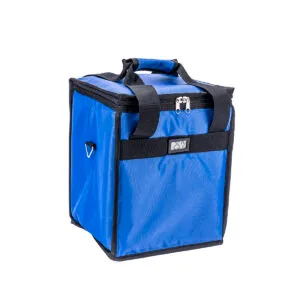
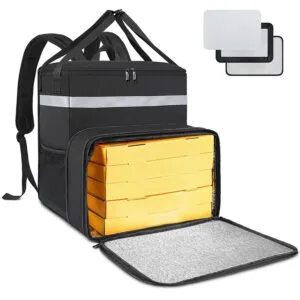
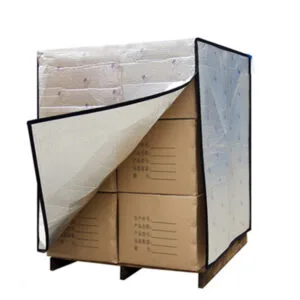
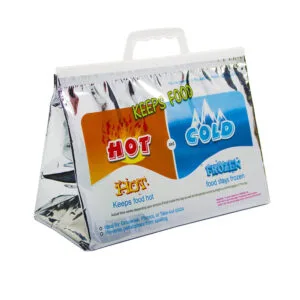
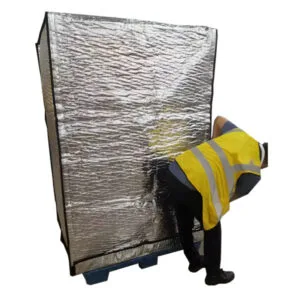
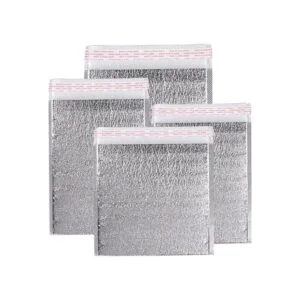
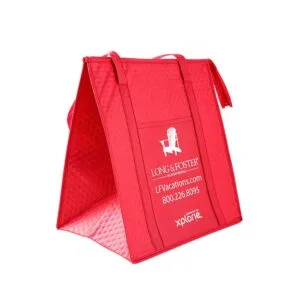
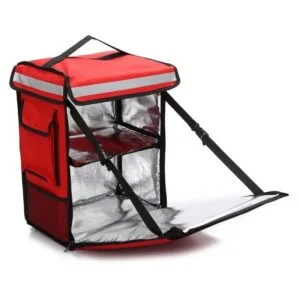
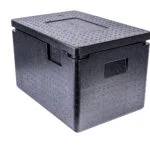
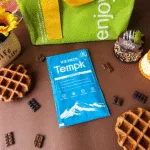
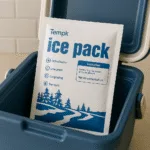
Temperature controlled packaging allows you to ship sensitive products — from vaccines to fresh produce — safely across long distances. It does this by combining advanced insulation materials with cooling elements to maintain a narrow temperature range. As the global cold chain market grows (worth USD 436 billion in 2025 and projected to reach USD 1.36 trillion by 2034), a new generation of reusable thermal containers is emerging to reduce waste and improve performance. In this article you’ll learn how these containers work, which technologies matter and how to choose the right solution for your needs.
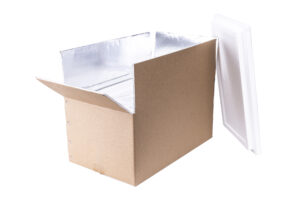
What makes temperature controlled packaging essential for cold chain logistics?
How do vacuum insulation panels (VIP) improve reusable thermal containers?
How can you select the right phasechange materials and coolants?
Why is smart monitoring vital for temperature control?
What trends are shaping sustainable and reusable packaging in 2025?
What makes temperaturecontrolled packaging essential for cold chain logistics?
Temperaturecontrolled packaging is essential because it preserves product integrity, meets regulatory requirements and protects cargo from physical damage. The cold chain encompasses storage, packaging, transportation and monitoring. Specialised packaging, such as insulated boxes, gel packs, dry ice and phasechange materials (PCMs), forms a protective barrier that stabilises temperatures and cushions the payload. Without it, pharmaceuticals, biologics and perishable foods could spoil, compromising safety and efficacy. The global market for temperaturecontrolled packaging is projected to grow from USD 218.9 billion in 2025 to USD 985.8 billion by 2034, underscoring its critical role in modern logistics.
Understanding the basics
Think of temperaturecontrolled packaging as a cooler on steroids. Traditional coolers use foam insulation and ice packs, but cold chain shipments often require precise temperatures for days rather than hours. Passive packaging systems pair insulating materials with coolants (ice or gel) and rely on thermal mass to maintain conditions, while active systems incorporate powered refrigeration. Regulatory bodies such as the FDA and WHO mandate validated packaging and monitoring; failing to comply can result in recalls or fines. According to Geotab’s 2025 guide, maintaining consistent temperatures, ensuring regulatory compliance and managing equipment reliability are among the biggest coldchain challenges.
Key components of temperaturecontrolled packaging
| Component | Purpose | Practical significance |
| Insulated container | Forms the outer shell and provides a barrier against heat gain or loss. Materials range from expanded polystyrene (EPS) to vacuum insulation panels. | Choosing the right insulation impacts duration, weight and cost. |
| Coolant or PCM | Gel packs, dry ice or engineered PCMs absorb or release thermal energy. | Matching the coolant’s melting point to your product’s required range ensures stability over time. |
| Refrigerated vehicle (active systems) | Maintains temperature through powered cooling during transit. | Used for longhaul shipments or when passive systems cannot meet holdtime requirements. |
| Data loggers and sensors | Monitor temperature, humidity and location in real time. | Provide compliance records and allow quick intervention if temperatures deviate. |
| Compliance documentation | Records conditions and verifies adherence to Good Distribution Practices (GDP). | Accurate documentation helps prevent recalls and ensures regulatory compliance. |
Practical tips and recommendations
Match packaging to product sensitivity. For highvalue pharmaceuticals or biologics, invest in highperformance insulation and sensors. For less sensitive foods, economical EPS or polyurethane may suffice.
Plan for transit duration. Passive boxes with gel packs handle 2–3 days; VIP boxes with PCMs can reach 7–10 days.
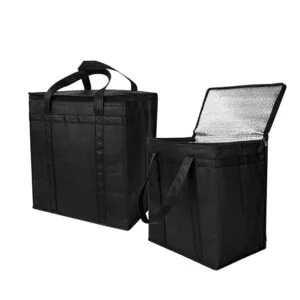
Don’t forget the last mile. Use refrigerated vehicles or insulated bags for final delivery to avoid temperature excursions.
Integrate monitoring. Choose packages with data loggers or attach external sensors to capture temperature and humidity throughout the journey.
Document everything. Maintain detailed logs, including packaging validation and temperature records, to satisfy auditors and customers.
Realworld case: A pharmaceutical company shipping biologics uses a reusable smart box with VIP panels, PCMs and embedded sensors. The container maintains 2–8 °C for 72 hours, transmits realtime temperature and location data, and sends alerts if the lid opens or temperatures drift. This proactive monitoring prevents spoilage and demonstrates compliance.
How do vacuum insulation panels improve reusable thermal containers?
Vacuum insulation panels (VIPs) drastically reduce heat transfer by creating an evacuated core, enabling reusable containers to hold precise temperatures for days. A VIP box comprises microporous silica or glass fibres sealed in an airtight barrier film and evacuated to near vacuum. Removing air eliminates convection; the solid matrix alone conducts heat, resulting in a thermal conductivity of about 5 mW/m·K, far lower than EPS or polyurethane. When combined with phasechange materials, VIP boxes maintain temperature for 7–10 days, two to three times longer than conventional foam insulation. These containers are ideal for vaccines, biologics, specialty foods and chemicals.
How VIP technology works
VIPs borrow their concept from a thermos flask: the vacuum eliminates most particles that carry heat. Each panel contains a porous core, usually fumed silica or glass fibres, enclosed by a multilayer barrier film. Support structures or aerogel reinforcements prevent collapse. The outer shell (corrugated plastic or fibreboard) protects the fragile panels, while PCMs absorb and release latent heat to keep the internal temperature stable. According to CSafe Global, the performance of a VIP depends on four factors: the vacuum level, barrier film, core material and the desiccant or getter used to absorb residual gases.
Comparing VIP to traditional insulation
| Insulation type | Thermal conductivity (approx.) | Wall thickness for 72 h hold | Cost & complexity | Practical significance |
| Expanded Polystyrene (EPS) | ~36 mW/m·K (about eight times higher than VIP) | 30–40 mm | Low cost; easy to cut | Affordable but bulky; hold time limited to 2–3 days. |
| Polyurethane Foam (PUR) | ~22 mW/m·K | 25–35 mm | Moderate cost; moderate rigidity | Better insulation than EPS but still thicker and heavier; holds 3–5 days. |
| Vacuum Insulation Panel (VIP) | ≈5 mW/m·K | 10–15 mm (50–70 % thinner) | High cost; fragile | Extended hold time 7–10 days, more internal space and weight savings. |
The reduced thickness of VIPs means more usable volume or reduced coolant weight. For example, shipping a 5litre vaccine batch requiring 2–8 °C for five days in a standard 20 mm EPS cooler demands roughly 4 kg of gel packs and leaves just 6 litres of internal volume. A VIP box of the same external size with 10 mm panels needs 1.5 kg of PCMs, giving extra space and lower weight.
Choosing and using VIPs
Prioritise payload value. Use VIP boxes for highvalue biologics, vaccines or specialty foods where extended hold time and reliability justify higher cost.
Pair with appropriate PCMs. Select phasechange materials that match your temperature band (2–8 °C, –18 °C or –70 °C). Pairing VIPs with matching PCMs ensures stable conditions.
Protect against punctures. Always place VIP panels in a rigid outer shell to prevent damage.
Plan return logistics. VIP containers are reusable; coordinate reverse logistics to recover and clean boxes.
Balance cost and sustainability. Although VIP boxes are more expensive, they reduce spoilage and shipping weight, lowering total cost of ownership over multiple cycles.
Realworld case: ColdChainPacking reports that combining VIP panels with phasechange materials offers a powerful solution for long transports. In practice, VIP boxes used with PCMs maintained 2–8 °C for over seven days during vaccine distribution, allowing shipments to pass through customs without active refrigeration.
How can you select the right phasechange materials and coolants?
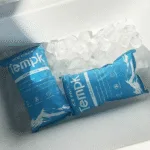
Choosing the right coolant involves matching temperature range, handling requirements and environmental impact. Gel ice packs maintain moderate temperatures (around 2–8 °C) for up to 48 hours and are easy to handle, reusable and biodegradable. Dry ice, solid carbon dioxide, provides –78.5 °C for products that must remain frozen but requires gloves, ventilation and compliance with hazardousmaterials regulations. Engineered phasechange materials (PCMs) melt and freeze at specific temperatures; modern PCMs can be tailored to melt between –80 °C and –60 °C, delivering consistent ultralow temperatures without the handling risks associated with dry ice.
Comparing gel packs, dry ice and PCMs
| Cooling option | Temperature range | Handling & safety | Environmental impact | Best used for |
| Gel ice packs | 2 °C to 8 °C (can extend to –20 °C when frozen) | Nontoxic and easy to handle; no special equipment required | Biodegradable and reusable | Fresh foods, pharmaceuticals, meal kits and other moderatetemperature shipments. |
| Dry ice | –78.5 °C | Requires gloves and ventilation; frostbite and CO₂ buildup risks | Single use; sublimation releases CO₂ gas | Frozen meats, biological samples and ultracold pharmaceuticals. |
| Phasechange materials (PCMs) | Engineered to melt at targeted temperatures (e.g., –70 °C, –20 °C or 4 °C) | Safer than dry ice; enclosed in pouches or rigid panels | Reusable; lower environmental impact than dry ice | Ultracold biologics, mRNA vaccines and products requiring precise temperature holds. |
Selecting the right coolant
Assess the temperature band. Determine whether your product needs refrigeration (2–8 °C), frozen (–18 °C) or ultracold (–60 °C) conditions.
Consider duration. Gel packs can last up to 48 hours; dry ice can last 72 hours but requires safety measures. VIP boxes with PCMs can maintain specific temperatures for 7–10 days.
Evaluate handling constraints. If shipments are consumerfacing or handled by untrained staff, choose gel packs or PCMs to avoid frostbite risks.
Account for regulations. Dry ice is a regulated hazardous material and must be labelled and limited in quantity, whereas gel packs and PCMs have fewer restrictions.
Balance cost and sustainability. Gel packs are reusable and costeffective over many cycles; PCMs offer precision and reusability; dry ice is singleuse and more expensive longterm.
Example: Engineered eutectic PCMs designed to melt between –80 °C and –60 °C provide stable ultralow temperatures without external power. Unlike dry ice, which sublimates and loses cooling capacity, PCMs absorb and release thermal energy at a fixed point, maintaining integrity for days and simplifying regulatory compliance.
Why is smart monitoring vital for temperature control?
Smart monitoring, using IoT sensors and data loggers, enables realtime visibility and proactive intervention. The latest temperaturecontrolled packaging solutions integrate sensors that record temperature, humidity, light exposure and location every minute. Aggregated data allows logistics teams to identify hotspots, optimize routes and take corrective action midtransit. This proactive approach supports compliance with Good Distribution Practices (GDP) and reduces product loss. Integration with fleet management software further enhances efficiency and customer satisfaction.
IoTenabled packaging solutions
Smart packaging is transforming the cold chain. Reusable containers with VIP panels, PCMs and embedded sensors can maintain temperature for 48–72 hours while transmitting live data. When temperatures deviate or lids open, automatic alerts trigger corrective actions. According to the USDA Analytics report, the integration of IoT sensors and data analytics provides enhanced visibility and risk mitigation across supply chains. These technologies replace manual data loggers with connected devices that update shippers in real time.
Smart vs. conventional monitoring
| Monitoring type | Features | Benefits | Limitations |
| Manual data loggers | Standalone devices record temperatures for later download. | Simple and inexpensive; suitable for short, lowrisk shipments. | No realtime intervention; risk of unnoticed excursions and compliance gaps. |
| IoTenabled sensors | Record and transmit temperature, humidity and location in real time. | Enable proactive alerts, route optimization and regulatory compliance; aggregated data reveals systemic inefficiencies. | Higher upfront cost; requires connectivity and data management infrastructure. |
| Smart containers | Combine VIP insulation, PCMs and sensors; often include tamper detection and geofencing. | Maintain precise conditions for days; send automatic alerts if opened; ideal for highvalue goods. | More expensive; require return logistics. |
Tips for adopting smart monitoring
Define compliance needs. If you must meet GDP or FDA guidelines, choose packages with realtime monitoring and automated data logging.
Utilise predictive analytics. Leverage aggregated sensor data to identify recurring issues and adjust routes or packaging accordingly.
Helpful decision tools
Check the details before you choose packaging
These quick tools can help you compare route risk, sizing needs, coolant choices, and packaging details before you request a quote.
Compliance Checklist Generator
Build a practical checklist for packaging review, shipping, and documentation.
Build checklistDry Ice Calculator
Estimate dry ice needs for frozen or ultra-cold shipments before packing.
Estimate dry icePackaging Selector
Compare insulated packaging options by product, route, and temperature need.
Find packagingIntegrate with fleet management software. Combining sensor data with route planning software reduces fuel consumption, improves timing and enhances customer experience.
Train staff. Ensure personnel understand how to activate sensors, interpret alerts and take corrective actions quickly.
Plan connectivity. Use cellular, GPS or satellite networks appropriate for your routes to avoid data gaps.
What does sustainable and reusable temperaturecontrolled packaging mean for your business?
Sustainable and reusable packaging reduces waste, complies with new regulations and offers longterm cost savings. Sustainability is a key trend: regulatory frameworks like Extended Producer Responsibility (EPR) in North America promote reusable solutions, and companies are embracing ecofriendly materials to align with consumer preferences. According to the USDA report, sustainability trends are accelerating the adoption of reusable and modular packaging systems. Towards Packaging projects that the reusable cold chain packaging market will expand from USD 4.97 billion in 2025 to USD 9.13 billion by 2034.
Trends shaping sustainability in 2025
Advances in materials and design are reshaping reusable packaging. New passive shippers use vacuuminsulated panels, graphite composites and polyurethane foams to maintain precise temperatures while reducing weight. Companies pledge to replace thousands of singleuse EPS boxes with durable reusable containers, resulting in less landfill waste and lower carbon footprints. Hybrid coolers combine VIPs with thinner PCMs, maintaining temperatures for 72 hours while reducing fuel use. Smart, selfrefrigerated boxes like the Ember Cube eliminate the need for gel packs or dry ice. IoT and blockchain technologies provide tamperproof logs and predictive maintenance. Multizone containers allow different temperature ranges within the same shipment, making logistics more flexible.
Balancing benefits and challenges
Reusable systems offer longterm savings because one container can replace hundreds of singleuse boxes. However, companies must invest in cleaning, maintenance and reverselogistics infrastructure. Reusable boxes are susceptible to loss during transit, and demonstrating return on investment can be challenging. Weigh these factors against sustainability goals and the potential to cut operational costs over time.
Tips for implementing sustainable packaging
Choose modular systems. Look for containers with interchangeable components; they simplify maintenance and extend product life.
Plan reverse logistics. Coordinate return shipping, cleaning and refurbishment to maximise reuse.
Consider biodegradable materials. Innovations such as plantbased PCMs and biofoam liners reduce carbon footprints.
Adopt circular models. Programs like Peli BioThermal’s circular economy initiative recycle VIP cores, reducing ecological impact by 95 %.
Educate stakeholders. Communicate sustainability benefits to customers and partners to justify higher upfront costs.
Realworld case: A major pharmaceutical company replaced thousands of EPS shippers with reusable VIP containers. Each container substituted hundreds of singleuse units across its lifecycle. The switch reduced landfill waste, cut freight weight and saved millions of dollars in replacement costs.
2025 latest developments and trends in temperaturecontrolled packaging
Cold chain packaging is evolving rapidly, and staying updated ensures you choose solutions that remain competitive and compliant.
Trend overview
In 2025, the temperaturecontrolled packaging industry is characterised by explosive market growth, technological innovation and regulatory pressure. Analysts estimate the market will grow from USD 218.9 billion in 2025 to nearly USD 985.8 billion by 2034. The shift towards ecofriendly materials, widespread adoption of IoT and smart sensors, and increased use of passive packaging with advanced insulation are the defining trends. Further, coldchain infrastructure designed for pharmaceuticals is being repurposed for ecommerce food delivery.
Latest progress at a glance
Hybrid coolers with thinner PCMs: These systems maintain precise temperatures for more than 72 hours while using less coolant and reducing energy use.
IoTenabled smart containers: Containers equipped with sensors and connectivity transmit realtime data and alerts, safeguarding highvalue cargo.
Multizone containers: Advanced shippers divide the interior into compartments with different temperature zones, allowing mixed loads like frozen fish and fresh vegetables.
Reusable passive shippers: Companies pledge to replace EPS coolers with VIPbased reusable systems, reducing waste and carbon emissions.
Selfrefrigerated boxes: Batterypowered containers maintain 2–8 °C for 48–72 hours without gel packs or dry ice.
AI and blockchain integration: Artificial intelligence predicts equipment failures and optimises routes, while blockchain provides tamperproof temperature logs.
Market insights
The global cold chain packaging market (including EPS, PUR, VIP and other materials) was valued at USD 38.51 billion in 2025 and is expected to reach USD 134.08 billion by 2032, growing at a 19.5 % CAGR. In the same period, insulated shippers accounted for the largest market share at 55.83 %, and healthcare was the fastestgrowing enduser segment. Pallet shippers are projected to dominate product types with a 35.7 % share due to their superior temperature protection. Meanwhile, North America leads the market with a 35.2 % share, while the AsiaPacific region is the fastest growing. The reusable cold chain packaging segment alone will rise from USD 4.97 billion in 2025 to USD 9.13 billion by 2034, highlighting a shift towards circular packaging models.
Frequently asked questions (FAQ)
Q1: What is temperaturecontrolled packaging?
Temperaturecontrolled packaging consists of insulated containers, cooling agents and monitoring devices that maintain a specific temperature range during storage and transit. It prevents spoilage and ensures regulatory compliance.
Q2: How long can a reusable thermal container keep products cold?
Reusable containers with vacuum insulation panels and phasechange materials can maintain precise temperatures for 7–10 days, far longer than conventional foam coolers.
Q3: Is dry ice or gel ice better for shipping pharmaceuticals?
Gel ice packs are safer and biodegradable, providing 2–8 °C conditions for up to 48 hours. Dry ice achieves –78.5 °C and lasts longer but requires safety precautions. For ultracold therapies, engineered PCMs may be a better longterm solution.
Q4: What are phasechange materials (PCMs) in cold chain packaging?
PCMs are substances that absorb and release large amounts of energy at a fixed temperature, maintaining a stable environment without external power. They can be engineered to melt at specific points, such as –70 °C or 4 °C.
Q5: How do I choose between active and passive cold chain packaging?
Passive systems rely on insulation and coolants and are ideal for shorttomedium shipments. Active systems use powered refrigeration and are suitable for longhaul or extreme conditions. Consider product value, transit time and regulatory requirements before choosing.
Summary and recommendations
Key takeaways:
– Temperaturecontrolled packaging is essential for protecting pharmaceuticals, biologics and perishable foods, and the market is expanding rapidly.
– Vacuum insulation panels provide superior thermal performance, enabling reusable containers to maintain temperatures for 7–10 days.
– Choosing the right coolant requires balancing temperature range, duration, handling and sustainability.
– Smart monitoring using IoT sensors offers realtime visibility, improves compliance and reduces waste.
– Sustainability trends and regulatory pressures are driving the adoption of reusable, ecofriendly packaging.
Action plan:
Audit your cold chain requirements. Determine the temperature range and hold time for each product and identify where losses occur.
Select appropriate insulation. For highvalue or longduration shipments, invest in VIPbased reusable containers paired with PCMs. For shorter runs, choose costeffective EPS or polyurethane.
Optimise cooling agents. Match gel packs, dry ice or PCMs to your temperature and duration needs, and plan safe handling.
Integrate monitoring. Equip shipments with IoT sensors and connect them to fleet management software for realtime alerts and analytics.
Adopt sustainable practices. Embrace reusable containers, plan reverse logistics and explore circular initiatives that recycle insulation materials.
Train your team. Ensure staff understand packaging selection, safety protocols and data monitoring. Continuous education reduces errors and improves compliance.
About Tempk
Tempk (Shanghai Huizhou Industrial Co., Ltd.), founded in 2011, is a hightech enterprise dedicated to the research, development, production and sale of coldchain products. The company offers a broad portfolio, including gel ice packs, dry ice packs, freezer bricks, insulated bags, EPP insulated boxes and vacuuminsulated containers. Tempk dry ice packs feature reusable materials, precise temperature control and spacesaving storage. Around 10 % of the cold chain industry’s products are pharmaceuticalrelated and 90 % are foodrelated, and Tempk serves both sectors through reliable packaging solutions. With over a decade of experience, certified quality systems and a commitment to ecofriendly products, the company helps businesses maintain freshness and safety across global supply chains.
Call to action: To explore reusable temperaturecontrolled packaging solutions tailored to your needs, consult the experts at Tempk. Their team can help you select the right insulation, coolants and monitoring systems to protect your products and improve sustainability.