Cooled pralines delivery is all about precision. Your handcrafted chocolates and nutty pralines must travel from kitchen to customer without losing their shine, texture or aroma. Because these confections melt at surprisingly low temperatures, even short exposure to heat or humidity can turn them into a sticky mess. In this guide you’ll learn why shipping pralines is tricky, how to control temperature and humidity, and what packaging and coldchain technologies keep sweets safe in 2025.

Why cooled pralines delivery is challenging and how melting and bloom occur
How to maintain ideal temperature and humidity for praline shipping
What packaging and cooling solutions protect pralines during transit
How to plan logistics and choose the right delivery method
Emerging coldchain trends and technologies in 2025
Practical tips, case studies and answers to common questions
What makes cooled pralines delivery challenging?
Pralines and other filled chocolates are extremely sensitive to heat and moisture. They are emulsions of cocoa butter, sugar and milk solids. When exposed to temperature fluctuations, fat migrates to the surface (fat bloom) or sugar crystallises (sugar bloom), dulling the sheen and altering the mouthfeel. Research shows chocolates should be kept between 12 °C and 20 °C (54–68 °F) with relative humidity under 50 %. Even a brief spike above 30 °C (86 °F) softens cocoa butter and ruins a shipment. Milk and white chocolates, often used in pralines, need tighter control than dark chocolate.
The science behind melting and bloom
Chocolate’s melting point (86 °F–90 °F) is lower than the average human body temperature. Pralines with creamy fillings melt even faster. When temperature rises, fat crystals reorder and the glossy surface becomes streaked with white bloom. Moisture from high humidity causes sugar to dissolve and recrystallise on the surface, creating a gritty texture. This is why packaging must also control humidity.
Pralines versus bars: why fillings increase risk
Filled chocolates and pralines have more fats and sugars and often contain cream, nuts or liqueurs. These ingredients lower the melting point and increase water activity. While plain dark chocolate can tolerate 12 °C without condensation, pralines need a stable 15–20 °C environment. Humidity should remain below 60 % to prevent condensation on the filling. Manufacturers and artisans often precondition pralines in cooling rooms and wrap them in moistureresistant films before they enter the cold chain.
Summary table: melting and bloom hazards
| Factor | Impact on pralines | Practical significance |
| Temperature >30 °C (86 °F) | Cocoa butter softens and fillings liquefy | Causes shape loss and sticky mess; quick melting in transit |
| Humidity >50 % | Sugar dissolves and recrystallises | Leads to sugar bloom and gritty texture |
| Rapid fluctuations | Fats migrate; crystals reform | Uneven bloom, cracks in shells, shortened shelf life |
| Direct light exposure | Oxidation and colour changes | Dulls appearance and accelerates rancidity |
Practical tips for dealing with melting and bloom
Know your chocolate’s melting point: Most pralines melt between 30 °C and 32 °C. Use this range to plan routes and choose the right shipping mode.
Control humidity: Aim for relative humidity below 50 %. Desiccant packs or moistureabsorbing liners can reduce condensation.
Precool everything: Keep pralines, gel packs and packaging materials at 18–20 °C before packing. Preconditioning reduces temperature gradients during transit.
Avoid shipping on hot days: Plan dispatches during cooler hours or seasons. Many confectioners avoid shipping meltable products on Fridays in summer to prevent them sitting in hot trucks over the weekend.
Real case: A logistics company noticed a sugarbloom rate of 15 % on summer shipments. After adding realtime sensors and switching to insulated packaging with phasechange materials, rejection rates dropped to just 2 %. The investment in better packaging paid off through improved customer satisfaction.
How to maintain the ideal temperature and humidity
Ensuring a stable microclimate is the core of cooled pralines delivery. Two variables matter: temperature and humidity. Both must be controlled from production through storage, transportation and lastmile delivery.
Recommended temperature and humidity ranges
Production and storage: Chocolates and pralines should be stored at 12–20 °C (54–68 °F) with relative humidity under 50 %. Dark chocolate tolerates the lower end, while filled and white chocolates require 18–20 °C.
Shipping and transit: Maintain 18–20 °C before packing and avoid exposure above 30 °C. Use refrigerated vehicles or insulated mailers with gel packs to stay within range.
Retail display and consumption: Customers should keep pralines in a cool, dry place below 70 °F (21 °C), ideally between 65 °F and 68 °F, with humidity below 55 %. Educate recipients to avoid refrigerators, which introduce moisture.
Tools and techniques to control temperature and humidity
| Technique | Description | What it means for you |
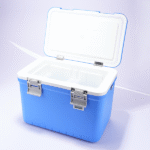
| Insulated containers | Boxes with EPS foam, paperbased ClimaCell® liners or cotton insulation slow heat transfer | Keep internal temperatures stable for 24–72 hours and are lightweight and customisable |
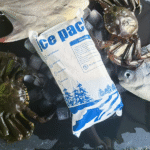
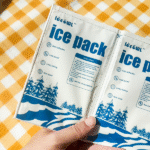
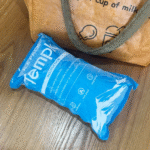
| Phasechange materials (PCMs) | Gel packs or advanced PCMs absorb or release heat during phase change | Maintain a target range (15–20 °C) for 24–96 hours; reusable; ideal for pralines |
| Active cooling | Powered containers or refrigerated vans provide precise control | Best for long distances or highvalue shipments but costlier |
| Hybrid solutions | Combine insulation, PCMs and minimal active cooling | Balance cost and performance for medium routes |
| Humidity control | Desiccant packets, moistureabsorbing liners and controlled atmospheres | Keep humidity below 50 % to prevent sugar bloom |
Preconditioning: an oftenoverlooked step
Temperature control starts before the truck departs. Pralines should be cooled to 18–20 °C and packaging materials prechilled. Placing cold products into a warm box creates condensation. By preconditioning both, you stabilise moisture and reduce energy demand from gel packs. Precooling is especially important in summer shipments.
Airflow and light protection
Leave space between boxes to allow air circulation but avoid empty voids that can cause shifting. Use opaque packaging to block light, which can trigger oxidation and colour changes.
Summary: maintaining the ideal microclimate
Keep temperatures between 12 °C and 20 °C with humidity under 50 %
Use insulated containers and PCMs tailored to route length
Precool products and packaging
Include humidity controls such as desiccants
Avoid excessive void space and protect from light
Packaging and cooling solutions for praline shipping
Packaging is the last line of defence. It must balance thermal performance, sustainability and cost while maintaining structural integrity during transit.
Comparing insulation and cooling options
Different insulation and cooling solutions offer varying durations and costs. The following table compares common options:
| Packaging solution | Key features | Approximate duration | Practical benefits |
| Multilayer insulated box | Polystyrene, paper or cotton materials | 24–72 hours | Lightweight, inexpensive and customisable for ecommerce |
| Phasechange materials (PCMs) | Gel or advanced materials that absorb/release heat | 24–96 hours | Maintain stable temperatures across a wider range and are reusable |
| Active container | Powered refrigeration unit | 72+ hours | Precise control for highvalue shipments; higher cost |
| Hybrid solution | Combination of insulation and PCMs | 48–96 hours | Balance cost and performance for medium distances |
Building the perfect package
For most artisan praline shipments, a layered approach works best. Start with a sturdy inner box or tin to protect against crushing. Wrap each praline or tray in moistureresistant film. Add a layer of cushioning to prevent direct contact with cold packs. Place PCMs or gel packs around the pralines, ensuring they do not touch the product directly. Seal the inner package, then place it inside an insulated shipper with desiccants.
Matching insulation to route and season
Ambient temperatures dictate how much insulation you need. Use thicker or higherperformance liners in summer. Select PCMs that match the desired temperature range—standard gel packs keep near 0 °C, but specialized PCMs maintain 15–20 °C. Add more coolant for long distances and remove some for winter shipments to avoid freezing.
Data loggers and IoT sensors
Include temperature and humidity loggers to monitor conditions during transit. Realtime data allows you to intervene if deviations occur and provides documentation for quality assurance. Modern IoT devices are compact and can transmit data via cellular networks without opening the package.
Case study: balancing cost and performance
An online chocolatier adopted paperbased ClimaCell® liners and PCM packs for summer shipments. Using realtime data loggers, they maintained 15–21 °C despite a heat wave, and customer complaints dropped significantly. Though packaging costs rose slightly, increased customer satisfaction boosted repeat orders, offsetting expenses.
How to plan logistics and choose the right delivery method
Even the best packaging cannot compensate for poor logistics planning. Consider transit time, route, carrier reliability and customer availability.
Timing and route planning
Shipping early in the week avoids weekends when packages may sit in nontemperaturecontrolled facilities. Plan routes to avoid hot regions or midday heat. Use weather forecasts and predictive analytics to reroute shipments around heatwaves or delays. Temperaturecontrolled vehicles may not always be available, so align packaging performance with available carriers.
Helpful decision tools
Check the details before you choose packaging
These quick tools can help you compare route risk, sizing needs, coolant choices, and packaging details before you request a quote.
Packaging Selector
Compare insulated packaging options by product, route, and temperature need.
Find packagingCoolant & PCM Reference
Compare coolant and PCM options when a route needs added temperature support.
Compare optionsRoute Risk Checker
Review lane conditions before selecting packaging for real operating requirements.
Check route riskCarrier selection and shipping speed
Choose a carrier experienced in temperaturecontrolled shipments. Many carriers offer consultation tools to help evaluate shipping distances, transit times and costs. For pralines, overnight or twoday shipping is recommended because chocolate doesn’t hold up beyond three days. When using dry ice, remember that it is often limited to ground shipping and cannot be shipped via air when transit time exceeds three days.
Avoiding weekend delays
During warm months, avoid dispatching on Fridays. Nawlins Praline Candy holds orders requiring ice packs until Monday to prevent them sitting in a hot truck over the weekend. They also remind customers that ice packs typically last 24–48 hours, and no refunds are offered for melted products. Encourage customers to choose delivery to a location where someone can immediately receive the package, such as an office.
Address accuracy and customs
Ensure addresses are correct; carriers charge address correction fees and cannot reship if the address is invalid. For international shipments, work with integrated logistics partners to handle customs documentation. Maersk notes that Latin American exporters face inconsistent customs procedures, but digital tools can reduce clearance times and provide realtime visibility.
Example schedule for domestic praline shipments
| Day | Temperature check | Action |
| Monday | Verify forecast; precool pralines | Pack orders with PCMs; ship by noon for overnight delivery |
| Tuesday | Monitor transit sensors | Respond to alerts; reroute if needed |
| Wednesday | Ship remaining orders | Avoid shipping after midday to prevent weekend delays |
| Thursday | Hold meltable items | Evaluate upcoming heat; schedule for Monday if weekend heat is high |
| Friday | No meltable shipments | Customer service contacts customers about delays and options |
Why coldchain technology matters in 2025
Cooled pralines delivery is part of a broader coldchain logistics ecosystem. Understanding market growth, innovations and sustainability trends helps businesses invest wisely.
Market growth and economic context
The global chocolate market was valued at about USD 125 billion in 2024 and is projected to grow at a 3.3 % CAGR from 2025 to 2034. Demand is rising due to population growth, higher disposable incomes and a shift toward premium chocolates. This growth amplifies the need for reliable shipping to protect highvalue products.
Coldchain logistics itself is expanding rapidly. The coldchain logistics market is estimated at USD 361.37 billion in 2025 and is expected to reach USD 492.40 billion by 2030, a 6.38 % CAGR. Growth is driven by pharmaceuticals, premium foods, quickcommerce grocery platforms and regulatory requirements for realtime temperature tracing. Investments in automation, IoT and renewable energy are reshaping the industry.
Regional dynamics
Latin America produces about 20 % of the world’s cocoa and exported chocolate and cocoa products valued at US $12,142 per ton, up 11 % yearonyear. However, fragmented infrastructure, unpredictable weather and customs delays pose challenges. Integrated logistics providers help navigate these complexities with digital customs tools, climatecontrolled storage and multimodal transport solutions.
2025 innovations and trends in coldchain logistics
The coldchain industry is evolving quickly. Here are the key trends shaping cooled pralines delivery in 2025:
Automation and robotics
Automation is taking centre stage in cold storage facilities. Automated storage and retrieval systems (AS/RS) and robotic handling reduce labour costs and minimise errors. Only about 20 % of warehouses are automated, highlighting significant growth potential. Automation improves temperature consistency and inventory accuracy, which are crucial for sensitive goods like pralines.
Sustainability as a core value
Energyefficient refrigeration systems, renewable energy sources and sustainable packaging are becoming mandatory. The global food cold chain contributes around 2 % of CO₂ emissions, driving the adoption of biodegradable and recyclable materials. Businesses embracing sustainability not only meet regulations but also reduce food waste and enhance brand reputation.
Realtime tracking and visibility
Advanced IoT devices provide realtime data on temperature, humidity and location throughout the supply chain. Realtime tracking optimises routes, prevents spoilage and improves compliance with regulations. The hardware segment dominated the coldchain tracking market in 2022, indicating continued investment in sensors and telematics.
Modernising infrastructure
Ageing coldstorage infrastructure is being upgraded with modern refrigeration, better insulation and onsite renewable energy. Modernisation improves efficiency and reduces energy costs, offering consistent temperature control for praline shipments.
AI and predictive analytics
Artificial intelligence optimises routes, forecasts demand and predicts equipment maintenance. AI can analyse historical data and realtime information to anticipate disruptions and recommend preventive actions, reducing the risk of melting or delays.
Growth in the pharmaceutical cold chain
Although pharmaceuticals drive much of the coldchain growth, innovations spill over to food logistics. Technologies developed for vaccines—such as ultracold freezers and precise temperature sensors—are adapted to highvalue foods like pralines.
Investment in fresh food logistics and lastmile delivery
Online ordering and directtoconsumer sales require robust lastmile coldchain capabilities. More warehouses are adding refrigerated zones, and logistics providers are investing in temperaturecontrolled vehicles for fast delivery. In North America, the food coldchain logistics market is expected to reach $86.67 billion in 2025.
Strategic partnerships and supply chain integration
Stakeholders across the cold chain are forming partnerships to integrate data and streamline operations. By 2025, 74 % of logistics data is expected to be standardised, enabling seamless integration across supply chains. For praline producers, partnering with packaging suppliers, logistics providers and technology companies enhances visibility, resilience and customer service.
Frequently asked questions
Q1: What temperature should pralines be stored at during shipping?
Ideally between 18 °C and 20 °C (64 °F–68 °F) with humidity below 50 %. This range keeps fillings stable and prevents sugar bloom.
Q2: How can I ship pralines without melting?
Precool your products and packaging, use insulated boxes with PCMs and ship overnight or in two days. Avoid shipping on weekends.
Q3: What is the best packaging for praline shipping?
A layered system: sturdy inner box, moistureresistant wrap, cushioning, PCMs or gel packs, desiccants and an insulated outer shipper.
Q4: Why is humidity control important?
High humidity dissolves sugar and causes sugar bloom. Use desiccants and moistureresistant liners to keep humidity below 50 %.
Q5: Can pralines be shipped internationally?
Yes, but work with carriers offering temperaturecontrolled services and realtime tracking. Digital customs tools reduce delays and provide visibility.
Q6: How long do gel packs or ice packs last?
Most gel packs maintain temperature for 24–48 hours. Choose PCMs for longer distances and monitor sensor readings.
Summary and recommendations
Cooled pralines delivery requires a holistic approach. The delicate balance of temperature and humidity must be maintained from production to the customer’s doorstep. Here are the key takeaways:
Understand your product: Pralines melt at lower temperatures and need stricter humidity control than plain chocolate.
Control the microclimate: Keep temperatures between 12 °C and 20 °C, humidity below 50 %, and protect against light.
Use layered packaging: Combine sturdy primary packaging with insulation, PCMs and desiccants.
Plan logistics carefully: Ship early in the week, avoid weekend delays, and choose carriers with temperaturecontrolled services.
Leverage technology: Employ data loggers, IoT tracking and predictive analytics for realtime visibility and decisionmaking.
Follow 2025 trends: Invest in automation, sustainability and partnerships to stay ahead of the competition.
Actionable next steps
Audit your current packaging: Evaluate insulation, coolant and humidity control. Test with data loggers and adjust according to season.
Develop a shipping schedule: Avoid Friday dispatches; use overnight or twoday shipping; integrate weather forecasts and route optimisation.
Train your team: Educate staff about preconditioning, packing techniques and sensor handling.
Partner wisely: Work with logistics providers offering coldchain expertise, digital customs support and endtoend visibility.
Invest in technology: Adopt IoT sensors, predictive analytics and sustainable materials to meet 2025 standards.
About Tempk
At Tempk we specialise in coldchain packaging that protects temperaturesensitive products. Our insulated liners, phasechange materials and reusable containers keep pralines and chocolates within their safe temperature range for days. We combine decades of coldchain research with ecofriendly materials to reduce waste. Our solutions are tested to international standards and designed for reuse, helping you deliver quality while minimising environmental impact.
Next steps
Ready to transform your cooled pralines delivery? Contact Tempk for a tailored packaging solution. Our experts can help you choose the right insulation, coolant and technology to meet your delivery challenges. Let’s keep your confections cold, fresh and customerready.