Updated: December 3, 2025
Introduction
Maintaining the freshness of organic vegetables from farm to store is a delicate dance of temperature, timing and trust. In the United States, roughly 70 % of food flows through cold chains, yet only 5 % of fruits and vegetables in China receive similar protection. Breakdowns are costly: studies show that cold chain failures waste about 25 % of transported food, and fully refrigerated supply chains could reduce waste by 41 %. As consumer demand for organic produce grows and retail margins tighten, effective bio vegetable cold chain logistics become not just desirable but essential. This article, updated for 2025, explores why cold chains matter, how digital tools and sustainable practices cut costs, and what trends will shape the future of organic retail logistics. Throughout, we use plain language and practical examples to help you make informed decisions.
Why organic vegetables are pricey and how logistics drive those costs: certification fees, fragmented supply chains and energyintensive storage can push biovegetable prices up to fourtofive times those of conventional produce.
Which technologies reduce waste and improve transparency: AI route optimisation, IoT monitoring, blockchain and sustainable packaging reduce costs by up to 34.76 % while cutting waste 15.6 %.
How to build integrated, sustainable supply chains: modernising facilities, collaborating with cooperatives and investing in microfulfilment centres can lower prices by 1520 % and raise farmers’ earnings by 2530 %.
What challenges remain in lastmile delivery: up to 47 – 75 % of fresh deliveries suffer temperature abuse; we explain how smart sensors, renewable energy and better routing help.
Which 2025 trends will shape cold chain logistics: market size projections, automation, sustainability mandates and geopolitical influences signal where to invest next.
Why Are Cold Chain BioVegetable Retail Logistics So Challenging?
Direct answer
Organic vegetables often cost more because of strict certification rules, fragmented supply chains and inadequate infrastructure that cause spoilage. Certification and compliance fees, combined with smallscale farms and multiple middlemen, make organic produce up to fourtofive times more expensive than conventional vegetables. Poor or missing cold chain infrastructure results in as much as 40 % of biovegetables spoiling before they reach consumers. Cold chains also consume about 15 % of global energy, and each breach can waste 25 % of the food being transported. Understanding these factors helps you identify where to invest for the biggest impact.
Background and details
Organic certification requires rigorous documentation, inspections and fees. Small farmers often lack the scale to cover these costs, leading to fragmented networks of growers, distributors and retailers. Every handoff increases the risk of temperature abuse and delays. In developing regions, cold chain coverage remains limited: only 5 % of fruits and vegetables in China use proper cold storage, while subSaharan Africa sees more than half of smallholder harvests never reach market. Meanwhile, consumers in Poland report that high prices and unattractive appearance deter them from buying BIOlabelled vegetables, and 62 % of Indian households consider organic food unaffordable. When temperature breaches occur, the United States wastes about 25 % of cold chain food, emphasising the importance of reliable storage and transport. Tackling these structural issues requires both technology and collaboration.
Understanding cost drivers and their impact
| Cost driver | Description | Impact on cost/quality | What it means for you |
| Certification & compliance | Fees for organic certification, traceability audits and strict quality checks | Raises procurement cost by 30300 % | Support farmers by sourcing from cooperatives that share certification costs and negotiate bulk audits |
| Fragmented supply chain | Small farms and multiple intermediaries; poor aggregation | Increases transport time and spoilage (up to 40 %) | Partner with producer cooperatives or use directmarketing platforms to shorten the chain |
| Inadequate cold chain infrastructure | Limited refrigerated warehouses and vehicles; uneven coverage across regions | Causes up to 13 % of global food loss and 25 % waste due to temperature breaches | Invest in local precooling hubs and portable refrigeration to stabilise temperature early |
| High operational costs | Energyintensive refrigeration, fuel and labour costs | Cold chains consume ~15 % of global energy | Adopt solar refrigeration, energyefficient equipment and electric vehicles to cut costs |
| Long routes & lastmile challenges | Rural farms far from urban markets; lastmile deliveries subject to traffic and delays | Up to 4775 % of fresh deliveries experience temperature abuse | Use AI route optimisation and microfulfilment centres near consumers to shorten travel time |
Practical tips and suggestions
Join or support producer cooperatives: Aggregation centres and farmer cooperatives lower costs by pooling resources and negotiating better rates. Case studies show that direct marketing platforms reduce prices by 1520 % and increase farmers’ earnings by 2530 %.
Invest in precooling and rapid transport: Precooling vegetables to the right temperature immediately after harvest prevents texture damage and can cut spoilage by up to 50 %, according to studies on delayed precooling.
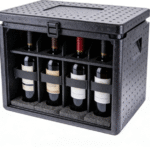
Use sustainable packaging: Lightweight insulated containers with IoT sensors maintain temperature and reduce energy usage. Choosing biodegradable materials also taps into consumer preferences for ecofriendly products.
Realworld example: A cooperative in India invested in shared cold storage and route optimisation software. Within a year it reduced fuel consumption by 20 %, spoilage by 15 % and overall logistics costs by 18 %, allowing members to lower retail prices without hurting margins.
How Digital Technologies Transform Organic Produce Logistics
Direct answer
Artificial intelligence (AI), Internet of Things (IoT) sensors, blockchain and advanced packaging are revolutionising biovegetable logistics. Machinelearning algorithms applied to route optimisation and demand forecasting have been shown to reduce logistics costs by 34.76 % and cut waste by 15.6 %. IoT devices provide realtime data on temperature, humidity and location, enabling dynamic adjustments that prevent spoilage. Blockchain ensures endtoend traceability, while solarpowered refrigeration and sustainable materials reduce energy consumption and emissions. These technologies not only save money but also build consumer trust in organic produce.
Background and details
AIdriven route optimisation continuously calculates the shortest path and optimal loading pattern based on traffic, weather and delivery windows. In one study, a combination of kmeans clustering and Gaussian process regression for frozen goods distribution reduced logistics costs by 34.76 % and waste by 15.6 %. IoT sensors integrated into packaging monitor temperature and humidity, triggering alerts when thresholds are exceeded; this technology is vital because the hardware segment held over 76.4 % of the cold chain tracking and monitoring market in 2022. Blockchain adds an immutable record of each handoff, making it easier to verify organic certification and combat fraud.
Advances in packaging, such as phasechange materials (PCMs) and time–temperature indicators (TTIs), maintain desired temperatures without constant refrigeration. The TTI label market, valued at US $859 million in 2024, is projected to reach US $1.49 billion by 2034. Solar refrigeration units provide offgrid cooling in regions with limited electricity, and lightweight insulated containers reduce fuel consumption. These innovations dovetail with consumer expectations; more than 55 % of global consumers prefer packaged foods with sustainability claims.
Technologies and their benefits
| Technology | Function | Benefits | What it means for you |
| AI route optimisation | Uses algorithms to calculate efficient routes and schedules | Reduces fuel costs and travel time; cuts waste by up to 15.6 % | Fewer delays and spoilage mean fresher produce and happier customers |
| IoT sensors & realtime tracking | Monitors temperature, humidity and location of shipments | Provides alerts, prevents spoilage, ensures regulatory compliance | Realtime visibility helps you respond instantly to temperature excursions |
| Blockchain traceability | Records every transaction and handoff securely | Builds consumer trust, simplifies recalls and ensures organic certification | Transparency can justify premium prices and protect your brand |
| Solar refrigeration & renewable energy | Harnesses solar power for offgrid cooling | Cuts energy costs and carbon emissions; improves reliability | Enables operations in remote areas without grid electricity |
| Sustainable packaging & PCMs | Uses insulated materials and phasechange materials to maintain temperature | Extends shelf life; reduces need for active cooling; aligns with consumer sustainability preferences | Less energy consumption and more ecofriendly image |
Practical tips and suggestions
Implement predictive maintenance: Use AI to monitor equipment performance and schedule repairs before breakdowns. This not only avoids product losses but also prolongs equipment life.
Adopt endtoend visibility tools: Realtime tracking platforms provide alerts for deviations and enable proactive route adjustments. They can also enhance customer satisfaction through delivery updates.
Incorporate blockchain gradually: Start by logging highvalue products or shipments requiring certification. Work with supply chain partners to align data formats for seamless integration.
Realworld example: A global logistics company used AIenabled sensors and blockchain to monitor organic spinach shipments. Realtime alerts allowed drivers to reroute around a traffic accident, preventing a temperature breach. The combination of AI and blockchain reduced transit time by 12 % and improved traceability, helping the retailer justify a modest premium price.
Building an Integrated and Sustainable Cold Chain for Bio Vegetables
Direct answer
Building an integrated, sustainable cold chain requires modern facilities, cooperative networks and renewable energy. Microfulfilment centres, renewablepowered refrigeration and shared logistics hubs bring storage closer to consumers, cut fuel consumption and reduce waste. Adoption of urban microfulfilment centres with automated picking and advanced temperature controls reduces energy costs by nearly 50 %. Speculative construction and modernisation projects address the fact that the average cold storage facility is 42 years old, with more than half over 30 years. Integrated networks also spread certification and infrastructure costs across producers, making organic vegetables more affordable.
Background and details
The cold storage industry faces a supply–demand mismatch. High barriers to entry and aging infrastructure limit capacity even as organic demand rises. To meet this challenge, developers are building stateoftheart warehouses without preleased tenants, betting on growing demand. These speculative builds account for 47 % of all cold storage developments since 2020, particularly in highgrowth regions like Texas, Florida and Georgia. At the same time, microfulfilment centres and urban warehouses integrate automated picking systems, LED lighting and solar panels to reduce energy consumption and speed delivery. Greener practices and energyefficient equipment can cut energy costs associated with labour and utilities by almost 50 %.
Regulatory mandates further drive sustainability. In California, SB 1383 requires a 75 % reduction of organic waste, pushing retailers to invest in controlledatmosphere storage that can extend produce life by about 12 days. Penalties of US $10,000 per day encourage smaller distributors to partner with specialised providers rather than shoulder the technology costs alone. Additionally, electrified refrigerated vans and zeroemission mandates in the Northeast and California are accelerating the transition to cleaner transport.
Comparing modern and legacy infrastructure
| Facility type | Key features | Energy use & cost | Impact on biovegetables |
| Legacy cold storage (avg. 42 years old) | Aging insulation, highemission refrigerants (e.g., HCFCs, HFCs), limited automation | High energy consumption; limited capacity; higher rents due to scarcity | Greater risk of temperature breaches and spoilage, limited ability to handle varied produce |
| Modern speculative builds | Automated picking systems, advanced insulation, LED lighting, solar panels, integrated IoT | Up to 50 % lower energy costs and higher throughput | Enhanced temperature stability, ability to handle multiple product types, improved traceability |
| Microfulfilment centres | Small urban warehouses near consumers with robotic picking and sustainable materials | Reduce delivery distances; cut energy use; integrate carbonreduction technologies | Fresher produce arrives faster; less fuel consumption; improved responsiveness |
| Integrated hubs (e.g., Maersk’s hub in Peru) | Combines packing, cold storage, depot warehousing, customs and refrigerated transport | Streamlines processes, reduces handling; offers onsite services | Minimises delays and handoffs, boosting freshness and export opportunities |
Practical tips and suggestions
Build or rent near consumers: Placing microfulfilment centres within 10 miles of major consumer hubs reduces travel time and exposure to temperature fluctuations. This is especially effective when online grocery sales surge.
Leverage cooperatives and shared hubs: Aggregation centres not only shorten supply chains but also spread infrastructure costs. This strategy has been proven to lower prices and increase farmer incomes.
Helpful decision tools
Check the details before you choose packaging
These quick tools can help you compare route risk, sizing needs, coolant choices, and packaging details before you request a quote.
Coolant & PCM Reference
Compare coolant and PCM options when a route needs added temperature support.
Compare optionsRoute Risk Checker
Review lane conditions before selecting packaging for real operating requirements.
Check route riskInsulation Material Reference
Compare insulation material choices for different cold chain packaging needs.
Compare materialsAdopt renewable energy and green refrigerants: Solar integration, heatrecovery refrigeration and natural refrigerants lower energy bills and help meet zeroemission mandates.
Realworld example: In July 2025, Maersk unveiled an Integrated Packing and Cold Storage Hub in Olmos, Peru. The facility combines processing, storage, container depot management and customs on one site, providing hightech fruit logistics that reduce handling time and ensure freshness for export markets.
LastMile Delivery Challenges and Solutions for Organic Vegetables
Direct answer
Lastmile delivery is the most fragile link in the biovegetable supply chain, and it’s often where retailers lose the most. The fresh products lastmile delivery market is projected to reach US $120 billion by 2025, yet up to 47 % of fresh shipments suffer temperature abuse. Consumers are sensitive: 27 % avoid fresh deliveries because retailers often waste more than they earn on mismanaged inventory. Getting the last mile right requires strict temperature management, shorter delivery routes and smarter packaging. Following clear temperature guidelines can prolong shelf life: leafy greens prefer 0–2 °C, root vegetables 1–4 °C, tomatoes 12–15 °C, herbs 5–7 °C and cucumbers 7–10 °C.
Background and details
Lastmile challenges arise from unpredictable traffic, multiple delivery points and the need to keep different products at different temperatures simultaneously. A study across European and North American cities found 47–75 % of fresh deliveries experienced temperature abuse. Millennials—who account for 68 % of new produce dollars—expect convenient online options but are quick to switch providers when quality suffers. Postharvest losses remain high: the FAO estimates that nearly 14 % of global food production is lost after harvest, and poor lastmile logistics exacerbate this figure. The market for time–temperature indicators (TTIs) is growing at 5.8 % CAGR, reflecting the need for better freshness monitoring.
Lastmile challenges and solutions
| Challenge | Consequence | Solution & impact |
| Mixed temperature loads | Delivering ambient, chilled and frozen items together leads to temperature abuse | Use threezone vehicles or modular insulated containers to separate temperature zones; adopt electric refrigerated vans for zeroemission mandates |
| Long delivery routes | Increased risk of spoilage; high fuel costs and carbon emissions | Optimize routes with AI; position microfulfilment centres near consumers to reduce distance |
| Lack of realtime monitoring | Retailers are unaware of temperature breaches until delivery | Deploy IoT sensors and TTIs; the hardware segment holds 76.4 % market share, showing the maturity of this technology |
| Consumer trust & transparency | Lack of proof of freshness or origin deters purchases | Implement blockchain and digital certificates; share temperature history via QR codes |
| Packaging waste | Singleuse cold packs and foam boxes generate waste | Switch to sustainable packaging and phasechange materials; more than 55 % of consumers prefer ecofriendly packaging |
Practical tips and suggestions
Use threetemperature routing: Design delivery vehicles or containers with separate ambient, chilled and frozen compartments. This prevents crosstemperature contamination and meets SB 1383 mandates for waste reduction.
Deploy microfulfilment centres and local hubs: Short distances reduce the chance of temperature drift and enable sameday delivery. They also support online grocery demand.
Communicate transparently: Provide customers with realtime tracking and proof of temperature compliance via QR codes or apps. Transparency builds loyalty and reduces returns.
Realworld example: A mealkit company implemented modular insulated boxes with embedded sensors for each temperature zone. By reorganising routes and using electric vans, it cut lastmile spoilage by 40 % and improved customer satisfaction scores.
2025 Trends Shaping Cold Chain Logistics
Trend overview
The cold chain sector is undergoing rapid change, influenced by geopolitical shifts, consumer preferences and technological innovation. According to the Business Research Company, the food cold chain market will expand from US $196.35 billion in 2024 to $215.95 billion in 2025, reflecting a 10 % CAGR. The same report projects the market will reach US $312.50 billion by 2029. Meanwhile, more comprehensive analyses indicate the overall cold chain market could grow from $454.48 billion in 2025 to $776.01 billion in 2029 at a 12.2 % CAGR. In the United States, Custom Market Insights estimates the food cold chain market will be $14.17 billion in 2025 and grow at 16.32 % annually, reaching $54.88 billion by 2034. These numbers underscore the sector’s momentum and the importance of efficient, resilient logistics.
Latest developments at a glance
Geopolitical resilience and capacity planning: Geopolitical unrest and blackswan events have disrupted transit times and stock availability. Industry experts note that despite these challenges, the cold chain market has built resilience and stands ready to handle changing demands.
Visibility and data integration: Investment in software to improve endtoend visibility continues. 2025 will see wider adoption of platforms that provide uninterrupted data for temperature monitoring and route optimisation. By 2025, 74 % of logistics data is expected to be standardised, facilitating supply chain integration.
Rise of plantbased and organic products: New products like plantbased proteins and glutenfree items are pushing demand for refrigerated transport. Plantbased foods could represent 7.7 % of the global protein market, worth over $162 billion by 2030.
Modernisation and sustainability of facilities: Aging cold storage is prompting investments in automation, energy efficiency and green refrigerants. Many facilities built 40–50 years ago are being replaced or retrofitted, driven by regulations to phase out synthetic refrigerants. Speculative builds and microfulfilment centres integrate LED lighting, solar panels and automated picking to cut energy costs by up to 50 %.
Better distribution and expanded capacity: Cold chain facilities are strategically located near ports or production areas to shorten transit times. 2025 will see larger, more automated facilities developed to meet retail demands.
Investment and innovation: The cold chain industry employs over 576,300 people worldwide, with more than 2,800 patents and 600 grants issued in recent years. High levels of investment reflect confidence in growth and a strong startup ecosystem.
Market insights
The diversity of growth forecasts stems from differences in segment scope (food versus all temperaturesensitive products) and methodological approaches. Regardless of exact figures, several themes emerge:
High growth in AsiaPacific and North America: While North America currently leads the food cold chain market, AsiaPacific is expected to experience the most rapid growth. The North America Food Cold Chain Logistics Market alone is projected to reach $86.67 billion in 2025.
Rising demand from pharmaceuticals: The pharmaceutical cold chain market could reach $1.454 trillion by 2029. Although this segment is beyond biovegetables, it illustrates how innovations in ultralow temperature logistics can spill over into food systems.
Investment in capacity and technology: Developers are building or retrofitting facilities even without immediate tenants, signalling confidence in longterm demand. Investments in automation, renewable energy and smart packaging are driving down operational costs and carbon footprints.
Frequently Asked Questions
- What temperature range is ideal for storing organic vegetables?
Leafy greens such as spinach and lettuce should be kept at 0–2 °Cwith high humidity. Root vegetables (carrots, beets) prefer 1–4 °C, tropical vegetables like tomatoes need 12–15 °C, herbs do best at 5–7 °C, and cucumbers like 7–10 °C. Adhering to these ranges reduces spoilage and preserves flavour. - How do AI and IoT reduce costs in biovegetable logistics?
AI algorithms optimise delivery routes and forecast demand, cutting travel time and fuel. Combined with IoT sensors that provide realtime data on temperature and location, they reduce waste by up to 15.6 %and lower logistics costs by 34.76 %. They also help ensure compliance with organic certification by providing verifiable records. - Why are organic vegetables more expensive than conventional ones?
Certification fees, smallscale production, fragmented supply chains and the high cost of maintaining temperaturecontrolled environments all contribute to higher prices. Investing in cooperative networks and modern infrastructure can help lower these costs over time. - What steps can retailers take to reduce lastmile waste?
Use vehicles or containers with multiple temperature zones, position microfulfilment centres near customers, implement realtime monitoring and communicate temperature data to consumers. Sustainable packaging and renewableenergy vehicles further reduce waste and emissions. - How does regulation influence cold chain investments?
Policies like California’s SB 1383, which mandates a 75 % reduction of organic waste, drive retailers to adopt controlledatmosphere storage and advanced monitoring. Penalties and zeroemission mandates push companies to switch to electric refrigerated vehicles and invest in renewable energy.
Summary and Recommendations
Organic vegetables promise flavour and nutrition, but their journey from farm to table is fraught with challenges. Certification fees, fragmented supply chains and inadequate infrastructure lead to high prices and waste. Digital technologies—AI, IoT, blockchain and smart packaging—offer powerful tools to cut costs and ensure quality, with studies showing 34.76 % cost reductions and 15.6 % waste savings. Modern facilities and microfulfilment centres can halve energy costs and bring produce closer to consumers. Regulatory pressures like SB 1383 accelerate adoption of controlledatmosphere storage and zeroemission vehicles. Lastmile delivery remains a major source of spoilage, but modular insulated boxes and realtime tracking reduce losses. Ultimately, success lies in integrating these innovations with cooperative networks and transparent communication.
Next steps for your business
Audit your cold chain: Identify where certification fees, multiple handoffs or inadequate equipment drive up costs. Prioritise upgrades in those areas.
Invest in technology: Start with IoT sensors and AI route optimisation to gain quick wins in cost and waste reduction. Consider blockchain for highvalue products.
Modernise facilities: Explore microfulfilment centres or upgrade existing warehouses with solar panels, LED lighting and automated picking systems. Look for shared hubs to spread costs.
Enhance lastmile logistics: Use vehicles with multiple temperature zones, adopt sustainable packaging and communicate realtime temperature data to customers.
Promote sustainability: Leverage renewable energy and natural refrigerants to meet zeroemission mandates and appeal to ecoconscious consumers. Highlight your efforts in marketing to build trust.
About Tempk
Tempk is a technology company specialising in temperaturecontrolled packaging and logistics solutions. Our products combine phasechange materials, durable insulation and IoT sensors to maintain stable temperatures during transit. We design modular containers for multiple temperature zones, enabling safe delivery of ambient, chilled and frozen goods in a single vehicle. Our solutions reduce energy consumption, cut waste and comply with regulations like SB 1383. We’re committed to helping businesses optimise their cold chains by integrating renewable energy, smart monitoring and sustainable materials.
Call to action
Interested in improving your biovegetable logistics? Contact Tempk to discuss tailored solutions, from IoTenabled packaging to integrated cold chain design. Our experts can help you build a smarter, greener supply chain.