If you’ve ever unwrapped a bar of sugarfree chocolate after a long journey only to find a dull, streaky surface or a sticky mess, you know how fragile confectionery can be. Cold chain sugar free chocolate temperature control isn’t just a buzz phrase — it’s the science of keeping your chocolate’s flavor, texture and sparkle intact from factory to fork. In this guide you’ll discover how temperature, humidity and packaging work together, why sugarfree formulations require special care and what the latest 2025 innovations mean for your business. Whether you’re a chocolatier shipping products worldwide or someone who loves guiltfree treats at home, you’ll learn practical steps to ensure every bar arrives delicious and bloomfree.
This Article Will Answer:
Why does sugarfree chocolate need strict temperature control? Learn about melting points, sugar bloom and fat bloom.
How do packaging and refrigeration prevent spoilage? Explore passive vs. active cooling solutions and insulation materials.
What humidity levels are safe for chocolate? Understand how moisture triggers sugar bloom and how to maintain microclimates.
What storage rules apply at home and in retail? Discover shelflife guidelines for sugarfree truffles and bars and when refrigeration is required.
Which 2025 trends will shape cold chain logistics? See how IoT sensors, AI analytics and ecofriendly packaging improve efficiency and sustainability.
Why Temperature Control Matters for SugarFree Chocolate
Sugarfree chocolate melts and blooms at surprisingly low temperatures. Cocoa butter begins to soften around 70–90 °F (21–32 °C), and many chocolate varieties start melting between 86 °F and 90 °F (30–32 °C). Even brief exposure to warmth or humidity can trigger sugar bloom—when moisture dissolves surface sugars and leaves grainy crystals—or fat bloom, where cocoa butter separates and forms white streaks. Because sugarfree chocolate is sweetened with ingredients like maltitol rather than refined sugar, its structure can be slightly less stable. Alternative sweeteners may hold moisture differently than sucrose, making temperature swings even more risky. Without a wellmanaged cold chain, your indulgent sugarfree treats can lose gloss, develop a gritty texture or melt into a pool, damaging brand reputation and reducing shelf life.
Temperature Sensitivity Explained
Chocolate is an emulsion of cocoa solids and butter. Melting begins at relatively low temperatures and the melting point varies by chocolate type. Dark chocolate, with higher cocoa content, can resist heat better than milk or white varieties. However, most sugarfree chocolates are formulated using milk chocolate bases or added fats to balance sweetness, so they can be even more prone to softening. Condensation caused by temperature fluctuations dissolves sugar on the surface, creating sugar bloom. Once formed, these sugar crystals turn a shiny bar into a dull, grainy piece that consumers may mistake for spoilage. Maintaining a stable environment with the right temperature and humidity prevents moisture from condensing and keeps cocoa butter in a stable crystalline form.
Melting Points and Bloom Risks
Chocolate type, ingredients and formulation determine how easily a bar melts or blooms. The table below summarizes common melting points and what they mean for sugarfree products.
| Chocolate Type | Melting Point Range (°F) | Bloom Risk | What This Means for You |
| Dark chocolate (>86 % cocoa solids) | 113–120 | Lower risk but can develop fat bloom if cooled too quickly | Sugarfree dark chocolate benefits from lower sugar content, but still needs stable temperatures during transport. |
| Milk chocolate (20–50 % cocoa) | 104–115 | Moderate risk of both sugar and fat bloom | Sugarfree milk chocolate often contains more dairy; keep it between 54–68 °F to avoid condensation. |
| White chocolate (no cocoa solids) | 100–110 | High risk of fat bloom due to its fat content | Sugarfree white chocolate is extremely sensitive; prioritize insulation and humidity control. |
| Sugarfree truffles and filled chocolates | Similar to milk chocolate but with higher moisture | High sugar and fat bloom risk | Store refrigerated and consume within 4–6 weeks. |
Practical Tips and Advice
Domestic shipping: Keep sugarfree chocolate between 54 °F and 68 °F (12–20 °C) and humidity below 50 % to avoid melting or sugar bloom.
Retail display: Protect chocolate from direct light and odors, and use realtime temperature monitors to track conditions.
Home consumption: If your room is below 72 °F (22 °C), refrigeration isn’t necessary. In warmer climates, store bars in a sealed container inside the fridge, but let them warm to room temperature before opening to avoid condensation.
Real case: A small chocolatier reported that shipping at night and adding a moistureabsorbing packet reduced chocolate bloomrelated returns by 20 %. Simple adjustments to timing and packaging can significantly improve customer satisfaction.
Packaging Strategies for SugarFree Chocolate Cold Chain
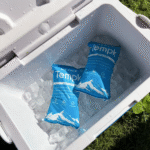
Choosing the right packaging is your first line of defense. To keep sugarfree chocolate at a safe temperature range, manufacturers use a combination of insulated boxes, refrigerants and moisture barriers. Passive cooling systems—such as insulated boxes with gel packs—can maintain temperature for 24–72 hours. For long distances, active solutions with integrated refrigeration provide longer protection but at higher cost.
Selecting Insulation and Coolants
Different materials offer unique advantages. Passive coolers typically combine an insulated container with a refrigerant. Insulation can be expanded polystyrene (EPS), biodegradable cotton or starch foam, or recycled paper liners. EPS offers strong thermal resistance but is less ecofriendly; cotton and starch foam are compostable but less rigid. Fiberbased boards like Performa Nova resist moisture and reduce plastic content by up to 75 %.
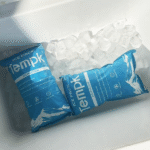
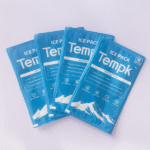
Refrigerants include gel packs, phasechange materials (PCM) and, less commonly, dry ice. Gel packs freeze at about 0 °C and maintain 2–8 °C for 24–48 hours, making them suitable for short trips. PCMs can be formulated to maintain specific temperatures such as 10 °C or 15 °C and can last 48–120 hours, ideal for premium sugarfree chocolates. Dry ice keeps items frozen but is not recommended for chocolate, since excessive cold can crack and discolor bars.
Packaging Options at a Glance
| Insulation Material | Temperature Range | Duration | Benefits |
| EPS foam | 2–8 °C or 54–68 °F | 24–72 h | Strong thermal resistance; affordable; less sustainable |
| Cotton or starch foam | 2–8 °C | 24–48 h | Biodegradable, cushioning; may lack rigidity |
| Recycled paper with reflective film | 54–68 °F | 24–48 h | Recyclable, provides moisture barrier |
| Fiberbased board (Performa Nova) | 54–68 °F | 24–72 h | Moistureresistant, reduces plastic use by 75 % |
| Gel packs | 2–8 °C | 24–48 h | Cheap and simple; great for domestic shipments |
| Phasechange materials | Specific set points (10–15 °C) | 48–120 h | Precise control; ideal for premium sugarfree chocolate |
Practical Tips for Packaging
Precool everything: Chill your chocolate, packaging materials and refrigerants before packing to prevent initial heat buildup.
Layer carefully: Separate chocolate from cold packs with corrugated cardboard or bubble wrap to avoid direct contact and condensation.
Balance insulation thickness: Too much insulation traps heat; too little loses cold. For overnight shipping in mild climates, a 2.5 cm (1 in) EPS wall may suffice; hotter or longer routes may require double thickness.
Include moisture absorbers: Desiccants or moistureabsorbing pads prevent condensation and sugar bloom during transit.
Real case: A brand switched from EPS to a fiberbased board with compostable foam and reduced packaging’s plastic content by 75 % while maintaining temperature control. Customers appreciated the ecofriendly approach, leading to better reviews and repeat purchases.
Humidity Control and Microclimate Management
Moisture is the hidden enemy of sugarfree chocolate. Relative humidity above 50 % dissolves surface sugars, causing sugar bloom and an unpleasant texture. Even if chocolate is kept cool, condensation can occur when cold packaging meets warm air, creating a microclimate that damages texture and appearance. Maintaining the correct humidity within packaging and storage environments is therefore crucial.
How to Manage Humidity
Maintain relative humidity below 50 % in storage and transport environments. Use moisturebarrier films and desiccants inside packages.
Allow gradual temperature changes: When unpacking refrigerated chocolate, let it reach room temperature slowly so moisture doesn’t condense on the surface.
Ensure proper air flow: Good circulation prevents chocolates from absorbing odors and prevents pockets of humid air.
Use humidity sensors: Combined temperature and humidity data loggers provide realtime insight and help identify risk points.
Monitoring Tools and IoT Integration
Technology has transformed cold chain management. Data loggers and IoT sensors continuously record temperature and humidity, alerting you to deviations before product quality is compromised. Sensitech recommends realtime temperature monitors to respond quickly and reduce food waste. Many devices now integrate with AI analytics, predicting when cold packs will warm or when shipments are at risk. In 2025, IoT devices are increasingly paired with blockchain to ensure traceability and authenticity, reassuring consumers that sugarfree chocolate has been handled within a controlled environment.
| Monitoring Tool | Function | Benefit |
| Data logger | Records temperature and humidity during transit | Identifies points of deviation and supports quality audits |
| IoT sensor with GPS | Sends realtime data and location | Enables proactive route adjustments and alerts for delays |
| AI analytics platform | Predicts temperature excursions and optimizes coolant usage | Reduces waste and ensures consistent product quality |
| Blockchain record | Creates tamperproof log of handling conditions | Builds consumer trust by proving compliance with cold chain standards |
Optimising Logistics and Scheduling for Cold Chain
No packaging can compensate for poor planning. Route optimization and timing are key to maintaining chocolate quality during transit. Shipping at night or during cooler hours reduces exposure to ambient heat. Logistics teams use weather tracking and GPS to reroute shipments around heatwaves or traffic delays.
Best Practices for Scheduling
Plan deliveries early in the week: Sending parcels Monday through Wednesday avoids weekend holdovers that can extend transit times.
Use expedited services: Nextday or twoday shipping keeps sugarfree chocolate within the safe window and reduces the risk of melting.
Helpful decision tools
Check the details before you choose packaging
These quick tools can help you compare route risk, sizing needs, coolant choices, and packaging details before you request a quote.
Insulation Material Reference
Compare insulation material choices for different cold chain packaging needs.
Compare materialsBox Liner & Pallet Cover Sizing
Check box liner and pallet cover sizing logic for insulated packaging projects.
Estimate sizingCompliance Checklist Generator
Build a practical checklist for packaging review, shipping, and documentation.
Build checklistCommunicate with recipients: Provide accurate delivery times and encourage customers to retrieve packages quickly to prevent them from sitting in warm locations.
Coordination with Carriers
Establishing relationships with carriers can yield benefits. Some carriers offer calculators for determining the optimal number of gel packs or transit times, and many provide consultations on packaging and temperature requirements. When shipping internationally, ensure that carriers offer temperaturecontrolled services and that customs processes won’t introduce long delays.
SugarFree Chocolate Storage: Home and Retail Guidelines
Sugarfree chocolates aren’t all the same. Fresh truffles, creams and filled chocolates contain dairy and are perishable. Sugarfree truffles must be stored in a refrigerator and consumed within 8 weeks. For longdistance shipping, keep them chilled and ensure transit time is under 48 hours. Sugarfree chocolate bars, by contrast, can be stored at normal room temperature up to 20 °C (68 °F) but may need refrigeration in warmer climates. The difference lies in moisture content and the presence of dairy or fillings.
ShelfLife and Storage Recommendations
| Product Type | Storage Condition | Shelf Life | Notes |
| Solid sugarfree chocolate bars | Room temperature ≤ 20 °C (68 °F) | 12–18 months depending on cocoa content | Keep away from heat, strong smells and moisture; refrigerate only if ambient temperature exceeds 20 °C |
| Sugarfree truffles and creams | Refrigerated; sealed in moistureproof bag | 4–6 weeks | Consume within 8 weeks; moisture causes sugar bloom and spoilage |
| Fresh vegan truffles | Refrigerated in freezer bag | 8 weeks | Plantbased ingredients are sensitive to heat and humidity |
| Regular solid chocolate (for comparison) | Room temperature ≤ 72 °F (22 °C) | Up to 1 year | Contains sugar and stabilizers; more resistant to humidity |
Handling Tips at Home
Avoid frequent temperature changes: Moving chocolate in and out of the fridge causes condensation. Decide where you’ll keep it and stick to it.
Use airtight containers: Seal your sugarfree bars in a bag or container to protect them from odors and moisture.
Let refrigerated chocolate rest: Before unwrapping, allow refrigerated chocolate to come to room temperature in its sealed package to prevent condensation.
Watch the clock: Even in perfect conditions, sugarfree truffles should be eaten within 4–6 weeks for peak flavor.
2025 Trends in Cold Chain and SugarFree Chocolate
The cold chain industry is evolving rapidly. Sustainability and technology are driving the biggest changes, and sugarfree chocolates stand to benefit.
Trend Overview
Ecofriendly packaging: Companies are replacing polystyrene foam with biodegradable materials and fiberbased boards that cut plastic use by up to 75 %.
IoT and AI integration: Smart sensors provide realtime data on temperature and humidity, while AI algorithms predict excursions and recommend adjustments.
Blockchain for traceability: Digital ledgers document every step in the cold chain, enhancing consumer trust and simplifying recalls.
Sustainable refrigerants: Innovations in PCM technology offer recyclable and biodegradable coolants tailored for specific temperatures.
Consumer demand for sugarfree and clean label treats: Growth in healthconscious snacking is driving experimentation with natural sweeteners and functional ingredients. As the sugarfree market grows, supply chains are adapting to handle sensitive products.
Latest Advances at a Glance
Smart packaging: Labels embedded with temperature indicators change color if chocolate has been exposed to warm conditions, alerting customers at delivery.
AIdriven route optimization: Logistics software uses weather forecasts and traffic patterns to plan cooler, faster routes, reducing energy consumption and spoilage.
Carbonneutral shipping: Companies are investing in electric refrigerated vehicles and carbon offsets to reduce environmental impact.
Market Insights
The global chocolate market was valued at $1.11 trillion in 2023 and continues to grow. Sugarfree chocolate is a small but rapidly expanding segment as consumers seek healthier options. Brands that invest in temperaturecontrolled logistics and sustainable packaging are positioned to meet rising demand and differentiate themselves. Investments in sensors and AI not only protect product quality but also provide data that can optimize operations, reduce waste and enhance sustainability.
Frequently Asked Questions
Q: How should I store sugarfree chocolate at home?
Keep sugarfree bars in a cool, dry place below 68 °F (20 °C). If your home is warmer than that, place bars in a sealed container inside the refrigerator and allow them to return to room temperature before opening.
Q: Do sugarfree chocolates melt like regular chocolates?
Yes. Sugarfree chocolates contain cocoa butter, which begins to soften between 70 °F and 90 °F. They can also develop sugar bloom if exposed to moisture.
Q: What is the difference between sugarfree and no sugar added?
Sugarfree chocolate uses alternative sweeteners such as maltitol and contains no refined sugar; it may still contain naturally occurring sugars from ingredients like milk. No sugar added means no extra sugar has been added but natural sugars may be present.
Q: How long do sugarfree truffles last?
Sugarfree truffles should be refrigerated and consumed within 4–6 weeks. Their high moisture content and dairy ingredients make them more perishable than solid bars.
Q: Can I freeze sugarfree chocolate?
Freezing chocolate is possible but not ideal. It requires sealing in an insulated container with two plastic bags to prevent moisture. When thawing, let it sit at room temperature inside the bags for 24 hours.
Q: Do I need a refrigerated truck to ship sugarfree chocolate?
For shipments under 48 hours, insulated packaging with gel packs or PCM can maintain temperatures without active refrigeration. For longer or hot routes, temperaturecontrolled vehicles may be necessary.
Summary and Recommendations
Keeping sugarfree chocolate perfect requires temperature control, humidity management and smart logistics. Always maintain products between 54–68 °F (12–20 °C) with relative humidity below 50 %. Use insulated packaging with precooled gel packs or phasechange materials, and monitor conditions with realtime sensors. Refrigerate sugarfree truffles and consume them within 4–6 weeks, while storing bars at room temperature if it is below 68 °F. Plan shipments during cooler hours and choose expedited shipping. Finally, embrace 2025 trends like biodegradable packaging and IoTenabled monitoring to enhance sustainability and product integrity.
Actionable Next Steps
Assess your current packaging: Use the table above to determine whether you need to upgrade insulation or switch to phasechange materials.
Implement monitoring: Invest in data loggers or IoT sensors to track temperature and humidity in real time.
Train your team: Educate staff on the importance of precooling, moisture control and proper unboxing procedures.
Audit your logistics schedule: Work with carriers to ensure shipments avoid weekends and extreme temperatures.
Communicate with customers: Include clear storage instructions with every order to preserve quality and minimize claims.
About Tempk
At Tempk we specialize in innovative cold chain solutions that make it easy to ship perishable products like sugarfree chocolate. Our research and development teams continuously improve insulation materials and refrigerants, focusing on reusability and recyclability to reduce waste. With decades of experience in food and pharmaceutical logistics, we provide comprehensive packaging systems, data monitoring devices and consultancy services. We believe in collaborating with clients to design solutions tailored to their products’ specific temperature requirements and shelflife goals.
Call to Action
Ready to protect your sugarfree chocolates? Contact Tempk for personalized advice on cold chain packaging and monitoring tools that fit your business. We’re here to help you deliver every bar as glossy and delicious as it left your kitchen.