Updated December 8 2025
Bread is one of the most sensitive foods in the coldchain. To keep your loaves soft and safe during transport, effective cold chain bread product packaging is critical. This article dives into techniques like modified atmosphere packaging (MAP), active films, insulated containers and sustainable materials that protect texture, extend shelf life and maintain quality. The insights here are grounded in recent research and market data, ensuring you make informed packaging decisions for your bakery in 2025.
This article will answer:
Why proper packaging matters: how oxygen, moisture and physical damage affect bread, and which technologies combat these factors.
How modified atmosphere and active packaging work: discover gas mixtures, active films and cleanlabel solutions that prolong freshness.
Cold chain logistics essentials: understand insulated containers, phasechange materials and passive vs. active systems for frozen bread.
Sustainability trends: learn about recyclable paper bags, biodegradable films and consumer attitudes towards ecofriendly bread packaging.
Market outlook and future trends: explore 2025 market forecasts for MAP and bakery packaging and what they mean for your business.
Why is cold chain bread product packaging essential for freshness?
Exposure to oxygen and moisture quickly degrades bread quality. Baked goods are particularly vulnerable to oxidation, staleness and microbial growth. Thermoformed packaging uses multilayer plastic films to block oxygen and moisture, slowing oxidation and reducing mold. Without such barriers, bread can lose moisture and become stale within days. Physical damage is another risk; sturdy packaging protects delicate textures from crushing during transport. Modern bread bags with microperforations trap 85–90 % humidity and reduce water loss by about 60 % compared with leaving bread unwrapped. These bags also block over 99 % of oxygen and cut microbial contamination by 70–80 % during a typical sevenday shelf life.
How do bread packaging technologies reduce staling?
Starch retrogradation causes bread to firm and dry. Starch molecules recrystallize after baking, making crumb texture tough and less palatable. Good quality bread storage bags act as a protective bubble, retaining moisture and preventing rapid crumb hardening. Industry benchmarks show that sealed polyethylene bags can delay crumb hardening for up to 96 hours, extending shelf life 2.5 times longer than uncovered bread. Active staling inhibitors, such as modified atmosphere and active films, further slow retrogradation by controlling gas composition inside the package.
Comparing packaging options
| Packaging type | Key feature | Shelflife impact | What it means for you |
| Thermoformed plastic | Multilayer film forms a rigid container that blocks oxygen and moisture | Reduces oxidation and physical damage, extending freshness to ~7 days | Ideal for soft sandwich loaves and pastries requiring high humidity retention |
| Microperforated bread bags | Retain 85–90 % internal moisture and allow controlled vapor exchange | Maintain crumb softness; reduce water loss by 60 % vs. unwrapped bread | Great for crusty artisan breads needing airflow to preserve crispness |
| Active composite films | Natural polymers (pectin, CMC) with antimicrobial agents and oleic acid to improve barrier properties | Provide excellent oxygen/CO₂ barrier; reduce mold by 99.97–99.998 % | Suitable for cleanlabel consumers wanting no chemical preservatives |
| Recyclable paper bags with film windows | Paper barrier with detachable film window for recyclability | Offer visual appeal and are recyclable; barrier properties can keep bread fresh | Align with sustainability goals and consumer demand for ecofriendly packaging |
Practical tips for maintaining freshness
Use appropriate bag ventilation: Choose breathable bags for crusty breads and airtight bags for soft loaves. Hybrid designs with perforated zones balance moisture retention and crispness.
Seal packaging properly: Sealed bread bags create a lowoxygen microclimate. A Food Protection Association study found that packaging with < 2 % oxygen permeability reduces mold incidence by 78 % and extends shelf life by 4–7 days.
Combine moisture control and insulation: Moisturecontrol sachets and insulated containers add 1–3 weeks of freshness when used alongside appropriate packaging.
Case study: A bakery introduced microperforated bags for artisan sourdough loaves. Customers noticed the bread remained crisp for two days instead of one. The packaging allowed moisture to escape while preventing contamination, increasing repeat purchases and reducing returns.
How do modified atmosphere and active packaging improve bread shelf life?
Modified atmosphere packaging (MAP) alters the gas mixture inside a sealed package to slow microbial growth and oxidation. Unlike highpressure processing, which uses pressure to kill microbes, MAP replaces air with gases such as carbon dioxide and nitrogen. A typical bakery mixture uses 50 % CO₂ and 50 % N₂. Reducing oxygen concentration and increasing CO₂ levels inhibits microbial growth and preserves texture. MAP not only prolongs shelf life but also maintains flavor and reduces food waste.
Advantages of MAP for bread
Extended freshness: MAP can double the shelf life of bread compared with ambient packaging, with products staying fresh for up to two weeks depending on the gas mixture and product type.
Reduced waste: By keeping bread fresher for longer, MAP lowers spoilage and returns, benefiting both producers and retailers.
Crosscontamination prevention: Sealed MAP systems limit contact between different products, minimizing allergen crosscontamination in bakery operations.
Active packaging: cleanlabel solutions
Consumers increasingly demand bread without added preservatives. Active packaging addresses this by incorporating agents into the packaging material rather than the food. An active composite film described in 2025 research uses pectin from citrus peel and carboxymethyl cellulose as the matrix, with oleic acid as a plasticizer. Calcium propionate (an antimold preservative) and silverionloaded zeolites provide antimicrobial properties, reducing molds by 99.97–99.998 %. The film offers excellent oxygen and carbondioxide barrier properties while remaining biodegradable. Because preservatives reside in the packaging instead of the bread, active films satisfy cleanlabel expectations.
Considerations and limitations
Active packaging and MAP can require specialized equipment and strict control to ensure gas composition remains stable. Investment costs for MAP equipment and potential leakage risks present barriers for smaller bakeries. Regulatory agencies also restrict the use of certain nanoparticles in food contact materials; active films must avoid prohibited substances. Producers should balance benefits against costs and compliance requirements.
Use cases and implementation tips
Prioritize susceptible products: Evaluate which bread items spoil quickly (e.g., highmoisture rolls) and prioritize them for MAP or active packaging.
Select appropriate gas mixtures: Soft breads benefit from higher CO₂ concentrations, while crusty loaves may need lower CO₂ to maintain crust texture.
Ensure sealing integrity: Invest in machinery that guarantees hermetic sealing to prevent gas exchange and maintain a modified atmosphere.
Case study: A wholegrain bread producer switched from traditional polypropylene bags to MAP with a 60 % CO₂/40 % N₂ blend. Shelf life increased from five days to 12 days, enabling distribution to distant markets and decreasing returns due to staleness.
How do cold chain logistics and insulated packaging protect frozen bread products?
Frozen bakery items like croissants and Danish pastries require specialized cold chain packaging to maintain quality. Cold chain bread product packaging ensures that products remain at safe temperatures during transport and storage. Passive cold chain systems, which use insulated containers and phasechange materials rather than powered refrigeration, can maintain temperatures at −18 °C or below. These systems keep frozen bakery items solid during transit. Insulated packaging solutions can hold temperature control for up to 48 hours, exceeding typical delivery windows. For longer distances, active cold chain systems use batterypowered refrigeration units to keep bread between −10 °C and −20 °C, the range recommended for frozen bread transport.
Passive vs. active cold chain packaging
Passive systems: Utilize polyurethane or polystyrene insulation or vacuuminsulated panels. They maintain predetermined temperatures for up to 96 hours. Passive systems are ideal for small shipments and are not limited by dry ice consumption. However, they require careful conditioning of refrigerants and may fail if the delivery exceeds the thermal hold time.
Active systems: Incorporate refrigeration units powered by batteries or electricity. They provide more precise temperature control and are suitable for large or highvalue shipments. Active systems are secure but can be more costly and complex.
Key components of insulated packaging
Effective cold chain packaging combines several elements to maintain temperature and protect bread:
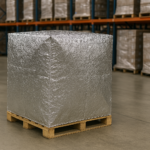
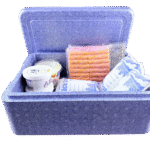
Insulated containers: Materials like polystyrene or polyurethane laminated with metallized film minimize heat transfer.
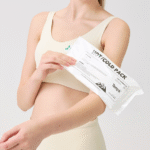
Refrigerants: Gel packs, dry ice or phasechange materials absorb heat and regulate internal temperatures.
Temperature monitoring devices: Data loggers or sensors provide realtime information and alert handlers to temperature deviations.
Durable exterior packaging: Sturdy outer layers protect against physical damage and maintain structural integrity during shipping.
Tips for frozen bread logistics
Precool products: Ensure bread is cooled to its storage temperature before packaging. Improper precooling can cause condensation and ice crystals.
Choose appropriate refrigerants: For 48hour deliveries, phasechange materials tuned to −18 °C provide reliable cooling without external power.
Helpful decision tools
Check the details before you choose packaging
These quick tools can help you compare route risk, sizing needs, coolant choices, and packaging details before you request a quote.
Coolant & PCM Reference
Compare coolant and PCM options when a route needs added temperature support.
Compare optionsPackaging Selector
Compare insulated packaging options by product, route, and temperature need.
Find packagingIce Pack Calculator
Estimate gel ice pack quantity for chilled shipments and practical route planning.
Estimate ice packsMonitor and validate: Use temperature data loggers to monitor conditions and validate your cold chain process for compliance and quality assurance.
Case study: A frozen croissant supplier replaced refrigerated trucks with passive insulated containers containing phasechange materials. Products stayed below −18 °C for 48 hours, reducing energy costs and enabling more flexible delivery schedules.
Sustainability trends in cold chain bread product packaging
Consumer frustration with excessive plastic packaging is driving a shift toward ecofriendly materials. A 2024 DS Smith survey found that nearly a quarter of UK shoppers are most irritated by excessive plastic packaging; over half of grocery items still use unnecessary plastic. Bread packaging is often scrutinized; about 30 % of consumers are annoyed by plastic on fresh produce and bread, and a quarter avoid products with excessive packaging. Furthermore, 44 % said that encountering overpackaged products reduces their likelihood of buying the item again.
Ecofriendly alternatives
Recyclable paper bags: Companies like Mondi offer paper bread bags with glassine or detachable film windows. These bags are recyclable and meet the UK On Pack Recycling Label scheme, providing the necessary barrier properties to keep bread fresh.
RecyCold® climaliner™: Paperbased thermal liners used in cold chain packaging protect frozen, chilled and ambient products from temperature fluctuations for up to 48 hours. The paper solution is 100 % recyclable and provides excellent thermal boxliner protection.
Biodegradable films: Active composite films made from pectin and carboxymethyl cellulose use plantbased polymers and oleic acid to deliver strong oxygen barriers. These films are biodegradable and eliminate the need for chemical preservatives, addressing the cleanlabel trend.
Paperbased insulation: Sustainable insulating paper pads, such as Ranpak’s WrapPak® Protector, offer an ecofriendly alternative to plastic bubble wrap or foam.
Hydropol polymer: Innovative materials like Hydropol can be recycled, repulped, composted and even dissolved in water, providing strength and protection while supporting the circular economy.
Consumer willingness to pay for sustainability
The DS Smith research revealed that nearly a quarter of consumers would pay more for ecofriendly bread packaging, with some willing to pay up to £0.33 extra per item. Another survey from a bakery supply blog noted that 70 % of consumers are willing to pay more for ecofriendly packaging, provided the goods arrive intact. However, 40 % of manufacturers see the cost of sustainable materials as a major hurdle, and 39 % worry consumers will reject new packaging if convenience or appearance is compromised. Finding a balance between sustainability, cost and customer convenience is crucial.
Practical advice for sustainable packaging
Evaluate material performance: Choose materials that withstand temperature swings and mechanical abuse during delivery. Bagasse trays and bamboo pulp containers can handle rough handling, while cornstarch films provide moisture barriers.
Implement clear recycling instructions: Confusing recycling messaging leads to recyclable materials being discarded. Include clear, easytoread instructions on your packaging.
Test realworld conditions: Test packaging in real delivery scenarios—drop boxes, expose them to heat and cold, and simulate stacking—to ensure that ecofriendly solutions perform as well as conventional options.
Case study: A regional bakery switched from plastic bags to recyclable paper bread bags with glassine windows. Consumers appreciated the ecofriendly material, and sales increased after the change. The bakery also added clear recycling instructions, reducing customer confusion and improving brand perception.
2025 market outlook and trends for cold chain bread product packaging
Market dynamics
The global modified atmosphere packaging market was valued at USD 20.61 billion in 2024 and is projected to increase to USD 22.05 billion in 2025, reaching USD 37.89 billion by 2033 with a compound annual growth rate (CAGR) of 7 %. The growth is driven by rising demand for fresh, highquality packaged foods. Doubling shelf life is usually possible with MAP, and this potential is attracting investment. Packaging designers are producing hermetic, highbarrier structures while favoring recyclability. In the bakery sector, onthego lifestyles and readytoeat products are also boosting demand.
Growth factors and restraints
Demand for longer shelf life: Consumers want fresher products, and MAP combined with cold chain packaging can significantly extend freshness.
Rise of readytoeat foods: Developing economies are seeing increasing demand for readytoeat baked goods; this trend encourages investment in highperformance packaging.
Sustainability and innovation: Technological advancements are enabling the production of recyclable, biodegradable and smart packaging that can balance performance with environmental responsibility.
High equipment costs: MAP and active packaging require specialized machinery and strict quality control, which can be costly for small bakeries.
Emerging trends
Smart packaging: Sensors embedded in packaging monitor temperature, humidity and freshness, alerting stakeholders to issues during transit.
Elimination of trays: Designers are removing trays from packaging to minimize materials and improve recyclability.
Personalized and intelligent packaging: Packaging tailored to consumers’ dietary preferences or age group, sometimes incorporating intelligent indicators that show freshness.
Edible packaging: Films made from milk proteins and probiotics act as oxygen barriers and can be consumed along with the food.
Hydropol and dissolvable polymers: Materials that can be dissolved or repulped are gaining traction, offering both strength and environmental benefits.
Frequently Asked Questions
Q1: How long does bread stay fresh with modified atmosphere packaging?
MAP can double or even triple bread’s shelf life. By replacing air with specific gas mixtures like 50 % CO₂/50 % N₂, MAP inhibits microbial growth and oxidation. Shelf life can extend from a few days to up to two weeks depending on the bread type and gas mixture. Use highquality sealing equipment to maintain the modified atmosphere.
Q2: What is the difference between active and passive cold chain packaging?
Active cold chain systems use powered refrigeration units to maintain precise temperatures, making them suitable for large or highvalue shipments. Passive systems rely on insulation and phasechange materials to keep products within a temperature range for up to 96 hours. Passive solutions are costeffective for smaller shipments but require careful planning to ensure deliveries arrive within the thermal hold time.
Q3: Are biodegradable bread packages suitable for freezing?
Yes. Biodegradable films made from pectin and carboxymethyl cellulose provide excellent oxygen and CO₂ barriers and can include antimicrobials like calcium propionate and silver zeolites to prevent mold. These films maintain mechanical integrity at low temperatures and are appropriate for frozen bread products.
Q4: How can bakers balance sustainability and convenience?
Choose ecofriendly materials that still provide protective performance. Recyclable paper bags with glassine windows and moistureresistant coatings offer both sustainability and function. Provide clear recycling instructions and test packaging under real delivery conditions to ensure convenience is not compromised.
Q5: What are the key considerations when selecting cold chain packaging for bread?
Consider the product’s temperature requirements (frozen vs. chilled), transit time, and distribution distance. Passive systems with phasechange materials are suitable for short deliveries up to 48–96 hours, while active systems are needed for longer or larger shipments. Also evaluate sustainability goals, regulatory compliance and cost.
Summary and recommendations
Key takeaways:
Proper cold chain bread product packaging preserves bread quality by controlling oxygen, moisture and temperature. Thermoformed containers, microperforated bags and active composite films each offer distinct benefits. Modified atmosphere packaging (50 % CO₂/50 % N₂) doubles shelf life and reduces waste. Passive cold chain systems with insulated containers and phasechange materials maintain frozen bread at −18 °C for up to 48 hours. Sustainability is increasingly important: consumers are willing to pay more for ecofriendly packaging, and recyclable paper bags, biodegradable films and dissolvable polymers offer viable alternatives. Market growth and emerging trends like smart packaging and personalized materials will shape the industry through 2025.
Next steps:
Evaluate your product portfolio to identify which breads benefit most from MAP or active packaging.
Invest in sealing equipment and quality control to maintain modified atmospheres and prevent leaks.
Integrate passive cold chain solutions for frozen items; pair insulated containers with phasechange materials for deliveries up to 48–96 hours.
Adopt sustainable materials such as recyclable paper bags or biodegradable films and provide clear recycling instructions.
Monitor emerging technologies like smart sensors and personalized packaging to stay ahead of consumer expectations.
About Tempk
Tempk is a leading provider of coldchain packaging solutions for food and healthcare industries. We specialize in designing insulated containers, gel packs and phasechange materials that keep temperaturesensitive goods within their required range during transit. Our team also develops modified atmosphere and active packaging systems tailored to bakery products, ensuring your bread stays fresh from bakery to consumer. With a commitment to sustainability, we offer recyclable paper liners and biodegradable films that meet environmental goals without compromising performance.
If you’d like to explore how Tempk can help your bakery achieve longer shelf life and greener packaging, contact our experts for a customized consultation.