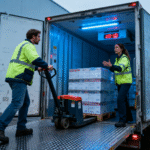
How to Choose an Insulated Food-Grade EPP Cooler Box?
If you deliver food, an insulated food-grade EPP cooler box can be the difference between “fresh on arrival” and refunds. Many chilled shipments aim for 0–4°C (32–40°F), while frozen often targets -18°C (0°F) or colder.
Your box won’t “make cold,” but it can protect it. The goal is simple: keep quality stable, even when traffic, porch time, or handling gets messy.
This article will answer for you:
How an insulated food-grade EPP cooler box protects taste and safety in last-mile delivery
What “food-grade” proof you should request (without becoming a compliance expert)
How to choose size, wall thickness, lid fit, and (if needed) density without overpaying
A practical packout guide for chilled, frozen, and mixed loads
A cleaning + reuse SOP that protects hygiene and extends box life
A simple ROI / cost-per-delivery calculator you can run today
Why use an insulated food-grade EPP cooler box in 2025?
Direct answer: An insulated food-grade EPP cooler box is built to reduce heat transfer, protect food-contact safety, and survive repeat handling—so you get fewer temperature swings and fewer damaged deliveries.
insulated food-grade EPP cooler…
It’s especially useful for seafood, meat, dairy, meal kits, and ready-to-eat foods.
EPP works like a “winter jacket” for your product. When the jacket fits well, it performs better. Tight lids and fewer gaps make your insulated food-grade EPP cooler box more consistent.
insulated food-grade EPP cooler…
What problems does it solve in real delivery?
Detailed info: Most failures happen in normal moments—loading delays, stacked vans, and doorstep waits. Your insulated food-grade EPP cooler box helps by resisting crush, resisting moisture, and holding its shape so the lid keeps sealing.
| Real delivery problem | What happens | How EPP helps | What it means for you |
|---|---|---|---|
| Heat exposure | Food warms too fast | Better insulation + tighter fit | Fewer warm-arrival complaints insulated food-grade EPP cooler… |
| Drops + stacking | Corners crack, lids warp | Foam rebounds after impact | Lower replacement spend insulated food-grade EPP cooler… |
| Meltwater | Cartons weaken, labels peel | Low water uptake behavior | Cleaner handling and returns insulated food-grade EPP cooler… |
| Repeat use | Single-use costs pile up | Designed for reuse loops | Lower cost per trip insulated food-grade EPP cooler… |
Practical tips you can apply today
Short routes (0–4 hours): prioritize fast handling and easy cleaning.
insulated food-grade EPP cooler…
Medium routes (4–12 hours): upgrade lid seal and consider thicker walls.
insulated food-grade EPP cooler…
Long routes (12–24 hours): treat it as a system (box + coolant + monitoring).
insulated food-grade EPP cooler…
Real example: One operator reduced packaging replacements by switching from brittle foam to reusable EPP containers that survived stacked van loads.
insulated food-grade EPP cooler…
What does “food-grade” mean in an insulated food-grade EPP cooler box?
Direct answer: “Food-grade” means the material and production controls are appropriate for food contact under intended use—but your cleaning and handling decide day-to-day safety.
insulated food-grade EPP cooler…
In other words: a good box plus a weak SOP is still a risk.
The “Food-Grade Proof Pack” you should request
You don’t need legal training. You need a simple checklist that matches where you sell and how you use the box.
insulated food-grade EPP cooler…
| Proof item | What to request | What to check | What it means for you |
|---|---|---|---|
| EU framework | Statement aligned to Reg. (EC) 1935/2004 | “No harmful migration” principle | Clear baseline compliance logic insulated food-grade EPP cooler… |
| EU plastics | Reg. (EU) 10/2011 DoC | Plastics measure named | Faster EU pathway insulated food-grade EPP cooler… |
| U.S. food-contact | Statement referencing FDA 21 CFR 177.1520 | CFR reference is explicit | Cleaner U.S. pathway insulated food-grade EPP cooler… |
| Intended use | Use conditions (temps, time, cleaning) | Matches your real SOP | Fewer warranty surprises insulated food-grade EPP cooler… |
Practical tips to avoid “food-grade” mistakes
If food touches the box: treat it as direct contact and require documentation.
insulated food-grade EPP cooler…
If you apply heat: confirm your real temperature and cleaning limits.
insulated food-grade EPP cooler…
If you reuse boxes: confirm they are intended for repeated-use cycles, not just one-time contact.
insulated food-grade EPP cooler…
Practical case: A catering brand reduced recall risk by standardizing one documentation packet per insulated food-grade EPP cooler box model.
insulated food-grade EPP cooler…
How well does an insulated food-grade EPP cooler box insulate in real life?
Direct answer: EPP insulates well because heat moves through it slowly. Some industry references commonly report thermal conductivity around 0.036–0.039 W/m·K for typical EPP applications.
insulated food-grade EPP cooler…
But the bigger truth is this: insulation is a system, not a material. Lid fit, wall thickness, load pattern, and starting temperature can matter just as much.
insulated food-grade EPP cooler…
Think “heat budget.” The hotter the outside air, the faster you spend it. Your refrigerant is the battery that absorbs incoming heat.
insulated food-grade EPP cooler…
A fast decision tool: “Will my route stay cold enough?”
Answer these quickly:
insulated food-grade EPP cooler…
Is your product pre-chilled to target temperature before packing?
insulated food-grade EPP cooler…
Will your route see >25°C ambient heat for more than 2 hours?
insulated food-grade EPP cooler…
Will the box be opened during delivery (multi-drop)?
insulated food-grade EPP cooler…
Is doorstep wait risk more than 30 minutes?
insulated food-grade EPP cooler…
If you said “yes” to two or more, upgrade at least one lever: wall thickness / lid seal, coolant mass + placement, or route/loading process.
insulated food-grade EPP cooler…
How long can an insulated food-grade EPP cooler box hold temperature?
Direct answer: There is no universal hour number. Hold time depends on starting product temp, ambient heat, coolant choice, and box design.
insulated food-grade EPP cooler…
Your insulated food-grade EPP cooler box slows heat gain, but your process controls the outcome.
Coolant placement matters more than people expect
Cold air falls. That’s why top placement often improves uniform cooling.
insulated food-grade EPP cooler…
| Coolant placement | What it does | Best for | What it means for you |
|---|---|---|---|
| Top cooling | Cold air falls | Seafood, dairy | More uniform cooling insulated food-grade EPP cooler… |
| Side cooling | Stabilizes edges | Meal kits | Reduces edge warming insulated food-grade EPP cooler… |
| Bottom cooling | Supports base | Frozen items | Protects bottom layer insulated food-grade EPP cooler… |
Practical tips you can use immediately
Pre-chill the box for premium products when possible.
insulated food-grade EPP cooler…
Avoid big air gaps—air can accelerate temperature swings.
insulated food-grade EPP cooler…
Use dividers or barrier sheets to prevent freezing delicate items.
insulated food-grade EPP cooler…
Real example: A seafood retailer reduced texture complaints by moving gel packs from bottom to top and adding a thin separator layer.
insulated food-grade EPP cooler…
How do you choose the right insulated food-grade EPP cooler box size and design?
Direct answer: Choose size based on load density, route duration, and workflow—not just volume. Oversized boxes waste coolant space and increase temperature drift. Undersized boxes slow packing and crush product.
insulated food-grade EPP cooler…
A strong design also supports fast packing, safe stacking, and consistent scanning—especially on multi-stop routes.
insulated food-grade EPP cooler…
Size selection checklist (quick)
Can one person lift it safely when full?
insulated food-grade EPP cooler…
Does it fit your van shelves or tote system?
insulated food-grade EPP cooler…
Can you stack it without lid warping?
insulated food-grade EPP cooler…
Can you standardize it across SKUs?
insulated food-grade EPP cooler…
| Feature | Option A | Option B | What it means for you |
|---|---|---|---|
| Capacity | Smaller, dense load | Larger, mixed load | Smaller often holds temp better insulated food-grade EPP cooler… |
| Lid style | Flat lid | Interlocking lid | Interlocking improves seal insulated food-grade EPP cooler… |
| Handles | Molded grip | Strap support | Better ergonomics reduces drops insulated food-grade EPP cooler… |
A 2-minute sizing tool you can actually use
Answer these and follow the rule:
insulated food-grade EPP cooler…
Food state: chilled / frozen
insulated food-grade EPP cooler…
Route time at the 90th percentile (“bad day” time)
insulated food-grade EPP cooler…
Payload weight (including inner packs)
insulated food-grade EPP cooler…
Refrigerant volume needed: low / medium / high
insulated food-grade EPP cooler…
Can you guarantee fast handoff? yes / no
insulated food-grade EPP cooler…
Rule of thumb: If the box is “almost full,” your center items are at risk because you lose refrigerant placement space.
insulated food-grade EPP cooler…
What refrigerants work best in an insulated food-grade EPP cooler box?
Direct answer: Your insulated food-grade EPP cooler box performs best when refrigerant type and placement match your temperature target. “More is better” is a trap—too much can freeze chilled foods, too little causes warm arrivals.
insulated food-grade EPP cooler…
Most operations use gel packs, PCM packs, wet ice (contained), or dry ice for frozen.
Helpful decision tools
Check the details before you choose packaging
These quick tools can help you compare route risk, sizing needs, coolant choices, and packaging details before you request a quote.
Route Risk Checker
Review lane conditions before selecting packaging for real operating requirements.
Check route riskCoolant & PCM Reference
Compare coolant and PCM options when a route needs added temperature support.
Compare optionsIce Pack Calculator
Estimate gel ice pack quantity for chilled shipments and practical route planning.
Estimate ice packsinsulated food-grade EPP cooler…
| Refrigerant | Best for | Risk | What it means for you |
|---|---|---|---|
| Gel packs | Chilled foods | Freezing delicate items | Use barriers + correct sizing insulated food-grade EPP cooler… |
| PCM packs | Tight chilled range | Wrong melt point | Match PCM to target temp insulated food-grade EPP cooler… |
| Wet ice | Short chilled routes | Leaks + mess | Use liners + absorbents insulated food-grade EPP cooler… |
| Dry ice | Frozen foods | Handling + venting needs | Train and label clearly insulated food-grade EPP cooler… |
Practical tips for fewer “half-frozen” or “warm” complaints
Meal delivery: PCM packs can reduce partial freezing of chilled items.
insulated food-grade EPP cooler…
Dairy: avoid direct pack-to-product contact inside the insulated food-grade EPP cooler box.
insulated food-grade EPP cooler…
Frozen protein: isolate dry ice and avoid sealing completely airtight.
insulated food-grade EPP cooler…
How do you pack hot, chilled, and frozen foods inside EPP boxes?
Direct answer: Organization beats guesswork. Use a simple 3-layer logic: food at target temp, barrier, and thermal source/sink.
insulated food-grade EPP cooler…
| Food type | Temperature goal | What to use | What it means for you |
|---|---|---|---|
| Chilled meals | Cold, not frozen | Frozen gel packs + liner | Stable freshness insulated food-grade EPP cooler… |
| Frozen foods | Keep frozen | Dry ice or strong cold packs | Less thaw damage insulated food-grade EPP cooler… |
| Hot holding | Keep warm | Heat packs + divider | Better texture insulated food-grade EPP cooler… |
| Mixed hot + cold | Separate zones | Divider + sealed containers | Better experience insulated food-grade EPP cooler… |
Packout self-check (score yourself in 20 seconds)
Give 1 point for each “yes.”
insulated food-grade EPP cooler…
Pre-chilled chilled items before packing?
insulated food-grade EPP cooler…
Pre-froze gel packs fully?
insulated food-grade EPP cooler…
Placed packs around product, not only on top?
insulated food-grade EPP cooler…
Eliminated big air gaps with fit/dunnage?
insulated food-grade EPP cooler…
Protected food from direct extreme cold contact?
insulated food-grade EPP cooler…
Score guide: 0–2 = high variability, 3–4 = workable, 5 = repeatable.
insulated food-grade EPP cooler…
How do you clean and reuse an insulated food-grade EPP cooler box safely?
Direct answer: Reuse safely by standardizing cleaning steps, drying fully, and inspecting for damage. “Wash it sometimes” is not a program.
insulated food-grade EPP cooler…
Your insulated food-grade EPP cooler box becomes a reliable asset only when your SOP is simple enough to follow daily.
The 7-step cleaning SOP you can standardize
Pre-check: remove liners, absorbents, labels
insulated food-grade EPP cooler…
Pre-rinse: warm water rinse to remove visible soil
insulated food-grade EPP cooler…
Wash: food-safe detergent, soft brush on corners
insulated food-grade EPP cooler…
Rinse: remove detergent residue
insulated food-grade EPP cooler…
Sanitize: approved sanitizer at correct concentration
insulated food-grade EPP cooler…
Dry: air dry completely (don’t stack wet)
insulated food-grade EPP cooler…
Inspect: smell, surface check, lid fit, cracks
insulated food-grade EPP cooler…
| SOP step | What to record | Why it matters |
|---|---|---|
| Wash | Time + detergent batch | Fewer hidden soils insulated food-grade EPP cooler… |
| Sanitize | Contact time + log | Stronger audit readiness insulated food-grade EPP cooler… |
| Dry | Drying rack time | Less odor, longer life insulated food-grade EPP cooler… |
Mini self-assessment: is your reuse program ready?
Score each item 0–2 (0 = no, 2 = consistent).
insulated food-grade EPP cooler…
Written cleaning checklist
Inspection step before reuse
Loss/returns tracking
Drying plan (not “air dry someday”)
Clean storage zone
8–10: ready to scale. 5–7: pilot first. 0–4: fix basics before rollout.
How do you decide: insulated food-grade EPP cooler box vs EPS foam shipper?
Direct answer: Choose an insulated food-grade EPP cooler box when you can recover and reuse it. Choose EPS when recovery is difficult or routes are one-way.
insulated food-grade EPP cooler…
Reuse wins only when you control the loop.
Decision matrix (score yourself)
Give 1 point for each “yes.”
insulated food-grade EPP cooler…
Repeat customers or business accounts?
insulated food-grade EPP cooler…
Can schedule returns/pickups?
insulated food-grade EPP cooler…
Space for cleaning + drying?
insulated food-grade EPP cooler…
Team can follow a standard SOP?
insulated food-grade EPP cooler…
Claims/refunds are painful today?
insulated food-grade EPP cooler…
Want fewer packaging SKUs?
insulated food-grade EPP cooler…
Score guide: 0–2 start one-way and test small. 3–4 pilot one lane. 5–6 scale with tracking and SOPs.
insulated food-grade EPP cooler…
What does total cost look like for an insulated food-grade EPP cooler box?
Direct answer: The real cost is cost per delivery, not purchase price. Use this simple model:
insulated food-grade EPP cooler…
Cost per delivery = (Box price ÷ Expected reuse cycles) + Cleaning cost + Return logistics cost + Loss/damage allowance
insulated food-grade EPP cooler…
Quick ROI prompts (answer honestly)
How many cycles do you really achieve before loss or damage?
insulated food-grade EPP cooler…
What is your real cleaning labor cost per turn?
insulated food-grade EPP cooler…
How often do boxes fail to return?
insulated food-grade EPP cooler…
If return rate is weak, cost per delivery spikes. If return rate is strong, EPP often beats disposable systems.
insulated food-grade EPP cooler…
| ROI lever | What improves ROI most | Your next move |
|---|---|---|
| Reuse cycles | Longer box life | Improve handling + choose stronger designs insulated food-grade EPP cooler… |
| Return rate | Less loss | Deposit, reminders, scan-at-handoff insulated food-grade EPP cooler… |
| Cleaning efficiency | Faster turns | Standard SOP + better workstation flow insulated food-grade EPP cooler… |
| Stackability | Cheaper backhaul | Nest/stack design for returns insulated food-grade EPP cooler… |
2025 trends shaping insulated food-grade EPP cooler box buying
In 2025, reusable cold chain packaging is shifting from “nice idea” to “operational advantage.”
insulated food-grade EPP cooler…
Buyers want fewer damaged deliveries, fewer refunds, and packaging that looks professional on arrival.
insulated food-grade EPP cooler…
Latest progress snapshot
Standardized packout recipes: fewer SKUs, more consistency
insulated food-grade EPP cooler…
Simple tracking: QR IDs and scan-at-handoff routines
insulated food-grade EPP cooler…
Hygiene workflow upgrades: faster drying racks + inspection steps
insulated food-grade EPP cooler…
More temperature evidence: lane testing with loggers/indicators
insulated food-grade EPP cooler…
Market reality: Customers may not ask for “EPP,” but they notice “clean, cold, and intact.”
insulated food-grade EPP cooler…
That moment drives repeat orders.
Frequently Asked Questions
Q1: How do I choose an insulated food-grade EPP cooler box for meal delivery?
Pick one size that fits a standard layout and still leaves room for refrigerant. Use a repeatable packout guide and test one lane first.
insulated food-grade EPP cooler…
Q2: How do I prove my insulated food-grade EPP cooler box is food-safe?
Request market-aligned documents (EU 10/2011 + 1935/2004 for EU, and FDA 21 CFR 177.1520 references for the U.S.).
insulated food-grade EPP cooler…
Q3: How do I avoid freezing chilled food inside an EPP box?
Use a separator layer between coolant and product, and avoid direct contact with strong coolants. Adjust placement to product sensitivity.
insulated food-grade EPP cooler…
Q4: Insulated food-grade EPP cooler box vs EPS foam shipper—what’s better?
EPP is better when you can recover and reuse it reliably. EPS can fit one-way lanes where returns are unlikely.
insulated food-grade EPP cooler…
Q5: What’s the best cleaning SOP for an insulated food-grade EPP cooler box?
Wash, rinse, sanitize, and dry fully, then inspect lid fit and odor. Drying is the step most teams underestimate.
insulated food-grade EPP cooler…
Q6: How can I reduce refunds with an insulated food-grade EPP cooler box?
Standardize packout, improve lid seal, add basic monitoring on key lanes, and reduce doorstep dwell time with clear handoff rules.
About Tempk
Tempk focuses on practical cold chain packaging solutions for daily food logistics. We design insulated systems for real handling—stacking, moisture, repeated use, and fast packing lines.
insulated food-grade EPP cooler…
Our goal is simple: help you keep deliveries colder, cleaner, and more consistent with packaging that fits your workflow.
insulated food-grade EPP cooler…
Call to action: If you want a lane-specific packout recipe and SOP for your insulated food-grade EPP cooler box, start with your route profile (time, ambient range, payload). We can help you translate that into a repeatable pilot plan.