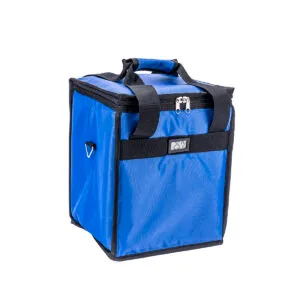
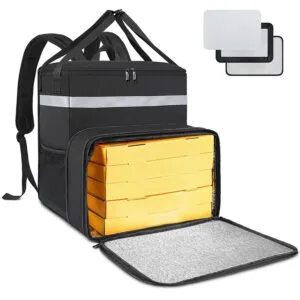
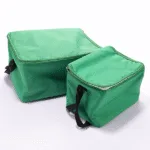
Trader Joes Insulated Bag: How to Pack Smarter?
A Trader Joes insulated bag can turn a normal grocery run into a mini cold chain. It helps you keep cold foods at safer temperatures, and frozen foods firmer, for longer. Many food-safety habits use 40°F / 4°C as a practical “keep it cold” line, and a simple “don’t linger too long” time rule. Your Trader Joes insulated bag works best when you pack fast, zip tight, and reduce stops.
In this guide, you’ll learn:
How to choose the right Trader Joes insulated bag size for your routine
How long a Trader Joes insulated bag stays cold (realistic expectations)
How to pack frozen items, dairy, and produce with fewer leaks and odors
A simple Trader Joes insulated bag ice pack placement guide you can repeat
A quick cleaning SOP that avoids mildew and “mystery smells”
What’s new in 2025 that makes insulated grocery habits more important
Which Trader Joes insulated bag size fits your run?
The best Trader Joes insulated bag is the smallest one that fits your cold items. Less air space means slower warming. Bigger is not always better if you only buy a few chilled items.
Think of it like a thermos: a half-empty thermos warms faster than a full one.
Mini vs large: what’s the practical difference?
| Bag option | Best for | Typical basket | What it means for you |
|---|---|---|---|
| Mini insulated tote | Lunch + small runs | 2–6 items | Easier daily habit |
| Large insulated bag | Weekly groceries | Dairy + frozen mix | Fewer temperature surprises |
| Zippered tote style | Longer errands | Mixed chilled + leak risk | Stronger “cold seal” |
Practical tips you can use today
If you buy frozen weekly: start with a larger Trader Joes insulated bag.
If you meal prep daily: a mini tote is easier to carry and keep packed tight.
If you drive far: prioritize a bag that closes fully (zip or tight flap).
Real example: One simple change fixes many problems: pack frozen last, then seal the Trader Joes insulated bag immediately.
How long does a Trader Joes insulated bag stay cold?
A Trader Joes insulated bag buys you time, but it does not create cold. Cold time depends on three things: your starting temperature, your cold source support, and your total “out of refrigeration” time.
If your groceries sit in a warm cart, your Trader Joes insulated bag starts behind. If you pack cold items quickly and keep the bag closed, you gain time.
A quick “cold time” rule you can remember
| Trip pattern | Risk level | What to do | What it means for you |
|---|---|---|---|
| Under 30 minutes | Low | Insulation alone often works | Easy routine |
| 30–90 minutes | Medium | Pack tight + keep it zipped | Better safety margin |
| 90+ minutes | High | Add cold sources | More predictable results |
Practical tips you can use today
Pack it full: dense packing slows warming.
Keep it closed: zipping matters more than people expect.
Avoid trunk heat: the rear floor area is often cooler than the trunk.
Real example: A family with a 60-minute drive kept milk colder by keeping the Trader Joes insulated bag on the rear floor, not in the trunk.
How do you pack a Trader Joes insulated bag like a cold chain pro?
The best Trader Joes insulated bag results come from smart layering. Use one simple rule: cold with cold, wet with wet, crush with crush.
You are trying to build a “cold block” and protect it from warm air and leaks.
Best way to pack frozen foods in an insulated tote
| Packing layer | Option A | Option B | What it means for you |
|---|---|---|---|
| Bottom | Flat ice pack | Dense frozen item | Creates a cold base |
| Middle | Frozen meals/veg packed tight | Frozen proteins packed tight | Less air = slower warming |
| Top | Ice cream centered | Extra ice pack on hot days | Fewer melt-and-refreeze issues |
Practical tips you can use today
Pre-open the bag so you can load fast at checkout.
Fill corners with small frozen items to remove air gaps.
Zip before you leave the store, not in the parking lot.
Real example: A shopper stopped “grainy refrozen” ice cream by moving ice cream to the center and surrounding it with frozen vegetables.
How do you prevent leaks in a Trader Joes insulated bag?
Leak control is the easiest quality upgrade for any Trader Joes insulated bag. Leaks spread odor, create messy cars, and make cleaning feel harder than it should.
Your goal is simple: raw items never touch the bag directly.
Trader Joes insulated bag for meat and seafood safety
| Leak control step | What it does | Best for | What it means for you |
|---|---|---|---|
| Secondary bag (double-bag) | Stops drip spread | Raw meat, seafood | Less cleanup stress |
| Rigid container | Prevents crushing | Fish fillets | Better texture |
| “Wet zone” corner | Isolates risk | Mixed loads | Cleaner routine |
Practical tips you can use today
Seafood run: double-bag and keep it in one bottom corner.
Dairy run: keep dairy in the protected center zone.
Mixed basket: separate raw protein from ready-to-eat foods.
Real example: A shopper ended “fish smell” issues by dedicating one Trader Joes insulated bag to raw items only.
Which ice packs work best with a Trader Joes insulated bag?
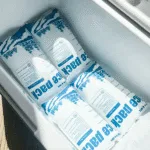
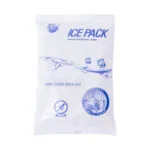
Ice packs make Trader Joes insulated bag performance more predictable. You do not need a complicated system. You need consistent shapes, consistent placement, and one “rule of use.”
A common mistake is placing a rock-hard pack directly against delicate items. That can cause freezing spots and condensation.
Trader Joes insulated bag ice pack placement guide
| Your goal | Pack condition | Best placement | What it means for you |
|---|---|---|---|
| Keep dairy chilled | “Conditioned” (not extreme) | Side or bottom | Less freezing risk |
| Keep ice cream firm | Fully frozen | Top + bottom | Better melt resistance |
| Mixed groceries | Mixed strategy | Bottom + one side | Balanced performance |
Practical tips you can use today
Two thin packs beat one thick pack for more even cooling.
Keep packs off leafy greens to avoid freeze damage.
Label packs “CHILL” vs “FROZEN” to prevent mistakes.
Real example: A household improved consistency by storing two labeled packs near the freezer door for fast grabs.
Interactive tool: Which Trader Joes insulated bag should you buy?
Answer these four questions (30 seconds):
How often do you buy frozen foods? Rare / Sometimes / Weekly
How long is your trip home? Under 20 min / 20–60 / Over 60
Do you buy meat or seafood? Never / Sometimes / Often
Do you carry lunch daily? No / Sometimes / Yes
Your result:
If you answered Weekly frozen or Over 60 minutes → choose a large Trader Joes insulated bag first.
If you answered Lunch daily and Under 20 minutes → choose a mini tote first.
If you answered Often meat/seafood → consider two bags: one for raw items, one for ready-to-eat items.
Interactive self-test: Do you need extra cold sources today?
Use this Cold Carry Score before hot-weather trips:
Helpful decision tools
Check the details before you choose packaging
These quick tools can help you compare route risk, sizing needs, coolant choices, and packaging details before you request a quote.
Insulation Material Reference
Compare insulation material choices for different cold chain packaging needs.
Compare materialsIce Pack Calculator
Estimate gel ice pack quantity for chilled shipments and practical route planning.
Estimate ice packsCoolant & PCM Reference
Compare coolant and PCM options when a route needs added temperature support.
Compare optionsAdd points for each category:
Total time from checkout to fridge: Under 30 min (1) / 30–90 (3) / Over 90 (5)
Outside temperature or hot-car risk: Cool (1) / Warm (3) / Very hot (5)
Basket sensitivity: Mostly shelf-stable (1) / Dairy + chilled (3) / Frozen + raw protein (5)
Stops after shopping: None (1) / One (3) / Multiple (5)
Score → What to do
4–8: Trader Joes insulated bag alone is usually fine.
9–14: Add two cold sources and pack tight.
15–20: Keep the bag in the A/C cabin, avoid stops, and unload immediately.
How do you clean a Trader Joes insulated bag without mildew?
A Trader Joes insulated bag should usually be wiped and air-dried, not machine washed. The real enemy is trapped moisture in seams and corners.
Make it a short routine: empty → wipe → wash → dry fully.
Trader Joes insulated bag cleaning and drying steps
| Situation | What to do | What to avoid | What it means for you |
|---|---|---|---|
| Small spill | Wipe + mild soap | Closing while damp | Fewer odors |
| Raw meat leak | Full wash + sanitize step | “Quick wipe only” | Safer reuse |
| Strong odor | Repeat wash + longer dry | Masking with scents | Cleaner experience |
Practical tips you can use today
Dry it like a tent: keep it open until fully dry.
Clean seams twice after milk or seafood.
Store unzipped to prevent trapped moisture.
Real example: A shopper eliminated recurring odors by air-drying the Trader Joes insulated bag overnight instead of folding it right away.
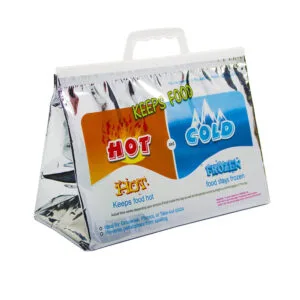
Can you use a Trader Joes insulated bag for hot foods?
Yes, but only for short trips—and keep hot and cold separate. Hot food can create condensation, which leads to odor and lining wear.
If you carry hot items, use a sealed container and clean the bag afterward.
Hot-food quick rules
| Scenario | Works well? | Best practice | What it means for you |
|---|---|---|---|
| Frozen items | Yes | Tight pack + zip | Better texture |
| Chilled items | Yes | Separate raw items | Safer routine |
| Hot meals | Sometimes | Seal + short carry | Less odor buildup |
Practical tips you can use today
Use a dedicated mini tote for one hot container.
Do not “hold for hours” just because it feels warm.
Wipe and dry after hot foods to prevent lingering smells.
Real example: A commuter kept soup hotter by using a preheated, sealed container inside a mini insulated tote.
When is a Trader Joes insulated bag not enough?
A Trader Joes insulated bag is for short transport, not validated shipping. If you are mailing perishables, traveling for many hours, or need documented temperature control, you need a tested cooler system with enough cold sources and (often) temperature tracking.
Use a Trader Joes insulated bag for:
Normal grocery runs
Lunch transport with a cold source
Short picnics with strong time control
Don’t rely on it alone for:
Shipping perishable foods by mail
Long beach days without enough ice/cold sources
Anything requiring documented compliance
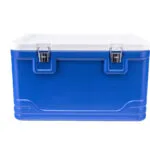
Real example: A traveler switched from a tote to a hard cooler for a multi-hour drive and saw far fewer “warm arrival” problems.
2025 trends: why the Trader Joes insulated bag matters more now
In 2025, shopping patterns are changing. More people do multi-stop errands, buy more premium frozen items, and care more about “arrival quality.” That makes the Trader Joes insulated bag less like an accessory and more like a simple quality-control habit.
Latest progress snapshot
Function-based packing: one bag for frozen, one for dairy/protein
Small cold-source kits: a ready-to-go pair of packs in the freezer
Cleaner routines: dry storage and faster wipe-down habits
Last-mile awareness: faster unload and less porch time
Market insight: the best upgrade is rarely a new bag. It is a better routine you can repeat every trip.
Frequently asked questions
Q1: How long does a Trader Joes insulated bag stay cold?
It depends on starting temperature, cold sources, and time. Pack cold items fast, keep it zipped, and reduce stops.
Q2: How to pack a Trader Joes insulated bag for frozen food?
Pack frozen items tightly together, reduce air gaps, and use a bottom-and-top cold source layout on hot days.
Q3: Can a Trader Joes insulated bag keep food under 40°F / 4°C?
It helps, but it is not a refrigerator. Use cold sources and shorten time from checkout to fridge.
Q4: Should raw meat go in a Trader Joes insulated bag with produce?
It’s safer to separate. Keep raw items sealed and positioned below ready-to-eat foods.
Q5: What is the best ice pack placement in a Trader Joes insulated bag?
A flat pack on the bottom plus a smaller pack on the side or top works well for most trips.
Q6: How do I clean a Trader Joes insulated bag after seafood?
Use mild soap, wipe seams, then air-dry fully open. Storing it damp is the fastest odor trigger.
Summary and recommendations
A Trader Joes insulated bag works best when you treat it like a temperature stabilizer, not a portable fridge. Choose the smallest size that stays packed tight. Pack frozen last, zip immediately, and isolate raw proteins in a leak barrier. Add cold sources for long or hot trips. Clean and dry fully to avoid mildew and odors.
CTA (your next trip plan):
Bring one Trader Joes insulated bag for frozen items and one for dairy/protein.
Add one flat cold source to the frozen bag.
Aim to get groceries into refrigeration within one hour.
Repeat for three trips, then adjust packs or stop-count—not the bag.
About Tempk
At Tempk, we build practical temperature-control packaging systems and workflows for real-world last-mile conditions. We focus on repeatable pack-out habits, smart cold-source planning, and validation when you move beyond everyday totes. If a Trader Joes insulated bag is enough for your route, we’ll say so. If you need verified cold chain performance, we’ll help you design it.
Next step: Ask for a “Last-Mile Cold Carry Pack-Out Plan,” and we’ll turn your trip time, climate, and basket mix into a one-page checklist.