Refrigerated Ice Cream Top Solutions That Work in 2025?
If you’re looking for refrigerated ice cream top solutions, you want one outcome: ice cream that arrives smooth, firm, and consistent. Not “kind of frozen,” and definitely not “soft then refrozen.” In 2025, the winning approach is not one magic box. It is a repeatable system that controls time, temperature, and handling across every handoff.
You’ll learn how to choose insulation, place refrigerants, standardize packout, and prevent dock warming. You’ll also get a self-test and a lane decision tool you can use today.
This article will answer for you
Which refrigerated ice cream top solutions reliably reduce melt and refunds
How to set ice cream cold chain temperature targets by stage, not habit
What packout layouts prevent hot spots and texture damage
How monitoring turns refrigerated ice cream top solutions into repeatable SOPs
A quick self-assessment to find your biggest weak link
2025 trends: lane tiering, fewer decisions, smarter reuse
What are refrigerated ice cream top solutions in 2025?
The best refrigerated ice cream top solutions fall into five connected categories. Most failures happen when one category is missing or inconsistent. Your packaging should be forgiving. You should not need perfect weather or perfect drivers.
The five solution categories (the full system)
Insulation: EPP, EPS, PU, VIP-style panels, multi-layer liners
Refrigerants: gel packs, phase change materials (PCMs), dry ice (when suitable)
Monitoring: indicators, data loggers, scan checkpoints, exception rules
Process: packout SOPs, staging limits, door discipline, routing rules
Customer experience: delivery windows, alerts, retrieval instructions, claims flow
| Solution category | What it solves | Typical failure | Practical meaning for you |
|---|---|---|---|
| Insulation | Slows heat gain | Wrong thickness | Hold time collapses early |
| Refrigerant | Stores “cold budget” | Too little mass | Partial melt and refreeze |
| Monitoring | Creates visibility | No accountability | Same mistakes repeat |
| Process | Creates consistency | “Tribal knowledge” | High variance by shift |
| Customer experience | Controls last mile | Missed delivery | Doorstep warming risk |
Practical tips you can apply this week
DTC: treat “delivery attempt failure” as a top risk, not a rare event.
B2B: prioritize repeatability and audit-friendly temperature records.
Premium pints: protect texture first, then optimize cost.
Practical case example: One DTC brand reduced reships after standardizing packout photos and enforcing staging time limits.
Which insulation is best for refrigerated ice cream top solutions?
The best insulation in refrigerated ice cream top solutions depends on your lane duration, heat exposure, and how disciplined your team is. “Most premium” is not always best. The right choice is the one that matches your route reality.
Common insulation options (and how they behave)
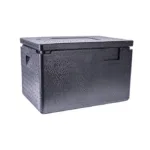
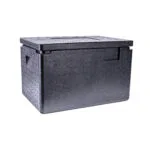
EPP boxes: durable, reusable, strong for route programs and returns
EPS foam: low cost, decent for short lanes, fragile under rough handling
PU foam shippers: stronger insulation, higher cost, bulkier to store
VIP-style systems: very high insulation in thin walls, needs careful packout
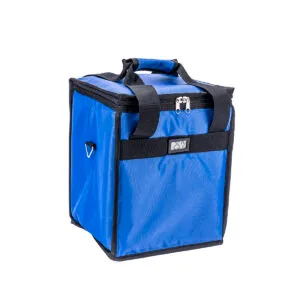
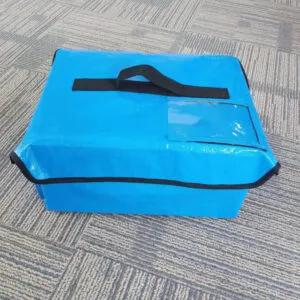
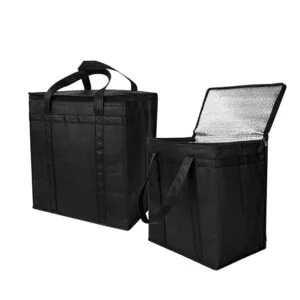
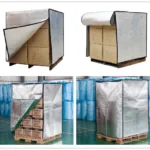
Insulated liners: flexible, easy storage, performance depends on sealing
A quick comparison you can use for decision-making
| Insulation option | Best for | Not ideal for | What it means for you |
|---|---|---|---|
| EPP | Reuse programs, repeat lanes | Ultra-long holds without design | Low damage + repeatability |
| EPS | Low-cost short lanes | Rough handling | Higher breakage risk |
| PU | Mid/long lanes | Tight storage | Strong performance, more bulk |
| VIP-style | Long lanes, hot weather | Low SOP discipline | Best hold time, needs care |
| Liners | Flexible ops | Extreme heat and long holds | Good for light lanes |
Practical tips and recommendations
1–2 day lanes: strong liners or EPS can work if packout is tight.
2–3 day lanes: prioritize PU, VIP-style, or reusable EPP with reinforced packout.
Hot climate: insulation choice often matters more than “adding extra packs.”
Practical case example: A regional shipper improved summer success by upgrading insulation thickness and reducing internal air gaps.
What refrigerants are top solutions for refrigerated ice cream shipments?
Refrigerants are central to refrigerated ice cream top solutions because they supply the cold energy your insulation protects. Your goal is to maintain product below your texture-risk zone through the lane plus delays.
The three refrigerant approaches most teams use
Gel packs (frozen): common, scalable, easier training
PCMs: tighter control when conditioned correctly, stricter SOP needed
Dry ice: high cooling power, more handling controls and ventilation needs
Gel packs vs PCMs: what changes for you?
Gel packs are forgiving, but can create local cold shock if they touch product. PCMs can be more stable, but only if your team conditions them consistently.
| Refrigerant type | Strength | Risk | Practical meaning for you |
|---|---|---|---|
| Gel packs | Simple + scalable | Hot spots or freeze points | Needs buffer layers |
| PCMs | Stable band control | Conditioning mistakes | Needs training + labels |
| Dry ice | Very strong cooling | Handling complexity | Best for long/hot lanes |
Practical tips and recommendations
Use buffer sheets between packs and product to reduce “cold shock.”
Secure novelties tightly so they don’t drift into warm corners.
Choose refrigerants your team can pack correctly at real volume.
Practical case example: A fulfillment team reduced soft corners by switching from “packs on top only” to balanced side-and-top placement.
How do you design a packout that belongs in refrigerated ice cream top solutions?
Packout design is one of the highest-impact refrigerated ice cream top solutions. A great box with a bad packout still fails. Hot spots usually come from wall contact, voids, and weak closure.
The “balanced cold” rule
You want cold sources around the product, not only above it. Heat enters from every direction, especially through seams and lids. A reliable baseline packout uses:
Side coverage to reduce wall hot spots
Top coverage to protect against ambient peaks
Centered payload to avoid wall contact warming
Minimal free air to reduce internal heat circulation
Packout layout table you can standardize
| Packout layout | When it works | When it fails | Practical meaning for you |
|---|---|---|---|
| Top-only packs | Very short lanes | Any delay | Soft corners and complaints |
| Side + top packs | Most lanes | Poor closure | Best general approach |
| Full surround + spacer | Long/hot lanes | Wrong conditioning | Most stable performance |
Practical tips and recommendations
Center the payload every time, and avoid wall contact.
Use a spacer so product does not lean into the lid seam.
Seal the liner cleanly. Wrinkles can act like open windows.
Practical case example: A DTC program reduced “one pint melted” complaints after eliminating empty voids and enforcing centered placement.
What monitoring belongs in refrigerated ice cream top solutions?
Monitoring turns refrigerated ice cream top solutions from opinions into facts. If you can’t see what happened, you can’t improve it. Monitoring also reduces claim disputes because you can verify patterns.
Monitoring options (from simplest to strongest)
Visual indicators: fast checks and customer confidence tools
Data loggers: objective time-temperature records for root cause analysis
Scan checkpoints: time and location accountability across lanes
Exception rules: clear actions when delays happen
The “same place every time” rule for loggers
If your logger moves around, your data becomes noise. Pick one defined position:
near the product center
not touching refrigerants
consistent across packers and shifts
| Monitoring tool | What you learn | What you miss | Practical meaning for you |
|---|---|---|---|
| Indicator | Obvious mishandling | Fine patterns | Quick confidence |
| Logger | Drift and spikes | Little if placed well | Real improvement |
| Scan checkpoints | Delay causes | Internal box temp | Lane accountability |
Practical tips and recommendations
Start with 5–10% shipment sampling, then expand.
Use loggers on high-value orders and hot lanes first.
If customers say “soft but not melted,” monitoring exposes recurring causes.
Practical case example: One team discovered a warm spike during late-day pickup and fixed it by changing staging rules.
How do you optimize fulfillment and last-mile for refrigerated ice cream top solutions?
Many failures happen after packing. Fulfillment and last-mile execution are core refrigerated ice cream top solutions because dock warming and missed deliveries destroy even perfect packouts.
The four operational rules that protect ice cream
Staging time limit: packed shippers should not sit at ambient.
Helpful decision tools
Check the details before you choose packaging
These quick tools can help you compare route risk, sizing needs, coolant choices, and packaging details before you request a quote.
01Dry ice planningDry Ice Calculator
Estimate dry ice needs for frozen or ultra-cold shipments before packing.
Estimate dry ice02Handling riskInsulation Material Drop Resistance
Review drop resistance and handling factors before choosing insulation materials.
Check resistance03Material guideInsulation Material Reference
Compare insulation material choices for different cold chain packaging needs.
Compare materialsPickup discipline: coordinate pickup windows and avoid late-day exposure.
Delivery windows: avoid late doorstep drops in hot weather.
Exception handling: define what happens when a lane is delayed.
Door discipline (simple but powerful)
If you use cold rooms, door habits matter:
batch picking instead of one-off trips
pre-stage loads before opening the door
close between moves
| Process step | Good practice | Bad practice | Practical meaning for you |
|---|---|---|---|
| Packing | Cold-zone staging | Ambient staging | Faster warming |
| Pickup | Set window | “Whenever” | Unpredictable excursions |
| Delivery | Customer alerts | Silent drop | Doorstep melt risk |
Practical tips and recommendations
DTC: send alerts and request immediate retrieval.
B2B: schedule receiving with strict handoff SOPs.
Weekend risk: shift ship days to avoid idle transit.
Practical case example: A brand reduced weekend losses by shifting ship days and tightening pickup windows.
Interactive decision tool: choose refrigerated ice cream top solutions by lane
Score each item from 1 to 3. Add your total. Then match the lane tier.
Step 1: score your lane risk
Time out of freezer
1: ≤4 hours
2: 4–12 hours
3: 12–24+ hours
Ambient exposure
1: Mostly indoor transfers
2: Mixed docks and curbside
3: Hot weather or parked-van time
Delivery style
1: One drop, no opens
2: Multiple opens
3: Frequent access
Step 2: choose your lane tier
3–4 points (Light): lighter shipper + fast handoff + simple monitoring sample
5–7 points (Medium): stronger insulation + balanced packout + staging control
8–9 points (Heavy): validated packout + monitoring required + strict exceptions
Interactive self-assessment: Are you running refrigerated ice cream top solutions or just hoping?
Score each statement 0 to 2. Total max is 20.
We use a documented packout diagram.
Packs never touch product directly (buffer is standard).
We minimize internal air gaps every shipment.
Packed shippers have a staging time limit.
We control pickup windows.
We track warm-weather lanes separately.
We monitor shipments (at least sampling).
We have an exception rule for delays.
We train packers with photos of the “gold standard.”
We review claims monthly and change one variable.
Your result
0–7: biggest win is packout + staging standardization.
8–14: biggest win is monitoring + lane segmentation.
15–20: biggest win is continuous optimization and reuse programs.
2025 latest developments and trends in refrigerated ice cream top solutions
In 2025, the strongest shift is toward repeatable systems that reduce human variation. Winning operators aim for “fewer decisions per shipment.” They also design for the worst 20% of events, like delays and missed delivery attempts.
Latest progress snapshot
More reuse programs: reusable insulated boxes with trackable cycles
Better packout standardization: photo-based SOPs and line-side diagrams
Smarter exception handling: rules tied to lane delays and weather risk
Customer experience integration: proactive delivery alerts reduce doorstep warming
Right-sized packaging: less empty space, fewer hot corners, less refrigerant waste
Market insight you can use
Customers judge frozen delivery in one moment: opening the box. If your design survives delays and heat exposure, your brand becomes reliable. That reliability reduces refunds, reships, and negative reviews.
Internal link suggestions (3–5)
(Use these as internal page titles on your site. No external links.)
Cold Chain Packaging Guide for Frozen Desserts
Gel Pack vs PCM: Which Refrigerant Should You Use?
Packout SOP Template for DTC Ice Cream Shipping
How to Reduce Temperature Excursions in Last-Mile Delivery
Reusable Insulated Shipper Program: Setup and Cleaning SOP
Common questions (FAQ)
Q1: What is the most reliable refrigerated ice cream top solution for hot weather?
Use stronger insulation, balanced side-and-top packout, minimal air gaps, and strict staging limits. Heat exposure beats “more packs.”
Q2: Why does one pint melt while others stay firm?
Hot spots usually come from wall contact, empty voids, or top-only layouts. Center the payload and surround it evenly.
Q3: Do I need temperature loggers for every shipment?
Not always. Start with high-risk lanes and sampling. Use the data to fix patterns before expanding monitoring.
Q4: Are reusable shippers worth it for refrigerated ice cream top solutions?
They can be, if you track cycles, clean consistently, and control returns. Reuse often reduces damage and improves repeatability.
Q5: How can I reduce reships without changing carriers?
Standardize packout and staging limits, create delay exception rules, and improve delivery alerts. Process fixes often outperform carrier changes.
Summary and recommendations
The best refrigerated ice cream top solutions in 2025 are a system, not a product. Match insulation to lane risk. Place refrigerants in a balanced layout. Standardize packout with photos. Enforce staging limits and pickup windows. Add monitoring so improvements are based on facts, not arguments.
A simple action plan (start this week)
Build a “gold standard” packout and photograph it.
Add buffer layers and eliminate internal voids.
Set a staging time limit and enforce pickup discipline.
Monitor a sample set of shipments on hot lanes.
Review claims monthly and change one variable at a time.
CTA: If you want fewer soft deliveries within 30 days, start with packout and staging rules. Then upgrade insulation only where lane data proves it.
About Tempk
At Tempk, we help frozen product brands build practical cold chain systems teams can execute consistently. We focus on repeatable packouts, durable insulated shippers, and lane-based design that reduces melt risk without wasting refrigerant. Our goal is simple: help you ship ice cream that arrives the way you intended—smooth, firm, and ready to delight.
Next step: Share your lane duration, ship days, carton sizes, and summer temperature conditions. We can help you map a refrigerated ice cream top solutions strategy that fits your real routes.