Keeping seafood fresh from ocean to plate isn’t just a matter of throwing ice on a catch; it’s a science that balances temperature, oxygen and timing. With the global seafood market projected to reach US$270.43 billion in 2025 and consumer expectations for quality and transparency rising, cold chain mastery has become a competitive advantage. This tutorial reveals the best practices for maintaining chilled fish at 0–5 °C, protecting frozen shipments at –18 °C or colder and harnessing digital tools like IoT sensors and blockchain to trace every batch. You’ll learn practical steps, get access to decision tools and discover 2025’s most important trends—all written in clear, conversational language.
This article will answer:
How do cold chain standards protect seafood quality? – explains temperature limits (0–5 °C for fresh, ≤–18 °C for frozen) and the regulations behind them.
What packaging and equipment work best for different seafood products? – compares insulated bags, 10K OTR vacuum shrink bags, vacuum skin packs and recyclable boxes, highlighting their benefits.
Which protocols and technologies keep seafood safe? – shows how oxygen control, HACCP, IoT sensors and blockchain maintain quality and compliance.
What market trends will shape the seafood cold chain in 2025 and beyond? – explores growth forecasts, AI route optimisation, sustainable packaging and more.
How can you assess your readiness and choose reliable partners? – includes a decision matrix, selfassessment tool and actionable tips for businesses and consumers.
What are the key cold chain standards for seafood products?
Maintaining correct temperature ranges is nonnegotiable. Fresh fish deteriorates quickly because enzymes and bacteria break down tissue; international standards require you to keep fresh fish between 0 °C and 5 °C while frozen fish must be stored at –18 °C or colder. The U.S. FDA Food Code classifies seafood as a highrisk food that must be held at 41 °F (≈5 °C) or below to slow microbial growth. The Agreement on the International Carriage of Perishable Foodstuffs (ATP) goes further, setting a maximum transport temperature of 2 °C for fish. Exceeding these thresholds accelerates spoilage and can allow Clostridium botulinum to produce toxins.
Why temperature control matters
Microorganisms thrive when seafood is kept warm or without oxygen. Slight deviations above 5 °C allow pathogens like C. botulinum to proliferate. Rapid chilling to 0 °C immediately after harvest preserves texture. Frozen fish remain safe only when maintained below –18 °C; the ATP allows brief rises to –15 °C during transport but recommends returning to –18 °C for retail display. Domestic freezers vary: threestar units reach below –18 °C, twostar stay below –12 °C and onestar only reach –6 °C. Keeping product cold is essential, but freezing isn’t a biocide—other physical and biochemical reactions still occur.
Key temperature ranges and what they mean
| Temperature range | Product examples & stage | Benefit | What it means for you |
| 0 °C–5 °C | Fresh fish, chilled fillets | Maintains texture, slows bacterial growth | Use refrigerated rooms or ice; monitor continuously |
| ≤ –18 °C | Frozen fish, blocks | Stops microbial activity and extends shelf life | Invest in validated freezers; never allow product to thaw during transport |
| 2 °C (ATP max) | Transport of fish | International maximum during transport | Use calibrated thermometers; avoid temperature abuse |
| 41 °F (≈5 °C) | Highrisk foods (seafood) | Keeps foods out of the danger zone | Check storage units regularly to stay within 0–5 °C |
Practical tips for meeting standards
Chill immediately: Perennia’s guidelines (referenced by Tempk) suggest chilling seafood to 0 °C upon capture and keeping it there throughout the supply chain.
Monitor continuously: Data loggers and IoT sensors record temperature in real time. Alerts notify you when readings drift outside safe ranges.
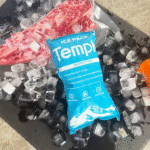
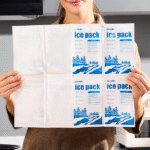
Use the right refrigerant: Melting ice keeps fresh fish near 0 °C; gel packs are reusable and avoid excess water; dry ice supports ultracold shipments but requires safety precautions.
Calibrate devices: Check thermometers and sensors at least every four hours.
Document compliance: HACCP, Good Manufacturing Practices (GMP) and Sanitation SOPs complement temperature controls, while the U.S. FSMA 204 rule demands recordkeeping of key data elements within 24 hours.
Case in point: A seafood processor implemented QR codes and digital temperature logs for each catch. When a shipment’s temperature deviated during transport, the system traced the issue to a specific batch and contacted distributors within minutes. This targeted recall saved them from pulling an entire shipment.
How to choose and use seafood packaging and equipment effectively?
Packaging isn’t just a container; it’s part of the cold chain. Improper materials or low oxygen exchange can cause botulism or spoilage. In 2025, a range of solutions exists—from basic insulated bags to hybrid systems combining passive and active cooling. Selecting the right option depends on product form, route length, regulatory requirements and sustainability goals.
Comparing key packaging options
| Packaging type | Features | Suitability | Practical benefit |
| Insulated fish bags | Portable bags with thick insulation, zippers and drain plugs; sizes from 35 to 205 quarts | Small catches, local deliveries | Maintain fish near 0 °C, preserve weight and limit odor |
| 10K OTR vacuum shrink bags | Oxygenpermeable film with skintight fit; meets FDA guidance (≥10 000 cc/m²/24 hr at 24 °C) | Fresh fillets and portions | Enables rapid chilling, maintains color without CO, prevents leaks and facilitates branding |
| Vacuum skin packs & MAP trays | Highbarrier films with EVOH/PA layers; tight fit or modified gas mixtures | Premium fillets, sushi-grade products | Extends shelf life, enhances presentation, supports vertical display |
| Reclosable pouches (VFFS) | Resealable pouches produced via vertical form fill seal machines | Shredded crab, marinated shrimp, smoked salmon | Portion control, flexible sizes, reduced waste |
| Recyclable fiber boxes | Paperbased boxes with moistureresistant coating (e.g., Greencoat®) | Frozen or chilled shipments | 100 % recyclable; accounts for 37 % of seafood packaging market |
| Hybrid systems & active cooling | Combine insulation with active elements like Peltier modules or batterypowered compressors | Highvalue or longdistance shipments | Precise temperature control; added sensors trigger fans when needed |
How to match packaging to product and route
Define product & route requirements: Whole fish need reinforced bags or trays, whereas fillets fit standard 10K OTR bags. Map your routes—short trips may use insulated bags; exports require vacuum shrink bags and skin packs.
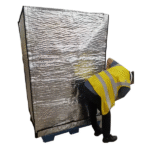
Assess insulation & duration: Choose materials with high Rvalue; polyurethane outperforms EPS. Gel packs maintain 0 °C, while dry ice supports ultracold shipments. Match refrigerant mass and insulation thickness to transit time.
Check oxygen transmission & compliance: Refrigerated raw fish packages must have an OTR ≥10 000 cc/m²/24 hr. If using lowpermeability packaging, keep product below 3.3 °C and attach timetemperature indicators.
Prioritize sustainability: Reusable packaging and recyclable boxes cut waste. Paperbased materials already hold 37 % of the seafood packaging market, and biobased foams further reduce carbon footprint.
Evaluate automation & convenience: Resealable pouches and thermoforming trays support automated lines and consumer convenience, improving efficiency and branding.
Practical packaging tips and consumer advice
Source responsibly: Buy seafood from trusted suppliers and ensure proper labeling. Fresh fish should have clear eyes, firm flesh and a mild scent.
Keep it cold: Consumers should refrigerate seafood at or below 40 °F and freeze it if not consumed within one to two days. Frozen fish remain safe indefinitely at 0 °F but are best when consumed within 3–8 months.
Prevent crosscontamination: Keep raw and cooked seafood separate and sanitize surfaces and utensils.
Choose packaging with clear OTR ratings: Check that packages for chilled fish meet the 10K OTR standard; if not, keep them below 3.3 °C or freeze immediately.
Real-world example: A midsized processor in Oregon introduced 10K OTR vacuum bags and realtime monitoring after a minor botulism scare. Within six months they reported zero temperature excursions and fresher fish with brighter colour.
Which protocols and technologies ensure seafood safety and traceability?
Cold chain protocols encompass procedures that maintain temperature and oxygen levels from harvest to plate. Effective protocols limit the growth of pathogens like Clostridium botulinum, which thrives when oxygen levels are low and temperatures rise above 3.3 °C. They also ensure compliance with regulations such as HACCP, the U.S. FSMA and EU hygiene rules.
Temperature and oxygen control protocols
The interplay between temperature and oxygen is critical. Raw and finished seafood should be stored between 2 °C and 8 °C for chilled products or below –20 °C for frozen goods. Packaging with an OTR of at least 10 000 cc/m²/24 hr prevents reducedoxygen conditions that promote botulism. If lowerpermeability packaging is used, the product must be kept below 3.3 °C or frozen, and time–temperature indicators should be attached.
Monitoring equipment and digital tools
IoT sensors and data loggers: Realtime monitoring across warehouses, trucks and lastmile vehicles enables operators to track temperature, humidity and location. Alerts allow corrective actions before spoilage occurs.
Integrated platforms (WMS, TMS, ERP): Linking warehouse, transportation and enterprise systems provides endtoend visibility and simplifies regulatory audits.
Time–temperature indicators (TTIs): These small devices record the temperature history of a product and display changes via color. TTIs provide simple, lowcost assurance that fish has stayed within safe limits.
RFID and wireless sensor networks (WSN): RFID tags record temperature fluctuations but have limited sensing ability; combining RFID with WSN extends range and provides continuous data. These technologies improve realtime shelflife reporting and reduce waste.
Smart logistic units (SLUs): Advanced containers equipped with GPS and 3G connections track vehicles and predict shelf life based on temperature and volatile organic compounds.
IoTbased route planning systems: These systems monitor realtime temperatures and estimate efficient routes and packaging models. Studies show that IoT route planning reduces food waste, increases customer satisfaction and improves delivery performance.
Traceability and blockchain
Traceability is central to food safety. According to Folio3, the seafood traceability software market, valued at USD 705 million in 2024, is projected to surge to USD 1.84 billion by 2033. Traceability protects public health, prevents mislabeling and combats illegal, unreported and unregulated fishing. Best practices include:
Accurate catch documentation: Record date, time, fishing method, species and location at harvest.
Unique identifiers: Use batch numbers, QR codes or RFID tags for each catch. Update parent–child relationships when splitting or merging batches.
Standardized data formats: Adopt GS1 standards and GSSI benchmarks to ensure interoperability across the supply chain.
Helpful decision tools
Check the details before you choose packaging
These quick tools can help you compare route risk, sizing needs, coolant choices, and packaging details before you request a quote.
Insulation Material Reference
Compare insulation material choices for different cold chain packaging needs.
Compare materialsBox Liner & Pallet Cover Sizing
Check box liner and pallet cover sizing logic for insulated packaging projects.
Estimate sizingCoolant & PCM Reference
Compare coolant and PCM options when a route needs added temperature support.
Compare optionsRealtime tracking: Integrate GPS, cold chain sensors and blockchain to track movement and temperature.
Education and collaboration: Train boat crews, processors and distributors on how traceability protects quality and comply with regulations.
Regulatory frameworks and compliance
The Hazard Analysis and Critical Control Point (HACCP) system requires processors to identify hazards, establish critical control points and monitor procedures. Good Manufacturing Practices (GMP) and Sanitation Standard Operating Procedures (SSOP) supplement HACCP with detailed hygiene rules. In the United States, the FSMA Sanitary Transportation Rule mandates that carriers use equipment capable of maintaining safe temperatures and keep records of cleaning and training. The Food Traceability Rule (FSMA 204), finalised in 2022, requires businesses to maintain key data elements at critical tracking events and provide records within 24 hours. The compliance date may extend to July 20 2028, but preparation is essential.
In the European Union, Regulation 852/2004 states that maintaining the cold chain is essential for foods that cannot be stored safely at ambient temperature. EU fisheries control regulations require vessel tracking, electronic catch reporting and phased digital traceability for domestic and imported seafood. Exporters must provide documents like bills of sale, certificates of origin and health certificates to avoid delays.
Interactive selfassessment: Rate yourself on a scale of 1–5 (1 = strongly disagree, 5 = strongly agree). Do you know the required temperature ranges (0–5 °C for fresh, ≤–18 °C for frozen)? Are you HACCP certified and preparing for FSMA 204? Can you allocate budget for IoT sensors? Is sustainability a priority? Scores above 20 indicate readiness to engage with leading suppliers; scores below 15 suggest more preparation is needed.
How do you select reliable cold chain partners and solutions?
With global seafood consumption rising, choosing the right logistics providers and packaging suppliers can make the difference between premium sashimi and costly spoilage. Reliable suppliers combine temperature control expertise, regulatory compliance and geographic reach.
Factors to evaluate
Coverage & reach: Global operations reduce transit time and maintain consistent quality.
Temperature control & preservation: Assess storage systems, reefer containers and monitoring technology. Suppliers should demonstrate the ability to keep fish near 0 °C or below 5 °C across road, sea and air.
Technology integration: Look for providers that use IoT sensors, data loggers and GPS to monitor temperature and location in real time.
Compliance & certifications: Verify HACCP certification, FSMA readiness, ISO 22000 and membership in the Global Cold Chain Alliance.
Sustainability practices: Evaluate commitment to reusable containers, renewable energy and route optimisation to cut emissions.
Customer service & flexibility: Transparent pricing, responsive support and customizable service levels foster longterm partnerships.
Decision matrix for comparing suppliers
The following matrix helps you evaluate suppliers based on weighted criteria. Score each vendor from 1 to 5 on coverage, technology, compliance, sustainability, cost and customer service, then multiply by the weights and sum the total. The highest score identifies the best fit.
| Factor | Weight | Supplier A | Supplier B | Supplier C | Interpretation |
| Coverage & reach | 20 % | 4 | 5 | 3 | Higher scores mean broader networks and shorter transit times |
| Temperature control | 25 % | 5 | 4 | 3 | Ability to maintain 0–2 °C for chilled fish |
| Technology integration | 20 % | 3 | 4 | 5 | Use of realtime sensors and IoT alerts |
| Compliance & certifications | 20 % | 4 | 3 | 3 | HACCP, FSMA 204 readiness and 10K OTR packaging compliance |
| Sustainability | 10 % | 3 | 4 | 5 | Reusable packaging, fuel efficiency and renewable energy |
| Customer service & cost | 5 % | 4 | 3 | 3 | Transparent pricing and responsiveness |
Practical advice for businesses
Match partners to product value: Highvalue shipments justify investing in providers with advanced sensors and hybrid cooling systems.
Leverage predictive route planning: AIdriven software adjusts routes based on traffic, weather and delivery windows, reducing fuel consumption and temperature deviations.
Integrate supply chain data: Combine warehouse, transportation and enterprise systems to gain endtoend visibility and enable quick recalls.
Negotiate sustainability goals: Choose providers committed to recyclable packaging and energyefficient refrigeration.
Scenario: An exporter used melting ice in insulated containers to maintain fish at 0 °C while deploying IoT sensors for realtime tracking. When temperature rose, the team adjusted routing and avoided spoilage.
2025 market trends and future outlook
Growth of the seafood and cold chain markets
The food cold chain market is valued at US$70.55 billion in 2025 and is projected to reach US$121.77 billion by 2030, a CAGR of 11.53 %. Meat and seafood account for 26.46 % of cold chain sales in 2024. The chilled segment (0–4 °C) holds 60.15 % of revenue, while frozen shipments are forecast to grow at 15.49 % CAGR. Road transport remains dominant, but air cargo is set for rapid growth at 14.97 % CAGR. Paperbased packaging holds 37 % of the seafood packaging market.
International trade continues to expand. In Brazil, farmed fish exports reached US$18.5 million in the first quarter of 2025, a 112 % increase over 2024. Tilapia represents 95 % of the total exported, with the United States purchasing 90 %. Diversifying export markets and improving logistics efficiency are key to mitigating tariff risks and supply chain disruptions.
Emerging technologies and innovations
AI-driven route optimisation and predictive analytics: Artificial intelligence adjusts routes in real time based on traffic and delivery windows, improving efficiency and reducing fuel consumption.
Blockchain for endtoend traceability: Blockchain creates immutable records of product journeys, enhancing transparency and simplifying audits. When combined with IoT sensors, blockchain documents temperature, location and handling conditions at each stage.
Sustainable and lightweight packaging: Ecofriendly materials such as biodegradable or recyclable insulation, and solarpowered refrigeration units, reduce waste and energy use.
Realtime monitoring and integrated visibility: Advanced IoT devices provide continuous data, while integrated platforms allow immediate corrective actions.
Automation and robotics: Automated storage and retrieval systems (AS/RS) and robotic handling improve efficiency and maintain consistent temperatures; about 80 % of warehouses are still unautomated, leaving room for growth.
Consumerfocused ecommerce growth: Demand for ondemand deliveries of perishable goods is driving the need for reliable lastmile cold chain solutions and microfulfilment centres.
IoT and AI in processing: IoTbased route planning systems reduce food waste and improve delivery performance; AIdriven machinery enhances cutting and filleting efficiency, reducing fish waste.
Market insights
Sustainability and regulation will remain intertwined: stricter environmental and food safety rules push companies to invest in energyefficient refrigeration, renewable energy, recyclable packaging and digital recordkeeping. The Asia–Pacific region, especially India, is poised for strong growth due to urbanization and healthcare investment. Meanwhile, influencerdriven food trends and social media are boosting demand for diverse seafood products.
Frequently asked questions
Why must fresh fish be kept between 0 °C and 5 °C? Keeping fish within 0–5 °C slows enzymatic and microbial activity. Temperatures above this range accelerate bacterial growth and spoilage.
What is the difference between 10K OTR bags and regular vacuum packaging? 10K OTR bags allow oxygen transmission of at least 10 000 cc/m²/24 hr, preventing anaerobic conditions that could support C. botulinum. Regular vacuum bags restrict oxygen and require storage below 3.3 °C or freezing.
Do I need HACCP if I only transport seafood? Yes. HACCP principles apply to all stages of the seafood supply chain, including storage and transport, to identify hazards and implement controls.
How long can I store frozen fish at home? Frozen seafood remains safe indefinitely when stored at 0 °F, but for best flavour and texture you should consume cooked fish within three months and raw fish within three to eight months.
How does blockchain improve seafood traceability? Blockchain creates tamperproof records of each step, from harvest to delivery. When combined with IoT sensors, it documents temperature and location, enabling quick recalls and building consumer confidence.
Summary and recommendations
Maintaining a reliable seafood cold chain requires precise temperature control, suitable packaging, robust monitoring, traceability protocols and wellchosen partners. Fresh fish must be kept between 0 °C and 5 °C, while frozen products belong at –18 °C or colder. Choose packaging that balances oxygen permeability and insulation—insulated bags for local catches, 10K OTR vacuum bags or skin packs for commercial shipments and recyclable boxes for ecoconscious customers. Equip your operation with IoT sensors, data loggers and TTIs to monitor conditions and integrate traceability records with GS1 standards and blockchain. Apply HACCP, FSMA and EU regulations diligently, and prepare for FSMA 204 recordkeeping. Use AIdriven route optimisation and sustainable packaging to stay competitive in 2025 and beyond.
Actionable next steps
Define critical control points: Identify where temperature or oxygen deviations could occur and install sensors at each point.
Invest in the right equipment: Purchase insulated packaging, gel packs or dry ice, and IoT sensors for continuous monitoring. Calibrate devices regularly.
Implement integrated platforms: Link your WMS, TMS and ERP for endtoend visibility and easy compliance audits.
Train your team: Provide scenariobased training and digital SOPs to reduce human error.
Plan for sustainability: Choose recyclable packaging, optimise routes and consider solarpowered refrigeration.
Pilot innovations: Test AI route optimisation, blockchain traceability and hybrid cooling systems to reduce waste and improve efficiency.
About Tempk
At Tempk, we specialise in sustainable cold chain solutions for seafood and other temperaturesensitive goods. Our insulated containers and phasechange gel packs keep fish at 0–5 °C for over 48 hours, while dryice alternatives maintain –18 °C for frozen products. We design reusable packaging made from recyclable materials, helping you cut costs and reduce environmental impact. Our portfolio includes IoTenabled monitoring devices and compliance services. Our experts help you implement HACCP, FSMA and EU requirements and provide training so your team can handle seafood safely. Whether you need custom solutions for mixedtemperature shipments or longdistance exports, our R&D centre continuously develops innovative refrigerants to improve performance and safety.