Packaging artisanal bean to bar chocolate is much more than slipping a bar into a wrapper. These smallbatch, ethically sourced chocolates often lack the stabilisers and emulsifiers used in massmarket candy, making them extremely sensitive to heat, humidity and handling. To keep your chocolate tasting as good as it left the factory, you need a cold chain strategy that balances precision with sustainability. In this guide updated for 2025, we look at how to maintain temperature between 1220 °C (54–68 °F) with relative humidity below 50 %, explore packaging technologies and sustainability trends, and offer actionable advice for chocolate makers and logistics teams.
This guide answers your questions
Why are beantobar chocolates so sensitive? Learn how organic standards and minimal processing increase susceptibility to fat bloom, sugar bloom and microbial growth.
What temperature and humidity ranges prevent bloom and cracks? Discover the optimal 1220 °C band and the tighter 1518 °C, 4555 % RH window for dark chocolate.
How do I choose insulated packaging and cooling materials? Compare insulated boxes, phase change materials (PCMs), active containers and hybrid systems.
Which monitoring tools and inspection protocols work best? Learn how to use data loggers, sample inspections and corrective action plans to catch temperature excursions.
What trends are shaping chocolate logistics in 2025? Explore market growth, digitalisation, sustainability and consumer preferences.
Why is beantobar chocolate uniquely sensitive?
Understanding organic standards and minimal processing
Beantobar chocolate is often certified organic and produced with minimal additives. Regulations in the EU, United States and Canada require at least 95 % organic content, prohibit artificial preservatives and GMOs, and demand full traceability and separation of organic and nonorganic runs. Because organic cocoa beans are grown without pesticides and synthetic fertilisers, there are no residual chemicals to delay spoilage.
Without emulsifiers like PGPR or hydrogenated fats, cocoa butter crystallises and migrates more easily, causing fat bloom (a smooth white haze) when chocolate warms. Rapid cooling followed by warming causes moisture to condense and dissolves surface sugars, leading to sugar bloom (a gritty, dusty appearance). Milk and white chocolates, with higher milk solids and lower cocoa content, are even less tolerant of temperature swings.
These factors mean beantobar supply chains often favour small batches and longer transit routes. Without preservatives to extend shelf life, any temperature excursion or humidity spike can degrade texture and flavour, making robust cold chain packaging essential.
Certification types and key requirements
Beantobar producers may adhere to multiple certification programmes. The table below summarises major programmes and their practical significance:
| Certification | Organic content | Key requirements | Practical significance |
| EU Organic | ≥95 % | Certified organic ingredients; no artificial preservatives or GMOs; full supplychain documentation | Recognised across the EU; signals premium quality & compliance |
| USDA Organic | ≥95 % | All agricultural ingredients certified; separation of organic and nonorganic runs; clear labels with certifier name | High consumer awareness in the U.S.; ~80 % of households buy organic products |
| Canada Organic | ≥95 % | Requirements similar to USDA; crossmarket equivalencies with EU and U.S. | Facilitates North American market expansion |
| Regenerative Organic (ROC) | Must first hold USDA Organic & meet regenerative criteria | Adds soil health, animal welfare and social fairness criteria | Appeals to valuesdriven consumers seeking sustainability beyond “organic” |
Optimal conditions for cold chain chocolate quality control
Temperature & humidity fundamentals
Chocolate behaves like a delicate emulsion of fat and sugar. Cocoa butter softens above 20 °C and migrates to the surface, while chilling too low followed by warming causes moisture to dissolve sugars and recrystallise, creating a dull appearance. Shipments should stay within a narrow 1220 °C (54–68 °F) temperature band and relative humidity below 50 % to prevent these defects. Dark chocolate can tolerate the lower end of this range because of its high cocoa content; milk and white chocolates require a midrange temperature band for smooth texture.
A 2025 guide from Tempk recommends an even tighter band of 1518 °C with 4555 % relative humidity for dark chocolate during shipping. Maintaining these conditions minimises condensation risk and keeps texture stable. Realtime monitoring and data loggers help ensure that temperature excursions stay within acceptable limits.
Recommended conditions by chocolate type
Different chocolate types have distinct sensitivities. The table below summarises bestpractice ranges from logistics guidance:
| Chocolate type | Temperature range | Humidity limit | Practical notes |
| Dark chocolate | 1220 °C | ≤50 % | High cocoa content allows tolerance at lower temperatures but avoid rapid swings |
| Milk chocolate | 1220 °C | ≤50 % | Sensitive to temperature excursions; maintain midrange band for smooth texture |
| White chocolate | 1220 °C | ≤50 % | Least tolerant due to low cocoa solids; continuous monitoring essential |
| Filled/cream chocolates | 1220 °C | ≤50 % | Susceptible to cracking or filling dissolution when conditions fluctuate |
Maintaining humidity below 50 % prevents sugar bloom and mould growth. Realworld warehouses regulate temperature between 12–20 °C and keep humidity below 50 % to store chocolate long term. Low humidity becomes a concern only below 10 % because moisture can evaporate excessively, but continuous monitoring is still necessary.
Common defects and how to prevent them
Customer complaints often stem from visible defects:
Fat bloom: Smooth white haze caused by warm spikes and prolonged dwell times. Reduce heat spikes and long warm durations; keep cartons away from warm loading docks and ensure the chocolate acclimates slowly to room temperature.
Sugar bloom: Dusty appearance due to condensation and humidity swings. Stabilise humidity at 4555 % RH and avoid coldtowarm transitions. Use sealed acclimation: keep cartons sealed until they reach ambient temperature to prevent condensation.
Softening/deformation: Sustained warmth softens bars. Evaluate packaging insulation and minimise dwell time on docks.
Cracks/breakage: Dropping or vibration can crack chocolate; use cushioning materials and reduce void space inside packages.
Odor pickup: Chocolate absorbs odours easily. Maintain adequate airflow and avoid coshipping with pungent goods.
A useful tip is to precool chocolate before packaging and prechill packaging materials so they don’t warm the cargo. Starting shipments at a cool internal temperature reduces the energy required to maintain conditions and minimises condensation risk.
Designing ideal packaging for beantobar chocolate
Choosing the right cooling solution
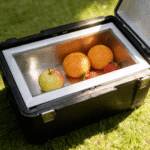
Packaging is your portable climate control system. For beantobar chocolate, packaging must buffer heat, block moisture, reduce odour pickup and prevent physical damage while aligning with sustainable brand values. Four main cooling options dominate cold chain chocolate logistics:
| Cooling option | Key characteristics | Approximate duration | Benefits & risks |
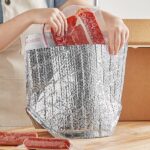
| Insulated boxes | Multilayer materials such as polystyrene, paper and cotton that slow heat transfer | 24–72 h | Lightweight, inexpensive and customizable for short shipments; limited duration and susceptible to extreme conditions. |
| Phase change materials (PCMs) | Gel packs or advanced PCMs that absorb and release heat during phase change | 24–96 h | Maintain stable temperatures across a wider range; reusable; ideal for premium or longdistance lanes; require preconditioning to the target temperature. |
| Active containers | Powered refrigeration units offering precise temperature control | ≥72 h | Suitable for highvalue or longhaul shipments; higher cost, heavier and require power. |
| Hybrid systems | Combine insulation, PCMs and minimal active cooling | 48–96 h | Balance cost and performance; adaptable to different climates. |
For most organic or beantobar chocolate shipments, PCM systems conditioned around 1520 °C provide the best protection. Dry ice is too cold and can create condensation and sugar bloom later; avoid placing ice or cold packs directly against products. Instead, condition gel packs or PCMs to the target temperature and separate them from chocolate with a barrier layer.
Packaging design checklist
To prevent bloom, breakage and odour pickup, use these design principles:
Barrier first: Line the box with moistureresistant materials (e.g., plastic liners or waxed paper) to block humidity.
No direct contact: Place a corrugated or foam layer between the coolant and the chocolate to avoid cold spots.
Tight fit: Minimise air gaps; excess void space allows air circulation and accelerates heat transfer. Use dividers or molded trays to keep bars stable.
Cushioning: Protect corners and edges with foam or padded inserts to absorb vibration and prevent cracks.
Labelling: Clearly mark packages “Keep Cool” and “Keep Sealed Until Warm” to guide handlers. Use desiccants or moisture barriers inside the shipper and choose recyclable liners or paperbased insulation for sustainability.
Prepackaging & shipment planning
Proper cold chain care begins before the truck arrives. Precool chocolates in refrigerated storage at 1820 °C and maintain humidity below 50 %. Prechill packaging materials so they don’t warm the cargo. Plan deliveries during cooler hours, avoid shipping near weekends or holidays, and coordinate with carriers for express options. Avoid shipping to P.O. boxes or addresses where the recipient may not retrieve the package promptly; the faster chocolate returns to controlled storage, the better.
Monitoring and auditing your chocolate cold chain
Tracking temperature & humidity
Data is the difference between guesswork and confidence. Cold chain monitoring should focus on three key metrics: maximum temperature (worst spike), time above limit and humidity/condensation risk. Collect this data with realtime sensors, data loggers and IoT platforms. Highrisk lanes (hot climates, long distances or multiple handoffs) benefit from richer monitoring and stronger standard operating procedures (SOPs).
An easy way to determine whether you need loggers on every lane is to assign points for each “yes” to these questions:
Do you need proof for claims or chargebacks?
Do you ship through hot or humid zones seasonally?
Do you have handoffs you don’t fully control?
Helpful decision tools
Check the details before you choose packaging
These quick tools can help you compare route risk, sizing needs, coolant choices, and packaging details before you request a quote.
Packaging Selector
Compare insulated packaging options by product, route, and temperature need.
Find packagingCompliance Checklist Generator
Build a practical checklist for packaging review, shipping, and documentation.
Build checklistIce Pack Calculator
Estimate gel ice pack quantity for chilled shipments and practical route planning.
Estimate ice packsDo you sell premium bars where defects hurt brand trust?
Do you want fast feedback to optimise packaging?
Scores of 0–1 mean spot checks may suffice; 2–3 suggest routine data loggers; 4–5 indicate you need richer monitoring and stronger SOPs. When configuring loggers, set sampling intervals frequent enough to capture spikes, align thresholds with your specification, and start recording when the real trip begins (not while stored in a warehouse). Place sensors at product level, not just on the outer box wall, for accurate readings.
Receiving inspection & corrective actions
The receiving department is the last line of defence against quality issues. Implement a 15minute inspection checklist covering carton condition, seal integrity, temperature history and sensory checks. A suggested workflow includes:
| Step | Time | Pass criteria | Notes |
| Outer carton check | 2 min | No crushing or wet marks | Hold and photograph for evidence if damaged. |
| Seal & barrier check | 3 min | Inner barrier intact | Hold and inspect deeper if compromised. |
| Logger review | 5 min | Within spec or allowed excursion | Escalate if outside spec. |
| Quick sensory check | 5 min | Gloss & snap acceptable | Quarantine if suspicious. |
If you discover deviations, apply a Corrective Action and Preventive Action (CAPA) approach: quarantine the lot, review temperature & humidity history, decide whether to release, hold or discard, identify the root cause (staging, transit or packing), and adjust SOPs or carrier rules to prevent recurrence. Document with photos and timestamps to reduce disputes and keep an audit trail.
2025 trends & technology shaping cold chain beantobar logistics
Market growth & consumer trends
The cold chain and chocolate logistics sector is evolving rapidly. The global cold chain logistics market, valued at US $341 billion in 2024, is projected to reach US $1.19 trillion by 2034. Temperaturecontrolled packaging is expected to grow to US $48.9 billion in 2025 and expand at 9.4 % annually. Meanwhile, the global cocoa and chocolate market is estimated at US $169.12 billion in 2025 and forecast to reach US $233.05 billion by 2030, indicating strong demand for premium and ethically sourced chocolates despite high cocoa prices.
Consumers are trading up to premium products, driving demand for singleorigin, beantobar and highcacao formats. Healthfocused trends push sugarfree, organic and functional chocolate bars containing protein and adaptogens. At the same time, sustainable packaging is now a business imperative: 54 % of American consumers deliberately choose products with sustainable packaging, 90 % say they’re more likely to buy from brands prioritising ecofriendly materials and 37 % have refused to purchase a product due to unsustainable packaging. These pressures are reshaping how chocolate is packaged; manufacturers are shifting to lightweight, recyclable films and bag designs that minimise plastic while maintaining product protection.
Digitalisation: IoT, AI and blockchain
Cold chain management is moving from reactive claims to predictable lane performance. IoT sensors continuously monitor temperature, humidity and location inside shipments, while predictive analytics use sensor data to forecast equipment failure and route disruptions, reducing unplanned downtime by up to 50 %. AIdriven route optimisation minimises distance, saves fuel and shortens delivery times; a European example shows that combining IoT and predictive analytics reduced temperature deviations from 15 % to 3 % and cut fuel consumption by 12 %. Blockchain adds a tamperproof record of each handoff, ensuring authenticity and simplifying recalls. Digital packaging with QR codes can allow consumers to verify storage conditions and ethical sourcing in real time.
Sustainability & green logistics
Environmental stewardship is both a moral imperative and a competitive advantage. Logistics accounts for over 20 % of emissions, and consumers increasingly prefer ecofriendly brands. Key measures include:
Electric and hybrid vehicles: Replacing diesel trucks can cut fuel consumption and greenhousegas emissions by up to 70 %.
Renewable fuels: Biodiesel and renewable diesel reduce emissions by up to 80 %, offering a transitional solution.
Energyefficient warehouses: LED lighting, solar panels and AIdriven HVAC systems can reduce energy use by 20–30 %.
Biodegradable or reusable packaging: Paperbased liners, mushroomroot insulation and reusable boxes cut plastic waste and support circular supply chains. A distribution centre that switched to reusable containers reduced singleuse packaging by 80 %.
Lastmile innovations & microfulfilment
The last mile is often the riskiest part of the cold chain, with traffic delays and unpredictable weather. To keep beantobar chocolate within spec, logistics teams should:
Schedule deliveries during cooler periods and avoid midday heat.
Minimise handling time by limiting time outside insulated packaging during transfers.
Invest in microfulfilment centres close to customers to shorten travel distances and speed up delivery.
Use AI route optimisation to choose the fastest routes and reduce fuel consumption.
Coordinate with customers: notify recipients of delivery times so they can retrieve packages promptly.
Provide realtime tracking so drivers and customers can respond quickly if conditions change.
2025 trend highlights
Recent reports highlight several notable shifts:
Reusable and hybrid packaging: Moving from singleuse passive systems toward hybrid solutions integrating reusable components and active cooling.
Digital compliance & transparency: Enhanced traceability through IoT, blockchain and interactive packaging allows consumers to verify storage conditions and ethical sourcing.
Biodegradable materials boom: The biodegradable packaging market is booming, with materials like paper, hemp and mushroom roots matching thermal performance while reducing waste.
Regenerative agriculture & fair trade: Consumers are demanding products that support farmers and ecosystems. Regenerative Organic Certification sets higher standards for soil health and social fairness.
Frequently asked questions
Q1: What temperature range should I maintain for cold chain beantobar chocolate?
Aim for 12–20 °C, with 15–18 °C and 45–55 % relative humidity for dark chocolate. Keeping within this band prevents fat and sugar bloom and preserves texture.
Q2: How can I prevent fat bloom during transport?
Reduce heat spikes and long warm times by limiting dock staging, keeping packaging sealed until warm and avoiding rapid temperature swings.
Q3: What humidity level is ideal for beantobar chocolate shipping?
Maintain humidity below 50 % for longterm storage; for transport, keep relative humidity between 45–55 % and avoid coldtowarm transitions. Sealed acclimation helps stabilise humidity.
Q4: Should I use dry ice for chocolate shipments?
Generally no. Dry ice is too cold for chocolate and creates cold spots that lead to condensation and sugar bloom. Use conditioned gel packs or PCMs instead.
Q5: What is the fastest inspection checklist for chocolate shipments?
Follow a 15minute inspection workflow: check the outer carton (2 min), seal and barrier integrity (3 min), review data logger records (5 min) and perform a quick sensory check (5 min). Hold and photograph damaged cartons, inspect deeper if seals are compromised and quarantine if the chocolate shows gloss or snap issues.
Summary and practical recommendations
Beantobar chocolate reflects craftsmanship and ethical sourcing, so preserving its quality is both a scientific and an ethical responsibility. Maintaining a tight temperature band of 12–20 °C and humidity below 50 % is nonnegotiable. Use insulated packaging with PCMs conditioned to 15–20 °C, ensure a barrier between coolant and product and prechill everything before shipment. Minimise handling time, monitor conditions with data loggers and implement a CAPA workflow for deviations. In 2025, embrace digital technologies (IoT, AI, blockchain) to predict and prevent excursions, and prioritise sustainability through recyclable materials and energyefficient logistics.
Actionable next steps
Assess your current cold chain: Map lanes, identify highrisk zones (hot climates, long transit times, multiple handoffs) and determine whether you need continuous monitoring or spot checks.
Upgrade packaging: Experiment with PCM systems and hybrid solutions; line boxes with moisture barriers and cushioning; ensure a tight fit.
Implement monitoring protocols: Deploy data loggers at product level, set sampling intervals to capture spikes and establish temperature & humidity thresholds. Train staff to follow a 15minute receiving inspection.
Optimise logistics: Schedule shipments during cooler periods, invest in microfulfilment, use AI route optimisation and coordinate with customers for timely pickup.
Plan for sustainability: Transition to reusable or biodegradable packaging, explore electric or hybrid delivery vehicles and adopt renewable energy in warehouses. Engage with certification programmes like Regenerative Organic to enhance brand trust.
About Tempk
Tempk specialises in temperaturecontrolled packaging solutions for food, pharmaceuticals and other sensitive products. Our products include insulated boxes, phase change materials (PCMs) and active cooling systems designed to keep shipments within strict temperature ranges. We invest in research to improve thermal performance while reducing environmental impact, offering biodegradable liners and reusable containers. With a presence across North America and Europe, we support companies shipping beantobar chocolate and other premium foods.
Ready to protect your chocolate? Contact our specialists to discuss customised cold chain packaging solutions or request a temperaturecontrolled packaging demo.