Updated on January 4 2026
Introduction
Vegetables cold chain retail logistics refers to the systems that keep vegetables at the right temperature from farms to your shopping basket. In the United States roughly 70 % of food moves through temperaturecontrolled supply chains, yet only 5 % of fruits and vegetables in China receive similar protection. Inadequate cold chains contribute to 12 % of global food production losses and waste over 526 million tonnes of food each year. Keeping produce cold matters because every temperature breach can waste 25 % of the food being transported. This guide explains how vegetables cold chain retail logistics work, why they are crucial in 2025, which technologies and sustainable practices make them more efficient, and what you can do to reduce waste and deliver fresher vegetables to your customers. We’ll explore temperature requirements, digital tools, lastmile challenges and emerging trends—all in clear language without jargon.
Why investing in vegetables cold chain retail logistics matters: discover how proper temperature control cuts waste and complies with stricter regulations.
Which technologies can transform your operations: learn about AI route optimisation, IoT monitoring, blockchain and sustainable packaging.
How to manage lastmile delivery and retail logistics: see strategies to tackle crossborder disruptions and ensure freshness at store level.
What sustainability practices reduce costs and emissions: understand how renewable energy, efficient refrigeration and reusable packaging help the environment and your bottom line.
What 2025 trends and statistics mean for you: explore market growth forecasts, automation, consumer preferences and regulatory changes.
Frequently asked questions: get quick answers to common queries about cold chain logistics for vegetables.
Why Efficient Vegetables Cold Chain Retail Logistics Matter
Direct answer
Efficient vegetables cold chain retail logistics minimize waste, preserve nutrients and comply with regulations while improving profits. Research shows that inadequate refrigeration contributes to losing around 526 million tonnes of food each year. Smallholder farmers in parts of Africa lose more than 50 % of their vegetable harvests because they lack cooling. Food loss and waste account for 8–10 % of global greenhousegas emissions, and refrigeration processes alone consume 17 % of the world’s electricity. In the U.S., the Food Safety Modernization Act (FSMA) Rule 204 requires 24hour traceability for highrisk foods, including many vegetables. Maintaining temperatures between 0 °C and 5 °C (32 °F–41 °F) prevents pathogen growth and preserves texture. Realtime monitoring and proper documentation are essential for meeting legal requirements and avoiding costly recalls.
Expanded explanation
Keeping vegetables fresh is like moving a delicate ice sculpture across a summer market: without constant cooling, it melts away. Vegetables continue to respire after harvest, producing heat and ethylene that accelerate decay. A welldesigned cold chain slows respiration, inhibits microbial growth and maintains crispness. The FSMA’s traceability rule means that retailers must know exactly where each box of lettuce came from and how it was handled. Failure to keep temperatures in the recommended range—typically 0–4 °C for leafy greens and 10–13 °C for root or tropical vegetables—can lead to ice crystals, texture damage or chilling injuries. At retail level, proper cold chain management extends shelf life, reduces shrink (inventory loss), and protects your brand from recalls or negative publicity. Investing in training, equipment and monitoring pays off through lower wastage and higher customer satisfaction.
Temperature requirements for common vegetables
Different vegetables need different temperature and humidity ranges to stay fresh. Table 1 summarizes key guidelines.
| Vegetable type | Recommended temperature & humidity | Impact if ignored | What this means for you |
| Frozen vegetables | −18 °C to −23 °C; low humidity | Temperature fluctuations form ice crystals and damage cell structure, leading to mushy texture | Maintain ultralow and stable temperatures; use insulated containers and data loggers to prevent bacterial growth and preserve flavour |
| Fresh leafy greens | 0–4 °C with high humidity | Wilting, dehydration and nutrient loss | Maintain humidity using breathable films or misting; ensure rapid cooling after harvest to keep leaves crisp |
| Root vegetables (potatoes, onions) | 10–13 °C | Chilling injury or sprouting | Avoid storage below 10 °C; still cool enough to slow spoilage but prevent sprouting |
| Tropical vegetables (tomatoes, cucumbers) | 10–13 °C with moderate humidity | Softening and decay | Avoid temperatures below 10 °C to prevent chilling injury; maintain moderate humidity to prevent shrivelling |
Cost drivers and their impact
Many factors push up the cost of vegetables cold chain logistics, especially for organic produce. Table 2 identifies common cost drivers and their impact.
| Cost driver | Description | Impact on cost/quality | Practical takeaway |
| Certification & compliance | Fees for organic certification, traceability audits and strict quality checks | Raises procurement costs by 30–300 %; delays can shorten shelf life | Join farmer cooperatives to share certification costs and negotiate bulk audits |
| Fragmented supply chain | Many small farms and intermediaries; poor aggregation | Increases transport time and spoilage up to 40 % | Partner with producer cooperatives or use directmarketing platforms to shorten the chain |
| Inadequate infrastructure | Limited refrigerated warehouses and vehicles, uneven coverage across regions | Causes up to 13 % of global food loss and 25 % waste due to temperature breaches | Invest in local precooling hubs, portable refrigeration and energyefficient trucks |
| High operational costs | Energyintensive refrigeration, fuel and labour | Cold chains consume around 15 % of global energy | Use solar refrigeration, energyefficient equipment and electric vehicles to cut costs |
| Long routes & lastmile challenges | Rural farms far from markets; congested urban deliveries | Up to 47–75 % of fresh deliveries suffer temperature abuse | Use AI route optimisation, microfulfilment centres near consumers and insulated lastmile packaging |
Practical tips and suggestions
Join or support producer cooperatives: Aggregation centres and farmer cooperatives lower costs by pooling resources and negotiating better rates. Case studies show directmarketing platforms can reduce retail prices by 15–20 % and increase farmers’ earnings by 25–30 %.
Invest in precooling and rapid transport: Precooling vegetables immediately after harvest prevents texture damage and can cut spoilage by up to 50 %. Use portable cooling units at farms and ensure that produce moves quickly into refrigerated trucks.
Use sustainable packaging: Lightweight insulated containers with IoT sensors maintain temperature and reduce energy consumption. Biodegradable materials appeal to ecoconscious consumers and support regulatory compliance.
Adopt realtime monitoring: IoT sensors provide continuous temperature and humidity data. Realtime alerts allow you to intervene before produce spoils. The hardware segment held over 76.4 % of the cold chain tracking and monitoring market in 2022, showing the technology’s broad adoption.
Leverage renewable energy: Solarpowered refrigeration and renewable energy sources can reduce energy costs. A Southeast Asian distributor reported that using solarpowered cold storage and IoT monitoring cut energy costs from 13.10 cents per kWh to 3.2 cents while maintaining ultralow temperatures.
Collaborate with logistics partners: Strong relationships with thirdparty logistics providers enhance flexibility and responsiveness. Tariffs and drayage constraints can cause delays and price increases, so plan for alternative routes and build inventories in key markets.
Realworld case: A farmer cooperative in India invested in shared cold storage and routeoptimisation software. Within a year it reduced fuel consumption by 20 %, spoilage by 15 % and overall logistics costs by 18 %, enabling members to lower retail prices without hurting margins. The cooperative’s success shows that pooling resources and leveraging technology can transform smallscale operations.
Digital Technologies Transforming Vegetable Cold Chain Retail Logistics
Direct answer
Artificial intelligence, IoT sensors, blockchain and advanced packaging technologies are revolutionising vegetables cold chain retail logistics by reducing costs, cutting waste and building consumer trust. Machinelearning algorithms for route optimisation and demand forecasting have been shown to reduce logistics costs by 34.76 % and cut waste by 15.6 %. IoT devices provide realtime data on temperature, humidity and location, enabling rapid interventions and ensuring regulatory compliance. Blockchain adds an immutable record of each handoff, making it easier to verify organic certification and combat fraud. Advanced packaging—such as phasechange materials (PCMs), time–temperature indicators (TTIs) and biodegradable insulation—helps maintain desired temperatures while reducing energy use. The TTI label market, valued at US $859 million in 2024, is projected to reach US $1.49 billion by 2034.
Expanded explanation
Digital technologies act like a smart assistant for your cold chain. AI route optimisation analyses traffic, weather and delivery windows to propose the fastest, most fuelefficient routes. In one study combining kmeans clustering and Gaussian process regression for frozen goods distribution, logistics costs fell by 34.76 % and waste by 15.6 %. IoT sensors integrated into packaging or vehicles monitor temperature and humidity and send alerts when thresholds are exceeded, protecting product integrity. The hardware segment led the cold chain tracking and monitoring market in 2022 with over 76.4 % share, showing that businesses value realtime visibility. Blockchain offers tamperproof records of each transaction and temperature reading, essential for meeting FSMA 204 traceability requirements. Smart packaging, including PCMs and TTIs, extends the safe time outside refrigeration. PCMs absorb heat and release cold energy to maintain temperature without continuous refrigeration, while TTIs visually indicate if a product has been exposed to temperature abuse.
Technology impact overview
| Technology | How it works | Benefits & data | What it means for you |
| Artificial intelligence (AI) | Uses algorithms to optimise routes, forecast demand and schedule maintenance | Reduces logistics costs by 34.76 % and waste by 15.6 %; predicts disruptions and recommends actions | Lower fuel use, fewer delays and better inventory planning; quick responses to emergencies |
| IoT sensors & realtime monitoring | Deploys temperature, humidity and location sensors in containers, trucks and packaging | Enables continuous monitoring; reduces spoilage by preventing temperature deviations; hardware segment held 76.4 % of market share in 2022 | Provides endtoend visibility; ensures regulatory compliance; enhances customer trust |
| Blockchain | Creates an immutable digital ledger of each transfer and condition reading | Ensures traceability required by FSMA 204; protects against fraud; simplifies audits | Offers verifiable records for organic certification and reduces paperwork |
| Smart packaging | Uses PCMs, TTIs and biodegradable insulation to maintain temperature | PCMs stabilise temperature without continuous energy; TTIs market set to grow from US $859 million in 2024 to US $1.49 billion by 2034 | Extends shelf life, reduces energy use and appeals to ecoconscious consumers |
| Renewable energy & energy management | Utilises solar panels, wind energy and energyefficient refrigeration | Solarpowered cold storage cut energy cost from 13.10 cents to 3.2 cents per kWh; Moveto15 °C initiative saves 10–15 % energy | Reduces operating expenses and carbon footprint; helps meet sustainability mandates |
Tips for adopting digital technologies
Start with a pilot: Deploy a small number of IoT sensors and AI routeplanning tools on highvalue routes to test performance before expanding.
Integrate systems: Ensure that your AI, IoT and blockchain platforms communicate. Endtoend visibility requires seamless data flow between suppliers, transporters and retailers.
Invest in staff training: Digital tools are only as good as the people using them. Provide training on how to interpret alerts and take corrective actions.
Evaluate total cost of ownership: Consider longterm savings from reduced waste, energy use and recalls when assessing the cost of digital solutions.
Collaborate with tech partners: Work with experienced providers who offer scalable and secure solutions. Technology evolves quickly, so choose partners with ongoing support and upgrade pathways.
Realworld example: In a study, IoT sensors integrated into packaging monitored temperature and humidity for organic vegetables. Alerts triggered when thresholds were exceeded allowed handlers to adjust ventilation and reice shipments. Combined with AI route optimisation, this approach reduced spoilage by 15.6 % and lowered logistics costs by 34.76 %. The hardware market share of 76.4 % suggests that many companies already see the value in such systems.
Managing LastMile Delivery and Retail Logistics
Direct answer
Lastmile delivery and retail logistics are the final and often most challenging stages of vegetables cold chain logistics. In urban areas, traffic congestion and multiple delivery stops make it hard to maintain the cold chain. Studies show that 47–75 % of fresh deliveries experience temperature abuse. Tariffs and geopolitical events can delay shipments and raise costs; for example, a 25 % tariff on imports from Mexico and Canada increases prices for fresh produce and forces businesses to reassess sourcing strategies. Ports and drayage capacity constraints further complicate timely delivery, putting perishable goods at risk. Achieving endtoend visibility, optimizing routes, and establishing microfulfilment centres near consumers are key to overcoming these challenges.
Expanded explanation
The last mile is like the final act of a delicate ballet—any misstep can spoil the show. Vegetables often travel long distances from rural farms to urban markets. Along the way, they pass through multiple transfer points, such as crossdocking facilities, distribution centres and retail stores. Each handoff increases the risk of temperature deviations. Congested city streets, unpredictable weather and limited loading docks amplify the difficulty. In 2025, geopolitical tensions and tariffs have added new layers of complexity. The Cold Chain Solutions Newsletter reports that tariffs on imports from Mexico and Canada are expected to make fresh vegetables more expensive and may cause supply shortages. Meanwhile, port congestion and a 14 % decrease in drayage providers have slowed down finalmile deliveries. To stay competitive, retailers must invest in local cold storage near consumer markets, leverage route optimisation software and partner with reliable logistics providers.
Lastmile best practices
Set up microfulfilment centres: Small, local cold storage hubs reduce travel time and allow retailers to fulfil online orders quickly. They also act as buffers when crossborder delays occur.
Optimise routes with AI: Use realtime traffic and weather data to choose the fastest and most reliable paths. AI can also balance delivery loads to prevent overopening vehicle doors and causing temperature spikes.
Coordinate loading and unloading: Plan dock schedules to minimize dwell time. Quick transfers between refrigerated warehouses and delivery vehicles reduce exposure to ambient temperatures.
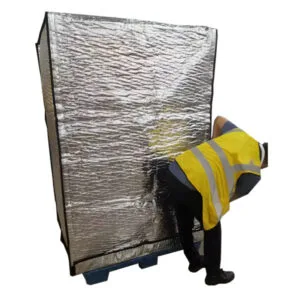
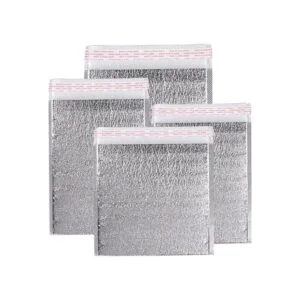
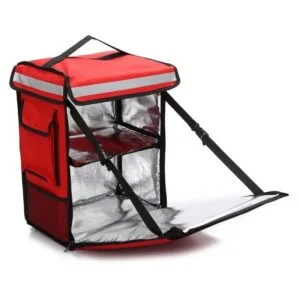
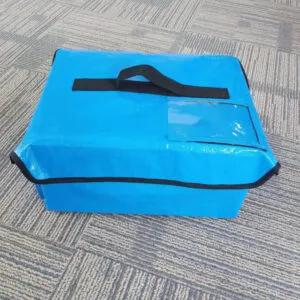
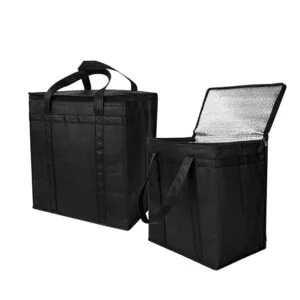
Use insulated lastmile packaging: Durable insulated boxes and gel packs maintain cold temperatures during short journeys. For home deliveries, consider twohour delivery windows and instruct customers on proper handling.
Stay compliant with regulations: Keep digital logs of temperature and handoff events to comply with FSMA 204 traceability rules. Realtime monitoring and blockchain simplify recordkeeping and audits.
Practical example: At Fruit Logistica 2024, exporters described how geopolitical disruptions forced them to reroute shipments. One Banana shifted bananas from Guatemala and Ecuador through alternative ports and used cold storage hubs in key markets to balance inventories. Another company shipping strawberries from Egypt to the UK switched from air freight to modifiedatmosphere sea containers. Despite a 10day voyage, precise temperature control kept berries fresher than with air freight. These stories highlight how flexible logistics and reliable cold chain technology can turn challenges into opportunities.
Sustainability and Energy Efficiency in Vegetables Cold Chain
Direct answer
Sustainability in vegetables cold chain retail logistics reduces environmental impact and operating costs while meeting regulatory and consumer demands. Food loss and waste cause 8–10 % of global greenhousegas emissions, and refrigeration processes consume 17 % of the world’s electricity. Initiatives like the “Move to −15 °C” encourage raising freezer temperatures from −18 °C to −15 °C, delivering 10–15 % energy savings without compromising food safety. Renewable energy sources, such as solar and wind, lower costs and reduce reliance on fossil fuels. Sustainable packaging and reusable containers align with consumer preferences and regulatory mandates.
Helpful decision tools
Check the details before you choose packaging
These quick tools can help you compare route risk, sizing needs, coolant choices, and packaging details before you request a quote.
Packaging Selector
Compare insulated packaging options by product, route, and temperature need.
Find packagingCompliance Checklist Generator
Build a practical checklist for packaging review, shipping, and documentation.
Build checklistInsulation Material Drop Resistance
Review drop resistance and handling factors before choosing insulation materials.
Check resistanceExpanded explanation
Environmental sustainability is now a core value rather than an optional addon. The cold chain accounts for roughly 4 % of global greenhousegas emissions and uses significant electricity. To meet climate goals, governments and industry groups promote energyefficient refrigeration and renewable power. The Moveto15 °C initiative demonstrates that raising freezer temperatures by three degrees can save 10–15 % of energy and reduce emissions. Companies are also moving away from hydrofluorocarbon refrigerants toward natural refrigerants such as ammonia and CO₂. Sustainable packaging—including biodegradable insulation, recyclable materials and reusable containers—reduces waste and can improve brand perception. For example, the TTI label market’s growth to US $1.49 billion by 2034 indicates increasing adoption of smart packaging. Renewable energy projects, like solarpowered cold storage, not only cut costs but also provide resilience during outages.
Sustainability practices and their benefits
Use energyefficient refrigeration systems: Upgrade old equipment and install variablespeed compressors and improved insulation. Modern systems can reduce energy use by 20–30 %.
Adopt renewable energy: Solar panels, wind turbines and thermal energy storage cut electricity costs and lower carbon emissions. Solarpowered cold storage in Southeast Asia reduced energy costs from 13.10 cents to 3.2 cents per kWh.
Switch to natural refrigerants: Ammonia and CO₂ have lower globalwarming potential than traditional hydrofluorocarbons. Regulations are phasing out highGWP refrigerants.
Use sustainable packaging and reusable containers: Ecofriendly materials reduce waste and support brand sustainability claims. Reusable plastic crates and insulated boxes can be circulated within a retailer’s network.
Implement waste reduction strategies: Invest in demand forecasting and inventory management to prevent overordering. Encourage donation of nearexpiry produce to reduce food waste.
Example: A distributor in Southeast Asia installed solar panels and battery storage at its cold storage facility, coupled with IoT monitoring. Energy costs dropped from 13.10 cents to 3.2 cents per kWh, and temperature stability improved. Customers appreciated the company’s reduced carbon footprint, leading to stronger loyalty and new business.
2025 Trends and Market Developments
Trend overview
The vegetables cold chain retail logistics landscape is evolving rapidly. Here are some key trends and statistics for 2025:
Market expansion: The global cold chain logistics market reached US $436.30 billion in 2025 and is projected to grow to US $1.359 trillion by 2034 with a 13.46 % CAGR. The food cold chain market alone is worth US $70.55 billion in 2025 and expected to reach US $121.77 billion by 2030 (CAGR 11.53 %).
Demand for frozen and readytoeat foods: Consumer demand for frozen vegetables and meal kits is driving expansion. Persistence Market Research values the food cold chain market at US $65.8 billion in 2025, projected to reach US $205.3 billion by 2032 (CAGR 17.5 %). The frozen vegetable market alone is worth US $57 billion and expected to reach US $102.3 billion by 2035.
International trade and crossborder logistics: Crossborder food transportation has grown 5.6 % annually since 2018. China’s Ministry of Commerce aims for cold chain circulation rates of 25 % for fruits and vegetables and 45 % for meat by 2027. Tariffs and geopolitical tensions, however, can increase costs and delays.
Automation and robotics: Labour shortages and the push for efficiency are driving automation in cold storage facilities. About 80 % of warehouses remain nonautomated, leaving room for growth. Automated storage and retrieval systems improve throughput and reduce errors.
Sustainability mandates: Environmental regulations push companies toward energyefficient refrigeration, renewable energy and recyclable packaging. The global food cold chain infrastructure is responsible for about 2 % of global CO₂ emissions.
Endtoend visibility: Demand for realtime tracking of temperature and location continues to rise. The hardware segment led the cold chain monitoring market with 76.4 % share in 2022. FSMA 204 mandates digital records and 24hour traceability by January 2026.
Plantbased and specialty foods: New products such as plantbased proteins, glutenfree and organic foods require specialized cold chain logistics. The plantbased food market could reach US $162 billion by 2030, increasing demand for temperaturecontrolled transport for niche items.
Modernizing infrastructure: Aging cold storage facilities—some 40–50 years old—are being upgraded with automation and sustainable refrigerants. Operators are investing in better insulation, energy management and onsite renewable energy to reduce costs.
Latest progress and their significance
AI and predictive analytics: AI optimises routes, forecasts demand and anticipates equipment maintenance, improving service reliability and lowering costs. Businesses that adopt AI gain a competitive edge through faster deliveries and reduced waste.
Realtime tracking: Advanced IoT devices provide continuous data on location, temperature and humidity. Realtime insights allow operators to prevent spoilage and meet regulatory requirements, enhancing customer trust.
Renewable energy adoption: Solar and wind power integrate into cold storage, cutting operational costs and meeting sustainability goals. This trend also builds resilience against power outages.
Smart packaging growth: The rise of PCMs and TTIs indicates a shift toward packaging that maintains temperature without constant refrigeration. Such packaging can reduce energy use during transport and display.
Crossborder integration: Governments push for improved cold chain circulation rates—China targets 25 % for fruits and vegetables by 2027—while trade tensions and tariffs encourage regional production and diversified sourcing.
Consumer demand for traceability: Customers want to know where their food comes from and how it was handled. Blockchain and FSMA 204 compliance provide transparent, verifiable records.
Market insights
The expansion of organised retail, ecommerce and mealkit subscriptions is reshaping vegetables cold chain retail logistics. North America held the largest share of the food cold chain market in 2024 (40.46 %), but AsiaPacific is forecast to grow fastest at 16.56 % CAGR to 2030. Retailers are investing in automated cold storage facilities near urban centres to meet onlineorder demand. Meanwhile, the global cold chain logistics market is predicted to increase from US $496.80 billion in 2026 to US $1.359 trillion by 2034, reflecting the longterm growth trajectory of temperaturecontrolled logistics.
Frequently Asked Questions
Q1: What is vegetables cold chain retail logistics?
It is the system of handling, storing and transporting vegetables under temperaturecontrolled conditions from farms to retail shelves. The goal is to preserve freshness, nutrients and safety while meeting regulatory requirements and reducing waste.
Q2: How does cold chain logistics reduce food waste?
Proper temperature control slows respiration and microbial growth, preventing spoilage. Fully refrigerated supply chains can reduce waste by 41 % and significantly cut the 25 % waste associated with cold chain failures.
Q3: What technologies are essential for vegetables cold chain?
Artificial intelligence for route optimisation, IoT sensors for realtime monitoring, blockchain for traceability and smart packaging with phasechange materials and timetemperature indicators are key technologies.
Q4: How can retailers comply with FSMA 204?
Retailers must maintain digital records of critical tracking events, including harvest, packing, shipping and receipt. Investing in IoT sensors and blockchain solutions simplifies recordkeeping and ensures 24hour traceability.
Q5: What steps can small farmers take to join the cold chain?
Small farmers should join cooperatives to share certification costs and invest in local precooling facilities. Portable coolers and shared transportation reduce costs and help farmers access highervalue markets.
Q6: Are sustainable practices expensive to implement?
Initial investments in energyefficient refrigeration, renewable power and reusable packaging may be higher, but longterm savings from reduced energy costs, less waste and improved brand reputation often outweigh the costs.
Suggestion
Key takeaways
In 2025, vegetables cold chain retail logistics are more important than ever. Up to 12 % of global food production is lost due to inadequate cold chains, and 70 % of US food depends on temperaturecontrolled logistics. Regulatory requirements such as FSMA 204 demand 24hour traceability, while consumers expect transparency and quality. Technologies like AI, IoT sensors, blockchain and smart packaging reduce logistics costs by 34.76 % and cut waste by 15.6 %. Sustainable practices—energyefficient refrigeration, renewable energy and ecofriendly packaging—cut operating costs and emissions. Market growth is robust, with the global cold chain logistics market projected to reach US $1.359 trillion by 2034. Retailers must invest in modern infrastructure, microfulfilment centres and lastmile solutions to meet rising demand and overcome geopolitical challenges.
Action plan
Evaluate your current cold chain: Audit existing equipment, processes and partner networks. Identify temperature breaches, inefficiencies and compliance gaps.
Invest in digital technologies: Adopt AI route optimisation, IoT sensors and blockchain-based traceability. Start small, test on critical routes and scale up.
Improve infrastructure: Upgrade refrigeration systems, adopt natural refrigerants and install renewable energy sources. Build microfulfilment hubs close to consumer markets.
Collaborate across the supply chain: Join farmer cooperatives, partner with reliable logistics providers and share data with suppliers and retailers to improve visibility.
Embed sustainability: Use ecofriendly packaging, implement wastereduction programs and communicate your environmental efforts to consumers.
Stay informed on regulations and trends: Monitor FSMA updates, tariffs and technological innovations to adapt quickly. Participation in industry forums and continuous training ensures agility.
About Tempk
Tempk is a pioneering provider of cold chain packaging solutions for food, pharmaceutical and biotech industries. We specialize in insulated boxes, gel ice packs, thermal bags and solarpowered refrigeration that keep temperaturesensitive products safe during transport. Our research and development centre continuously innovates to deliver lighter, reusable and recyclable materials, helping you lower costs and emissions. With decades of expertise and comprehensive quality certifications, we collaborate with farmers, retailers and logistics providers worldwide to build resilient cold chains. We believe that by combining technology with practical knowhow, we can help you deliver fresher vegetables and reduce waste.
Ready to optimize your vegetables cold chain retail logistics? Contact us to discuss tailored packaging solutions, digital monitoring and sustainable practices that fit your business. Together, we’ll build a fresher, greener future.