Cold Chain Beef Logistics: How to Keep Meat Safe & Fresh in 2026?
Updated: January 5 2026
Introduction:
Cold chain beef logistics ensures that steaks, burgers and roasts reach your plate without losing quality or safety. With global cold chain logistics valued at about USD 436.3 billion in 2026 and projected to reach around USD 1.36 trillion by 2034, effective beef logistics are more important than ever. You need to understand the right temperature ranges, humidity levels, packaging methods and digital tools to keep beef safe. This guide explains the essentials of cold chain beef logistics from a usercentred perspective and highlights the latest developments and trends for 2026.
This article will answer:
What temperature and humidity keep beef safe?
Which packaging and handling methods extend shelf life?
How technology like AI, IoT and blockchain improve beef logistics?
What regulatory and consumer trends shape beef supply chains in 2026?
Which market developments, sustainability initiatives and investments matter most?
Why Temperature Control Matters for Beef Logistics?
Direct answer:
Maintaining precise temperatures is the cornerstone of beef logistics. Chilled beef must be kept at 4 °C (40 °F) or below, while frozen beef needs –18 °C (0 °F) or colder. These limits prevent meat from entering the danger zone between 5 °C and 63 °C where bacteria multiply rapidly. Humidity also matters: chilled beef held between –0.75 °C and –1.25 °C with 8085 % relative humidity can last up to two weeks. If you let humidity drop, moisture loss and discoloration ruin quality.
Expanded explanation:
Temperature control starts as soon as animals are slaughtered. During chilling, carcasses are cooled to below 4 °C quickly to stop microbial growth. In storage and transit, continuous monitoring ensures the internal temperature never exceeds the safe limit. The Food Safety Authority of Ireland specifies that poultry must be kept at ≤ 4 °C, offal at ≤ 3 °C and other meats at ≤ 7 °C. After production, minced meat should be chilled to ≤ 2 °C and other preparations to ≤ 4 °C. Frozen beef is held at –18 °C or colder to halt microbial activity and permit months of storage. Humidity must remain high (8085 %) to avoid dehydration; yet not so high that mold forms. Monitoring humidity helps detect equipment failures early.
Recommended Temperature and Humidity Ranges for Beef
| Beef product or process | Temperature range | Relative humidity | Benefit for you |
| Chilled red meat (storage) | –0.75 °C to –1.25 °C | 8085 % | Extends shelf life to 12 weeks and prevents drying |
| Chilled beef at 0–2 °C | 0 °C to 2 °C | 8085 % | Provides 810 days of storage; vacuum packaging can extend to 30 days |
| Minced beef after production | ≤ 2 °C | High humidity | Keeps ground meat safe until processing |
| Frozen beef | ≤ –18 °C | Low humidity | Halts microbial activity for long-term storage |
| General refrigerator (high-risk foods) | 0 °C to 5 °C | Adequate humidity | Keeps meat, milk and pastries safe |
Practical tips and suggestions
Use calibrated thermometers and data loggers: Check devices daily; connect sensors to cloud dashboards for real-time visibility.
Precondition packaging: Chill boxes and gel packs before loading to minimize temperature spikes.
Maintain airflow: Leave gaps between pallets to ensure cold air circulates evenly.
Minimise door openings: Use strip curtains or airlocks and plan workflows to reduce door-open time.
Establish critical control points: Map all stages where temperature might rise (loading bays, staging areas, last-mile delivery) and focus monitoring on those points.
Case example: A mid-sized meat processor discovered that pallets staged near a sunny loading dock warmed by 3 °C during busy hours. Installing a canopy and moving staging indoors kept temperatures within the 4 °C limit.
How Packaging and Humidity Strategies Extend Beef Shelf Life?
Direct answer:
Packaging acts as a barrier against oxygen, moisture and temperature fluctuations. Vacuum sealing and modified atmosphere packaging (MAP) remove or replace air, slowing oxidation and bacterial growth. Vacuum packaging can extend chilled beef storage from 810 days to around 30 days. MAP uses gas mixtures to inhibit aerobic bacteria and extend shelf life. Smart packaging with temperature or time indicators provides real-time feedback so you can act before spoilage occurs.
Expanded explanation:
Beef is prone to oxidation, discoloration and freezer burn. Vacuum sealing removes air and slows down these reactions. Modified atmosphere packaging (often 30 % CO₂ and 70 % N₂) inhibits aerobic bacteria, preserving color and flavor. Skin packaging uses a pre-formed tray and heat-shrink film that conforms tightly around meat for a premium appearance and reduced drip loss. Intelligent packaging integrates sensors that monitor temperature, humidity or time–temperature integration and display warnings if thresholds are exceeded. Reusable insulated containers lined with gel packs maintain stable temperatures during distribution and reduce single-use plastics. High humidity is crucial for chilled meat (8085 %) to prevent surface drying; moderate humidity (60–70 %) prevents frost buildup in freezer rooms.
Innovative packaging options for beef logistics
| Packaging method | How it works | Benefits | Best for |
| Vacuum sealing | Removes air and seals meat in a plastic bag | Slows oxidation and microbial growth; minimizes freezer burn | Chilled and frozen meats |
| Modified Atmosphere Packaging (MAP) | Flushes packaging with a gas mixture (e.g., CO₂/N₂) before sealing | Extends shelf life by inhibiting aerobic bacteria | Retail-ready cuts |
| Skin packaging | Heat-shrink film conforms tightly to meat in a tray | Reduces drip loss and enhances shelf appearance | Premium steaks, marinated cuts |
| Intelligent packaging | Integrates temperature or time–temperature sensors | Alerts distributors and consumers if conditions drift | High-value, long-distance shipments |
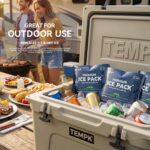
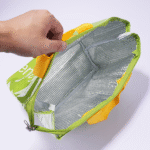
| Reusable insulated containers | Rigid or flexible boxes with insulation and gel packs | Maintain stable temperatures and reduce single-use plastics | Last-mile delivery and small shipments |
Practical tips and suggestions
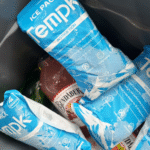
Switch to reusable or compostable packaging: Replace polystyrene with compostable coolers or reusable gel packs. Compostable coolers made from paper pulp and biopolymers eliminate polystyrene waste and meet eco-friendly consumer expectations. Reusable gel packs allow customers to return and reuse them, reducing long-term costs.
Adopt green refrigerants and renewable energy: Incorporate solar-powered refrigeration or natural refrigerants like ammonia or CO₂ to reduce emissions and energy costs.
Educate customers and partners: Provide clear instructions for recycling packaging and returning gel packs; this improves environmental credentials and customer loyalty.
Real-world example: Green Rabbit, a cold chain fulfillment company, replaced polystyrene with recyclable boxes and PET thermal liners and encouraged customers to recycle boxes and return gel packs. This switch reduced waste and improved customer satisfaction.
How Technology Is Transforming Cold Chain Beef Logistics?
Direct answer:
Emerging technologies such as artificial intelligence (AI), Internet of Things (IoT) sensors, predictive analytics, automation and blockchain are revolutionising beef logistics. AI optimizes delivery routes and reduces fuel consumption. IoT sensors continuously monitor temperature and humidity, providing real-time alerts to prevent spoilage. Predictive analytics forecast demand and maintenance needs. Robotics and micro-fulfillment systems reduce labour and shorten delivery times. Blockchain creates tamper-proof records that improve traceability and compliance.
Expanded explanation:
AI-powered software analyses traffic patterns, weather and order priorities to plan efficient delivery routes, ensuring beef arrives on time and at the right temperature. IoT devices embedded in containers and trucks track temperature, humidity and location 24/7. If temperatures drift, alerts prompt drivers to check refrigeration units. Predictive analytics use sensor data to forecast equipment failures and demand surges, allowing proactive maintenance and inventory adjustments. Micro-fulfillment robotics and automated storage and retrieval systems (AS/RS) in chilled or frozen warehouses reduce manual handling and maintain temperature integrity. Blockchain creates a digital ledger of every handoff, enabling rapid recalls and building consumer trust. Solar-powered refrigeration units and smart containers with phase change materials further increase energy efficiency and provide backup cooling.
Technology innovations and benefits
| Technology | Description | Practical benefits |
| AI-driven route optimisation | Uses traffic, weather and order data to plan efficient routes | Cuts fuel consumption, improves on-time delivery and maintains temperature control |
| IoT temperature sensors | Continuously measure and transmit temperature and humidity | Enables immediate corrective action, reducing spoilage and ensuring compliance |
| Predictive analytics | Forecasts demand, equipment failures and delivery times | Optimizes inventory and maintenance schedules, preventing outages |
| Micro-fulfillment robotics | Automated storage and retrieval systems in urban warehouses | Reduces labour costs, shortens delivery times by 30–50 % and maintains temperature integrity |
| Blockchain for traceability | Creates tamper-proof records of product movements | Enhances transparency, speeds recall processes and improves consumer trust |
| Solar-powered refrigeration & smart containers | Solar panels and phase change materials to maintain temperatures | Reduces energy costs and dependence on fossil fuels; ideal for off-grid regions |
Practical tips and suggestions
Start with pilots: Equip a small fleet of vehicles with IoT sensors and AI route-planning to test benefits before scaling.
Invest in predictive analytics: Use AI to forecast demand and adjust production or distribution accordingly.
Collaborate with technology startups: Partner with companies offering innovative cold chain solutions to accelerate adoption.
Case example: A logistics company installed IoT-enabled containers and cut spoilage by 20 % while improving delivery reliability, demonstrating the value of real-time monitoring and data-driven decisions.
What Regulatory and Consumer Trends Shape Beef Supply Chains in 2026?
Direct answer:
Regulatory changes and evolving consumer preferences strongly influence beef logistics. The U.S. Food Safety Modernization Act (FSMA) 204 requires comprehensive traceability for high-risk foods by January 2026, pushing supply chains to adopt digital monitoring and record keeping. China aims to achieve a 45 % cold chain circulation rate for meat by 2027, signalling global efforts to improve logistics. Meanwhile, consumer preferences are shifting: alternative meat sales declined 2.3 % in 2024, while ethnic meats and premium cuts gained popularity. This requires agile supply chains that can handle diverse products and batch sizes. Global meat production is projected to rise 13 % to 406 million tonnes by 2034, with over 55 % of growth occurring in Asia.
Expanded explanation:
FSMA 204 mandates that producers and distributors capture critical tracking events across the supply chain. Companies must log lot identifiers, route and shipment IDs, handoff timestamps, temperature evidence and corrective actions. Without digital records, businesses risk recalls, fines and reputational damage. In China, national policies aim to increase the share of meat that travels through temperature-controlled logistics to 45 % by 2027. This stimulates investment in cold storage, refrigerated transport and IoT infrastructure. Consumer behavior also drives change: plant-based meat sales slowed in 2024, but demand for ethnic meats and personalized cuts rose. As global trade grows and tariffs shift, imported meat will fill supply gaps. The U.S. calf crop declined by around 600,000 head in 2024 and is expected to shrink further in 2026. Fed cattle slaughter is forecast to drop by about 700,000 head, while U.S. beef production could decline by 600 million pounds (2.1 %). Tight supplies and strong demand pushed beef and cattle prices to record highs in 2024. Lean beef prices are expected to set new records again due to limited supplies. This environment demands efficient cold chain logistics to ensure imported products remain safe and appealing.
Regulatory and consumer trend highlights
| Trend | Data/Projection | Meaning for you |
| FSMA 204 traceability mandate | Requires digital records of critical tracking events by Jan 2026 | Invest in blockchain or IoT systems to capture lot IDs, handoff times and temperature evidence |
| China’s cold chain target | 45 % of meat circulated through cold chain by 2027 | Opportunity to expand into Asian markets; invest in regional cold storage and partnerships |
| Alternative meat trend | Sales of plant-based meat fell 2.3 % in 2024 | Reduce reliance on plant-based products; expand ethnic meats and premium cuts |
| Global meat production growth | World meat production projected to rise 13 % to 406 Mt by 2034 | Focus expansion on Asia and Latin America; plan for increased trade |
| U.S. beef supply contraction | Fed cattle slaughter forecast to decline by ~700,000 head in 2026; production expected to drop 2.1 % | Expect tighter supplies and price volatility; optimize imports and cold storage |
Practical tips and suggestions
Map temperature-sensitive touchpoints: Capture handoff timestamps and temperature evidence at every stage to comply with FSMA and other regulations.
Diversify meat offerings: Stock a wider range of products, including ethnic meats and premium cuts, to match evolving consumer tastes.
Helpful decision tools
Check the details before you choose packaging
These quick tools can help you compare route risk, sizing needs, coolant choices, and packaging details before you request a quote.
Insulation Material Drop Resistance
Review drop resistance and handling factors before choosing insulation materials.
Check resistanceBox Liner & Pallet Cover Sizing
Check box liner and pallet cover sizing logic for insulated packaging projects.
Estimate sizingIce Pack Calculator
Estimate gel ice pack quantity for chilled shipments and practical route planning.
Estimate ice packsInvest in multi-temperature warehouses: Multi-zone refrigeration units allow you to manage beef, poultry and other meats separately and adapt to market shifts.
Plan for tariffs and geopolitics: Monitor trade policies; build buffer inventories and partner with importers to mitigate supply disruptions.
Case example: A regional retailer added lamb and chorizo offerings and installed multi-zone refrigeration units; meat sales grew 7 % despite a decline in plant-based sales.
How Market Developments and Investment Are Shaping Cold Chain Beef Logistics
Direct answer:
The cold chain industry is experiencing rapid expansion, heavy investment and sustainability pressure. The global food cold chain market is expected to grow from USD 65.8 billion in 2026 to USD 205.3 billion by 2032, with meat and seafood contributing over a quarter of sales. Asia Pacific leads growth with its market projected to rise from USD 192.2 billion in 2026 to USD 663.62 billion by 2034. Investment flows are robust: over 1,880 funding rounds injected approximately USD 56.2 million each into cold chain startups. Jobs and patents are rising, indicating an innovation boom. Major retailers like Walmart operate more than 10,526 outlets across 24 countries, fuelling demand for refrigerated storage and transport. Sustainability initiatives like the Move to –15 °C coalition advocate energy-efficient temperatures.
Expanded explanation:
Investment in cold chain infrastructure and technologies is critical to meet rising demand and regulatory requirements. In 2024, refrigerated warehouses accounted for 61.8 % of cold chain logistics market share and refrigerated transport held 38.2 %. Pre-cooling facilities, valued at USD 204.4 billion in 2024, rapidly chill products after harvest or production. Dry ice and gel packs remain vital for maintaining ultra-low temperatures; the dry ice segment leads the market due to its ability to maintain below –78 °C. Emerging technologies such as IoT sensors and telematics devices are projected to grow at 15 % CAGR. Opportunities include e-commerce grocery platforms with a 15.7 % CAGR, compact hyper-local warehouses and energy-efficient innovations like CHILLOX, which provides backup cooling and stable warehouse temperatures. Sustainability initiatives drive partnerships; for example, SeaCube Containers and Greense introduced AI-driven CO₂ emissions reporting. Governments support cold chain projects through public–private partnerships; DP World opened a 110,000 sq ft sustainable cold chain warehouse in India in May 2026. Meanwhile, Maersk launched a packing and cold chain logistics centre in Peru in July 2026.
Market and investment highlights
| Indicator | Data / Projection | Impact |
| Food cold chain market size | USD 65.8 billion in 2026 growing to USD 205.3 billion by 2032 | Demonstrates strong demand for refrigerated logistics; invest early to capture market share |
| Meat & seafood share | Over 26 % of food cold chain sales in 2024 | Beef logistics represent a significant revenue opportunity |
| Asia Pacific market | USD 192.2 billion in 2026 rising to USD 663.62 billion by 2034 | Focus expansion on Asia; build regional warehouses and partnerships |
| Funding rounds | 1,880 funding rounds with average value of USD 56.2 million | Innovation pipeline is active; investors support new technologies |
| Job and patent growth | 26,800 new jobs and over 2,800 patents added in the past year | Skills and R&D investment are increasing |
| Retail expansion | Walmart operates 10,526 outlets in 24 countries | Large retailers drive demand for refrigerated storage and transport |
| Sustainability initiatives | Move to –15 °C coalition aims to reduce energy consumption by standardising temperatures | Adopt energy-efficient refrigeration and insulation technologies |
Practical tips and suggestions
Assess capacity and utilisation: Underutilised cold chain networks leave margin on the table, while overutilization risks delays. Balance throughput and storage and plan for seasonal surges.
Design facilities with temperature flexibility: Provide frozen zones at –20 °C, chilled storage between 2 °C and 8 °C and ambient zones to meet diverse product needs.
Invest in energy-efficient systems: Choose warehouses with low-energy refrigeration, solar power and LEED-certified designs to meet sustainability goals.
Adopt WMS and RFID: Advanced inventory tracking and barcoding ensure full traceability and support regulatory compliance.
Offer value-added services: Kitting, repacking and cross-docking improve supply chain agility and build long-term customer relationships.
Case example: DP World’s new 110,000 sq ft warehouse in Navi Mumbai features multiple temperature zones and 11,000 pallet positions, supporting pharmaceuticals and perishables while demonstrating the scale of modern cold chain investment.
2026 Trends and Future Outlook for Cold Chain Beef Logistics
Trend overview:
2026 is a pivotal year for cold chain beef logistics. Industry experts highlight trends like enhanced goods distribution, expanded storage facilities, new products, improved visibility, AI adoption and sustainability. Companies are perfecting supply routes and scaling up facilities because consumers expect faster delivery without compromising quality. Many cold storage facilities were built decades ago and must be modernised; operators will renovate and enlarge warehouses, phasing out synthetic refrigerants like HFCs and HCFCs. Plant-based meat producers are emerging; the plant-based food market could reach USD 162 billion by 2030, and these products still require cold chain services. Supply chain visibility will increase as businesses invest in software and smart sensors for temperature and location tracking. Geopolitical events and tariffs affect supply routes, prompting companies to use cold chain warehouses as buffer storage. AI, predictive analytics and robotics will become standard for managing warehouses and predicting trends. Sustainability is driving changes: the European Union’s Ecodesign for Sustainable Products Regulation encourages circular and low-impact logistics. Automation and robotics such as automated storage and retrieval systems (AS/RS) and autonomous mobile robots (AMRs) enable seamless handling at temperatures as low as –25 °C, and IoT sensors integrated in these systems ensure compliance. The Move to –15 °C coalition showcases the push toward lower temperatures with reduced energy consumption.
Latest progress at a glance
Market expansion: The cold chain market will grow from USD 454 billion in 2026 to USD 776 billion by 2029 with an estimated 12.2 % CAGR.
Investment and innovation: Over 1,880 funding rounds have injected capital into cold chain startups, creating 26,800 new jobs and more than 2,800 patents.
Sustainable growth: Solar-powered refrigeration and green refrigerants are gaining adoption; circular packaging systems are projected to grow from USD 820 million in 2026 to USD 1.96 billion by 2036.
Technology integration: AI, IoT, blockchain and automation are becoming mainstream, while micro-fulfillment centers cut delivery times by 30–50 %.
Regional dynamics: North America holds about 32 % of the food cold chain market, but Asia Pacific is the fastest-growing region; investments in India increased cold storage capacity by 35 % between 2020 and 2024.
Rise of e-commerce: Hyper-local warehouses and last-mile delivery networks are expanding, reducing transit time and preserving product quality.
Government and private investment: Public–private partnerships and large-scale warehousing projects continue to be announced, such as DP World’s facility in India and Maersk’s centre in Peru.
Market insights
The cold chain beef logistics landscape is changing as consumers and businesses demand transparency, sustainability and convenience. Consumers increasingly choose ready-to-eat meal kits, premium cuts and ethnic meat options. Traditional plant-based alternatives have lost momentum, while demand for imported beef rises due to tight U.S. supplies. Livestock producers may shift toward lower-impact meats such as poultry to address environmental concerns. Tariffs and trade barriers introduced in 2026 may disrupt supply routes. To stay competitive, logistics providers must invest in data-driven decision making, multi-temperature facilities, sustainable packaging and renewable energy sources.
Frequently Asked Questions (FAQ)
Q1: What temperature should beef be stored and transported at?
Beef should be kept at ≤ 4 °C (40 °F) when chilled and –18 °C (0 °F) or colder when frozen. Staying outside the danger zone (5 °C–63 °C) ensures bacteria do not proliferate.
Q2: Why is humidity important in beef storage?
Proper humidity (about 8085 % for chilled meat) prevents weight loss and surface drying. Too low humidity leads to dehydration and oxidation, while excessive humidity encourages mould.
Q3: How does vacuum packaging extend beef shelf life?
Vacuum packaging removes oxygen, slowing oxidation and microbial growth. It can extend chilled beef shelf life from 810 days to roughly 30 days.
Q4: What technologies improve beef logistics?
AI optimises routes and reduces fuel consumption. IoT sensors monitor temperature and humidity in real time. Predictive analytics forecast demand and maintenance. Blockchain creates immutable records for traceability, while robotics and micro-fulfillment systems reduce labour and maintain temperature integrity.
Q5: Are sustainable packaging and refrigeration profitable?
Yes. Compostable coolers and reusable gel packs reduce waste and appeal to eco-conscious consumers. Solar-powered refrigeration and natural refrigerants can cut energy consumption by up to 20 %.
Q6: How do regulations like FSMA 204 affect me?
FSMA 204 mandates comprehensive traceability for foods on the Food Traceability List by January 2026. You must capture lot IDs, handoff timestamps, temperature evidence and corrective actions or risk penalties.
Q7: What are the biggest trends in cold chain meat logistics for 2026?
Key trends include stronger proof and traceability, automation and AI to reduce labour waste, decarbonisation of refrigerants and transport, real-time monitoring at handoffs, and sustainability initiatives like the Move to –15°C coalition.
Summary and Recommendations
Key takeaways:
Temperature and humidity control are crucial: Keep chilled beef at 4 °C or below and frozen beef at –18 °C; maintain humidity around 8085 % to extend shelf life.
Packaging matters: Vacuum sealing, MAP, skin packaging and intelligent packaging reduce oxidation and spoilage.
Digital technologies drive efficiency: AI, IoT, predictive analytics, blockchain and automation improve route planning, monitoring and traceability.
Regulations and consumer trends influence strategies: FSMA 204 requires digital tracking, while shifting preferences demand diverse offerings and sustainability.
Investment and growth are accelerating: Strong market expansion, funding rounds and sustainable initiatives create opportunities for logistics providers.
Actionable next steps:
Audit your cold chain infrastructure: Assess storage capacity, temperature control, humidity management and traceability systems. Identify gaps relative to FSMA 204 and upcoming regulations.
Implement sensor-driven monitoring: Start with pilot projects using IoT sensors and AI route optimisation to gain real-time visibility and reduce waste.
Upgrade packaging and refrigeration: Transition to vacuum or MAP packaging, adopt compostable or reusable materials and explore renewable energy options.
Diversify products and markets: Expand into high-growth regions such as Asia Pacific, and broaden your meat assortment to include ethnic cuts and premium selections.
Plan for sustainability: Join initiatives like the Move to –15 °C coalition, invest in low-GWP refrigerants and design energy-efficient facilities.
About Tempk
Company profile: Tempk is a leader in cold chain packaging and temperature control solutions. We specialize in reusable gel packs, eco-friendly insulated boxes and solar-powered refrigeration units that maintain stable temperatures for meat, seafood, pharmaceuticals and fresh produce. Our products are designed to reduce waste and comply with regulations, helping businesses protect product integrity and meet sustainability goals.
Call to action: If you want to future-proof your beef logistics, consider consulting with a cold chain specialist. They can help you select the right packaging, optimize routes and adopt technologies that keep meat safe while enhancing efficiency.