How to Choose the Best Insulated Box Liner Manufacturer for Cold Chain in 2026
Introduction:
Choosing the right insulated box liner manufacturer is crucial for maintaining the integrity of temperature-sensitive shipments. As cold chain logistics grow in demand, especially in pharmaceuticals, food, and e-commerce, selecting the right insulation solution can prevent spoilage, reduce waste, and streamline your supply chain. This article will guide you through how to evaluate manufacturers and ensure that your products are transported safely in 2026.
This article will help you answer:
How do materials impact the temperature control and performance of your shipment?
What customization options should a top insulated box liner manufacturer offer?
How do sustainability and compliance factor into choosing the right supplier?
What are the key trends in insulated box liner manufacturing for 2026?
What Is an Insulated Box Liner and Why Does It Matter?
Core Answer: An insulated box liner is a critical component used in cold chain packaging. It creates a thermal barrier within shipping containers to ensure that temperature-sensitive products, such as food, pharmaceuticals, and biological materials, are transported within required temperature ranges.
Why does it matter?
Cold chain logistics are vulnerable to temperature fluctuations that can lead to the degradation or spoilage of goods. Insulated box liners help prevent such fluctuations by maintaining stable temperatures throughout transit, thus ensuring product safety and reducing losses. They play a vital role in industries that require precise temperature control.
What Materials Do Leading Insulated Box Liner Manufacturers Use?
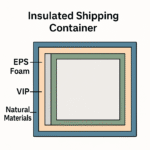
Core Answer: Top manufacturers use a variety of materials to achieve effective thermal control. Common materials include multi-layer foil, reflective bubble wraps, PET-based recyclable liners, and foam composites. Each material has its advantages based on thermal performance, weight, sustainability, and cost.
Why Materials Matter:
The material chosen for your insulated box liner directly impacts the insulation’s effectiveness. For instance:
Polyurethane Foam offers superior insulation but can be bulkier and heavier.
Reflective Foil with Bubble Wrap provides moderate insulation and is lighter, often used for short transit periods.
PET-based Recyclable Liners are gaining popularity for their high thermal performance and recyclability, supporting sustainability goals without compromising on effectiveness.
| Material Type | Thermal Performance | Weight | Sustainability |
|---|---|---|---|
| Reflective foil + bubble wrap | Moderate to High | Low | Medium |
| PET recyclable liners | High | Medium | High (curbside recyclable) |
| Foam composites | Very High | High | Varies |
Key Takeaway: The material choice should align with your product’s thermal retention needs, transit times, and environmental goals.
How Customization Improves Cold Chain Results
Core Answer: Custom liners provide a better fit for your shipping boxes, ensuring optimal insulation. Customization eliminates air gaps that can cause heat flow, enhancing temperature control.
Why Customization Matters:
Whether you’re shipping meal kits, pharmaceuticals, or perishable goods, a one-size-fits-all approach often doesn’t provide the best results. Custom liners can:
Optimize insulation for specific box sizes.
Reduce the need for excess cooling media like ice packs.
Improve packaging efficiency and reduce waste.
For example, pre-formed liners are available that fit exact dimensions, and multi-layer designs can enhance thermal performance for extended transit periods.
Does Cost Always Mean Lower Quality?
Core Answer: Not necessarily. Choosing the cheapest option may save money upfront, but it can lead to higher spoilage costs in the long run. Always evaluate the total cost, considering insulation performance, durability, and customization.
Tips for Evaluating Cost vs. Value:
Don’t focus solely on upfront cost—factor in spoilage rates and product loss.
Request performance specs, such as thermal retention hours, from manufacturers.
Test sample products to evaluate performance under real-world conditions.
Choosing quality over the lowest price often results in a better overall value, with fewer disruptions and higher customer satisfaction.
Quality Standards and Regulatory Compliance
Core Answer: Ensure that your manufacturer adheres to industry standards such as FDA, ISO, and Good Manufacturing Practices (GMP). Compliance ensures safety and reliability, particularly for food and pharmaceutical shipments.
What Standards to Check:
FDA Compliance ensures materials are safe for food or drug contact.
Good Distribution Practices (GDP) for temperature-sensitive medical products.
ISO Certification guarantees the manufacturer follows quality standards.
By choosing a manufacturer that complies with these standards, you can reduce the risk of regulatory issues and ensure your product is handled with care.
Sustainability: What to Expect in 2026
Core Answer: Sustainability is no longer a luxury—it’s essential. Many manufacturers now offer eco-friendly liners made from recyclable or biodegradable materials. These options not only help protect the planet but can also enhance your brand’s reputation.
What to Expect:
Helpful decision tools
Check the details before you choose packaging
These quick tools can help you compare route risk, sizing needs, coolant choices, and packaging details before you request a quote.
Compliance Checklist Generator
Build a practical checklist for packaging review, shipping, and documentation.
Build checklistInsulation Material Drop Resistance
Review drop resistance and handling factors before choosing insulation materials.
Check resistanceBox Liner & Pallet Cover Sizing
Check box liner and pallet cover sizing logic for insulated packaging projects.
Estimate sizingRecyclable PET Liners that perform similarly to foam but with a lower environmental impact.
Biodegradable or compostable materials to meet corporate sustainability goals.
Reusable liners that are ideal for repeat-use logistics, reducing waste over time.
By opting for eco-friendly solutions, your business can align with global sustainability efforts while also meeting consumer demands for environmentally responsible packaging.
Real-World Use Case: Choosing the Right Liner for E-Commerce
Scenario: An e-commerce company shipping chilled groceries for up to 48 hours tests three types of liners:
Foil & Bubble Liner: Low cost, decent retention.
PET Recyclable Liner: Slightly higher cost, excellent performance.
Custom Multi-layer Foam: Best retention, but heavier.
After trials, the PET Recyclable Liner reduced spoilage by 18% and cut wastewater disposal costs by 30%. Additionally, it boosted consumer trust due to its eco-friendly attributes.
Lesson: When selecting a liner, prioritize performance and sustainability over the lowest cost to achieve long-term benefits.
2026 Trends in Insulated Box Liner Manufacturing
Trends Overview: The insulated packaging industry is evolving with advancements in sustainability, smart materials, and e-commerce logistics. Key trends include:
Smart Packaging Solutions: Temperature sensors integrated into liners for real-time monitoring.
Lightweight Solutions: New materials that reduce shipping costs without sacrificing thermal performance.
Recyclable PET Liners: Rising adoption of recyclable materials with excellent thermal properties.
Market Insights:
The cold chain packaging market is expanding rapidly, driven by the increasing demand for perishable goods. As e-commerce continues to grow, manufacturers are innovating to balance performance with sustainability.
Interactive Self-Assessment: Are You Ready to Choose a Manufacturer?
To ensure you’re selecting the best manufacturer for your cold chain needs, ask yourself:
Do you know your product’s target temperature range and transit time?
Have you tested the liner options under real-world conditions?
Are sustainability goals part of your supplier evaluation?
If any answers are unclear, it’s time to start requesting samples and conducting thorough trials.
Common Questions About Insulated Box Liner Manufacturing
What is the typical transit protection time for insulated box liners?
Most liners maintain temperature for 12-72 hours, depending on the material and design.
Can liners be reused?
Some premium liners are designed for reuse, while many disposable options are optimized for one-time use to ensure hygiene.
How does sustainability affect cost?
Eco-friendly materials may have a higher upfront cost but can offer long-term savings through reduced disposal fees and enhanced brand value.
Summary & Recommendations
When choosing an insulated box liner manufacturer, it’s essential to focus on:
Material quality: How well does it perform in real-world conditions?
Customization options: Can it be tailored to fit your exact packaging needs?
Sustainability and compliance: Are they aligned with current environmental and regulatory standards?
Next Steps (CTA):
Define your product’s temperature needs and transit conditions.
Request samples and performance data from at least 3 manufacturers.
Conduct packing trials to evaluate insulation performance and cost efficiency.
Make your decision based on data, not price alone.
About Tempk
At Tempk, we specialize in providing high-quality, sustainable, and customizable insulated box liners. Our products are designed to meet the specific needs of your cold chain logistics, ensuring that your temperature-sensitive products arrive in optimal condition. For tailored advice, contact our experts today.