Article 4: Pro Optimized
**Structured Data Snippets (copy/paste):**
“`json
{
“@context”: “schema.org”,
“@type”: “Article”,
“@id”: “/epp-insulation-box-bakery-products/#article”,
“headline”: “EPP insulation box bakery products (Updated March 5, 2026)”,
“datePublished”: “2026-03-05”,
“dateModified”: “2026-03-05”,
“about”: “EPP insulation box bakery products”,
“inLanguage”: “en”
}
“`
“`json
{
“@context”: “schema.org”,
“@type”: “FAQPage”,
“@id”: “/epp-insulation-box-bakery-products/#faq”,
“inLanguage”: “en”
}
“`
“`json
{
“@context”: “schema.org”,
“@type”: “HowTo”,
“@id”: “/epp-insulation-box-bakery-products/#howto”,
“name”: “How to pack and handle a EPP insulation box bakery products”,
“inLanguage”: “en”
}
“`
# How to Standardize EPP insulation box bakery products for Scale in 2026
*Last Updated: March 5, 2026*
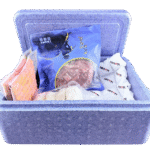
In 2026, a EPP insulation box bakery products is no longer just a box. It is a performance tool for temperature, protection, and repeatable workflows. Because EPP is a closed-cell foam, it resists water uptake and keeps its shape after repeated knocks. Many teams aim for reusable containers that survive dozens of trips, not just one route. We will focus on the decisions that matter in cakes, especially when returns, cleaning, and storage space are tight.
## This article will answer about EPP insulation box bakery products:
- how to clean and sanitize EPP insulation box bakery products
- EPP insulation box bakery products for cold chain shipping
- EPP insulation box bakery products size guide and payload limits
- how to build a return loop that reduces loss and labor
- how to prevent corner crush, lid warping, and seal leaks over reuse cycles
- how to set a realistic temperature hold-time target for your lane
- how to run a small pilot test and scale with confidence
- – a combined checklist for performance, compliance, and sustainability
- – how to plan reuse cycles and reverse logistics at scale
## 2-Minute Decision Tool
Use this quick scorecard to match a **EPP insulation box bakery products** to your real lane. Add your points and read the recommendation.
| Question | 0 points | 1 point | 2 points |
|———-|———-|———|———-|
| Route time (door to door) | < 4 hours | 4-12 hours | > 12 hours |
| Warm exposure (staging / handoffs) | Rare | Sometimes | Frequent |
| Handling intensity (drops, vibration) | Light | Medium | Rough |
| Return loop control | Strong | Mixed | Weak |
| Hygiene / compliance pressure | Low | Medium | High |
**How to read your score:**
- **0-3:** A standard spec often works. Focus on packout consistency and lid fit.
- **4-6:** Choose a reinforced design and standardize inserts and closures.
- **7-10:** Treat it as a validated system: tighter tolerances, lane testing, and a managed return loop.
## How do you define requirements for EPP insulation box bakery products?
**Short answer:** A EPP insulation box bakery products is the right tool when requirements turn a guess into a repeatable spec. Your goal is stable temperature and repeatable handling, not marketing claims. Typical EPP foam density options span about 15 to 200 g/L, which changes stiffness and impact recovery.
Most buyers over-index on one headline number and miss the system. A EPP insulation box bakery products is a system: walls, lid, packout, and handling. In cakes, the box may be opened multiple times, which can cut hold time quickly. Plan for real behavior, not ideal behavior. That is how you reduce waste and customer complaints.
### Requirement sheet template for EPP insulation box bakery products
Here is the practical way to handle requirements definition. Start with a baseline packout and run a small trial on your toughest lane. Record start temperature, peak ambient, and arrival temperature. If results vary, the issue is usually lid fit, void space, or inconsistent ice placement. Fix the process first, then upgrade the box if needed.
| EPP insulation box bakery products selection checklist | Option A | Option B | What it means for you |
|————|———-|———-|———————-|
| Fit | Loose payload fit | Snug fit with inserts | Less movement means less damage and better temperature stability. |
| Handling | Manual only | Manual + pallet friendly | Faster moves and fewer touchpoints reduce risk. |
| Cleaning | Occasional wipe | Defined cleaning SOP | Cleaner boxes mean fewer odors, fewer complaints, and safer audits. |
### Practical tips and recommendations
- **Tip:** Train handlers to lift by handles, not by the lid edge.
- **Tip:** Add a quick visual check at handoff: lid seated, seal clean, corners intact.
- **Tip:** If you see condensation, switch to a snug insert to stop internal movement.
> **Real-world example:** A buyer switched to a EPP insulation box bakery products after seeing corner crush on earlier containers. They chose a sturdier density and added a simple insert for the payload. Damage claims decreased, and the return loop became predictable. The lesson: match design to real handling.
## How do insulation and packout work in EPP insulation box bakery products?
**Short answer:** A EPP insulation box bakery products works best when packout is the real insulation system. Start by defining your route time, worst-case ambient, and handling intensity, then match wall design and packout to that reality. EPP is a closed-cell foam, so it resists moisture pickup that can weaken insulation over time.
A EPP insulation box bakery products succeeds when it fits your lane. That means it fits your payload size, your packout style, and your return loop. For cakes, small delays at pickup can become big temperature drift. Build buffers: tighter lids, consistent packouts, and simple checks at handoff. Those habits do more than any brochure claim.
### Packout templates that reduce variability
To make packout templates easy, reduce choices. Standardize one or two packouts, label them clearly, and train the team. The biggest performance gains often come from repeatable handling, not exotic materials. Once the routine is stable, you can fine-tune wall thickness, inserts, or PCM selection. That is how you make improvements stick.
| EPP insulation box bakery products insulation choices | Option A | Option B | What it means for you |
|————|———-|———-|———————-|
| Wall thickness | Standard walls | Thicker walls or double-wall | More hold time, but higher weight and higher unit cost. |
Helpful decision tools
Check the details before you choose packaging
These quick tools can help you compare route risk, sizing needs, coolant choices, and packaging details before you request a quote.
Insulation Material Reference
Compare insulation material choices for different cold chain packaging needs.
Compare materialsBox Liner & Pallet Cover Sizing
Check box liner and pallet cover sizing logic for insulated packaging projects.
Estimate sizingCompliance Checklist Generator
Build a practical checklist for packaging review, shipping, and documentation.
Build checklist| Lid design | Simple lift-off lid | Tight-tolerance lid + retention | Better seal, less leakage, more consistent results. |
| Coolant strategy | Ice or gel packs | PCM matched to target temp | PCM can stabilize tighter ranges when lane is long. |
### Practical tips and recommendations
- **Tip:** Add a quick visual check at handoff: lid seated, seal clean, corners intact.
- **Tip:** Keep spare closures or straps on hand to avoid downtime.
- **Tip:** Reserve the phrase ‘EPP insulation box bakery products’ for purchase documents so specs stay consistent across teams.
> **Real-world example:** One operation using cakes moved to a EPP insulation box bakery products and measured the first 20 trips with a data logger. They found the worst deviations happened during staging in warm air. After they shortened staging time and shaded the load, results stabilized. Measurement made the fix obvious.
## How do you balance density, weight, and durability for EPP insulation box bakery products?
**Short answer:** Choose a EPP insulation box bakery products by focusing on density is the durability dial. If you cannot measure it, you cannot manage it, so build your choice around testable requirements. Typical EPP foam density options span about 15 to 200 g/L, which changes stiffness and impact recovery.
Think of your EPP insulation box bakery products like a thermos and a helmet in one. It slows heat flow, and it cushions impacts. If your workflow includes odor transfer, you need design details that survive repetition. Use a simple requirement sheet: target temperature range, maximum route time, and expected drops or stacks. That one page prevents expensive guesswork.
### Density and durability matrix for EPP insulation box bakery products
For density matrix, treat the box like a tool with settings. Wall design sets the baseline. Packout sets the actual hold time. Handling sets the real-world result. If you change one variable, document it. That habit keeps you from chasing random outcomes.
| EPP insulation box bakery products durability checkpoints | Option A | Option B | What it means for you |
|————|———-|———-|———————-|
| Corner protection | Plain corners | Reinforced corners/ribs | Reduces cracks and keeps lid fit stable over reuse cycles. |
| Closure | Friction fit | Latch/strap points | Prevents accidental opening and improves audit confidence. |
| Stacking | No stacking lugs | Interlocking stack features | Less slide risk, safer pallets, cleaner handling. |
### Practical tips and recommendations
- **Tip:** Train handlers to lift by handles, not by the lid edge.
- **Tip:** If you see condensation, switch to a snug insert to stop internal movement.
- **Tip:** For cakes, pre-chill the container for 30-60 minutes when possible.
> **Real-world example:** One operation using cakes moved to a EPP insulation box bakery products and measured the first 20 trips with a data logger. They found the worst deviations happened during staging in warm air. After they shortened staging time and shaded the load, results stabilized. Measurement made the fix obvious.
## What compliance and documentation should sit behind EPP insulation box bakery products?
**Short answer:** The right EPP insulation box bakery products decision comes down to documentation keeps customers and auditors confident. Nail those first, and the rest becomes a simple checklist. Typical EPP foam density options span about 15 to 200 g/L, which changes stiffness and impact recovery.
Most buyers over-index on one headline number and miss the system. A EPP insulation box bakery products is a system: walls, lid, packout, and handling. In cakes, the box may be opened multiple times, which can cut hold time quickly. Plan for real behavior, not ideal behavior. That is how you reduce waste and customer complaints.
### An audit-ready file checklist
Here is the practical way to handle audit readiness. Start with a baseline packout and run a small trial on your toughest lane. Record start temperature, peak ambient, and arrival temperature. If results vary, the issue is usually lid fit, void space, or inconsistent ice placement. Fix the process first, then upgrade the box if needed.
| EPP insulation box bakery products compliance and documentation | Option A | Option B | What it means for you |
|————|———-|———-|———————-|
| Food contact | Supplier declaration | Documented food-contact program | Makes audits faster and reduces customer questions. |
| Pharma distribution | Basic handling SOP | GDP-aligned SOP + training logs | Supports repeatable temperature control and traceability. |
| Testing evidence | Lab claim only | Lane test + report | Gives you confidence before scaling the program. |
### Practical tips and recommendations
- **Tip:** Keep spare closures or straps on hand to avoid downtime.
- **Tip:** Train handlers to lift by handles, not by the lid edge.
- **Tip:** For cakes, pre-chill the container for 30-60 minutes when possible.
> **Real-world example:** A regional team used a EPP insulation box bakery products on a two-stop route with repeated door openings. They standardized ice placement and added a lid check at pickup. Temperature swings dropped, and damaged returns fell within two weeks. The biggest change was process, not the box itself.
## How do you scale reuse and ROI with EPP insulation box bakery products in 2026?
**Short answer:** A EPP insulation box bakery products is the right tool when reuse economics improve with tracking and process. Your goal is stable temperature and repeatable handling, not marketing claims. EPP is a closed-cell foam, so it resists moisture pickup that can weaken insulation over time.
A EPP insulation box bakery products succeeds when it fits your lane. That means it fits your payload size, your packout style, and your return loop. For cakes, small delays at pickup can become big temperature drift. Build buffers: tighter lids, consistent packouts, and simple checks at handoff. Those habits do more than any brochure claim.
### ROI and reuse tracking for EPP insulation box bakery products
For reuse economics, treat the box like a tool with settings. Wall design sets the baseline. Packout sets the actual hold time. Handling sets the real-world result. If you change one variable, document it. That habit keeps you from chasing random outcomes.
| EPP insulation box bakery products cost and ROI levers | Option A | Option B | What it means for you |
|————|———-|———-|———————-|
| Unit price | Lower upfront price | Higher upfront price | Higher durability can cut replacements and labor over time. |
| Reuse cycles | Unknown or low | Documented high reuse | More trips per unit lowers cost per shipment. |
| Reverse logistics | Ad hoc returns | Planned return loop | Fewer lost units and more stable availability. |
### Practical tips and recommendations
- **Tip:** Add a quick visual check at handoff: lid seated, seal clean, corners intact.
- **Tip:** Train handlers to lift by handles, not by the lid edge.
- **Tip:** For cakes, pre-chill the container for 30-60 minutes when possible.
> **Real-world example:** A regional team used a EPP insulation box bakery products on a two-stop route with repeated door openings. They standardized ice placement and added a lid check at pickup. Temperature swings dropped, and damaged returns fell within two weeks. The biggest change was process, not the box itself.
## 2026 Latest Developments and Trends for EPP insulation box bakery products
The 2026 story for EPP insulation box bakery products is about predictability. More shipments move through mixed networks with more handoffs. At the same time, sustainability targets are forcing smarter reuse and end-of-life plans. You will see more standardized packouts, better tracking, and more supplier transparency. This makes procurement easier, but only if you ask the right questions.
### What is changing for EPP insulation box bakery products right now
- **Smarter packouts:** More teams use standardized packout cards and fewer ad hoc ice placements.
- **Tracking by default:** Trip counts and loss rates are tracked to improve reuse economics.
- **Supplier transparency:** More buyers request test reports, material declarations, and cleaning guidance.
Buyer behavior in 2026 favors systems that reduce variability. That includes standard sizes, consistent closures, and training that keeps packouts repeatable. Sustainability teams are also asking for end-of-life options and reuse data. If your supplier can support those needs, your program becomes easier to scale.
## Frequently Asked Questions about EPP insulation box bakery products
**Is this foam container recyclable at end of life?**
EPP is widely described as recyclable, but real outcomes depend on local collection and sorting. The safest path is a take-back or recycling partner and clear segregation. If you track failures, you can retire units before they become unusable waste.
**What density should I choose for an EPP insulated box?**
Density is a trade-off between stiffness and weight. Higher density can handle stacking and impacts better, but it can raise cost. Start with your handling intensity: drops, vibration, and stack loads. Then choose the density that matches those risks.
**Can I customize size or inserts for EPP insulation box bakery products?**
Customization is common when you want less void space and lower shipping cost. Start with the payload dimensions and target packout. Then design inserts that lock coolant and product in place. Custom designs pay off most when you ship the same SKU repeatedly.
**What is the best way to run a reuse loop for an EPP insulated box?**
Treat reuse as a process, not a hope. Track trip counts, loss rate, and cleaning time. Add clear return instructions and simple labels. When the container has a planned reverse logistics path, your cost per trip drops and availability improves.
**How long can a EPP insulation box bakery products hold temperature in real routes?**
Hold time depends on packout, ambient heat, and how often the lid opens. Start with a lane test on your worst route. Use the same coolant placement every time. If results vary, fix void space and lid fit before upgrading walls or coolant type.
**How do I clean and sanitize this container without damaging it?**
Use a simple SOP: remove debris, wash with a mild detergent, rinse, then sanitize with an approved agent. Avoid harsh solvents and abrasive tools that can roughen the surface. Let the container dry fully before storage to reduce odor.
**How do I compare EPP insulation box bakery products suppliers fairly?**
Ask each supplier for the same evidence: density range, wall design, lid tolerance, and test results. Also ask about lead time, spare parts, and after-sales support. A cheaper unit can cost more if it fails early or gets lost in returns.
**Is an EPP insulated box safe for food contact?**
Many programs rely on supplier declarations and documented food-contact compliance. Ask for material declarations and a cleaning SOP. Then match your sanitation chemicals to the surface to avoid residue or odor. When in doubt, run a small validation batch.
## Summary and Recommendations for EPP insulation box bakery products
To get the most from EPP insulation box bakery products, keep the decision simple and testable. Define your route, validate performance, and standardize the workflow. When you do that, the container becomes predictable instead of a guess.
**Key takeaways:**
- Measure early with a small pilot, then scale once results are consistent.
- Plan the return loop, cleaning SOP, and loss prevention so cost per trip stays low.
- In 2026, the best EPP insulation box bakery products programs start with clear lane requirements and a repeatable packout.
- Use supplier documentation and test evidence to reduce risk when you standardize across sites.
- Focus on lid fit, wall design, and handling details before chasing exotic materials.
Next step: write a one-page requirement sheet, run a 10-trip pilot, and review results with your supplier. Then lock a standard spec for EPP insulation box bakery products, train the team, and track trip counts to protect ROI. If you want help, bring your lane details and we will recommend a packout plan and validation approach.
## About Tempk: EPP insulation box bakery products Solutions
We are Tempk, a cold chain packaging team focused on performance you can measure. Our EPP boxes are designed for durability, cleaning workflows, and consistent packouts. We support customization and documentation so you can meet customer and audit expectations with confidence.
**Call to action:** Tell us your target temperature range and trip count goals. We will recommend a EPP insulation box bakery products design and a reuse workflow.