


Blog Detail
Temperature-Controlled Packaging Strategy in 2026: Lower Waste, Better Thermal Performance, and Smarter Cost Control
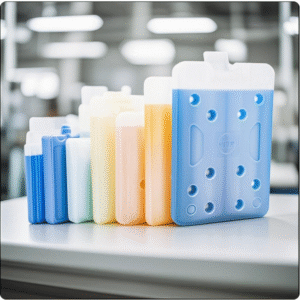
Temperature-controlled packaging is moving from a procurement line item to a strategic operating decision. In the current market, buyers are under simultaneous pressure to reduce excursions, control freight costs, respond to sustainability scrutiny, and support more complex temperature-sensitive shipments across food, pharma, biologics, and specialty healthcare. That shift is changing how insulated packaging, insulated shippers, cooler boxes, box liners, gel packs, coolant packs, phase change materials, and dry ice systems are evaluated.
One major lesson from the latest industry coverage is that packaging selection can no longer be based on unit price alone. A lower-cost insulated shipper may look attractive at the point of purchase, but the real decision sits inside a broader system: required temperature range, shipment duration, handling intensity, warehouse conditions, humidity exposure, last-mile complexity, and the value of the payload itself. A system that is too light for the lane creates spoilage risk. A system that is too expensive for the product destroys margin. The right answer is a matched answer, not a generic one.
That is why packaging teams are spending more time comparing active versus passive solutions and then narrowing passive options with greater precision. For many routine refrigerated and frozen lanes, passive packaging still dominates because it is easier to deploy and scale. But passive no longer means simple. Buyers must now compare how different insulation structures perform under realistic conditions. Expanded polystyrene remains widely used because it is lightweight and affordable. Expanded polyethylene improves moisture resistance and impact protection. Polyurethane offers stronger insulation performance. Vacuum-insulated panels preserve usable payload space while delivering higher thermal efficiency. Paper- and cellulose-based formats continue to gain attention where recyclability and sustainability claims matter in commercial positioning.
Cooling media decisions are becoming equally important. Dry ice remains essential for deep-frozen and ultra-cold moves, especially where a very low setpoint is non-negotiable. Gel packs and other coolant packs remain common for refrigerated applications because they are familiar, flexible, and relatively easy to handle. Phase change material systems keep gaining ground where tighter thermal control is needed over longer durations or where narrow temperature bands matter more than raw cooling power. In practice, many shippers are now choosing a packaging architecture first and then selecting the cooling medium that best fits the lane rather than defaulting to whatever the operation historically used.
A second major trend is the move from single-use thinking toward reusable and circular packaging models. High-volume healthcare and specialty pharmacy networks are questioning whether thousands of insulated boxes moving one way and then entering waste streams still make economic sense. Reusable thermal packaging is increasingly being framed not as a sustainability premium, but as a cost-control tool when lane predictability and reverse logistics are strong enough to support asset recovery. The commercial logic is straightforward: lower recurring container purchases, less disposal cost, better standardization, and more stable packaging performance across repeated use cycles.
This does not mean every shipment should move to a reusable fleet. Single-use formats still make sense for one-off lanes, unstable return networks, or urgent deployments where recovery infrastructure does not exist. But the market direction is clear. Packaging strategy is becoming segmented by lane, shipment profile, and utilization pattern. Reusable containers are strongest where there is repeatability. Single-use insulated packaging remains useful where flexibility and speed matter more than circular recovery.
Another visible theme is that thermal packaging is no longer being judged separately from documentation and monitoring. Buyers increasingly expect packaging systems to work alongside data loggers, smart labels, temperature sensors, and item-level visibility tools. Documentation is part of performance. For regulated and high-value lanes, a shipper that maintains temperature but cannot provide clean data creates a different kind of operational risk. As a result, modern packaging decisions increasingly connect material choice, shipper design, cooling media, and digital proof of performance.
For B2B cold chain operators, the practical takeaway is to stop asking, ‘What is the best insulated packaging product?’ and start asking, ‘What is the best validated packaging system for this lane, payload, duration, and cost target?’ That framing leads to better choices. It allows insulated boxes, thermal shippers, box liners, gel packs, PCM packs, and dry ice solutions to be deployed where they create the most value instead of being treated as interchangeable commodities.
In 2026, the most competitive packaging programs will be the ones that combine thermal performance, lane-specific design, monitoring discipline, and cost logic. Companies that model packaging this way will be better positioned to reduce waste, protect sensitive products, and make temperature-controlled shipping more scalable across both healthcare and food-related supply chains.




