How to Choose the Best Cold Gel Accumulator Ice Cream Supplier in 2026?
A strong cold gel accumulator ice cream supplier helps you protect texture, control melt risk, and make frozen shipping more predictable. Ice cream is one of the hardest products to distribute well because the thermal margin is narrow and the commercial consequences of softening are immediate. A frozen dessert can arrive looking acceptable on the outside and still disappoint the customer after refreezing, texture change, or lid frost.
That is why the right supplier does more than sell frozen packs. The best cold gel accumulator ice cream supplier helps you build a complete thermal buffer strategy around your shipper, your product size, your route time, and your handling reality. FDA food safety guidance continues to reinforce the importance of keeping chilled foods cold and freezers at 0°F or below, while sanitary transport expectations keep disciplined cold-chain handling in focus. ([U.S. Food and Drug Administration][6])
This article will answer:
- How to compare a cold gel accumulator ice cream supplier beyond price
- Which pack design features matter most for frozen dessert protection
- How to reduce freight cost and packaging waste without increasing melt risk
- Why validation and technical support are now major buying factors
Why is supplier choice so important for ice cream shipping?
Frozen dessert quality depends on thermal control, package fit, and route discipline. If the gel accumulator is not designed well, you may see soft pints, distorted novelties, poor scoopability, frosting problems, or unhappy customers. Even short delays at loading or delivery can matter when the pack-out has little thermal reserve.
The best supplier helps you answer key questions before you scale: How much coolant do you actually need? Where should it be placed? Should you use flat packs, block packs, or a hybrid layout? What happens during a 30-minute dock wait or a last-mile delay? Those answers protect both product and cost.
What should you evaluate first?
Review these factors before you compare prices:
- Conditioning requirements in your actual freezer
- Seal strength in rigid frozen state
- Format efficiency inside your shipper
- Cooling spread across the product load
- Weight impact on freight
- Sample-to-bulk consistency
- Ability to support pilot tests
| Evaluation Point | Weak Supplier | Strong Supplier | Why It Matters |
|---|---|---|---|
| Frozen guidance | Generic advice | Route-aware instructions | Better real-world performance |
| Pack fit | Standard catalog sizes | Carton-matched options | Better payload efficiency |
| Seal integrity | Unclear | Documented and stable | Less risk under rigid freezing |
| Technical support | Minimal | Helps with testing | Faster optimization |
Practical buyer tips
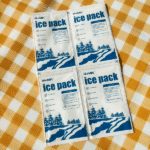
- For pint and cup packs: Use flatter accumulators to improve contact without wasting volume.
- For novelty assortments: Protect edge zones and top space where warming starts faster.
- For regional frozen routes: Add a delay stage when validating performance.
- For direct-to-consumer shipments: Test box opening frequency and last-mile dwell, not just transit time.
Which technical features matter most in a cold gel accumulator?
The best cold gel accumulator ice cream supplier wins through geometry, seal performance, and controlled frozen behavior. Many buyers focus only on how long a pack stays cold by itself. That is useful, but incomplete. Frozen dessert shipments depend on how the pack behaves inside a box under real loading conditions.
A pack that is too bulky may waste shipper space. A pack that is too rigid may stress the box or reduce layout flexibility. A pack with weak seals may fail under frozen handling. A pack with poor geometry may leave hot spots even when the total coolant weight looks high. This is why frozen route testing matters so much.
Key technical review areas
- Frozen-state rigidity
- Seal reliability after conditioning
- Thickness versus usable shipper space
- Thermal spread across product zones
- Ease of placement and pack-out repeatability
- Performance after brief ambient exposure
| Technical Factor | Poor Result | Better Result | Practical Benefit |
|---|---|---|---|
| Format efficiency | Wasted space | Tight usable layout | More payload or better buffer |
| Frozen seal behavior | Stress cracking | Stable seams | Cleaner operations |
| Thermal distribution | Uneven cold zones | Balanced coverage | Lower melt risk |
| Handling ease | Awkward pack placement | Repeatable process | Faster packing |
Validation method that works
- Condition the packs in your normal freezer process.
- Build the shipper using real product weight or a close equivalent.
- Add realistic handling delays.
- Review product softness and pack condition at receiving.
- Repeat the test with a second layout before finalizing the supplier.
> Real use case: A frozen dessert brand found that a heavier pack did not solve its summer complaints. The real problem was poor sidewall coverage. After changing to a flatter accumulator layout, product arrival improved while total coolant weight dropped.
How can you reduce cost without weakening frozen protection?
The best cost improvement usually comes from pack efficiency, not lower unit price. A cheap pack may need higher quantity, waste box space, raise freight cost, or create more product loss. A better-designed pack can reduce the total system cost even when the piece price is higher.
In many frozen programs, overpacking happens because the layout is not trusted. Once the pack geometry and placement improve, buyers can often remove unnecessary coolant. That reduces freight weight, packing labor, disposal burden, and sometimes carton size as well.
Where savings often appear
- Lower coolant count
- Better shipper space usage
- Reduced complaint rate
- Less packing guesswork
- Better standardization across routes
Why are 2026 trends changing supplier expectations?
Frozen buyers are asking harder questions in 2026 because freight cost, e-commerce complexity, and sustainability pressure are all rising at once. They want packs that protect product without oversizing the shipment. They want route-based confidence, not theoretical charts. They want manufacturers that can explain the difference between bench performance and lane performance.
FDA sanitary transport guidance continues to keep disciplined cold handling in focus, which supports this shift toward documentation, better operating control, and practical test data rather than sales language alone. ([U.S. Food and Drug Administration][7])
Latest developments snapshot
- More route-specific frozen validation
- More demand for freight-efficient pack geometry
- More pressure to remove excess material
- More value placed on technical support
Frequently Asked Questions
Can one cold gel accumulator work for all frozen desserts?
Helpful decision tools
Check the details before you choose packaging
These quick tools can help you compare route risk, sizing needs, coolant choices, and packaging details before you request a quote.
Insulation Material Reference
Compare insulation material choices for different cold chain packaging needs.
Compare materialsDry Ice Calculator
Estimate dry ice needs for frozen or ultra-cold shipments before packing.
Estimate dry iceCompliance Checklist Generator
Build a practical checklist for packaging review, shipping, and documentation.
Build checklistNot always. Pints, tubs, novelty boxes, and mixed assortments often need different pack shapes or layouts.
Why is pack shape as important as pack weight?
Because shape determines coverage, usable shipper space, and placement consistency. More weight alone does not guarantee better protection.
What is the most common supplier mistake?
Providing a strong sample with limited guidance, then leaving the buyer to solve route problems alone.
Should I validate winter and summer separately?
Yes. Seasonal route conditions can change thermal needs significantly.
Summary and recommendations
A great cold gel accumulator ice cream supplier should help you protect texture, reduce melt risk, and control system cost. In 2026, the smartest buyers are choosing suppliers that combine strong frozen pack design with route validation, technical support, and practical shipping efficiency. That is how you build a frozen program that performs consistently instead of depending on excess coolant.
For the next step, review your current pack-out and run a structured comparison between two or three suppliers using real boxes, real product load, and realistic handling delays. That is the fastest way to find the best-performing frozen solution.
About Tempk
We develop gel accumulator solutions for temperature-controlled logistics with a focus on real frozen-route performance, stable seals, and flexible OEM sizing. For ice cream and frozen desserts, we help buyers choose pack geometry and conditioning methods that improve protection without adding unnecessary weight.
If you want to improve frozen dessert delivery reliability, send us your shipper size and route profile, and we can help you review the best accumulator layout.
==============================