How to Find the Best Therapeutic Gel Pack Wine Manufacturer
A therapeutic gel pack wine manufacturer can help your wine arrive cooler, look better, and feel more premium to the customer. That is the real goal. Most buyers are not simply trying to buy frozen gel. They are trying to protect bottle quality, reduce packing problems, and make sure the cooling solution fits the brand. In wine, the coolant pack is part of the product experience.
That is why the best supplier is rarely the one with the cheapest stock pouch. A better manufacturer matches the pack to your bottle shape, shipper size, seasonal route, and commercial channel. When that happens, you get cleaner presentation, fewer handling issues, and a more reliable packaging system.
This article will help you answer:
- What a therapeutic gel pack wine manufacturer should offer beyond a generic cold pack.
- How to compare pack formats for wine shipping, gifting, and serving.
- What technical, compliance, and packaging checks reduce risk.
- How 2026 market and sustainability trends are changing wine cooling choices.
What should a therapeutic gel pack wine manufacturer actually provide?
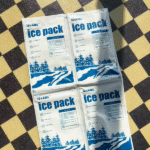
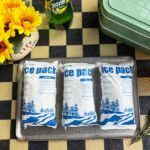
The best therapeutic gel pack wine manufacturer provides a wine solution, not just a gel pouch. That means format options, technical guidance, and commercial flexibility. For wine, useful pack types include bottle wraps, flat inserts, neck collars, side-panel packs, and private-label cooling accessories for gift boxes or tasting programs.
A supplier that only sells one standard freezer pack forces you to redesign your packaging around its limitation. A better supplier will ask about bottle diameter, shipper style, label sensitivity, seasonal conditions, and whether the pack is meant for shipping, retail, hospitality, or gifting. That conversation is usually the clearest sign that the manufacturer understands the category.
Common wine-use pack formats
| Pack Type | Best Use | Main Strength | Best for You If… |
|---|---|---|---|
| Flat gel insert | Mailers and gift boxes | Easy to stack and standardize | You need SKU flexibility |
| Bottle wrap | Premium cooling and single-bottle use | Better body contact | Presentation matters |
| Neck collar | Events and immediate service | Fast upper-bottle cooling | You sell in hospitality or tastings |
| Side-panel pair | Multi-bottle cartons | Strong shipper integration | You ship wine regularly |
Practical buying tips
- For premium gifting: Choose appearance and neat fit before maximum mass.
- For DTC wine shipments: Choose mailer fit, repeatability, and packing speed.
- For tasting rooms: Choose reusable and brand-friendly formats customers may keep.
> Practical example: A wine club shipping six bottles every month often gets better results from clean side-panel inserts that fit the mailer correctly than from oversized generic packs that waste space and increase labor.
How should you compare thermal performance?
For wine, the right cooling profile usually matters more than the coldest possible profile. Wine is often protected for flavor, appearance, and customer satisfaction, not for deep-frozen transport. That means your evaluation should focus on thermal buffering, thaw behavior, bottle contact, and pack placement rather than simple freezer hardness.
This is where a strong manufacturer adds value. It should help you decide whether to use flat inserts, wraps, or a hybrid layout based on route length and ambient conditions. It should also help you test different pack conditioning methods. In some lanes, fully frozen packs are the best choice. In others, semi-conditioned packs provide enough protection without overcomplicating the pack-out.
What to compare
- Pack fit inside the shipper
- Freeze behavior and flexibility
- Surface contact with the bottle
- Condensation control
- Appearance after conditioning
- Ease of packing at scale
Simple comparison table
| Performance Factor | Weak Choice | Better Choice | Why It Matters |
|---|---|---|---|
| Bottle contact | Flat but loose | Shaped or well-sized | Better thermal consistency |
| Condensation | Poorly managed | More controlled layout | Better label protection |
| Pack appearance | Bulky or wrinkled | Cleaner frozen profile | Better premium feel |
| Packing speed | Awkward placement | Easy repeatable pack-out | Lower labor cost |
Why do materials, film, and fill ratio matter?
A wine gel pack succeeds because the whole pouch system works together. Gel formulation, fill ratio, film structure, and seam design all affect the real result. Too little gel may underperform. Too much gel may create stiffness, bulk, and poor presentation. Weak film or narrow seams may fail under compression beside glass bottles.
This is why a technical review is important, even for a consumer-facing product. A good manufacturer should be able to explain why a specific fill level, pouch shape, or film type is recommended for your bottle family and carton style. If the supplier cannot explain that logic clearly, it is probably selling on price rather than design quality.
Technical signs of a stronger pack
- Balanced gel fill with a controlled frozen shape
- Seals that look even and professionally made
- Film that stays usable after freeze conditioning
- Corners and shape designed to reduce stress
- Clean outer appearance suitable for wine presentation
What compliance and documentation should you ask for?
Documentation is part of product quality. Even when the pack is not consumed, buyers still need clear specifications, material declarations, handling instructions, and shipping data. That becomes more important when you sell into premium retail, hospitality, or EU-facing channels.
In the EU, food-contact materials sold on the market must comply with the general safety framework under Regulation (EC) No 1935/2004. The EU Packaging and Packaging Waste Regulation entered into force on February 11, 2025, with general application beginning from mid-2026. For wine brands selling in Europe or sourcing from EU-based suppliers, that means cleaner paperwork and more disciplined packaging design are becoming even more important. ([Food Safety][3])
Review these before approval
- Product specification sheet
- Carton and pallet details
- Storage and conditioning instructions
- Quality inspection checkpoints
- Material declaration where relevant
- Reuse or disposal guidance
How are 2026 trends changing buying decisions?
In 2026, buyers are choosing manufacturers more carefully because packaging now carries brand, sustainability, and operational pressure at the same time. Wine brands want a cooling pack that works in a shipper, looks right in a gift box, and does not create unnecessary waste or confusion for the customer.
There is also a shift away from overbuilt cooling for routes that do not need it. In many lanes, gel-based systems remain appealing because they fit existing workflows more easily than dry ice and are simpler for customers to receive and understand. That matters even more for air-facing brands because IATA’s 2026 Dangerous Goods Regulations came into force on January 1, 2026, keeping dry ice within a regulated handling framework. ([国际航空运输协会][1])
Helpful decision tools
Check the details before you choose packaging
These quick tools can help you compare route risk, sizing needs, coolant choices, and packaging details before you request a quote.
Coolant & PCM Reference
Compare coolant and PCM options when a route needs added temperature support.
Compare optionsBox Liner & Pallet Cover Sizing
Check box liner and pallet cover sizing logic for insulated packaging projects.
Estimate sizingIce Pack Calculator
Estimate gel ice pack quantity for chilled shipments and practical route planning.
Estimate ice packsLatest developments at a glance
- Right-sized cooling: Buyers want performance without unnecessary bulk.
- Stronger presentation standards: Premium wine brands now expect the coolant to look premium too.
- More packaging scrutiny: EU-oriented programs increasingly ask for cleaner documentation and design discipline. ([Environment][2])
Frequently Asked Questions
What is the best format for wine shipping?
There is no single best format. Flat inserts work well for flexibility and mailers. Shaped wraps work well when bottle contact and presentation matter more.
Should I choose the heaviest gel pack available?
Not automatically. Oversized packs can waste space, increase cost, and create awkward pack-outs. Choose the pack that fits your lane and carton.
What makes one manufacturer better than another?
The better manufacturer asks deeper questions, provides clearer documentation, and aligns the pack with your bottle, route, and brand experience.
Is sustainability only about recyclability?
No. It also includes right-sizing, avoiding excess material, supporting reuse where relevant, and giving clear customer instructions.
Summary and recommendation
The best therapeutic gel pack wine manufacturer helps you protect wine quality, improve packaging presentation, and simplify operations at the same time. That means format choice, material balance, pack fit, documentation, and seasonal logic all matter.
Start with your real use case: bottle type, channel, route length, and brand expectation. Then compare suppliers on design quality, thermal thinking, documentation, and ease of implementation. That approach usually leads to a better long-term result than buying generic cold packs by unit price alone.
About Tempk
At Tempk, we focus on temperature-control packaging that works in real selling conditions, not just in isolated sample tests. We look at product shape, channel needs, seasonal variation, and customer experience together.
If you are screening manufacturers, begin with your actual bottle and carton setup. That simple starting point usually leads to faster, better decisions on pack format, cooling level, and packaging value.
==============================