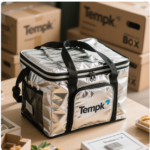
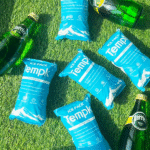
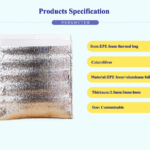
Thermal Box Liner Manufacturer matters because it can change temperature performance, freight spend, warehouse cube, and customer trust at the same time. In 2026, the strongest buying teams do not choose liners by feel alone. They compare material structure, fit, coolant pairing, validation method, food-contact paperwork, sustainability impact, and supplier execution. This optimized guide brings those priorities together so you can buy with more confidence and design a colder, leaner, and more scalable pack-out.
What this guide will answer
- How to match thermal box liner design to your lane length, product sensitivity, and box size
- Which thermal box liner and box liner supplier options make sense for your application
- How to balance thermal hold time, freight weight, and pack-out speed
- What documents and validation steps reduce sourcing risk in 2026
- How to build a buyer scorecard for cost, compliance, service, and long-term cold-chain reliability
Why does thermal box liner manufacturer change both risk and cost?
Thermal Box Liner Manufacturer is one of the few packaging decisions that affects product safety, customer experience, freight spend, and warehouse efficiency at the same time. A liner that is too weak can warm up the payload. A liner that is too heavy or bulky can raise freight and slow pack-out. The goal is the lightest, cleanest, most repeatable design that still protects the shipment.
If you ship into meal kits, specialty seafood, and pet nutrition, that balance becomes even more important. Real transport includes dwell time, handling variation, and temperature spikes. The best buying teams therefore judge the liner as a system choice: liner, box, coolant, payload mass, operating method, and supplier execution all have to work together.
What happens when thermal box liner is chosen by appearance instead of evidence?
When teams buy only by feel, they often overbuy thickness, underbuy fit, or miss the value of consistent geometry. The result can be higher packaging cost without a meaningful improvement in shipment stability. Evidence changes that. Public guidance on food transport, delivery safety, cold-chain handling, and thermal validation all point toward one habit: test the pack-out you will actually use, then buy to that result.
| Material build | Thermal level | Best fit | What it means for you |
| Material structure | Film, bubble or foam, fold pattern, recovery after storage | The right build protects temperature without wasting cube | |
| Validation | Summer profile, coolant logic, payload mass, pass/fail rule | A tested pack-out is safer than a guessed one | |
| Compliance | Food-contact basis, declarations, change control | Documentation protects launches and audits | |
| Commercial model | MOQ, release schedule, stock depth, backup supply | Supply continuity prevents emergency substitutions |
- Tie liner selection to one target lane and one target product set before discussing price.
- Tie the buying decision to total shipment success, not to material appearance alone.
- Tie operations feedback into the selection process because packer behavior affects real performance.
Illustrative project example: a right-sized liner format improved temperature consistency by keeping coolant closer to the payload and reducing unnecessary air gaps, without forcing a full redesign of the outer box.
Which material and format should you choose for thermal box liner manufacturer?
Start with the simplest structure that can pass the lane. Reflective films help when radiant heat is part of the problem. Bubble or foam layers add resistance by creating distance and trapped air. Compressed or flat-pack formats help when warehouse cube matters. Pre-formed folds help when line speed and repeatability are critical.
The right answer depends on your product, target temperature, shipping duration, and handling pattern. A premium structure only makes sense when it solves a real failure mode. If the lane is short and the pack-out is tight, a lighter option may be enough. If the lane is hotter or less predictable, a more protective structure can be justified.
How do you avoid paying for insulation you do not need?
Use comparative testing. Put two or three liner options into the same box with the same coolant and payload mass. Track internal temperature and operator feedback. If the thicker option adds little real gain but clearly increases weight or complexity, it may not be worth buying. Strong buyers simplify the design only after the proof is in hand.
- Choose the lightest structure that still passes your chosen profile.
- Choose materials only after they pass the same pack-out logic you will actually run.
- Use compressed formats when warehouse cube is tight and the material recovers reliably after opening.
Illustrative comparison example: two liners with similar thickness can perform differently because one closes gaps more cleanly, recovers better after storage, or seats more consistently during pack-out.
How do testing and compliance reduce risk in thermal box liner manufacturer?
Testing reduces guesswork, and compliance reduces launch risk. Food safety guidance emphasizes temperature control and sanitary transport. Food delivery guidance highlights insulated packaging, frozen gel packs or dry ice, and arrival checks. Healthcare guidance emphasizes protecting the cold chain and using temperature monitoring equipment. Together, these signals make it clear that packaging decisions should be documented, not improvised.
For regulated or food-related uses, documentation matters as much as thermal performance. If the liner is part of a food-contact environment, buyers should understand the regulatory basis for the materials and collect the right declarations or guaranties. For export-facing programs, EU expectations around food-contact safety and packaging design add another layer of diligence.
What should your approval file contain before launch?
Keep a practical file: specification sheet, dimensional tolerance, case-pack data, compliance declarations, change-notification terms, and a short validation summary. If the lane is critical, add supplier audit notes and backup-source logic. This file should help operations, procurement, quality, and commercial teams speak the same language when the program scales.
- Approve the exact pack-out that will ship, not a cleaner engineering version that the warehouse never uses.
- Approve substitute rules before peak season so a stock issue does not force an untested change.
- Approve documentation with enough detail that another team member can understand the decision months later.
Illustrative operations example: the best result often comes from a program that links pack-out rules, documentation, and supply planning, rather than treating the liner as a stand-alone commodity.
How should you compare suppliers for thermal box liner manufacturer?
A strong supplier is measurable. It should provide clear sizing advice, stable specifications, honest lead times, and workable support when something changes. The best partner also understands that cold-chain packaging is a system. It asks about box size, coolant, payload, lane, and service promise before pushing stock.
Commercially, compare unit price, pallet quantity, stock depth, and response time. Operationally, compare fit consistency, pack-out ease, and documentation discipline. Strategically, compare whether the partner can support growth, custom work, and backup plans. A supplier wins when it lowers decision friction and protects repeatability, not when it simply offers the cheapest sample.
What does a buyer scorecard look like?
A useful scorecard is short enough to use and strict enough to matter. Score thermal proof, usability, compliance, landed cost, and supply continuity. Then review the total, not just one dimension. Many poor decisions happen because buyers let a low piece price override weak evidence or weak service.
| Score area | What to ask | Weight |
| Thermal proof | Does the supplier show lane-based data, a clear pack-out, and pass/fail logic? | 25 |
| Fit and usability | Does the liner seat well, open fast, and reduce packing variation? | 20 |
| Compliance file | Are specifications, declarations, and change-notification terms complete? | 20 |
| Cost to serve | Does the design lower total landed cost, not only piece price? | 20 |
| Supply reliability | Can the partner scale volume and manage disruptions? | 15 |
Helpful decision tools
Check the details before you choose packaging
These quick tools can help you compare route risk, sizing needs, coolant choices, and packaging details before you request a quote.
Packaging Selector
Compare insulated packaging options by product, route, and temperature need.
Find packagingRoute Risk Checker
Review lane conditions before selecting packaging for real operating requirements.
Check route riskBox Liner & Pallet Cover Sizing
Check box liner and pallet cover sizing logic for insulated packaging projects.
Estimate sizing- Compare suppliers with the same pack-out assumptions, or the score becomes misleading.
- Compare stock-backed and factory-direct options separately when your service needs are very different.
- Compare post-sale support, because problems usually appear after the first good sample.
Illustrative sourcing example: buyers often make better long-term decisions when they compare evidence, fit, cost to serve, and service quality together instead of letting one low quote dominate the discussion.
What should your buyer scorecard for thermal box liner manufacturer include?
A scorecard helps you avoid emotional buying. When one sample looks premium, one quote looks cheap, and one supplier sounds fast, teams can still make the wrong call. A structured review keeps thermal box liner manufacturer focused on shipment success, documentation quality, total landed cost, and supply continuity.
A short scorecard is usually better than a complicated one that no one uses. Give the most weight to lane proof, fit, compliance file quality, and operational ease. Then add landed cost and supply resilience. This helps you compare standard offers, custom designs, and backup suppliers without losing the plot.
| Score area | What to ask | Weight |
| Thermal proof | Does the supplier show lane-based data, a clear pack-out, and pass/fail logic? | 25 |
| Fit and usability | Does the liner seat well, open fast, and reduce packing variation? | 20 |
| Compliance file | Are specifications, declarations, and change-notification terms complete? | 20 |
| Cost to serve | Does the design lower total landed cost, not only piece price? | 20 |
| Supply reliability | Can the partner scale volume and manage disruptions? | 15 |
How should you use the scorecard in practice?
Use the scorecard on every serious option, then discuss where the numbers came from. The conversation usually matters as much as the score because it reveals which supplier really understands your shipping system.
- Score each supplier against the same lane, box, coolant, and payload assumptions.
- Score operational ease by watching real packers use the liner, not only by reviewing a sample on a desk.
- Score documentation quality before launch rather than waiting for an audit or a customer request.
- Score backup supply readiness if service continuity matters to your program.
2026 best practices for thermal box liner manufacturer
In 2026, the strongest programs treat thermal box liner manufacturer as a validated operating standard rather than a commodity insert. Best practice now blends thermal proof, compliance logic, lighter-weight thinking, and supplier discipline. The goal is simple: fewer failures, less confusion, and a pack-out that still works when real transport gets messy.
Latest developments you should track
- FDA transportation rules and guidance keep the focus on preventing failures to refrigerate food properly and on maintaining sanitary transport practices.
- FoodSafety.gov continues to point operators toward insulated packaging, frozen gel packs or dry ice, and arrival checks for perishable deliveries.
- CDC cold-chain guidance keeps temperature monitoring and handling discipline at the center of healthcare-facing shipments.
- ISTA 7E keeps real-world parcel profiles in the conversation, which supports lane-based comparison instead of guesswork.
- EPA sustainable packaging guidance reinforces the value of lighter, more efficient packaging when it also reduces waste and cost.
- EU packaging and food-contact rules are pushing exporters to document both safety and packaging impact more clearly.
For cross-functional teams, the best practice is alignment. Procurement, packaging, operations, and quality should all understand why the liner was approved and what would trigger a change. That alignment reduces re-testing, reduces confusion in the warehouse, and gives the business a stronger basis for growth.
Frequently Asked Questions
How do I know if a liner is good enough for summer shipping?
Run a pack-out test that matches your real product, coolant, box, and route conditions. Do not rely on a brochure alone. If the program is important, compare at least two candidates under the same profile. In practice, that makes thermal box liner manufacturer easier to compare on evidence rather than guesswork.
Do I need a backup supplier for insulated liners?
If the shipment is important, yes. A backup option reduces disruption risk, but it should be tested and documented before you need it. In practice, that makes thermal box liner manufacturer easier to compare on evidence rather than guesswork.
Is wholesale always cheaper than buying direct from a factory?
Not always. Wholesale can be better for speed and mixed quantities, while direct factory buying can be stronger for custom programs and high, stable volumes. In practice, that makes thermal box liner manufacturer easier to compare on evidence rather than guesswork.
Should I choose a thicker liner or a better-fitting liner first?
Usually choose better fit first. A close, repeatable fit often improves performance and labor consistency before extra thickness delivers meaningful value. In practice, that makes thermal box liner manufacturer easier to compare on evidence rather than guesswork.
Can a liner lower freight cost as well as protect temperature?
Yes. A lighter, right-sized liner can reduce package weight or dimensional burden and may also let you simplify the pack-out if validation still passes. In practice, that makes thermal box liner manufacturer easier to compare on evidence rather than guesswork.
Summary and Recommendations
Thermal Box Liner Manufacturer should now be bought like a controlled packaging system: fit first, validate honestly, document clearly, and score suppliers on total performance. That approach gives you a liner program that is easier to defend, easier to scale, and more likely to protect product quality in real transport.
Next step: use the scorecard in a live review with procurement, packaging, operations, and quality. Align on the criteria, then approve one primary source and one tested backup path if the lane matters. That is how a strong 2026 liner program is built.
About Tempk
Tempk focuses on cold-chain packaging programs that need practical temperature control, usable documentation, and repeatable pack-out execution. We work across insulated liners, coolant pairing, and shipping-system design so buyers can compare options with more clarity and less friction.
If you are reviewing a new lane, a volume buy, a factory qualification, or a custom liner format, the most useful next step is a structured conversation around box size, payload, coolant, route stress, and approval criteria. That helps turn a sample into a working system.
Additional buyer note 1: how should you review thermal box liner manufacturer in daily operations?
In day-to-day work, thermal box liner manufacturer succeeds when the warehouse can reproduce the approved pack-out quickly and cleanly. That means the liner opens predictably, seats correctly in the box, and does not invite improvisation when packers are busy. Even a thermally strong design can disappoint if it slows the line or creates frequent loading mistakes. Operational fit is therefore part of thermal performance in the real world.
A practical review includes observing a live pack-out, checking the consistency of folded corners, watching how coolant stays in place, and confirming that the closure method does not crush the payload. Small usability details often decide whether a promising trial becomes a scalable shipping standard. This is why experienced buyers talk to packers as well as engineers before final approval.
Approximate article word count: 2413