How to Choose the Right Gel Cold Therapy Pack for Healthcare Procurement
The right gel cold therapy pack is the one that works for the patient and for the people handling it every day.
That means choosing a format that matches freezer routine, application method, cleaning expectations, and labeling needs before the bulk order is placed.
What the right therapy pack needs to do
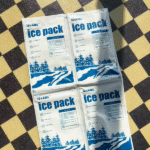
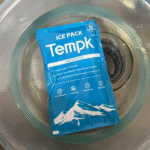
A gel cold therapy pack is a reusable or single-patient cold pack designed for therapeutic cooling, not for parcel shipping. In healthcare buying, the main questions are whether the pack stays flexible enough to conform to the body, how cleanly it fits the workflow, and whether its labeling and claim style suit the intended channel. A healthcare cold therapy pack is different from a shipping coolant. Clinical buyers need flexible frozen performance, cleanability, and appropriate claim support for the channel they serve.
These packs are commonly considered for post-procedure cooling, sports medicine, orthopedic rehab, and general patient care. In many settings, the pack is paired with a towel, sleeve, or dedicated wrap so staff can position it quickly and maintain a consistent routine. The practical value is simple: a reusable cold source that is easy to freeze, easy to identify, and easy to hand to the next patient or discharge as part of a take-home kit.
Public healthcare product pages in this category often describe non-toxic gel fills, flexible construction, and reusable hot/cold use. Those baseline features matter, but material behavior still varies. Some packs stay pliable and comfortable after freezing. Others become harder, feel uneven against the body, or show seam stress after repeated cycles. For clinical buying, the difference becomes obvious only when the pack is used in real freezer-to-patient workflows.
Patient experience still matters in B2B buying. A pack that feels too rigid, looks low-quality, or is awkward to hold can reduce compliance even when it technically delivers cold therapy. For programs that include take-home use, clear instructions and a comfortable feel are part of the product's real value.
How to compare format, comfort, and workflow fit
Technically, cold therapy performance depends on three things at once: how cold the pack gets, how evenly it contacts the body, and how long it stays useful without becoming uncomfortable. A pack that is too rigid can create poor surface contact. A very soft pack may drape well but lose shape. Film thickness, seam design, fill level, and any outer cover all influence that balance.
Workflow fit deserves more attention than it usually gets. A pack that performs well in a lab freezer may still create friction if staff cannot identify the right size quickly, if the sleeve is awkward, or if the unit does not fit standard storage bins. For hospitals and clinics, the best format is often the one that balances anatomical fit with simple stocking and training.
Accessories can also change the value of the program. Sleeves, wraps, straps, or simple protective covers may determine whether the pack is positioned correctly and comfortably in day-to-day use. When a supplier offers those accessories, buyers should still confirm whether they are durable, easy to clean, and consistent with the intended storage method.
Storage and turnover deserve a practical review. Packs should fit the freezer space the facility actually has, not the freezer space buyers wish they had. If cartons are too large, or if the pack shape makes stacking awkward, staff may improvise and the program becomes inconsistent. A cleaner result often comes from choosing sizes that match real bins, shelves, and pick routines.
The intended use case also changes size selection. Orthopedic rehab, sports medicine, and general outpatient care do not always need the same form factor. Some teams prefer body-part-specific shapes for knees, shoulders, or ankles. Others deliberately choose a few universal flat packs because they simplify storage and training. The right answer depends on how standardized the workflow needs to be.
What buyers should check before rollout
Channel fit affects packaging, instructions, and perceived value. A product intended for in-clinic treatment may need a different label emphasis from a discharge-kit item or a pack sold through a healthcare-adjacent retail channel. Clarifying that use case early helps suppliers recommend the right format instead of pushing one generic pack into every situation.
Claim boundaries are also important. Some products are sold as general hot/cold packs for wellness or home care, while others are positioned more clearly toward professional healthcare channels. Buyers should align the product category, labeling language, instructions for use, and sales channel before they scale a program, especially when private label is involved.
Frozen flexibility: ask how the pack behaves straight from the freezer and after several minutes of use against the body.
Shape and size range: confirm whether the supplier offers flat universal packs, body-part-specific shapes, or sleeves and wraps that support placement.
Film and seam durability: review how the pack is protected against bursting, splitting, or visible wear after repeated freeze-thaw cycles.
Cleanability: ask how the outer surface should be wiped, how sleeves or covers are cleaned, and whether the product design fits your hygiene routine.
Unit-of-issue and labeling: clarify pack labeling, patient instructions, carton quantities, and whether the product is intended for clinic use, resale, or take-home programs.
Heating compatibility: if dual-use is required, verify safe warming instructions and any cycle limits instead of assuming every pack is equally suitable for heat therapy.
Sample-to-production consistency: make sure the approved sample uses the same fill, film, seams, and any cover materials as planned production.
Helpful decision tools
Check the details before you choose packaging
These quick tools can help you compare route risk, sizing needs, coolant choices, and packaging details before you request a quote.
Box Liner & Pallet Cover Sizing
Check box liner and pallet cover sizing logic for insulated packaging projects.
Estimate sizingPackaging Selector
Compare insulated packaging options by product, route, and temperature need.
Find packagingRoute Risk Checker
Review lane conditions before selecting packaging for real operating requirements.
Check route riskMOQ, lead time, and customization: understand the limits on printing, shape changes, bundled sleeves, and private-label packaging.
Program fit: compare whether the supplier can support both standard clinic stock and branded patient take-home packs without confusing the product range.
A proper sample review should happen in real workflow conditions. Freeze the pack the way staff will actually freeze it, apply it with the intended towel or sleeve, and see how it feels after a few minutes rather than only at the moment it leaves the freezer. This quickly reveals whether the pack is truly conformable, easy to handle, and suited to the intended body area.
Training should be treated as part of the product. Staff need clear instructions on when the pack should come out of the freezer, whether a barrier layer is needed, how long it is typically used, and how it is cleaned or returned to storage afterward. That kind of routine guidance often matters more than one extra line of marketing copy on the carton.
Take-home programs have their own needs. A pack that works in a clinic may need different labeling, a simpler sleeve, or clearer user instructions when it leaves the facility with the patient. Buyers should review that transition early rather than assuming the professional-use presentation will translate smoothly into home use.
Operational mistakes worth avoiding
A common buying mistake is choosing the pack with the lowest case price without checking how it feels after freezing. If it becomes too hard, the apparent savings often disappear in user dissatisfaction and staff workarounds.
Another mistake is carrying too many near-duplicate SKUs. In many healthcare programs, a smaller range of well-chosen pack sizes is easier to store, train on, and reorder than a large catalog of slightly different shapes.
Buyers also make avoidable errors when they mix shipping-style language with therapy-style use. A therapeutic pack is selected for body contact, comfort, and repeat handling, not for transport hold time.
Many procurement teams improve results by rationalizing the assortment. Instead of carrying many near-duplicate packs, they define a smaller set of formats that cover the most common body areas and workflows. This makes stocking, reordering, staff familiarity, and bundled patient programs easier to manage.
Wholesale cost should be assessed alongside replacement rate, storage efficiency, training time, and workflow simplicity. A cheaper pack that splits early, fits poorly into storage bins, or requires too many specialized sizes may create higher operating cost than a more stable and versatile alternative.
Sustainability in therapy-pack purchasing often shows up as reuse, SKU simplification, and avoiding premature replacement. A durable pack with a clear cleaning routine can reduce waste, but only if the workflow genuinely supports repeated use. In some channels, single-patient distribution or bundled take-home kits may still be the more realistic model.
Frequently asked questions
What is the first thing to define in a healthcare brief?
Start with where and how the pack will be used: in-clinic treatment, discharge kits, retail resale, or a mixed program.
Should buyers prioritize body-part-specific shapes or universal packs?
That depends on the workflow. Some programs benefit from specialized shapes, while others save time with a smaller number of versatile flat packs.
What usually creates rollout problems?
Unclear freezer routines, too many overlapping SKUs, and samples that do not truly match production are common causes.
A practical conclusion
A strong cold-therapy pack program starts with real patient use and staff workflow, then moves into format selection, labeling, and supply consistency.
Additional practical considerations
Public healthcare product pages in this category often describe non-toxic gel fills, flexible construction, and reusable hot/cold use. Those baseline features matter, but material behavior still varies. Some packs stay pliable and comfortable after freezing. Others become harder, feel uneven against the body, or show seam stress after repeated cycles. For clinical buying, the difference becomes obvious only when the pack is used in real freezer-to-patient workflows.
Technically, cold therapy performance depends on three things at once: how cold the pack gets, how evenly it contacts the body, and how long it stays useful without becoming uncomfortable. A pack that is too rigid can create poor surface contact. A very soft pack may drape well but lose shape. Film thickness, seam design, fill level, and any outer cover all influence that balance.
Workflow fit deserves more attention than it usually gets. A pack that performs well in a lab freezer may still create friction if staff cannot identify the right size quickly, if the sleeve is awkward, or if the unit does not fit standard storage bins. For hospitals and clinics, the best format is often the one that balances anatomical fit with simple stocking and training.
Claim boundaries are also important. Some products are sold as general hot/cold packs for wellness or home care, while others are positioned more clearly toward professional healthcare channels. Buyers should align the product category, labeling language, instructions for use, and sales channel before they scale a program, especially when private label is involved.
About Tempk
We are Tempk, a brand of Shanghai Tempk Industrial Co., Ltd., focused on temperature-control products for business and everyday use. Our public product range spans gel packs, insulated carriers, personal thermotherapy products, and temperature-controlled packaging. That mix helps when buyers need practical advice on cooling formats, user comfort, and product design that still works in transport, storage, and daily handling.
Next step
If you are planning a clinic rollout or a bulk program, start with the body area, storage workflow, and cleaning routine you really need. That makes it easier to choose a pack shape and material that staff will actually use correctly.