Bulk Dry Ice Pack for Pharmaceutical Delivery: Selection and Bulk Buying Guide
A bulk dry ice pack for pharmaceutical delivery should be chosen only after the product temperature range, route duration, payload size, and handling limits are clear. The safest buying decision is to treat the pack as one part of a temperature-controlled packaging system, not as a universal solution.
Pharmaceutical delivery may require controlled room temperature, 2°C to 8°C, frozen, or ultra-cold conditions. Product labeling, stability data, and quality procedures should define the range. Dry ice is suitable only for products that require frozen or ultra-low conditions and tolerate dry ice packouts. Many medicines require chilled or controlled room temperature shipping instead. If those boundaries are not written down, procurement may buy a pack that is cold but unsuitable.
This guide focuses on practical selection: what the product should do, when dry ice makes sense, when alternatives are safer, what specifications buyers should request, and how to judge suppliers before placing a repeat or bulk order.
The Core Decision: Frozen, Chilled, or Controlled Ambient?
Every cold-chain purchase should begin with the required temperature range. Frozen, refrigerated, ultra-cold, and controlled ambient are different packaging problems. A dry ice pack can support very cold shipment conditions, but it may be damaging for products that must remain in a mild refrigerated range.
For pharmaceutical delivery, this distinction is especially important. Risks include under-qualified packaging, unplanned dwell time, dry ice depletion, freezing of chilled medicines, missing temperature records, and unclear responsibility between shipper, carrier, and receiver. A packout that is too cold can create hidden quality problems even when the delivery is fast and the outer carton looks undamaged.
What a Dry Ice Pack Can and Cannot Do
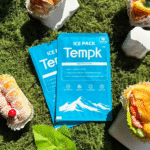
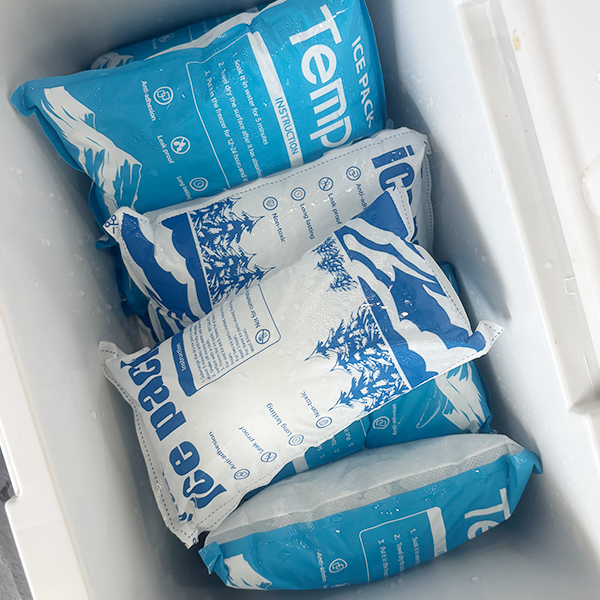
The phrase dry ice pack can be used in two ways. In strict logistics language, dry ice refers to solid carbon dioxide used as a very cold refrigerant. In packaging catalogs, the same phrase may also be used for hydrated or reusable cold packs that are frozen before use and placed inside insulated packaging. Buyers should clarify the meaning before approving a specification.
Dry ice is solid carbon dioxide that sublimates at about -78.5°C, so it can create a much colder environment than ordinary frozen water-based packs. That can be valuable for frozen shipments, but it can be too cold for products that need a refrigerated or controlled room-temperature range. Dry ice also turns into gas, which means the package must not be airtight and must allow carbon dioxide to vent safely.
A dry ice pack can absorb heat and help maintain a frozen or ultra-cold environment when the rest of the system is designed for it. It cannot compensate for poor insulation, warm product at packing, excessive route duration, blocked venting, or staff who do not follow the packout diagram.
Qualified PCM shippers, gel pack systems, active containers, and controlled room temperature packaging may be better than dry ice when the medicine does not require ultra-cold transport. The best choice is usually the one that maintains the required range with the least avoidable risk, not the one with the coldest starting temperature.
Build the Packout as a System
A refrigerant pack alone is not a qualified temperature-controlled shipper; performance comes from the full combination of product, payload, insulation, refrigerant, void fill, packout method, ambient exposure, and transit time.
A typical passive cold-chain packout starts with a product that has already been cooled to the required starting condition. The product is placed into a tested insulated shipper, with refrigerant arranged according to a written diagram. Void space is managed so heat does not move quickly through air gaps, but airflow and venting requirements are still respected when dry ice is used.
The same pack may perform differently on a short night route, a weekend route, a summer parcel lane, or a lane with long dock exposure. For that reason, buyers should compare packaging by route assumptions and test conditions rather than by promotional cooling duration alone.
Buyer Checklist for Specifications
A strong quotation request should make it difficult for a supplier to answer vaguely. Include the information below so samples, bulk production, and operational packing are aligned.
Required temperature range: refrigerated, frozen, ultra-cold, or controlled room temperature. Do not treat these ranges as interchangeable.
Shipment duration: include packing time, carrier pickup, hub dwell, possible delay, delivery window, and receiving time.
Payload volume: confirm usable internal volume after insulation and refrigerant are installed, not only the outer carton size.
Payload weight: confirm the package can tolerate the filled product, refrigerant, absorbent materials, and handling loads.
Refrigerant compatibility: decide whether solid dry ice, gel packs, PCM packs, or a hybrid system is appropriate for the product.
Preconditioning instructions: specify freezing or conditioning temperature, time, staging process, and how staff verify readiness before packing.
Product separation: include dividers, pads, liners, or buffers when a very cold refrigerant could damage product surfaces.
Venting and marking: when solid dry ice is used, confirm venting, labels, net dry ice mass, and carrier documentation needs for the transport mode.
Receiving checks: define what the receiver should inspect, record, and escalate when the shipment arrives.
What Buyers Should Check Before a Bulk Order
Because the phrase bulk dry ice pack usually appears in a buying context, supplier evaluation should focus on repeatability, not only price. For pharmaceutical delivery, the most useful supplier conversation covers lot consistency, pallet planning, usable volume, storage footprint, preconditioning capacity, and operational repeatability.
Can the order be divided by lot, size, and temperature application so sites do not mix pack types?
Helpful decision tools
Check the details before you choose packaging
These quick tools can help you compare route risk, sizing needs, coolant choices, and packaging details before you request a quote.
Coolant & PCM Reference
Compare coolant and PCM options when a route needs added temperature support.
Compare optionsInsulation Material Reference
Compare insulation material choices for different cold chain packaging needs.
Compare materialsBox Liner & Pallet Cover Sizing
Check box liner and pallet cover sizing logic for insulated packaging projects.
Estimate sizingWhat pallet configuration, carton count, and storage footprint should receiving teams expect?
Will every lot use the same material, fill amount, seal style, and outer carton specification?
Can the buyer freeze or precondition the packs at the required scale before shipping begins?
What acceptance checks should be used for weight, leakage, appearance, and carton damage?
The supplier should also describe how it handles substitutions. A change from one film, pack size, fill amount, insulation material, or carton format to another can affect both thermal results and warehouse workflow. For regulated or high-value products, buyers should ask for written change-control expectations before the order is placed.
Compliance, Safety, and Receiving Boundaries
Pharmaceutical delivery should be governed by documented packout instructions, temperature monitoring strategy, deviation procedures, and supplier change control. Dry ice shipments by air or water require venting, marking, and applicable documentation.
If solid dry ice is used for aircraft or vessel transport, the package must be designed to release carbon dioxide gas and prevent pressure buildup. Air shipments may also require dry ice marking, net mass information, operator arrangements, and transport documentation depending on the route and contents.
For pharmaceutical, vaccine, biologic, insulin, or medical shipments, packaging suitability should be reviewed by the quality or logistics team. A reusable pack, insulated carton, or waterproof container is not automatically compliant. The system must be appropriate for the product, route, monitoring plan, and documented procedure.
Receivers should inspect package condition, review temperature data, verify product identity and lot information, and escalate any evidence of temperature excursion before use or release.
Operational Details That Reduce Failed Shipments
Preconditioning is one of the most common weak points. A pack that is not fully frozen or conditioned before use will not perform like the tested sample. Bulk buyers should confirm whether their own facility has enough freezer, refrigerator, or conditioning capacity to prepare all packs before daily dispatch.
Pack placement is another weak point. A dry ice pack placed directly against a freeze-sensitive product can cause localized damage, while a pack placed too far from the heat path may not protect the shipment. Written diagrams, photos, and simple training can reduce variation between shifts and sites.
The outer package should also match real handling. Parcel networks compress, rotate, stack, and delay packages. Wholesale and pallet shipments may face dock dwell and mixed-load conflicts. A packout that works on a clean laboratory bench may need adjustment for warehouse speed, glove use, scanning, labeling, and receiving workflows.
How to Avoid Overbuying or Underbuying
Overbuying happens when the buyer selects the largest or coldest pack for every shipment. It can waste money, reduce payload volume, increase shipping weight, add safety burden, and damage products that should not freeze. Underbuying happens when the buyer chooses the cheapest pack without considering route duration, insulation, preconditioning, or ambient exposure.
A better approach is to create a small number of approved packouts. One may cover short refrigerated routes, another may cover long frozen routes, and another may cover summer risk. This keeps procurement simple while still respecting the differences between products and lanes.
Frequently Asked Questions
Is a dry ice pack always better than a gel pack?
No. Dry ice is much colder and may be useful for frozen shipments, but qualified pcm shippers, gel pack systems, active containers, and controlled room temperature packaging may be better than dry ice when the medicine does not require ultra-cold transport. The correct choice depends on the product temperature range and route.
Can one packout work for every season?
Usually not. Summer heat, winter freezing risk, carrier dwell time, and delivery windows can change the amount and type of refrigerant required. Many buyers keep separate packout instructions by route and season.
What should be tested before launch?
Test the full package with representative product mass, refrigerant quantity, insulation, preconditioning process, route duration, and ambient exposure. Testing only an empty box or only the refrigerant pack is not enough.
Additional Procurement Notes
Buyers should request the same information from every potential supplier so quotes can be compared fairly. A low quoted unit price may hide a smaller pack, weaker insulation, thinner film, fewer pieces per carton, less useful documentation, or longer preparation time for warehouse teams.
Storage and staging costs should also be counted. Packs may require freezer space, refrigerator space, dry storage, or a return area for reusable components. If the buyer cannot prepare the packs correctly at scale, the packaging system may fail even when the supplier product is well made.
The approved packout should be written in a way that a new employee can follow. Include the product starting condition, number of packs, orientation, insulation pieces, void fill, closure method, label placement, pickup timing, and receiving checks. Photographs are often more useful than long instructions.
For repeat purchasing, ask the supplier to keep the same item code tied to the same material and dimensions. If the supplier treats similar packs as interchangeable, procurement savings can be lost through inconsistent thermal performance, warehouse confusion, and customer complaints.
Operational Handoff Points
The cold-chain handoff is where many failures occur. A purchasing team may approve the right pack, while a warehouse team may use it too early, leave it staged too long, place it in the wrong position, or close the carton before the product is at the required starting condition. A good buying program therefore includes workflow instructions, not only product specifications.
About Tempk
Tempk is a cold chain packaging supplier headquartered in Shanghai. Our public product range includes dry ice packs, gel ice packs, freezer ice bricks, insulated boxes, cold shipping boxes, insulated liners, pallet covers, and related temperature-control packaging materials. We support food, pharmaceutical, and other temperature-sensitive shipments with practical packaging options and route-specific discussion rather than one-size-fits-all claims.
Talk with Tempk
For a safer selection, share your required temperature range, shipment duration, payload size, and route conditions before placing a bulk order. Tempk can help you discuss a practical packout for pharmaceutical delivery, including bulk or custom options where appropriate.