


Blog Detail
Cold Chain Monitoring Systems Evolve Toward Real-Time Visibility and Predictive Control
Cold Chain Monitoring Enters a New Phase of Real-Time Control
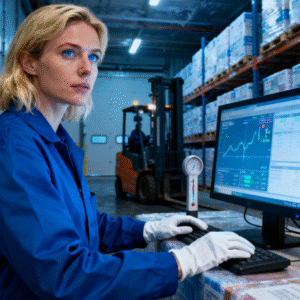
Recent industry content highlights a growing transition in cold chain logistics from traditional monitoring toward real-time visibility and predictive control systems.
Modern cold chain monitoring solutions now combine sensors, data loggers, and digital platforms to track temperature conditions continuously throughout the supply chain. This approach allows companies to move beyond passive data collection and toward active risk management.
Limitations of Traditional Temperature Monitoring
Historically, cold chain monitoring has relied on:
- Standalone data loggers
- Post-shipment temperature reports
- Manual inspection processes
While effective for compliance documentation, these methods often fail to provide immediate insight during transit, limiting the ability to respond to temperature excursions in real time.
Integration of Sensors, Data, and Predictive Systems
New systems are increasingly designed to integrate:
- IoT-enabled temperature sensors
- Real-time data transmission
- Predictive analytics and alerts
This integration enables operators to detect potential risks earlier and take corrective action before product quality is compromised.
Implications for Cold Chain Packaging and Logistics
For cold chain packaging and solution providers, this shift has direct implications:
- Packaging must support integration with monitoring systems
- Demand is rising for validated packaging + data solutions
- Thermal performance and data visibility are becoming equally important
This reflects a broader industry trend toward fully integrated cold chain systems, where packaging, monitoring, and logistics operate as a unified platform.
Key Takeaway
Cold chain logistics is evolving toward data-driven, real-time systems, where monitoring is no longer a passive function but a core component of operational control and product protection.




