




Packout engineer
We built one sample packout with our usual product and cooling media. That showed whether the internal space and wall thickness worked together.
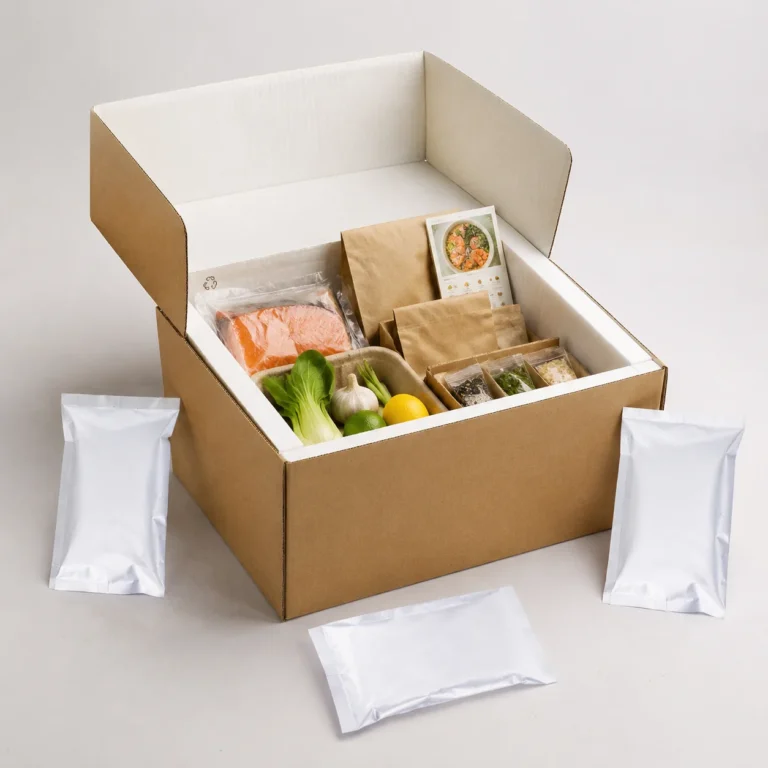
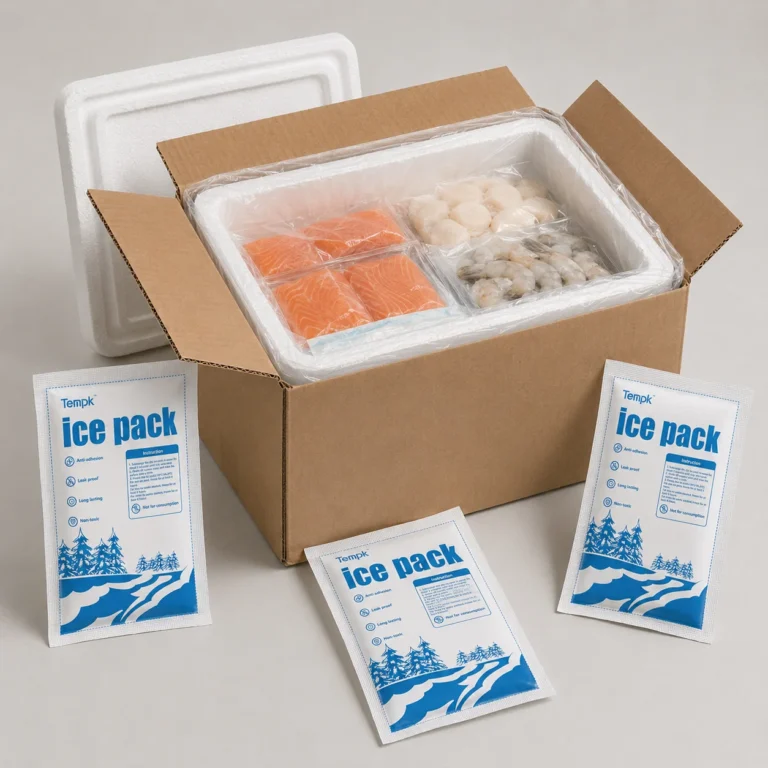
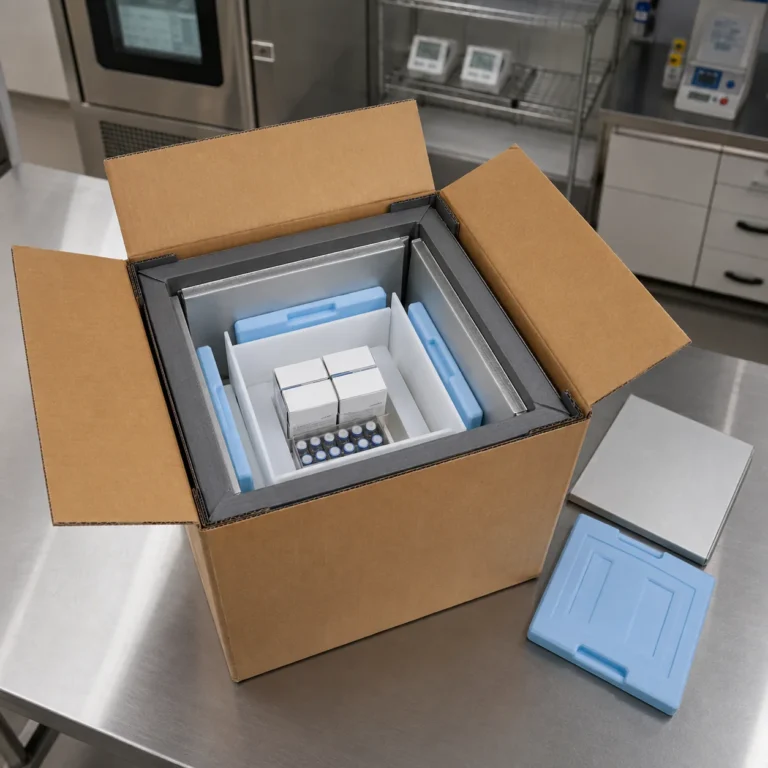
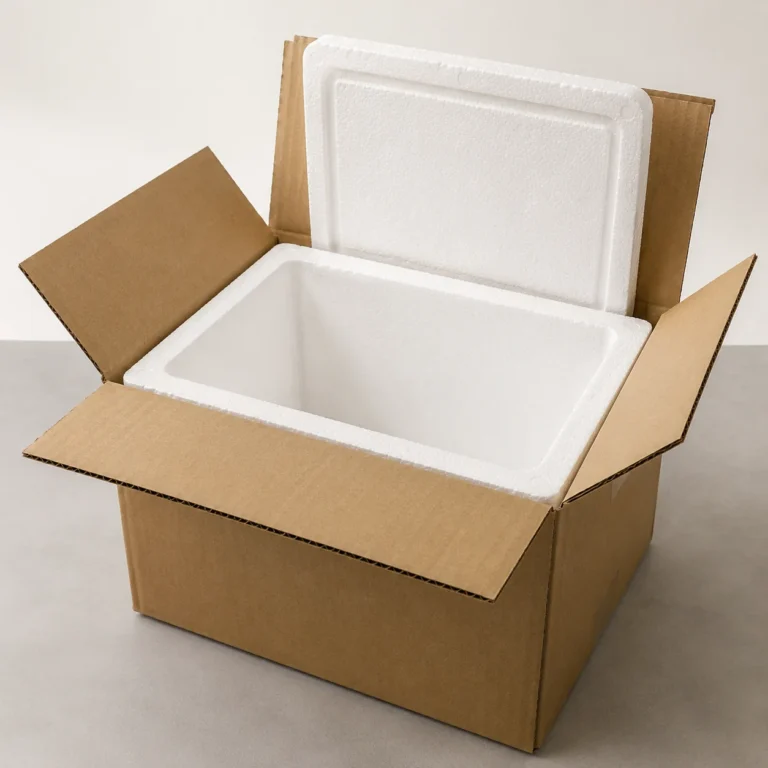
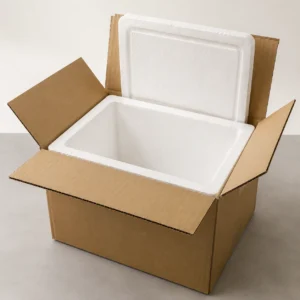
Corrugated insulated shippers combine an outer corrugated carton with an insulated lining or panel system. They are used for chilled food, frozen products and selected healthcare packouts where box fit, coolant placement, payload protection and route conditions must be planned together.
What buyers and packing teams found useful when they compared this product family with their own packing process.
We built one sample packout with our usual product and cooling media. That showed whether the internal space and wall thickness worked together.
Assembly was the deciding point for us. The team wanted to check the closure, stacking and packing steps before choosing the format.
Comparing the construction in hand was more useful than comparing specifications on separate sheets. We knew what to ask about in the next call.
Corrugated insulated shippers
Corrugated insulated shippers combine an outer corrugated carton with an insulated lining or panel system. They are used for chilled food, frozen products and selected healthcare packouts where box fit, coolant placement, payload protection and route conditions must be planned together.
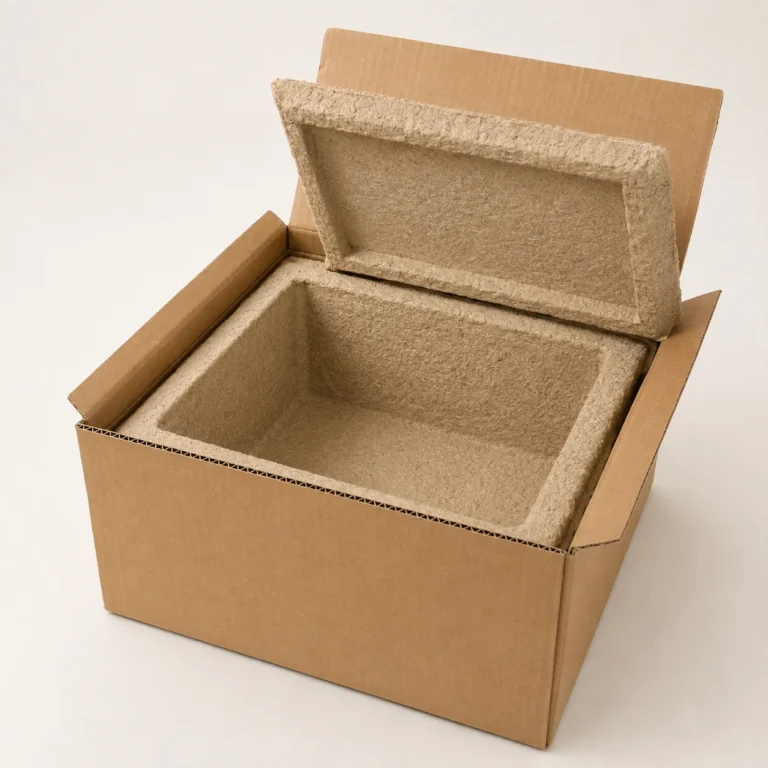
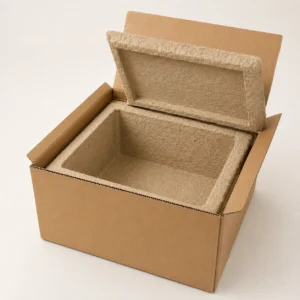
A fibre-based inner option for projects that need a carton-based packout and a defined fit around the payload.
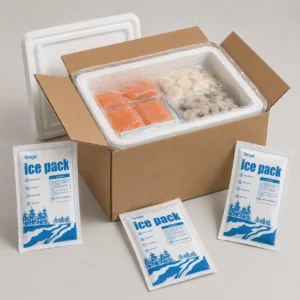
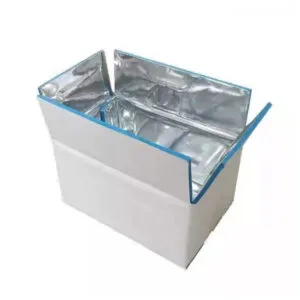
A lined carton format for chilled or frozen loads when insulation and product protection both need attention.
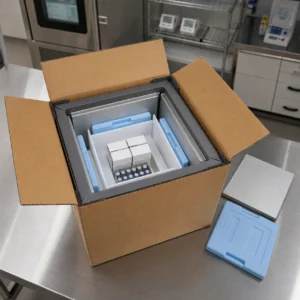
Selected configurations for defined healthcare or temperature-sensitive routes, assessed with the complete packout.
| Confirm | Why it matters |
|---|---|
| Payload and temperature range | The insulation structure and coolant layout must suit the actual goods and their temperature limit. |
| Internal dimensions and loading | A well-fitted liner and payload layout leave room for coolant without crushing or crowding the goods. |
| Coolant placement and separation | Use the planned coolant quantity and protect goods that should not contact frozen surfaces directly. |
| Route and handoff conditions | Transit time, ambient exposure, loading and delays affect the complete packed shipper. |
Explore insulated box linersExplore ice packsDiscuss your shipping packout
Start with the payload, temperature range, route and carton dimensions. Each material has different fit, handling and insulation characteristics, so confirm the complete packout.
Some configurations can be used for frozen shipments when the insulation, coolant, product separation and route are chosen together. Confirm the loaded packout for the intended route.
No. Actual performance depends on the box, insulation, coolant, payload, loading method, route and ambient exposure.