Paper Insulated Box Liner for Biotech: How to Choose the Right Cold Chain Liner
A paper insulated box liner is useful only when it is matched to the product, carton, temperature range, transport duration, and handling route. A liner purchase may look like a simple unit-price request, but buyers usually need more than a price sheet. They need to know whether the liner can protect the payload during real packing, loading, dwell time, delivery, and receiving.
The safest way to evaluate paper insulated box liners is to treat them as one part of a packaging system. The liner slows heat transfer, protects presentation, and may improve the performance of gel packs, phase change material, or dry ice. It does not automatically make a carton qualified for every cold chain lane. The right choice starts with a clear route profile and ends with a repeatable packing process that warehouse staff can follow.
For pharmaceutical, biotech, or clinical trial shipments, the liner should be reviewed as part of a controlled packaging configuration. Quality teams normally need evidence about the payload, refrigerant, ambient profile, transport duration, monitor placement, and receiving inspection process before a system is used for product shipments.
Start With the Job the Liner Must Perform
Before comparing paper insulated box liners, define the job in operational terms. What product is being shipped? What temperature range must be maintained or buffered? How long is the shipment in transit? What ambient temperatures are realistic? How much payload volume is available after cold packs, dividers, and documents are packed? These answers narrow the field quickly.
Buyers often start with a requested size or material, but the more useful starting point is the failure risk. If the product is low-value and only needs short heat buffering, a simple liner may be enough. If the shipment contains medicine, biologics, clinical material, or high-value perishables, the liner should be reviewed as part of a tested packaging system.
Match Material to Route, Payload, and Packing Method
Paper insulated box liners are attractive when buyers want a carton-compatible, fiber-based option with a cleaner disposal story than some plastic insulation formats. They can be useful for chilled food, selected healthcare kits, and brand-sensitive deliveries where presentation matters. Performance depends on fiber density, fold design, moisture resistance, and how tightly the liner fits the carton.
Paper insulation has boundaries. Wet pack-outs, melting ice packs, condensation, dry ice use, or long refrigerated lanes may require barriers, liners, separators, or a different material. For biotech shipments, the buyer should not assume that paper insulation alone is enough; the full pack-out should be qualified or at least tested against the shipment risk.
Material selection should be practical. Bubble structures are flexible and fast to pack. Foam and fiber can add structure or cushioning. Reflective facings can help with radiant heat exposure when installed correctly. Paper-based designs may support brand and disposal goals, but they still need moisture and performance review. Compressed formats can save storage space, but only if they recover consistently before use.
The installed liner must leave enough usable volume for product and refrigerant. Measure the carton after the liner is inserted. Check whether the lid closes, whether cold packs sit where the work instruction requires, and whether labels or documents are protected. A small fit issue can create a large temperature or handling problem after thousands of shipments.
Separate Protective Packaging From Temperature-Controlled Systems
For regulated healthcare shipments, packaging decisions should be linked to the product's labeled storage condition and the route risk. Refrigerated products, frozen samples, controlled-room-temperature medicines, and clinical trial kits may all need different pack-outs. The same liner can behave differently when the payload mass, refrigerant type, ambient profile, or shipment duration changes.
Quality teams commonly expect a clear distinction between a protective outer carton, an insulated liner, and a qualified temperature-controlled shipping system. A liner may support the system, but it does not replace documented qualification, written packing instructions, calibrated monitoring where required, deviation handling, and receiving inspection. Claims about compliance should be tied to the actual configuration and lane.
If a supplier provides thermal data, buyers should ask what was tested: carton size, payload simulator, refrigerant quantity, ambient profile, pack-out duration, probe locations, and pass/fail limits. A result from a different box size or payload may be useful for screening, but it should not be treated as proof for a new product route without review.
This distinction matters for every buyer. A protective liner can reduce heat gain and improve pack-out consistency, but a temperature-controlled system needs a defined configuration. The system includes the carton, liner, coolant, payload, packing sequence, closure, monitoring plan, and route assumptions. Without that complete view, performance claims are too vague for high-risk shipments.
For controlled-room-temperature products, the challenge may be avoiding both overheating and freezing. For refrigerated products, the challenge may be maintaining a chilled range without direct cold pack damage. For frozen products, sublimation, ventilation, labeling, and handling requirements may become important. One liner cannot solve all temperature ranges in the same way.
Use a Practical Supplier Checklist
Before placing a bulk order, buyers should ask for internal and external dimensions, installed usable volume, material type, liner thickness, facing film, closure style, carton compatibility, packing instructions, sample lead time, production lead time, and available customization. These questions make supplier quotes more comparable and reduce the chance of receiving a liner that looks correct but fails in the packing line.
The supplier should also explain how it controls sample-to-production consistency. For liners, small material or fold changes can affect carton fit, cold pack placement, and operator speed. A practical purchase order can include retained samples, lot marking, artwork approval, substitution limits, and incoming inspection points.
A buyer-ready specification should include installed internal dimensions, material construction, critical tolerances, liner weight, closure style, carton compatibility, cold pack compatibility, assembly steps, storage requirements, lot marking, and substitution rules. For OEM or custom work, add artwork approval, color standard, packaging count, master carton markings, and approval samples.
Helpful decision tools
Check the details before you choose packaging
These quick tools can help you compare route risk, sizing needs, coolant choices, and packaging details before you request a quote.
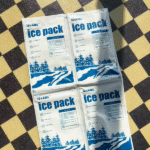
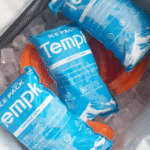
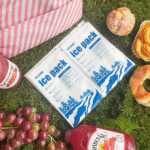
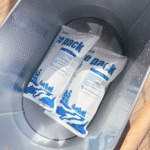
Ice Pack Calculator
Estimate gel ice pack quantity for chilled shipments and practical route planning.
Estimate ice packsDry Ice Calculator
Estimate dry ice needs for frozen or ultra-cold shipments before packing.
Estimate dry iceBox Liner & Pallet Cover Sizing
Check box liner and pallet cover sizing logic for insulated packaging projects.
Estimate sizingFor bulk orders, define how the supplier will handle repeat production. Will every production lot match the approved sample? What happens if raw material changes? Are retained samples available? Can the supplier provide corrective action if dimensions drift? These questions may sound detailed, but they prevent expensive surprises after scale-up.
Evaluate Total Cost, Not Only Unit Price
A low liner price is not always the lowest program cost. Oversized cartons increase dimensional weight. Bulky inbound packaging consumes warehouse space. Slow assembly increases labor. Inconsistent liners create rework. Weak thermal performance can cause rejected product. Buyers should calculate cost across purchasing, warehousing, packing, freight, customer experience, and quality exceptions.
Compressed and flat-pack liners may reduce inbound freight and storage cube, while custom sizing may reduce excess void space. On the other hand, custom production may increase MOQ or lead time. The best cost decision is the one that matches the expected volume, demand variability, and risk level of the shipped product.
Test Before Scaling
Testing does not always need to begin with a large formal study. For early screening, buyers can pack the actual carton, payload simulator, refrigerant, and liner, then observe temperature behavior under realistic handling. For regulated or high-risk shipments, a more controlled qualification process may be needed. In either case, the test should reflect the route rather than an ideal warehouse scenario.
The test should also include people. Ask different operators to assemble the liner and pack the box using the proposed work instruction. Watch for confusion, slow steps, inconsistent folds, missing corner coverage, and closure problems. Temperature performance and operational repeatability are connected; a pack-out that is too complex is more likely to fail at scale.
Common Mistakes to Avoid
The most important limitation is simple: paper insulated box liners are not universal solutions. They cannot overcome an unsuitable refrigerant, an overloaded carton, an untested route, or a receiving process that leaves products exposed after delivery. Assuming a paper liner is automatically suitable for wet pack-outs, dry ice, or regulated biotech shipments without testing is a common purchasing mistake.
Liners may also introduce operational tradeoffs. Thicker insulation reduces usable volume. Reflective films can be slippery in packing stations. Paper or fiber materials may need moisture barriers. Compressed liners may need recovery time. OEM or printed liners may have longer lead times. These issues do not make the product unsuitable; they simply need to be addressed before scale-up.
Another common mistake is approving a liner without checking receiving conditions. If the receiver leaves the package unopened in a warm area, fails to inspect the temperature monitor, or discards packaging instructions, the best outbound pack-out may still fail. Cold chain performance is shared across shipper, carrier, receiver, and quality review.
Buyers should also avoid changing carton size after liner approval without repeating fit and performance checks. A slightly taller carton can create more headspace, and a smaller carton can compress the liner or cold packs. Treat carton changes as packaging changes, not simple purchasing substitutions.
FAQ
Can a paper insulated box liner replace a cold shipping box?
Usually not. A liner can improve insulation inside a carton or cooler, but a cold shipping box or qualified shipper includes the outer container, insulation, refrigerant, payload layout, and test evidence for a defined route.
Is a paper insulated box liner automatically suitable for pharmaceutical shipments?
No. Pharmaceutical, biotech, and clinical shipments should be reviewed against the product's required temperature range, route duration, pack-out, monitoring needs, and documentation requirements.
Should I choose bubble, foam, paper, or another material?
Choose by route risk, payload sensitivity, moisture exposure, disposal goals, and pack-out testing. Material name alone does not prove performance.
What is the biggest mistake when using insulated liners?
The biggest mistake is approving a liner from a photo or price sheet without testing the actual carton, refrigerant, payload, closure, and handling route.
About Tempk
Tempk supports cold chain packaging projects with products such as insulated box liners, cold shipping boxes, EPP insulated boxes, gel ice packs, dry ice packs, freezer ice bricks, pallet covers, and related temperature-control materials. For paper insulated box liners, we focus on practical fit, packing configuration, and route needs rather than treating the liner as a stand-alone promise. We can help buyers compare material options, sizing, and bulk or custom requirements for food, healthcare, and temperature-sensitive shipments.
Request a Liner Recommendation
Share your target temperature range, shipment duration, carton size, payload details, and order plan to discuss a liner configuration that fits your route and packing process.
Additional Packing Details Buyers Often Miss
Small packing details can decide whether a liner works in daily operations. The liner should be staged where operators can reach it without bending or searching. Cold packs should be conditioned according to a written process, not by guesswork. Products should be loaded in the same orientation used during any test. Closures should be strong enough to keep the liner in position during carrier handling.
Usable volume deserves special attention. A carton may look large enough before the liner is installed, but the final payload space can shrink quickly after insulation, gel packs, dividers, documents, and void fill are added. Buyers should build a sample box at full scale, photograph the pack-out, weigh the finished shipment, and confirm that the carton still fits carrier and pallet requirements.