Choosing single bubble insulated liner for meat shipping: Practical B2B Guide
The right single bubble insulated liner for meat shipping specification starts with a short list of facts: product temperature requirement, route duration, carton size, coolant plan, and what evidence the receiver needs. For meat shipping, the liner can reduce thermal exposure and improve packing efficiency, but it cannot replace the full packout design. This guide gives buyers a practical way to specify, test, and source the liner without relying on vague claims.
Liner, coolant, carton, and route must be treated together
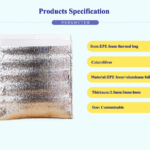
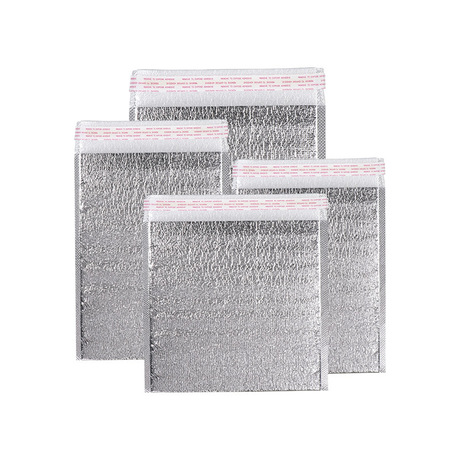
A single bubble insulated liner is a passive insulation layer. It can slow heat gain or heat loss, reflect radiant heat from the carton wall, add a small amount of cushioning, and help create a cleaner inner pack surface. It is not a refrigerator, it is not an active temperature-control device, and it does not remove the need for the right coolant. For meat shipping, this boundary is especially important because the shipment may pass through several handover points before the receiver opens the carton.
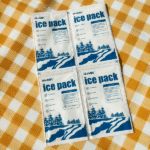
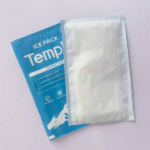
Think of the liner as one part of a small thermal stack. The outer corrugated carton gives shape and handling strength. The liner adds a reflective and air-space layer. Gel packs, ice bricks, PCM packs, or dry ice provide cold energy where appropriate. Product packaging controls leakage, hygiene, and direct contact. The route then adds the real stress: leakage from primary packaging, sharp bone edges, condensation, delayed delivery, thaw claims, poor refrigerant placement, and weak carton closure. If any one of these parts is weak, the liner may be blamed even when the problem was actually carton size, coolant mass, or poor handling.
This is why the first buyer question should be about the payload and route, not the liner thickness alone. A shipment containing fresh cuts, frozen meat, poultry packs, subscription meat boxes, and insulated cartons using gel packs or dry ice where appropriate needs a different risk review than a generic ambient parcel. You should define the required product condition at delivery, the expected handling time, the receiving process, and the rejection criteria before comparing liner samples. A clean specification makes supplier conversations faster and reduces the chance that a low-cost option is approved for the wrong reason.
Map the route before deciding the liner is enough
Route mapping is a simple exercise that many teams skip. Write down where the packed carton will sit before pickup, how it is loaded, whether it enters a parcel hub, how long it may wait in a vehicle, whether a rider or courier opens a larger delivery bag, and how the receiver inspects the package. For meat shipping, this route map often reveals a risk that liner specifications alone cannot solve.
Once the map is visible, match each risk to a control. Leakage from primary packaging, sharp bone edges, condensation, delayed delivery, thaw claims, poor refrigerant placement, and weak carton closure may require more coolant, a different carton, a stronger closure, a warning label, a shorter dispatch window, or a data logger. The single bubble insulated liner may support these controls by reducing heat transfer and improving the inner pack surface, but it cannot compensate for every operational gap.
The route map also helps with SKU grouping. Products such as fresh cuts, frozen meat, poultry packs, subscription meat boxes, and insulated cartons using gel packs or dry ice where appropriate may not share the same sensitivity or handling tolerance. If a single packout is used for all SKUs, the highest-risk item should drive the test. If the SKU spread is too wide, it may be better to define two packouts rather than forcing one liner design to cover everything.
Material structure: what buyers should translate into operations
A single bubble liner is usually chosen for simplicity, lower bulk, and easier handling. It may suit moderate routes or programs where the coolant and carton carry most of the thermal burden. For meat shipping, that can be sensible if the payload is well sealed and the delivery route is understood. It becomes risky when buyers expect a lighter liner to perform like a heavier system without testing.
The single bubble structure should be reviewed for puncture, compression, and edge sealing. If the product has hard corners, bone edges, frozen blocks, or primary packs that can leak, the liner may need an additional leak bag, absorbent pad, stronger primary packaging, or a thicker design. Thermal protection and physical protection should be evaluated together.
For every material structure, ask what will remain the same between sample and production. Changes in film, bubble height, foam density, adhesive, coating, lamination, edge sealing, or folding pattern can change the way the liner behaves. In meat shipping, a small change may not be visible to the packer, but it can show up later as condensation, crushed product, warmer receipts, or customer complaints.
Compliance-aware use without overclaiming the liner
Food delivery and meat shipping programs should keep sanitary handling separate from thermal performance. Clean storage, correct vehicle or delivery procedures, written instructions, and receiving checks may be relevant depending on the market and product type. In the United States, the FDA Sanitary Transportation rule frames responsibilities for shippers, loaders, carriers, and receivers in food transport by motor or rail, but buyers still need to confirm which rules apply to their own operation.
The liner can support the program by protecting the carton interior, reducing temperature exposure, and helping staff pack consistently. It does not decide the safe food temperature, does not sanitize the product, and does not document the route. For meat shipping, the safest wording is that the liner is one part of a controlled handling plan. If the product is high risk, perishable, or shipped through long uncontrolled routes, buyers should add appropriate monitoring and review the packout with their food safety team.
A useful internal rule is simple: the more sensitive the payload and the more uncertain the route, the more documentation you need. USDA safe food handling references, FDA food transportation guidance, ISTA thermal standards, Tempk liner product information can guide the conversation, but buyers should still ask their own quality, regulatory, or food safety team before approving a production packout. The liner should not be used for long uncontrolled routes, products requiring strict frozen delivery without tested packout, cartons with high puncture risk, and loads that need heavier insulation unless the whole shipping system has been reviewed for that risk.
A practical verification table for buyers
Use this table before sample approval. It keeps the discussion focused on shipment requirements instead of brochure language.
| Specification area | Decision question | Supplier response that helps |
|---|---|---|
| Temperature requirement | What condition must the product maintain at receipt? | A request to define the range, duration, and acceptance criteria before quoting. |
| Carton geometry | Will the liner close without corner gaps or lost payload space? | A drawing, dieline, or finished sample matched to the carton. |
| Cold media plan | Where will gel packs, PCM, ice bricks, or dry ice sit? | A packout sketch and warning about direct contact risks if relevant. |
| Testing evidence | Is performance based on your route or a generic claim? | Test profile, payload, ambient conditions, and pass/fail criteria. |
| Production control | Can the approved sample be repeated at scale? | Material specification, inspection method, and change notification. |
The point of the table is to make assumptions visible. Once assumptions are written down, the buyer can decide what needs a supplier datasheet, what needs a trial shipment, and what needs quality-team approval. That discipline is especially useful when price pressure pushes teams toward a lighter or cheaper liner before route risk is understood.
Supplier questions that actually change the outcome
A strong supplier conversation for single bubble insulated liner is specific. Instead of asking whether the liner is good for meat shipping, ask what carton sizes are supported, what material layers are used, what tolerances are controlled, how edges are sealed, how the liners are packed for shipment, and what happens if the approved material is changed. This turns the discussion from sales language into production control.
For bulk orders, puncture risk review, leak pathway control, liner thickness, closure method, dry ice compatibility if used, gel pack placement, and carton strength should be visible before the purchase order is finalized. If you need custom printing, ask whether ink or lamination changes affect lead time, recyclability, food-contact review, or material availability. If you need multiple sizes, ask whether each size will use a separate drawing and sample. If you are importing, ask how labels, cartons, compression packing, and palletization affect receiving at your warehouse.
Helpful decision tools
Check the details before you choose packaging
These quick tools can help you compare route risk, sizing needs, coolant choices, and packaging details before you request a quote.
Box Liner & Pallet Cover Sizing
Check box liner and pallet cover sizing logic for insulated packaging projects.
Estimate sizingCoolant & PCM Reference
Compare coolant and PCM options when a route needs added temperature support.
Compare optionsDry Ice Calculator
Estimate dry ice needs for frozen or ultra-cold shipments before packing.
Estimate dry iceThe supplier should also be comfortable discussing limits. A supplier that claims every liner suits every route is creating risk for both sides. Better answers sound more conditional: this liner may fit short routes with the right coolant; this design needs a trial for longer lanes; this product requires a different insulation structure; this claim needs documentation. Conditional answers are often more reliable than confident claims without context.
Receiving checks turn packaging into evidence
Receiving inspection should be designed before the first production shipment leaves the warehouse. For meat shipping, the receiver may check product condition, carton damage, ice pack state, visible leakage, liner position, seal integrity, or temperature records if monitoring is used. Without a receiving standard, claims become subjective and hard to investigate.
The single bubble insulated liner can support a cleaner receiving experience when it is sized well and used consistently. A liner that shifts, tears, traps liquid in the wrong place, or makes the carton difficult to open can create complaints even when the product itself is acceptable. Buyers should consider the person opening the package, not only the person packing it.
If complaints occur, review the full chain before blaming one component. Check whether the product was pre-conditioned correctly, whether cold media was frozen or conditioned as planned, whether the liner matched the carton, whether the route changed, whether the carton was delayed, and whether the receiver followed instructions. This root-cause approach avoids repeated material changes that never solve the real problem.
Practical example: turning a sample into a usable packout
Imagine a meat subscription box packed with frozen portions, gel packs, and a single bubble insulated liner. The sample looks tidy, but the team notices that product corners press into the liner and that condensation collects at one edge of the carton. Before approving bulk liners, they add a stronger primary pouch, adjust coolant placement, and check whether the carton can handle moisture exposure during delays.
In meat shipping, the liner is only one layer between the product and the receiver. Leak control, puncture resistance, and carton integrity are often just as important as thermal buffering.
For meat shipping, the useful outcome is not a generic pass or fail. It is a written packing method that the warehouse can repeat. The method should include how the liner is inserted, where the payload sits, how cold media is arranged, how the carton is closed, and what the receiver should inspect. Once the process is defined, the buyer can compare supplier options on consistency rather than surface appearance alone.
FAQ
Is a single bubble insulated liner enough for meat shipping by itself?
No. A single bubble insulated liner is a passive insulation component. It can slow heat transfer and improve carton-based packing, but it still needs the right carton, payload arrangement, cold media, handling process, and receiving checks. For higher-risk routes, buyers should test the full packout rather than relying on liner appearance.
What should I confirm before ordering samples?
Confirm carton dimensions, payload type, required product condition, route duration, cold media plan, moisture or leakage risk, and documentation needs. Ask the supplier for a finished sample that matches the intended production material and sealing method. For meat shipping, it is better to test a realistic packout than a neat empty liner.
When should I consider a heavier system instead of a liner?
Consider a stronger insulated shipper, rigid box, qualified packout, or active control when the route is long, ambient exposure is uncertain, the product is regulated, or the shipment involves long uncontrolled routes, products requiring strict frozen delivery without tested packout, cartons with high puncture risk, and loads that need heavier insulation. A liner can be useful, but it should not be stretched beyond its tested role.
How do I compare suppliers fairly?
Give each supplier the same shipment profile, carton size, payload assumptions, cold media plan, and documentation request. Compare not only unit price but also finished dimensions, sample consistency, material control, packing method, ability to support custom work, and willingness to state product limits.
Conclusion: specify the liner as a controlled component
A single bubble insulated liner can be a useful choice for meat shipping, but it should be selected as part of a full cold-chain packout. The buyer should define product requirements, route risk, carton geometry, coolant plan, and receiving evidence before approving samples.
The most important practical checks are liner simplicity, cushioning, moisture resistance, refrigerant compatibility, carton fit, and claim prevention through clear packout instructions. If those checks are handled early, the liner can support a cleaner packing process, better warehouse control, and fewer disputes at receipt. If they are ignored, even a good liner can be used in the wrong lane or assembled in the wrong way.
The safest procurement approach is to ask conditional questions and require clear answers. What is proven? What depends on your route? What must be tested? What changes require approval? Those questions keep the final package honest.
About Tempk
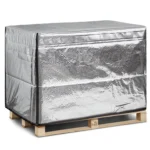
Tempk provides cold-chain packaging options for food, pharmaceutical, and other temperature-sensitive shipments. Its published product range includes insulated box liners, thermal bags, gel ice packs, EPP and cold shipping boxes, insulated pallet covers, and related cold-chain packaging materials. For liner projects, Tempk can help buyers compare carton-based liner designs with cooling media, payload requirements, and route risk before moving from samples to bulk procurement. For meat shipping, the practical role is to help align liner design with carton fit, cold media, and the buyer's operational limits instead of treating the liner as a universal solution.
For a single bubble insulated liner for meat shipping project, send Tempk your route, carton, payload, and required product condition to receive a more focused recommendation.
Body word count: 2375 words