Sous-Vide Meals Cold Chain Packaging Guide
Sous-vide meals need a chilled packout that protects food safety, texture, label condition, and receiving decisions at the same time. A generic cold box can hold temperature in a short test but still fail commercially if sauces leak, cartons become wet, pouches are punctured, or the top layer warms during courier dwell.
For planning, this guide uses a chilled 0-4 C lane because many prepared food programs target refrigerator temperature before retail, catering, or direct-to-consumer handoff. The final accepted range should always follow the product specification, HACCP plan, local food rules, and the receiving customer’s quality agreement.
Packout planning data
| Temperature range | 0-4 C for chilled cook-chill distribution; freezing may damage texture, purge control, and pouch presentation. |
|---|---|
| Humidity and condensation | Protect outer labels and case markings from condensation on vacuum pouches. |
| Pre-cooling | Verify the cook-chill process and hold product at the approved chilled range before packing. |
| Package pressure | Avoid sharp carton edges, hard coolant contact, and over-tight packing that can puncture or crease vacuum pouches. |
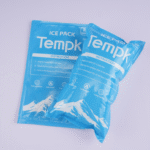
| Coolant position | Place gel packs outside an inner carton or smooth liner so pouches do not contact frozen or rough surfaces. |
| Transport duration | 24-48 h restaurant, retail, or subscription routes need validation with real pouch counts and coolant mass. |
| Common losses | Seal creep, pouch puncture, purge, frozen edges, condensation, warm top layer, and delayed release decisions. |
| Tempk packaging fit | Tempk insulated shipper, smooth inner carton, conditioned gel packs, pouch divider, and logger positioned in the product zone. |
What changes for this product
Sous-vide meals should not be packed only by carton size. The packaging should be designed around product mass, headspace, water activity, seal type, and the way the customer opens or stages the food. The cooling system must keep the product below the approved limit without creating frozen contact points that damage texture or presentation.
Pre-cooling is especially important. If warm product, warm sauce cups, or recently filled pouches enter the shipper, gel packs are forced to remove product heat instead of protecting the route. That shortens hold time and increases the chance of a warm receiving result even when the outside carton looks acceptable.
Helpful decision tools
Check the details before you choose packaging
These quick tools can help you compare route risk, sizing needs, coolant choices, and packaging details before you request a quote.
Coolant & PCM Reference
Compare coolant and PCM options when a route needs added temperature support.
Compare optionsCompliance Checklist Generator
Build a practical checklist for packaging review, shipping, and documentation.
Build checklistInsulation Material Drop Resistance
Review drop resistance and handling factors before choosing insulation materials.
Check resistanceRecommended Tempk packaging approach
For routine lanes, use a Tempk insulated box liner or insulated shipper with conditioned gel packs, a smooth inner carton or product tray, and a logger placed in a representative product zone. For heavier loads or long courier dwell, validate the coolant mass and shipper size with summer and winter profiles rather than relying on a single ambient test.
Coolant should be separated from delicate food packs. This protects film seals, paper labels, clamshell lids, vacuum pouches, and bread or pasta texture. Where leakage is possible, add an absorbent layer or secondary bag that contains liquid without blocking cold airflow around the product.
Receiving checks
At arrival, the receiving team should check logger data, carton dryness, seal condition, product shape, and visible leakage before releasing stock. If the logger shows an unresolved excursion or the carton is saturated, the shipment should be held according to the customer’s quality procedure.
Tempk can support shipper sizing, gel pack placement, route testing, and packout instructions for chilled prepared food programs. Share the product dimensions, order quantity, target range, route duration, ambient profile, and receiving procedure to build a lane-specific packout.