Blog Detail
H-E-B Plans $175M Refrigerated Facility to Expand Texas Cold Chain Capacity
Source: San Antonio Express-News
H-E-B’s $175 Million Refrigerated Facility Adds New Scale to Texas Food Cold Chain Infrastructure

What Happened
H-E-B is planning a new $175 million refrigerated facility at its East Side campus in San Antonio, Texas. The project will be located at 2045 South Foster Road and is part of the company’s larger manufacturing and supply chain expansion in the area. According to a Texas Department of Licensing and Regulation filing cited by the San Antonio Express-News, the new two-story facility will cover approximately 675,000 square feet and include refrigeration space as well as office and administration areas. Construction is expected to begin in August 2026 and be completed by March 2028.
The facility is connected to H-E-B’s broader East Side expansion, which also includes a $125 million bakery production facility, a transportation building and additional infrastructure. The company’s total investment at the location is expected to exceed $1 billion when the current expansion is included.
For the cold chain industry, the most important detail is the scale of the refrigerated facility. A 675,000-square-foot refrigerated asset signals a major commitment to regional temperature-controlled manufacturing, storage and distribution capacity.
How It Works
A refrigerated food facility of this size can support several cold chain functions at once.
First, it can provide controlled storage for chilled, refrigerated or frozen inventory depending on how the internal temperature zones are designed. Large grocery networks often require multiple product profiles, including dairy, meat, seafood, prepared foods, frozen products, bakery ingredients, fresh produce and private-label items.
Second, the facility can support manufacturing-adjacent logistics. H-E-B operates manufacturing plants and makes more than 1,500 products under its own brands. A refrigerated facility located close to manufacturing, warehousing and transport operations can reduce internal transfer time and improve product flow between production, storage and outbound distribution.
Third, the site can act as a regional distribution control point. As H-E-B continues adding stores across Texas, regional cold chain capacity becomes critical for keeping products fresh, reducing dwell time and supporting consistent replenishment.
In operational terms, this type of facility must coordinate refrigeration capacity, insulated dock design, pallet staging, inventory rotation, food safety procedures, trailer scheduling, temperature monitoring, backup power and outbound route planning. The value of the facility depends not only on square footage, but on how well it controls temperature during receiving, storage, picking, loading and dispatch.
Why It Matters
The project reflects a larger trend in grocery and food retail logistics: major retailers are investing more deeply in their own temperature-controlled supply chain infrastructure.
As retailers expand private-label manufacturing, prepared foods, fresh categories and frozen assortments, they need more control over cold chain performance. Outsourcing can provide flexibility, but owned or dedicated refrigerated infrastructure can improve scheduling discipline, inventory visibility, food safety control and service reliability.
The H-E-B project also shows why cold chain infrastructure is becoming a strategic asset rather than a back-end cost center. Store growth increases demand for faster replenishment, better product availability and tighter control of shelf life. When products move through a high-volume retail network, even small delays or temperature deviations can create waste, shrink, quality complaints and lost sales.
The investment is also relevant because it is tied to a broader regional manufacturing and distribution campus. A cold chain node performs better when it is integrated with production, transportation and administrative planning. That integration can reduce product handoffs and improve response time when demand changes.
B2B Impact
For food manufacturers and private-label suppliers, the new facility may create stronger expectations around delivery timing, product temperature, pallet quality and documentation. Suppliers shipping into a large refrigerated campus should be prepared to meet appointment discipline, lot traceability, label accuracy and temperature compliance requirements.
For cold chain equipment suppliers, a project of this scale can create demand for insulated panels, industrial refrigeration systems, evaporators, compressors, blast chilling or freezing zones, dock seals, high-speed doors, temperature sensors, warehouse management integration and backup power systems.
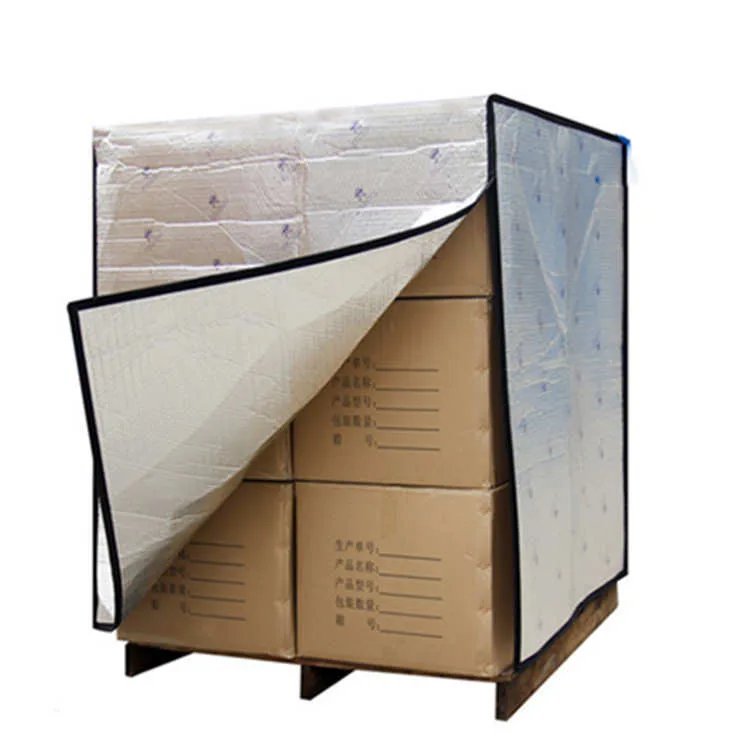
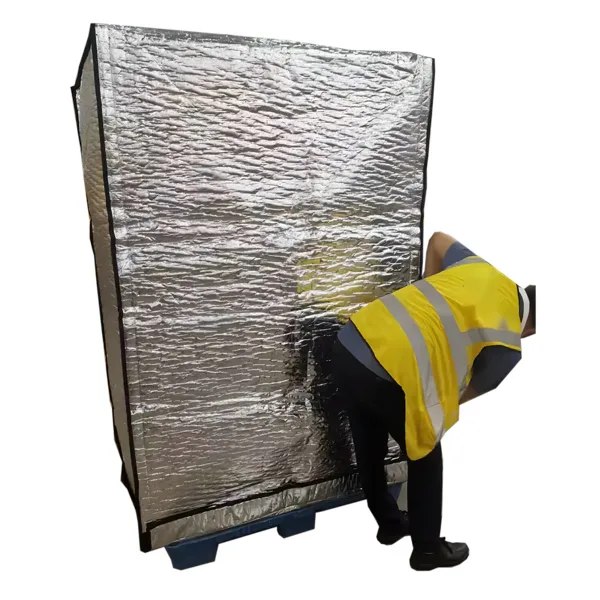
For packaging suppliers, expanded refrigerated distribution can increase demand for insulated pallet protection, thermal liners, gel packs, PCM packs, refrigerated transit packaging and food-grade secondary packaging that can protect products during staging or last-mile transfers.
For 3PL and transport providers, the project reinforces the importance of regional refrigerated capacity. Even when a retailer owns a major cold facility, it still needs qualified inbound and outbound transport partners. Carriers may need to support multi-temperature trailers, route-level temperature records, clean equipment standards and rapid exception reporting.
For food safety and quality teams, the facility should be viewed as a control point in the wider product integrity system. Temperature mapping, calibration, alarm escalation, sanitation zoning, allergen controls, pest management, dock discipline and emergency response planning will all influence how effectively the facility protects product quality.
The broader lesson is that grocery cold chains are becoming more centralized, data-driven and infrastructure-heavy. H-E-B’s investment shows how regional retailers are building larger, more integrated refrigerated platforms to support manufacturing, private-label growth and high-frequency store replenishment.