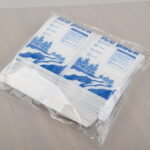
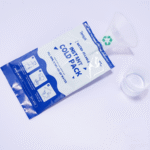
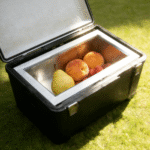
Water injection ice packs are supplied empty or partially prepared, then filled with water and frozen near the point of use. For high-volume cold chain users, this format can reduce inbound freight volume, lower warehouse storage pressure, and allow local freezing before packout. However, water injection packs are not automatically better than pre-filled gel packs. They work best when the buyer has enough filling labor, clean water control, freezer capacity, sealing discipline, and route testing.
This article explains when water injection ice packs make sense for B2B cold chain programs such as meal kits, grocery delivery, seafood, chilled parcels, farm-to-table distribution, and seasonal food shipping. It also explains when pre-filled gel packs or PCM packs are better choices.
Why Water Is Useful as a Cold Chain Material
Water is one of the most common thermal storage materials because it has a high specific heat capacity and a high latent heat of fusion when it changes from ice to liquid water. Engineering references commonly list water specific heat near 4.18 kJ/kg·K at room temperature, and the latent heat of fusion for ice/water around 334 kJ/kg. This means a frozen water-based pack can absorb significant heat while melting at approximately 0°C / 32°F.
This does not mean a water injection pack is suitable for every shipment. A frozen water pack may be too cold for some 2-8°C medicines if placed in direct contact. It may not keep frozen food hard-frozen on a long summer parcel route. It may leak if the film, seal, filling method, or handling process is poor. Like any cold chain component, it must be selected as part of a complete packout.
Table 1. Water properties relevant to water injection ice packs.
| Thermal Parameter | Typical Reference Value | Packaging Meaning |
|---|---|---|
| Water freezing point | 0°C / 32°F at standard pressure | Water-based packs freeze into ice and release cooling capacity around the ice-water phase change. |
| Specific heat capacity of water | About 4.18 kJ/kg·K | Liquid water absorbs sensible heat as its temperature rises. |
| Latent heat of fusion of ice/water | About 334 kJ/kg | The melting process absorbs a large amount of heat without a temperature rise during phase change. |
| Density of liquid water | About 1,000 kg/m³ near common conditions | Fill volume roughly corresponds to fill mass; a 500 mL fill is roughly 0.5 kg before packaging weight. |
How Water Injection Ice Packs Differ From Pre-Filled Gel Packs
A pre-filled gel pack arrives ready to freeze and use. A water injection pack arrives compact and is filled later. This changes the cost structure. Pre-filled packs reduce site labor and filling error, but shipping and storing water-heavy products can be expensive. Water injection packs shift part of the work to the user, which can be valuable for high-volume operations with local labor and freezer infrastructure.
Table 2. Operational comparison between water injection and pre-filled gel packs.
| Factor | Water Injection Ice Pack | Pre-Filled Gel Pack |
|---|---|---|
| Inbound freight | Low before filling because the pack ships flat or compact. | Higher because the pack ships with water/gel weight already included. |
| Warehouse storage | Space-efficient before filling. | Requires storage space for filled packs. |
| Labor at use site | Requires filling, sealing or cap control, drying, freezing, and QC. | Requires freezing and packout, but no filling step. |
| Consistency | Depends on fill accuracy and local process control. | Factory fill weight is controlled during manufacturing. |
| Leak risk | Depends on film, valve/cap/seal design, filling method, and handling. | Depends on film and factory seal quality. |
| Best use case | High-volume operations with local preparation capacity. | Operations needing simple handling, controlled fill weight, and faster deployment. |
When Water Injection Ice Packs Are Better
Water injection packs are usually better when a buyer ships large volumes, has predictable routes, and wants to reduce the cost and space of importing heavy finished ice packs. They can also be useful when a brand needs to store large seasonal inventory before peak demand, or when overseas shipping of pre-filled packs would create unnecessary freight cost.
- High-volume meal kit and grocery routes where many packs are used every day.
- Regional distribution centers with filling stations and blast freezing or sufficient freezer capacity.
- Seasonal cold chain programs that need compact pre-season inventory.
- Export projects where shipping empty packs is more efficient than shipping water weight.
- Short-to-medium chilled routes where frozen water packs are appropriate after packout testing.
When Pre-Filled Gel Packs Are Better
Pre-filled gel packs are usually better when the customer wants a controlled, ready-to-freeze product with less preparation risk. They are also better for customers who do not have filling equipment, consistent labor, water control, or enough freezer capacity. A pre-filled gel pack can include formulation choices that improve viscosity, reduce free water movement, and support cleaner handling compared with a simple water pack.
For pharmaceutical and biological sample shipping, pre-qualified PCM packs or controlled gel packs are often preferred because the packout must be repeatable and documented. A water injection pack can be used only if the validated packout allows it and the user can repeat the filling, conditioning, and placement process. Direct contact between frozen water packs and freeze-sensitive products should be avoided unless the packout has been designed for it.
Helpful decision tools
Check the details before you choose packaging
These quick tools can help you compare route risk, sizing needs, coolant choices, and packaging details before you request a quote.
Dry Ice Calculator
Estimate dry ice needs for frozen or ultra-cold shipments before packing.
Estimate dry iceInsulation Material Drop Resistance
Review drop resistance and handling factors before choosing insulation materials.
Check resistanceCompliance Checklist Generator
Build a practical checklist for packaging review, shipping, and documentation.
Build checklistCold Chain Use Cases and Fit
Table 3. Typical fit by application.
| Use Case | Water Injection Pack Fit | Key Caution |
|---|---|---|
| Meal kit delivery | Good fit when operations can fill and freeze at scale. | Customer disposal and leak control must be clear. |
| Local grocery delivery | Good fit for chilled routes with controlled delivery time. | Mixed ambient/chilled orders may require compartment planning. |
| Seafood shipping | Possible for chilled seafood, but moisture management is critical. | Use sealed bags, absorbent material, and route testing. |
| Frozen food parcel | Limited fit for long routes unless tested; dry ice may still be needed. | FedEx and UPS generally recommend dry ice for frozen items. |
| 2-8°C medicine | Use with caution only in approved packouts. | Frozen water packs can create freeze risk if placed too close to medicine. |
| Consumer lunch bag | Good fit for simple cooling after freezing. | Not the same performance requirement as parcel cold chain. |
Quality Control Checklist for Water Injection Packs
A water injection pack program should include a local quality checklist. The most common failures are underfilling, overfilling, weak sealing, trapped air, water on pack surfaces, incomplete freezing, and packout workers placing packs in the wrong position. These problems can create temperature excursions, wet cartons, barcode damage, product crushing, or customer complaints.
- Confirm the target fill volume or fill weight for each pack size.
- Use clean water suitable for the intended application and customer expectation.
- Check the valve, cap, or sealing method before freezing.
- Dry the outer surface before carton storage or packout.
- Freeze packs completely according to the site’s validated freezing process.
- Avoid overfilling because water expands during freezing and may stress the package.
- Use a written packout instruction showing pack placement and product separation.
- Run a temperature test for every new box size, route duration, and season profile.
How to Compare Total Cost
The lowest unit price may not produce the lowest total cost. Compare inbound freight, storage space, labor, filling equipment, freezer capacity, leak rejects, route performance, and customer service claims. A water injection pack can reduce shipping and storage cost, but if the site lacks process control, the hidden cost of poor filling and leakage may be higher than the savings.
Table 4. Total-cost questions for water injection pack programs.
| Cost Area | Questions to Ask |
|---|---|
| Inbound freight | How much cost is saved by shipping empty packs instead of water weight? |
| Filling labor | How many packs can be filled per hour, and what QC is needed? |
| Freezer capacity | Can the site freeze the daily pack volume completely before packout? |
| Leak rate | What is the acceptable reject rate after filling, freezing, and handling? |
| Route performance | Does the packout maintain the required temperature through the full route? |
| Customer experience | Will customers understand reuse, drain, or disposal instructions? |
FAQ
Are water injection ice packs the same as gel packs?
No. Water injection packs are generally filled with water by the user, while gel packs are typically pre-filled with a gel formulation. Both can provide cooling, but they differ in handling, consistency, and performance control.
Do water injection packs save freight cost?
They can, because the pack can be shipped empty or compact before filling. The savings must be compared with local filling labor, freezer capacity, and quality control cost.
Can water injection packs be used for frozen food shipping?
Sometimes, but long frozen routes often need stronger cold-source planning. FedEx and UPS generally recommend dry ice for frozen items, while gel packs are commonly used for refrigerated ranges.
Can water injection packs be used for medicine?
Only when the packout is designed and approved for the medicine’s temperature range. Frozen water packs can create freeze risk if placed too close to 2-8°C products.
How should water injection packs be tested?
Test them inside the actual box or bag, with the actual payload, fill weight, insulation, pack placement, starting temperature, and route ambient profile.