


INSULATED FOOD DELIVERY BAGS: DRIVING INNOVATION IN THE FOOD DELIVERY INDUSTRY
INSULATED FOOD DELIVERY BAGS: DRIVING INNOVATION IN THE FOOD DELIVERY INDUSTRY

With the rapid growth of takeout and food delivery services, Insulated Food Delivery Bags are rapidly gaining market acceptance as a key tool to ensure food remains at the right temperature during transportation. Here are some of the latest developments and trends in the insulated food delivery bag industry.
Wide application of environmentally friendly materials
In recent years, environmentally friendly materials have been increasingly used in the manufacturing of insulated food delivery bags. Many manufacturers are beginning to use recyclable and degradable environmentally friendly materials, such as fabrics made from renewable resources and biodegradable plastics. This not only reduces environmental pollution, but also meets consumer demand for green products.
Technological innovation improves performance
The technological innovation of insulated food delivery bags mainly focuses on materials and design. The application of new high-efficiency insulation materials has greatly improved the insulation and cold-keeping effects of insulated food delivery bags. At the same time, the introduction of multi-layer structure design and leak-proof technology enables insulated food delivery bags to maintain the temperature of food for a longer period of time, further improving the quality of delivery services.
Market demand continues to grow
According to market research data, the global market demand for thermal insulation food delivery bags is growing steadily. As consumers pay more attention to food safety and food quality, the application of insulated food delivery bags is becoming more and more widespread. The insulated food delivery bag market is expected to continue growing in the coming years, especially in the takeout and food delivery service sectors.
Multifunctional design meets diverse needs
Modern insulated food delivery bags not only continue to improve their insulation and cold-keeping functions, but are also more diverse and user-friendly in design. For example, some multi-functional insulated delivery bags with compartments and additional storage space have appeared on the market, making it easier for delivery personnel to sort and store according to actual needs. In addition, the lightweight and durable design makes the insulated delivery bags easier to carry and use.
Enterprise innovation cases
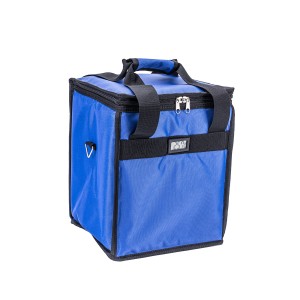
As a leading company in the insulated food delivery bag industry, our company has launched a series of high-quality insulated food delivery bag products. These products not only have excellent thermal insulation properties, but also combine modern and fashionable designs, and are very popular in the market. For example, our latest smart insulated food delivery bag is equipped with a temperature display function and a multi-layer insulation structure, providing users with a more convenient and smart use experience. In addition, we use recyclable and environmentally friendly materials to further reduce our impact on the environment.
Industry future outlook
Looking to the future, the insulated food delivery bag industry will continue to develop along the direction of environmental protection, health and multi-functionality. As global requirements for food safety and environmental protection continue to increase, the market demand for insulated food delivery bags will become more extensive. At the same time, technological advancement and design diversification will also promote the popularity of insulated food delivery bags in food delivery services. Our company will continue to pay attention to market dynamics, continue to develop and launch high-quality products that meet market demand, and promote the sustainable development of the insulated food delivery bag industry.
Conclusion
As an important tool in the food distribution industry, insulated food delivery bags are leading a new trend in the industry with their environmentally friendly, portable and multi-functional features. In the future, we will continue to devote ourselves to product research and development and innovation to provide consumers with higher quality and more environmentally friendly insulation solutions.
HOW TO USE PCM( PHASE CHANGE MATERIALS ) WITH INSULATED TEMPERATURE CONTROLLED PACKAGING

Phase Change Materials (PCMs) are a fascinating class of materials that have gained significant attention in various industries due to their unique properties and applications.
In simple terms, Phase Change Material Ice Bricks are substances that can store and release large amounts of energy when they change from one phase to another, such as from solid to liquid or vice versa. This ability to store and release thermal energy makes PCMs invaluable in a wide range of applications, from thermal energy storage systems to temperature regulation in various products.
One of the most common applications of PCMs is in thermal energy storage systems. These systems use PCMs to store thermal energy when it is abundant and release it when needed. This is particularly useful in renewable energy systems, where PCMs can help to store excess energy generated from sources such as solar or wind power for use during periods of low energy production.
PCMs are also used for temperature regulation in products such as clothing, building materials, and electronics.
How PCM( Phase Change Materials ) Works
Phase Change Materials (PCMs) are substances that can store and release large amounts of thermal energy as they change from one phase to another, suchjson as from solid to liquid or liquid to gas. When a PCM absorbs heat, it undergoes a phase change and stores the energy as latent heat. When the surrounding temperature decreases, the PCM releases the stored heat as it changes back to its original phase.
PCMs are used in various applications to regulate temperatures and manage thermal energy. For example, they can be incorporated into building materials to help maintain a comfortable indoor temperature by absorbing excess heat during the day and releasing it at night. They are also used in thermal energy storage systems for solar power plants, in refrigeration systems, and in personal cooling products.
The selection of a PCM depends on the specific application and the desired phase change temperature. Common PCMs include paraffin wax, salt hydrates, and organic compounds. The effectiveness of a PCM is determined by its heat storage capacity, thermal conductivity, and stability over repeated phase change cycles.
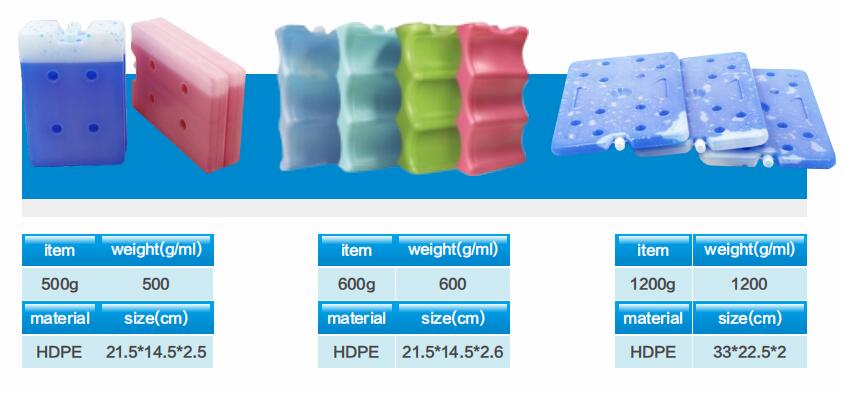
PCMs are perfectly compatible with Huizhou’s selection of insulated packaging materials.
By utilizing PCMs, we can attain the targeted temperature within the packaging, effectively safeguarding temperature-sensitive products from external ambient conditions.
Consequently, Huizhou’s thermal packaging solutions can uphold the required temperature for prolonged durations.
Below are some of the PCM products provided by Huizhou to sustain temperatures below freezing:

ALUMINUM FOIL INSULATION IN COLD CHAIN INDUSTRY, ADVANTAGES OF INSULATED THERMAL BOX
The advantages of an insulated thermal box include:
Temperature control: Insulated thermal boxes are designed to maintain the desired temperature of the contents, whether hot or cold. This is particularly important for transporting perishable goods, pharmaceuticals, or food items that require specific temperature conditions to remain intact.
Protection from external conditions: Insulated thermal boxes provide a barrier against external temperature fluctuations, ensuring that the contents are shielded from extreme heat or cold during transportation or storage.
Durability: Many insulated thermal boxes are constructed with durable materials that can withstand the rigors of transportation, making them suitable for repeated use in the supply chain.
Versatility: Insulated thermal boxes come in various sizes and configurations, making them suitable for a wide range of applications, from food delivery to pharmaceutical distribution.
Environmental benefits: By maintaining the temperature of the contents, insulated thermal boxes can help reduce food waste and prevent spoilage, contributing to sustainability efforts in the supply chain.
Insulated thermal boxes offer a reliable and efficient solution for maintaining the quality and integrity of temperature-sensitive products during transportation and storage.
Aluminum Foil Insulation Usage In Cold Chain Packaging Industry
Aluminum foil insulated box is commonly used in the cold chain industry for various applications, including:
Thermal insulation for refrigerated containers: Aluminum foil insulation is used to line the interior of refrigerated containers, trucks, and cold storage facilities to provide thermal insulation. It helps to maintain the desired temperature inside the containers, preventing heat transfer and ensuring the integrity of temperature-sensitive products during transportation and storage.
Insulation for refrigeration systems: Aluminum foil insulation is used to insulate refrigeration systems, including pipes, ducts, and equipment, to minimize heat gain or loss and improve energy efficiency.
Packaging for temperature-sensitive products: Aluminum foil insulation is used in the packaging of temperature-sensitive products, such as pharmaceuticals, food, and beverages, to provide thermal protection during transportation and storage.
Cold chain logistics: Aluminum foil insulation is utilized in the construction of insulated containers, pallet covers, and thermal blankets to maintain the cold chain integrity during the transportation of perishable goods.
Cold storage facilities: Aluminum foil insulation is used in the construction of cold storage facilities, including warehouses and distribution centers, to provide thermal insulation and maintain the required temperature for stored products.
Aluminum foil insulation plays a crucial role in the cold chain industry by helping to preserve the quality and safety of temperature-sensitive products throughout the supply chain.

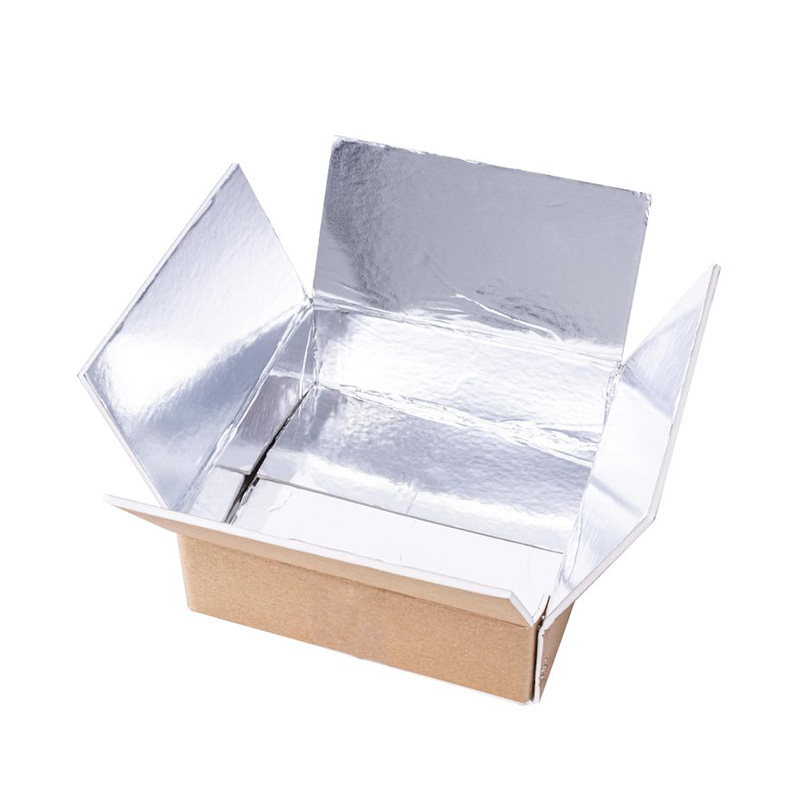
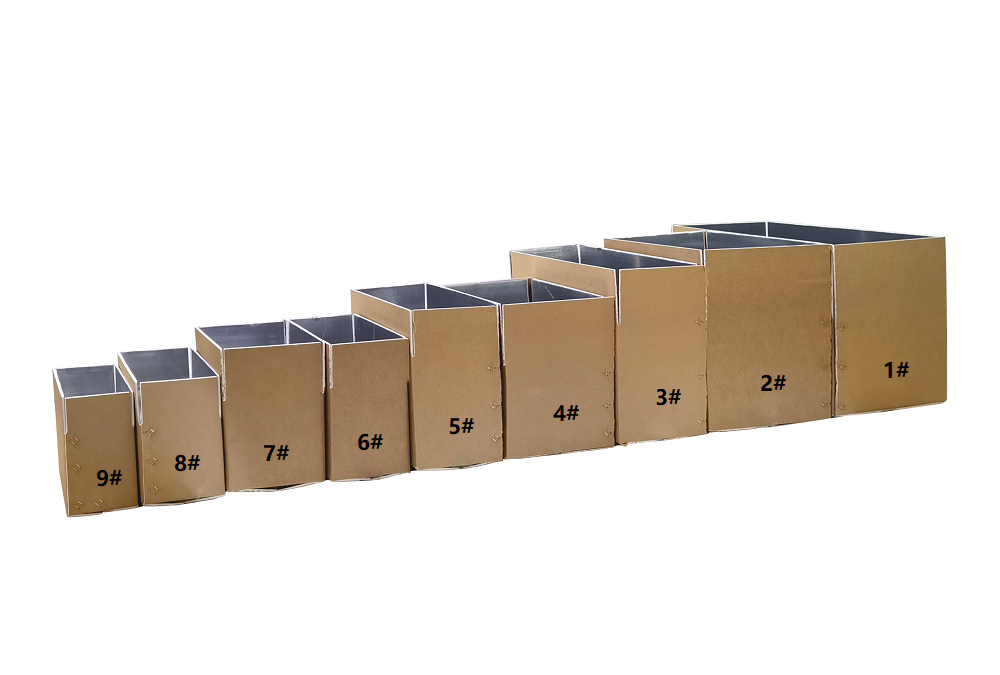
HuiZhou Insulated Thermal Box Parameters:
|
Exterior Materials |
Thickness(mm) |
Insulation material |
|
Craft Paper Cardboard |
5mm 7mm |
Foil |
|
White Cardboard |
||
| Note:Customized options are available. | ||
WHAT IS THERMAL PALLET COVER? INSULATED CARGO PALLET APPLICATION IN VARIOUS TRANSPORT SITUATIONS

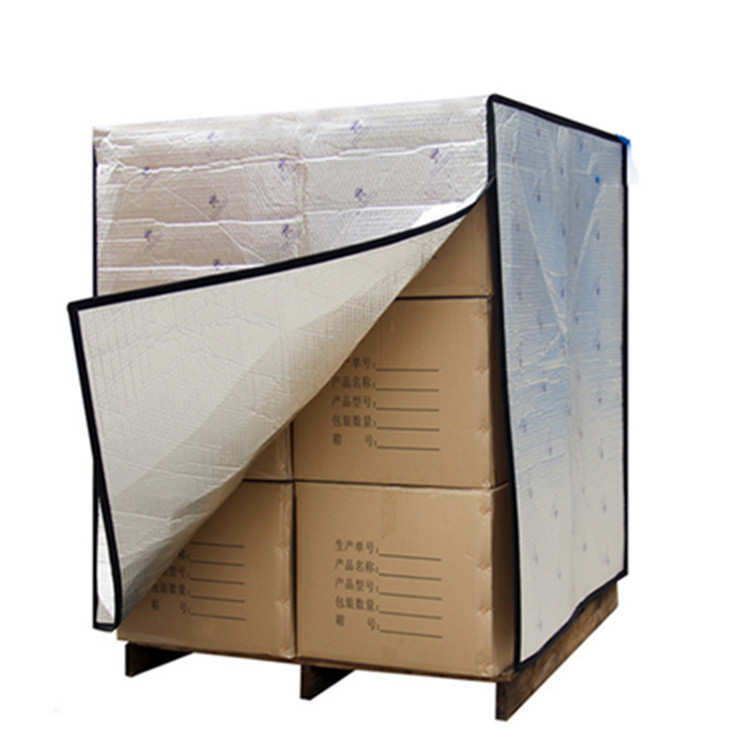
What is thermal pallet cover?
A thermal pallet cover is a protective covering designed to insulate and maintain the temperature of goods stored on a pallet during transportation or storage. These covers are typically made of insulating materials such as foam, bubble wrap, or reflective materials to minimize heat transfer and protect the goods from temperature fluctuations. Thermal pallet covers are commonly used in industries such as pharmaceuticals, food and beverage, and chemicals to ensure that temperature-sensitive products remain within their required temperature range.
what industry use thermal pallet cover?
Thermal pallet covers are used in a variety of industries that require temperature control and protection for their goods during transportation and storage. Some of the industries that commonly use thermal pallet covers include:
1. Pharmaceutical and biotechnology: These industries often transport temperature-sensitive medications, vaccines, and biological products that require strict temperature control to maintain their efficacy.
2. Food and beverage: Perishable food items, such as fresh produce, dairy products, and frozen goods, require insulation to prevent spoilage and maintain their quality during transit.
3. Chemical and industrial: Certain chemicals and industrial products may be sensitive to temperature fluctuations and require protection from extreme heat or cold.
4. Agriculture: Agricultural products, including seeds, fertilizers, and pesticides, may benefit from thermal pallet covers to maintain their integrity and effectiveness.
5. Logistics and transportation: Companies involved in the transportation and logistics of temperature-sensitive goods may use thermal pallet covers to ensure the safe and controlled delivery of their products.
Overall, any industry that deals with temperature-sensitive goods and materials can benefit from the use of thermal pallet covers to protect their products from temperature variations.
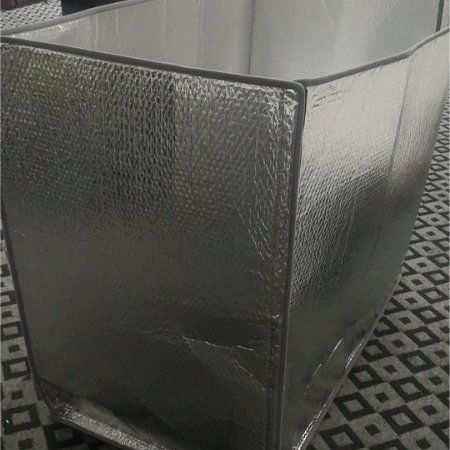
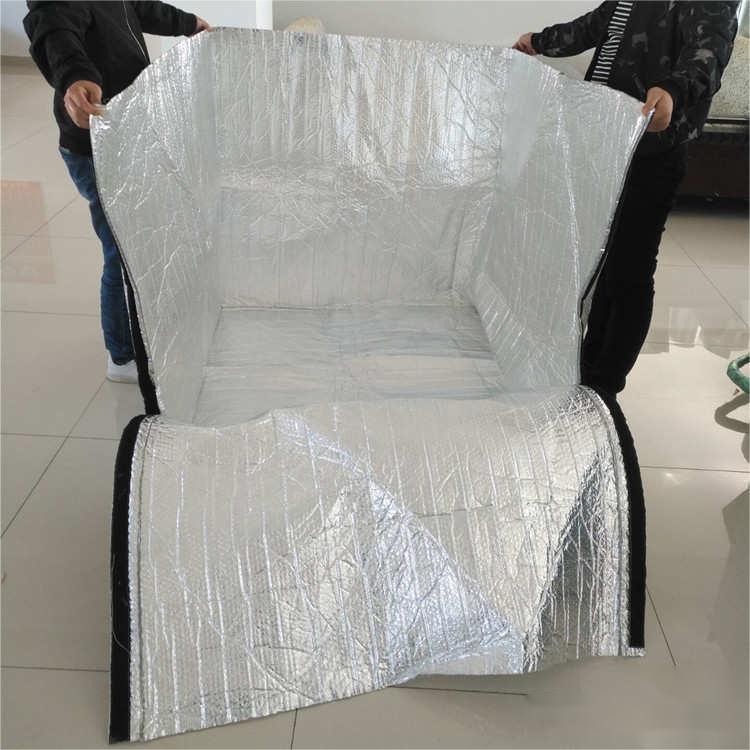
Insulated Cargo Pallet Application
Insulated cargo pallets are commonly used in various industries and applications to protect temperature-sensitive goods during transportation and storage. Some specific applications of insulated cargo pallets include:
1. Pharmaceutical and Biotechnology: Insulated cargo pallets are used to transport vaccines, medications, and other biopharmaceutical products that require strict temperature control to maintain their efficacy.
2. Food and Beverage: Perishable food items, including fresh produce, dairy products, and frozen goods, are often transported using insulated cargo pallets to prevent spoilage and maintain their quality.
3. Chemical and Industrial: Insulated cargo pallets are utilized to transport temperature-sensitive chemicals, industrial products, and raw materials, ensuring that they remain within the required temperature range to maintain their integrity.
4. Agriculture: Agricultural products such as seeds, fertilizers, and pesticides may be transported using insulated cargo pallets to protect them from temperature fluctuations and maintain their effectiveness.
5. Cold Chain Logistics: Insulated cargo pallets play a crucial role in cold chain logistics, ensuring that temperature-sensitive goods, including pharmaceuticals, food products, and biotechnology materials, are transported under controlled temperature conditions.
Insulated cargo pallets find application in any industry that requires the transportation of goods sensitive to temperature variations, providing a reliable means of maintaining the desired temperature throughout the supply chain.
WHAT DOES PCM MEAN IN PACKAGING? WHAT IS THE USE OF PCM IN COLD?

What does PCM mean in packaging?
In packaging, PCM stands for “Phase Change Material.” Phase Change Materials are substances that can store and release thermal energy as they change from one phase to another, such as from solid to liquid or vice versa. PCM is used in packaging to help regulate temperature and protect sensitive products from temperature fluctuations during storage and transportation. This can be particularly important for products that are sensitive to heat or cold, such as pharmaceuticals, food, and certain chemicals.
What is a PCM material for cooling?
A PCM (Phase Change Material) for cooling is a substance that can absorb and release large amounts of thermal energy as it changes from solid to liquid and vice versa. When used for cooling applications, PCM materials can absorb heat from their surroundings as they melt and then release the stored energy as they solidify. This property allows PCM materials to effectively regulate temperatures and maintain a consistent cooling effect.
PCM materials for cooling are often used in various applications, such as in refrigeration, air conditioning, and thermal energy storage systems. They can help to stabilize temperatures, reduce energy consumption, and provide more efficient cooling solutions in a wide range of industries. Common PCM materials for cooling include paraffin wax, salt hydrates, and certain organic compounds.
What is PCM gel used for?
PCM (Phase Change Material) gel is used for various applications where the regulation of temperature is important. Some common uses of PCM gel include:
1. Medical and healthcare: PCM gel is used in medical devices, such as cold packs and hot packs, to provide controlled and sustained temperature therapy for injuries, muscle pain, and post-operative recovery.
2. Food and beverage: PCM gel is utilized in insulated shipping containers and packaging to maintain the desired temperature for perishable goods during transportation, ensuring that food and beverages remain fresh and safe.
3. Electronics: PCM gel is employed in thermal management solutions for electronic devices to dissipate heat and maintain optimal operating temperatures, thereby enhancing the performance and longevity of electronic components.
4. Building and construction: PCM gel is integrated into building materials, such as insulation and wallboards, to regulate indoor temperatures and reduce energy consumption for heating and cooling.
5. Textiles: PCM gel is incorporated into fabrics and clothing to provide temperature-regulating properties, offering comfort and performance benefits in sportswear, outdoor apparel, and bedding products.
Overall, PCM gel serves as a versatile solution for managing temperature fluctuations in a wide range of industries and applications.
Is PCM gel reusable?
Yes, PCM (Phase Change Material) gel can be reusable, depending on its specific formulation and intended use. Some PCM gels are designed to undergo multiple phase change cycles, meaning they can be melted and solidified repeatedly without significant degradation of their thermal properties.
For example, PCM gel used in cold packs or hot packs for medical applications is often formulated to be reusable. After use, the gel pack can be recharged by placing it in a freezer or heating it in hot water, allowing the PCM gel to return to its solid or liquid state, ready for subsequent use.
However, it’s important to note that the reusability of PCM gel depends on factors such as the material’s composition, the conditions of use, and the manufacturer’s guidelines. Users should follow the specific instructions provided by the manufacturer to ensure the safe and effective reuse of PCM gel products.
What differs PCM phase change material gel packs from water-based gel packs?
PCM (Phase Change Material) gel packs and water-based gel packs differ in their mechanisms of storing and releasing thermal energy, as well as their specific applications and performance characteristics.
1. Thermal properties: PCM gel packs contain phase change materials that undergo a phase transition, such as from solid to liquid and vice versa, at a specific temperature. This phase change process allows them to absorb or release a large amount of thermal energy, providing a consistent and controlled cooling or heating effect. In contrast, water-based gel packs rely on the specific heat capacity of water to absorb and release heat, but they do not undergo a phase change.
2. Temperature regulation: PCM gel packs are designed to maintain a specific temperature range during the phase change process, making them suitable for applications requiring precise temperature control, such as medical therapy and temperature-sensitive product storage. Water-based gel packs, on the other hand, are generally used for more general cooling purposes and may not offer the same level of temperature stability as PCM gel packs.
3. Reusability: PCM gel packs are often formulated to be reusable, as they can undergo multiple phase change cycles without significant degradation of their thermal properties. Water-based gel packs may also be reusable, but their performance and longevity can vary depending on the specific formulation and design.
4. Applications: PCM gel packs are commonly used in medical devices for controlled temperature therapy, as well as in insulated packaging for temperature-sensitive products during transportation. Water-based gel packs are often used for general cooling purposes, such as in coolers, lunch boxes, and first aid applications.
Overall, the key differences between PCM gel packs and water-based gel packs lie in their thermal properties, temperature regulation capabilities, reusability, and specific applications. Each type of gel pack offers distinct advantages depending on the intended use case.
WHAT IS PHASE CHANGE MATERIALS?DIFFERENCE BETWEEN GEL PACK AND PCM FREEZER PACK
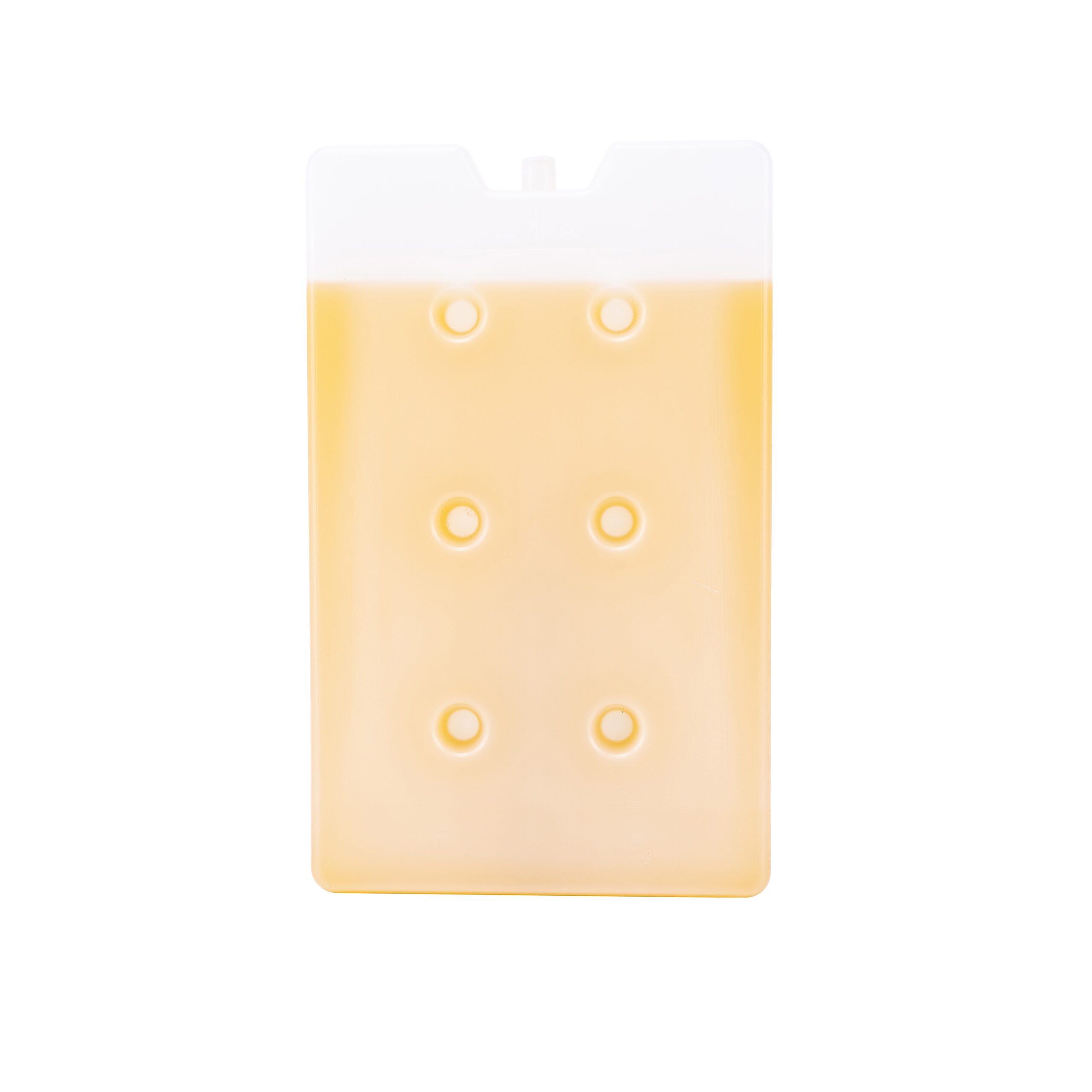
What Is Phase Change Materials
Phase Change Materials (PCMs) are substances that can store and release large amounts of thermal energy as they change from one phase to another, such as from solid to liquid or liquid to gas. These materials are used for thermal energy storage and management in various applications, such as in building insulation, refrigeration, and thermal regulation in clothing.
When a PCM absorbs heat, it undergoes a phase change, such as melting, and stores the thermal energy as latent heat. When the surrounding temperature decreases, the PCM solidifies and releases the stored heat. This property allows PCMs to effectively regulate temperature and maintain thermal comfort in various environments.
PCMs are available in a variety of forms, including organic, inorganic, and eutectic materials, each with different melting and freezing points to suit specific applications. They are increasingly being used in sustainable and energy-efficient technologies to reduce energy consumption and improve thermal performance.
Advantge Of Pcm Materials
Phase Change Materials (PCMs) offer several advantages in various applications:
1. Thermal energy storage: PCMs can store and release large amounts of thermal energy during phase transitions, allowing for efficient thermal energy management and storage.
2. Temperature regulation: PCMs can help regulate temperatures in buildings, vehicles, and electronic devices, maintaining a comfortable and stable environment.
3. Energy efficiency: By storing and releasing thermal energy, PCMs can reduce the need for continuous heating or cooling, leading to energy savings and improved efficiency.
4. Space-saving: Compared to traditional thermal storage systems, PCMs can offer higher energy storage density, allowing for more compact and space-efficient designs.
5. Environmental benefits: The use of PCMs can contribute to reducing greenhouse gas emissions and overall energy consumption, making them a sustainable choice for thermal management.
6. Flexibility: PCMs are available in various forms and can be tailored to specific temperature ranges and applications, providing flexibility in design and implementation.
Overall, PCMs offer a range of benefits that make them a valuable solution for thermal energy storage and management in diverse industries.
What Is The Difference Between Gel Ice Pack And Pcm Freezer Pack?
Gel packs and Phase Change Materials (PCMs) are both used for thermal energy storage and management, but they have some key differences:
1. Composition: Gel packs typically contain a gel-like substance, often water-based, that freezes into a solid state when cooled. PCMs, on the other hand, are materials that undergo a phase change, such as from solid to liquid, to store and release thermal energy.
2. Temperature range: Gel packs are generally designed to maintain temperatures around the freezing point of water, typically 0°C (32°F). PCMs, however, can be engineered to have specific phase change temperatures, allowing for a wider range of temperature control, from sub-zero temperatures to much higher ranges.
3. Reusability: Gel packs are often single-use or have limited reusability, as they can degrade over time or with repeated use. PCMs, depending on the specific material, can be designed for multiple phase change cycles, making them more durable and longer-lasting.
4. Energy density: PCMs generally have a higher energy storage density compared to gel packs, meaning they can store more thermal energy per unit volume or weight.
5. Application: Gel packs are commonly used for short-term cooling or freezing applications, such as in coolers or for medical purposes. PCMs are used in a wider range of applications, including building insulation, thermal regulation in clothing, and temperature-controlled shipping and storage.
In summary, while both gel packs and PCMs are used for thermal management, PCMs offer a wider temperature range, greater reusability, higher energy density, and broader application possibilities compared to gel packs.
COLD CHAIN SOLUTION PROVIDERS MUST INNOVATE TO MEET THE NEEDS OF THE FOOD INDUSTRY.
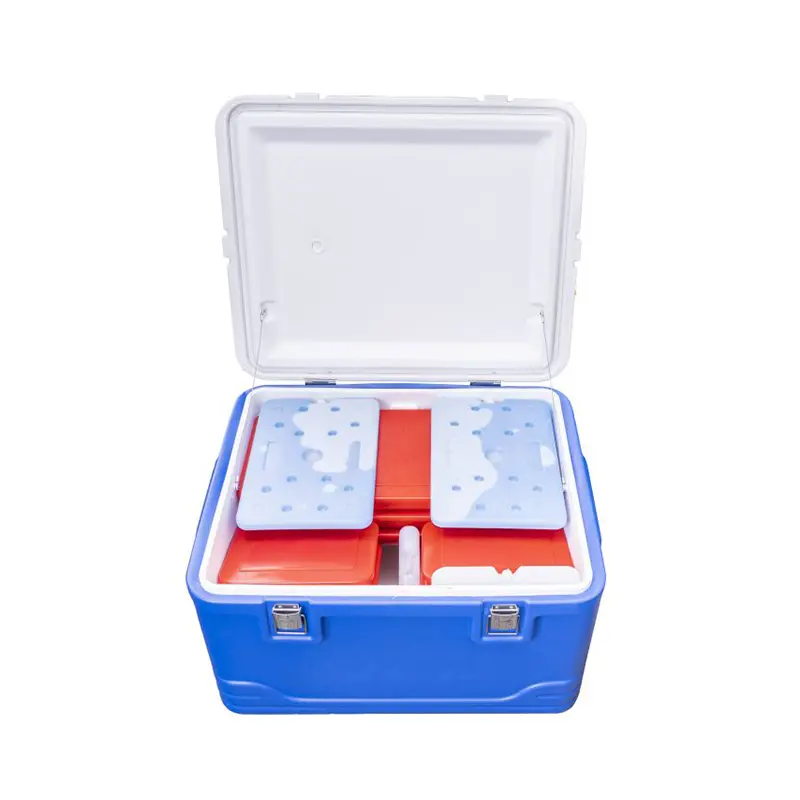
In the past, the cold chain transport solution primarily involved using refrigerated trucks to transport products from one location to another. Typically, these trucks would carry a minimum of 500 kg to 1 ton of goods and deliver them to various destinations within a city or country.
However, the changing landscape of commerce, including the rise of direct-to-consumer channels, the growth of e-commerce, and increased demand for niche and exclusive products, requires new approaches and innovations to meet these challenges. This presents an intriguing opportunity for both large and small brands, as well as a fresh set of options for consumers. Nevertheless, these growth opportunities also bring significant operational and supply chain challenges, necessitating the exploration of new solutions.
Significant fundamental rethinking has been required in the cold supply chain, with PCM technology-based solutions offering the potential to disrupt the asset-driven cold chain logistics industry, which was originally designed for the Western world with its distinct demography and retail infrastructure. The emergence of new commerce not only demands new technological alternatives but also encourages traditional commerce to evolve in tandem. For instance, many organized retailers are pursuing the establishment of dark stores to enhance their accessibility and reduce delivery times. Additionally, there is a growing interest among brands in establishing a distributor-to-kirana/retail store cold chain using these straightforward solutions.
Traditionally, the cold chain has involved the use of refrigerated trucks to transport products from one location to another, typically picking up a minimum of 500 kg to 1 ton of goods and delivering them to various destinations within a city or country. However, the challenge posed by new-commerce lies in the size of the package and the fact that it may be the only cold chain package among many ambient packages being distributed. As a result, the conventional cold chain technology of reefer trucks is not suitable for these scenarios. Instead, we require a solution that is:
– Independent of the vehicle form (such as a bike, 3-wheeler, or 4-wheeler) and package size
– Capable of maintaining temperature without a connection to a power source
– Able to sustain temperature from 1 hour (hyperlocal) to 48 hours (intercity courier)
In this context, solutions utilizing phase change technology or “thermal batteries” have gained significant popularity. These are engineered chemicals with specific freezing and melting points, ranging from +18°C for use with chocolates to -25°C for use with ice creams. Unlike previously used glycols, these materials are designed to be non-toxic and non-flammable, making them suitable for packaging alongside food products. They are typically enclosed in a plastic pouch or bottle (similar to a gel pack) and placed in a freezer for a few hours. Once frozen, they can be placed inside an insulated bag or box to maintain temperatures for a desired period.
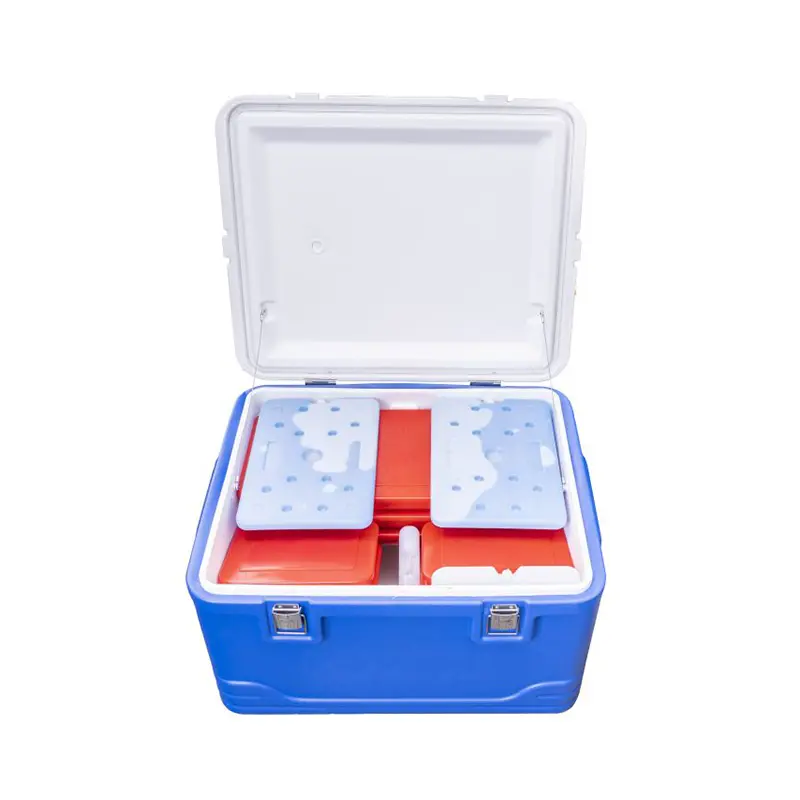
Unlike previous options such as gel packs and dry ice, these solutions provide precise temperature control, making them more effective than even a reefer truck for high-frequency distribution. Additionally, different temperatures can be maintained within the same container by using different PCM packs or cartridges, depending on the specific product being delivered. This offers operational flexibility and higher asset utilization without relying on dedicated assets like reefer trucks. These solutions, also known as passive cooled logistics solutions, require virtually no maintenance. The box or bag does not contain any moving parts, minimizing the risk of damage and downtime. These units can range in size from 2 liters all the way up to 2000 liters, providing users with flexibility in size.
From an economic standpoint, the capital expenditure (capex) and operational expenditure (opex) for these solutions are up to 50% lower compared to a refrigerated truck. Additionally, costs are incurred only for the specific amount of space used, rather than for the entire vehicle. These factors provide an unparalleled economic advantage, ensuring cost-effective delivery to the customer every time. Furthermore, these solutions eliminate the use of fossil fuels, which have traditionally powered the cold chain, making them not only economically viable but also environmentally sustainable.
It is noteworthy that despite multiple efforts, most traditional cold chain logistics companies have struggled to adapt their operations to offer these services. I believe that for such applications, both the infrastructure and the mindset need to be very different from conventional cold chain operations, which are focused on warehousing and trucking. Meanwhile, regular e-commerce vendors and last-mile delivery companies like Tempcontrolpack have stepped in to fill this gap. These solutions align well with their models and give them an advantage over traditional cold chain players. As this sector evolves, it is evident that the ability to adapt to new technologies and innovation will determine the winners in the industry.
FROM FOOD TO PHARMA: THE SIGNIFICANCE OF COLD-CHAIN PACKAGING IN DRIVING SUCCESSFUL ONLINE SALES

In recent years, online shopping has seen significant growth as consumers have become increasingly comfortable purchasing a wide range of products on the internet, including temperature-sensitive and perishable items like food, wine, and pharmaceuticals. The convenience and time-saving benefits of online shopping are evident, as it allows consumers to easily compare prices, read reviews, and access personalized information such as coupons and recommendations. Furthermore, advancements in cold chain technology are crucial for the safe and reliable delivery of temperature-sensitive products, with improved refrigeration systems, temperature monitoring devices, and packaging materials ensuring that products remain within their optimal temperature range throughout the supply chain. As e-commerce platforms continue to enhance their offerings, including faster delivery options, the trend of purchasing temperature-sensitive items online is expected to continue growing in 2023 and beyond.
The digital grocery trend is here to stay.
In 2023, eMarketer projects that online grocery sales in the United States will reach $160.91 billion, representing 11% of total grocery sales. By 2026, eMarketer anticipates a further increase to over $235 billion in U.S. online grocery sales, accounting for 15% of the expansive U.S. grocery market.
Furthermore, consumers now have a wide array of options for ordering food online, including everyday grocery items as well as specialty food and meal kits, which have experienced significant growth. According to the Specialty Food Association’s 2022 survey, a record-breaking 76% of consumers reported purchasing specialty food.
Additionally, a 2023 report from Grand View Research indicates that the global meal kit delivery services market is projected to grow at a compound annual growth rate of 15.3% from 2023 to 2030, reaching $64.3 billion by 2030.
As the popularity of online grocery shopping and meal kit delivery services continues to rise, the importance of cold chain advancements and selecting the appropriate packaging is increasing for e-commerce companies aiming to offer a wide range of fresh and perishable products. Differentiating your brand can involve choosing the right packaging to ensure that e-commerce food items maintain the same quality and freshness that consumers would select for themselves.
Look for food packaging with features such as freezer or oven-ready options, easy-open and reclosable packaging, as well as packaging that maximizes shelf life, is resistant to damage, and is leak-proof. Adequate protective packaging is also essential to prevent spoilage, maintain product quality, and ensure safety for consumption. Consumers are also prioritizing options that are recyclable and minimize waste.
With numerous choices available, it is crucial for both food packaging and transit packaging to work together to deliver the convenience and quality that consumers seek from digital grocery.
Preserving the flavor and fragrance of wine
E-commerce wine sales present a significant growth opportunity. In the United States, the e-commerce share of wine sales increased from just 0.3 percent in 2018 to nearly three percent in 2022, and this trend is expected to continue gaining momentum.
The use of appropriate protective packaging can greatly impact online wine shopping by ensuring that wine shipments are transported and stored at the correct temperature throughout the supply chain.
Wine is a delicate product that can be easily affected by temperature fluctuations. Prolonged exposure to temperatures that are too high or too low can lead to spoilage or a loss of flavor and aroma.
Enhancements in cold chain technology can improve the temperature control of wine shipments, enabling online wine retailers to offer a wider range of products to their customers, including high-end and rare wines that require careful temperature regulation. This can also contribute to increased customer satisfaction and loyalty, as customers are more likely to receive wines that are in good condition and taste as intended.
The growth of ePharma is being driven by the factors of convenience, affordability, and accessibility.
The convenience of online shopping also applies to pharmaceuticals, with nearly 80% of the U.S. population connected to ePharmacy and a growing trend toward the direct-to-patient model, as reported by 2022 Grand View Research.
This is another area where temperature-controlled packaging is crucial, as many medications, vaccines, and other pharmaceutical products are sensitive to temperature and can lose their effectiveness or even become hazardous if not stored and transported within a specific temperature range.
Packaging materials such as insulated box liners and vacuum-insulated panels play a critical role in protecting temperature-sensitive medications, providing the necessary protection to ensure the safe transportation and storage of pharmaceuticals throughout the entire supply chain, from the manufacturer to the end customer.
Exploring the significance of packaging
The new landscape of online shopping necessitates a comprehensive approach to packaging that meets the demands of e-commerce. It goes beyond simply placing items in a corrugated cardboard box for shipping.
Let’s begin with primary or food packaging. It plays a critical role in minimizing damages during delivery, extending shelf life, and preventing leakage. It significantly contributes to brand appeal and the creation of a positive customer experience. Selecting the right packaging solution could be the deciding factor between a satisfied customer who will continue to shop through e-commerce or any other channels, and a disappointed customer who won’t.
This leads us to protective packaging, which is essential for reducing packaging waste and enhancing reusability. It also ensures that your products arrive fresh and undamaged. However, this can be challenging as packaging requirements vary across different regions and can even change daily based on weather conditions and shipping distances.
Finding the appropriate type and balance of packaging materials – not too much and not too little – is one of the primary challenges faced by online retailers.
When developing an e-commerce packaging strategy, consider the following factors:
Product protection – Utilizing void fill and cushioning will safeguard your product during shipment, maintain package organization, enhance its presentation, and contribute to a positive unpacking experience.
Temperature protection – Cold chain packaging safeguards temperature-sensitive products, reduces void fill, and can minimize freight costs.
Distribution Cost – Last-mile delivery represents one of the most expensive and time-consuming aspects of the shipping process, accounting for 53% of the total shipping cost, including fulfillment.
Cube optimization – Package density is another crucial factor to consider, especially with shipping costs using dimensional (DIM) weight, a pricing technique based on volume versus weight. Using smaller, reliable protective packaging and vacuum packaging for e-food can help mitigate rising dimensional weight fees.
Opening experience – While the primary purposes of packaging are protection and preservation, it also serves as a direct connection to the end consumer and an opportunity to create a memorable moment for your brand.
Packaging plays a crucial role in e-commerce strategy.
Creating effective packaging for successful e-commerce is not a one-size-fits-all solution, and it can be a complex process. It requires a coordinated effort to ensure that all packaging solutions work together seamlessly, both internally and externally, while meeting the most stringent requirements for regulatory safety and compliance.
Depending on the type of product being packaged and factors such as durability, temperature control, and moisture resistance, experts can recommend the optimal packaging solution for your specific needs. They will also take into account shipping distance and mode of transportation, using testing procedures to ensure that products are protected throughout the entire shipping process.
For instance, in cases where temperature control is a concern, the thickness of TempGuard insulated box liners can be adjusted to achieve targeted thermal performance, utilizing thermal modeling to maintain temperatures for one- and two-day ground shipping. This recyclable solution can be customized with branding and is well-suited for applications such as pharmaceuticals and perishable foods.
Furthermore, it’s important to consider how packaging aligns with sustainability goals, which are increasingly important to both businesses and consumers. Choosing the right packaging to minimize losses from product waste can have a significant impact on your carbon footprint when considering the ripple effect of this waste – from the energy required to manufacture products to the greenhouse gases generated from waste in landfills.
As online competition intensifies, brands can set themselves apart through superior packaging solutions that enhance consumer experiences, drive repeat business, foster loyalty, and build reputations.
ENHANCING COLD CHAIN PACKAGING SOLUTIONS THROUGH INNOVATION IN 2024

The global market for temperature-controlled packaging solutions is projected to reach nearly $26.2 billion by 2030, with an annual growth rate exceeding 11.2%. This growth is expected to be fueled by rising consumer demand for fresh and frozen food, the expansion of the pharmaceutical and biotech industry, and the growth of e-commerce as we move into 2024. These factors are driving the need for packaging solutions that can maintain the freshness and safety of food products during transportation and storage.
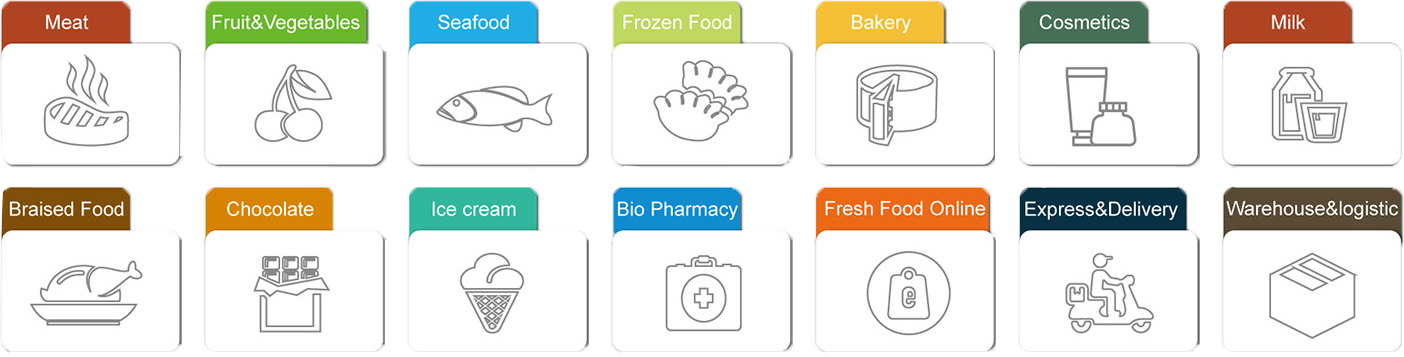
The pharmaceutical and biotech industry is also a significant contributor to this growth, as temperature-sensitive products require specialized packaging to preserve their potency and effectiveness.
Temperature-controlled packaging solutions are crucial for maintaining product integrity and meeting regulatory requirements across various industries.
The positive news is that demand is evolving, and so is the packaging. The increasing need for more efficient and sustainable cold chain packaging has sparked an era of innovation that is set to transform the handling and transportation of temperature-sensitive goods. Here are some key ways in which innovation will position the temperature-controlled packaging sector for success in the upcoming year.
Smarter Packaging:
One of the most prominent trends in cold chain packaging is the continued integration of smart technologies. Packaging is no longer just a protective layer; it has become a dynamic, intelligent system that actively monitors and adjusts to environmental conditions. Smart sensors embedded in packaging materials will provide real-time tracking of temperature, humidity, and other critical factors, ensuring the integrity of perishable goods throughout the supply chain. This ongoing innovation offers unprecedented visibility and control over the cold chain process, reducing the risk of spoilage and cutting costs.
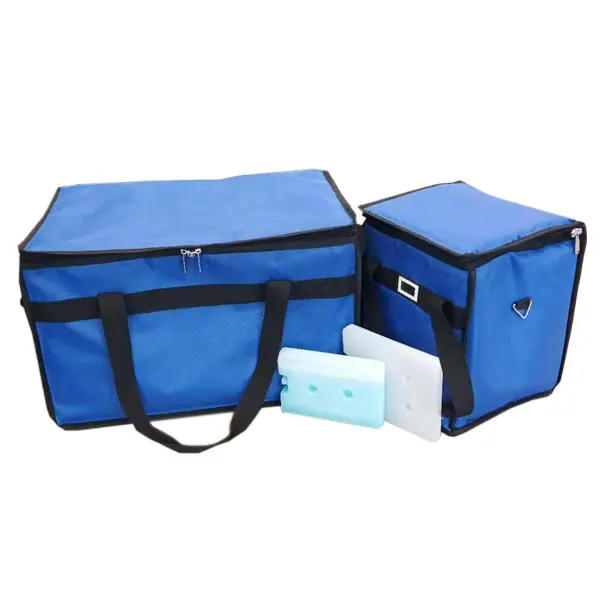
Sustainable functionality
In 2024, the packaging industry will continue to prioritize sustainable materials that combine functionality and eco-friendliness, with a particular focus on the cold chain sector. Businesses striving to meet sustainability goals will increasingly turn to their cold chain packaging solutions to help achieve these targets.
Similar to Ikea’s recent adoption of mushroom-based packaging that eliminates the need for other wasteful materials and biodegrades in a matter of weeks, we anticipate a growing number of cold chain packaging providers offering compostable, recyclable, or reusable products, such as ice packs.
Advancements in Insulation Technology
The year 2024 will bring significant advancements in insulation technologies, setting new standards in temperature control. Traditional methods like dry ice are being replaced by innovative solutions such as aerogels, phase change materials, passive and latent cooling applications, and vacuum insulation panels, which will gain further momentum.
Robotics and Automation
Automation is revolutionizing the landscape of cold chain packaging by introducing efficiency and precision, which is crucial as demand grows. In 2024, we will witness further integration of robotics in packaging processes, streamlining tasks such as product sorting, palletizing, and even autonomous packaging line maintenance. This will not only reduce the risk of human error but also enhance the speed and accuracy of packaging operations, ultimately improving the overall reliability of the cold chain.
Brand Power – Customization and Personalization
Packaging solutions are becoming increasingly customizable and adaptable to the specific needs of different products, brands, and industries. Tailored packaging designs, sizes, and insulation properties are being developed to address the unique challenges posed by various temperature-sensitive goods. Additionally, unique bespoke branding opportunities will allow companies to leverage brand recognition as they ship their products across the world.
As global supply chains continue to grow in complexity, the evolution of cold chain packaging solutions remains a beacon of innovation. The ongoing commitment of this sector to push boundaries will pave the way for an increasingly resilient and efficient cold chain ecosystem in 2024 and beyond.
THE BENEFITS OF USING REUSABLE EPP INSULATION BOXES FOR TRANSPORT AND SUSTAINABLE PACKAGING SOLUTIONS

Sustainability and environmental awareness are becoming increasingly important in nowadays. Businesses and individuals alike are looking for ways to reduce their carbon footprint and minimize waste. One area where this is particularly relevant is the transport of goods, where the use of reusable EPP insulated boxes is becoming increasingly popular. These boxes offer a range of benefits, from cost savings to reduced environmental impact, making them an attractive option for businesses and consumers alike.
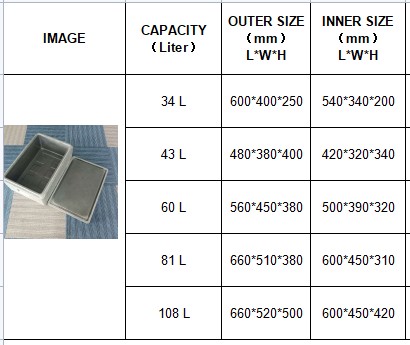
EPP insulated boxes, or just EPP transport boxes, are designed to provide a high level of thermal insulation, making them ideal for transporting temperature-sensitive goods such as food, pharmaceuticals and other perishable items. Unlike traditional single-use packaging, EPP boxes are durable and can be used multiple times, making them a sustainable option for businesses looking to reduce their environmental impact.
One of the main benefits of using reusable EPP insulated boxes is cost savings. While the initial investment in these boxes may be higher than traditional single-use packaging, their durability and reusability means they can provide significant long-term savings. By eliminating the need to continually purchase new packaging materials, businesses can reduce packaging costs and increase profits.
EPP insulation boxes also offer environmental benefits. By using reusable packaging, businesses can significantly reduce the amount of waste they generate. This is especially important in today’s world, where the impact of single-use plastics and other single-use materials is increasingly under scrutiny. By choosing reusable EPP boxes, businesses can play a role in reducing the amount of waste that ends up in landfill and oceans, contributing to a more sustainable future.
Moreover, EPP insulated boxes are lightweight and durable, making them an efficient and practical transportation option. Their lightweight nature means they do not add unnecessary weight during transport, which helps reduce fuel consumption and carbon emissions during transport. This is an important consideration for businesses looking to minimize their impact on the environment and operate in a more sustainable manner.
They got the ability to provide consistent and reliable insulation for any enterprise in the cold chain transport industry. The thermal properties of EPP make it an excellent material for maintaining temperature control during transportation. Whether goods require refrigeration or insulation, EPP insulated boxes can help ensure the required temperature is maintained throughout the transport process. This is vital for businesses that need to transport perishable items and maintain their quality and safety.
The most important thing is, EPP insulated boxes are easy to clean and disinfect, making them a hygienic option for transporting food and pharmaceuticals. Their non-porous surface repels moisture and bacteria, reducing the risk of contamination during transport. This is particularly important in industries where cleanliness and hygiene are critical, such as the food and healthcare industries.
Using reusable EPP insulated boxes for transport offers a range of benefits, from cost savings to reduced environmental impact. By choosing these durable and sustainable packaging solutions, businesses can reduce their carbon footprint, minimize waste and increase profits. As the demand for sustainable transportation solutions continues to grow, EPP insulated boxes are expected to play a key role in shaping more environmentally friendly and efficient supply chains.
















