


WHAT ROLE DO GEL ICE PACKS PLAY IN PHARMACEUTICALS AND FOOD COLD CHAIN MARKET
WHAT ROLE DO GEL ICE PACKS PLAY IN PHARMACEUTICALS AND FOOD COLD CHAIN MARKET

In today’s global economy, the cold chain market plays a crucial role in ensuring the safe and efficient transportation of temperature-sensitive products such as pharmaceuticals, food, and beverages. The use of gel ice packs has become increasingly prevalent in this market, revolutionizing the way these products are stored and transported.
Gel ice packs, also known as gel packs or cold packs, are a popular choice for maintaining the required temperature in cold chain logistics. These packs are filled with a gel substance that can be frozen and then used to keep products at the desired temperature during transit. The use of gel ice packs has several advantages over traditional ice packs, making them a preferred choice for many businesses operating in the cold chain market.
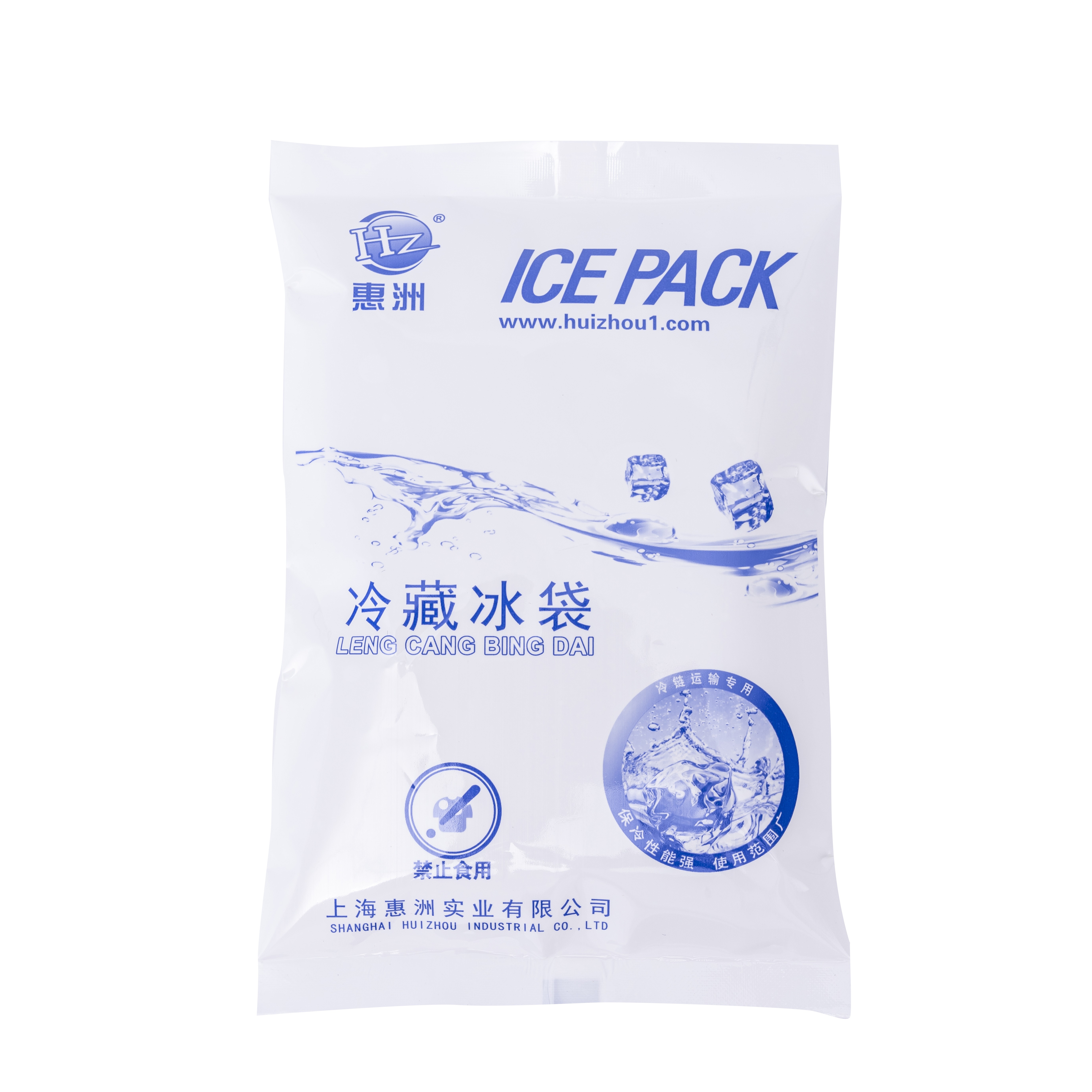
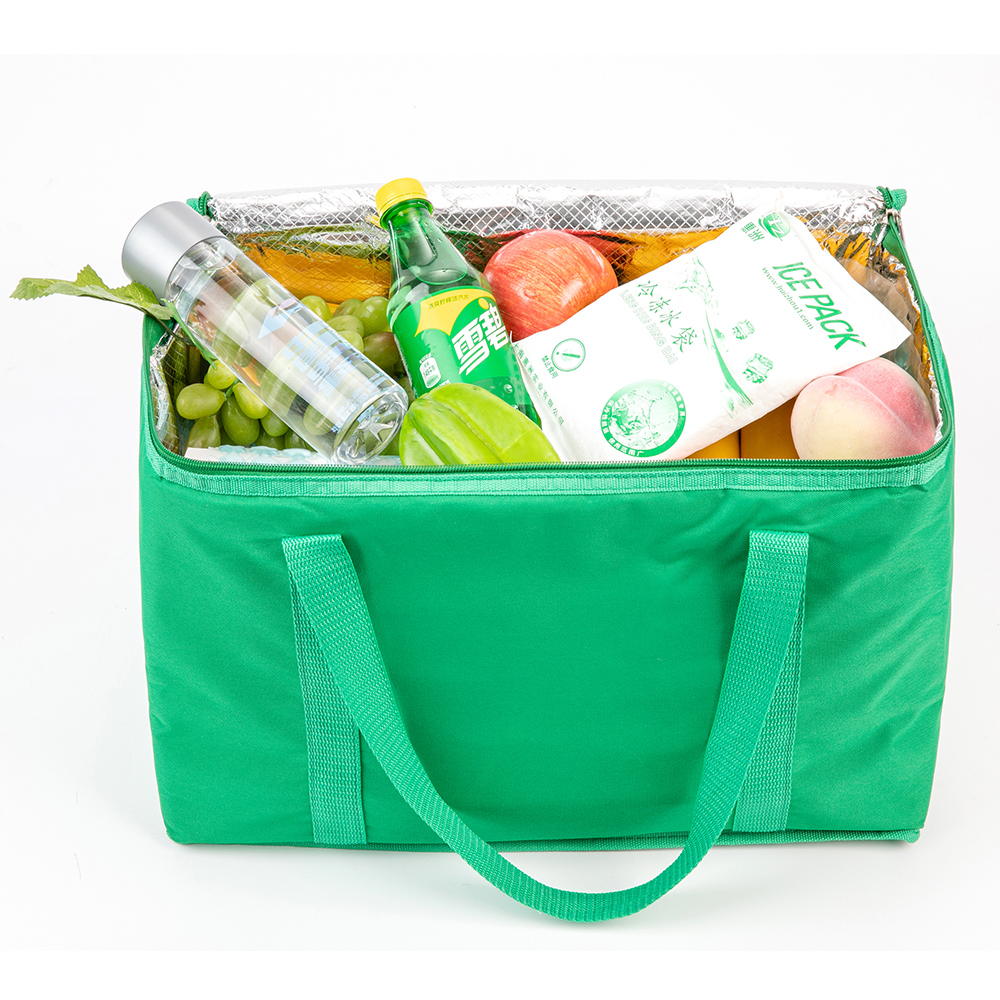
To maintain a consistent temperature for an extended period is the key application of gel ice packs. Unlike traditional alternatives, which can melt and create a mess, reusable gel ice packs stay in a solid state for longer, providing a more reliable and stable cooling solution. This is particularly important when transporting temperature-sensitive products over long distances, where maintaining the required temperature is critical to product integrity and safety.
Furthermore, gel ice packs are often more lightweight and compact than traditional ice packs, making them easier to handle and transport. This not only reduces the overall weight of shipments, potentially lowering transportation costs, but also makes it easier for logistics personnel to handle and store the gel packs, improving overall efficiency in the cold chain process.
Traditional ice packs often use single-use plastics or other non-biodegradable materials, contributing to environmental waste. Gel ice packs, on the other hand, can be made from biodegradable materials and are often reusable, reducing the environmental impact of cold chain logistics operations.
The use of gel ice packs has also had a significant impact on the pharmaceutical industry, where maintaining the integrity of temperature-sensitive medications is of utmost importance. With the rise of biologics and other temperature-sensitive pharmaceuticals, the demand for reliable cold chain solutions has increased. Gel ice packs have emerged as a key component in ensuring the safe and effective transportation of these products, providing pharmaceutical companies with a cost-effective and efficient cooling solution.
Moreover, the food and beverage industry has also benefited from the use of gel ice packs in the cold chain market. From fresh produce to dairy products, maintaining the right temperature during transportation is essential to preserving the quality and safety of these goods. Gel ice packs have proven to be a reliable and cost-effective solution for keeping perishable items at the required temperature, reducing the risk of spoilage and ensuring that consumers receive high-quality products.
As the cold chain market continues to expand and evolve, the use of gel ice packs is expected to play an even more significant role in shaping the industry’s future. With advancements in gel pack technology and increased awareness of the benefits they offer, businesses operating in the cold chain market are likely to continue embracing gel ice packs as a preferred cooling solution.
The impact of gel ice packs in the cold chain market cannot be overstated. From their practical advantages to their environmental benefits, gel ice packs have transformed the way temperature-sensitive products are stored and transported. As the demand for reliable cold chain solutions continues to grow, gel ice packs are poised to remain a key component in ensuring the safety and integrity of products throughout the supply chain.
WHY WE MUST USE INSULATED COOLER BAGS FOR PHARMACEUTICAL TRANSPORT

When transporting pharmaceutical products, it is crucial to ensure that they are protected from external factors such as extreme temperatures. One way to ensure the safety and integrity of these products during transportation is to use insulated cooler bags. These bags not only provide necessary temperature control, but also provide a reliable and convenient solution for transporting pharmaceuticals.
Thermal bags are specially designed to maintain a constant internal temperature, making them ideal for transporting temperature-sensitive pharmaceuticals. Whether it’s vaccines, insulin, or other medications that require a specific temperature range to remain effective, insulated cooler bags for medicine provide the necessary insulation to keep these products safe during transportation.
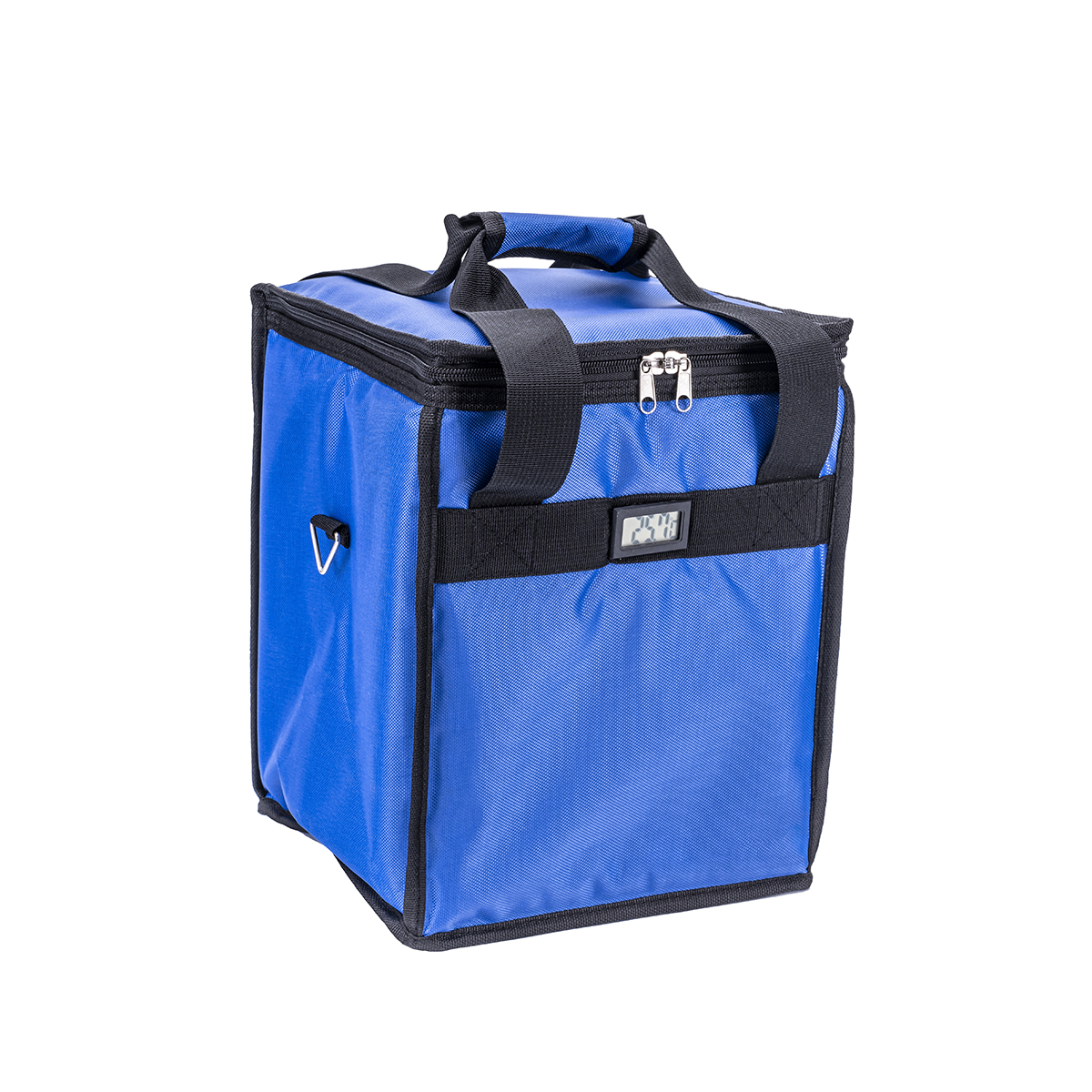
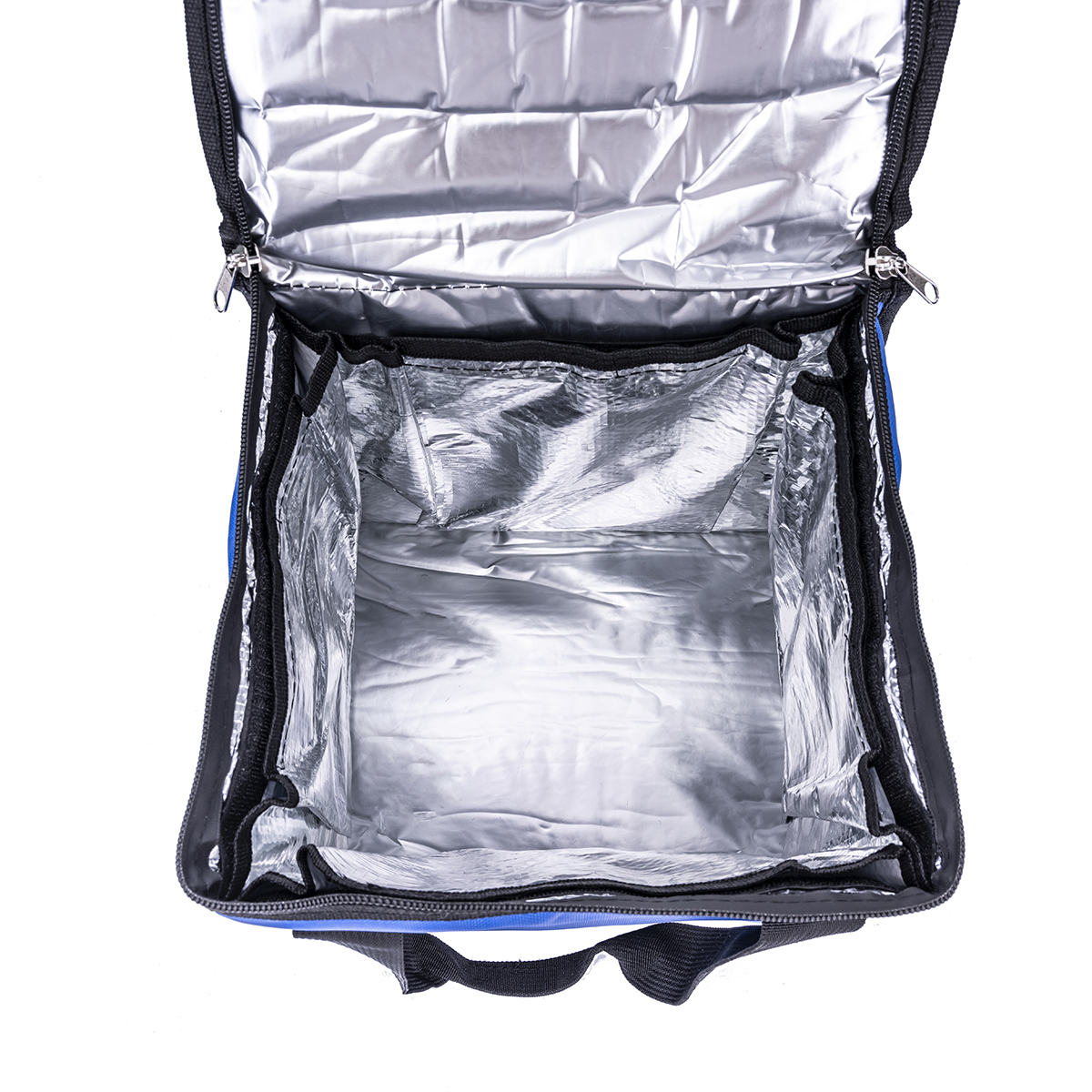
Using insulated cooler bags for pharmaceutical transportation to control temperature fluctuations. These bags are made from high-quality insulating materials that effectively regulate internal temperature, preventing exposure to extreme heat or cold that could compromise the integrity of the medicines. This level of temperature control is critical to ensuring that medications arrive at their destination in optimal condition and ready for use by patients.
In addition to temperature regulation, insulated cooler bags protect against external factors that can damage medicines. By using these bags, drug shipments can be protected from direct sunlight, moisture, and other environmental factors that can alter the composition and effectiveness of the drug. This extra layer of protection is critical to maintaining the quality and efficacy of pharmaceutical products throughout the shipping process.
Thermal bags are designed for durability and reliability, making them a practical option for pharmaceutical transportation. These bags are made of hard-wearing, high-quality material to ensure safe storage of medicines during transportation. Their sturdy construction also gives you peace of mind that your medications are well protected and safe throughout transport.
These bags are lightweight and easy to handle, making them convenient for both the transporter and the recipient on the receiving end. Its compact and portable design facilitates storage and handling, simplifying transportation and minimizing the risk of mishandling or damage to medicines.
Insulated cooler bags are an indispensable tool for transporting pharmaceuticals safely and reliably. By offering reliable temperature control, protection from external factors, durability and convenience, these bags provide a comprehensive solution to pharmaceutical transportation needs. Whether it’s a vaccine, insulin, or other temperature-sensitive medication, using an insulated cooler bag is a prudent, responsible choice to ensure the integrity and effectiveness of your medicine during transportation. Pharmaceutical companies and shipping providers must prioritize the use of insulated cooler bags to maintain the quality and safety of pharmaceutical products throughout the transportation process.
Introducing HUIZHOU Pharmaceutical temperature control packaging solution
For cold chain transportation industry, about 10% products are pharmaceuticals-related,both for human and veterinary use. Usually the temperature-controlled packaging are thermal bag or cooler box together with gel ice packs inside.
For medicine cold chain transportation, we offer solutions for our customers doing business in Pharmaceuticals, Express&Delivery, Warehouse&Logistics.
For medicine cold chain transportation,the temperature-controlled packaging products we offered are gel ice pack, water injection ice pack, hydrate dry ice pack, ice brick, dry ice, thermal bag, cooler boxes, EPS boxes.
WEI GANG DAIRY SUCCESSFULLY PASSES THE NATIONAL “HIGH-QUALITY MILK PROJECT” RE-EVALUATION!
From September 19-20, 2023, the Dairy Industry Alliance organized experts to conduct the second re-evaluation and acceptance of the “High-Quality Milk Project for Pasteurized Milk” at Nanjing Wei Gang Dairy.
The acceptance work was led by Wang Jiaqi, Director of the Institute of Food and Nutrition Development at the Ministry of Agriculture and Rural Affairs and Chairman of the National Dairy Technology Innovation Alliance. The evaluation was hosted by Zhang Yangdong, Secretary-General of the National Dairy Technology Innovation Alliance, and Professor Yang Zhangping, Chief Expert of the Jiangsu Dairy Industry Technology System. Members of the expert group from the National Dairy Technology Innovation Alliance participated in the evaluation. Bai Yuanlong, Chairman of Nanjing Wei Gang Dairy Co., Ltd., Vice President Tian Yu, and relevant department heads attended the acceptance evaluation meeting.
During the acceptance process, Nanjing Wei Gang Dairy received high praise from the expert group! The experts unanimously agreed that Nanjing Wei Gang Dairy Co., Ltd. meets the relevant requirements of the national high-quality milk standards!
Since implementing the high-quality milk project in 2017, Wei Gang Dairy has adhered to the enterprise philosophy of “building farms before developing markets,” always prioritizing quality, freshness, and health in its development. In 2018, three fresh milk products from Wei Gang Dairy passed the high-quality milk project acceptance. In 2019, two new products were added: Wei Gang Zhichun Grass-Fed Fresh Milk and Wei Gang Zhichun Fresh Milk. In 2022, Wei Gang Zhichun High-Quality Fresh Milk was introduced. Over the past seven years, Wei Gang Dairy has undergone semi-annual inspections by the National Dairy Technology Innovation Alliance and multiple third-party evaluations, consistently passing all audits.
The “High-Quality Milk Project” embodies the “Chinese Dream” of providing the nation with good milk. As a dairy enterprise with a 95-year history, Wei Gang Dairy firmly believes that high-quality milk originates from local sources. Creating a high-quality milk that is “warm, loving, and caring” has been the unwavering pursuit and commitment of generations of Wei Gang people.
Seven Years of Commitment
Wei Gang Dairy actively implements the spirit of advancing high-quality development in the dairy industry, enriching the connotation of the “fresh strategy,” and embarking on an optimization and upgrade layout for the entire industrial chain. This includes accelerating the development of large-scale ecological recycling farming bases, digital smart factories, and green logistics systems, paving the way for a safe, healthy, green, low-carbon, nutritious, and fresh high-quality development path.
On the milk source and production end, Wei Gang has built multiple ecological technology farms and intelligent production bases in East China, managing over 40,000 high-quality dairy cows. They have introduced advanced international production and testing equipment. From production to shipment, each batch of Wei Gang milk undergoes at least 28 rigorous tests to ensure quality and safety.
In the cold chain logistics sector, Wei Gang’s extensive cold chain logistics network covers cities in East, Central, North, and South China. In terms of brand promotion, Wei Gang upholds its health mission, continuously conducting activities like “Fresh Education” and “Ten Thousand People Visit Wei Gang” to strengthen consumer awareness of fresh and good milk and enhance confidence in domestic dairy products.
Over the years, Wei Gang Dairy has focused on the high-quality milk project, adhering to its fresh strategy and striving to protect China’s “milk bottle.” With the long-term goal of “Centenary Freshness, Healthy China,” Wei Gang will continue to uphold its commitment to quality, advocate for a healthy lifestyle, educate on scientific milk consumption, and promote new developments in rural revitalization and Healthy China initiatives.
THE IMPORTANCE OF PHARMACEUTICAL COLD CHAIN MANAGEMENT

In the pharmaceutical industry, maintaining the integrity of temperature-sensitive products is paramount. The cold chain refers to the series of processes and equipment used to ensure that pharmaceutical products are stored and transported at the correct temperature to maintain their efficacy and safety. This is crucial for a variety of medications, vaccines, and other healthcare products, as any deviations in temperature can compromise the quality and effectiveness of these products.
Managing the pharmaceutical cold chain involves a range of stakeholders including manufacturers, distributors, logistics providers, and healthcare facilities. Each of these parties plays a crucial role in maintaining the integrity of the cold chain and ensuring that pharmaceutical products reach patients in optimal condition.
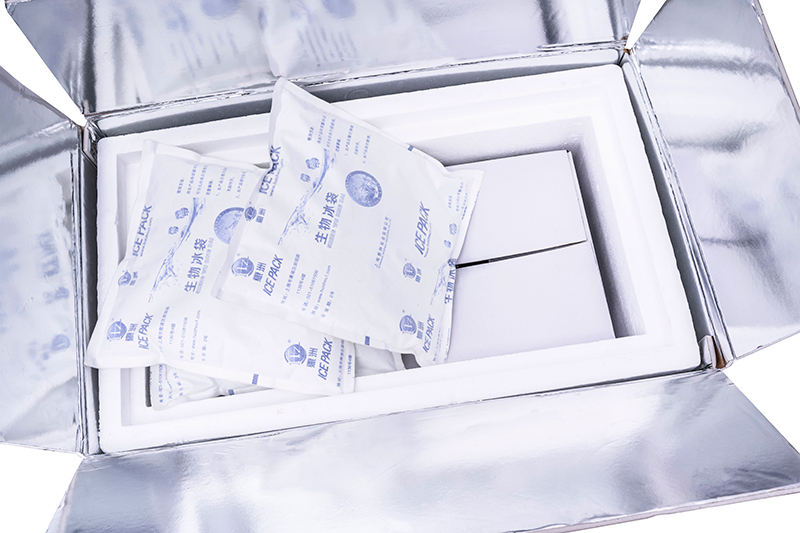
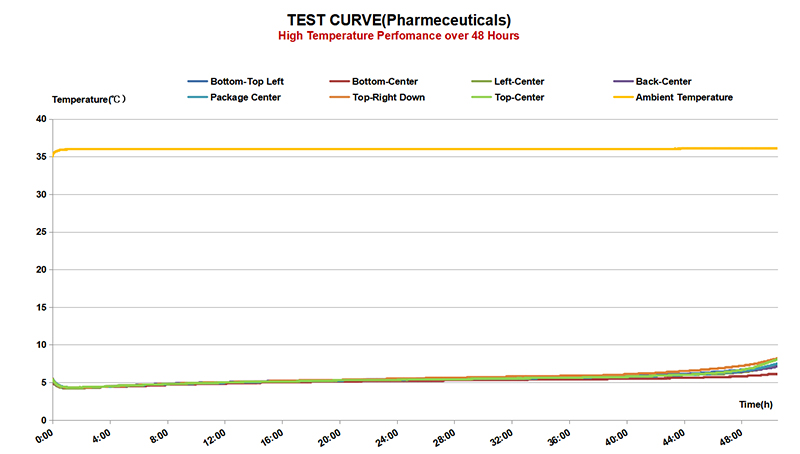
One of the key challenges in pharmaceutical cold chain management is the need for strict temperature control throughout the entire supply chain. From the moment a product is manufactured to the time it reaches the end-user, it must be kept within a specified temperature range to prevent degradation. This requires the use of specialized equipment such as refrigerated storage units, insulated packaging, and temperature monitoring devices to track and record temperature variations.
Another important aspect of pharmaceutical cold chain management is ensuring compliance with regulatory requirements. Regulatory bodies, such as the Food and Drug Administration (FDA) in the United States and the European Medicines Agency (EMA) in Europe, have strict guidelines for the storage and transportation of pharmaceutical products. Failure to comply with these regulations can lead to the rejection of products or even legal consequences for the responsible parties.
In recent years, advancements in technology have led to improvements in pharmaceutical cold chain management. For example, the use of temperature-sensitive labels and data loggers allows for real-time monitoring of products, giving stakeholders greater visibility into the conditions in which their products are being stored and transported. Additionally, the development of new packaging materials and insulation technologies has helped to better protect pharmaceutical products from temperature fluctuations during transit.
The importance of pharmaceutical cold chain management has been further highlighted by the global COVID-19 pandemic. With the urgent need for the distribution of vaccines to combat the virus, maintaining the integrity of the cold chain has been a critical factor in ensuring the effectiveness of these life-saving products. The rapid distribution of vaccines to millions of people around the world would not have been possible without the careful management of the cold chain.
Pharmaceutical cold chain management is essential for safeguarding the integrity of temperature-sensitive products throughout the supply chain. It requires collaboration and compliance from all parties involved, as well as the use of advanced technologies to monitor and maintain the correct temperature conditions. As the demand for pharmaceutical products continues to grow, the importance of effective cold chain management will only become more critical in ensuring the safety and efficacy of these products for patients worldwide.
KEEPING MEDICATIONS SAFE AND COOL WITH INSULATED MEDICAL ICE BOXES
As summer approaches and temperatures start to rise, it’s important to consider how to keep medications and pharmaceuticals at the right temperature, especially when traveling or in areas with limited access to refrigeration. This is where insulated medical ice boxes, also known as medical cool bags or pharmaceutical cooling bags, become essential.
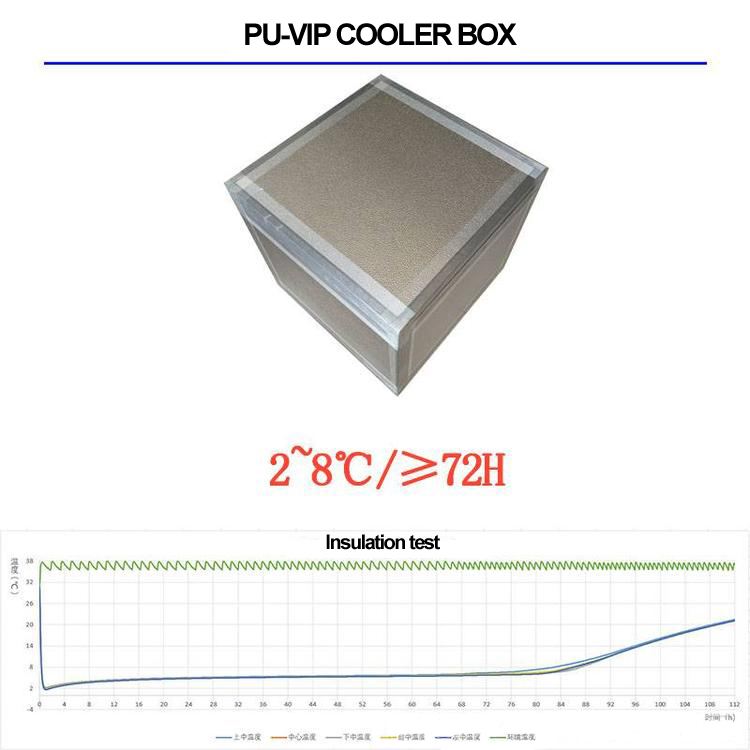
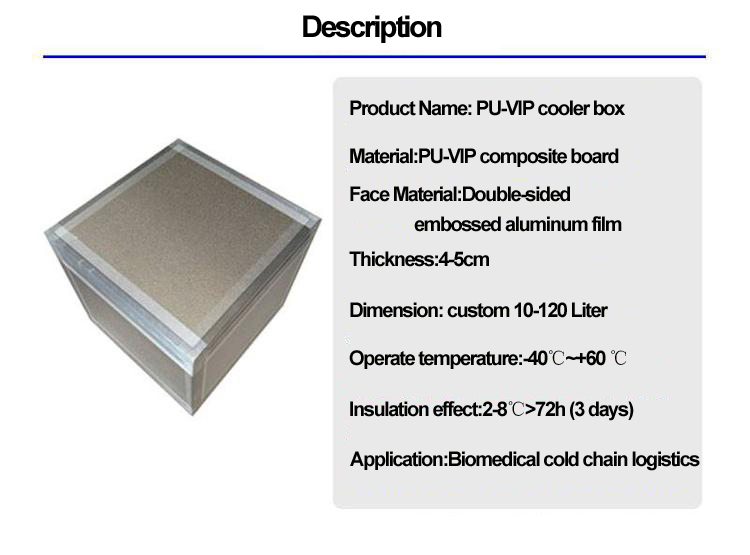
Insulated medical ice boxes are specifically designed to keep medications within a safe temperature range, typically between 2°C to 8°C, for extended periods of time. Whether it’s insulin, vaccines, or other temperature-sensitive medications, these ice boxes provide a reliable solution for maintaining the integrity and efficacy of the pharmaceuticals inside.
Medical cool bags’ compact and lightweight design makes them ideal for travel, allowing individuals to carry their medications with them without worrying about exposure to extreme temperatures. For those who need to transport medications for extended periods, such as during camping trips or long flights, these ice boxes provide peace of mind that their medications will remain safe and effective.
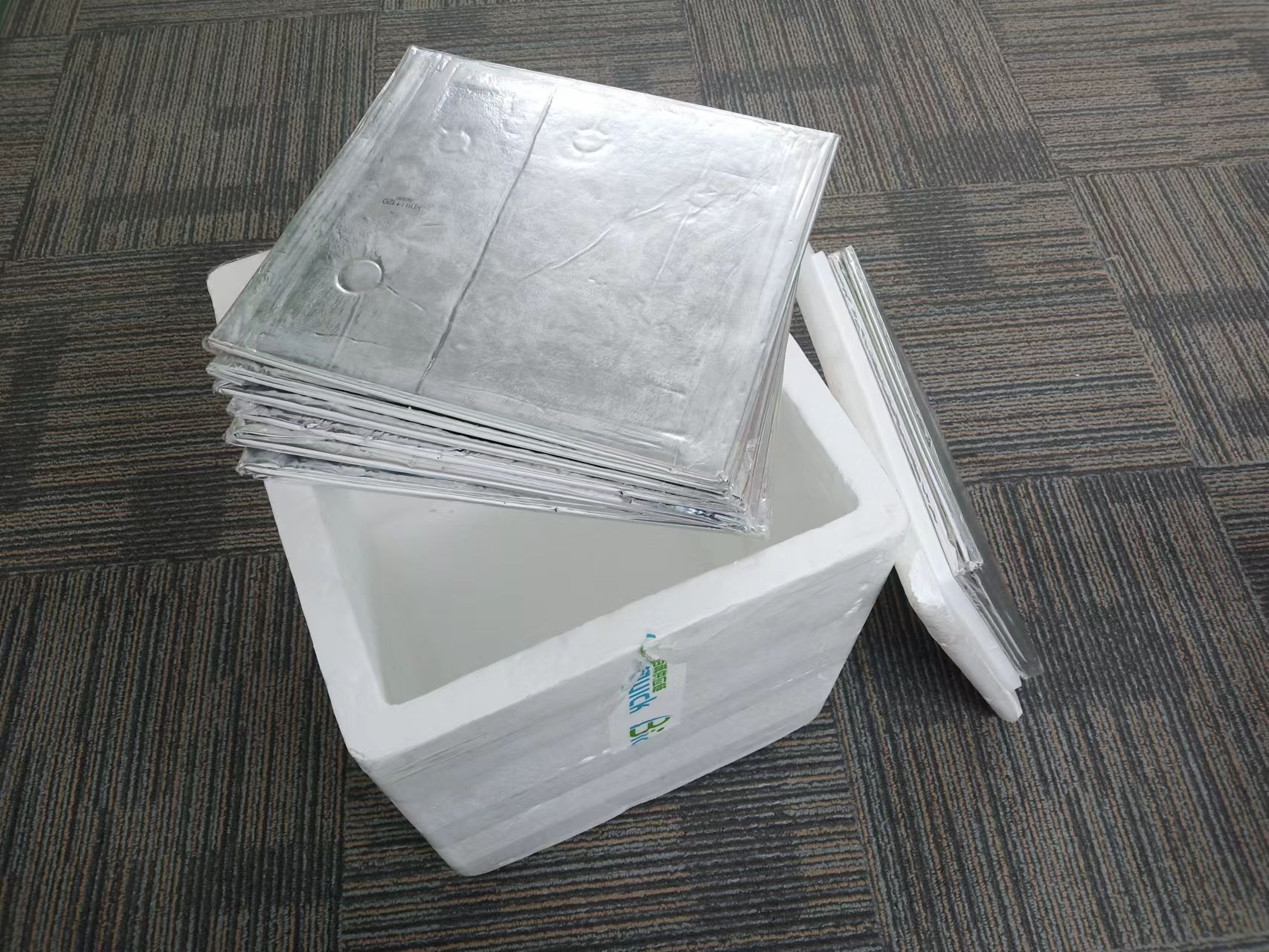
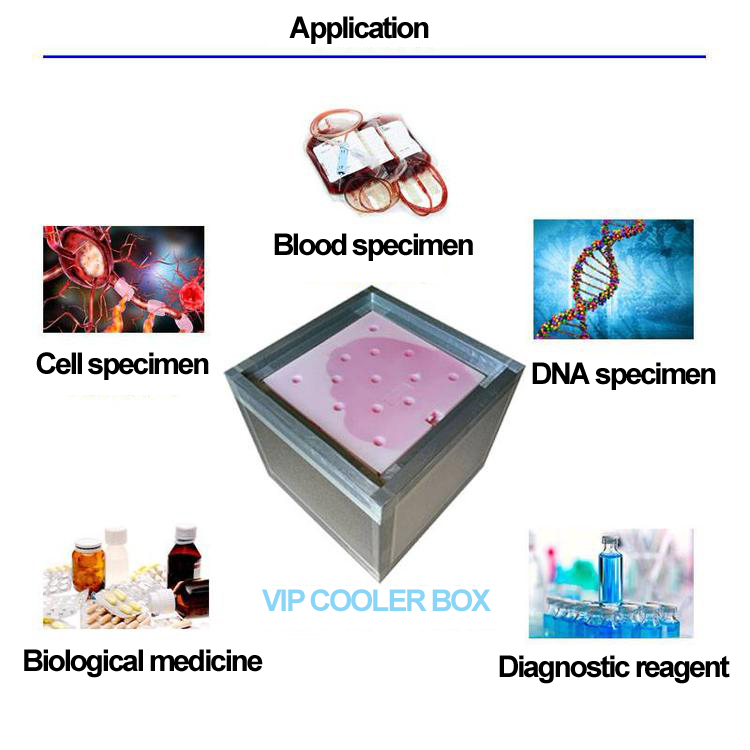
In addition to portability, the insulation in these medical cool bags also provides protection against external temperature fluctuations. This is especially important for individuals living in areas with hot climates, where access to reliable refrigeration may be limited. By using an insulated medical ice box, medications can be kept cool and protected from potentially damaging heat.
Insulated medical ice boxes are not only beneficial for individual use, but they also play a crucial role in the healthcare industry. Healthcare providers and pharmaceutical companies rely on these ice boxes to safely transport medications and vaccines to remote or underserved areas, ensuring that patients have access to necessary treatments without compromising their effectiveness.
While choosing the right insulated medical ice box, there are several factors to consider. Size, durability, and the duration of temperature control are all important aspects to keep in mind. Additionally, some ice boxes come with additional features such as rechargeable batteries for continuous cooling or temperature monitoring systems to provide real-time temperature readings.
As with any medical equipment, proper maintenance and care of insulated medical ice boxes are essential to ensure their effectiveness. Regular cleaning and inspection of the ice box’s insulation and cooling mechanisms can help prevent malfunctions and ensure that medications are always kept at the appropriate temperature.
Pharmaceutical cooling bags are an invaluable tool for keeping medications safe and cool, whether for personal use or within the healthcare industry. With their ability to maintain a consistent temperature range and provide portability, they offer a reliable solution for preserving the integrity of temperature-sensitive medications. Whether traveling, camping, or simply living in a hot climate, these medical cool bags are an essential investment for anyone needing to keep their medications cool and effective.
COLD CHAIN MARKET EXPECTED TO SURGE AT 8.6% CAGR, EXPANDING RAPIDLY IN ASIA-PACIFIC REGION
The Cold Chain Market dynamics exhibit a multifaceted interplay of factors that significantly influence the industry’s growth trajectory. With the increasing global demand for perishable goods and pharmaceutical products that require temperature-controlled storage and transportation, the cold chain sector has become a critical component of various supply chains. The growing awareness regarding the importance of maintaining product quality and safety throughout the supply chain has driven the adoption of advanced cold chain technologies. Innovations in refrigeration systems, tracking and monitoring technologies, and sustainable packaging solutions contribute to the dynamic evolution of the cold chain market.

Moreover, stringent regulatory requirements and quality standards imposed by various industries, particularly in pharmaceuticals and food, propel the cold chain market forward. The COVID-19 pandemic has further underscored the significance of a robust cold chain infrastructure for the storage and distribution of vaccines, highlighting the sector’s pivotal role in global health initiatives. As e-commerce continues to thrive, the demand for efficient cold chain logistics to support the delivery of temperature-sensitive products directly to consumers intensifies, adding another layer of dynamism to the market. The Cold Chain Market dynamics, shaped by technological advancements, regulatory frameworks, and changing consumer preferences, affirm its strategic importance in ensuring the integrity and safety of temperature-sensitive goods across diverse industries.
The Cold Chain Market’s regional insights provide a nuanced understanding of how geographical factors contribute to the industry’s dynamics. North America, with its advanced infrastructure and stringent regulatory standards, stands as a significant player in the cold chain domain. The region’s focus on maintaining the quality and safety of pharmaceuticals, perishable goods, and fresh produce has driven substantial investments in cold chain logistics. Europe follows suit, with a well-established cold chain network and a growing emphasis on sustainable practices in transportation and storage, aligning with the region’s eco-conscious initiatives.
In contrast, Asia-Pacific emerges as a dynamic and rapidly expanding market for cold chain solutions. The region’s booming population, coupled with rising disposable incomes, propels the demand for quality food and pharmaceuticals, necessitating an efficient and reliable cold chain infrastructure. Additionally, the increasing adoption of e-commerce in countries like China and India further amplifies the need for robust cold chain logistics. Latin America and the Middle East & Africa showcase untapped potential, with a growing awareness of the benefits of cold chain systems and a rising need for extending the shelf life of products in these regions. The regional insights into the Cold Chain Market underscore the diverse opportunities and challenges presented by different geographical landscapes, offering valuable perspectives for market participants and stakeholders.
Press release from: MAXIMIZE MARKET RESEARCH PVT. LTD.
HOW DO YOU USE DRY ICE GEL PACKS? HOW TO HYDRATE DRY ICE PACKS
How long will dry ice packs last?
Dry ice packs can last for around 18-36 hours, depending on various factors such as the thickness of the insulation, the size of the pack, and the surrounding temperature. It’s important to handle dry ice packs carefully and follow the manufacturer’s guidelines for safe use.
How does a dry ice pack work?
A dry ice pack works by utilizing the cooling properties of dry ice, which is solid carbon dioxide. When dry ice is placed in a pack and sealed, it sublimates directly from a solid to a gas, creating a very cold environment. This cold temperature is then used to keep items inside the pack chilled or frozen. Dry ice packs are often used for transporting perishable goods or for keeping items cold during camping trips and other outdoor activities.
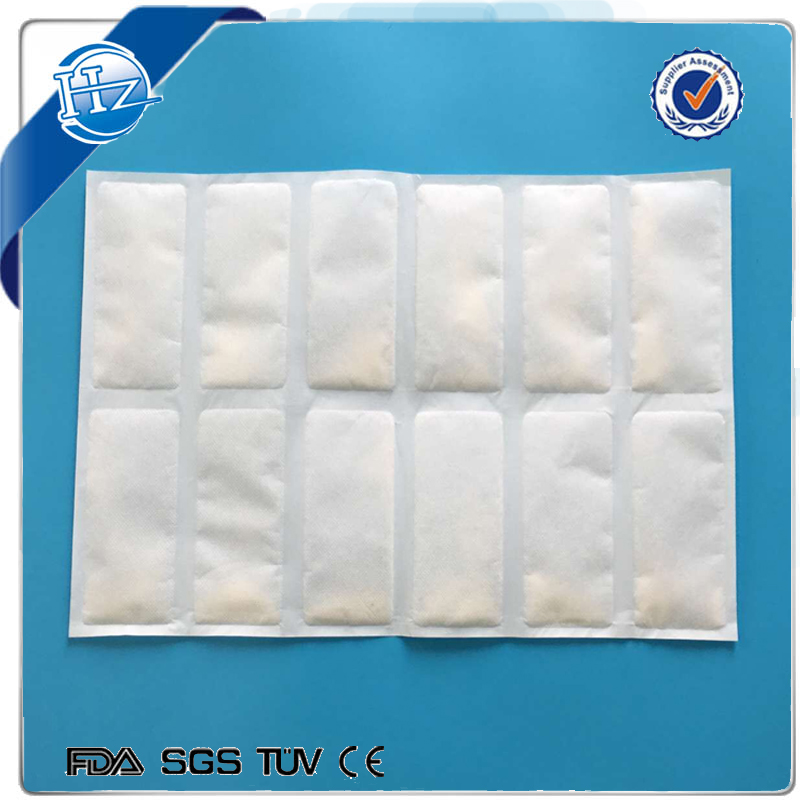
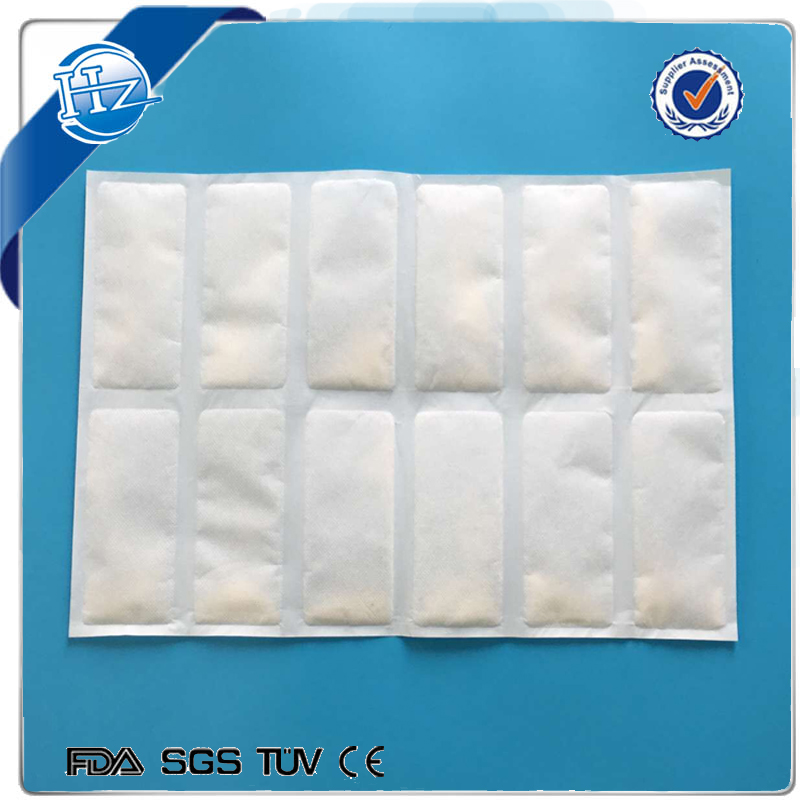
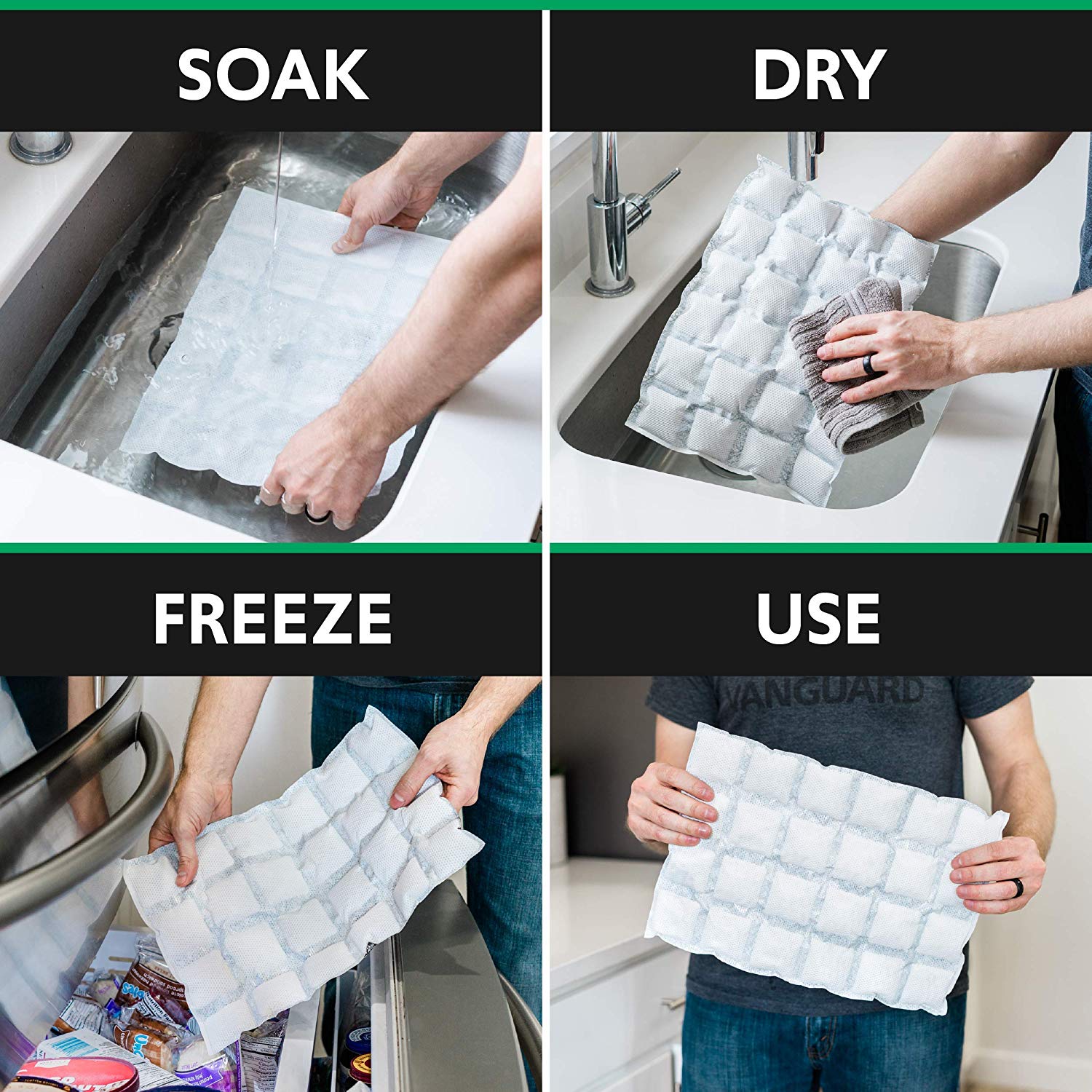
Soak each sheet for 15 minutes to hydrate (the new model requires less hydration than previous models. Avoid leaving underwater for extended periods). Once all the cells are well hydrated, take them out of the water and thoroughly pat them dry. This helps prevent any excess water from turning into ice on the outside of the sheet during the freezing process.
Can dry ice be reused again?
Dry ice can be reused if it has not completely sublimated (turned into gas), although it may not be as efficient or effective in subsequent uses. If there is still some dry ice remaining, it can be reused by storing it in an insulated container or a cooler until it is needed again. However, it’s important to handle dry ice with caution, as it can cause burns if it comes into contact with the skin. Always use proper protective gear and follow safety guidelines when handling dry ice.
12cells Soak Water Multi Cube Gel Dry Ice Packs Sheet
Huizhou Hydrate Dry Ice Packs are alternatives for typical ice pack in the market with the same functions. Huizhou Hydrate Dry Ice Packs are deigned for fresh food as well as other temperature sensitive items during their cold chain shipment,usually they are more popular for seafood. Hydrate dry ice packs are supposed to bring the ambient temperature in one package under control through cool-heat transfer.Comparing with gel ice pack, Hydrate Dry Ice Packs needs one more step of water absorption in advance before use.
- 9 cells (3×3 cube): 28*40cm per sheet
- 12 cells (2×6 cube): 28*40cm per sheet
- 24 cells (4×6 cube): 28*40cm per sheet
THE MARKET SIZE OF REUSABLE ICE PACKS IS EXPECTED TO GROW BY USD 8.77 BN

The reusable icepacks market size is expected to grow by USD 8.77 billion from 2021 to 2026. In addition, the growth momentum of the market will accelerate at a CAGR of 8.06% during the forecast period, according to the latest report from Technavio. The market has been segmented by product (ice or dry icepacks, refrigerant gel-based icepacks, and chemical-based icepacks), application (food and beverage, medical and healthcare, and chemicals), and geography (North America, APAC, Europe, South America, and the Middle East and Africa).
Market Segmentation
The ice or dry icepacks segment will be the largest contributor to market growth during the forecast period. Ice or dry icepacks are generally used for shipping medical supplies, meat, seafood, and biological materials. They keep food cold for a longer period, which makes them suitable for shipping meat and other perishables. Reusable dry icepacks sheets can be cut as per the size of the box, are non-toxic and environment-friendly, are and lighter. The demand for ice or dry icepacks is expected to in food and beverage applications owing to these factors. This, in turn, will drive the growth of the global reusable icepacks market during the forecast period.
Solution for the exterior of the cooling chamber
Inter Fresh Concepts is a Dutch company specializing in providing solutions, particularly in the fruit and vegetable sector. Leon Hoogervorst, the director of Inter Fresh Concepts, explains, “Our company’s experience is rooted in the fruit and vegetable industry, giving us insight into this specific sector. We are dedicated to offering clients prompt and practical solutions and advice.”
Ice packs are primarily used to maintain the quality of fruits and vegetables at fluctuating temperatures, such as those experienced during cross-docking or when products are waiting for the next truck at an airport terminal before being loaded onto an airplane.Our thickened ice packs enable us to consistently maintain temperatures throughout the entire trip, cooling our products for over 24 hours, which is twice as long as conventional cooling elements. Additionally, during air transport, we frequently utilize isolating pallet covers to shield the goods from temperature variations.
Online sales
Lately, there has been a growing need for cooling solutions, especially in the retail industry. The surge in online orders from supermarkets due to the impact of the coronavirus has increased the demand for reliable delivery services. These services often rely on small, non-air-conditioned delivery vans to transport goods directly to customers’ doors. This has prompted a greater interest in cooling products that can maintain perishable items at the required temperature for extended periods. Additionally, the reusability of ice packs has become an attractive feature, as it aligns with the goal of providing sustainable and cost-effective cooling solutions. During the recent heatwave, there was a noticeable spike in demand, with many businesses seeking assurance that their cooling elements would meet the strict standards set by the Dutch Food and Consumer Product Safety Authority, both to uphold product quality and comply with regulatory requirements.
Better control over the correct temperature
Cooling elements serve a broader purpose than just facilitating the transfer of goods from the refrigeration area to the truck. Leon recognizes additional potential applications for maintaining the ideal temperature. “These applications are already well-established in the pharmaceutical industry. However, there may be opportunities for similar uses in the fruit and vegetable sector as well.”
“For instance, our product line includes various cooling elements capable of sustaining items at, for instance, 15°C. This is achieved through modifications to the gel within these packs, which only begin to melt at approximately that temperature.”
WHAT IS THE USE OF HDPE ICE PACK? WHAT MATERIAL IS BEST FOR ICE PACKS?
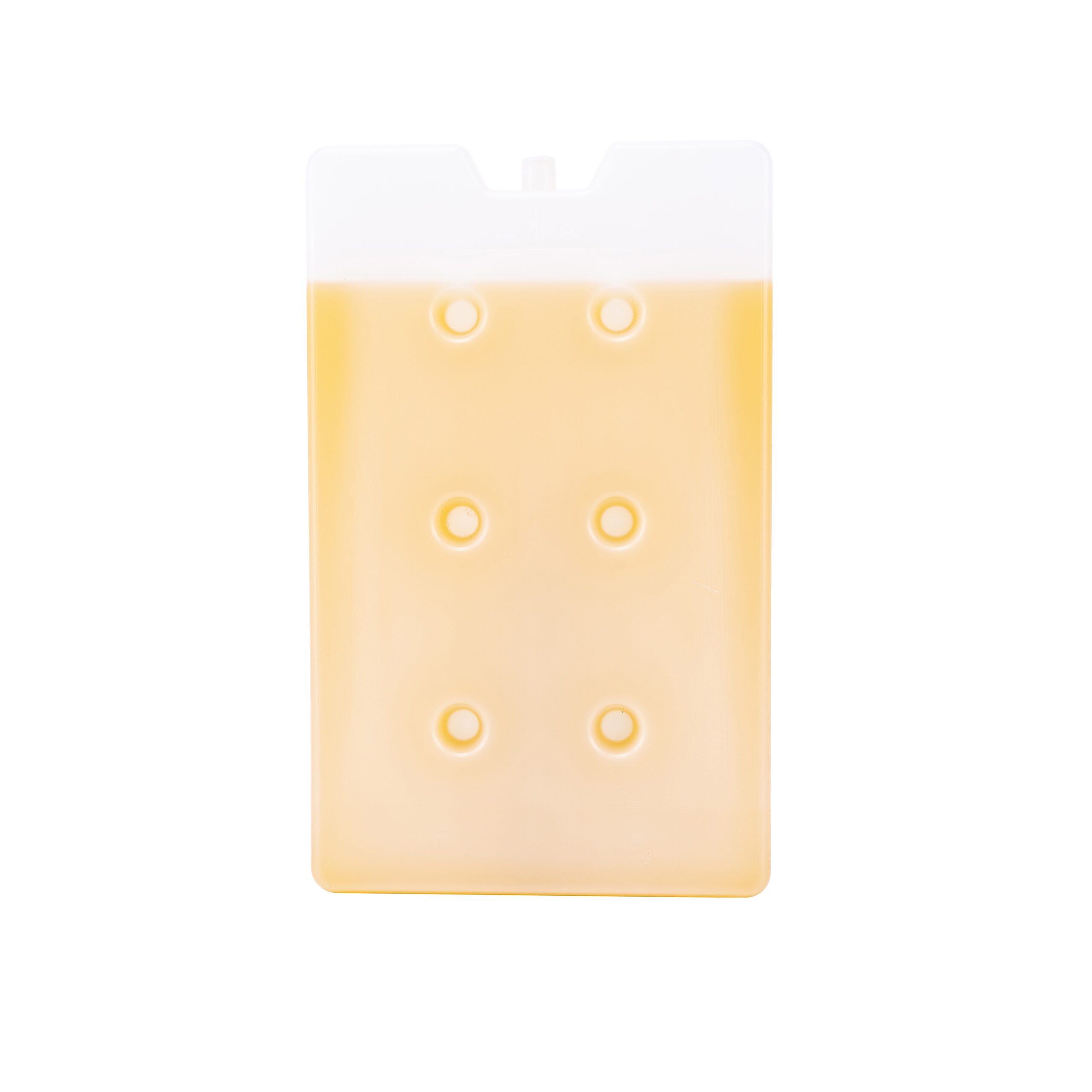
HDPE ice packs are commonly used to keep items cold. They are often used in coolers, lunch bags, and for transporting perishable items. The HDPE material is durable and can effectively retain cold temperatures for extended periods, making it ideal for keeping food and beverages cold while traveling or during outdoor activities.
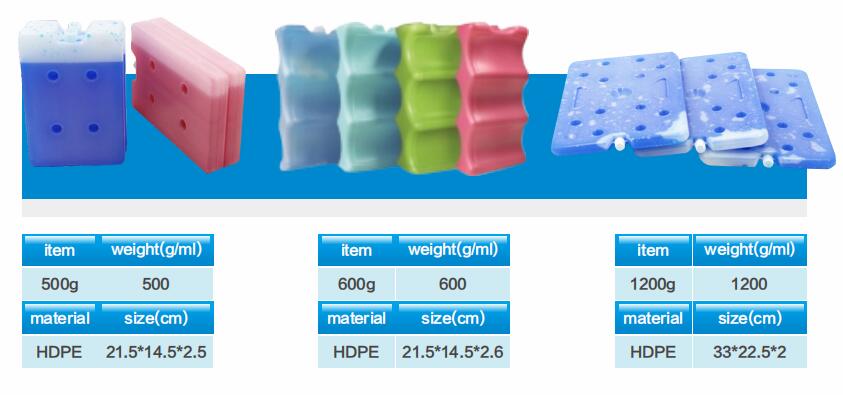
1200ml HDPE Ice Packs PCM Plate Keep 2-8 Degree For Vaccine Medical Cold Storage
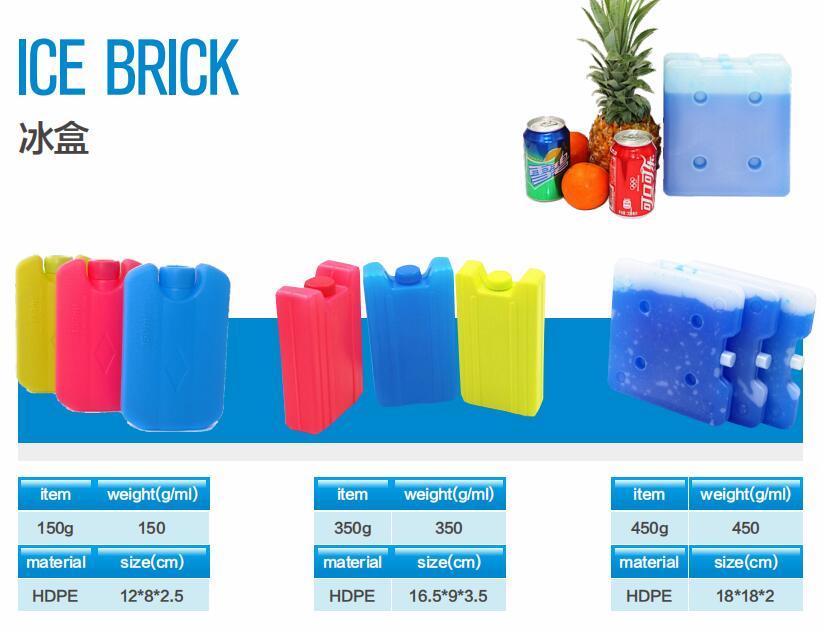
1. Huizhou Ice Brick is designed for bringing coolness to the ambient around it, through cold and hot air exchanging or conduction.
2. For fresh food fields, they are usually together used with cooler box for the transporting of fresh, perishable and heat sensitive products, such as: meat, seafood, fruit&vegetables, prepared foods, frozen foods,ice cream, chocolate, candy, cookies, cake, cheese, flowers, milk, and etc.
3. For pharmacy field, Ice Bricks are typically together used pharmaceutical cooler box to maintain the stable temperature needed for shipment of biochemical reagent, medical samples,veterinary drug, plasma, vaccine,and etc.
4. And they are also great for outdoor use if put the ice brick inside the lunch bag, cooler bag to keep the foods or drinks cold when hiking,camping, picnics, boating and fishing.
5. In addition, if put the frozen ice brick in your refrigerator,it can also save electricity or release cold and keep refrigerator at the refrigerating temperature when powered off.
Ice packs are commonly made from materials such as high-density polyethylene (HDPE), vinyl, or non-toxic gels. These materials are chosen for their ability to retain cold temperatures effectively and safely. HDPE and vinyl are commonly used for reusable ice packs, while non-toxic gels are used in disposable ice packs. Each of these materials has its own advantages, so the best choice may depend on your specific needs and preferences.
The majority of reusable ice packs contain gel, as the gel offers superior cooling abilities compared to frozen water. When used in conjunction with an appropriate cooler, ice packs can maintain low temperatures for extended periods, often lasting for days. Additionally, they provide cost savings as they can be refrozen and used repeatedly.
ARE ICE PACKS BETTER THAN ICE BLOCKS? WHERE IS THE BEST PLACE TO PUT ICE PACKS IN A COOLER?
Ice packs and ice blocks both have their own benefits. Ice packs are convenient and reusable, making them a good choice for keeping items cool without creating a mess as they melt. On the other hand, ice blocks tend to stay colder for longer periods of time and are useful for situations where consistent, long-lasting cooling is necessary.In general, the choice between ice packs and ice blocks depends on your specific needs and the duration for which you need to keep items cold. If you need longer-lasting cooling, ice blocks might be the better option. If you need a convenient and reusable solution, ice packs could be the way to go.
The best place to put ice packs in a cooler is on top of the contents. Placing them on top ensures better distribution of cool temperature throughout the cooler, helping to keep all items at a consistent cold temperature. Additionally, placing them on top also minimizes the risk of them getting punctured or damaged by sharp items at the bottom of the cooler. This arrangement also takes advantage of the natural tendency of cold air to sink and help keep the items at the bottom cool as well.
Huizhou Ice Brick is designed for bringing coolness to the ambient around it, through cold and hot air exchanging or conduction.
For fresh food fields, they are usually together used with cooler box for the transporting of fresh, perishable and heat sensitive products, such as: meat, seafood, fruit&vegetables, prepared foods, frozen foods,ice cream, chocolate, candy, cookies, cake, cheese, flowers, milk, and etc.
For pharmacy field, Ice bricks for cooler are typically together used pharmaceutical cooler box to maintain the stable temperature needed for shipment of biochemical reagent, medical samples,veterinary drug, plasma, vaccine,and etc.
And they are also great for outdoor use if put the ice brick inside the lunch bag, cooler bag to keep the foods or drinks cold when hiking,camping, picnics, boating and fishing.
In addition, if put the frozen ice brick in your refrigerator,it can also save electricity or release cold and keep refrigerator at the refrigerating temperature when powered off.
















