


CHANGFU DAIRY “TAKES THE EXAM IN BEIJING” AND SUCCESSFULLY BECOMES PART OF THE “DAIRY INDUSTRY FULL-CHAIN STANDARDIZATION PILOT BASE.”
CHANGFU DAIRY “TAKES THE EXAM IN BEIJING” AND SUCCESSFULLY BECOMES PART OF THE “DAIRY INDUSTRY FULL-CHAIN STANDARDIZATION PILOT BASE.”

The 8th International Symposium on “Dairy Nutrition and Milk Quality,” co-hosted by the Beijing Institute of Animal Science and Veterinary Medicine of the Chinese Academy of Agricultural Sciences, the Food and Nutrition Development Institute of the Ministry of Agriculture and Rural Affairs, the China Dairy Industry Association, the American Dairy Science Association, and the New Zealand Ministry for Primary Industries, was successfully held in Beijing from November 19-20, 2023.
More than 400 experts from universities, research institutes, enterprises, and industry organizations in countries and regions such as China, the United States, the United Kingdom, New Zealand, Denmark, Ireland, Canada, Bangladesh, Pakistan, Ethiopia, Zimbabwe, Cuba, Antigua and Barbuda, and Fiji attended the conference.
As one of the top 20 leading fresh milk enterprises (D20) in China’s dairy industry, Changfu Dairy was invited to participate in the conference. The company set up a dedicated booth and provided high-quality pasteurized fresh milk for domestic and international attendees to sample.
The theme of this year’s symposium was “Innovation Leading the High-Quality Development of the Dairy Industry.” The conference featured a series of discussions and exchanges on topics such as “Healthy Dairy Farming,” “Milk Quality,” and “Dairy Consumption,” focusing on theoretical research, technological innovation, and industry development experiences.
Thanks to its active exploration and innovative practices in full-chain standardization, Changfu Dairy was recognized by an expert panel organized by the Ministry of Agriculture and Rural Affairs as a “Dairy Industry Full-Chain Standardization Pilot Base.” This honor acknowledges the company’s outstanding contributions to promoting high-quality development in the dairy industry through its adherence to full-chain standardization and implementation of the National Premium Milk Program.
Full-chain standardization is a key driver of high-quality development. For many years, Changfu Dairy has upheld a spirit of innovation and persistence, rigorously focusing on high-quality milk sources, production processes, and cold chain transportation to establish a top-notch full-chain system. The company has been deeply committed to the National Premium Milk Program, helping to propel the dairy industry into a new era of high-quality development.
It is worth noting that as early as 2014, during the experimental phase of the National Premium Milk Program, Changfu voluntarily applied and was the first dairy company in China to initiate in-depth cooperation with the program team.
In February 2017, Changfu’s pasteurized fresh milk successfully passed the acceptance test for the National Premium Milk Program, meeting the national premium standards. The milk was recognized not only for its safety but also for its superior quality.
In September 2021, following several technical upgrades, the active nutritional indicators of Changfu’s pasteurized fresh milk reached new heights, placing it at the forefront of global standards. Changfu became the first and only dairy company in China to have all its pasteurized fresh milk products authorized to bear the “National Premium Milk Program” label.
Over the years, Changfu has invested billions of yuan in the pursuit of continuous high-quality development, becoming an important source of premium milk data in China and making significant contributions to the development of the national premium milk standard system. The company has been recognized as a “National Key Leading Enterprise in Agricultural Industrialization” and has been named one of China’s top 20 dairy companies for three consecutive years, reflecting its unwavering commitment to its original mission and purpose.

FOCUSING ON THE “HUNDRED-THOUSAND-TEN THOUSAND PROJECT” | FOUR COMPANIES IN QINGCHENG RECEIVE “QINGYUAN CHICKEN” GEOGRAPHICAL INDICATION PLAQUES
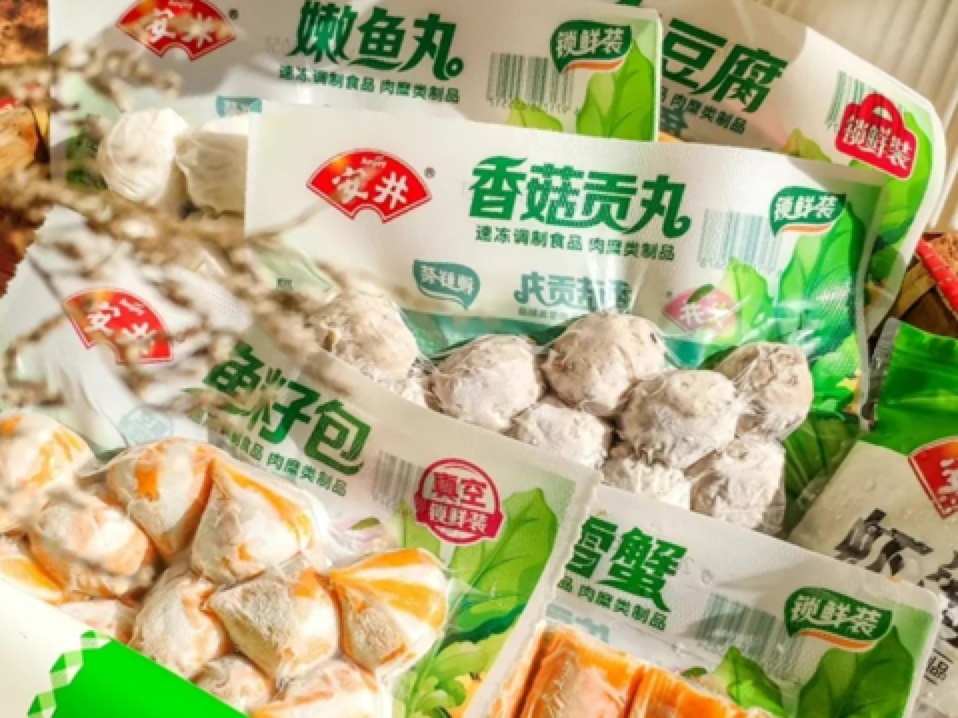
Recently, the “Qingyuan Chicken” Industry High-Quality Development Promotion Meeting and the “Qingyuan Chicken” Geographical Indication Special Mark Award Ceremony were held in Qingcheng District. Qingcheng District Vice Mayor Lei Huankun attended the ceremony and awarded plaques to four companies that were granted the right to use the “Qingyuan Chicken” Geographical Indication Special Mark.
A geographical indication is a commercial value mark that indicates the specific quality of a product is directly related to the unique natural or human factors of its place of origin. Currently, four companies in Qingcheng District have successfully applied for and been granted the right to use the “Qingyuan Chicken” Geographical Indication Special Mark, namely Guangdong Tian Nong Food Group Co., Ltd., Qingyuan Sanyuan Qingyuan Chicken Breeding Co., Ltd., Guangdong Tian Nong Ecological Food Co., Ltd., and Guangdong Dongfeng Agricultural Development Co., Ltd.
To ensure that Qingyuan chicken breeding companies meeting the application criteria successfully obtain authorization to use the mark, the Qingcheng District Market Supervision Bureau has implemented personalized “one-on-one” services, closely following the application process for the geographical indication mark. This includes conducting on-site inspections and issuing origin verification reports for applicant companies, as well as assisting them in coordinating with testing institutions to carry out quality inspections of Qingyuan chicken products. Additionally, the bureau has launched a special campaign to protect the “Qingyuan” geographical indication through “double random checks” and inter-departmental collaboration, strictly cracking down on unauthorized use of the special mark, similar marks, and any falsification, misuse, or improper printing of the special mark, thereby ensuring comprehensive protection of the “Qingyuan Chicken” geographical indication.
According to statistics from 2022, the total output value of the “Qingyuan Chicken” marked companies in Qingcheng District reached 3.015 billion yuan, a year-on-year increase of 130%. The total revenue of these companies amounted to 1.213 billion yuan, contributing to agricultural production growth and increased income for farmers. As one of the places of origin for Qingyuan Chicken, Qingcheng District has consistently adhered to its agricultural foundations, leveraged its resource endowment, and utilized its locational advantages. The district has thoroughly implemented the municipal government’s work plan for building a 10-billion-yuan Qingyuan Chicken industry, focusing on stable basic production, strengthening the seed industry foundation, emphasizing disease prevention and control, and promoting transformation and upgrading. These efforts have established a comprehensive development framework for the Qingyuan Chicken industry chain, integrating various development models such as seed breeding, technological R&D, deep processing, cold chain logistics, and brand sales, creating a favorable environment for the high-quality development of the Qingyuan Chicken industry.
To further leverage the role of geographical indications in empowering industrial development and enhance the “Qingyuan Chicken” brand as a city icon, Qingcheng District will continue to focus on the “Hundred-Thousand-Ten Thousand Project” to promote coordinated urban-rural regional development. The district plans to deepen the creation of a 10-billion-yuan Qingyuan Chicken industry by strengthening the protection of Qingyuan Chicken’s genetic resources, improving quality management, expanding deep processing of the industry, exploring the cultural significance of Qingyuan Chicken, and building the Qingyuan Chicken brand. These efforts will continue to advance the high-quality development of the Qingyuan Chicken industry.

HEMEI AGRICULTURE PLANS TO INVEST 10 MILLION YUAN TO ESTABLISH A WHOLLY-OWNED SUBSIDIARY, LONGZHOU HEMEI FOOD SUPPLY CHAIN CO., LTD., IN CHONGZUO CITY, GUANGXI PROVINCE.
According to a November 21 announcement on Wabei.com, Hemei Agriculture (833515) recently released a notice regarding its decision to establish a wholly-owned subsidiary in Chongzuo City, Guangxi Province, with an investment of 10 million yuan. This decision is based on the company’s overall future development strategy, aiming to implement its strategic plan, optimize resource allocation, and enhance the company’s comprehensive competitiveness and sustainable development capabilities. The subsidiary aims to strengthen long-term, stable regional partnerships with customer groups, and deeply explore market space and value potential.
Main Business: The subsidiary’s main business activities will include the production, sales, processing, transportation, and storage of agricultural products, as well as other related services; food sales (only pre-packaged food); wholesale and retail of edible agricultural products; acquisition of primary agricultural products; information consulting services (excluding licensed information consulting services); sales of agricultural, forestry, animal husbandry, sideline, and fishery products; sales of agricultural machinery; retail of hardware products, daily necessities, stationery, kitchenware, sanitary ware, and daily sundries; import and export of goods; catering management; supply chain management services; general goods warehousing services (excluding hazardous chemicals and other projects requiring special approval); licensed projects include food sales, urban distribution and transportation services, and road freight transportation.
Purpose of the Investment: The primary purpose of this investment is to further expand the company’s supply chain industry layout, optimize its strategic deployment, enhance its centralized procurement and management capabilities, increase profitability, and comprehensively improve the company’s overall competitiveness without altering its core business.
Risks Associated with the Investment: The investment decision is based on the company’s strategic goals and long-term interests and does not involve significant market, operational, or management risks. The company will improve its internal control systems, clarify its business strategies and risk controls, and establish a strong management team to ensure that there is no harm to the interests of the company or its shareholders.
Impact on Business and Finances: This investment will result in changes to the company’s consolidated financial statements and is expected to have a positive impact on the company’s future financial condition.
According to Wabei.com, Hemei Agriculture is a unique food distribution company focused on providing “one-stop cold chain logistics and distribution services for a full range of fresh agricultural and sideline products.” Its clients include, but are not limited to, educational institutions, military organizations, and public institutions.
Sinopharm Group and Roche Pharmaceuticals China Sign Strategic Cooperation Agreement
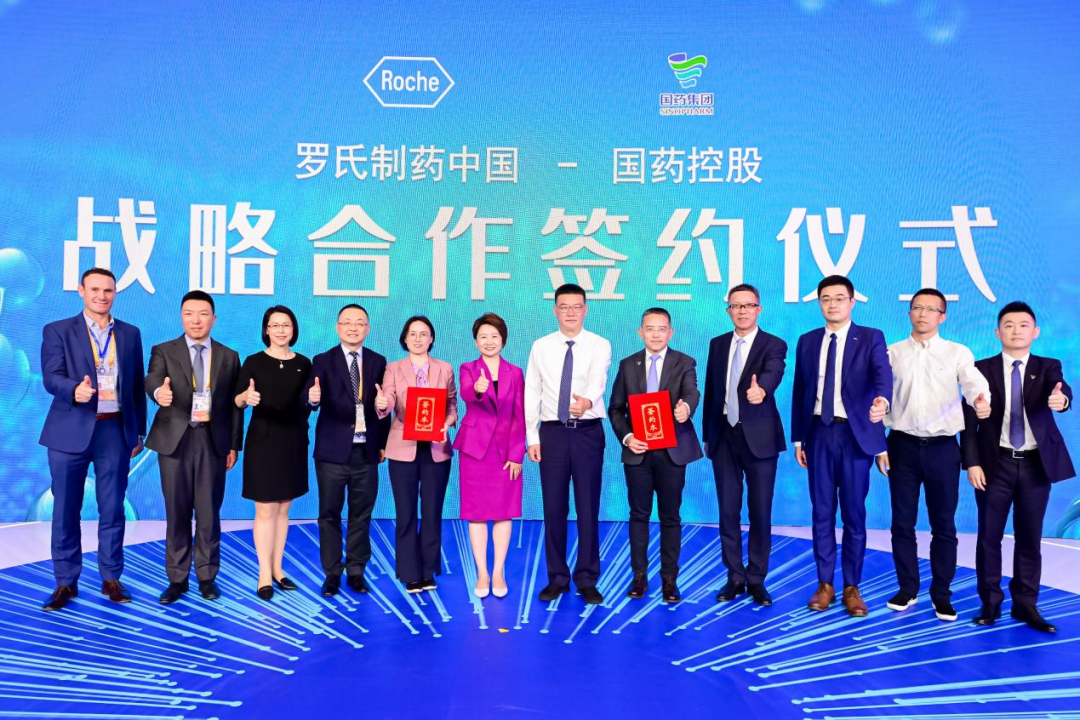
On November 6, during the 6th China International Import Expo (CIIE), Sinopharm Group and Roche Pharmaceuticals China held a strategic cooperation signing ceremony. Chen Zhanyu, Vice President of Sinopharm Group, and Ding Xia, Head of Multichannel Ecosystem Expansion at Roche Pharmaceuticals China, signed the agreement on behalf of both parties. Liu Yong, President and Executive Director of Sinopharm Group, Kong Xuedong, Chairman of the Global Procurement and Supply Chain Service Center of Sinopharm Group, Liu Tianyao, General Manager, and Vice Presidents Zhao Min and Xu Hai were present at the event. From Roche Pharmaceuticals China, participants included Bian Xin, President, Qian Wei, General Manager of the Oncology Division, Chen Yijuan, Vice President of the Specialty Medicines Division, Li Bin, Vice President of the Medical and Personalized Healthcare Division, and Ryan Harper, Vice President of Product Pipeline Strategy and Digital Innovation. They all witnessed this milestone moment.
Next year marks the 30th anniversary of Roche Pharmaceuticals China in the Chinese market. Roche Pharmaceuticals China and Sinopharm Group have always maintained a close partnership, building a deep cooperative friendship over the years. Through this strategic signing, Sinopharm Group and Roche Pharmaceuticals China will leverage their respective strengths to continue deepening cooperation across multiple fields, elevating their partnership to new heights.
Liu Yong, President and Executive Director of Sinopharm Group, expressed gratitude for Roche Pharmaceuticals China’s ongoing support and trust. He noted that through this strategic signing, Sinopharm Group and Roche Pharmaceuticals China will continue to deepen cooperation in various fields, jointly accelerating the market entry of new products and working together to create an innovative, collaborative, and diversified local healthcare ecosystem.
Bian Xin, President of Roche Pharmaceuticals China, remarked that Sinopharm Group, as a leading distributor and retailer of pharmaceuticals and medical devices in China, as well as a leading supply chain service provider, has always been an important partner for Roche Pharmaceuticals China. In recent years, Roche Pharmaceuticals China has focused on accelerating the introduction of multiple global innovative products and promoting their deep integration with the local ecosystem. Bian Xin emphasized that whether in product distribution, supply chain collaboration, hospital access, or out-of-hospital markets, Roche looks forward to comprehensive cooperation with Sinopharm Group in the future, continuously exploring new models and jointly expanding new channels.
The successful signing of this strategic cooperation agreement marks the beginning of a new chapter in the partnership between the two companies. Going forward, both parties will adhere to a “patient-centered” development philosophy, continue to deepen cooperation, share opportunities brought by the CIIE, and jointly promote the efficient implementation of innovative products across various disease areas. This collaboration aims to create a new ecosystem model for diagnosis and treatment, contribute to the realization of the “Healthy China 2030″ initiative, and provide more options for patients in need.
Establishing a Research Institute to Address the Challenge of Creating Blockbuster Products: Ziyan Foods Accelerates “Self-Revolution”

Food R&D is different from other fields and requires attention to detail. In recent years, research and development in the food industry has been given increasing importance.
On the morning of November 17, the inauguration ceremony of the Ziyan Food Innovation Research Institute was held in Guanyun County, Lianyungang.
As a well-known brand in the braised food industry and a player in a relatively mature sector, why did Ziyan Food establish its own Innovation Research Institute? Zhong Huaijun, the Director of the Ziyan Food Innovation Research Institute, stated, “As people’s living standards continue to improve, consumers are increasingly demanding higher food quality and experiences. Ziyan Food’s establishment of a research institute is based on these market demands and development trends.” Zhong Huaijun added that Ziyan Food will continue to explore and develop the healthy food industry, ensuring that future research not only focuses on taste and safety but also on health.
It is reported that the Ziyan Food Innovation Research Institute will undertake three core functions: launching more new products that align with market trends and consumer demands, ensuring high product quality and food safety, and rapidly converting research results into productivity.
At the event, a reporter from Blue Whale Finance noticed that the Ziyan Food Innovation Research Institute had planned several functional areas, including a corporate exhibition area, product tasting area, flavor technology research area, sensory evaluation area, and instrument analysis area. Ziyan Food has also optimized and upgraded its existing product R&D center in terms of both software and hardware, for instance, by purchasing a series of leading domestic and international food processing and testing equipment and bringing in professional flavor researchers and high-tech talent.
According to available information, Ziyan Food is a large-scale producer of braised food in China, focusing on the R&D, production, and sales of braised products. The company’s main products include “Husband and Wife Lung Slices,” “Baiwei Chicken,” and “Tengjiao Chicken,” which are made from poultry such as chicken, duck, beef, pork, as well as vegetables, seafood, and soy products. These products are primarily used as side dishes with meals, supplemented by casual consumption, with the main brand being “Ziyan.”
Despite having a diverse product line, the flagship product “Husband and Wife Lung Slices” remains a strong sales driver. According to Ziyan Food’s 2023 semi-annual report, fresh products contributed 86.08% of the company’s main business revenue, with the “star” product “Husband and Wife Lung Slices” generating sales of 543 million yuan, accounting for 31.59%.
“We have always been trying to create more star products like ‘Husband and Wife Lung Slices’ and ‘Tengjiao Chicken.’ For example, this year we launched products such as Refreshing Beef, Refreshing Pork Feet, Bobo Chicken Slices, and Crispy Shreds. But it’s actually very challenging to surpass these two products, because our customers usually think of Tengjiao Chicken and Husband and Wife Lung Slices first, and then buy some others. We’ve racked our brains trying to outdo ourselves, and often things don’t go as planned, but we must keep launching products with vitality,” Zhong Huaijun said. “I often say it’s like how WeChat surpassed QQ; can we create another one and revolutionize ourselves?”
It is reported that Ziyan Food has established long-term, stable partnerships with large suppliers like Wens Foodstuff Group, New Hope Group, and COFCO Group for the supply of key raw materials such as whole chickens, beef, and duck by-products. This allows the company to source fresh, high-quality ingredients from the origin and, relying on its five production bases, form an all-round supply chain system with the optimal cold chain delivery distance as the radiation radius, fast supply, and maximum freshness. Orders placed the previous day are produced the same day and delivered to stores on the same or the next day, ensuring the freshness of the products.
It is noteworthy that the upgrade of Ziyan Food’s supply chain has also optimized its cost side. Ziyan Food stated in its financial report that the prices of raw materials are close to the range of previous years, and the company has strengthened supply chain optimization, improved production processes, and upgraded technology, resulting in significant improvements in net profit.
According to Ziyan Food’s 2023 third-quarter report, the company achieved operating revenue of approximately 882 million yuan in the first three quarters. The company’s gross profit margin was 24.19%, up 6.69 percentage points year-on-year; the net profit margin was 12.06%, up 3.94 percentage points year-on-year. Looking at the single-quarter indicators, in the third quarter of 2023, the company’s gross profit margin was 29.17%, up 11.07 percentage points year-on-year and 6.18 percentage points quarter-on-quarter; the net profit margin was 15.15%, up 5.38 percentage points year-on-year and 1.67 percentage points quarter-on-quarter.
Moreover, expanding its market segment is one of Ziyan Food’s revenue-increasing strategies. Following its strategic investment in Lao Han Bian Chicken in June, Ziyan Food made another move in September by strategically investing in Jing Cui Xiang. Ziyan Food Chairman Ge Wuchao stated that steadfastness and diversified exploration are two inseparable aspects of enterprise development. Steadfastness is the foundation of the company’s development; since the company’s establishment, we have been deeply engaged in the side dish braised food market, committed to consolidating our leading position in the industry. However, with changes in the market environment and the diversification of consumer needs, we also see the necessity of exploring new opportunities for development on the existing foundation. The company continues to explore diversified development paths by launching several sub-brands, such as “Feng Si Niang Qiaojiao Beef,” “Shaguo Zhuangyuan,” and “Jiaoyan Jiaoyu,” covering categories like casual dining and casual braised food, as well as strategic partnerships with food brands such as Lao Han Bian Chicken and Jing Cui Xiang. This strategy opens up broader growth opportunities for the company. Through diversified strategic layout, the company can quickly respond to market changes, enhance overall competitiveness, and further consolidate its industry-leading position to achieve long-term development.
On the other hand, with the strong momentum of the restaurant industry’s recovery, competition has also become more intense. Ge Wuchao admitted that after the pandemic, consumer demand has changed, with increased focus on food safety and health. Additionally, as consumers’ purchasing power recovers, it may attract more competitors into the market. Therefore, Ziyan Food needs to strengthen brand building and marketing efforts to enhance brand influence and market share to maintain its industry-leading position. Further strengthening product R&D and quality control to provide safer, healthier products that better meet consumer needs is essential.
PROTECTING CASH FLOW! IVD COMPANY CUTS 90% OF ITS WORKFORCE!
Recently, Talis Biomedical, a U.S.-based company specializing in point-of-care infectious disease testing, announced that it has begun exploring strategic alternatives and will be cutting approximately 90% of its workforce to preserve cash flow.
In a statement, Talis said that the company’s Board of Directors has appointed a special committee composed of independent directors to consider various strategic alternatives, including equity or debt financing alternatives, acquisitions, mergers or reverse mergers, asset divestitures, licensing, or other strategic transactions. TD Cowen will serve as the financial advisor during this review.
The company has not set a timeline for completing the strategic process and stated that it does not intend to provide updates on the progress unless deemed appropriate or necessary.
Talis also plans to reduce its workforce by approximately 90% and consolidate its operations into a single site in Chicago. Additionally, the company will implement further cost-saving measures to reduce cash burn.
Talis announced its third-quarter financial results, reporting revenue of $140,000 for the quarter, down from $796,000 a year earlier. Grant revenue was $64,000, and product revenue totaled $76,000 for the quarter. The net loss for the third quarter of 2023 was $15.7 million (approximately RMB 113 million), compared to $26 million in the same period last year. The company had $88 million in cash and equivalents at the end of the quarter.
After raising $254 million in its initial public offering in 2021, Talis has faced a series of setbacks. Last year, the company cut 35% of its workforce and announced that it would halt the commercialization of its COVID-19 test to focus on opportunities in the women’s and sexual health sectors. At the beginning of 2022, due to manufacturing issues and inefficiencies greater than 10%, Talis announced that the launch of its Talis One molecular diagnostics system would be delayed. The Talis One system uses real-time loop-mediated isothermal amplification (LAMP) technology for DNA targets and real-time reverse transcription LAMP technology for RNA targets.
STRENGTHENING SALES NETWORK CONSTRUCTION: MULTIPLE SALES CHANNELS BOOST REVENUE FOR ZIYAN FOODS
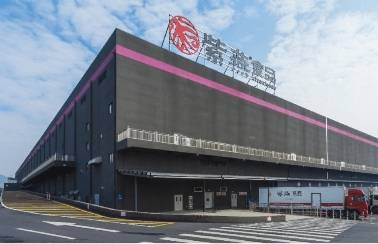
Recently, Ziyan Foods released its third-quarter earnings report, providing a detailed overview of the company’s revenue and growth rates. According to the data, for the first three quarters of 2023, the company’s revenue was approximately 2.816 billion yuan, representing a 2.68% year-on-year increase. Net profit attributable to shareholders of the listed company was about 341 million yuan, up 50.03% year-on-year. In the third quarter alone, net profit attributable to shareholders was 162 million yuan, marking a 44.77% increase compared to the previous year. These growth figures offer deeper insights into Ziyan Foods’ development.
The continuous growth achieved by Ziyan Foods is closely linked to its strategic initiatives, particularly in sales channels. With the trend towards branding and chain operations and the increasing demand for modern information technology in corporate management, a single direct-sales model is no longer the company’s primary choice. As a result, Ziyan Foods has gradually transitioned to a two-tier sales network model, involving “Company-Distributor-Stores.” The company has established franchise stores in key provincial and municipal regions through distributors, substituting the roles of the original management team with distributors. This two-tier network reduces the time and cost associated with developing and managing terminal franchise stores, facilitating cost reduction, efficiency enhancement, and rapid business expansion.
In addition to the distributor model, Ziyan Foods retains 29 direct-operated stores in cities such as Shanghai and Wuhan. These stores are used for store image design, consumer feedback collection, accumulating management experience, and training. Unlike franchise stores, Ziyan Foods maintains control over direct-operated stores, conducting unified financial accounting and benefiting from store profits while covering store expenses.
In recent years, the rise of e-commerce and the rapid development of the takeaway culture have also provided direction for Ziyan Foods. Seizing the opportunity of rapid industry growth, the company has quickly expanded its presence on e-commerce platforms, creating a diversified, multi-dimensional marketing network that includes e-commerce, supermarkets, and group buying models. This strategy caters to contemporary consumers’ diverse supply needs and further accelerates brand development. For example, Ziyan Foods has launched official flagship stores on e-commerce platforms such as Tmall and JD.com, and has also joined takeaway platforms like Meituan and Ele.me. By customizing promotional activities for different regional consumer scenarios, Ziyan Foods enhances brand empowerment. Additionally, the company collaborates with major O2O fresh food e-commerce platforms like Hema and Dingdong Maicai, providing precision processing and supply services for well-known chain restaurants.
Looking ahead, Ziyan Foods is committed to continuously strengthening its sales channels, keeping pace with modern developments, and updating its sales methods. The company aims to deliver more high-quality products to consumers, ensuring a more convenient shopping and dining experience.

Continuing the Discount War: RT-Mart’s Parent Company Reports a Loss of 378 Million in Half a Year, with Nearly 100,000 Paying Members

In the past six months, Gome Retail (06808.HK), the parent company of RT-Mart, has faced significant challenges as it focuses on expanding its membership stores and responding to price wars.
On the evening of November 14, Gome Retail released its interim financial report for the first half of fiscal year 2024, ending on September 30. The report showed that the company’s revenue was 35.768 billion RMB, down 11.9% year-on-year, while it posted a loss of 378 million RMB, a substantial increase from the 87 million RMB loss in the same period last year. The net loss attributable to the company’s shareholders was 359 million RMB, compared to a loss of 69 million RMB in the previous year.
Gome Retail attributed the expanded loss to several factors, including the strategic contraction of its supply chain business, a decline in its supply assurance business, and underperformance against expectations. Additionally, this year the company implemented several operational adjustments, such as increasing discounts and expanding new retail formats, which added significant short-term cost pressures.
As fresh food e-commerce, membership stores, and discount stores grow, supermarket companies are facing more intense competition. After Freshippo initiated the supermarket industry’s price war in August, many supermarket companies responded by adopting a “discount-oriented” strategy. In the same month, RT-Mart launched its “No Bargaining” campaign, offering prices on products such as mochi, croissants, fresh milk, and salmon that were lower than those at Sam’s Club.
In October, RT-Mart upgraded its “No Bargaining” campaign to the “Honest Prices” promotion, covering more than 1,000 products across categories including dairy, snacks, personal care, home cleaning, grains, oils, and beverages. Gome Retail told Time Finance that the “Honest Prices” initiative will continue, and the company will enhance price competitiveness through product and vendor consolidation and by improving digital efficiency.
However, if RT-Mart cannot reduce costs from the supply chain and relies solely on lowering product prices, it may not resolve the issue of declining profits.
Currently, RT-Mart’s supply chain efforts are primarily reflected in its private label products. During the reporting period, the company launched 170 SKUs under its RT100 private label, which includes products exclusively developed by RT-Mart or in partnership with manufacturers. The promotion of private labels brought some buzz to RT-Mart in October, with its self-developed potato bread gaining popularity on social media platforms.
Gome Retail stated that its core business performance in the second quarter showed a significant narrowing of the gap compared to the previous period.
Unlike Yonghui Superstores and Bubugao Supermarket, which closed stores to cut losses, Gome Retail has continued to accelerate store expansion, adding some cost pressures. During the reporting period, Gome Retail incurred capital expenditures of 440 million RMB, up from 258 million RMB in the same period last year, mainly due to new store development, store renovations, and digital upgrades.
In the first half of fiscal year 2024, Gome Retail opened three new RT-Mart stores and accelerated the expansion of its mid-range RT-Mart Super format and M membership stores as part of the company’s second growth strategy. RT-Mart Super opened seven new stores in Jinan, Tangshan, Songyuan in Jilin, Changchun, Lanzhou, Dongguan, and other locations, with seven more expected to open by the end of the fiscal year.
After opening its first national M membership store in Yangzhou in April this year, the number of paying members has reached nearly 100,000. New stores in Changzhou and Nanjing are scheduled to open in December and January next year, respectively. To build a membership base early, the two locations launched online operations during this year’s Double 11 shopping festival.
Gome Retail revealed that M membership stores have already started preparations for their fourth and fifth stores, including new member recruitment and hiring, with three new stores expected to open by the end of fiscal year 2024. Currently, M membership stores are primarily focused on second- and third-tier cities, with locations in city centers and a community-based format that avoids direct competition with Sam’s Club and Freshippo X Membership Store during the initial growth phase. However, whether Gome Retail’s strategy of membership stores and “discount-oriented” pricing can reverse its ongoing losses will take some time to prove.
In the online B2C business, after revenue growth exceeded 15% in fiscal year 2023, the first half of fiscal year 2024 saw continued growth of 4.7%, with order volume increasing by 8.9%. The proportion of revenue from this segment rose from 18.9% to 22.6%. Among RT-Mart’s online channels, including the RT-Mart Fresh APP, Ele.me, and Taoxianda, the RT-Mart Fresh APP now accounts for more than one-third of sales.
Gome Retail stated that the group’s peak season for revenue and profits is in the fourth quarter of the fiscal year, which includes key holidays such as New Year’s, Spring Festival, and the Lunar New Year. The company plans to enhance its differentiated product offerings, optimize operational efficiency, and capitalize on the holiday season to boost performance.
It is worth noting that on March 28, after Alibaba initiated the “1+6+N” organizational restructuring, Gome Retail was integrated into the “N” segment of other business units, while Freshippo, which also operates in offline retail, announced plans to pursue an IPO.
When asked whether Gome Retail’s strategic positioning and status within Alibaba have been affected, Gome Retail responded to Time Finance by saying that Gome Retail has always been an independent listed company, with Alibaba as its controlling shareholder, and cooperation with other Alibaba business units has always followed market principles.
As of the close of trading on November 15, Gome Retail’s stock price rose 2.53%, closing at HKD 1.62 per share, with a total market value of HKD 15.454 billion.
ZIYAN FOODS DEEPENS ITS FOCUS ON THE CONVENIENT DINING SEGMENT, EXPANDS INTO PRE-PREPARED FOODS, AND ACHIEVES BREAKTHROUGH GROWTH.

As the pace of life continues to accelerate, the lifestyle of young people has undergone a series of changes. People are looking for more time to experience different things, and therefore, they seek to increase efficiency in every aspect of their lives. Since dining is an essential part of daily life, improving the efficiency of meals has become a common demand among the public. Ziyan Foods, a well-known brand in the marinated food industry, has products that meet this need for convenient dining. The company has continuously innovated in this area and last year ventured into a new convenient dining segment—pre-prepared foods. This move aims to provide consumers with greater peace of mind and more convenient dining options.
Deeply Rooted in the Marinated Food Industry
Ziyan Foods, a national chain specializing in ready-to-eat foods, originated in Sichuan, grew in Jiangsu, and is now headquartered in Shanghai. Over the years, Ziyan Foods has leveraged its extensive product line, supply chain management, and infrastructure development to establish a standardized management system. This system covers everything from raw material procurement and traceability, production process control, critical hazard point management, product inspection, and cold chain distribution. With carefully selected ingredients, unique recipes, and meticulous craftsmanship, Ziyan Foods has created over a hundred specialty dishes, including its signature dishes like Baiwei Chicken, Couple’s Lung Slices, Sichuan Pepper Chicken, and Ziyan Goose. The brand has established a strong reputation for quality, deliciousness, and health under the name “Ziyan Baiwei Chicken.”
Entering the Pre-prepared Food Segment
As a brand that has long provided convenient dining options, Ziyan Foods has observed the new generation of consumers’ growing demand for and interest in pre-prepared meals. Leveraging its R&D strengths and years of consumer insights, Ziyan Foods has launched over 40 pre-prepared dishes. These dishes have been consistently praised for both taste and quality after being tested by the market and consumers. For example, Ziyan Foods’ Lotus Leaf Chicken is made from uniformly sized, high-quality chickens raised on eco-friendly farms. After slaughter, the chickens are thoroughly cleaned to remove any impurities and odors. They are then marinated with a carefully crafted blend of more than ten natural, authentic spices, free from additives and artificial colors, preserving the original flavors of the ingredients. The chickens are marinated for 12 hours to allow the flavors to fully develop, wrapped in thick, vibrant green lotus leaves that seal in the natural aroma of the meat, and then steamed at high temperatures. Each bite of the chicken is tender, juicy, and flavorful, with the fresh fragrance of the lotus leaf infusing the meat down to the bone, satisfying consumers’ pursuit of culinary excellence.
In a fast-paced living environment, convenient dining is bound to attract more attention. As a long-established brand in the industry, Ziyan Foods is expected to continue innovating its dishes, leveraging its strengths and rich experience. The company aims to provide consumers with more novel pre-prepared food options, ensuring that even in a hectic lifestyle, people can enjoy food that combines both taste and convenience.

MAGNUM ICE CREAM SUPPORTS ‘PLASTIC REDUCTION’ INITIATIVE WITH GREEN PACKAGING, WINS PACKAGING INNOVATION AWARD
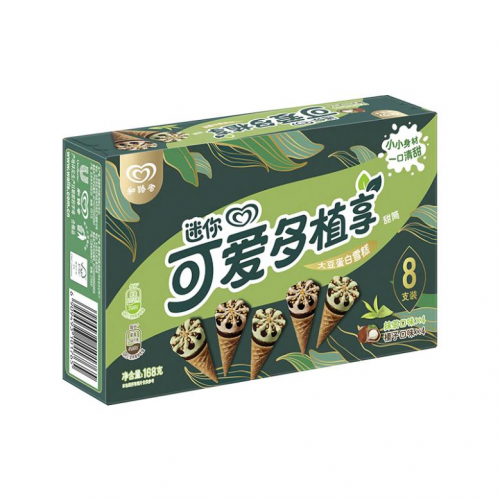
Since Unilever’s brand Walls entered the Chinese market, its Magnum ice cream and other products have consistently been loved by consumers. Beyond flavor updates, Magnum’s parent company, Unilever, has actively implemented the “plastic reduction” concept in its packaging, continually meeting the diverse green consumption demands of customers. Recently, Unilever won the Silver Award at the IPIF International Packaging Innovation Conference and the CPiS 2023 Lion Award at the 14th China Packaging Innovation and Sustainable Development Forum (CPiS 2023) for its creative packaging innovation and plastic reduction efforts that contribute to environmental protection.
Unilever Ice Cream Packaging Wins Two Packaging Innovation Awards
Since 2017, Unilever, the parent company of Walls, has been transforming its plastic packaging approach with a focus on “reduce, optimize, and eliminate plastic” to achieve sustainable development and plastic recycling. This strategy has yielded significant results, including the design innovation of ice cream packaging that has converted most products under the Magnum, Cornetto, and Walls brands to paper-based structures. Additionally, Magnum has adopted recycled materials as padding in transport boxes, reducing the use of over 35 tons of virgin plastic.
Reducing Plastic at the Source
Ice cream products require low-temperature environments during transportation and storage, making condensation a common issue. Traditional paper packaging can become damp and soften, affecting product appearance, which necessitates high water resistance and cold resistance in ice cream packaging. The prevalent method in the market is to use laminated paper, which ensures good waterproof performance but complicates recycling and increases plastic use.
Unilever and upstream supply partners developed a non-laminated outer box suitable for ice cream cold chain transportation. The main challenge was ensuring the outer box’s water resistance and appearance. Conventional laminated packaging, thanks to the plastic film, prevents condensation from penetrating the paper fibers, thus preserving physical properties and enhancing visual appeal. The non-laminated packaging, however, had to meet Unilever’s water resistance standards while maintaining print quality and appearance. After multiple rounds of extensive testing, including actual use comparisons in display freezers, Unilever successfully validated the hydrophobic varnish and paper materials for this non-laminated packaging.
Mini Cornetto Uses Hydrophobic Varnish to Replace Lamination
Promoting Recycling and Sustainable Development
Due to the special nature of Magnum ice cream (wrapped in chocolate coating), its packaging must offer high protection. Previously, EPE (expandable polyethylene) padding was used at the bottom of outer boxes. This material was traditionally made from virgin plastic, increasing environmental plastic waste. Transitioning EPE padding from virgin to recycled plastic required multiple rounds of testing to ensure the recycled material met protective performance requirements during logistics. Additionally, controlling the recycled material’s quality was crucial, requiring stringent oversight of upstream raw materials and production processes. Unilever and suppliers conducted several discussions and optimizations to ensure the proper use of recycled materials, resulting in a successful reduction of about 35 tons of virgin plastic.
These achievements align with Unilever’s Sustainable Living Plan (USLP), which focuses on “less plastic, better plastic, and no plastic” goals. Walls is exploring further plastic reduction directions, such as using paper packaging films instead of plastic and adopting other easily recyclable single materials.
Looking back on the years since Walls entered China, the company has consistently innovated to cater to local tastes with products like Magnum ice cream. In alignment with China’s ongoing green and low-carbon transformation strategy, Walls has accelerated its digital transformation while continuing to implement sustainable development strategies. The recent recognition with two packaging innovation awards is a testament to its green development achievements.
