


Kuehne+Nagel Expands Pharma Cold Chain Logistics in Hyderabad
Kuehne+Nagel Expands Pharma Cold Chain Logistics in Hyderabad
What Happened
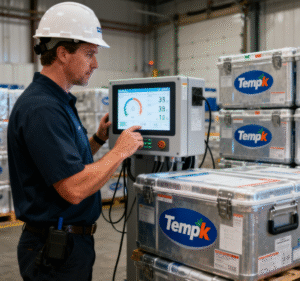
Kuehne+Nagel has expanded its healthcare logistics network in India with a new temperature-controlled airfreight cross-dock facility in Hyderabad. The facility is designed to support pharmaceutical and medical shipments that require safe handling, regulatory consistency, and reliable temperature control during airfreight transfer.
Hyderabad is a strategic location for this investment. The city is one of India’s major pharmaceutical manufacturing centers and contributes more than 40% of the country’s active pharmaceutical ingredients and vaccine production. For global healthcare supply chains, this makes Hyderabad an important origin point for temperature-sensitive products moving into international markets.
How It Works
The new facility covers 248 square meters and operates across dedicated temperature zones, including +2°C to +8°C and +15°C to +25°C. These controlled environments are used to protect healthcare shipments that may be sensitive to temperature variation during storage, handling, and transport handover.
The site also follows Kuehne+Nagel’s global HealthChain quality standard, supporting GxP-aligned processes across healthcare logistics. With the Hyderabad opening, Kuehne+Nagel now operates two HealthChain-certified facilities in India, following the launch of its Bengaluru Cool Zone facility in December 2025.
Why It Matters
Pharma cold chain logistics is becoming more infrastructure-driven. For vaccines, biologics, APIs, and specialty medicines, temperature-controlled packaging alone is not enough. Shippers also need compliant facilities, validated handling processes, and reliable transfer points near manufacturing hubs.
The Hyderabad facility helps reduce risk at a critical stage of the shipment journey. Airfreight cross-dock operations often involve product handover, temporary holding, documentation checks, and transfer between logistics partners. Dedicated temperature zones can help protect product integrity during these transitions.
B2B Impact
For pharmaceutical manufacturers, this expansion improves access to specialized healthcare logistics capacity in one of India’s most important pharma hubs. It may support faster export handling, more consistent product protection, and stronger confidence in compliant distribution.
For cold chain packaging, monitoring, and validation providers, the development also signals continued demand for integrated pharma logistics solutions in India. As more healthcare logistics sites adopt certified temperature-controlled operations, suppliers of validated shippers, temperature loggers, thermal packaging, and lane qualification services may find new business opportunities.
The broader message is clear: pharma cold chain buyers are looking for complete logistics ecosystems. Facilities, packaging, monitoring, compliance, and documentation are becoming part of one connected value chain.
Lane-Based Thermal Design Emerges as Key Strategy in Cold Chain Packaging Optimization
Cold Chain Packaging Moves Toward Lane-Based Optimization

Recent technical insights highlight a growing shift toward lane-based thermal design in cold chain packaging, where solutions are engineered based on specific shipping routes rather than generic profiles.
This approach uses real-world logistics data to design packaging systems tailored to actual transport conditions, improving temperature stability and reducing risk during transit.
From Standard Validation to Route-Specific Engineering
Traditional cold chain packaging validation often relies on standardized testing profiles. However, these may not reflect:
- Regional climate variations
- Transport mode differences
- Handling conditions across different logistics networks
Lane-based design addresses these gaps by incorporating route-specific environmental data, enabling more accurate thermal performance.
Data-Driven Packaging Development
The approach integrates:
- Historical shipment data
- Temperature mapping across logistics lanes
- Simulation-based validation
This allows packaging systems to be optimized for specific distribution scenarios, improving reliability for pharmaceuticals and perishable goods.
Implications for Cold Chain Packaging Suppliers
For suppliers and manufacturers, this trend highlights several key shifts:
- Demand for customized thermal packaging solutions
- Increased importance of data-driven validation
- Transition toward engineering-based packaging development
Key Takeaway
Cold chain packaging is evolving from standardized solutions toward data-driven, route-specific systems, where thermal performance is optimized based on real logistics conditions rather than theoretical models.
Sonoco Develops New Temperature-Controlled Pallet Shipper for Extended Cold Chain Transport
Sonoco Targets Pallet-Level Cold Chain Shipping

Sonoco has introduced a new temperature-controlled pallet shipper, aimed at improving performance in large-scale pharmaceutical cold chain logistics.
The solution focuses on pallet-level shipping, addressing a critical segment where bulk transport requires stable temperature control over extended durations.
Extended Temperature Hold Performance
According to available details, the new pallet shipper is engineered to maintain required temperature ranges for up to five days, depending on the shipping profile and environmental conditions.
The system is built on an enhanced convection-based design, enabling more consistent internal temperature distribution compared with traditional pallet packaging systems.
Custom Profiles for Different Shipping Conditions
A key feature of the solution is the ability to tailor temperature profiles for specific shipping lanes.
The shipper is based on ISTA-related validation frameworks but can be adjusted using customized thermal profiles developed from real-world logistics data.
This flexibility reflects increasing demand for packaging that is not only validated, but also optimized for specific transport scenarios.
Industry Implications
For cold chain packaging suppliers and logistics providers, this development highlights:
- Growing demand for pallet-scale thermal packaging solutions
- Increased importance of lane-specific validation
- Shift toward engineered packaging systems for bulk transport
Temperature‑Controlled Packaging Solutions Market to Reach USD 33.2 Billion by 2036 Amid Pharma Cold Chain Growth
Global Temperature‑Controlled Packaging Market Shows Strong Long‑Term Growth

The global temperature‑controlled packaging solutions market is projected to grow steadily over the next decade, fueled by rising demand for pharmaceutical cold chain integrity, biologics distribution, and stricter temperature compliance requirements. According to recent insights, the market expanded from an estimated USD 17.7 billion in 2025 to USD 18.8 billion in 2026 and is forecast to reach USD 33.2 billion by 2036, reflecting a compound annual growth rate (CAGR) of approximately 5.8%.
Pharmaceutical Cold Chain Demands Boost Market Expansion
Analysts attribute this growth primarily to:
- Growing pharmaceutical cold chain logistics, especially for biologics and high‑value therapies, which require validated and temperature‑assured packaging
- Strict regulatory compliance in healthcare distribution chains, where stable thermal protection and traceability are essential
- An industry shift from cost‑based packaging selection to performance and reliability‑driven solutions that ensure product safety and integrity throughout transport.
As healthcare supply chains evolve worldwide, temperature‑controlled packaging is increasingly recognized not just as an operational tool, but as a core infrastructure component of modern logistics systems.
Integrated Packaging and Monitoring
The report underscores the ongoing transition of packaging solutions toward:
- Greater emphasis on integrated monitoring technologies
- Advanced insulation materials and PCM usage
- A requirement for validated thermal performance in multi‑modal logistics environments
These trends align with broader cold chain imperatives, where robust packaging and real‑time visibility are vital to minimize product risk and meet compliance standards across global networks.
Cold Chain Monitoring Systems Evolve Toward Real-Time Visibility and Predictive Control
Cold Chain Monitoring Enters a New Phase of Real-Time Control
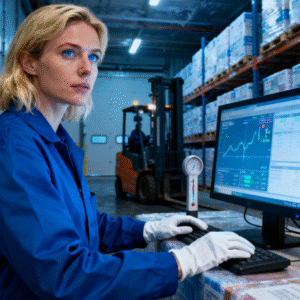
Recent industry content highlights a growing transition in cold chain logistics from traditional monitoring toward real-time visibility and predictive control systems.
Modern cold chain monitoring solutions now combine sensors, data loggers, and digital platforms to track temperature conditions continuously throughout the supply chain. This approach allows companies to move beyond passive data collection and toward active risk management.
Limitations of Traditional Temperature Monitoring
Historically, cold chain monitoring has relied on:
- Standalone data loggers
- Post-shipment temperature reports
- Manual inspection processes
While effective for compliance documentation, these methods often fail to provide immediate insight during transit, limiting the ability to respond to temperature excursions in real time.
Integration of Sensors, Data, and Predictive Systems
New systems are increasingly designed to integrate:
- IoT-enabled temperature sensors
- Real-time data transmission
- Predictive analytics and alerts
This integration enables operators to detect potential risks earlier and take corrective action before product quality is compromised.
Implications for Cold Chain Packaging and Logistics
For cold chain packaging and solution providers, this shift has direct implications:
- Packaging must support integration with monitoring systems
- Demand is rising for validated packaging + data solutions
- Thermal performance and data visibility are becoming equally important
This reflects a broader industry trend toward fully integrated cold chain systems, where packaging, monitoring, and logistics operate as a unified platform.
Key Takeaway
Cold chain logistics is evolving toward data-driven, real-time systems, where monitoring is no longer a passive function but a core component of operational control and product protection.
Temperature-Controlled Packaging Market Growth Driven by Cold Chain Compliance and Biologics Demand
Temperature-Controlled Packaging Becomes Core Cold Chain Infrastructure
A newly published market analysis shows that temperature-controlled packaging is increasingly being treated as a core component of cold chain infrastructure, rather than just a supporting element.
According to recent data, the global temperature-controlled packaging solutions market is projected to grow from USD 18.8 billion in 2026 to USD 33.2 billion by 2036, reflecting steady expansion driven by pharmaceutical logistics and regulatory requirements.
Compliance and Biologics Driving Demand
The report highlights that growth is primarily driven by:
- Expansion of biologics and temperature-sensitive pharmaceuticals
- Increasing regulatory requirements for temperature control
- Rising need for validated packaging systems
Companies are shifting away from cost-driven packaging decisions toward performance-based selection, focusing on reliability and compliance.
Shift Toward Validated and High-Performance Packaging
Another key finding is the transition from traditional cooling methods to validated thermal packaging systems.
The analysis notes that:
- Basic insulation and ice-based methods are increasingly viewed as risk-prone
- Advanced systems improve temperature stability and reduce product loss
- Standardized packaging formats are becoming more common in global supply chains
Regional Growth and Market Dynamics
The market is expanding globally, with strong growth expected in:
- Asia-Pacific, driven by pharmaceutical exports and clinical trial logistics
- Emerging markets adopting advanced packaging solutions directly
This indicates a shift toward more modern cold chain systems across developing regions.
Implications for Cold Chain Packaging Suppliers
For B2B stakeholders, the key implications are:
- Growing demand for validated, high-performance packaging systems
- Increased focus on thermal reliability and compliance
- Opportunity for suppliers offering advanced materials and integrated solutions
Cold Chain Packaging Validation Becomes Critical for Real-World Performance
Cold Chain Packaging Requires Rigorous Validation
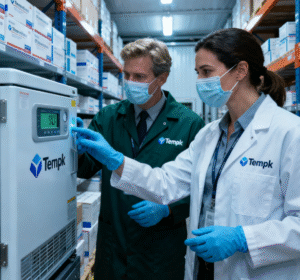
Recent engineering insights emphasize that cold chain packaging must undergo rigorous validation processes before being deployed in real-world logistics environments.
The analysis highlights that packaging must not only maintain strict temperature ranges but also comply with regulatory standards such as FDA and ISTA testing protocols.
From Lab Testing to Real-World Performance
Validation processes are designed to simulate real transport conditions, ensuring packaging can handle:
- Temperature fluctuations
- Physical handling stress
- Extended shipment durations
This shift reflects increasing industry awareness that laboratory testing alone is not sufficient to guarantee performance.
Growing Demand for Validated Packaging Systems
For pharmaceutical and food cold chain applications, packaging failure can directly impact:
- Product safety
- Regulatory compliance
- Supply chain reliability
As a result, companies are increasingly prioritizing validated packaging systems that can perform consistently across different transport scenarios.
Implications for Suppliers
For packaging manufacturers and solution providers, the key takeaway is:
- Validation is becoming a core requirement, not an optional step
- Demand is rising for engineered, test-proven packaging solutions
- Packaging must support compliance, performance, and reliability simultaneously
Peli BioThermal Unveils Next-Generation Cold Chain Packaging Innovations at LogiPharma Europe 2026
Peli BioThermal Expands Cold Chain Packaging Portfolio

Peli BioThermal has introduced a new range of temperature-controlled packaging solutions at LogiPharma Europe 2026, highlighting innovation in both thermal performance and shipment visibility.
The company presented multiple products designed for pharmaceutical cold chain logistics, including the Crēdo Vault bulk shipper and the Vēro One recyclable dry ice shipper, aimed at improving flexibility and sustainability in temperature-controlled transport.
Integration of Smart Monitoring Technologies
A key highlight of the launch is the introduction of the SmartCap system for dry vapor shippers, which enhances:
- Real-time shipment visibility
- Status monitoring during transport
- Traceability across cold chain stages
These capabilities reflect increasing demand for integrated packaging and monitoring systems in pharmaceutical logistics.
Addressing Complexity in Pharmaceutical Cold Chain
The new solutions are designed to support:
- Biologics and advanced therapies
- Global temperature-sensitive supply chains
- Long-duration and high-risk shipments
As pharmaceutical distribution becomes more complex, packaging systems are expected to deliver both thermal protection and data visibility.
Industry Implications
For B2B stakeholders, the development signals:
- Growing demand for integrated packaging + monitoring solutions
- Increased focus on sustainability (recyclable packaging)
- Expansion of high-performance cold chain systems
Deviation Management Platforms Gain Momentum in Pharmaceutical Cold Chain Logistics
New Systems Target Cold Chain Compliance and Risk Control
Recent industry data indicates that deviation management and CAPA (Corrective and Preventive Action) platforms are becoming increasingly important in pharmaceutical cold chain logistics.
A newly released analysis shows that adoption of these systems is expected to accelerate between 2026 and 2030, driven by growing demand for real-time compliance, audit readiness, and risk mitigation in temperature-sensitive supply chains.
From Passive Monitoring to Active Risk Management
Traditional cold chain systems have focused on recording temperature data after shipment. However, newer platforms are designed to:
- Detect deviations in real time
- Trigger automated corrective actions
- Improve traceability and audit documentation
This shift reflects increasing regulatory pressure in pharmaceutical logistics, where compliance failures can lead to product loss or regulatory penalties.
Integration with Cold Chain Packaging and Monitoring
These platforms are also closely linked to packaging and monitoring systems, enabling:
- Integration with temperature sensors and data loggers
- Automated reporting for validated packaging systems
- Enhanced control over transport conditions
For packaging suppliers, this signals a move toward integrated solutions combining packaging + monitoring + compliance systems.
Industry Impact
For B2B stakeholders, the implications are clear:
- Demand is growing for digitally integrated cold chain systems
- Packaging must support traceability and compliance workflows
- Cold chain logistics is evolving toward data-driven operations
Cold Chain Packaging Market Growth Driven by Advanced Materials and Pharma Demand
Cold Chain Packaging Market Shows Strong Long-Term Growth

A recent industry analysis indicates that the global cold chain packaging market is entering a significant growth phase, driven by increasing demand for temperature-sensitive products across pharmaceutical and food supply chains.
According to the latest data, the market is projected to expand from approximately USD 38 billion in 2026 to around USD 100 billion by 2035, reflecting sustained growth in cold chain logistics worldwide.
Advanced Materials Driving Packaging Innovation
The report highlights several key materials shaping the future of cold chain packaging:
- Expanded Polystyrene (EPS) for cost-effective insulation
- Polyurethane (PUR) foam for improved thermal resistance
- Vacuum Insulated Panels (VIP) for high-performance temperature control
These materials are increasingly used to improve thermal stability and extend shipment duration, especially for pharmaceutical and biologics transport.
Growth in Pharmaceutical and Food Cold Chain Applications
Demand for cold chain packaging is being driven by:
- Expansion of biologics and specialty pharmaceuticals
- Increasing vaccine distribution requirements
- Growth in seafood, meat, and fresh food logistics
The report also notes that pharmaceutical applications are expected to grow at the fastest rate, requiring more advanced and validated packaging systems.
Regional Expansion and Market Opportunities
North America currently leads the market due to strong infrastructure and pharmaceutical demand, while Asia-Pacific is expected to experience the fastest growth, supported by expanding healthcare systems and e-commerce logistics.
For suppliers, this indicates growing opportunities in:
- High-performance insulated containers
- PCM and advanced cooling solutions
- Customized cold chain packaging systems
Implications for Cold Chain Packaging Suppliers
For B2B stakeholders, the key takeaway is clear:
- Demand is shifting toward high-performance and application-specific packaging
- Advanced materials such as VIP and PCM are becoming more important
- Cold chain packaging is evolving into a strategic component of supply chain reliability