Choosing Refrigerant Gel Packaging for Personal Care Products
The safest way to source in this category is to treat the pack as part of a working system. That system may be a cold-chain shipper, a specimen protocol, a retail therapy product, or a premium e-commerce carton. Once you frame the decision that way, supplier selection becomes much more practical and much less guesswork.
Condensation control matters more in personal care than many buyers expect. Even when the product formula remains acceptable, a wet carton, label lift, or stained insert can damage the premium feel of the order.
What the product should do—and what it should not be expected to do
A refrigerant gel package for personal care shipments is used to reduce heat exposure and help preserve product appearance during transport. It is most relevant for melt-sensitive skincare, body care, cosmetics, or gift sets that may soften, separate, leak, or lose presentation quality in warm weather. The goal is not to create a pharmaceutical cold chain by default, but to manage avoidable heat stress in distribution.
For wholesale buyers, this is often a brand-protection decision as much as a thermal one. A leaking or overly wet cold pack can damage cartons, labels, inserts, or premium presentation even if the product formula survives. So the right supplier is the one that can balance cooling performance, clean pack finish, and dependable repeat production.
Personal care shipments rarely need to be presented as pharmaceutical cold chain by default, but temperature still matters. Public cosmetic safety and stability references note that heat can affect physical stability and, in some cases, preservative performance. So the buying goal is to reduce avoidable thermal stress where the product or presentation is sensitive.
How the right format is chosen
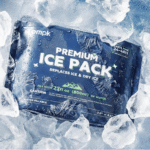
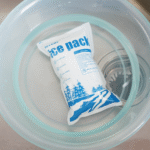
Standard gel packs usually rely on a water-based or polymer gel that is frozen before use. They are versatile, cost-effective, and widely available in soft pouches or more structured formats. PCM packs are more specialized. They are designed to absorb and release heat near a chosen transition temperature, which can make them better suited to narrow windows such as 2-8°C or controlled ambient transport. In most day-to-day operations, the pack is preconditioned in a freezer or cold room, then placed around the payload to absorb incoming heat. The rate at which it warms depends on the gel formulation, the mass of refrigerant, the surface area exposed to air, the amount of insulation in the shipper, and how warm the product is when packed.
Commercial cold-chain packs commonly use non-toxic gels sealed inside polyethylene-based or poly-nylon films, while some formats add an absorbent outer layer to handle condensation. Therapy packs may add soft textile covers, shaped wraps, or straps. In every case, the visible format matters because the outer layer affects puncture resistance, cleanability, flexibility, and how the pack transfers cold to the product or the body. Buyers should also pay attention to pack geometry. A thin flexible pouch can wrap the product better and improve heat transfer, but it may be more vulnerable to handling damage if the film or seals are weak. A thicker or reusable format may last longer, yet it can waste space if it does not match the carton footprint. There is no universal best option without reference to the route and payload.
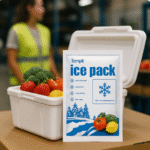
Typical applications include summer shipping of melt-sensitive skincare or body care, premium gift sets where presentation matters, and active or natural formulations with tighter stability expectations. In these settings, excessive heat can lead to softening, oil separation, packaging distortion, or a visibly tired arrival condition that hurts the customer experience. Even when the formula remains usable, presentation damage can increase complaints and returns.
Where buyers gain value and where mistakes start
The main advantages are product protection and presentation protection. A suitable refrigerant can reduce heat spikes, support more stable arrival quality, and make premium personal care shipments feel more controlled during warm-weather fulfillment. It can also help brands avoid emergency seasonal changes to packaging or carrier promises.
The limits are practical. A cold pack can add cost, weight, condensation, and packing time. It does not replace stability testing, and it does not make every cosmetic or skincare formula ‘cold chain’. Overuse can even create problems such as wet cartons, warped inserts, or an unnecessarily complicated fulfillment routine.
Technical buyers should request data that supports daily fulfillment: pack dimensions, conditioned thickness, cooling routine, outer-film finish, leakage control, and whether the pack is designed for single use or for reuse in return programs. For premium cartons, appearance matters too. The pack should not look oily, cloudy, poorly sealed, or prone to excessive sweating.
Common failures include overcooling products that do not need it, using a pack so large that it creates unnecessary moisture, or approving a sample that looks clean but is not reproducible at bulk scale. In personal care shipping, a pack can protect the product while still hurting the unboxing experience if the finishing details are weak.
A practical supplier shortlist
Personal care buyers should check whether the supplier can protect both thermal performance and premium presentation at scale. Personal-care buyers are rarely trying to keep every product cold all year. They are usually trying to protect a narrower set of sensitive items-such as masks, active serums, wax-rich balms, probiotic or natural formulas, or gift sets that must arrive in perfect visual condition.
The right shortlist is built on repeatability, fit, and honest operating boundaries. Ask the supplier to answer the points below in writing so sample approval and bulk approval stay aligned.
Confirm internal and external dimensions, fill weight, and case quantities so the pack fits your current shipper without wasted air space.
Ask which film or outer material is used, how the seals are formed, and what controls are in place to prevent lot-to-lot drift.
Request written conditioning instructions instead of relying on informal freezer habits at the packing bench.
Check whether sample packs and production packs come from the same bill of materials, the same fill routine, and the same quality standard.
Ask how the supplier communicates any formulation, film, print, or pack-dimension change before shipment.
Route-specific need for cooling rather than blanket year-round assumptions
Condensation management and barrier-layer options
Pack shape that fits cartons without crushing inserts or retail packaging
Compatibility with co-packing speed, seasonal campaigns, and sample-kit assembly
Helpful decision tools
Check the details before you choose packaging
These quick tools can help you compare route risk, sizing needs, coolant choices, and packaging details before you request a quote.
Insulation Material Reference
Compare insulation material choices for different cold chain packaging needs.
Compare materialsRoute Risk Checker
Review lane conditions before selecting packaging for real operating requirements.
Check route riskDry Ice Calculator
Estimate dry ice needs for frozen or ultra-cold shipments before packing.
Estimate dry iceAesthetic impact at unboxing, not just thermal performance
Clarify whether the pack is intended to be one component in a qualified shipper or simply a general refrigerant for broader use.
Run a small pilot with a logger before scaling. A reliable supplier should be comfortable supporting that step.
How to validate before scaling
Before a large order, a pilot run is worth the time. Use production-intent packs in the exact insulated shipper, with real payload mass, real conditioning practice, and a logger. That small exercise often reveals whether the problem is refrigerant choice, pack placement, freezer routine, carton fit, or receiving discipline. Record not only the logger trace, but also the loading temperature of the product, the exact number and placement of packs, the time the carton sat open during packing, and the ambient conditions at dispatch.
After the pilot, review more than pass/fail. Look for cold spikes, late warming, condensation, pack breakage, and handling friction. Many teams discover that the main issue was not the gel chemistry at all; it was pack placement, box size, freezer routine, or a mismatch between the sample pack and production-intent supply.
At the same time, do not let the supplier overstate the claim. A refrigerant pack may support a more stable shipping routine, yet it does not replace formulation stability work or automatically create regulatory compliance. It is one packaging tool within a broader fulfillment design.
When suppliers answer these questions clearly and consistently, you get a much better sense of which partner can support real operations rather than just first-order sampling.
Where current sourcing priorities are heading
Personal care brands are increasingly pairing premium presentation with more deliberate summer shipping controls. As a result, wholesalers want refrigerant options that fit branded cartons neatly, avoid messy condensation, and can be scaled without changing the look and feel of the order.
Sustainability is part of the conversation, especially in Europe and in premium e-commerce. But the practical wins usually come from right-sized packaging, reduced product spoilage, fewer re-shipments, and better control of pack materials-not from using buzzwords in the purchase order.
Protecting product quality without hurting presentation
Many personal care shipments fail aesthetically before they fail chemically. A carton can arrive damp, labels can curl, inserts can wrinkle, and premium surfaces can look tired even when the formula remains saleable. That is why condensate management, pack cleanliness, and overall pack fit matter so much in this category.
In practice, a smaller well-placed pack often works better than a larger pack that creates excess moisture and handling complexity. Buyers should compare not only cooling effect but also how the finished parcel looks when the customer opens it.
Seasonal pack-outs and custom sizing
One practical question for wholesale buyers is whether the supplier can support seasonal adjustment without drifting away from the approved format. Summer lanes may need a different refrigerant mass, a different placement pattern, or an added absorbent layer. That does not always mean a new product, but it does require a supplier who can discuss configuration openly and keep the bill of materials under control.
Custom sizing can help when the pack must fit a branded insert or gift-set carton neatly. The benefit is not only appearance. Better fit can reduce empty air space, lower the chance of product movement, and make the shipping routine faster for the fulfillment team.
Conclusion
For personal care distribution, the best refrigerant choice is the one that protects both product condition and customer perception without turning fulfillment into a cold-chain project that it never needed to be.
A strong supplier helps you control summer risk, keep cartons clean, and scale the routine in a way that still feels commercially sensible.
About Huizhou
At Huizhou, we focus on temperature-controlled packaging for temperature-sensitive distribution across food, medicine, and related product categories. Our public range includes gel ice packs, freezer ice bricks, insulated box liners, EPP boxes, pallet covers, and other cold-chain packaging materials. We also describe in-house R&D and thermal testing support. That helps us discuss refrigerant choice not just as a pack purchase, but as part of a workable packaging system for sensitive goods.
Next step
If you are reviewing suppliers or planning a new pack-out, start with the real product temperature range and route length. Then ask for a sample set that matches your intended bulk order and test it before scaling.
FAQ
These are the questions that most often remain after the initial comparison is finished.
Which personal care products benefit most from refrigerant packaging?
Products that soften, separate, sweat, or lose appearance under heat are the main candidates. The decision depends on formula stability, route temperature, and presentation requirements. The best answer balances heat protection with a clean, premium receiving experience.
Do I need refrigerated shipping all year?
Often no. Many programs use seasonal or route-specific cooling for summer peaks, long delivery lanes, or high-value launches rather than a year-round cold chain. Seasonal exposure, carton design, and condensation control should all be considered together.
How should I handle condensation and presentation?
Use absorbent or barrier layers where needed, avoid direct contact between the cold pack and retail packaging, and test the unboxing condition-not just the internal temperature. Before scaling, test the answer in the actual branded shipper rather than in a generic sample carton.