Cold chain meat shipping works when you control time, temperature, and proof as one system.
If chilled meat drifts above your safe limit or frozen meat partially thaws, you pay in refunds, chargebacks, and lost shelf life. Use a simple baseline many food-safety resources reference: keep refrigerated food at 40°F (4°C) or below and frozen food at 0°F (-18°C) or below, then design everything around avoiding “warm minutes.”
This article will help you:
-
Build a repeatable cold chain meat shipping SOP from pack-out to receiving
-
Set refrigerated meat shipping temperature requirements for chilled vs frozen lanes
-
Choose leakproof, handling-tough packaging that stays strong when wet
-
Run a last-mile cold chain meat delivery SOP that prevents doorstep warming
-
Use temperature monitoring for meat shipments without turning it into a tech project
Why does cold chain meat shipping fail most often?
Cold chain meat shipping fails when warm exposure stacks up during staging and handoffs.
cold chain meat shipping
Your trailer can be set correctly, yet your product still warms on the dock. The most expensive failures are usually “small” ones: a delayed pickup, doors held open, or slow put-away at receiving.
The 4 most common failure points you can fix fast
| Failure point | What you see | Why it happens | What it means for you |
|---|---|---|---|
| Warm staging | soft product, purge | dock congestion | shorter shelf life |
| Wet cartons | odor, collapse | leaks + condensation | damage claims rise |
| Handoff delays | warm spikes | missed windows | quality disputes |
| Missing proof | chargebacks | scattered records | lost revenue |
Practical tips you can use today
-
If your dock is busy: set a firm “time-out-of-cold” rule and enforce it.
-
If cartons get wet: fix leak control first, then review condensation drivers.
-
If disputes drag on: link temperature evidence to each shipment ID.
cold chain meat shipping
Real-world example: One shipper cut weekly claims by staging pallets only after the truck arrived and was pre-cooled. Less warm staging created more consistent arrivals.
What temperature targets should you use for cold chain meat shipping?
Cold chain meat shipping starts with one decision: chilled or frozen.
cold chain meat shipping
If you don’t choose a lane type per SKU, your packaging becomes guesswork. Your goal is not “cold sometimes.” Your goal is stable temperature with minimal warm minutes.
Chilled vs frozen targets (simple operational view)
| Lane type | Practical target | Biggest risk | What it means for you |
|---|---|---|---|
| Chilled meat | stay consistently cold (commonly ≤40°F / 4°C) | warm spikes | focus on dwell time |
| Frozen meat | stay solidly frozen (commonly ≤0°F / -18°C) | partial thaw/refreeze | focus on insulation + door discipline |
| Mixed loads | two targets in one load | drift + cross-contact | require separation and zoning |
Practical tips you can use today
-
Pick one target per SKU: fewer rules means fewer mistakes.
-
Add a time rule: define maximum minutes out of controlled cold zones.
-
Track “minutes above limit,” not averages: averages hide short spikes.
Real-world example: A distributor reduced “mystery thaw” complaints by pre-cooling trailers and tightening door-open discipline during loading.
How do you build leakproof packaging for cold chain meat shipping?
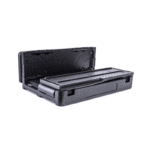
Meat cold chain packaging must do three jobs at once: hold temperature, prevent leaks, and survive handling. When leak control fails, cartons weaken fast and damage spreads across the pallet. If you fix one thing first, fix containment.
The 3-layer pack-out stack (easy to teach)
-
Primary containment: sealed inner bag, vacuum pack, or sealed tray
-
Secondary barrier + absorbency: second sealed bag plus absorbent pad/liner
-
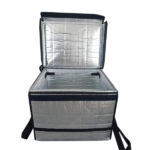
Thermal shell: insulated liner + strong outer carton (and corner protection for pallets)
Packaging elements that drive outcomes
| Packaging element | What “good” looks like | What goes wrong | What it means for you |
|---|---|---|---|
| Inner seal | consistent, strong | micro-leaks | wet cartons |
| Absorbency | correctly sized | under-sized | odor + purge complaints |
| Carton strength | stays rigid when cold/wet | collapses when damp | crush claims |
| Pallet build | stable, protected corners | shifting, overhang | damage spreads quickly |
Practical tips and advice
-
Separate coolant from meat: direct contact can change texture and appearance.
-
Reduce air gaps: tight packing often beats adding more gel packs.
-
Protect corners: corner boards and good patterns stop “domino damage.”
Real-world example: A processor cut carton damage by upgrading carton grade and adding corner boards. The carrier stayed the same, but claims dropped.
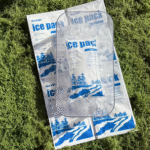
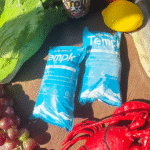
Gel packs, phase-change, or dry ice for cold chain meat shipping?
Most cold chain meat shipping relies on refrigerated transport and insulation, not dry ice. Dry ice can be the right tool for frozen programs, but it adds training, marking, and package-venting requirements. Treat refrigerants like a controlled process, not a “warehouse hack.”
Cooling options in plain language
| Option | Best for | Watch-out | What it means for you |
|---|---|---|---|
| Reefer control | pallet freight | poor pre-cool | load warms early |
| Gel packs | parcels, short lanes | condensation/leaks | needs liners and layout |
| Phase-change packs | tight chilled band | wrong setpoint | requires SOP discipline |
| Dry ice | frozen delivery | marking/venting | strong freeze buffer with rules |
| Active containers | premium lanes | cost | use selectively |
Dry ice mini-checklist (keep it safe and audit-ready)
-
Venting: never seal dry ice in airtight packaging.
-
Marking: follow carrier/regulatory marking (often “Dry Ice / UN1845” + net weight).
-
Buffer planning: size for your timeline plus delay margin, then validate by testing.
-
Food contact control: keep dry ice from direct product contact to avoid quality damage.
Real-world example: A frozen program improved success by planning dry ice for an extra delay window, then validating on a pilot lane.
How do you control dwell time and handoffs in cold chain meat shipping?
Handoffs are where cold chain meat shipping breaks most often.
cold chain meat shipping
That’s when doors open and responsibility shifts between teams. Your strongest lever is a timed handoff plan with a named owner.
The “4-Clocks” method (turns chaos into data)
Track these clocks and set maximum minutes for each:
| Clock | What it measures | Why it matters | What it means for you |
|---|---|---|---|
| Pack-out clock | seal → pickup | warm starts drift | reduces early warming |
| Handoff clock | dock/terminal time | hidden exposure | prevents silent temp loss |
| Transit clock | travel time | sets buffer need | aligns promise to reality |
| Door clock | delivery attempt time | doorstep warming | lowers failed delivery losses |
A 10-minute dock SOP you can actually run
-
Pre-cool confirmation: truck arrived and is cold before staging.
-
Stage last, load fast: keep product in the cold room until loading starts.
-
Door discipline: reduce door-open time; close between pauses.
-
Receiving rule: prioritize cold-room put-away before paperwork.
Real-world example: A DC reduced warm events by stopping deliveries during shift change. Put-away speed improved immediately.
How do you monitor and prove cold chain meat shipping worked?
Proof turns cold chain meat shipping from “trust me” into “here’s the evidence.”
cold chain meat shipping
You don’t need maximum monitoring on every load. You need actionable monitoring tied to shipment IDs, especially on high-risk lanes.
Monitoring levels (pick one baseline, then upgrade selectively)
| Level | Best for | Limitation | What it means for you |
|---|---|---|---|
| Level 1: timestamps | all lanes | no temp curve | accountability improves fast |
| Level 2: data loggers | lane validation | post-trip | finds weak handoffs |
| Level 3: real-time | critical loads | needs response team | enables rescue actions |
| Level 4: integrated records | audits/recalls | setup effort | fastest investigations |
Build a simple “proof bundle” per shipment
Include:
-
photo of pallet condition at load
-
departure timestamp
-
logger ID + temperature summary linked to shipment ID
-
receiving timestamp + notes
KPI dashboard (simple, useful)
| KPI | How to measure | Good target | What it means for you |
|---|---|---|---|
| Warm exposure minutes | time outside control | trending down | better shelf-life consistency |
| On-time pickup | scan timestamps | high + stable | fewer warm starts |
| Temp compliance | logger sampling | stable in-range | stronger dispute defense |
| Leak rate | claims per 1,000 | near zero | fewer refunds |
| Rework/re-ice | ops logs | low | lower cost + fewer errors |
What compliance and labeling practices support cold chain meat shipping?
Sanitary transportation compliance for meat logistics is mostly about clean equipment, temperature control practices, training, and records. Keep it operational, not legalistic. Your goal is fewer rejections, fewer disputes, and faster corrective actions.
The “Clean, Separate, Control” rule
| Rule | What you do | Common miss | What it means for you |
|---|---|---|---|
| Clean | verify vehicle/tools | “looks clean” only | lowers contamination risk |
| Separate | raw vs ready-to-eat | mixed pallets | reduces cross-contact risk |
| Control | temperature + time | no dwell limits | prevents warm breaks |
Practical tips you can use today
-
Use one-page checklists with signatures: short beats perfect.
-
Record cleaning events: “we always clean” is not evidence.
-
Keep labels readable: smudged labels create receiving delays.
How do you price cold chain meat shipping without overspending?
Cold chain meat shipping feels expensive when you only track invoices. Track cost per successful delivery instead. When success rate rises, total cost often drops even if packaging costs slightly more.
Simple cost calculator (use in a spreadsheet today)
All-in cost per shipment =
Carrier fee + Packaging + Coolant + Labor + Expected claims
Cost per successful delivery =
All-in cost ÷ Success rate
| Input | Example | Why it matters | What it means for you |
|---|---|---|---|
| All-in cost | 18.00 | true spend per shipment | baseline for decisions |
| Success rate | 0.90 | in-range + on-time | reliability driver |
| Cost per success | 20.00 | real affordability metric | shows what failure costs |
Real-world example: One brand tightened delivery windows. Success rate rose, refunds fell, and total spend dropped.
2025 latest developments and trends in cold chain meat shipping
In 2025, cold chain meat shipping is shifting toward evidence-first operations. Companies measure dwell minutes, not just transit time.
cold chain meat shipping
They also tie temperature evidence to shipment IDs and lot IDs to speed disputes and recalls.
cold chain meat shipping
Latest progress snapshot (what you can apply now)
-
Exception-based monitoring: use loggers on high-risk lanes, not every load.
-
Dwell time as a KPI: docks are treated like the weakest refrigeration zone.
-
Better identifiers: 2D barcode readiness is rising as the GS1 “Sunrise 2027” push accelerates scanning upgrades.
cold chain meat shipping
Market insight (plain language)
-
Customers expect consistent shelf life, not “it was cold at pickup.”
-
Claims are more evidence-driven, so proof bundles matter more than opinions.
-
The best teams cut cost by fixing process first, not buying heavier packaging everywhere.
Frequently Asked Questions
1) What is the most important step in cold chain meat shipping?
Pre-cooling and dwell control matter most. If product warms during staging or receiving, shelf life drops quickly.
2) Do I need temperature monitoring for meat shipments on every load?
Not always. Start with lane validation and high-risk routes, then sample once performance stabilizes.
3) Why do boxes arrive wet in cold chain meat shipping?
Most wet arrivals come from small leaks or unmanaged condensation. Fix seals and absorbency before adding more coolant.
4) What causes “soft arrival” in chilled meat?
Usually warm staging, delayed handoffs, or long door-open time. Fix timing and discipline before switching carriers.
5) Can chilled and frozen meat ship together?
It can, but it’s risky. If you must mix, use zoning, physical separation, and a clear load plan.
Summary and recommendations
Cold chain meat shipping becomes reliable when you lock five basics: temperature targets, leakproof packaging, disciplined handoffs, usable proof, and simple exception rules.
cold chain meat shipping
Most failures come from warm minutes during staging and receiving, not from the road. If you standardize pack-out, control dwell time, and keep a proof bundle per shipment, you reduce spoilage, shorten disputes, and protect customer shelf life.
Action plan (clear CTA)
-
Today: set a firm “time-out-of-cold” limit and train the team.
-
Next shipment: require trailer pre-cooling and a fast load plan.
-
Within 14 days: create a proof bundle template (photos + timestamps + temp summary).
-
Within 30 days: review exceptions and fix the single worst warm point first.
About Tempk
At Tempk, we help teams make cold chain meat shipping repeatable under real warehouse pressure. We focus on temperature stability, leak control, and proof-ready routines that operators can follow without improvising. Our goal is simple: fewer warm breaks, fewer claims, and a program you can scale across seasons and lanes.
cold chain meat shipping
Next step: Share your shipment profile (chilled or frozen), typical transit time, and your top failure (wet cartons, soft arrivals, handoff delays). We’ll help you match packaging and monitoring to your lane risk and cost goals.