In an era where 35% of global food production is lost to spoilage and $35 billion in pharmaceuticals are temperature-dependent, cold shipping packages have become the unsung heroes of modern logistics. These specialized systems do more than just keep items cool—they’re precision-engineered solutions combining materials science, IoT connectivity, and thermodynamic innovation to protect everything from mRNA vaccines to premium sushi-grade tuna.
Why Cold Shipping Packages Matter More Than Ever
1. Protecting High-Value Cargo
- Pharmaceuticals: 80% of new FDA-approved drugs require cold chain logistics
- Biotech: Stem cells lose viability at >8°C for just 2 hours
- Food Safety: 48M annual foodborne illnesses linked to temperature abuse
Recent advances like Moderna’s COVID-19 vaccine distribution (99.8% viability at -20°C) prove properly designed cold shipping systems can make or break global health initiatives.

Cutting-Edge Technologies Redefining Cold Shipping
A. Intelligent Thermal Management
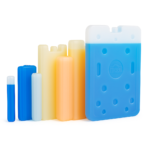
- Phase Change Materials (PCMs):
- Bio-based PCMs maintain ±0.5°C for 96+ hours
- Customizable phase transitions (-70°C to +25°C)
- Vacuum Insulated Panels (VIPs):
- 10x better insulation than EPS foam
- 50% thinner profiles for space efficiency
B. Smart Monitoring Systems
- Bluetooth-enabled data loggers with 0.1°C accuracy
- Cloud-connected GPS trackers mapping thermal history
- AI algorithms predicting cold chain failures 6 hours in advance
C. Sustainable Innovations
- Plant-Based Gel Packs:
- 100% compostable alternatives to plastic
- 72-hour cooling capacity
- Reusable Systems:
- Returnable PCM containers cutting waste by 80%
- Solar-powered refrigeration units
Industry-Specific Solutions
| Sector | Temperature Range | Key Technologies |
|---|---|---|
| Pharmaceuticals | -70°C to +8°C | Dry ice hybrids, cryogenic PCMs |
| Fresh Foods | 0°C to +4°C | CO₂-controlled atmosphere pallets |
| Biologics | -150°C (LN2) | Vapor-phase liquid nitrogen shippers |
| Floral | +2°C to +8°C | Ethylene-scrubbing insulated boxes |
Source: 2023 Global Cold Chain Alliance Report
Helpful decision tools
Check the details before you choose packaging
These quick tools can help you compare route risk, sizing needs, coolant choices, and packaging details before you request a quote.
Compliance Checklist Generator
Build a practical checklist for packaging review, shipping, and documentation.
Build checklistBox Liner & Pallet Cover Sizing
Check box liner and pallet cover sizing logic for insulated packaging projects.
Estimate sizingInsulation Material Drop Resistance
Review drop resistance and handling factors before choosing insulation materials.
Check resistanceOvercoming Key Challenges
1. Last-Mile Delivery
- Drone transport maintaining 2-8°C at 60 mph (Zipline Rwanda success)
- Compact PCM coolers for doorstep vaccine delivery
2. Cost Optimization
- Bulk dry ice production from CO₂ capture ($0.15/lb savings)
- Predictive analytics reducing failed shipments by 40%
3. Regulatory Compliance
- FDA CFR Part 11-compliant electronic temperature records
- IATA-certified lithium battery cooling systems
Future Trends (2024-2030)**
- Self-Chilling Packages: Electrocaloric materials activating on demand
- Blockchain Verification: Immutable temperature history from factory to patient
- Space-Grade Insulation: NASA-derived aerogels for intercontinental transport
Conclusion: Beyond Ice Packs to Intelligent Ecosystems
Modern cold shipping packages have evolved into sophisticated micro-environments where:
- 1°C temperature deviation triggers automatic corrective actions
- Packaging materials self-report remaining cooling capacity
- Carbon-negative systems actively reduce environmental impact
As global demand for temperature-sensitive goods grows 12% annually (CAGR 2023-2030), businesses investing in smart, sustainable cold shipping solutions will dominate their markets while protecting both products and the planet.