Gel Refrigerant Pack Buying Guide: Performance, Supplier Fit, and Operational Reality
The best gel refrigerant pack China manufacturer is the one that matches the job without creating extra risk somewhere else. In practice, buyers need to compare design, phase behavior, route fit, supplier discipline, and bulk-order consistency together. That is the only reliable way to choose a pack that works beyond the first sample lot.
Below is a practical buying guide that focuses on the questions procurement and operations teams usually need answered first: what the product really does, where it fits, what can go wrong, and how to tell a reliable supplier from a catalog-only option.
Understanding the product behind the catalog name
A gel refrigerant pack or refrigeration gel pack is a sealed cold source used inside an insulated shipper. It is usually filled with a water-based gel or another phase-change formulation so it can absorb heat more slowly and more predictably than loose ice. For buyers, the important point is simple: the pack is one component of the shipping system. It helps maintain temperature, but it is not the same thing as a qualified temperature-controlled shipper on its own.
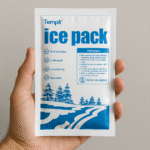
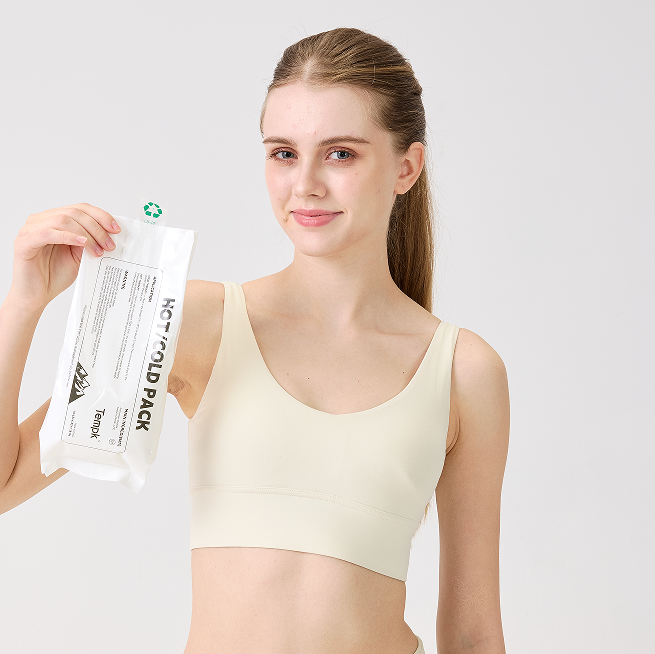
Public product pages across the market show several common formats. Flexible pouches are widely used where you need close contact with cartons, trays, meal kits, or secondary pharma packaging. Rigid bricks or larger PCM elements are chosen when the lane is longer or when you want easier reuse in a returnable program. Some suppliers also sell low-condensation or moisture-managing variants because surface moisture can matter almost as much as cooling performance in real distribution.
Where pharmaceuticals, diagnostics, or other sensitive products are involved, public guidance emphasizes the shipping system, handling process, and temperature monitoring rather than the refrigerant pack alone. Requirements vary by route and product, and additional qualification may be needed.
How design choices change performance
The thermal behavior of these packs depends on more than size. Film structure affects puncture resistance and leak risk. Gel chemistry affects the freezing point, flexibility, and the way the pack releases or absorbs heat. In public references, chilled applications commonly use water-based formulations that phase around 0 degrees Celsius, while frozen distribution may use suppressed-temperature formulas that stay below that point. That distinction matters because a pack designed for frozen food can be the wrong choice for a product that must stay between 2 and 8 degrees Celsius.
Conditioning is just as important as chemistry. A pack pulled straight from a deep freezer may have a colder surface and a harder thermal hit than the same pack allowed to temper before packing. For freeze-sensitive pharmaceuticals, diagnostics, or produce, that difference can decide whether the shipment stays in range or is damaged by overcooling. Buyers should therefore ask not just what the pack contains, but exactly how the supplier expects it to be conditioned, staged, and loaded.
Key performance drivers include gel mass, phase-change point, conditioning routine, film durability, pack placement, insulation value, and how much warm headspace remains inside the shipper.
Buyers usually learn the most from a short list of hard data points: finished dimensions, net fill weight, frozen thickness, phase-change range or intended temperature band, conditioning instructions, and packaging configuration by case or pallet. Those details allow operations and quality teams to picture how the pack will behave before a trial even starts.
Choosing by application and route
These packs are used across refrigerated food, seafood, meal kits, diagnostic kits, clinical material, e-commerce perishables, and many other cold-chain lanes. In all of those settings, the pack solves the same core problem: it gives the shipper thermal mass that buys time against external heat. The details change, however, depending on whether the shipment is going overnight in a mild climate or crossing a long route with hub delays and hot apron exposure.
In pharmaceutical and laboratory logistics, the boundary between a refrigerant pack and a compliant shipping system is especially important. Guidance for temperature-sensitive products often focuses on route conditions, monitoring, handling, and qualification of the overall package. A gel pack may be part of that solution, but the pack itself does not create compliance. You still need the right outer pack, pack-out pattern, conditioning method, and, where required, documented performance testing.
For buyers sourcing in China, the attraction is usually production flexibility. Many projects need custom dimensions, private-label printing, bilingual packaging, or a fast move from sample to commercial volume. Those benefits are real, but only when the manufacturer or supplier can hold film structure, fill weight, seal quality, and carton configuration steady from the first approval batch to later reorders.
China-based sourcing can also make sense when you want several related products from one program, such as gel packs, ice bricks, insulated bags, or liners. In practice, that only saves time if the supplier manages export documentation, palletization, and batch coding clearly enough for receiving and quality teams to work without guesswork.
Key performance drivers include gel mass, phase-change point, conditioning routine, film durability, pack placement, insulation value, and how much warm headspace remains inside the shipper. In other words, selection starts with the operating problem, not the catalog photo. Buyers who define the temperature band, transit time, payload sensitivity, and loading method clearly tend to make faster and safer decisions.
A buyer-friendly comparison usually comes down to six checks:
Choose a smaller flexible pouch when the pack has to sit close to food trays, cartons, or secondary containers without creating dead space.
Choose a larger gel pack or brick when the route is longer and freezer-handling efficiency matters more than close conformity.
Use chilled-formulation packs for refrigerated targets and a separate suppressed-temperature option for frozen distribution rather than trying to force one pack into every lane.
Check whether low-condensation or moisture-managing surfaces are helpful if labels or paper inserts matter.
Confirm the pack’s frozen thickness, not just its room-temperature dimensions, before finalizing the carton fit.
Treat the pack as one part of the shipper. If insulation, route duration, or monitoring requirements are demanding, evaluate the full system.
Most buyers here are balancing landed cost, OEM flexibility, and production consistency. China can be attractive for high-volume output and custom printing, but only if change control, batch consistency, and export documentation are handled well.
A practical supplier checklist
When comparing manufacturers or suppliers, start with finished dimensions, net fill weight, target temperature range, film structure, and seal design. Those details control how the pack behaves in the box and how often it survives handling without leaks. Ask for the dimensions both before and after freezing if that affects fit, and confirm the tolerance window instead of accepting a nominal size alone.
Next, ask how the supplier controls sample-to-production consistency. A good answer should cover batch coding, incoming material control, fill-weight verification, seal checks, and a clear process for managing any change in gel formula, film gauge, or carton configuration. If the project is export-based or regulated, you should also ask what documents can be provided for product composition, storage, and shipping use so technical or quality teams do not have to reconstruct the basics later.
Helpful decision tools
Check the details before you choose packaging
These quick tools can help you compare route risk, sizing needs, coolant choices, and packaging details before you request a quote.
Box Liner & Pallet Cover Sizing
Check box liner and pallet cover sizing logic for insulated packaging projects.
Estimate sizingCompliance Checklist Generator
Build a practical checklist for packaging review, shipping, and documentation.
Build checklistDry Ice Calculator
Estimate dry ice needs for frozen or ultra-cold shipments before packing.
Estimate dry iceFinished dimensions at room temperature and after freezing
Net gel mass, target phase range, and conditioning instructions
Film structure, seal width, and leak or burst checks
Low-condensation options, if labels or paper inserts matter
Batch coding, lot traceability, and change-control process
Carton count, pallet pattern, freezer density, MOQ, and lead time
Before scale-up, run a simple but disciplined trial. Use the real payload or a close thermal substitute, the actual outer package, the intended conditioning method, and the route duration you expect in the field. Include at least one tougher ambient exposure than your ideal case.
If the product is going into a more controlled environment, ask whether the supplier can keep those data points stable over time and how any change would be communicated. Technical reliability depends as much on process discipline as on the first sample.
Common sourcing errors to avoid
One common buying mistake is to compare packs only by price per piece. That can hide large differences in gel mass, usable cold capacity, seal width, or moisture behavior. Another mistake is to run a route trial with a sample pack and then reorder a slightly different commercial version without realizing the specification has changed.
A third mistake is to treat the refrigerant pack as the answer by itself. If your route, payload, or compliance profile is demanding, you need to think in terms of the whole system: outer insulation, pack placement, temperature targets, monitoring, and receiving checks. The best supplier conversations happen when buyers share those system conditions early rather than asking for a generic longer-lasting ice pack.
Sustainability is becoming part of the sourcing conversation, but buyers should keep the claims practical. Reusable packs can reduce material intensity in closed loops, while thinner or more recyclable films may reduce waste in one-way distribution. Those benefits only matter if the pack still survives freezing, transport, and final handling.
Public product offerings suggest buyers are comparing not only standard gel pouches but also moisture-managing versions, dry-ice-style packs, and larger reusable bricks as routes diversify.
Practical questions before launch
Where routes, products, or documentation demands are more sensitive, buyers should lock down the intended conditioning method, pack position, and receiving checks before the first larger order. That simple discipline prevents a lot of avoidable confusion later.
During that trial, record not only temperature. Look at surface moisture, pack integrity, loading speed, frozen fit, and the condition of the delivered product or kit. These observations often reveal more about real suitability than a headline hold-time claim.
After the trial, lock the specification. Document the approved dimensions, gel mass, film structure, conditioning method, and pack placement. That simple discipline reduces drift between sample approval and routine production.
Quick answers before you shortlist suppliers
Can one gel refrigerant pack work for both chilled and frozen shipping?
Sometimes, but usually not well. Chilled and frozen lanes often need different phase-change behavior, conditioning routines, and pack placement.
Is a gel pack enough for pharmaceutical compliance?
No. The pack may be part of the solution, but compliance depends on the qualified shipping system, route profile, and handling process.
What sample information should a supplier provide?
At minimum, ask for finished dimensions, gel mass, film structure, conditioning instructions, storage conditions, and carton packing details.
Operational details that deserve attention
Bulk sourcing changes the decision in one important way: you are not approving a single pack, you are approving a repeatable manufacturing and operating method. That means the quotation, the sample, the warehouse SOP, and the reorder specification all have to point to the same product. If one of those pieces is vague, costs usually surface later through leaks, retrials, customer complaints, or slow packing lines rather than in the first purchase order.
Another practical point is storage and handling before shipment or use. Performance starts in the freezer room, prep area, or stockroom, not at the final destination. Buyers should check how the product will be stored, how long conditioning takes, whether cartons can be rotated first-in first-out, and how the pack behaves if teams handle it during busy or partially thawed periods. Small operational details can change the delivered result more than catalog language suggests.
When comparing suppliers, ask yourself whether the vendor is helping you make a real decision or only helping you receive a quote. Useful suppliers answer directly on dimensions, conditioning, change control, documentation, and application limits. Less useful ones stay at the level of broad sector language and leave the technical interpretation to you.
Final take
A strong gel refrigerant pack purchase is rarely about buying the coldest, cheapest, or most heavily marketed pack. It is about matching the pack format, conditioning method, and supplier discipline to the job you actually run.
If you define the use case clearly, ask sharper questions about materials and process control, and test the pack in the real route or handling workflow, you are much more likely to choose a supplier that performs well after rollout instead of only in a quotation stage.
About Tempk
At Tempk, we focus on temperature-controlled packaging for food, pharmaceutical, and other sensitive shipments. Our public range includes gel ice packs, dry ice packs, freezer ice bricks, insulated bags, insulated box liners, EPP insulated boxes, cold shipping boxes, medical cool boxes, and thermal pallet covers. Because we work across both refrigerants and insulated formats, plus custom temp-control packaging backed by a CNAS-certified lab, we can help buyers compare a single pack option within the wider shipping system.
Next step
If you are comparing suppliers, ask for samples, conditioning guidance, and a pack-out recommendation tied to your real temperature band and transit time. A controlled trial with your actual payload and outer pack will reveal far more than a unit-price sheet.