How Vaccine Cold Chain Analysis Can Reduce Waste in 2025
Updated 27 November 2025
Storing and transporting vaccines isn’t as simple as keeping them cold. Maintaining the correct 2–8 °C temperature range throughout manufacturing, shipping, storage and delivery prevents potency loss. Up to half of the world’s vaccines are wasted each year because of temperature breaches and logistical failures. This guide shows you how vaccine cold chain analysis helps protect every dose — and how you can use new 2025 technologies to cut waste and boost trust.
What is vaccine cold chain analysis and why does it matter? Understand the science behind keeping vaccines within strict temperature ranges and the risks of temperature excursions.
How can you perform a cold chain audit? Learn stepbystep methods to identify weak points, using temperature data loggers, IoT sensors and predictive analytics to prevent losses.
Which innovations are reshaping the cold chain in 2025? Discover how blockchain, AIpowered route optimisation and solarpowered storage cut emissions and ensure traceability.
What are the economic and environmental stakes? Examine market growth, wastage costs and greenhousegas implications to help justify investments.
How can you act now? Get practical tips, interactive tools and case studies to optimise your supply chain, improve compliance and avoid revaccination.
Why Vaccine Cold Chain Analysis Matters for Potency and Waste Reduction
Vaccines are fragile biological products that lose efficacy when exposed to temperatures outside their recommended range. Most vaccines need constant refrigeration between +2 °C and +8 °C; some need freezing at –20 °C, and recent mRNA vaccines require ultralow temperatures around –70 °C. Exposure to freezing temperatures can destroy adjuvants and render vaccines subpotent or useless. Temperature excursions arise from equipment failures, human error or poor logistics. When the cold chain fails, vaccines must be discarded or patients need revaccination, eroding public trust and wasting billions of dollars.
Exploring the Components of a Vaccine Cold Chain
Vaccine cold chain analysis looks at every stage of the journey, from manufacturing to administration. A robust cold chain comprises three pillars: people, equipment and procedures. Welltrained staff handle vaccines correctly, reliable refrigerators and data loggers maintain temperature, and standard operating procedures (SOPs) ensure consistency. A single weak link can cause a chain reaction. For instance, a 2021 literature review found that vaccines were exposed to freezing temperatures during storage in 33 % of highincome countries and 37 % of lowincome countries. During transportation, about 38 % of shipments in highincome countries and 19 % in lowerincome countries experienced freezing, highlighting the need for continuous monitoring and staff training.
Elements of the vaccine cold chain system
| Stage | Temperature requirements | Key risks | Implications for you |
| Manufacturing | +2 °C to +8 °C for most vaccines; –20 °C for some biologics; ultralow (–70 °C to –80 °C) for certain mRNA vaccines | Breakdown of refrigerated rooms or power outages | Loss of potency; expensive waste and production delays |
| Distribution (national/regional) | Controlled environment in cold trucks and containers; maintain 2 °C–8 °C | Road network disruptions, seasonal flooding, mechanical failures | Transportation delays; exposure to heat or freezing leading to potency loss |
| Storage (intermediate) | Medicalgrade refrigerators with temperature loggers; stable +2 °C–8 °C | Nonmedical fridges causing uneven cooling; poor calibration | Hidden freezing events or warm spots; inconsistent stock rotation |
| Provider facility | Adhere to SOPs; monitor temperatures twice daily; ensure vaccine firstexpirefirstout | Staff training gaps; lack of emergency backup | Vaccines compromised at the last mile; need for revaccination or disposal |
| Administration | Temperature maintained until injection; minimal light exposure | Inadequate thawing times or leaving vials at room temperature | Reduced efficacy; patient safety risks |
Practical tips and recommendations
Implement a continuous data logging system: Use digital data loggers or IoT sensors that record temperature, humidity and location every few minutes. These devices provide alerts if temperatures move outside acceptable ranges.
Establish SOPs and training: Develop SOPs for vaccine receipt, storage, transport and handling, and train staff annually. Ensure that everyone can act quickly during a power failure or equipment malfunction.
Use medicalgrade refrigerators and backup power: Domestic fridges cause temperature fluctuations. Invest in purposebuilt units and install uninterruptible power supplies or solar backup to safeguard vaccines during outages.
Realworld case: After a hospital in Sydney accidentally stored vaccines outside the stipulated temperature range, more than 1,000 patients had to be revaccinated. An investigation found poor temperature monitoring and unclear protocols. By switching to IoTenabled refrigerators with automatic alerts and retraining staff, the hospital eliminated temperature excursions and restored public confidence.
How to Conduct a Vaccine Cold Chain Audit
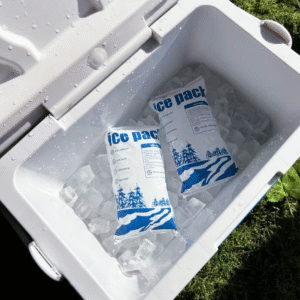
A cold chain audit systematically evaluates how well your processes and equipment maintain temperatures across the vaccine journey. It involves measuring storage conditions, reviewing procedures and identifying points of risk. Start by mapping the supply chain and documenting every handoff. Use temperature data loggers inside shipments to track actual conditions, not just ambient temperatures. Look for patterns: is there a period during transport when temperatures fluctuate? Are refrigerators frequently opened? A 2024 IQVIA report noted that temperature excursions often result from human error and the mistaken belief that vaccines are more sensitive to heat than freezing. Overcompensating with ice packs can expose vaccines to freezing.
Steps for performing a cold chain analysis
Prepare and plan – Create a cold chain map including suppliers, transport routes, storage facilities and clinics. Define critical control points and assign responsibilities for monitoring.
Collect baseline data – Place calibrated data loggers in refrigerators and shipments to record realtime temperature and humidity. Use GPSenabled sensors to correlate temperature deviations with specific locations or events.
Review SOPs and training – Observe how staff handle vaccines. Check whether SOPs are readily available, followed and updated. Confirm that training covers emergency procedures.
Identify deviations and root causes – Analyse data for temperature excursions. Determine whether they coincide with equipment failures, power outages, delays or staff practices.
Implement corrective actions – Repair or replace faulty equipment, refine packaging and insulation, adjust transport routes and provide targeted training.
Monitor and iterate – Conduct regular audits, update procedures and adopt new technology as needed. Continuous improvement reduces waste and improves patient safety.
Key metrics for your audit
| Metric | How to measure it | What it tells you | Why it matters |
| Time within range | Percentage of time each storage unit or shipment remains between +2 °C and +8 °C | Indicates reliability of refrigeration | High compliance minimises potency loss |
| Excursion frequency | Number of times temperatures exceed or fall below limits | Pinpoints risk points and training gaps | Frequent excursions mean urgent intervention |
| Freezing incidence | Count of instances when temperatures drop below 0 °C | Shows risk of adjuvant destruction | Single freezing event can render doses unusable |
| Response time | Time between alert and corrective action | Reflects staff readiness and equipment connectivity | Short responses prevent potency loss |
| Wastage rate | Percentage of doses discarded due to temperature issues | Measures cost and environmental impact | Lower wastage improves returns and public trust |
Useful tips for successful audits
Simulate worstcase scenarios: Run drills for power outages, transport delays and extreme weather. Document responses and adjust SOPs accordingly.
Employ predictive analytics: AI algorithms can analyse past temperature data to predict equipment failures or routerelated risks.
Engage suppliers: Require carriers to provide temperature logs and proof of training. Make compliance a contractual obligation.
Actual case: A global vaccine manufacturer discovered that 37 % of its shipments suffered temperature excursions during distribution in lowincome countries. By installing smart sensors with GPS on pallets and rerouting trucks based on realtime weather data, they reduced excursions by 70 % and saved millions in wasted doses.
What Innovations Are Reshaping the Cold Chain in 2025?
The vaccine cold chain is undergoing a digital revolution. Market growth and technological innovation are accelerating. The global cold chain market is projected to grow from USD 454.48 billion in 2025 to USD 776.01 billion by 2029, a compound annual growth rate (CAGR) of 12.2 %. Another analysis estimates the cold chain market at USD 316.34 billion in 2024, with a CAGR of 19.2 % between 2025 and 2030. Innovations extend beyond generic logistics; they focus on vaccinespecific challenges, sustainability and traceability. Below are the main technology trends that will shape 2025 and beyond.
Blockchain for Transparent, TamperProof Traceability
Blockchain creates an immutable ledger of transactions, ensuring that data on vaccine origin, storage conditions and handoffs cannot be altered. Pharma Now notes that blockchain can log temperature, humidity and travel times in real time. This transparency helps regulators and manufacturers verify that vaccines were stored correctly, preventing counterfeiting and improving recall management. Integrating blockchain with IoT sensors enhances trust among all stakeholders.
SolarPowered Cold Storage and Renewable Energy
In regions with unreliable electricity, solarpowered refrigerators are providing sustainable cold storage solutions. Southeast Asian innovators are deploying solar cold storage units that reduce energy costs and provide reliable refrigeration. The U.S. Energy Information Administration reported that commercial electricity averaged 13.10 cents per kWh in 2024, while solar energy ranges between 3.2 and 15.5 cents per kWh. Solar units not only cut operational costs but also reduce greenhousegas emissions.
IoT Sensors and Smart Monitoring
IoT devices gather realtime temperature, humidity and location data. When sensors detect unsafe temperatures, they send instant alerts to drivers and dispatchers. Integration with GPS enables route tracking and geofencing, while cloud platforms store data for audit trails. According to the 2025 Tempk article, without monitoring, up to 35 % of vaccine shipments can be compromised, making IoT solutions critical for reducing wastage. The global market for cold chain monitoring technology is expected to grow from around USD 45 billion in 2025 to nearly USD 267 billion by 2034.
AIPowered Route Optimisation and Predictive Analytics
Artificial intelligence (AI) algorithms use realtime traffic, weather and historical data to determine optimal delivery routes for cold chain vehicles. By minimizing travel times and avoiding congestion or extreme weather, AI reduces the risk of temperature excursions. AI can also predict equipment failures by analysing sensor data, enabling proactive maintenance. These capabilities improve reliability and reduce fuel consumption, contributing to sustainability goals.
Portable Cryogenic Freezers for UltraCold Storage
New portable cryogenic freezers maintain temperatures from –80 °C to –150 °C, enabling safe transport of mRNA vaccines and cell therapies in remote settings. These systems open new possibilities for field vaccination campaigns and research trials that require ultralow temperatures.
Sustainable Packaging and Environmental Considerations
Cold chain logistics is resourceintensive. The healthcare sector accounts for about 4.4 % of global greenhousegas emissions; the cold chain emits 55 % more greenhouse gases per dollar of revenue than the automotive industry. Ecofriendly packaging, such as biodegradable insulation and reusable containers, reduces waste. Some companies are reducing freezer setpoints from –18 °C to –15 °C for frozen foods to lower energy consumption. Combined with route optimisation and renewable energy, these steps help align the vaccine cold chain with netzero commitments.
Helpful decision tools
Check the details before you choose packaging
These quick tools can help you compare route risk, sizing needs, coolant choices, and packaging details before you request a quote.
Insulation Material Drop Resistance
Review drop resistance and handling factors before choosing insulation materials.
Check resistanceCoolant & PCM Reference
Compare coolant and PCM options when a route needs added temperature support.
Compare optionsPackaging Selector
Compare insulated packaging options by product, route, and temperature need.
Find packagingSummary of Key Innovation Trends
| Innovation | Key Benefit | Practical implication |
| Blockchain traceability | Provides a tamperproof record of temperature, location and custody | Simplifies audits, combats counterfeiting and speeds recalls |
| Solar refrigeration | Cuts energy costs and provides offgrid cooling | Enables reliable storage in remote or powerscarce regions |
| IoT sensors | Realtime monitoring and alerts | Prevents excursions; creates digital audit trail |
| AI route optimisation | Uses traffic and weather analytics to select optimal routes | Shortens transit, reduces fuel use and risk of spoilage |
| Portable cryogenic units | Maintain –80 °C to –150 °C for mRNA therapies | Expands reach of ultracold vaccines and biologics |
| Sustainable packaging | Reusable or biodegradable materials reduce waste and carbon footprint | Aligns your operations with netzero goals |
Tips for Adopting Innovations
Start small and scale: Pilot IoT sensors on a highvalue shipment before scaling across your network. Measure improvements in excursion rates and ROI.
Integrate systems: Link sensors, blockchain logs and AI tools through a central platform to enable realtime decisionmaking.
Leverage grants and partnerships: Many governments and organizations offer grants for cold chain equipment and renewable energy investments. Use these to reduce capital costs.
Case example: A nonprofit health program in rural Kenya faced frequent power outages and long transport times. By installing solarpowered refrigerators and equipping motorbike couriers with GPSenabled IoT sensors, the program reduced vaccine wastage from 20 % to 3 % and extended coverage to remote villages.
The Economic and Environmental Stakes of Vaccine Cold Chains
Vaccine cold chain management requires substantial investment. UNICEF spent USD 105.9 million on cold chain equipment and services in 2023, highlighting the scale of global resources devoted to temperature control. Cold chain logistics accounted for about 38 % of the entire pharmaceutical market in 2024, up from 26 % in 2017. Expenditure on pharmaceutical cold chain logistics was estimated at around USD 21.3 billion in 2024.
Beyond direct costs, temperature excursions lead to enormous wastage. The WHO estimates that up to 50 % of vaccines are wasted globally each year because of inadequate temperature control and logistic failures. A 2020 study for the Sustainable Energy for All initiative noted that more than 25 % of some vaccines are wasted annually due to temperature control and logistics failures. The cost of vaccines lost to temperature fluctuations has been estimated at USD 34.1 billion annually. In Italy, a study found that 25 % of doses of a combined vaccine were discarded because of temperature excursions.
Why Cold Chain Sustainability Matters
Environmental impact is another concern. Cold chain equipment requires constant electricity, much of it generated by fossil fuels. The cold chain’s greenhousegas emissions are 55 % higher per revenue dollar than those of the automotive industry. As more biologics enter clinical development — over 50 % of assets now in the pipeline require temperature control — demand for refrigerated logistics will grow. Companies and health systems face increasing pressure to reduce emissions. By investing in renewable energy, efficient packaging and route optimisation, you can cut your carbon footprint while protecting vaccine efficacy.
Translating costs into benefits
| Cost/Impact | Insight | What it means for you |
| Cold chain equipment investment | UNICEF spent USD 105.9 million on equipment and services in 2023 | Investing in robust equipment is essential; plan for maintenance and renewal |
| Market growth | Cold chain market will grow from USD 454.48 billion in 2025 to USD 776.01 billion in 2029 | Industry expansion means more suppliers and innovation but also competition |
| Wastage costs | Up to 50 % of vaccines wasted annually, costing around USD 34.1 billion | Reducing waste increases profitability and supports global health equity |
| Environmental impact | Cold chain generates 55 % more GHG emissions per revenue dollar than automotive sector | Sustainability measures can enhance brand reputation and comply with climate goals |
| Regulatory risks | Temperature excursions can trigger product recalls and revaccination | Compliance protects you from liability and preserves public trust |
Practical recommendations
Quantify wastage: Track how many doses you discard due to temperature excursions and translate this into financial and environmental costs to build a business case for upgrades.
Adopt thermostable vaccines where possible: New formulations that remain stable at higher temperatures can reduce reliance on refrigeration and cut waste.
Invest in renewable energy: Solar and wind systems can power cold rooms, especially in regions with unreliable electricity, reducing carbon emissions and operating costs.
Example: A regional health authority in India analysed its vaccine wastage and found that 28 % of doses were lost due to equipment failures. By installing solar power systems and training staff on proper handling, wastage dropped to 12 %, and the authority saved approximately USD 1.2 million in a year.
2025 Trends and Forecasts for Vaccine Cold Chain Management
Trend overview
Vaccine cold chain management is evolving rapidly. Increased adoption of digital tools, sustainability initiatives and stricter regulation are reshaping how vaccines are delivered. With global demand for vaccines and biologics on the rise — five billion doses are administered annually — supply chains must become smarter and greener. Below are the major trends for 2025.
Latest developments at a glance
Digital Integration: IoT sensors, blockchain ledgers and AI analytics are increasingly integrated into one platform, providing endtoend visibility and enabling predictive maintenance.
Demand for cold chain monitoring: The cold chain monitoring market is projected to grow more than fivefold, from about USD 45 billion in 2025 to nearly USD 267 billion by 2034.
Temperature sensor boom: The temperature sensor market, valued at USD 8.5 billion in 2024, is projected to reach USD 18.3 billion by 2033.
Regulatory tightening: Updated guidelines such as FDA’s Title 21 CFR Part 11 and Europe’s Good Distribution Practice (GDP) emphasise digital records and realtime monitoring.
Sustainability commitments: Many health systems aim to achieve netzero emissions; innovations like solar refrigeration and ecofriendly packaging gain prominence.
Equity focus: International initiatives strive to expand cold chain infrastructure to low and middleincome countries, where only 10 % of healthcare facilities are currently equipped with adequate cold chain equipment.
Rise of portable ultracold solutions: Portable cryogenic freezers facilitate field deployment of mRNA vaccines and cell therapies.
Market insights
Growing demand for biologics and vaccines drives investment in cold chain infrastructure. The cold chain sector added more than 26,800 employees in the past year, reaching a workforce of over 576,300 people. Innovation remains robust, with more than 2,800 patents registered and a 36.6 % annual growth in patent filings. Funding activity is strong: over 1,880 funding rounds with an average investment of USD 56.2 million per round and total investments exceeding USD 5.32 billion. Major hubs include the US, India, China, the UK and Canada, with Singapore, Mumbai, Shanghai, New Delhi and Dubai emerging as key city hubs.
Frequently Asked Questions
Q1: Why do vaccines need to be stored between 2 °C and 8 °C?
Vaccines are composed of proteins and adjuvants that denature at higher temperatures and freeze at lower temperatures. Exposure outside the recommended 2–8 °C range can permanently reduce potency or destroy the vaccine. Keeping vaccines within this range maintains structural integrity and ensures the immune system recognises the antigen.
Q2: How common are temperature excursions in vaccine storage?
A 2017 review found that vaccines were exposed to freezing temperatures during storage in 33 % of highincome countries and 37 % of lowincome countries, while transport excursions occurred in 38 % and 19 % of shipments respectively. These events highlight the need for improved monitoring and training.
Q3: Can blockchain really improve vaccine logistics?
Yes. Blockchain creates an immutable record of every event in the supply chain, including temperature readings and custody transfers. It prevents data tampering and enables rapid recall if a problem is detected.
Q4: Are thermostable vaccines available?
Thermostable formulations are being developed to reduce reliance on refrigeration. For example, Rotavirus vaccine ROTASIIL® lasts six months at 37 °C–40 °C, but its shelf life extends to 30 months when stored below 25 °C. Wider adoption of thermostable vaccines could drastically reduce cold chain costs.
Q5: What can small clinics do to improve their cold chain without huge budgets?
Start with calibrated data loggers and consistent training. Implement SOPs, ensure adequate insulation in transport coolers, and use small solar chargers for refrigerators if power is unreliable. Joining cooperative purchasing agreements can reduce equipment costs. Pilot IoT sensors on highvalue vaccines and scale up once you demonstrate benefits.
Summary and Recommendations
Vaccine cold chain analysis is vital for protecting potency and reducing waste. Maintaining the 2–8 °C temperature range prevents vaccine degradation, yet up to half of vaccines are still wasted due to cold chain failures. Performing thorough cold chain audits, investing in reliable equipment and adopting digital monitoring tools can drastically cut wastage. Innovations such as blockchain, AIpowered route optimisation, solar refrigeration and portable cryogenic units are transforming logistics. Market growth and tightening regulations underscore the need for continuous improvement. Sustainable practices reduce greenhousegas emissions while improving supply chain resilience.
Actionable Next Steps
Audit your entire supply chain: Map routes, collect temperature data and identify risk points.
Invest in monitoring technology: Start with data loggers; upgrade to IoT sensors and AI analytics to predict and prevent excursions.
Train your team regularly: Provide annual cold chain training and refreshers whenever new vaccines or guidelines are introduced.
Adopt sustainable solutions: Explore solarpowered equipment, ecofriendly packaging and route optimisation to reduce carbon emissions and operating costs.
Prepare for innovations: Evaluate portable cryogenic units and thermostable vaccines for future needs; participate in pilot projects to stay ahead of regulations and market trends.
About Tempk
We are Tempk, specialists in cold chain logistics solutions. We combine industry expertise with advanced technology to deliver reliable monitoring systems that safeguard sensitive goods. Our products integrate IoT sensors, AI analytics and blockchain to provide endtoend visibility. Whether you’re shipping vaccines across continents or delivering fresh groceries to local markets, our solutions help you maintain quality, reduce waste and build customer trust.
Call to Action: Ready to enhance your cold chain? Contact us to discuss how our customised solutions can improve safety, compliance and efficiency.