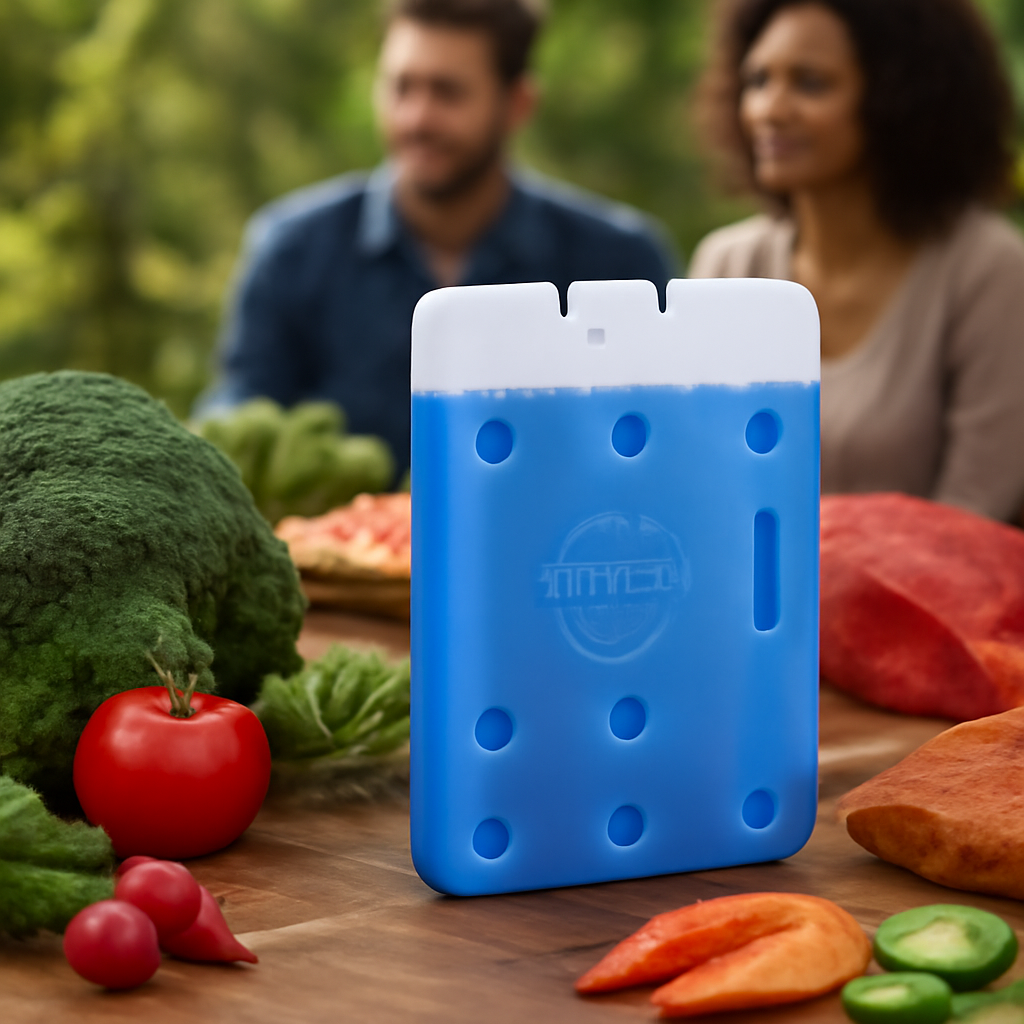
Ice Bricks Pallet Shipper: How to Choose the Right Ice Brick System
Ice Bricks Pallet Shipper should be chosen as part of a complete cold chain system. The brick stores cooling energy, but the shipment stays protected only when the brick is matched with the right insulated container, payload volume, conditioning method, route duration, and operating procedure. A good pack-out is repeatable, measurable, and realistic for the people who will pack and receive it.
The safest buying approach is to start with the product requirement and work backward. Define the allowed temperature range, route time, ambient exposure, package size, product loading temperature, and documentation needs. Then choose ice bricks pallet shipper that fit the container and the process. This approach is especially important when large pallet loads have uneven thermal mass, corner exposure, forklift handling, and dwell time at docks.
The Quick Decision
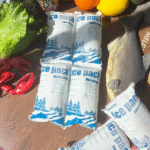
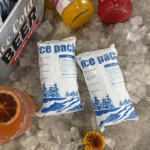
Use rigid ice bricks when you need repeatable geometry, clean handling, reusable cold sources, and a packing pattern that can be taught across many shipments. Use flexible gel packs when the payload is irregular or close surface contact is more important than shape control. Consider PCM bricks or panels when the product needs a more specific temperature band. Consider dry ice or active systems only when the product and route truly require those options.
Do not choose an ice brick only by size or price. The correct brick is the one that fits the product cavity, supports the target temperature range, can be conditioned reliably, and performs inside the selected packaging system. For ice bricks pallet shipper, buyers should check refrigerant distribution, pallet load pattern, edge protection, stretch wrap effects, and monitor placement.
What an Ice Brick Can and Cannot Do
An ice brick can add thermal mass, absorb heat entering the package, and make the pack-out easier to repeat. It can also reduce melt water compared with loose ice and may support reuse in a closed-loop operation. It cannot, by itself, qualify a shipment, overcome poor insulation, fix a route delay, or prove that a package is suitable for every temperature-sensitive product.
A passive package works because several parts work together. The insulated box, bag, liner, or pallet cover slows heat transfer. The brick supplies cooling capacity. The product mass buffers temperature change. Separators reduce direct cold contact. The packing instruction controls human variation. Monitoring provides evidence. If one part changes, the final temperature profile may change.
This is why experienced buyers evaluate the whole system. A brick that performs well in one cooler box may underperform in a thin liner. A pack-out that protects a full payload may fail with a half load. A design that works in spring may need review in summer or winter. The product name alone is never enough evidence.
Fit, Usable Volume, and Payload Protection
Fit should be checked with the complete pack-out, not with an empty container. Measure the container after insulation, liners, dividers, paperwork, temperature monitors, absorbent material, and bricks are included. The remaining space is the usable payload cavity. It is common for buyers to overestimate capacity when they look only at external carton dimensions.
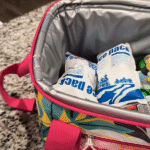
For pallet shippers, insulated pallet covers, bulk insulated totes, and freight-ready cold chain systems, the brick should sit securely without forcing the lid, deforming the liner, or crushing the product. It should also allow workers to load the package quickly and consistently. If staff must improvise brick placement, the pack-out is not ready for scale.
Product protection is not only thermal. The brick should not leak, break, shift, contaminate the product area, or create condensation problems that damage labels and cartons. If the shipment includes fragile vials, sample tubes, soft food packs, or retail cartons, the layout should include barriers or compartments that prevent direct pressure.
Temperature Range and Conditioning
The correct conditioning method depends on the product. A frozen brick may be suitable for some chilled foods or frozen goods, but it can be risky for products that must not freeze. A PCM brick may need a defined temperature cycle to reach the intended phase state. A conditioned coolant pack may be safer for some refrigerated pharmaceutical applications than a brick used straight from a deep freezer.
For refrigerated vaccines and many immunobiologics, a common storage range is 2 degrees C to 8 degrees C, and some products can be damaged by freezing. Other products have different requirements. Buyers should confirm the product label, stability limits, and local quality procedures before approving a pack-out. Ice bricks should never be described as automatically compliant for pharmaceutical use.
The packing instruction should explain how long the brick must be frozen or conditioned, where it should be stored, how workers identify ready bricks, and what to do when a brick is partly thawed. Without these details, two workers can use the same brick and container but produce different thermal outcomes.
Route Risk: Duration, Ambient Exposure, and Handling
Route duration is more than transport time on a booking sheet. It includes pre-loading staging, carrier pickup, hub handling, customs or dock dwell time, final-mile delivery, and receiving delay. For ice bricks pallet shipper, the route may include exposure points that are invisible during a simple office discussion. Those exposure points should shape the pack-out.
Ambient temperature matters in both directions. Warm weather can exhaust cooling capacity. Cold weather can overcool a product that should remain refrigerated but not frozen. A good design considers the seasonal profile and may use different pack-outs for heat and cold seasons.
Handling patterns matter too. A delivery bag opened twenty times behaves differently from a sealed parcel shipper. A pallet wrapped tightly may restrict airflow around thermal covers. A box stored next to a loading-bay door may face more stress than a box moved directly to a truck. These practical details often explain why a pack-out succeeds in a test but struggles in operations.
Supplier Checklist for Bulk or Custom Orders
Because B2B freight and system design is central to this topic, supplier evaluation should be specific. Ask for the information that affects fit, performance, repeatability, and scale-up. For pallet footprint, payload density, refrigerant placement, cover compatibility, forklift damage resistance, and lane qualification, the buyer should document decisions before placing a large order.
External dimensions, filled weight, tolerance, and carton quantity.
Shell or film material, internal refrigerant type, and recommended temperature band.
Conditioning instructions for frozen, chilled, or PCM use.
Compatibility with the selected cooler box, bag, liner, pallet shipper, or outer carton.
Helpful decision tools
Check the details before you choose packaging
These quick tools can help you compare route risk, sizing needs, coolant choices, and packaging details before you request a quote.
Route Risk Checker
Review lane conditions before selecting packaging for real operating requirements.
Check route riskCoolant & PCM Reference
Compare coolant and PCM options when a route needs added temperature support.
Compare optionsInsulation Material Reference
Compare insulation material choices for different cold chain packaging needs.
Compare materialsUsable payload volume after all bricks and insulation are installed.
Leak, pressure, drop, or visual quality checks used by the supplier.
Sample origin and whether production will use the same tooling and materials.
Change notification for resin, mold, cap, film, formula, fill volume, or packaging changes.
MOQ, lead time, custom labeling, carton configuration, and inbound pallet packing.
Support for pilot testing, pack-out drawings, and repeat order consistency.
The most useful supplier conversations include packaging engineering, operations, procurement, and quality. Procurement can negotiate price and lead time. Operations can confirm freezing capacity and handling. Packaging engineering can test fit and temperature. Quality can review documentation and excursion response. All four perspectives reduce risk before scale-up.
Cost: Look Beyond the Unit Price
The unit price of a brick is only one cost. Total cost includes inbound freight, storage, freezer space, handling labor, pack-out time, product damage, replacement bricks, cleaning, reverse logistics, and the cost of failed shipments. A cheaper brick may become expensive if it forces a larger box, adds too much weight, or causes inconsistent temperature results.
For reusable programs, calculate the practical reuse rate rather than assuming unlimited cycles. Bricks may be lost, cracked, contaminated, or kept by customers. Closed-loop operations can still achieve strong value when recovery is controlled, cleaning is simple, and freezer rotation is organized. One-way routes require a different calculation.
Cost control should not mean removing safety margins blindly. The better approach is to right-size the pack-out through testing. If data shows that fewer bricks still protect the payload under the approved route profile, the business can reduce weight and cost with confidence. If data shows that the package is marginal, reducing bricks can be a false economy.
When Ice Bricks Are Not Enough
Ice bricks may not be enough for long or uncertain routes, uncontrolled customs dwell time, ultra-cold products, high-value biologics, payloads with very narrow temperature tolerance, or shipments that require continuous active control. They may also be unsuitable when the recipient cannot manage thawed bricks, returns, cleaning, or disposal.
A cooler box, waterproof crate, or insulated bag should not be described as temperature controlled unless the complete system has been evaluated for the intended use. A plastic box can protect against impact and moisture while still allowing the product to drift outside its range. A reusable container can reduce waste while still needing qualification.
When the risk is high, buyers should ask whether a qualified thermal shipper, PCM system, dry ice system, refrigerated transport, active container, or monitored service is more appropriate. Ice bricks are valuable tools, but they are not a universal answer.
Implementation Plan
Begin with a written requirement: product, temperature range, shipment duration, route, container, payload quantity, and receiving process. Then create one or two candidate pack-outs using the proposed ice bricks pallet shipper. Test them with the real packaging and a representative payload. Include staging time, loading method, and expected seasonal exposure.
After testing, write a simple packing instruction. Include brick count, location, conditioning, separators, logger placement, closure steps, and inspection points. Train workers with photos or diagrams. Review the first production shipments closely to see whether the instruction survives real conditions.
Finally, set review triggers. Recheck the pack-out when product quantity, route, season, carrier, warehouse process, container, liner, or supplier changes. A cold chain system is not a one-time purchase. It is an operating process that must stay aligned with the route and product.
FAQ
How many ice bricks should be used? There is no universal number. It depends on temperature range, container insulation, payload mass, route duration, ambient exposure, and brick conditioning. Test the actual pack-out before scaling.
Can ice bricks replace a qualified shipper? No. They may be part of a qualified shipper, but they do not make a package qualified by themselves. High-risk shipments need a documented system approved for the intended route and product.
Are custom sizes worth it? Custom sizes are worth considering when standard bricks waste space, create unstable layouts, or prevent a repeatable pack-out. The value should be checked against tooling cost, MOQ, sample approval, and future flexibility.
About Tempk
At Tempk, we focus on practical cold chain packaging for food, pharmaceutical, biotech, and other temperature-sensitive shipments. Our public product range includes gel ice packs, dry ice packs, ice bricks, insulated bags, insulated box liners, EPP boxes, cold shipping boxes, thermal pallet covers, and related cold chain materials. For ice bricks pallet shipper projects, we help buyers think through the refrigerant, container, payload, route, and handling process together rather than treating the brick as a separate accessory.
Discuss Your Pack-Out
Share your temperature range, shipment duration, payload size, and expected handling conditions to discuss a practical ice bricks pallet shipper solution. Ask for bulk, sample, or custom guidance before approving a repeat pack-out.