Insulated Children’s Lunch Bags: What to Buy in 2025?
If you’re shopping for insulated children’s lunch bags, your real goal is simple: your child opens lunch at noon, and the food still looks and smells right. You also want fewer spills and fewer “mystery smells.” In everyday U.S. food safety messaging, the “danger zone” is commonly described as 40°F–140°F, and perishables shouldn’t sit out too long—often summarized as 2 hours (or 1 hour when it’s very hot).
This guide turns that into a practical system you can actually follow on busy school mornings.
This article will answer for you:
-
How insulated children’s lunch bags support safe temperature rules for kids packed lunches
-
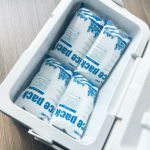
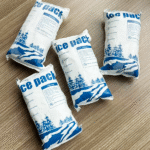
When you need an ice pack (and when you don’t) with an insulated children’s lunch bags ice pack planner
-
How to choose size and structure by age, schedule, and backpack space
-
How to reduce leaks, odors, and “crushed lunch” problems
-
A simple packing routine (plus a quick at-home test) to avoid surprises
-
2025 trends: easier cleaning, more structure, and more material transparency
Why do insulated children’s lunch bags matter for daily food safety?
Direct answer: Insulated children’s lunch bags slow temperature change. That buys time so cold foods warm up more slowly and hot foods cool down more slowly.
Expanded explanation: Think of insulation like a jacket. A jacket doesn’t create heat, but it slows heat loss. The same rule applies here: insulated children’s lunch bags help you hold the starting temperature, not magically make lunch cold. If you pack dairy, meat, eggs, cut fruit, or leftovers, your safest move is to treat them as “needs cold support,” especially when lunch sits for hours.
insulated children’s lunch bags
The “Lunch Lane” method (fast and practical)
Pick one lane each morning. This reduces decision fatigue.
-
Shelf-stable lane: whole fruit, crackers, sealed snacks
-
Chilled-perishable lane: yogurt, cheese, deli meat, cut fruit
-
Hot lane: soup, pasta, rice (in a proper insulated jar)
| Lunch lane | Typical foods | What you add | What it means for you |
|---|---|---|---|
| Shelf-stable | crackers + whole fruit | optional small pack | freshness + fewer crumbs |
| Chilled-perishable | yogurt + berries | 2 cold sources | better safety margin and taste |
| Hot | soup + pasta | insulated food jar | fewer “lukewarm lunch” complaints |
Real-life example: A parent stopped “warm yogurt” complaints by switching to a structured bag and adding a second cold source.
insulated children’s lunch bags
Do insulated children’s lunch bags work without ice packs?
Direct answer: Yes—but usually only for short windows or shelf-stable lunches. For chilled perishables, insulation works best with cold sources.
insulated children’s lunch bags
Expanded explanation: If your child eats lunch 4–6 hours after you pack it, most chilled perishables need help. A common best practice in lunch-safety guidance is using two cold sources (for example, a gel pack plus a frozen drink) in insulated children’s lunch bags when packing perishables.
insulated children’s lunch bags
Insulated children’s lunch bags ice pack planner (60 seconds)
Match your plan to the time before lunch and the weather.
| School day reality | Ice plan | Placement | What it means for you |
|---|---|---|---|
| ≤4 hours to lunch | 1 cold source | on top of perishables | usually enough on mild days |
| 4–6 hours to lunch | 2 cold sources | top + side (or bottom) | more consistent chill |
| 6+ hours, bus rides, hot pickup | 2 cold sources + tighter fit | “cold sandwich” layout | fewer risky warm-ups |
Practical tips
-
Start cold: chill food overnight; don’t rely on the bag to cool it down.
-
Go two-sided: cold source → container → cold source.
-
Reduce air gaps: extra air warms faster than packed space.
How to choose insulated children’s lunch bags by age and school routine?
Direct answer: The best insulated children’s lunch bags fit your containers, fit the backpack, and are easy for your child to open—without crushing food.
Expanded explanation: Buying “too big” creates empty air space and sliding containers. Buying “too small” creates smashed sandwiches and stress. Choose based on how long lunch sits, how rough your child is with zippers, and whether the bag must fit a tight backpack.
2-minute fit test for insulated children’s lunch bags
Give 1 point for each “yes”:
-
My child can open the zipper alone.
-
A main container fits flat, not tilted.
-
There’s room for two cold sources without crushing food.
-
The liner wipes clean in under 30 seconds.
-
The bag stands upright on a desk or shelf.
Score
-
0–2: frustration risk (spills, tears, wasted food)
-
3–4: solid daily choice
-
5: “school-ready” setup
| School stage | Typical needs | Best bag style | What it means for you |
|---|---|---|---|
| Preschool (3–5) | simple lunch + small snack | compact, wide opening | less zipper struggle |
| Elementary (6–10) | lunch + snack + drink | medium, structured | fewer crushed items |
| Middle school (11+) | bigger portions + extras | larger capacity + tougher strap | better durability |
Real-life example: Switching to a structured base stopped fruit getting crushed in a crowded backpack.
What features matter most in insulated children’s lunch bags?
Direct answer: Prioritize insulation + wipe-clean liner + strong zippers + structure. Cute design is a bonus.
Expanded explanation: Kids drag, drop, and stuff lunch bags. Your “must-have” features are the ones that reduce daily maintenance: fewer leaks, fewer odors, fewer broken zippers.
Feature checklist that prevents 80% of complaints
| Feature | What to look for | What it prevents | What it means for you |
|---|---|---|---|
| Insulation | padded feel, snug seams | fast warming | better taste by lunch |
| Liner | wipeable, smooth, fewer seams | odor buildup | faster cleanup |
| Zippers | oversized pulls, smooth track | broken closure | longer bag life |
| Structure | semi-rigid walls + stable base | crushed food | happier kid |
| Simple pockets | not “maze-like” | lost utensils | faster packing |
Practical tips
-
Choose fewer inside seams (crumbs hide in seams).
-
For younger kids: avoid complicated compartments.
-
Pick a bag that can stand up on its own.
How do you prevent leaks in insulated children’s lunch bags?
Direct answer: Leak prevention is mostly containers + packing order. The lunch bag is your last line of defense.
Expanded explanation: Even premium insulated children’s lunch bags can’t save a snap-lid soup cup in a backpack. Your goal is simple: keep liquids sealed, upright, and buffered from dry foods.
Leak-proof packing system you can copy
-
Use screw-top containers for liquids.
-
Pack liquids upright in the center.
-
Put a small towel/napkin under liquids (drip catcher).
-
Separate bread and dry snacks into a pouch.
Practical tips
-
Do the 10-second shake test at home (water inside, shake, check).
-
Add a small secondary bag around cut fruit.
-
Keep wet items away from paper wrappers.
Real-life example: A family ended lunchtime spills by switching to screw-top containers and center-packing liquids with a small towel underneath.
Can insulated children’s lunch bags help with hot lunches?
Direct answer: Somewhat—but the container matters more than the bag. Use a pre-warmed insulated food jar inside insulated children’s lunch bags for the best result.
insulated children’s lunch bags
Expanded explanation: Hot foods cool over hours. A tight, insulated jar holds heat far better than a soft bag alone. If your school lunch period is late, a jar is the difference between “comforting” and “lukewarm.”
Hot lunch setup that actually works
-
Preheat the food jar with hot water for 5 minutes.
-
Fill with hot food and seal tightly.
-
Put the jar in the center of the bag with a small towel to prevent tipping.
Practical tips
-
Don’t pack hot and cold items touching each other.
-
Choose heat-friendly foods (soups and pasta hold heat best).
-
Teach careful opening to prevent spills.
How to pack insulated children’s lunch bags safely (a simple HowTo)
Direct answer: Pack like a “three-layer stack” so food stays cold, uncrushed, and easy to find.
Expanded explanation: Many lunch failures happen from squeezing—not temperature. A good layout protects both.
Crush-safe layout for insulated children’s lunch bags
-
Base layer: heaviest container (stable foundation)
-
Middle layer: main meal container (snug fit)
-
Top layer: soft items + cold source on top for chilled lane
| Item | Best container | Best position | What it means for you |
|---|---|---|---|
| Sandwich | rigid sandwich box | middle | keeps shape |
| Berries | hard cup with lid | top | fewer bruises |
| Crackers | small hard container | side/top | less “crumb dust” |
| Yogurt | leakproof cup | between cold sources | better chill |
Practical tips
-
Bananas go along the side wall, not underneath containers.
-
Chips belong in a hard container, not a thin bag.
-
If using two cold sources: go top + side to stabilize.
Cleaning SOP for insulated children’s lunch bags (odor-proof routine)
Direct answer: Wipe daily, dry fully, deep clean weekly. Drying is the biggest odor reducer.
insulated children’s lunch bags
Expanded explanation: Most odors come from moisture trapped overnight. If you close the bag while damp, the smell returns fast.
5-minute daily cleaning SOP for insulated children’s lunch bags
-
Empty crumbs and remove packs/containers.
-
Wipe liner with mild soap + warm water.
-
Wipe corners and zipper seams (crumb traps).
-
Wipe again with clean water.
-
Air-dry fully with the zipper open.
| Step | Time | Tool | What it means for you |
|---|---|---|---|
| Crumb removal | 30 sec | cloth/mini brush | fewer odors and pests |
| Liner wipe | 2 min | soapy cloth | removes sticky residue |
| Corner + zipper wipe | 1 min | cloth | stops “mystery smells” |
| Full air-dry | passive | open bag | biggest odor reducer |
Real-life example: A family ended recurring smells by adopting a rule: “bag open on the counter after school.”
insulated children’s lunch bags
Insulated children’s lunch bags vs hard lunch box: what should you choose?
Direct answer: If lunch gets warm, upgrade insulated children’s lunch bags and cold sources. If lunch gets crushed, add a hard inner box—or use both.
Expanded explanation: Many families end up with the best hybrid: hard inner box for structure inside insulated children’s lunch bags for temperature control.
| Your main problem | Best move | Why it works | What it means for you |
|---|---|---|---|
| Warm dairy | insulated bag + two cold sources | better chill stability | fewer “off taste” complaints |
| Crushed lunch | hard inner box | structure protection | better presentation |
| Leaks | better containers + center packing | containers matter most | less laundry |
| Heavy backpack | soft structured bag | lighter carry | easier daily use |
How to test insulated children’s lunch bags at home before school starts
Direct answer: One thermometer + one trial day can prevent weeks of wasted lunches.
insulated children’s lunch bags
Expanded explanation: Testing turns guesswork into a repeatable routine.
Simple temperature test (no lab needed)
-
Pack a normal chilled lunch (yogurt + cheese + fruit).
-
Add two cold sources in your planned layout.
insulated children’s lunch bags
-
Leave the bag closed for the same number of hours as a school morning.
-
Check the center of the most perishable item at “lunchtime.”
-
If it trends warm: add cold mass, reduce air gaps, or switch lunch lanes.
2025 developments and trends in insulated children’s lunch bags
Trend overview: In 2025, parents are buying less “cute-first” and more routine-first. That means lunch bags designed for quick wipe-downs, stand-up packing, and real container fit. You also see more demand for clear material statements and kid-appropriate durability.
insulated children’s lunch bags
Latest progress snapshot
-
More structured designs: fewer crushed lunches in tight backpacks
-
More wipe-clean, seam-smart liners: faster cleanup and fewer lingering smells
-
More “system thinking”: bag + cold sources + containers + routine
-
More material transparency: families want clearer safety documentation expectations
insulated children’s lunch bags
Market insight you can use: The best insulated children’s lunch bags are the ones your child can use independently—open, pack, close, carry, and clean with minimal help.
Common questions (FAQ)
Q1: Do insulated children’s lunch bags keep food cold all day?
They can slow warming, but chilled perishables usually need cold sources. For longer school mornings, two cold sources are more reliable than one.
Q2: How many ice packs should I use in insulated children’s lunch bags?
Use one cold source for short days and two cold sources for standard or long days—especially for dairy and cut fruit.
Q3: How do I stop insulated children’s lunch bags from smelling?
Wipe the liner the same day, then dry the bag fully open. Drying is the biggest odor reducer.
Q4: What size is best for elementary school?
A medium structured bag that fits a flat main container plus two cold sources without squeezing is usually the sweet spot.
Q5: Can insulated children’s lunch bags work for hot food?
Yes, but hot food should go in an insulated jar. The jar holds heat; the bag mainly protects and stabilizes.
Q6: What’s the fastest way to avoid buying the “wrong” lunch bag?
Run the 2-minute fit test and do one at-home temperature trial before the school year starts.
Summary and recommendations
If you want fewer wasted lunches, treat insulated children’s lunch bags as a system: the right bag, the right cold sources, sealed containers, smart packing order, and a simple cleaning routine. Your best “2025-proof” setup is a structured bag that fits your containers snugly, supports two cold sources for perishables, and wipes clean fast.
What to do next (simple CTA)
-
Choose your child’s lunch lane for most school days.
-
Standardize one container set that fits your bag cleanly.
-
Use the ice pack planner and lock in a top + side placement.
-
Adopt the daily rule: wipe + fully air-dry.
-
Run one at-home test day—and then repeat the winning routine all semester.
About Tempk
At Tempk, we apply practical cold-chain thinking to everyday temperature control: reduce heat gain, reduce warm “dwell time,” and build routines people actually follow. That same mindset helps families choose insulated children’s lunch bags that keep lunches fresher, cleaner, and easier to manage—without adding complexity to your morning.
Action: If you want a standardized school-lunch SOP (by drop-off time, lunch time, and climate), we can help you turn your schedule into a simple packing routine.